Formica
Formica ravida
Nuptial Flight Calendar
Flight months: May, Jul, Aug
Care Guide
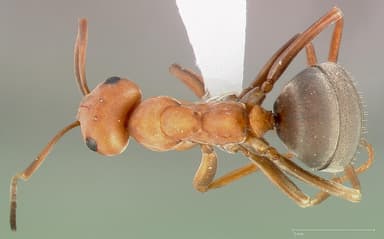
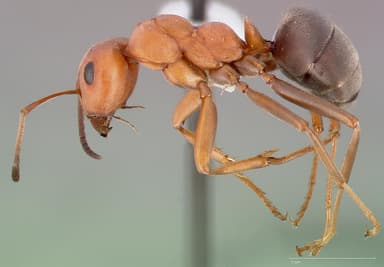
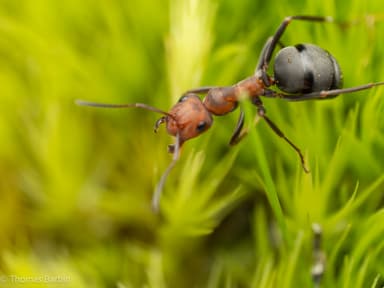
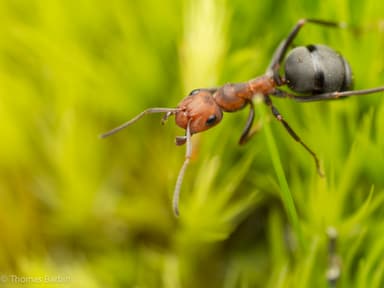
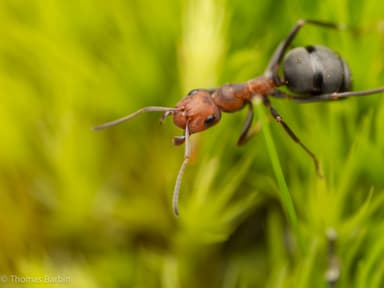
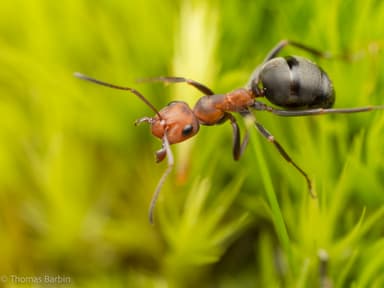
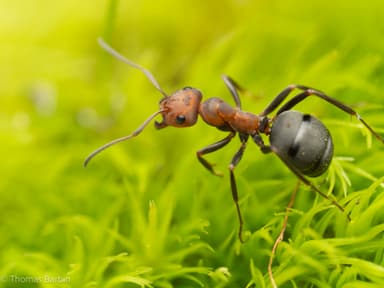
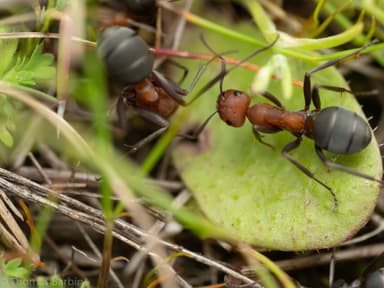
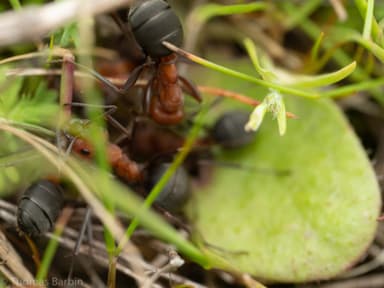
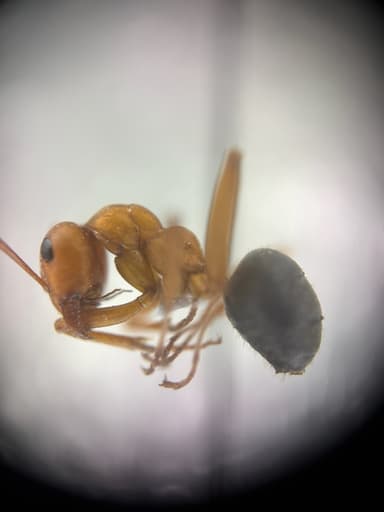
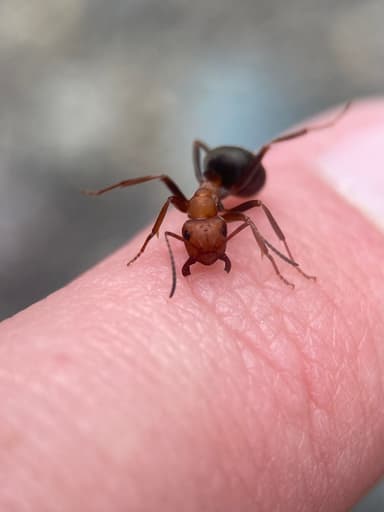
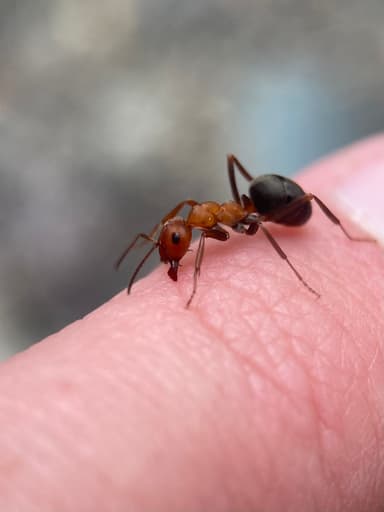
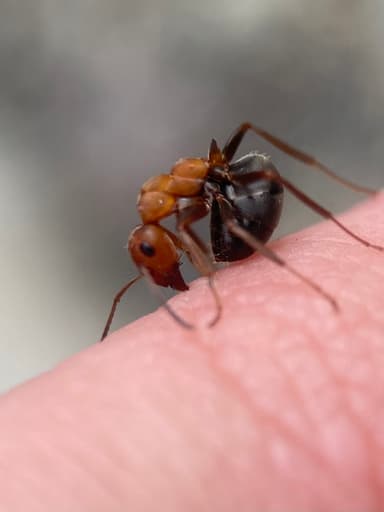
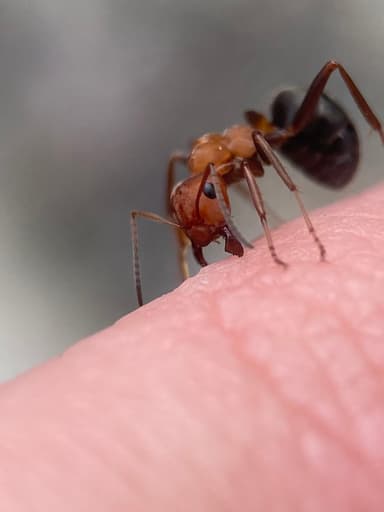
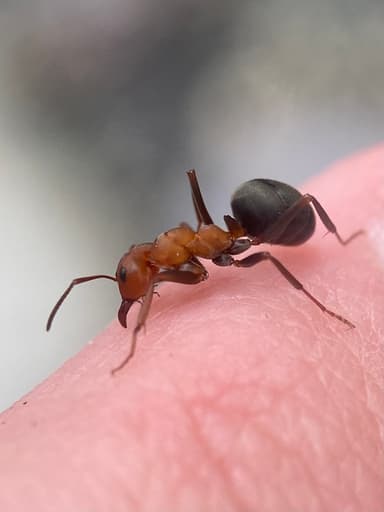
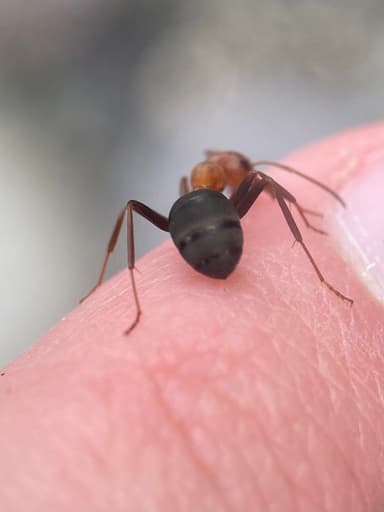
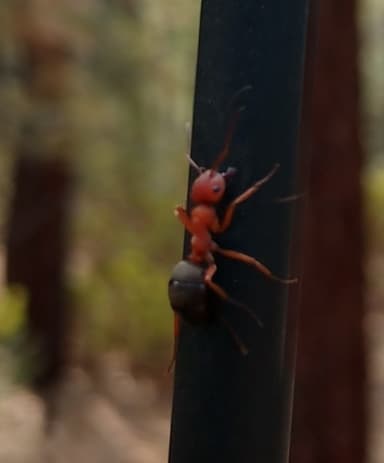
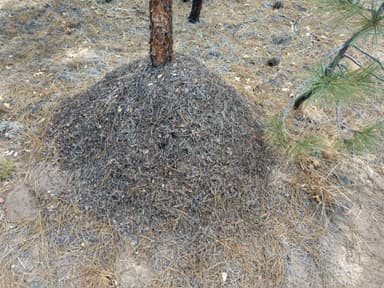
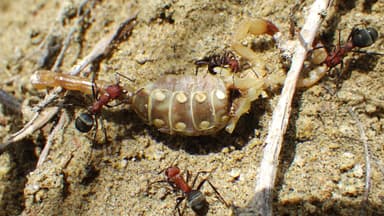
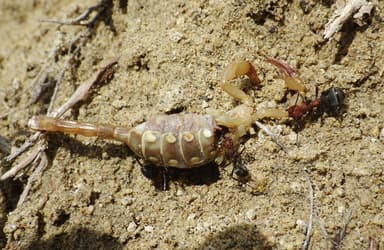
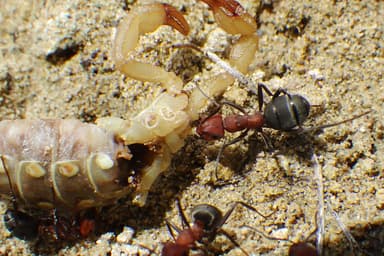
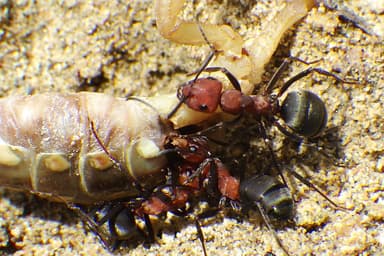
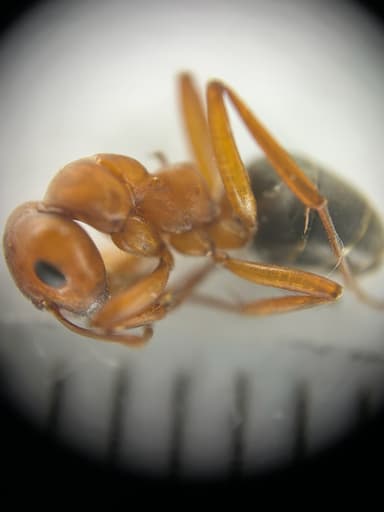
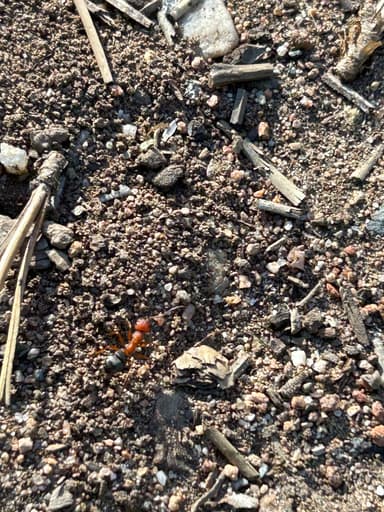
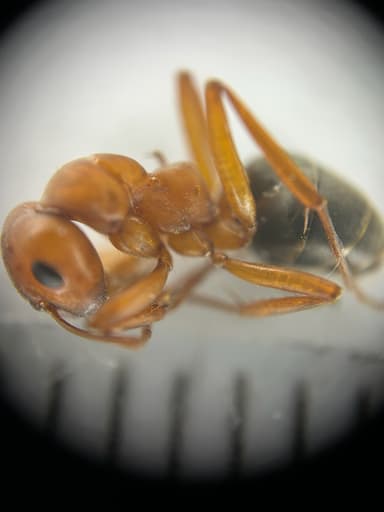
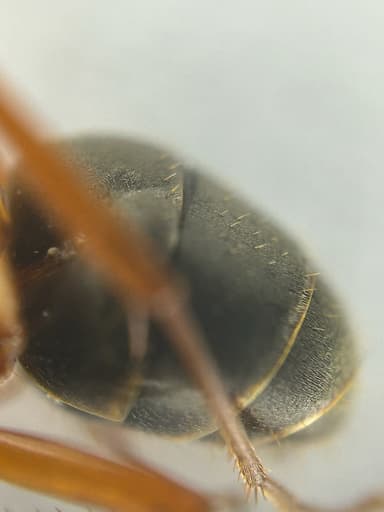
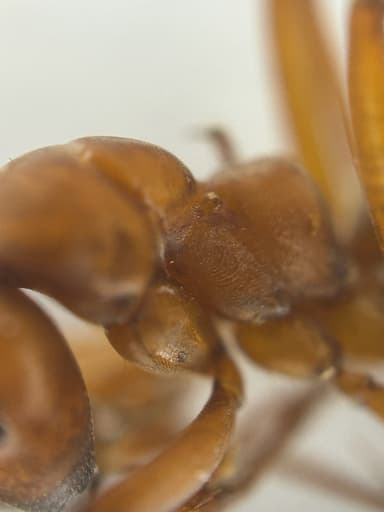
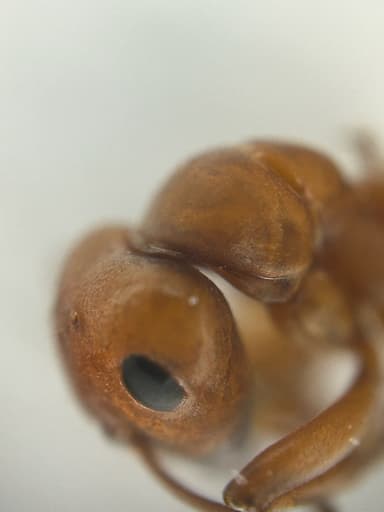
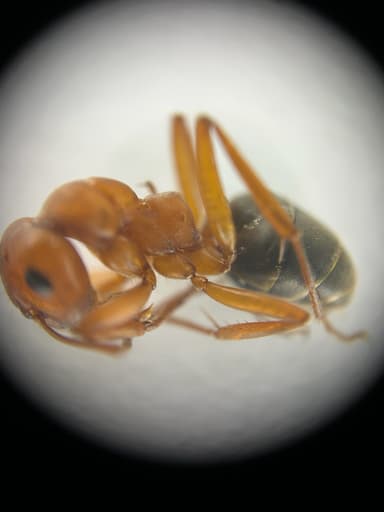
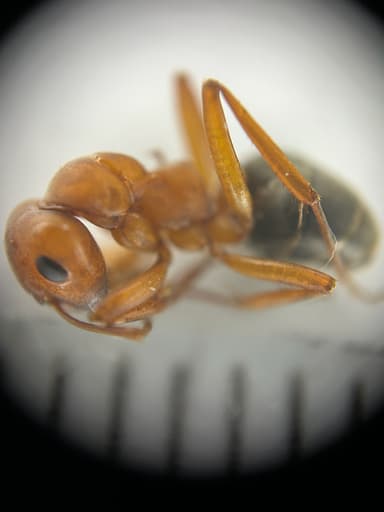
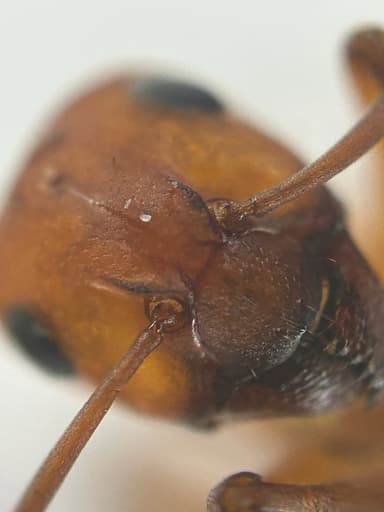
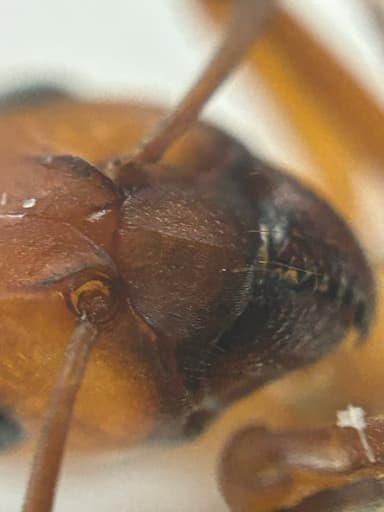
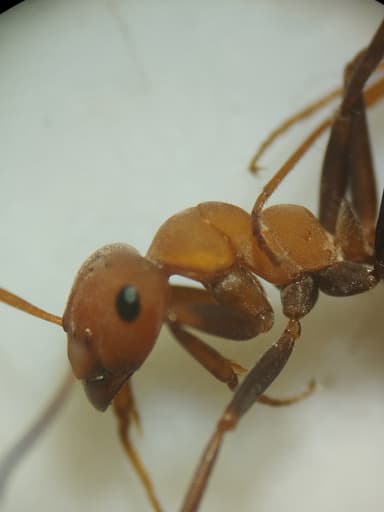
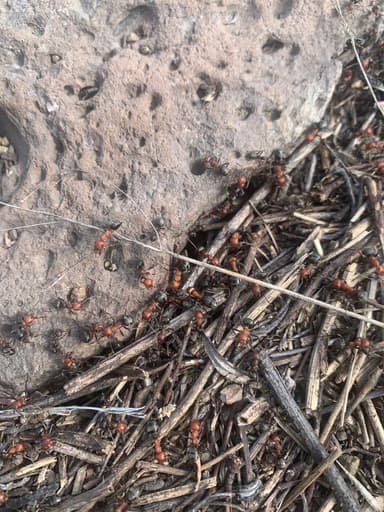
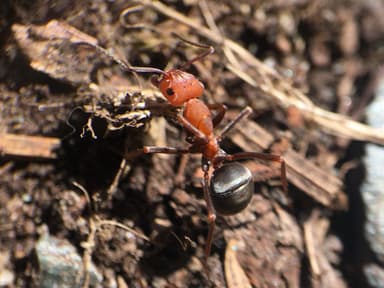
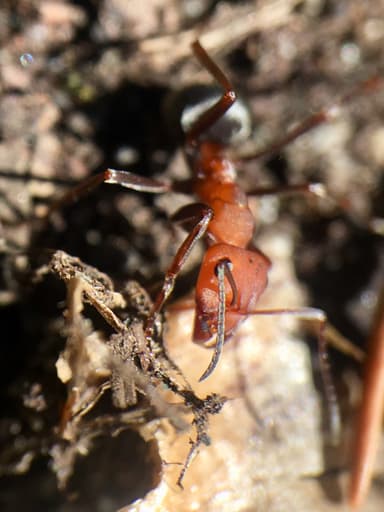
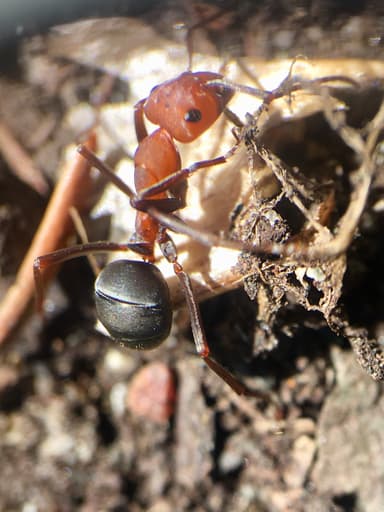
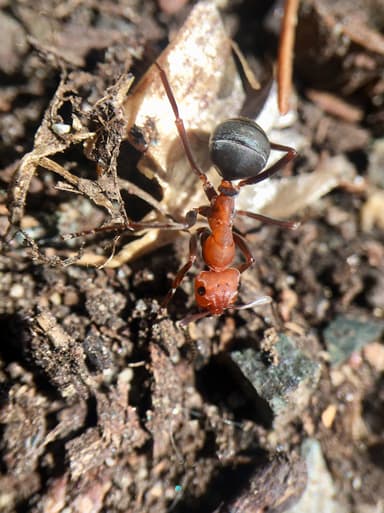
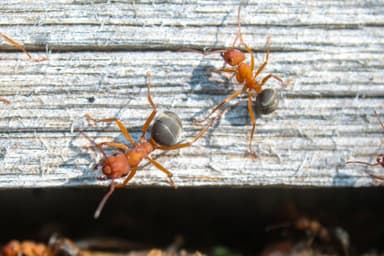
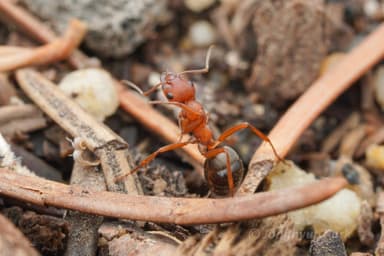
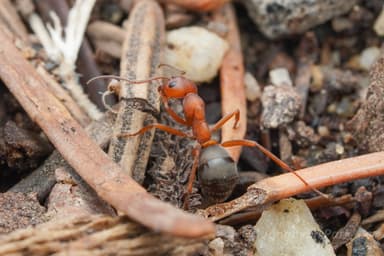
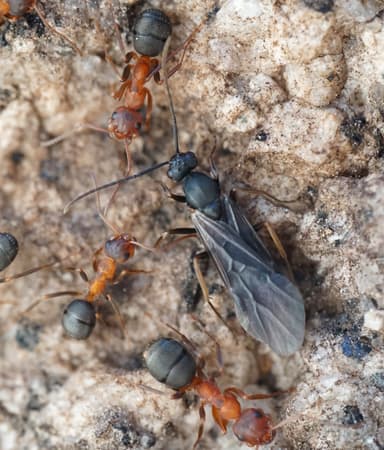
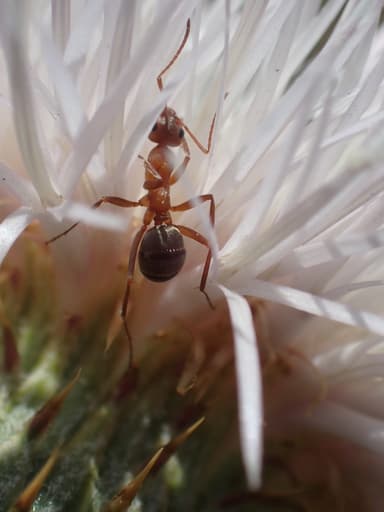
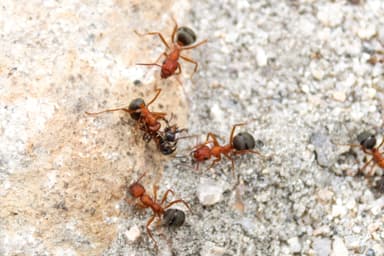
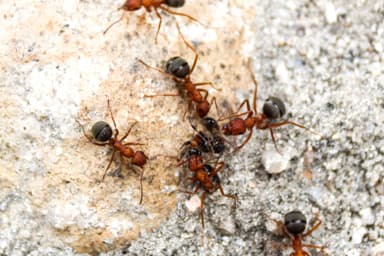
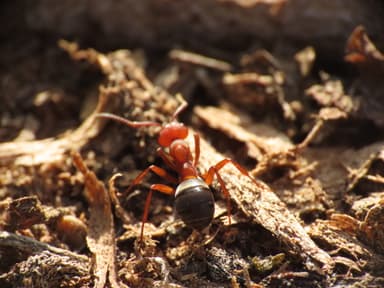
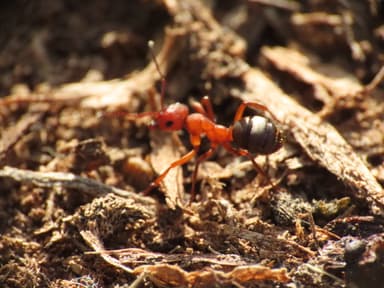
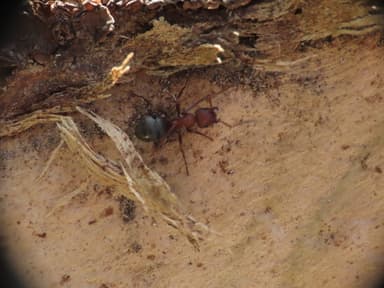
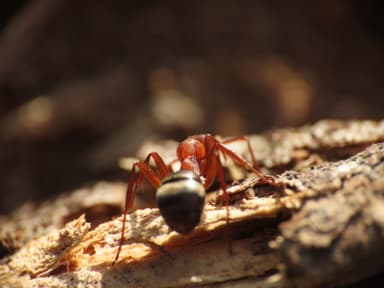
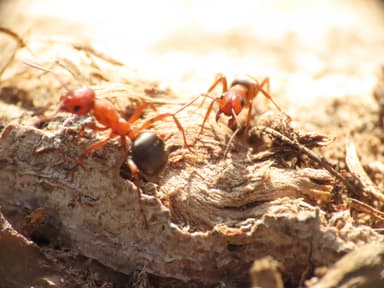
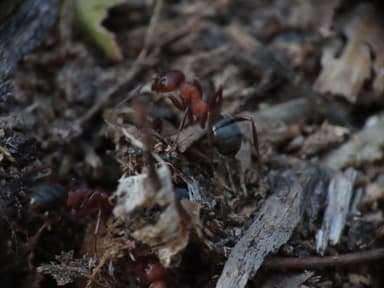
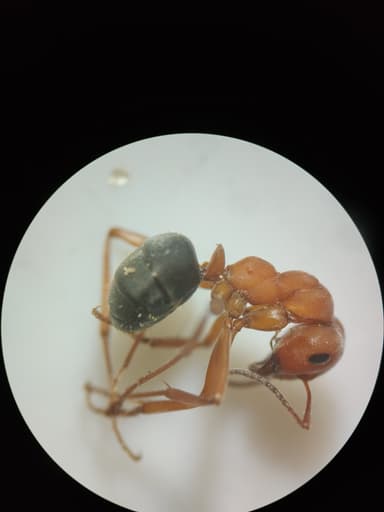
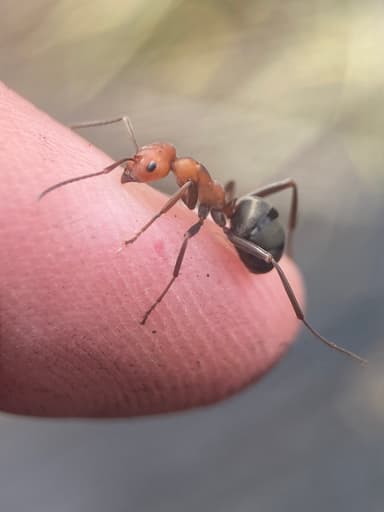
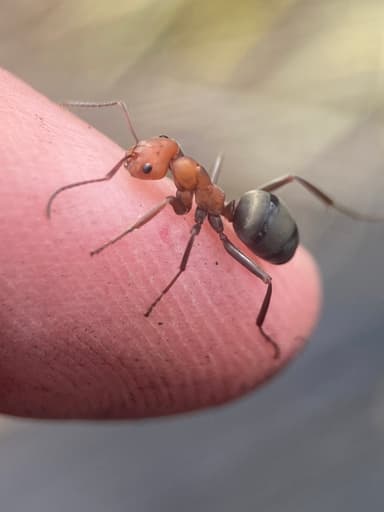
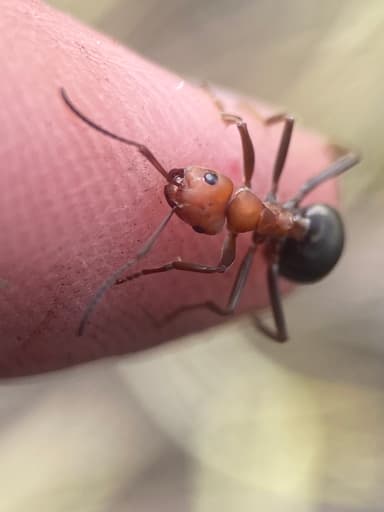
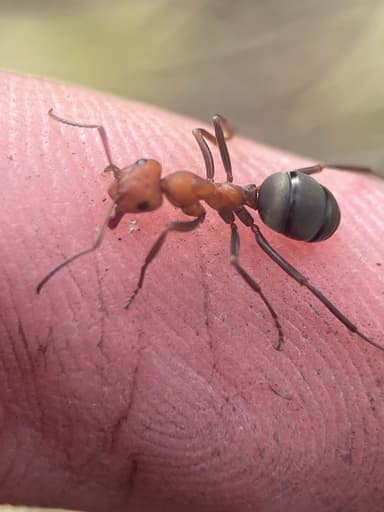
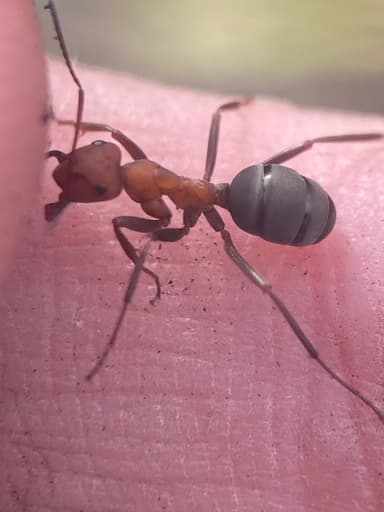
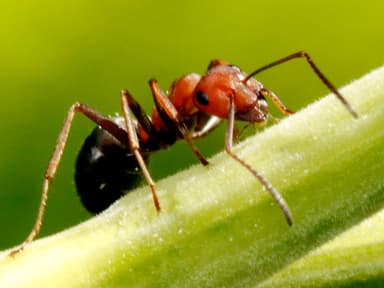
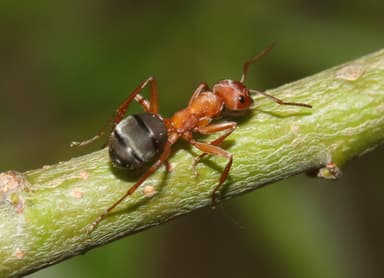
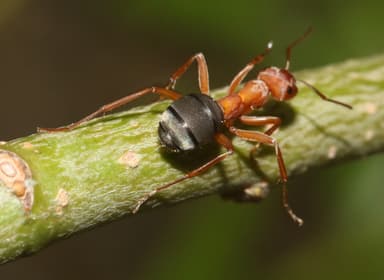
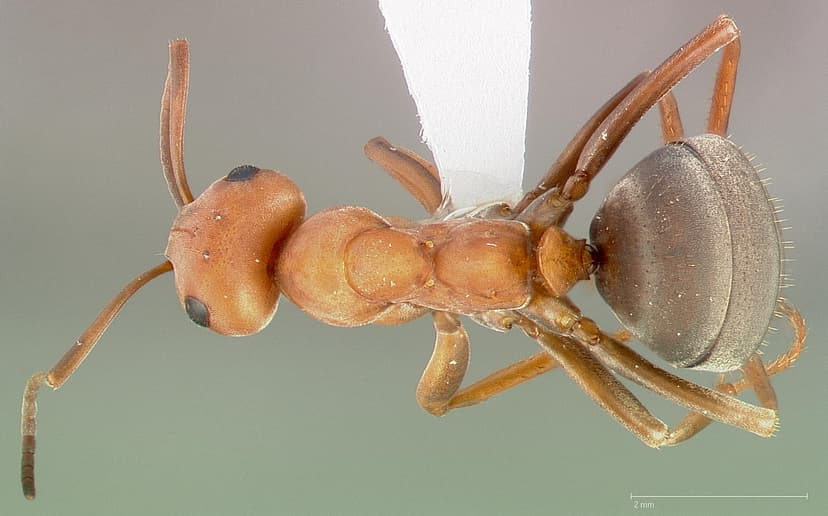
Formica ravida is a large, robust ant of the fusca group, widespread across western North America from the Pacific coast inland to the Rocky Mountains, roughly between latitudes 30°N and 50°N. The queens measure a substantial 8 to 10 mm, while the monomorphic workers range from 4.5 to 7 mm. Their dense colonies, which can eventually swell to contain as many as 50,000 individuals, are entirely composed of minor workers, yet what the species lacks in physical castes it more than compensates for in its captivating social strategy. F. ravida is an obligate social parasite: newly mated queens do not found colonies on their own but must instead infiltrate the nests of closely related Formica species, typically members of the fusca and neogagates groups, either by stealth or by force. Once accepted—or after eliminating the resident queen—the parasitic queen’s own brood is reared by the host workers, and over time the colony transitions to a pure F. ravida workforce. This fascinating mode of colony foundation, along with the species’ vigorous foraging columns and defensive use of formic acid, makes it a deeply rewarding subject for observation, though it comes with decidedly high stakes for the keeper (Francoeur 1973; Creighton 1950).
This is without doubt an expert‑level ant. Only keepers with extensive experience in rearing social parasites and a thorough grasp of Formica husbandry should attempt it. The founding phase is the greatest hurdle: a lone queen will almost certainly perish without access to suitable host pupae and callow workers that can be coaxed into accepting her. Even a small, established colony can suddenly collapse if the delicate balance of brood and worker numbers is disrupted. The ant’s large mature size also means that, over several years, a thriving colony will demand progressively more space, food, and vigilance. Beginners are strongly advised to gain proficiency with non‑parasitic Formica or Lasius before even considering this species, and even then, patience and a willingness to accept loss are prerequisites.
In captivity, F. ravida thrives in a set‑up that mimics its natural soil‑nesting habits. A Ytong or 3D‑printed nest block enclosed within a spacious foraging arena works well, provided the nest is filled or lined with a sandy‑loam substrate that holds moisture evenly. Temperature should be maintained between 20 and 28°C, with a gentle gradient so that the ants can select their preferred microclimate; a small heat mat attached to one side of the nest is often sufficient. Humidity is equally important, and levels must be kept in the 50–70% range—too dry and brood desiccates, too wet and mold or disease may strike. A large outworld with a deep layer of sand, pebbles, and dried leaf litter not only gives foragers room to roam but also provides a natural setting for the ants to deposit debris and perform social waste‑management. Because colonies can reach enormous sizes over time, plan housing from the start that can be expanded with additional modules or replaced by a larger formicarium without excessive disturbance.
F. ravida workers are energetic foragers that require a steady supply of protein and carbohydrates. Offer a variety of small insects—crickets, mealworms, roaches, or fruit flies—all sourced from pesticide‑free cultures. Protein is critical for larval development, so increase feeding frequency when brood numbers are high. Carbohydrates can be supplied as dilute honey, sugar water, or a commercial ant nectar product; many keepers find that small droplets placed on clean foil or a feeding tray are readily accepted. Always keep a fresh water source available, either through a test‑tube setup inside the outworld or via a moist cotton‑plugged dish. Overfeeding uneaten prey can quickly lead to mite outbreaks, so remove any leftovers after 24 hours. A well‑fed colony will exhibit vigorous activity and steady growth, while a stagnant one may indicate nutritional deficiencies or incipient disease.
Seasonal hibernation is not optional for this temperate species—it is a biological imperative. Colonies require an extended cold rest at a stable 5°C for at least three to four months to reset their annual reproductive cycle and maintain long‑term health. Begin the cooling process gradually in late autumn: reduce heating, cut back on food, and allow the nest to dry slightly. Once the ants have clustered and ceased foraging, move the entire setup to a refrigerator, cellar, or wine cooler that can hold the target temperature reliably. Check periodically for adequate humidity—a few drops of water on the substrate every few weeks—and keep the environment dark. As spring arrives, warm the colony slowly over a period of one to two weeks, and after they become active again, resume feeding and normal temperatures. Colonies denied hibernation typically fade within a year, plagued by failing queens and weak worker production.
If you have just acquired a small F. ravida colony—perhaps a queen with a handful of workers and brood—give them at least 24 to 48 hours of undisturbed darkness to acclimate before making any adjustments. The stress of shipping can cause restlessness and even temporary aggression; a quiet, dim room and a covered nest help enormously. For the first feeding, offer a tiny, pre‑killed fruit fly or a miniscule dab of sugar water on a pinhead, placed near the nest entrance but not directly on the ants. Watch the colony’s reaction: anxious rushing or aggressive hiding is normal at first, while calm exploration within a day signals that they are settling. Do not attempt to enlarge the nest or reconnect any detached tubing until the ants are feeding reliably. Pay close attention to the queen—if she is seen walking prolifically or hovering near the exit, the nest conditions may need tweaking. Mold, persistent trembling, or a failure to accept food after a few days are early warnings that require swift intervention. With gentle diligence, your colony will soon embark on the long, remarkable journey from a handful of bewildered individuals to a teeming, polydomous network that reveals the full splendor of social parasitism in action.