Eciton
Eciton burchellii
Nuptial Flight Calendar
Flight months: Jan, Feb, Mar, Apr, May, Jun, Jul, Aug, Sep, Oct, Nov, Dec
Care Guide
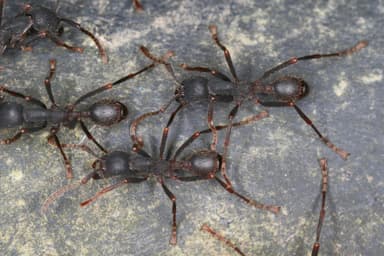
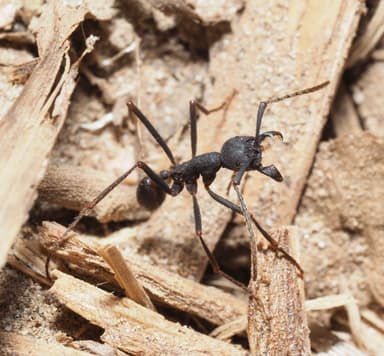
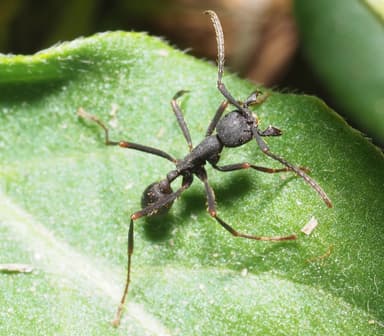
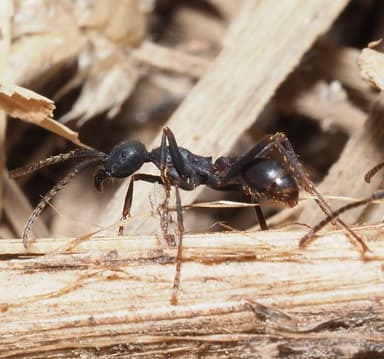
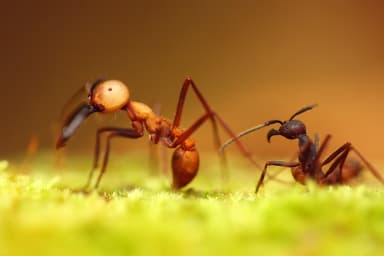
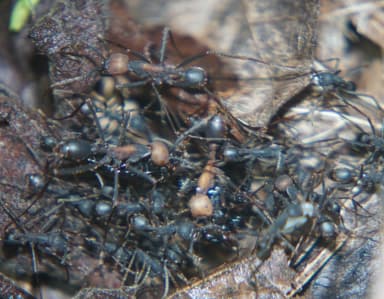
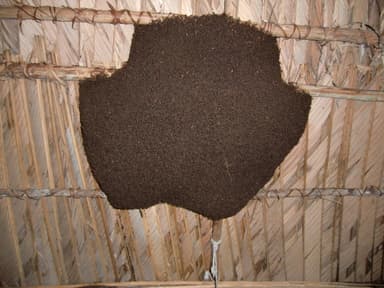
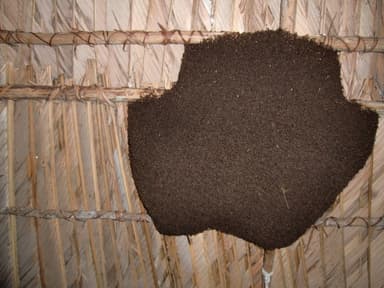
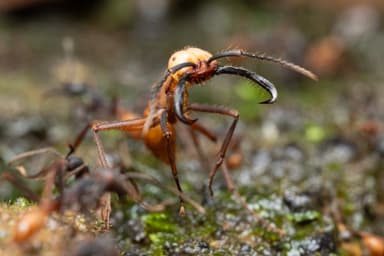
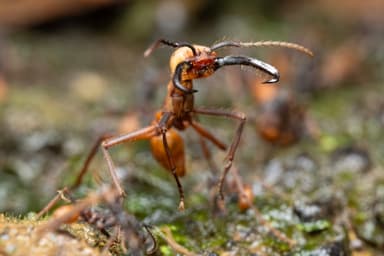
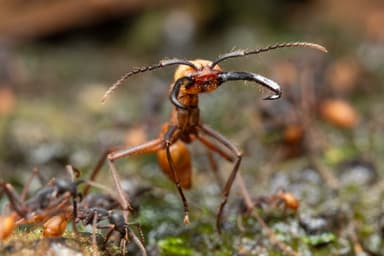
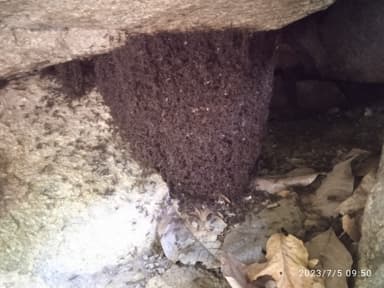
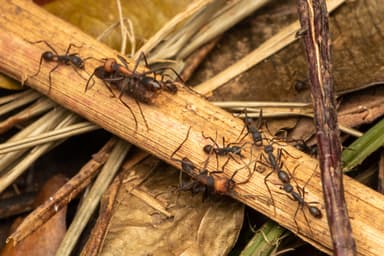
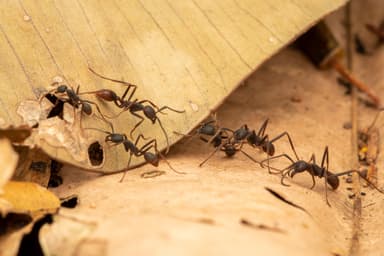
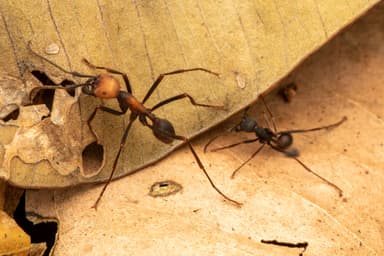
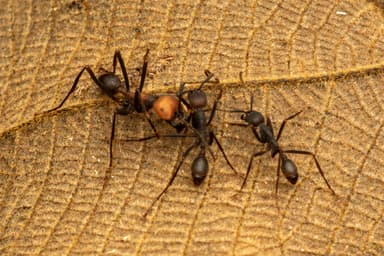
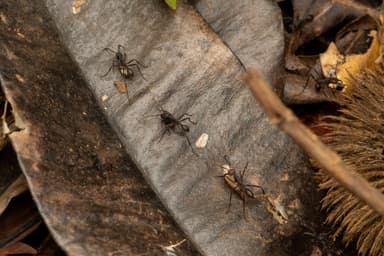
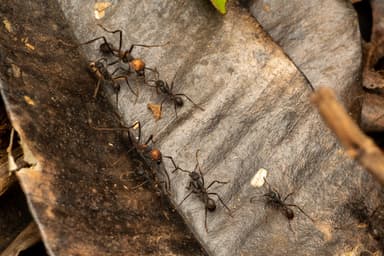
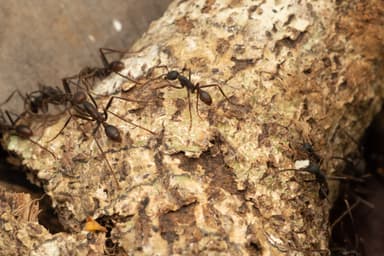
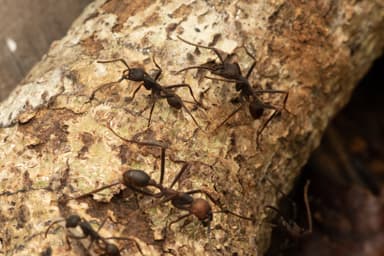
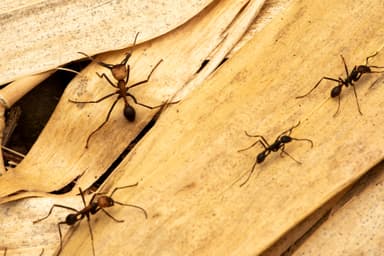
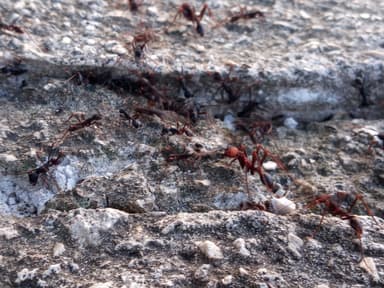
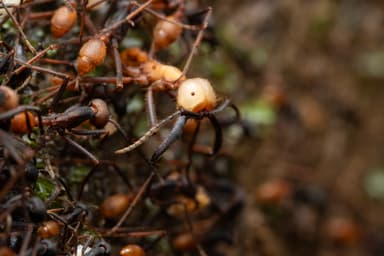
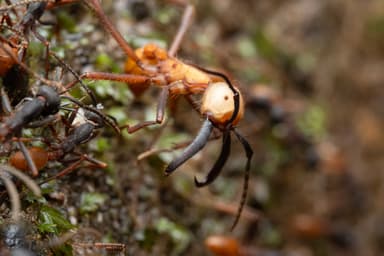
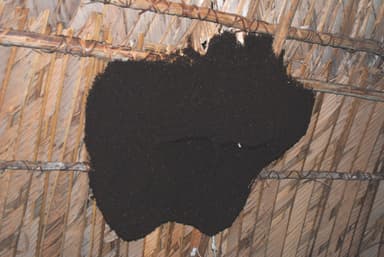
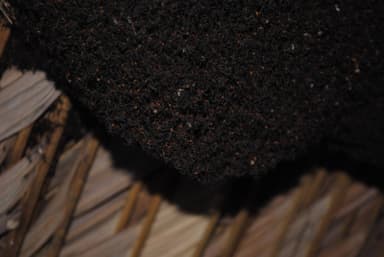
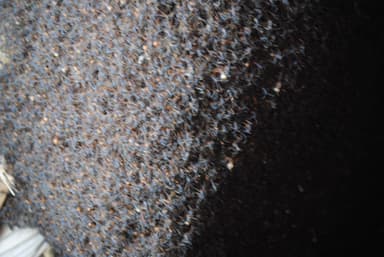
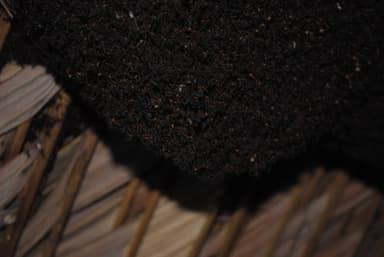
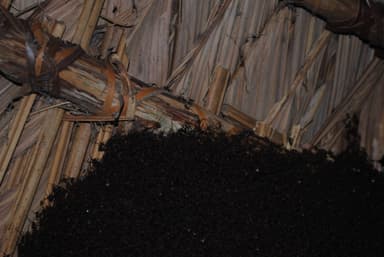
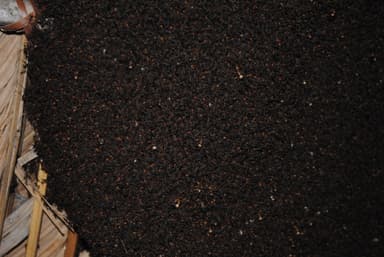
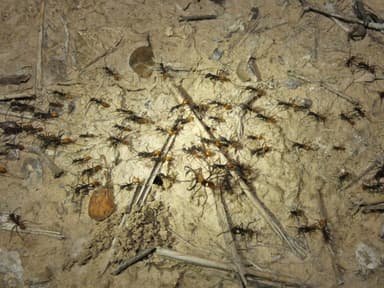
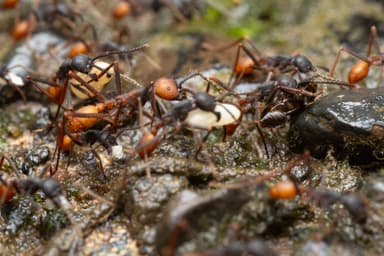
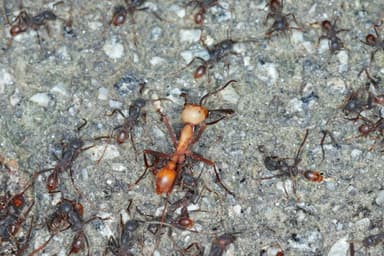
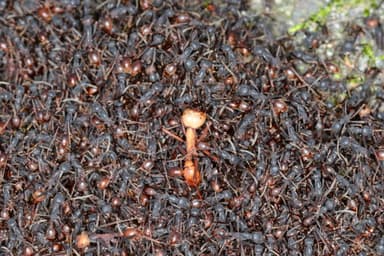
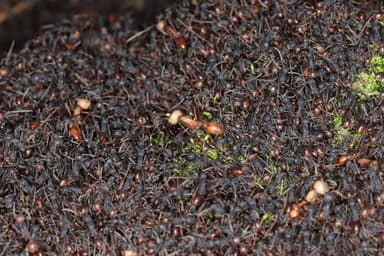
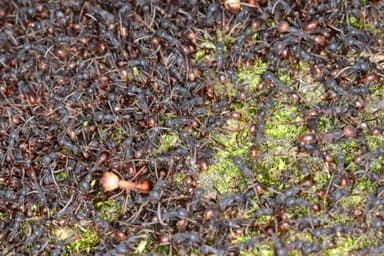
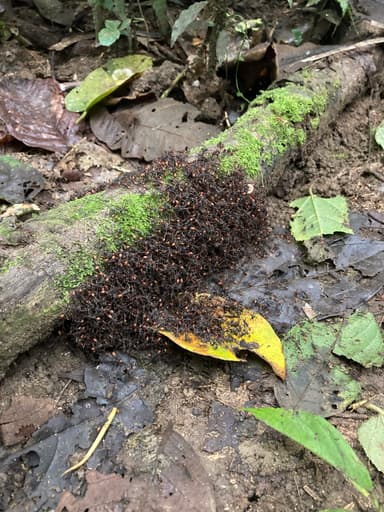
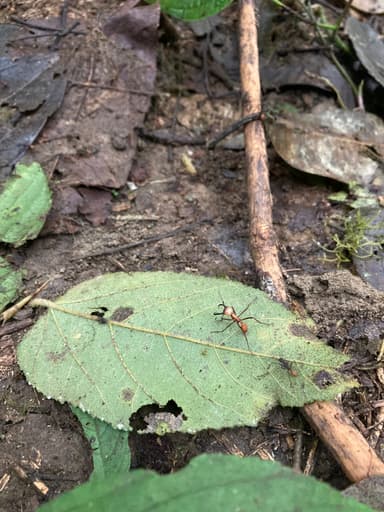
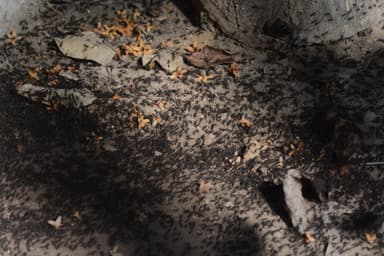
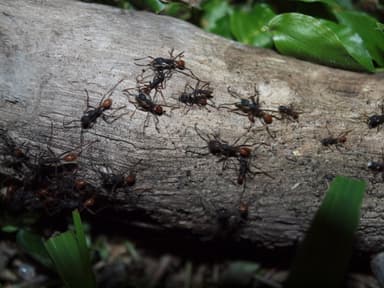
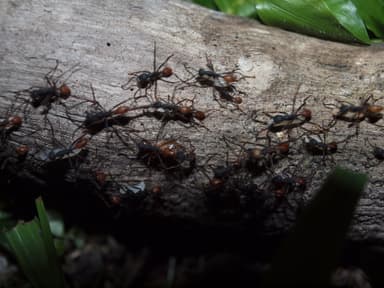
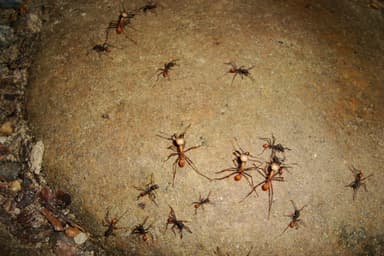
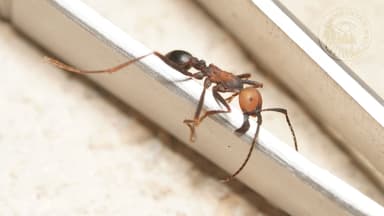
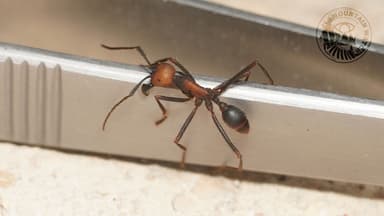
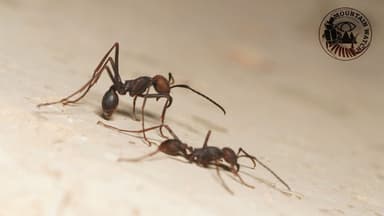
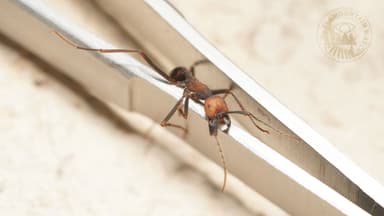
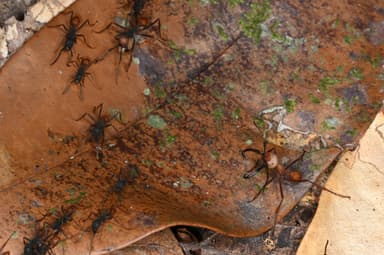
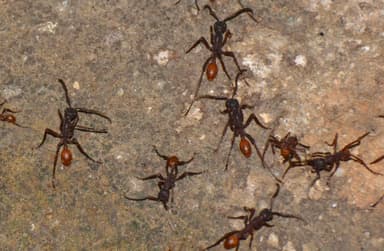
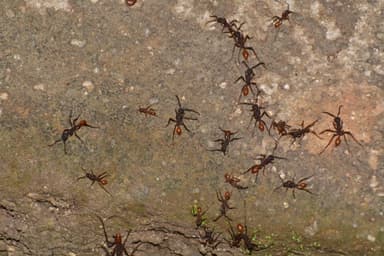
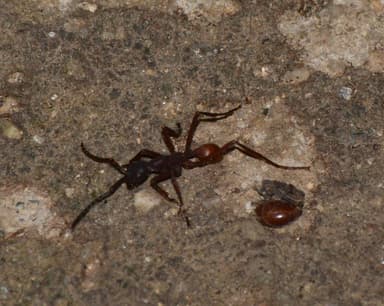
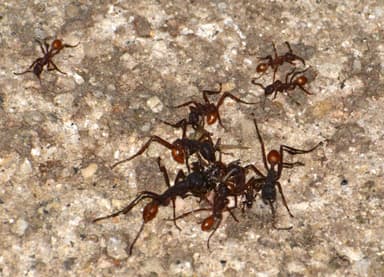
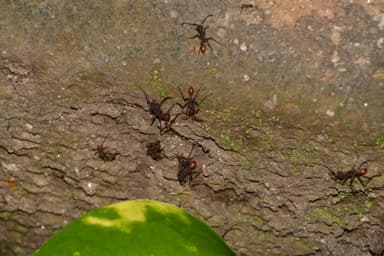
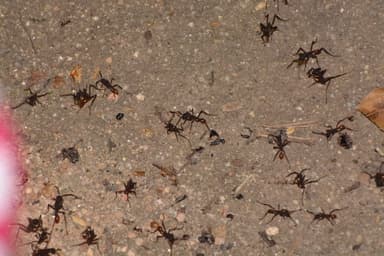
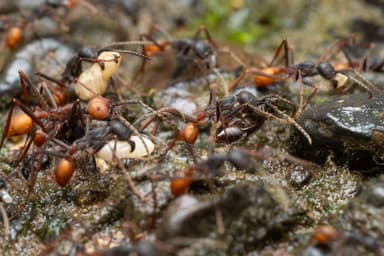
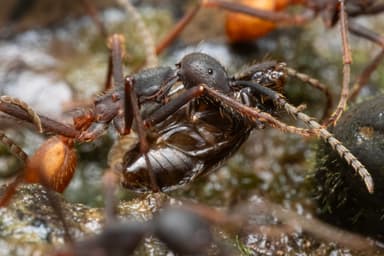
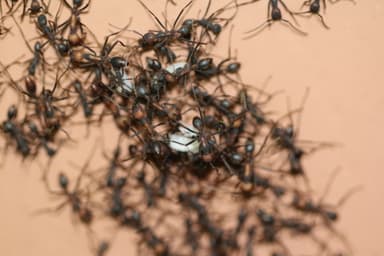
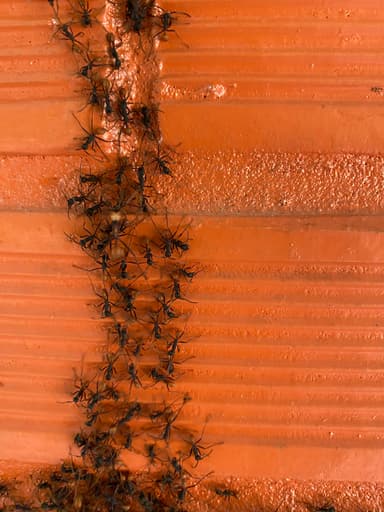
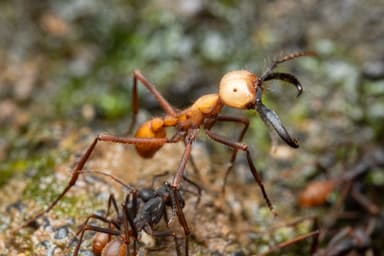
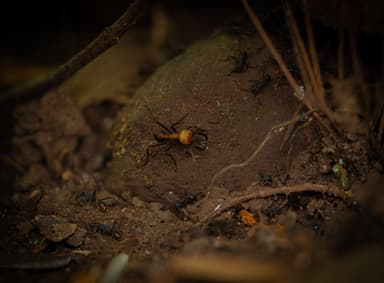
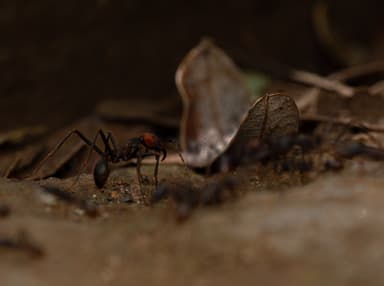
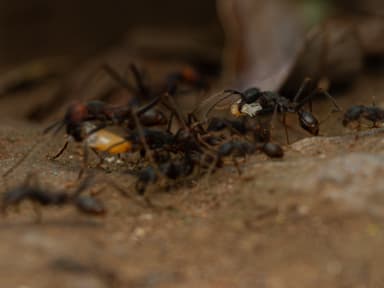
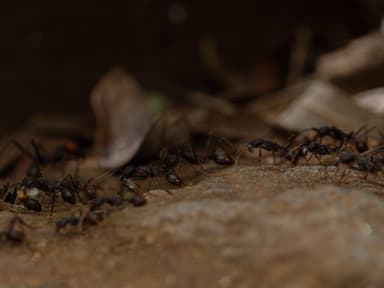
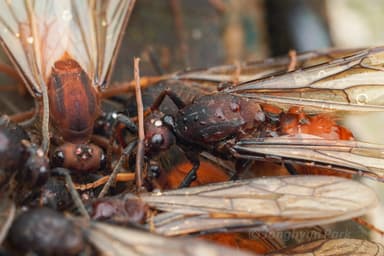
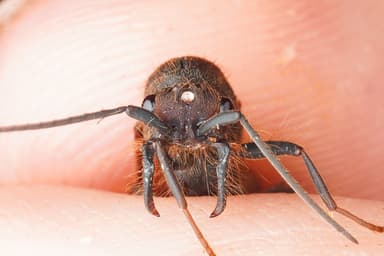
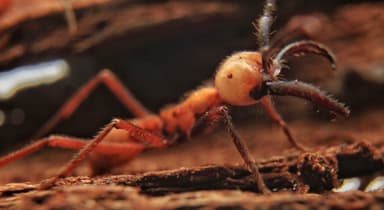
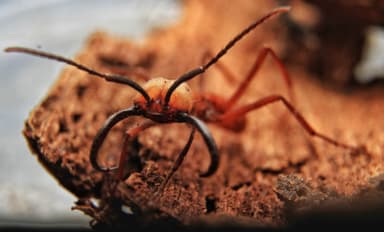
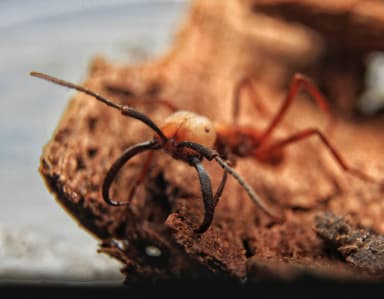
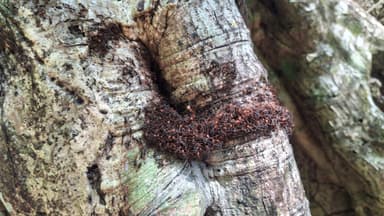
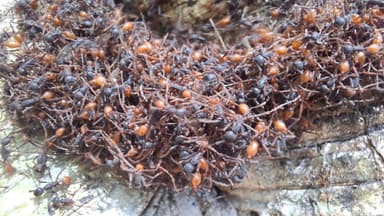
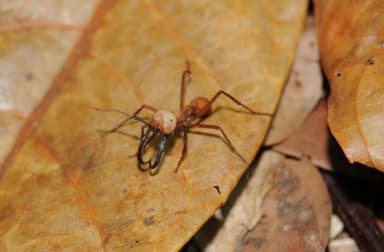
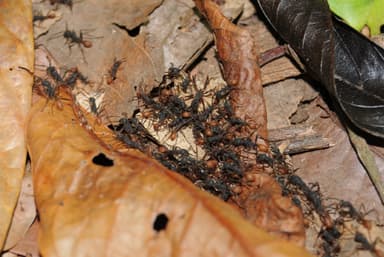
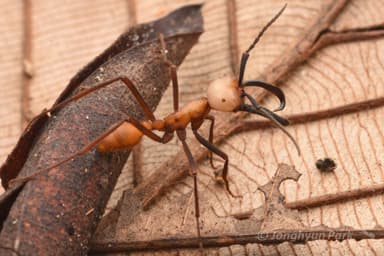
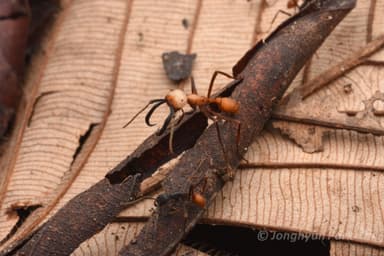
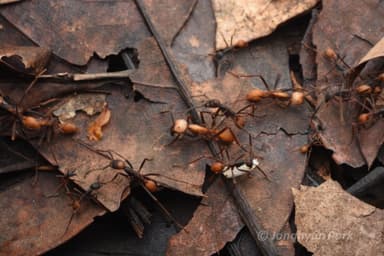
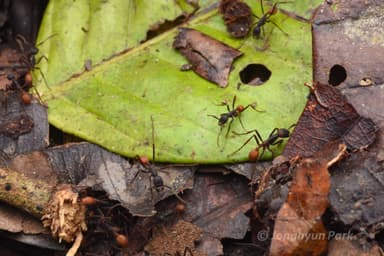
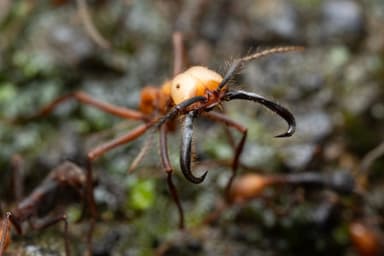
Eciton burchellii stands as the undisputed icon of the army ant world, a creature that has captivated naturalists since the earliest explorations of the Neotropical forests. Spanning from southern Mexico to Argentina and across the Amazon Basin, this species forms colossal colonies that can number up to two million individuals, all operating as a single predatory superorganism. Their appearance alone signals something extraordinary: workers exhibit extreme polymorphism, with the tiniest 3 mm minors scurrying alongside formidable 14 mm soldiers, whose massive, ice-tong-like mandibles are permanently specialized for defense and are incapable of feeding themselves. The queen is even more remarkable—a wingless, dichthadiiform giant of 20–25 mm with an enormously distended gaster, permanently gravid and capable of producing a new generation of workers in massive synchronized batches. Unlike most ants, E. burchellii never constructs a physical nest; instead, the colony forms a living bivouac, a writhing cascade of interlocked bodies protecting the queen and brood within. They reproduce via fission, with a new colony budding off when a mated queen departs with a retinue of workers, as no nuptial flights exist for these permanently earthbound queens (Schneirla 1971; Rettenmeyer et al. 2011). This nomadic, high-intensity life cycle, combined with their staggering biomass demands, makes them one of the most fascinating—and most demanding—social insects on the planet.
Make no mistake: this is an expert-only species, but even that label barely captures the monumental challenge. Eciton burchellii is not an ant that should be in private collections; its care realistically requires institutional resources, a walk-in climate-controlled room, and a full-time keeper. The difficulty stems from their army ant biology: the colony is an obligate mass raider that conducts daily sorties, consuming extraordinary amounts of live insect protein. A mature colony can dispatch hundreds of thousands of prey items per day (Kronauer 2009). Without this constant influx, the brood starves, the queen’s production falters, and the colony collapses within days. Their nomadic phase also demands that the entire colony moves regularly, meaning static setups will fail. This guide is therefore a window into their requirements rather than an invitation to attempt keeping them. Only a handful of research laboratories worldwide have successfully maintained army ants for extended periods, and even then, the setup is a dedicated biospace mimicking a rainforest floor. If you are a highly experienced myrmecologist with extensive backyard insect production and a large dedicated room, you might, with immense effort, create a short-term observational colony, but the ethical and practical barriers are immense.
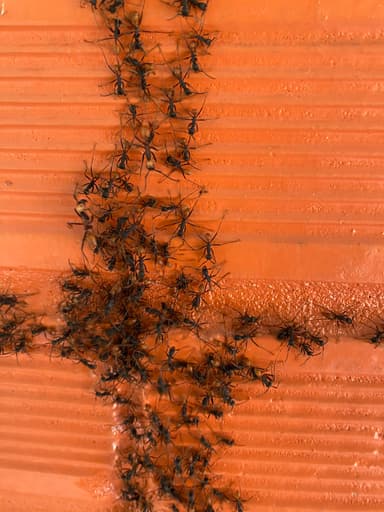
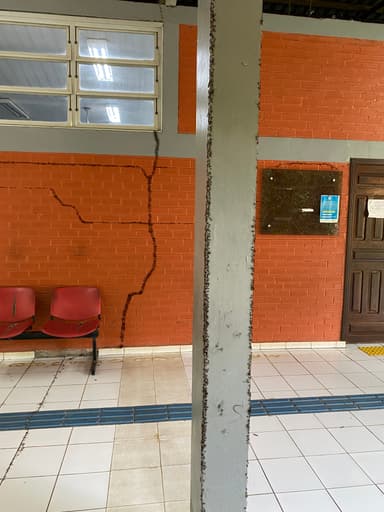
Housing an army ant colony requires reimagining the very concept of a formicarium. There is no nest box; instead, you must provide a large, well-ventilated environment where the ants can form a bivouac naturally. A walk-in terrarium or modified greenhouse bay of at least several square meters is the minimal scale, with a temperature gradient tightly maintained between 22°C and 30°C and relative humidity never dipping below 70%, ideally oscillating between 80% and 95% to prevent desiccation of the brood (Rettenmeyer et al. 2011). The floor should be a deep layer of a substrate like a peat-clay mix, high enough to anchor their bivouac and retain moisture, yet with excellent drainage to avoid stagnation. Crucial are vertical structures—rough-barked logs, cork panels, or hanging ropes—from which the ants can hang their living cluster. Airflow must be constant but gentle, as army ants are sensitive to stale, ammonia-rich air; a filtered extraction system mimicking jungle breezes is essential. Escape-proofing is a monumental task: the smooth vertical barriers that deter most ants are often scaled by Eciton workers interlinking their bodies, so a full room-sealing strategy with a moat or a negative-pressure antechamber becomes necessary. The space must be kept dark, with red spectrum lighting for observation, as they are naturally photophobic during the bivouac phase.
The dietary demands of Eciton burchellii define the keeper’s daily routine. These ants are obligate predators, primarily targeting the brood of other social insects such as ants, wasps, and termites. In the wild, their raids harvest an entire nest’s worth of larvae and pupae (Powell & Franks 2006). In captivity, you must supply a continuous stream of protein-rich feeder insects—crickets, flightless fruit flies, cockroach nymphs, mealworm pupae, and especially wax moth larvae—but live prey is critical to trigger and sustain raiding behavior. Dead prey is often ignored unless the colony is exceptionally starved. The quantity is staggering: a large colony requires several thousand insects daily, which means operating a substantial breeding colony of feeder insects on site. Carbohydrate sources appear only occasionally; workers have been observed lapping at nectar or fruit juices, but they do not actively recruit to sugars, and offering them is not a primary necessity. Water must always be available in multiple forms: spray the bivouac and surroundings daily with dechlorinated water, and provide open water pools with pebbles or sponges to prevent drowning. A hydration gradient that allows the ants to choose microclimates is vital for brood health.
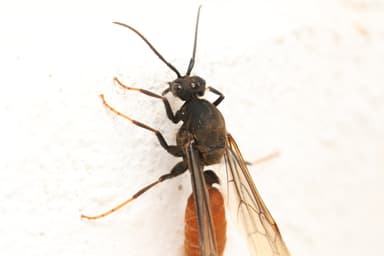
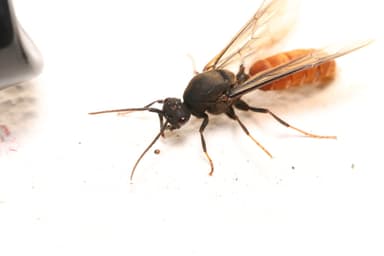
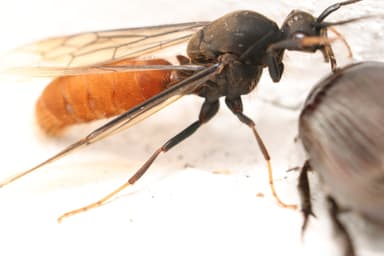
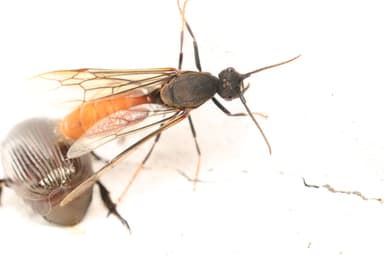
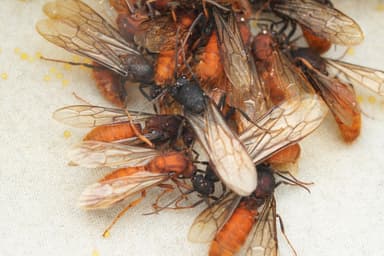
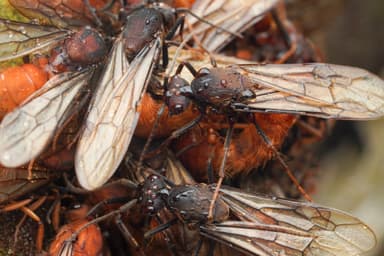
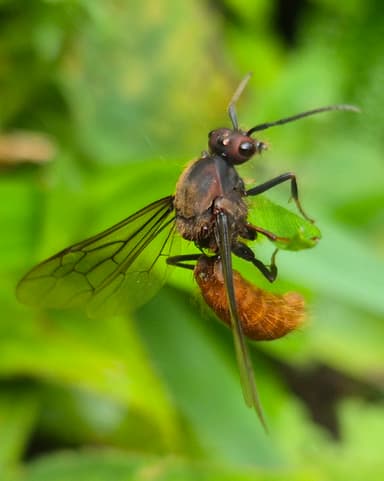
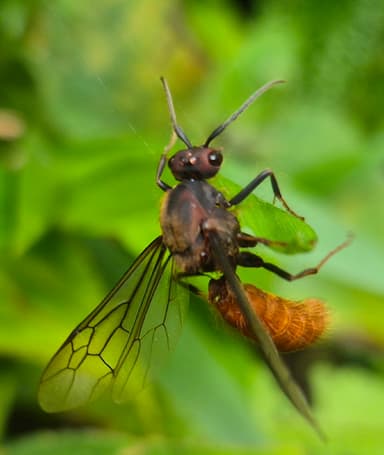
Hibernation is entirely absent from the Eciton calendar. This is a purely tropical species, active every day of the year in its native range, and it requires constant warmth and activity. There is no diapause phase, no overwintering strategy; even reproductive fissions occur without seasonal triggers, as males can fly to seek new colonies in any month (the virgin queens never fly). In your artificial environment, you must maintain the temperature and humidity within the specified ranges without fluctuation. A slight nightly temperature drop of just 2–3°C can mimic natural rhythms but must never approach cool conditions. This perpetual-motion biology means the heating and humidifying systems must be robust, with redundant backups, because a single overnight failure could annihilate a colony.
The first days after acquiring a colony fragment—typically a queenright portion of a wild colony that has just undergone fission—are a frantic race against time. Assume the colony arrives stressed and in a small travel container with minimal workers and brood. Immediately introduce them to the pre-stabilized large environment. They will urgently seek a site to form a bivouac; having several pre-hung artificial “roots” or cloth-covered frames encourages clustering. Provide a heavy feeding of live, soft-bodied insect larvae within the first hour to trigger foraging and reduce hunger. Watch for the queen: she must be constantly attended by a ball of workers, and her abdomen should remain plump and mobile. If she dies or is rejected, the colony disintegrates. The workers will begin to explore thoroughly, testing every boundary, so double-check all escape barriers. Over the first 48 hours, do not disturb them beyond misting and food replenishment, but monitor for the formation of a cohesive bivouac and the initiation of brood care. It is almost certain that a large percentage of the fragment will perish during the adjustment, and only a colony with a robust worker force and a healthy queen has any chance of stabilizing. The grim reality is that, despite all effort, the colony will likely enter an irreversible decline, and the experience will end as a short-term observation of one of nature’s most extraordinary phenomena—a privilege that, for most, is best left to the wild rainforest where it belongs.