Carebara
Carebara diversa
Nuptial Flight Calendar
Flight months: Apr, May, Jun, Jul, Aug
Care Guide
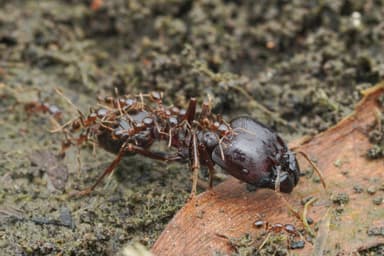
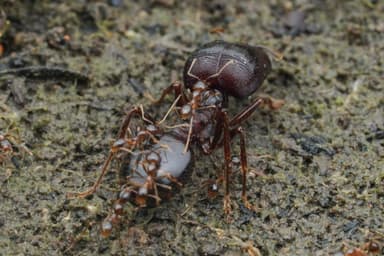
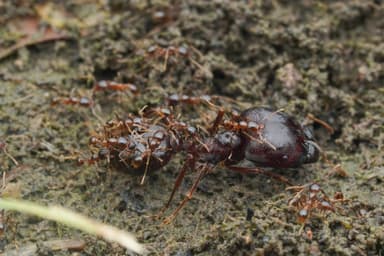
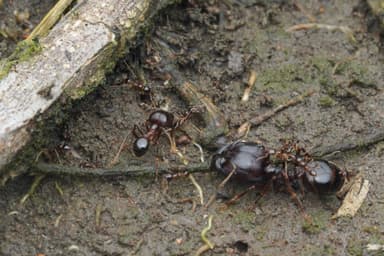
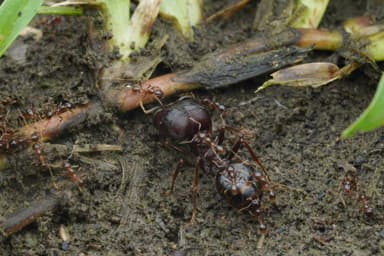
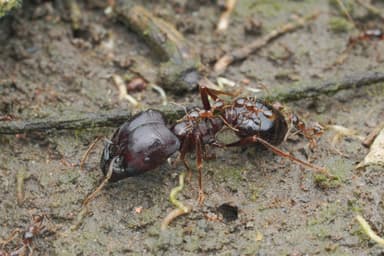
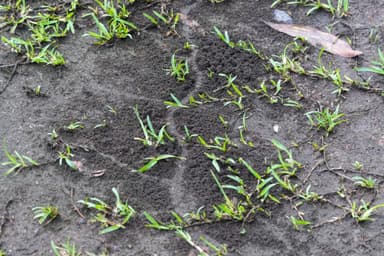
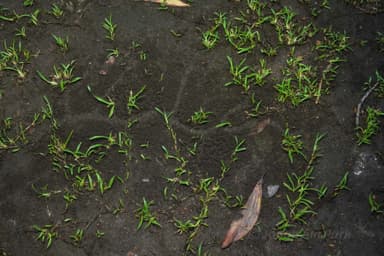
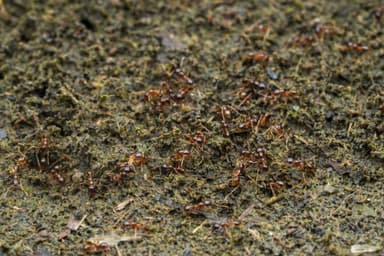
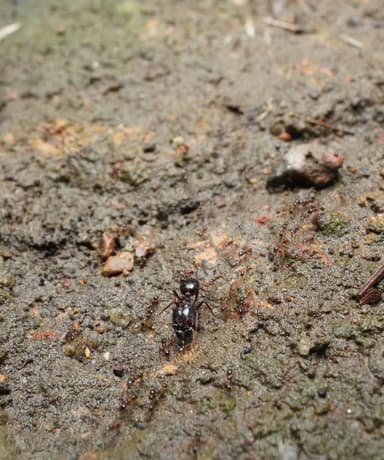
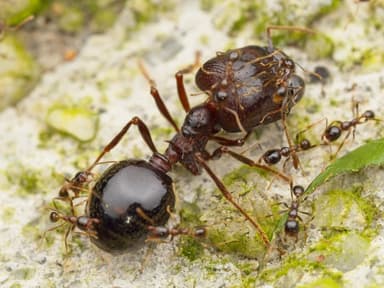
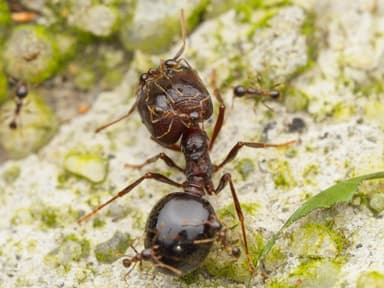
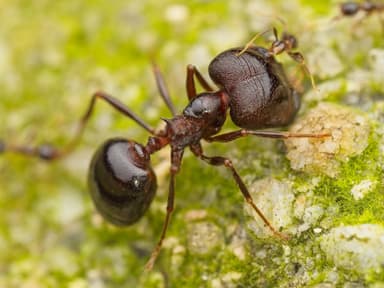
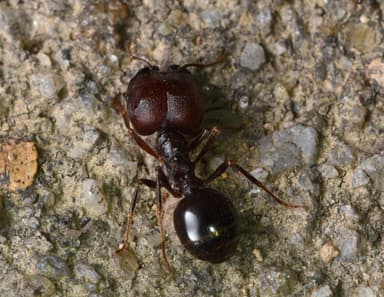
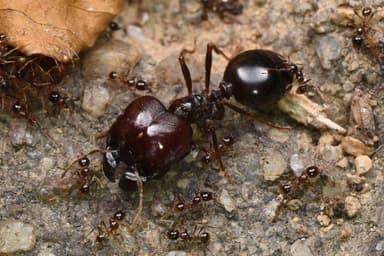
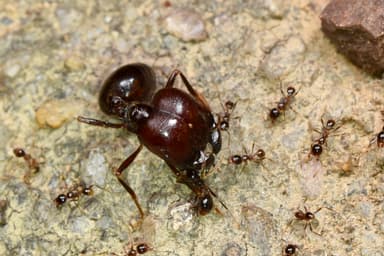
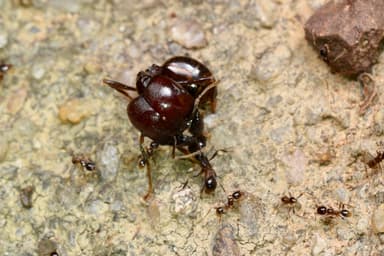
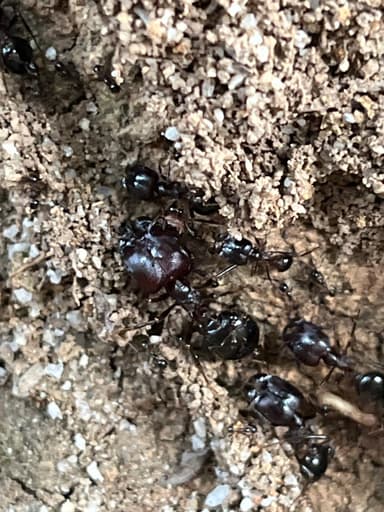
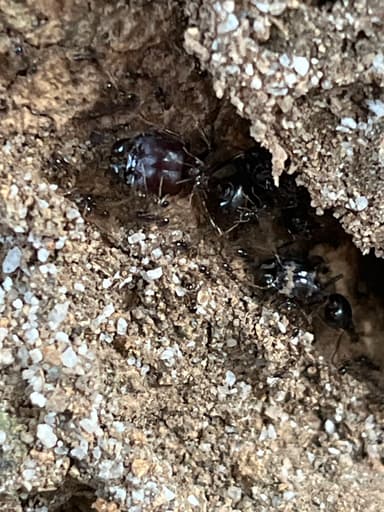
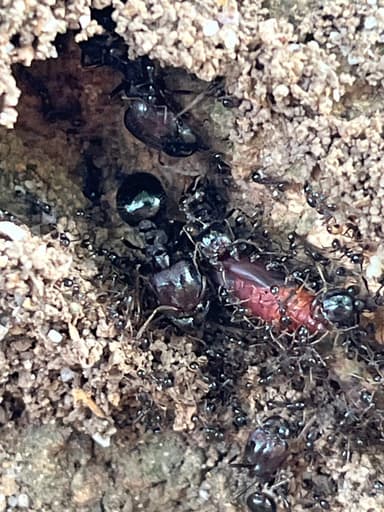
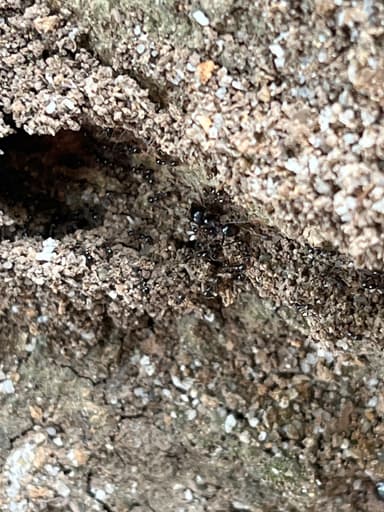
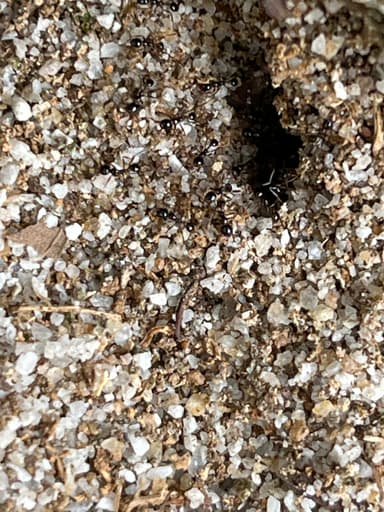
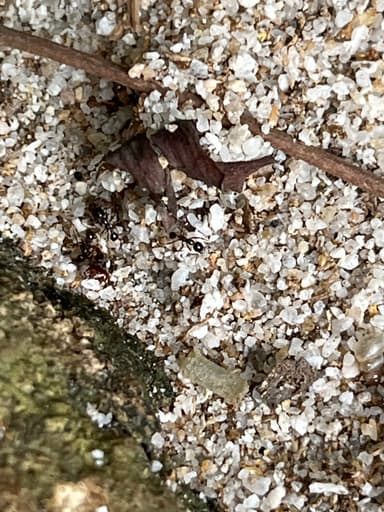
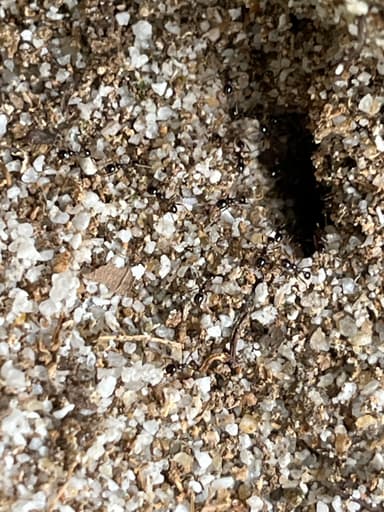
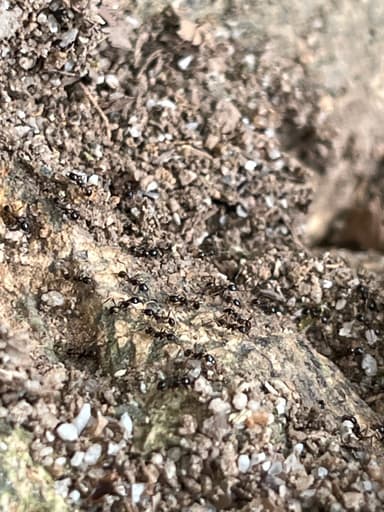
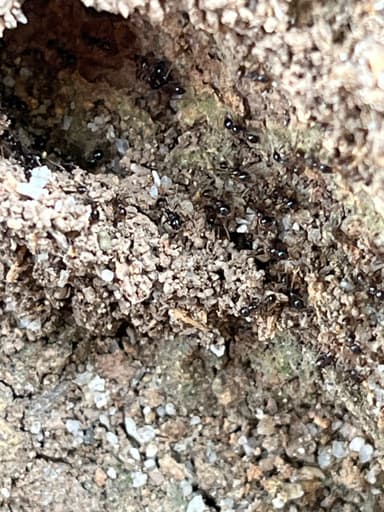
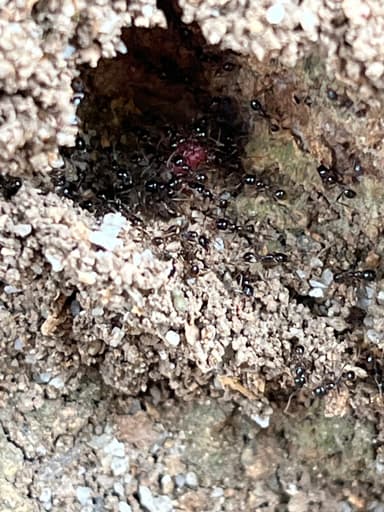
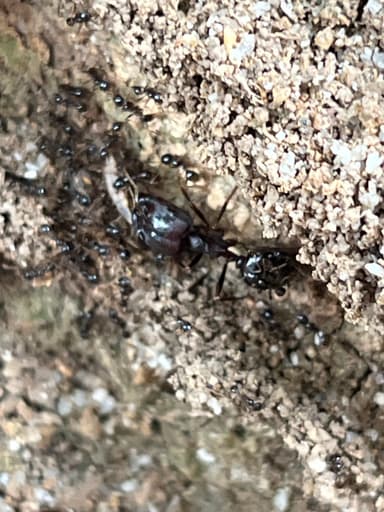
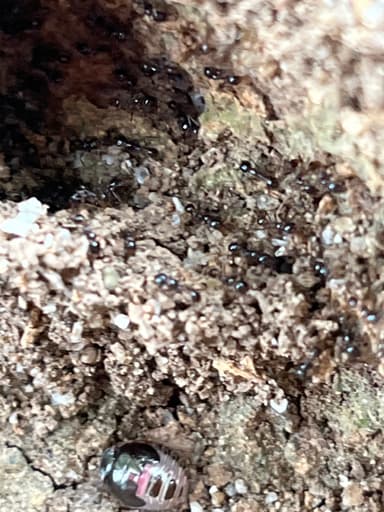
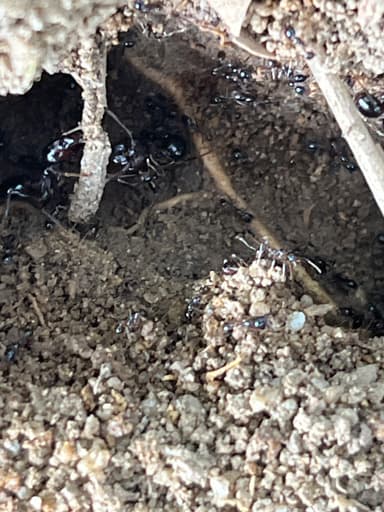
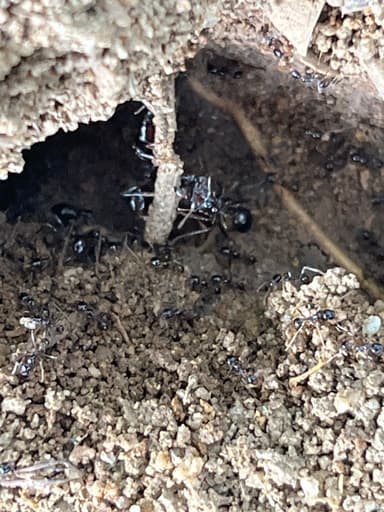
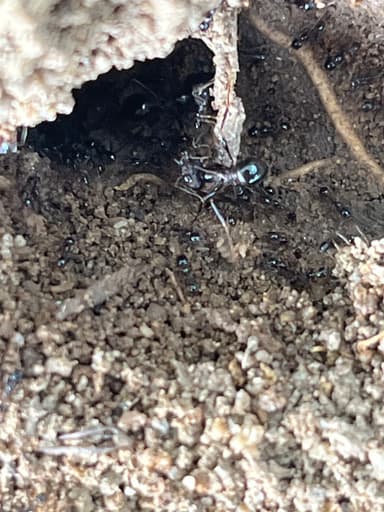
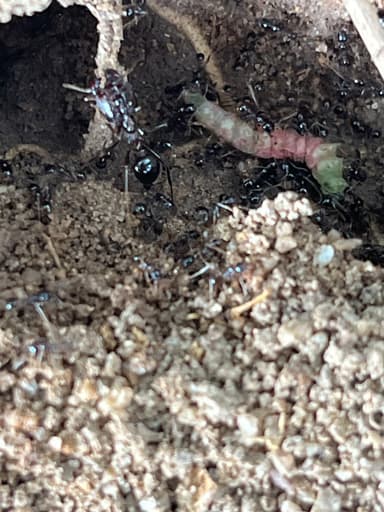
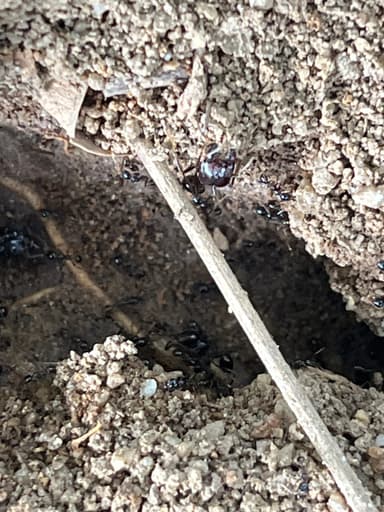
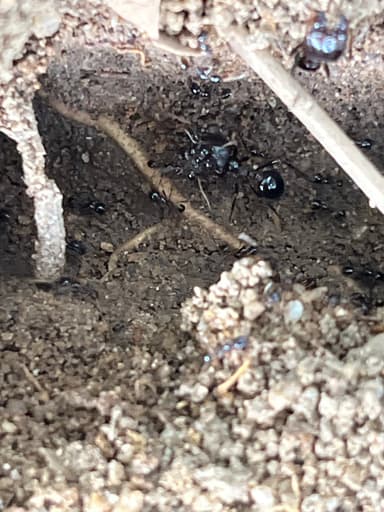
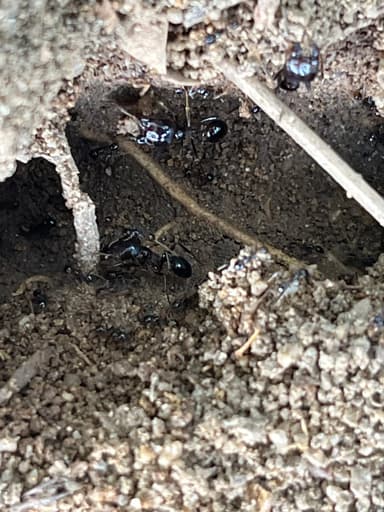
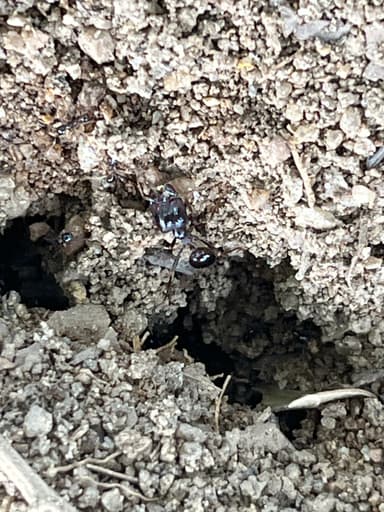
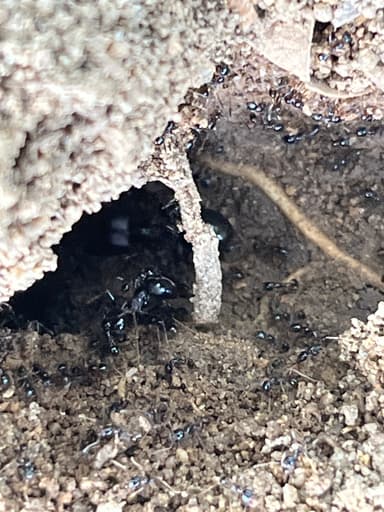
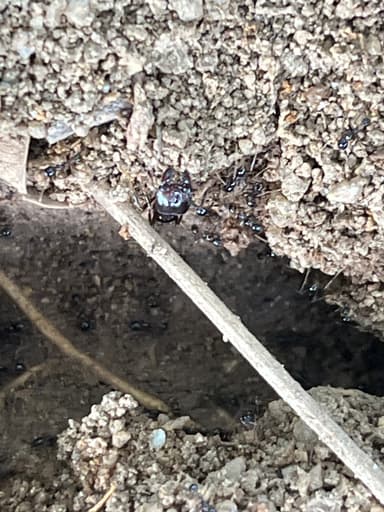
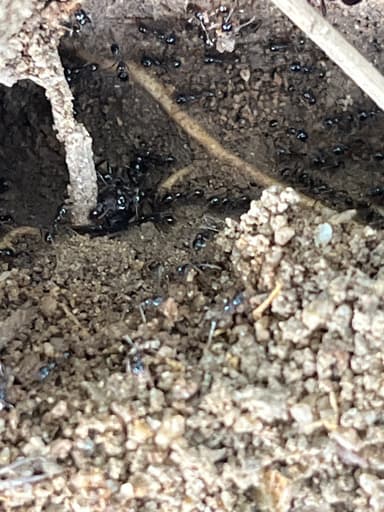
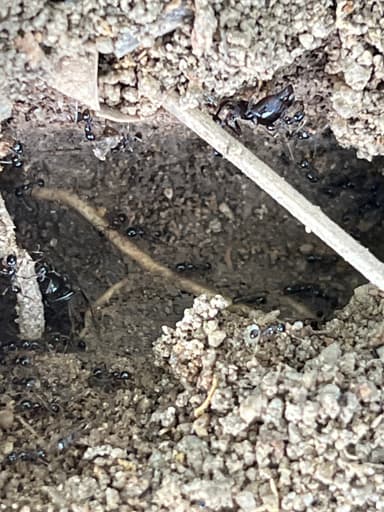
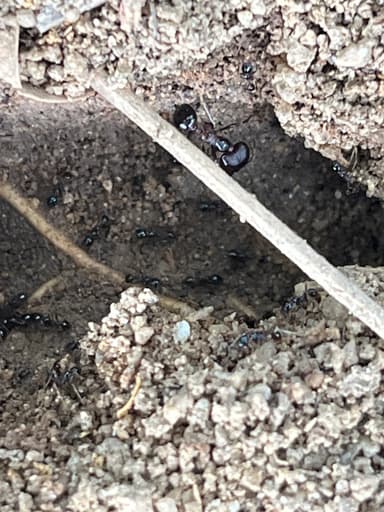
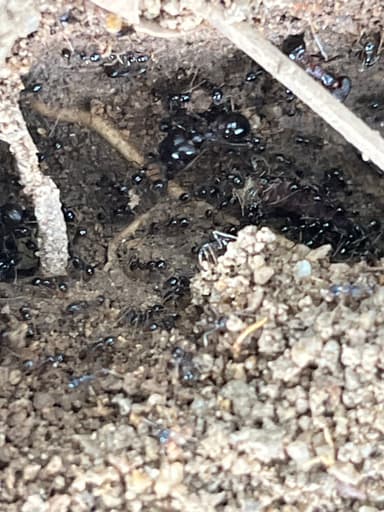
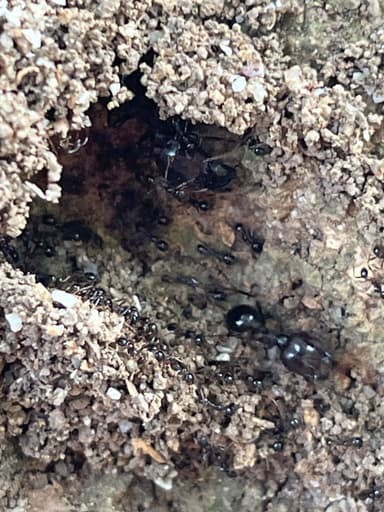
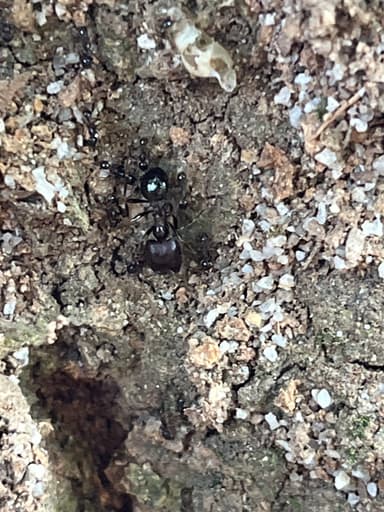
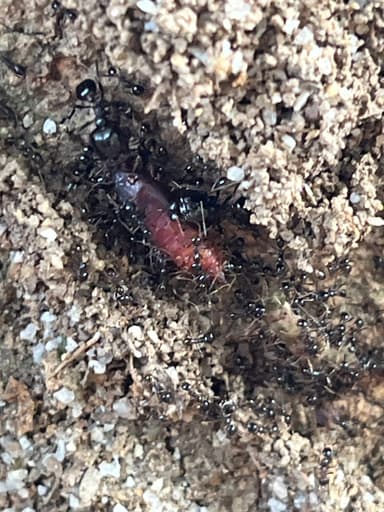
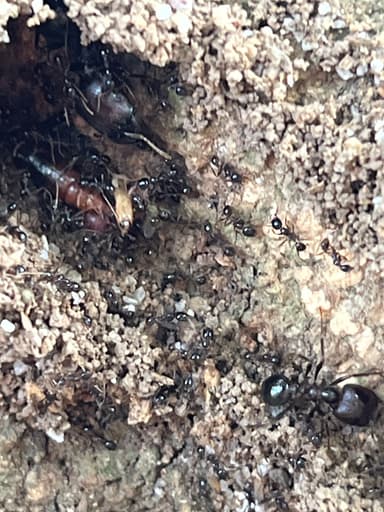
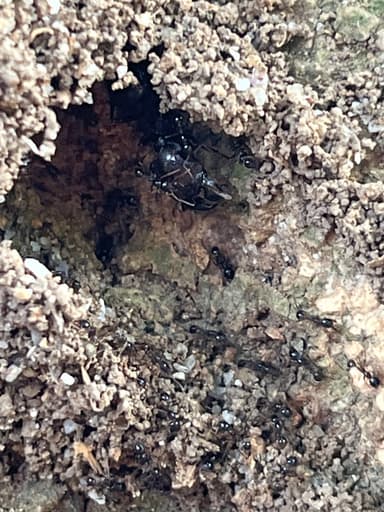
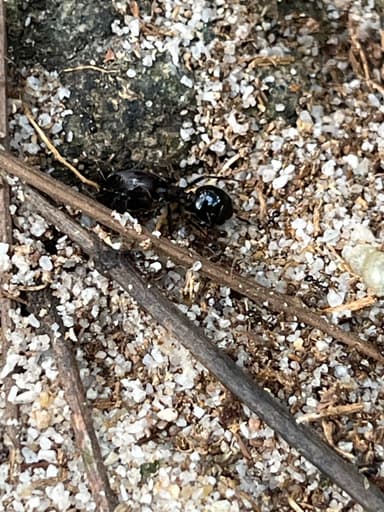
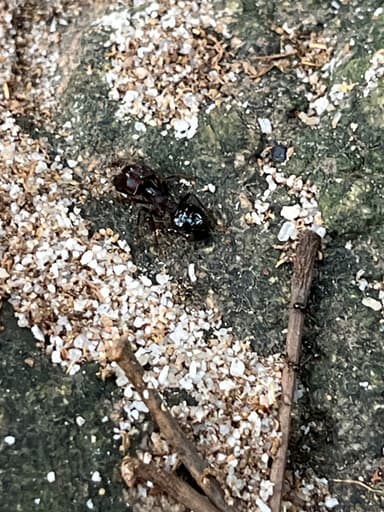
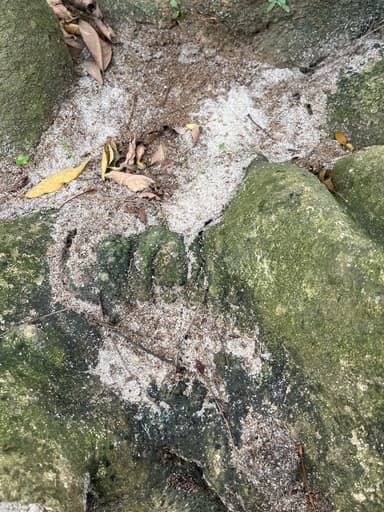
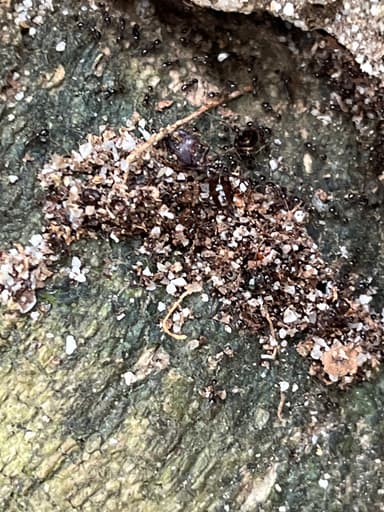
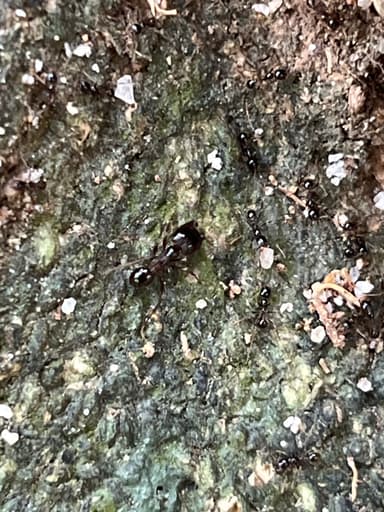
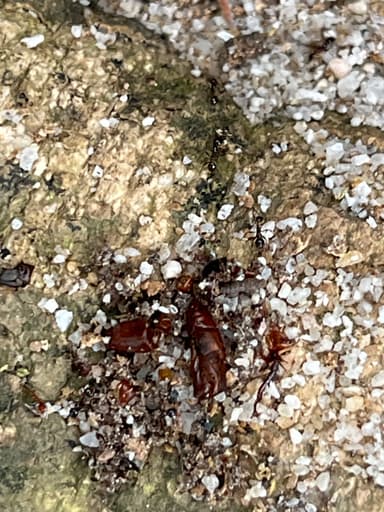
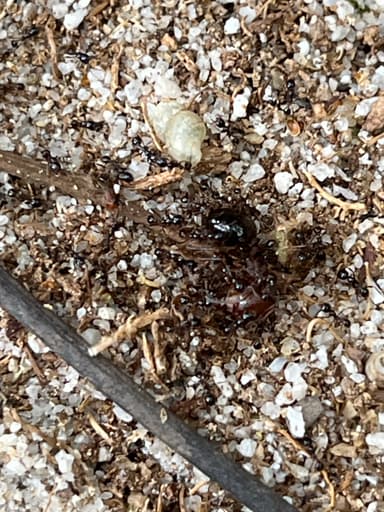
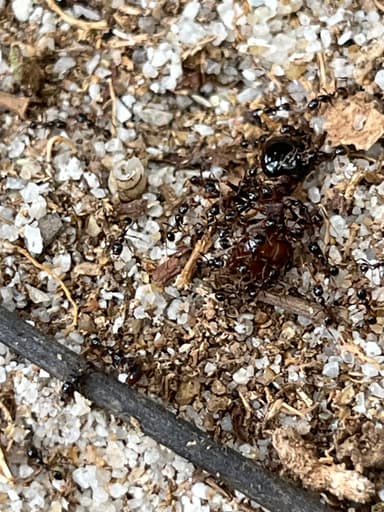
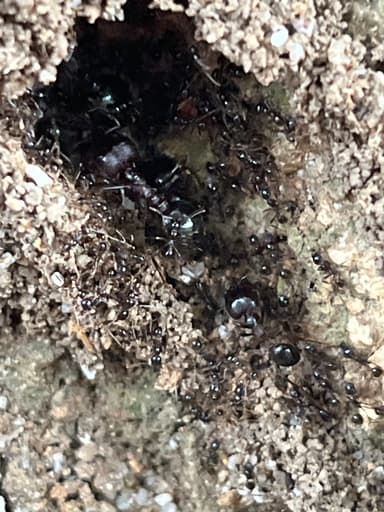
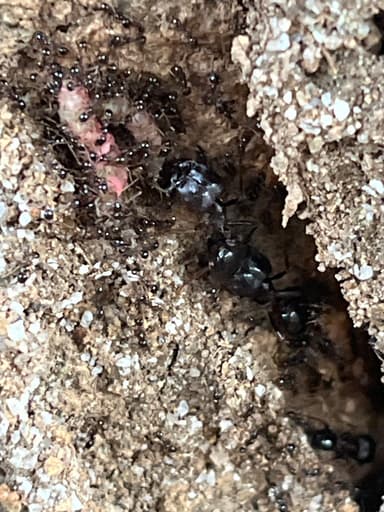
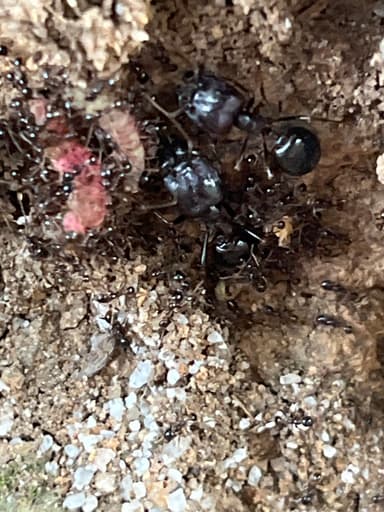
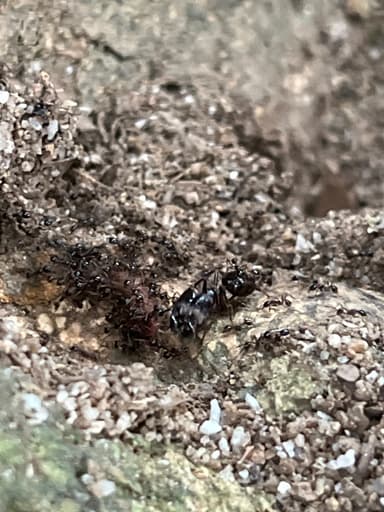
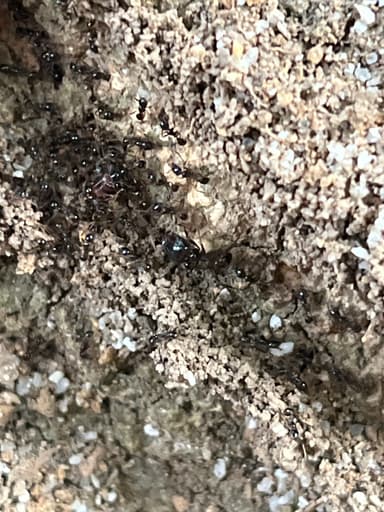
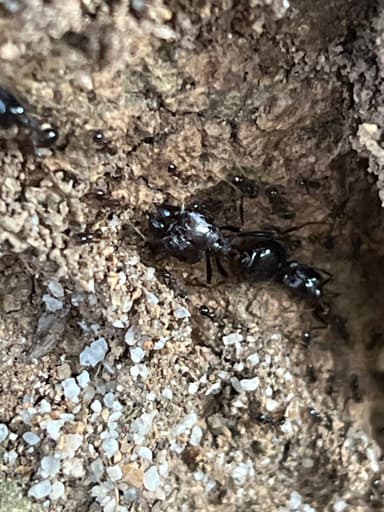
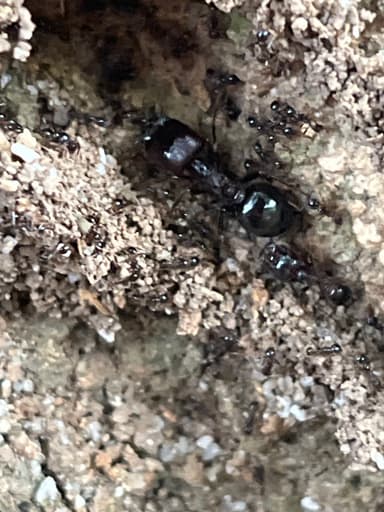
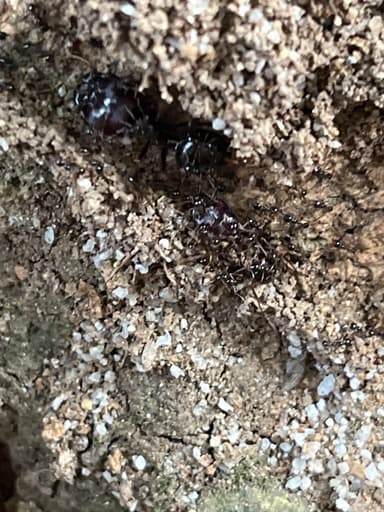
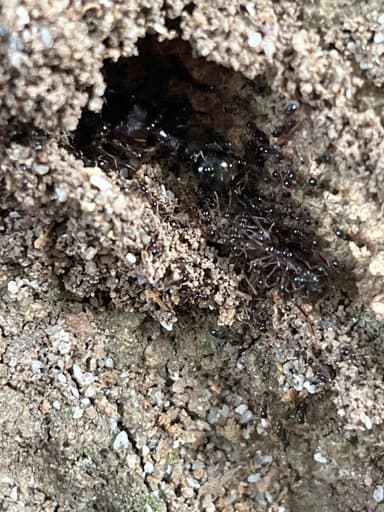
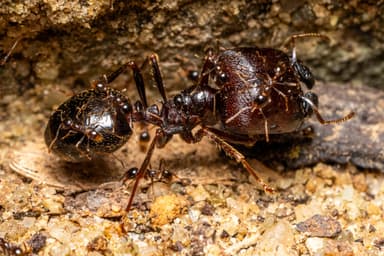
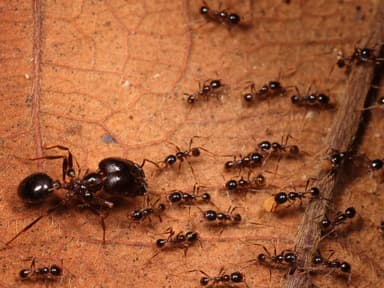
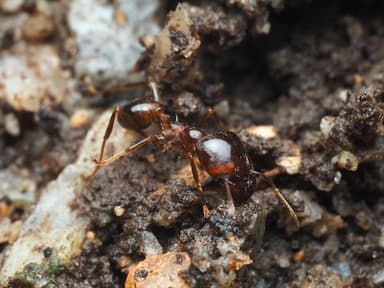
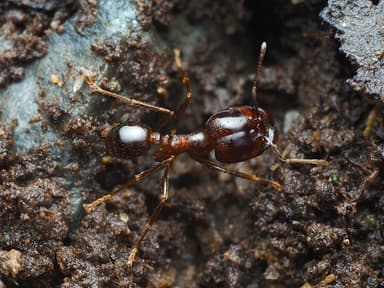
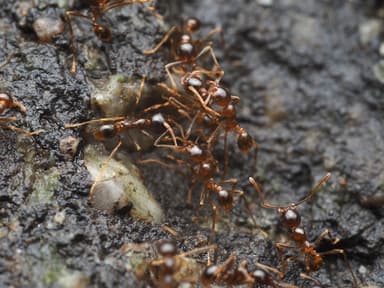
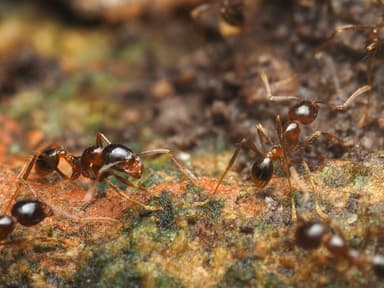
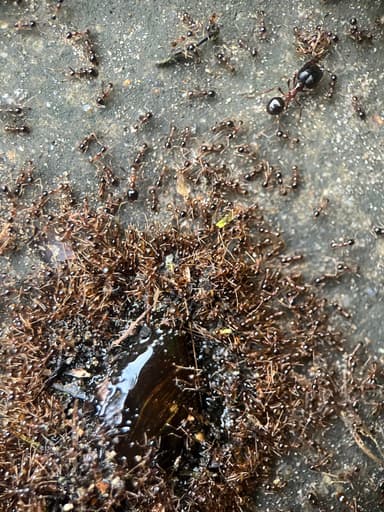
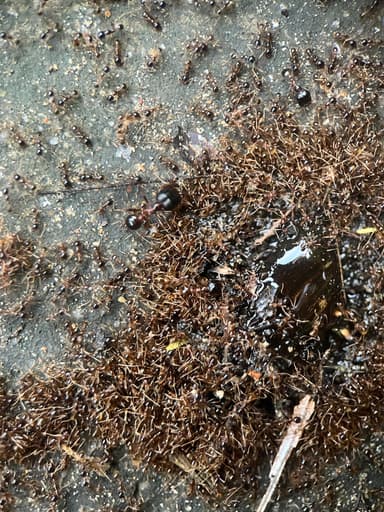
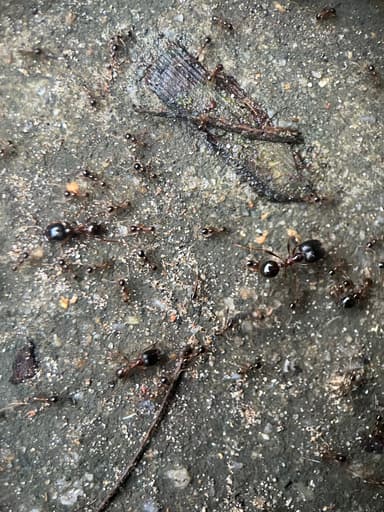
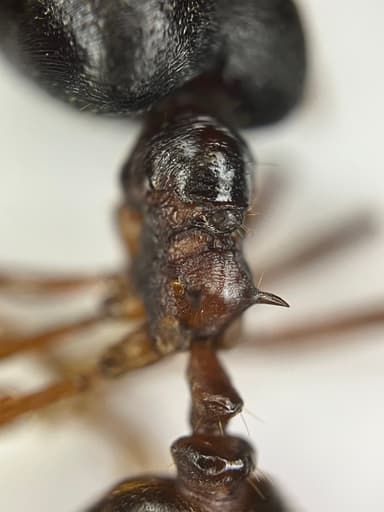
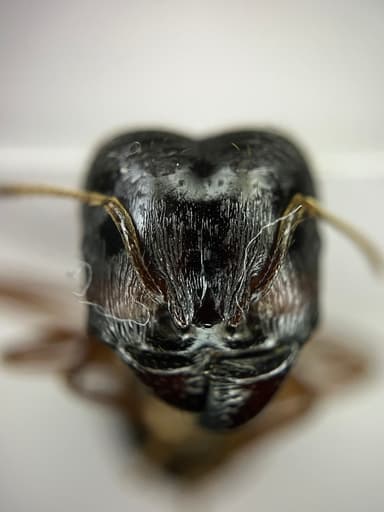
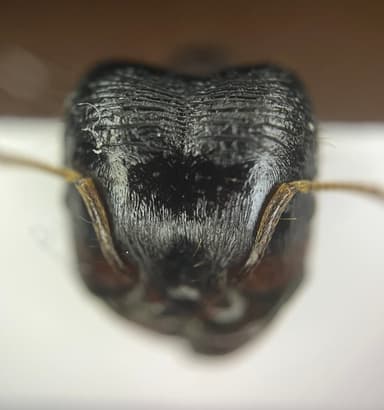
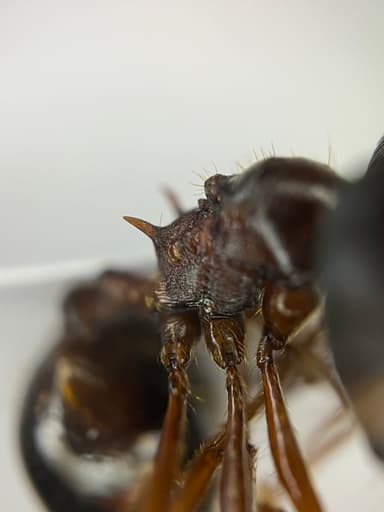
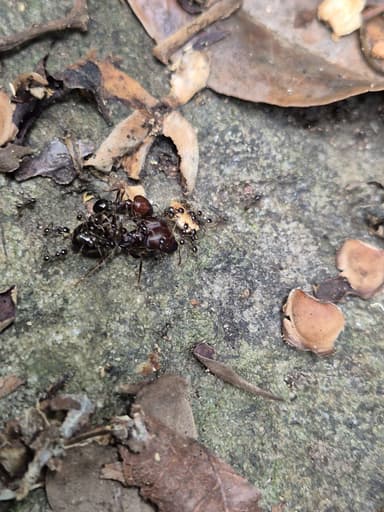
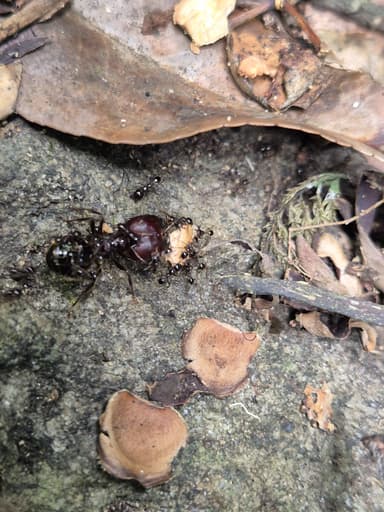
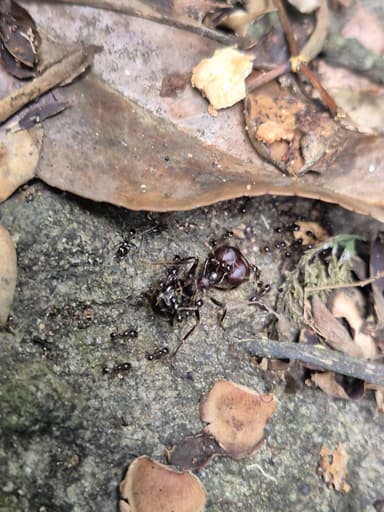
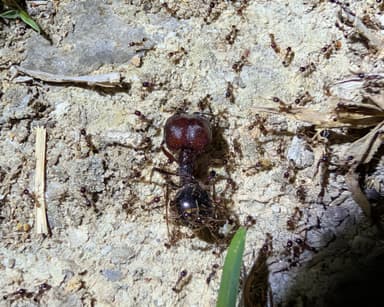
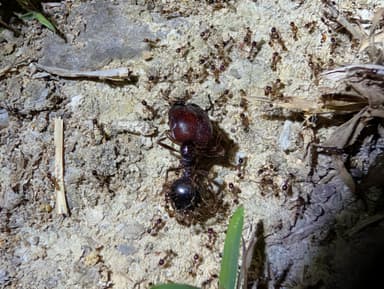
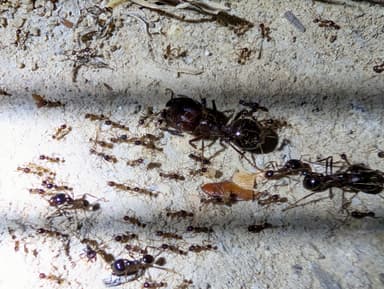
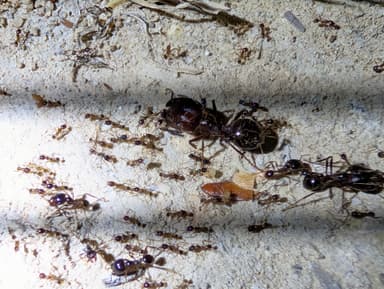
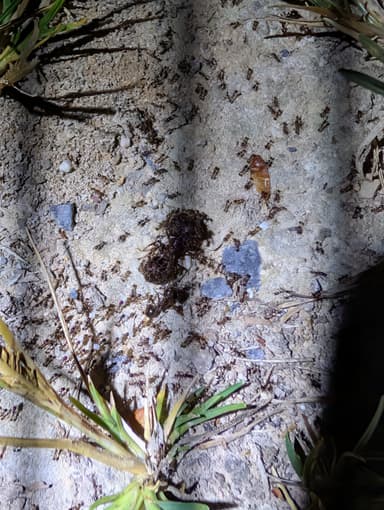
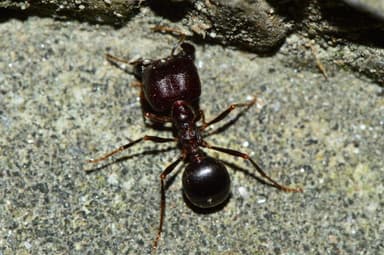
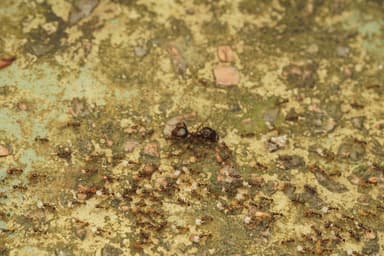
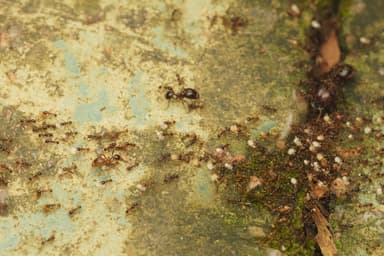
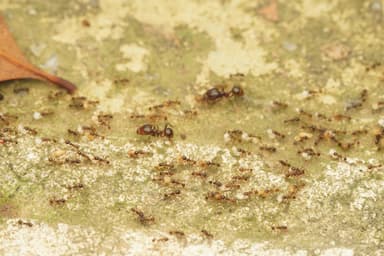
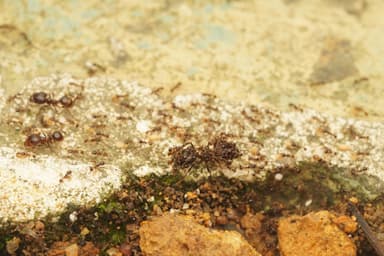
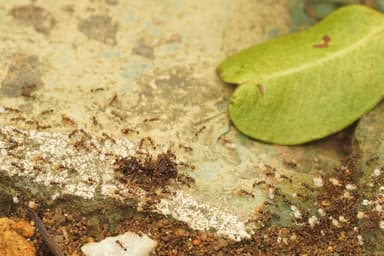
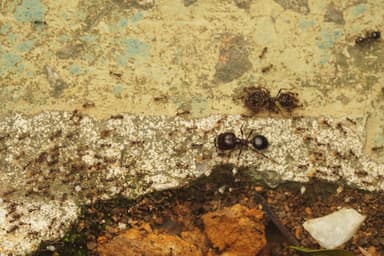
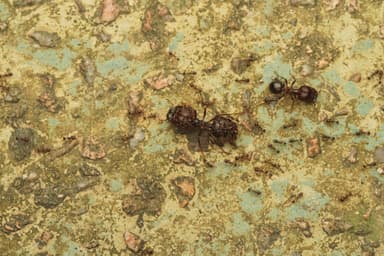
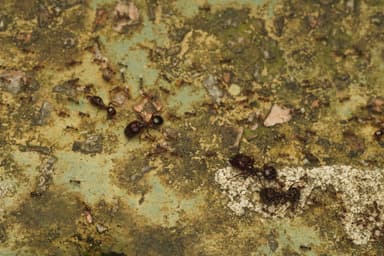
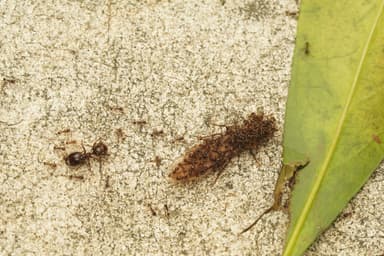
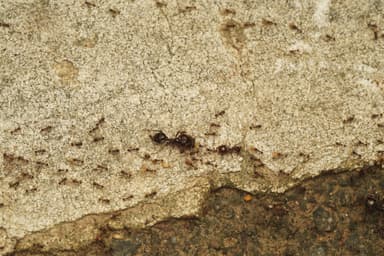
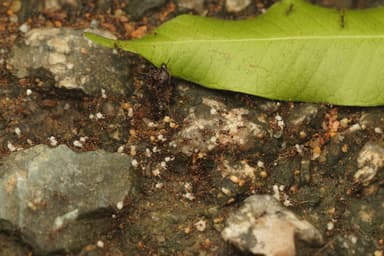
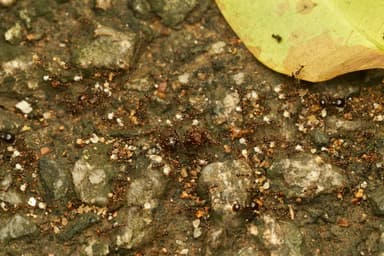
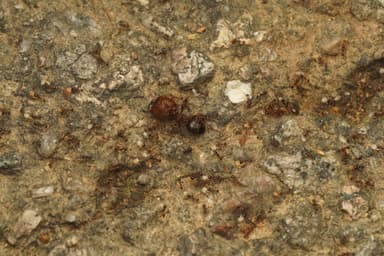
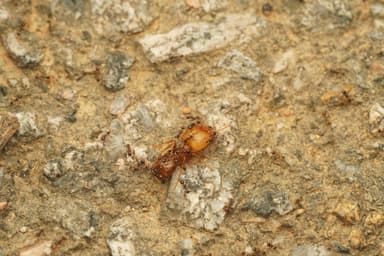
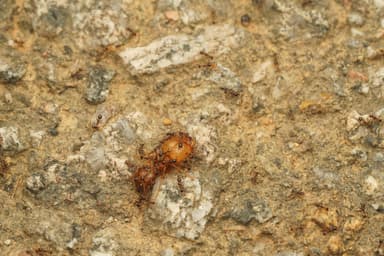
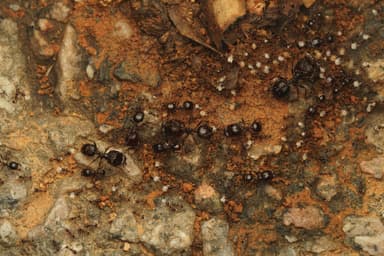
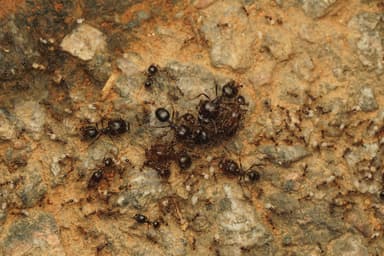
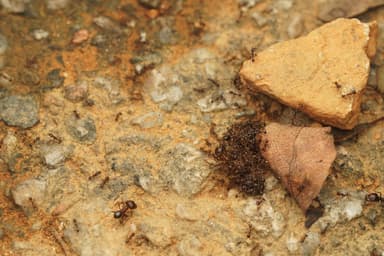
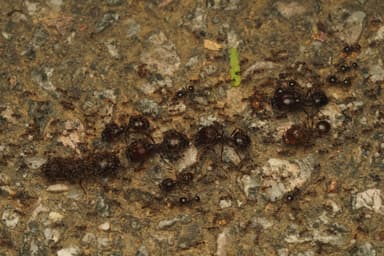
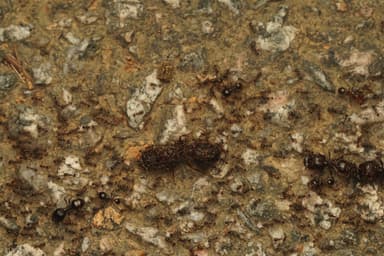
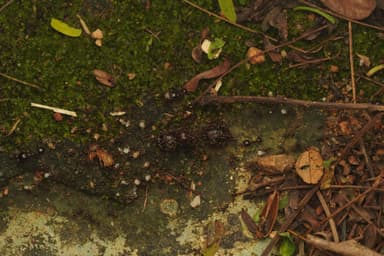
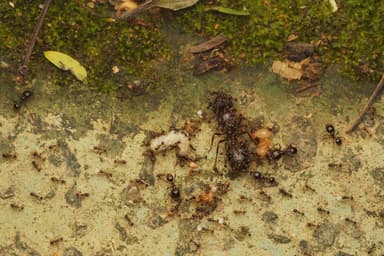
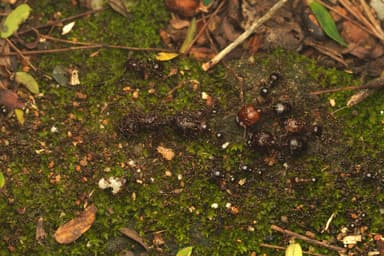
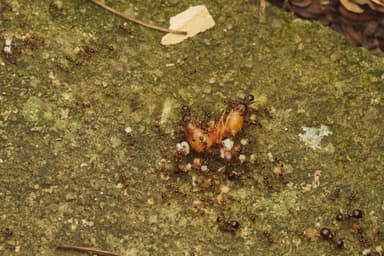
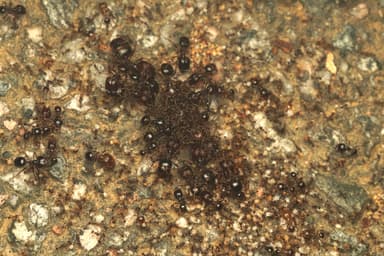
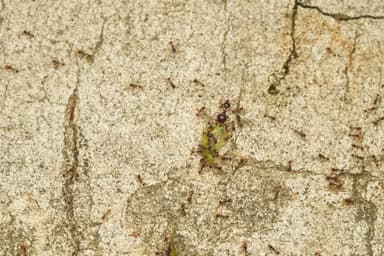
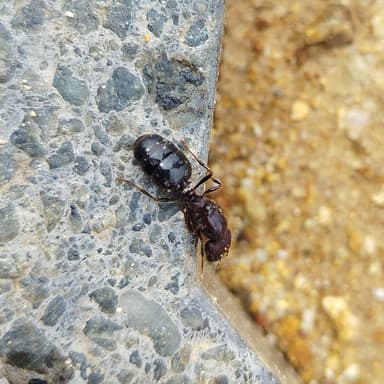
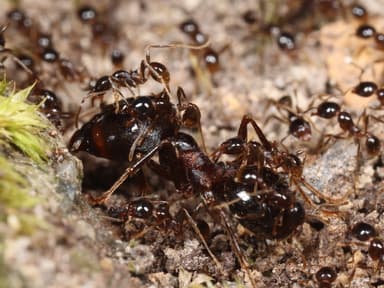
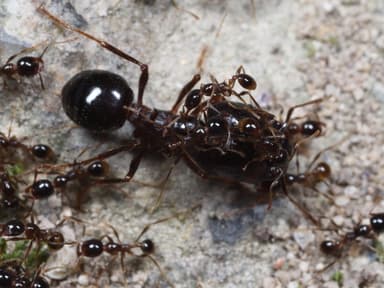
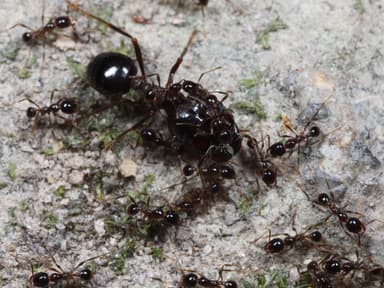
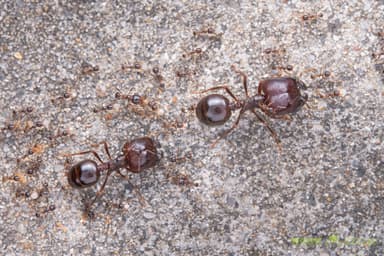
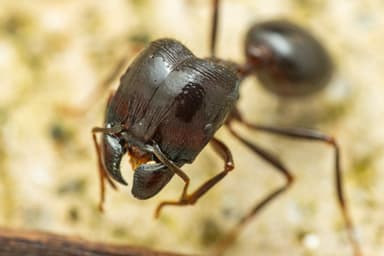
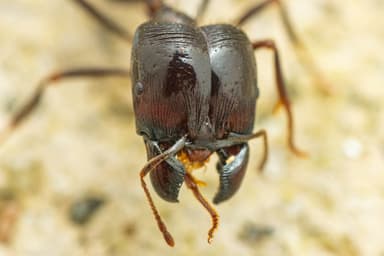
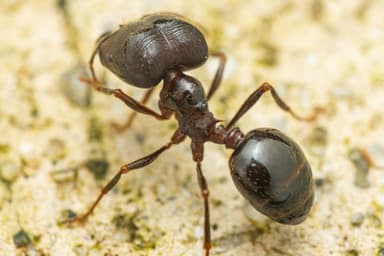
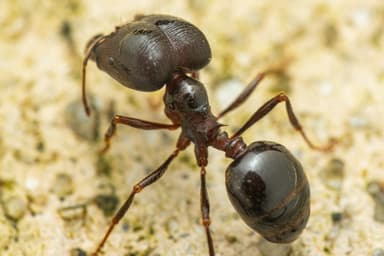
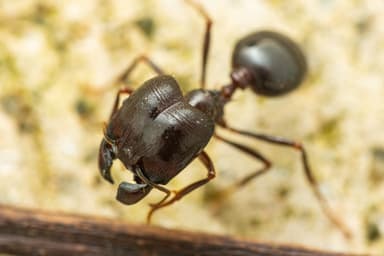
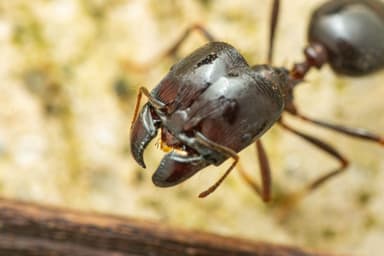
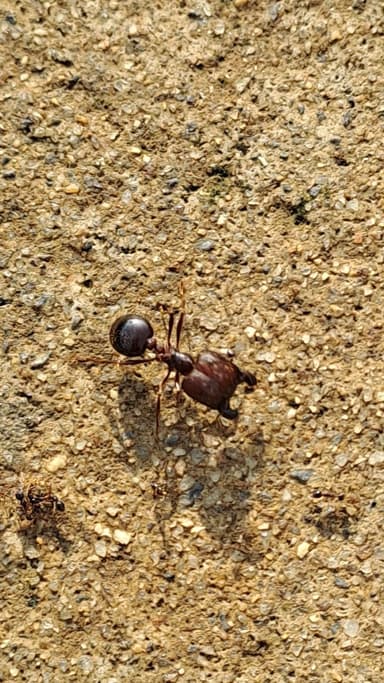
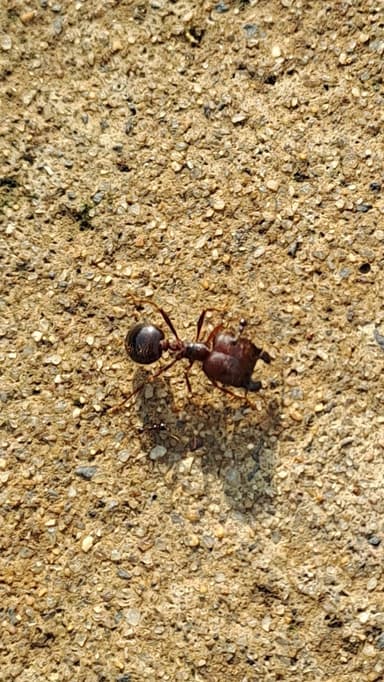
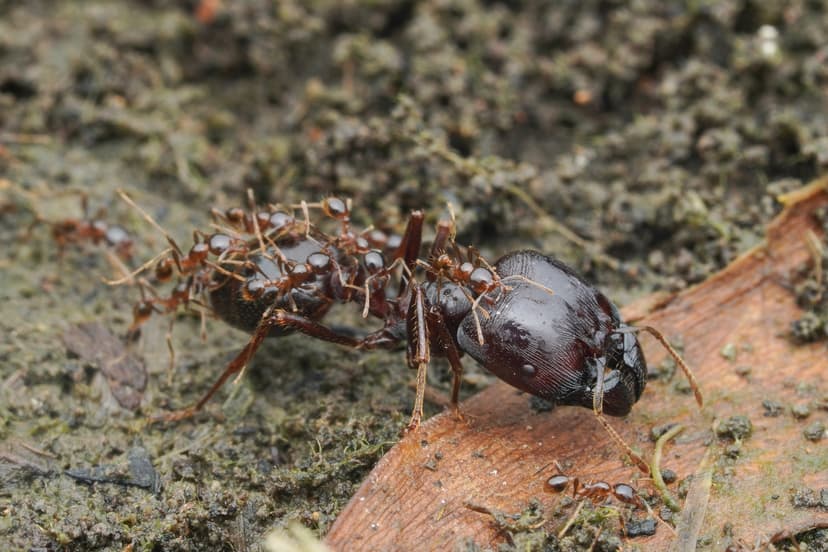
Few ants capture the imagination of the hobbyist quite like Carebara diversa, commonly known as the marauder ant. This species boasts one of the most dramatic examples of worker polymorphism in the ant world, with four adult castes spanning an astonishing size range. Minor workers are just 1.5 mm long, delicate enough to patrol the narrowest foraging trails, while supermajors reach up to 12 mm and possess massive, blocky heads filled with powerful mandibular muscles. Queens are equally impressive, measuring 22–28 mm, and a mature colony can number over 100,000 individuals (Bolton 1995). Indigenous to a broad belt of South and Southeast Asia, from India and Sri Lanka through southern China and into Indonesia, C. diversa forms enormous, nomadic colonies that send out dense, soil-covered foraging columns to overwhelm prey. Observing the seamless cooperation between tiny minors and hulking supermajors during a cooperative hunt or nest excavation is a spectacle that makes this a true centrepiece species for any collection.
With an intermediate care difficulty, Carebara diversa is best suited to keepers who have successfully maintained other fast-growing, humidity-sensitive ants. Absolute beginners may find the species' rapid expansion, demanding feeding schedule, and escape tendencies overwhelming. The tiniest workers can slip through minute gaps, so the colony requires an exceptionally well-sealed setup from the very first day. Furthermore, their sheer biomass means they will quickly outgrow small formicaria; you must be prepared to provide progressively larger homes, sometimes several times a year. In return, this ant rewards a diligent keeper with a fascinating, almost mammalian level of social organisation and visible castes that act as a living anatomy lesson.
Housing must reconcile the needs of ants whose size differs by a factor of eight. A single nest with narrow, uniform tunnels will exclude supermajors, leading to congregation at the entrance or, worse, stress. Choose a formicarium with a range of chamber sizes, or construct a custom unit using a plaster, fired clay, or soil-based design. The nest should maintain a steady 60–80% relative humidity and a temperature gradient between 24°C and 30°C; a thermal cable under one side works nicely. Since C. diversa readily digs, a substrate layer of sandy loam or a sand–clay mixture not only boosts humidity but also provides enrichment – workers will remodel the soil constantly, creating tunnels and chambers exactly to their needs. Connect the nest to a foraging arena that offers abundant ventilation to prevent mould, while a tight-fitting lid secured with a smear of fluon or a petroleum-jelly barrier is non-negotiable. Any escape will be led by the smallest minors, so inspect every join and cable port twice.
These marauder ants are extremely predaceous and require a high-protein diet to sustain their growth. Feed them a variety of live or freshly killed insects such as crickets, mealworms, and roaches; the larger workers will dismember prey while minors carry the fragments back to the brood. Carbohydrates should be offered as diluted honey, sugar water, or slices of ripe fruit, provided in a shallow feeding dish to prevent drowning. Due to the colony's massive numbers, you may need to replenish food daily, removing uneaten remains to keep the arena clean. Fresh water must always be available, ideally via a test-tube setup or a purpose-built liquid feeder, as dehydration in a warm, dry climate can prove lethal within hours.
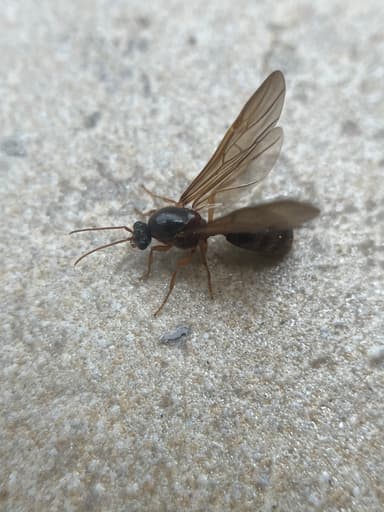
Like all truly tropical ants, Carebara diversa does not undergo hibernation or a winter diapause. In their native range, nuptial flights occur on warm, humid evenings after the monsoon rains, typically between April and August (AntWiki). You should maintain steady high temperatures and humidity year-round, with no artificial cooling period. For keepers in temperate climates, a dedicated reptile heat mat or a heated cabinet over the winter months will ensure the colony remains active, consumes food, and continues to rear brood without interruption.
The first days after purchase set the tone for the entire captive life of the colony. If you receive a single newly mated queen, remember that her founding is fully claustral; house her in a dark, humid test-tube setup kept at 26–28°C and resist the urge to check on her for two weeks. Once a small cohort of workers has emerged, or if you have acquired a young colony with a queen and a few hundred workers, attach their transport tube to the prepared nest, dim the lights, and let them move at their own pace. Wait 24 hours before offering the first tiny meal – a pre-killed fruit fly or a drop of sugar water on a cotton swab. Watch carefully for signs of stress: continuous huddling at the entrance, refusal to feed, or frantic running can indicate incorrect humidity. Pay particular attention to the smallest workers; if they seem to be gathering near any seam, fortify that barrier immediately. With stable conditions, the queen will soon increase her egg-laying, and within months you will witness the awe-inspiring escalation of a true marauder superorganism.