Camponotus
Camponotus cruentatus
Nuptial Flight Calendar
Flight months: May, Jun, Jul, Aug, Sep
Care Guide
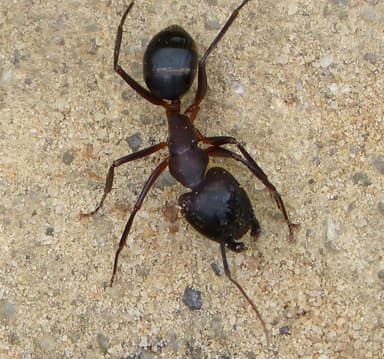
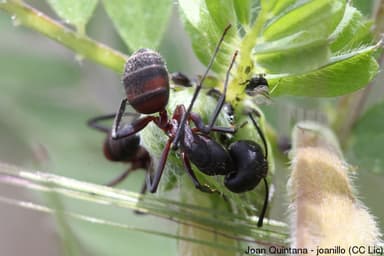
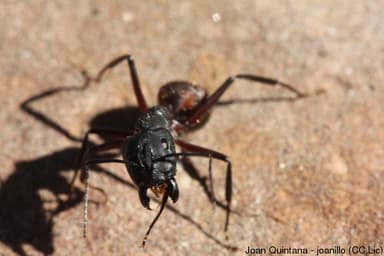
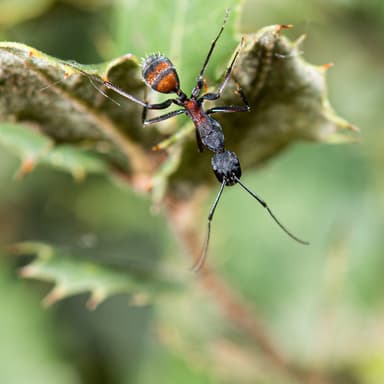
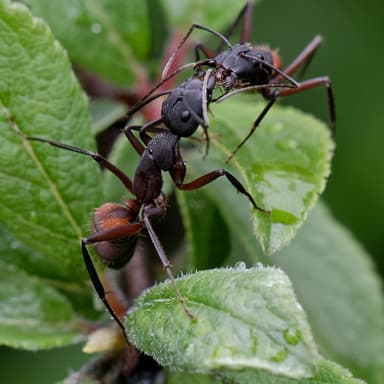
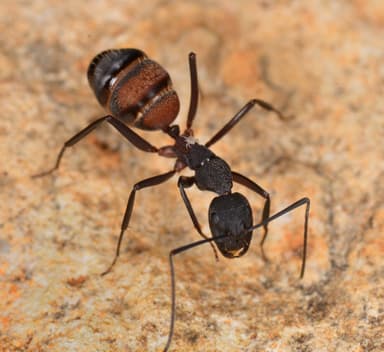
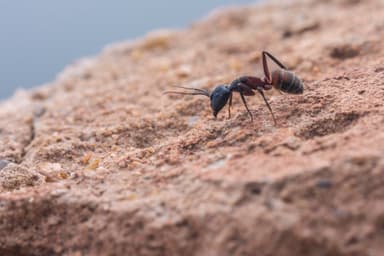
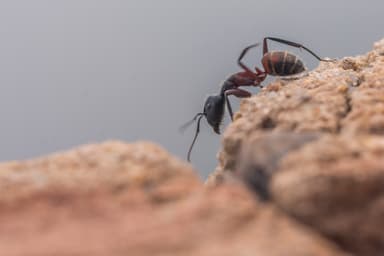
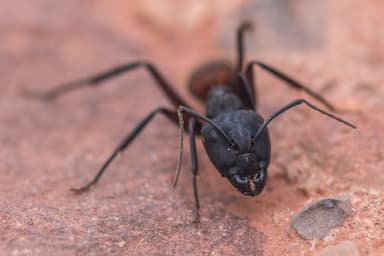
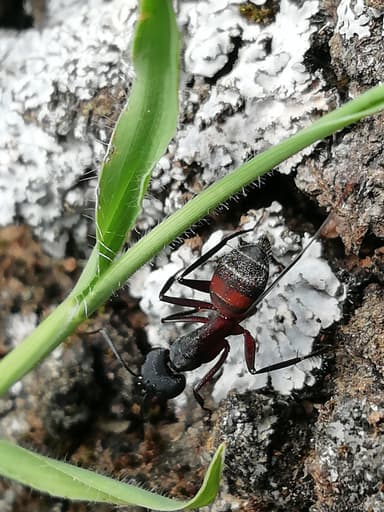
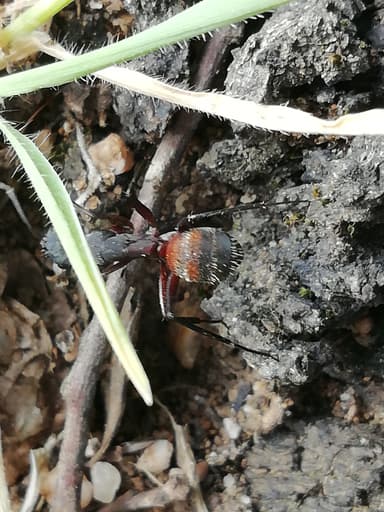
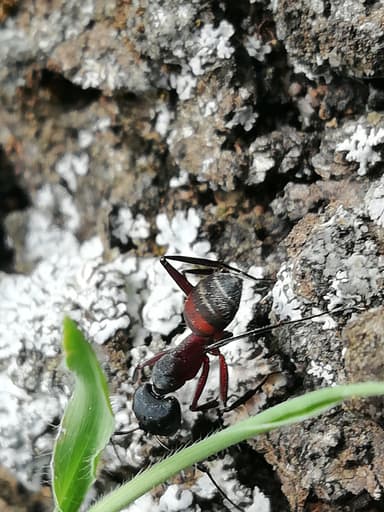
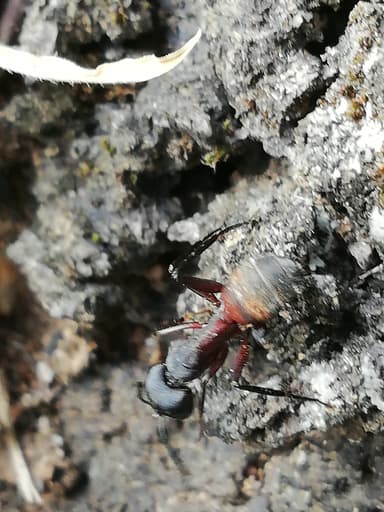
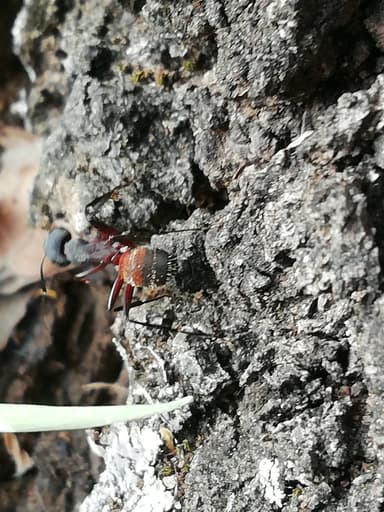
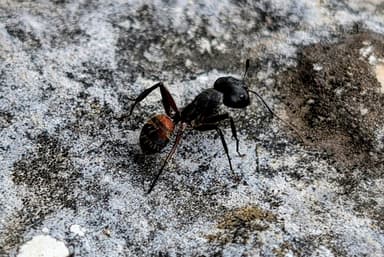
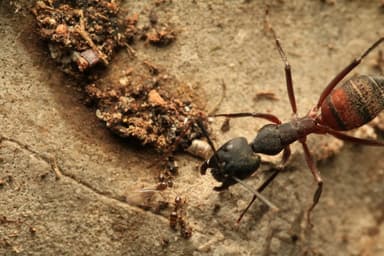
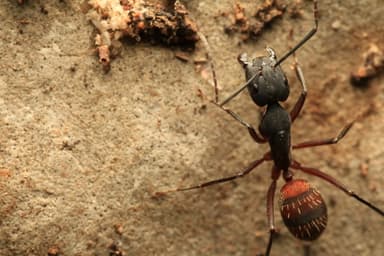
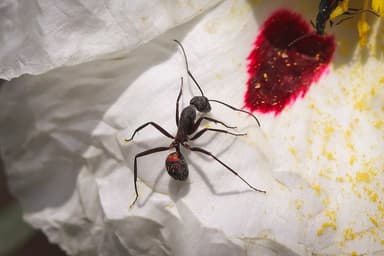
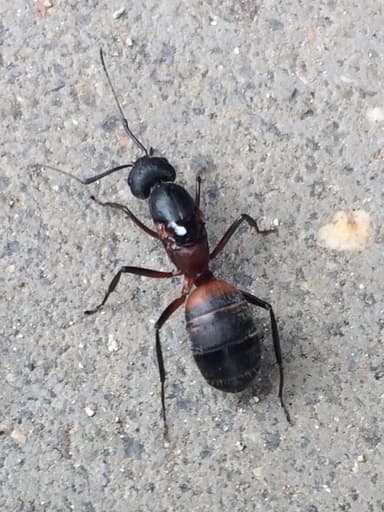
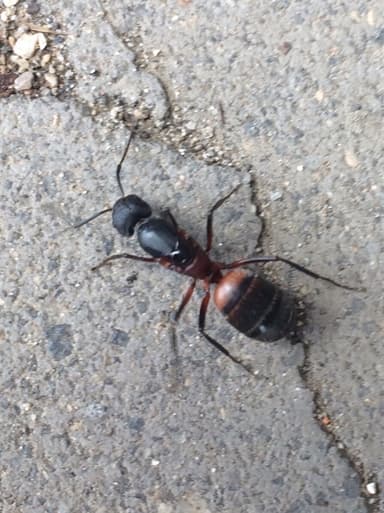
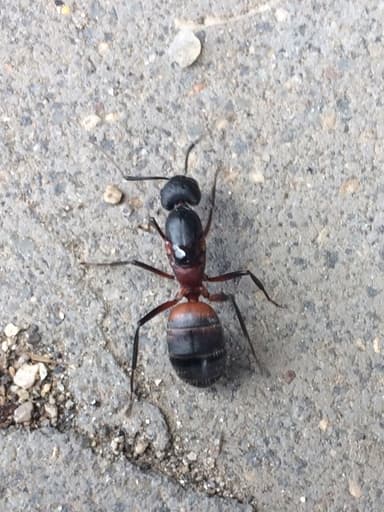
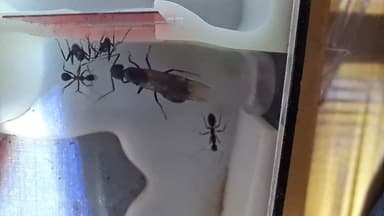
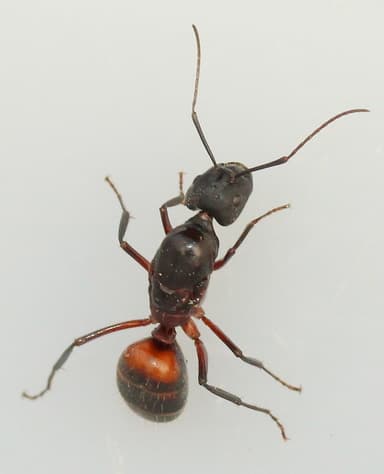
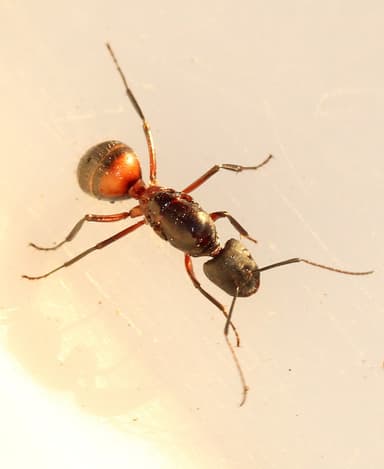
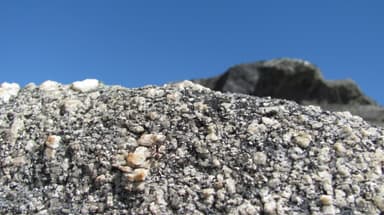
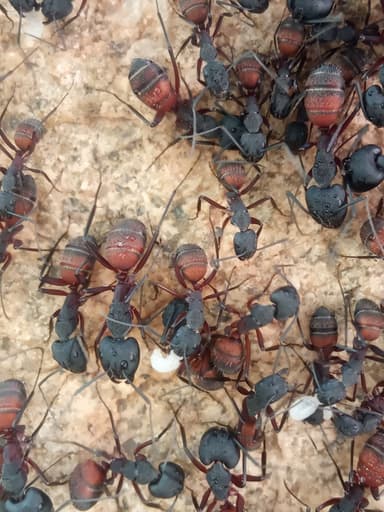
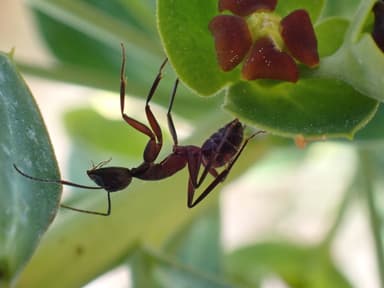
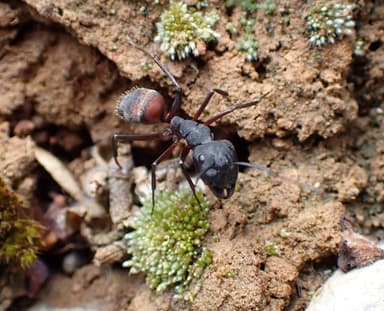
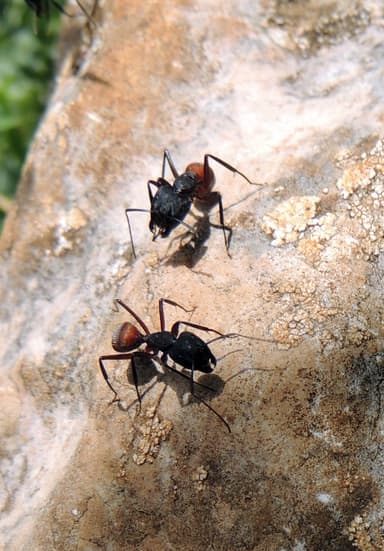
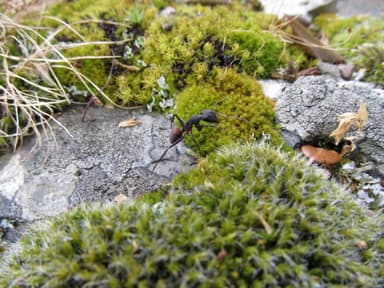
Camponotus cruentatus is a crown jewel of Mediterranean ant keeping, a robust and visually stunning carpenter ant that commands attention the moment you see it. The queen measures an impressive 14 to 17 millimeters, while her polymorphic workers span a striking range from just 6 millimeters up to 14 millimeters, with distinct minor and major castes exhibiting dramatic size variation. True to its Latin name meaning “blood-stained,” the species displays a deep burgundy-red mesosoma and legs that contrast vividly with a glossy black gaster, and the major workers bear powerful, oversized mandibles that give them a formidable, almost bulldog-like appearance. Mature colonies can reach up to 10,000 individuals and often house multiple queens, though founding is strictly claustral — a single newly mated queen digs a sealed chamber and raises her first workers entirely on her own fat reserves. In the wild, the species is distributed across the Iberian Peninsula and Mediterranean Europe (Espadaler & Gómez 2001), where it flourishes in open, sun‑baked woodlands and is considered a thermophilic ant with activity patterns closely tied to temperature (Cerdá & Retana 1997). For a keeper, watching the large majors patrol foraging arenas and seeing the colony’s complex social interactions make it a perpetually fascinating species.
This ant is best suited to the intermediate keeper. While its claustral founding is straightforward, the species demands a carefully managed thermal gradient and an obligatory winter dormancy, both of which require experience to execute safely. Beginners may struggle with maintaining the stable high temperatures and clean hibernation conditions, but for a hobbyist who has successfully kept a Lasius or Tetramorium for a full season, Camponotus cruentatus is a rewarding step up. The queens are long-lived, and with proper care a colony can thrive for over a decade, but they are sensitive to sudden environmental changes. Their large size also makes them incapable of escaping through tiny gaps, but the majors’ powerful mandibles can chew through thin plastic, so escape-proof formicariums are non‑negotiable.
Housing must replicate the warm, dry Mediterranean conditions this ant has adapted to over millennia. A temperature gradient between 22°C at the cooler end and 28°C at the warm end of the nest is ideal, as Cerdá and Retana (1997) demonstrated that worker activity and brood development are closely tied to such thermal niches; without sufficient warmth, brood production can stall. Humidity should sit between 50% and 70%, with a vital moisture gradient — one area of the nest slightly humidified for brood, while the remainder, especially the foraging arena, should be kept drier to mirror the open woodland floor. A y‑tong or gypsum nest with a shallow sand‑loam substrate works perfectly, as it allows the ants to sculpt their own chambers and maintains the right humidity without becoming waterlogged. The foraging area can be decorated with cork bark and dried leaves, and a heat cable or heat mat attached to one side of the nest, regulated by a thermostat, is the safest way to provide warmth. Never rely on ambient room temperature alone unless you live in a warm climate.
Diet for Camponotus cruentatus is typical of a carpenter ant but with an emphasis on protein during the growth phase. They relish freshly killed insects such as small crickets, mealworms, or fruit flies, which provide the essential amino acids for brood development. Carbohydrates should come from a dilute honey‑water solution or a specialized ant nectar, offered in a shallow droplet that is refreshed frequently to prevent fermentation. Water is crucial; provide a clean water tube in the foraging area at all times, as these ants drink frequently in the heat. Interestingly, major workers often act as repletes, storing liquid food in their crops and distributing it within the colony, so you may notice some gasters swelling visibly after a sugar meal. A varied diet, supplemented with a tiny amount of pollen or bite‑sized pieces of fruit, can encourage full-color expression in the majors, but avoid overfeeding fruit to prevent mold.
Hibernation is not optional for this species — it is a biological imperative. Without a proper winter rest at approximately 12°C for three to four months, the queen’s egg‑laying will become erratic, worker lifespan will shorten, and the colony may collapse the following season. Begin the cool-down gradually in late autumn by lowering the temperature about a degree every few days until you reach 12°C, and hold it steady. The ants will cluster tightly and remain almost motionless; do not disturb them during this period, though a tiny water source must remain available. In late winter, reverse the process to bring them back to their active range of 22‑28°C, and within a few weeks you will see new eggs. A dedicated mini‑fridge or a cool cellar with a stable temperature is far more reliable than simply placing the nest in a garage where temperatures can fluctuate wildly.
Upon receiving your queen, the first few days are a delicate period of trust‑building. Place the test tube setup — with a water reservoir plugged by cotton and a tiny amount of cocoon silk or clean sand as a foothold — in a completely dark, vibration‑free area at 25°C and resist the urge to check on her. Leave her undisturbed for 48 hours, then offer a barely visible speck of honey‑water on a sliver of foil near the tube opening. If she accepts it, great; if not, remove it after a few hours to prevent mold. A newly arrived queen may appear restless or lie still for long stretches — both are normal — but look for signs of excessive stress such as continuous frantic grooming or biting at the cotton, which may indicate the tube is too damp or too warm. After about a week, she will start laying eggs, and the first nanitic workers will emerge in six to eight weeks. At that point you can begin feeding tiny protein items, and the colony’s long journey in your care will have truly begun.