Brachymyrmex
Brachymyrmex depilis
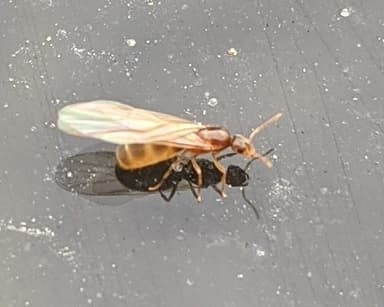
Nuptial Flight Calendar
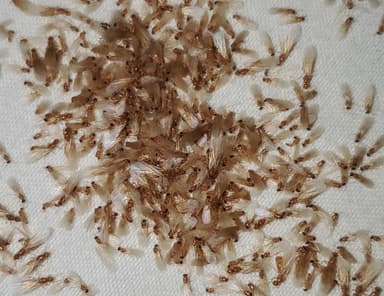
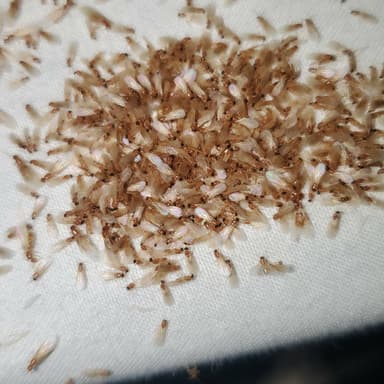
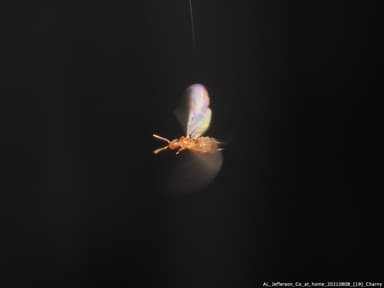
Flight months: Mar, Apr, Jul, Aug, Sep
Care Guide
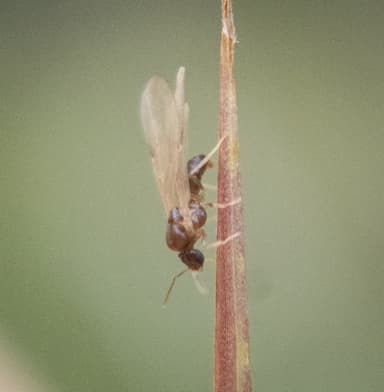
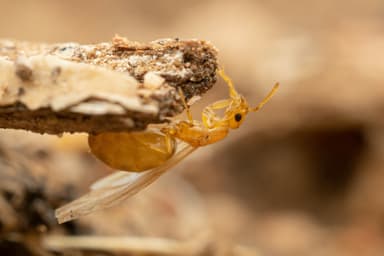
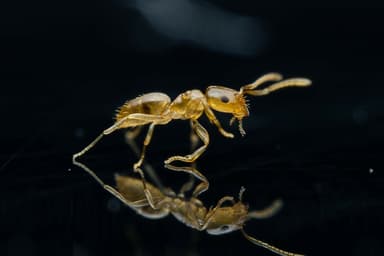
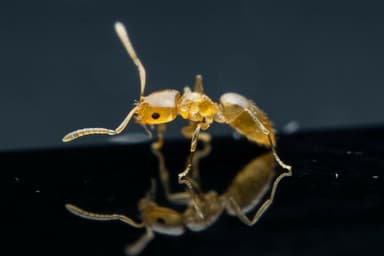
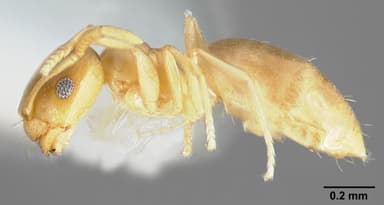
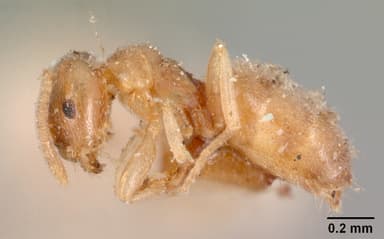
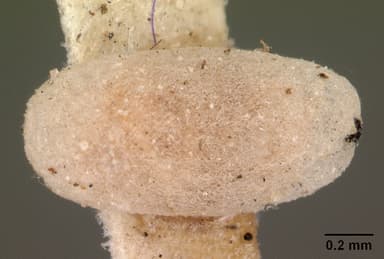
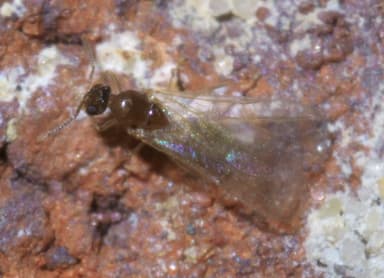
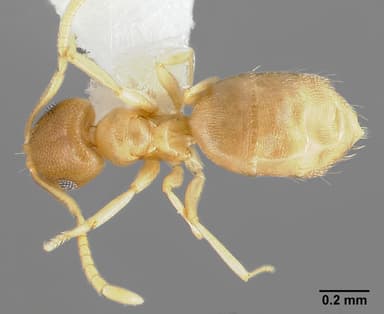
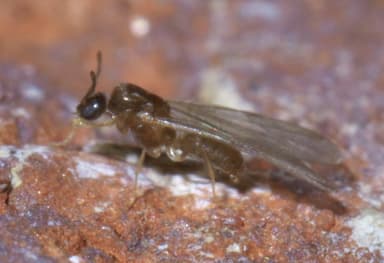
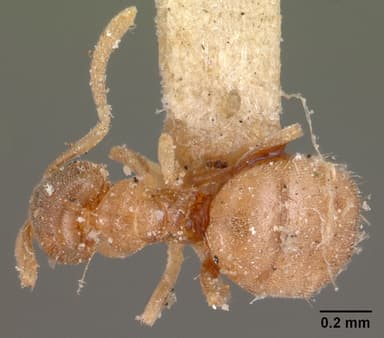
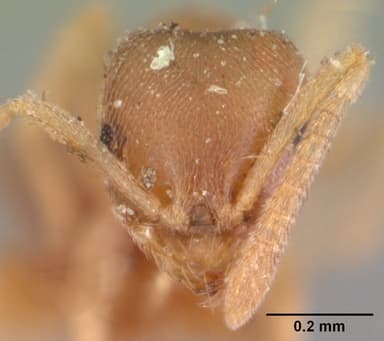
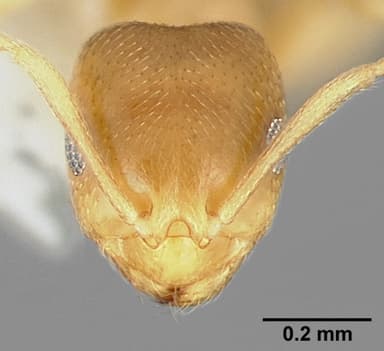
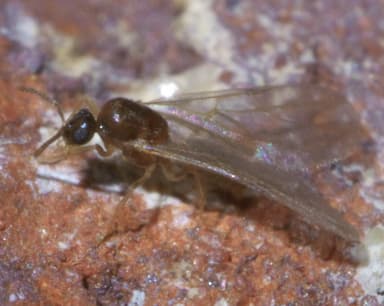
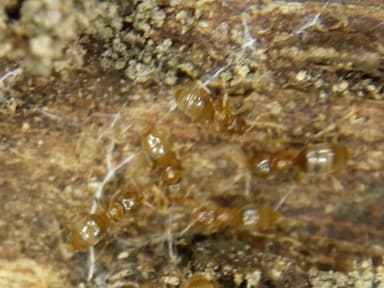
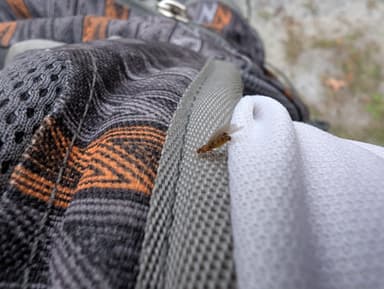
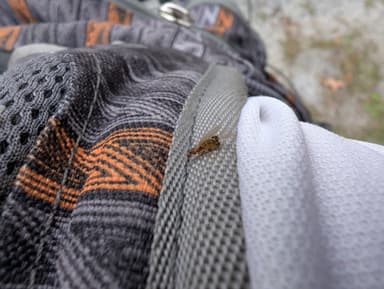
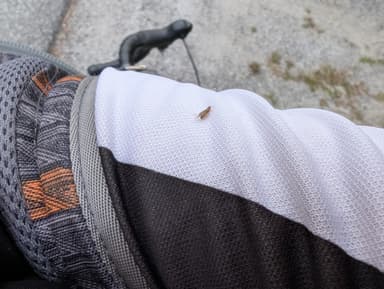
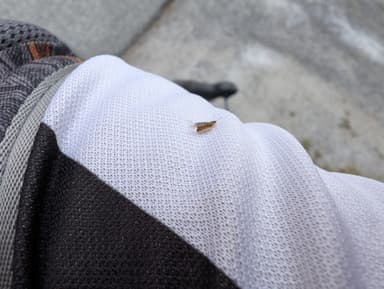
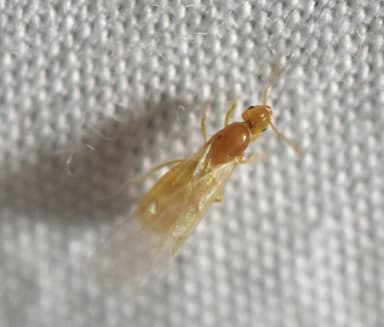
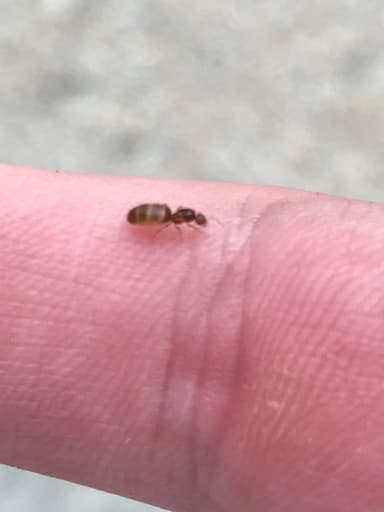
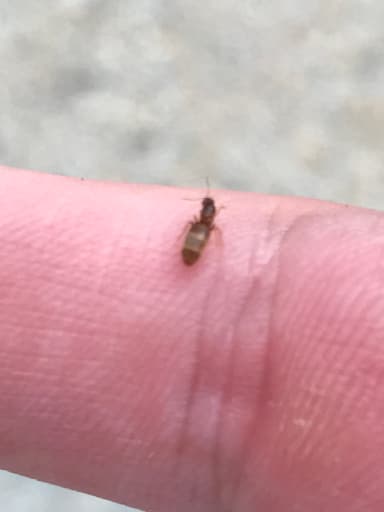
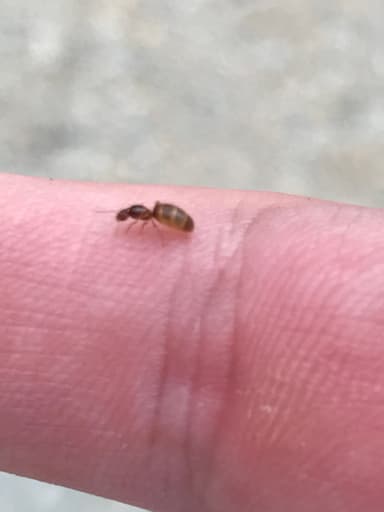
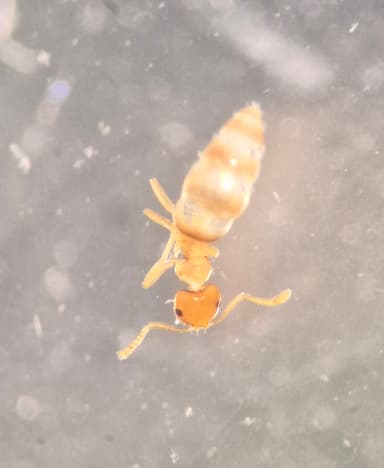
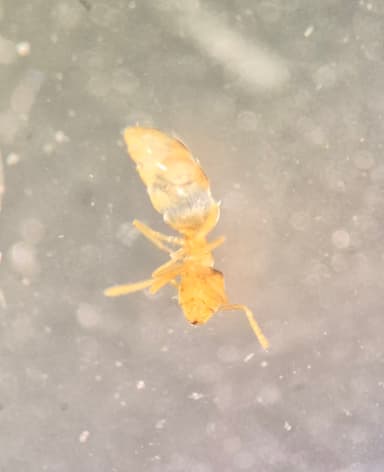
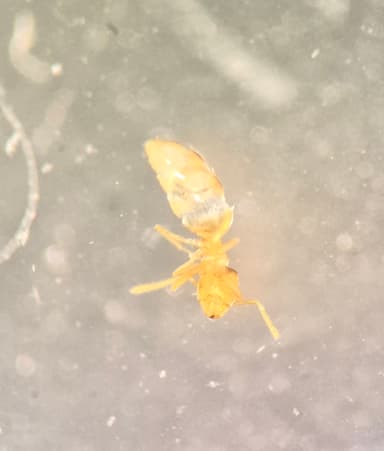
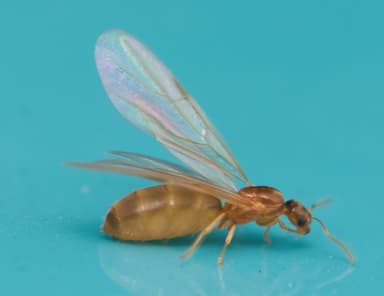
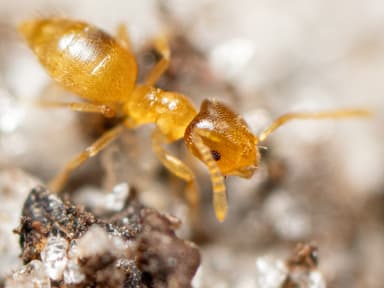
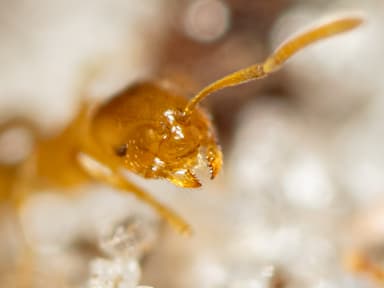
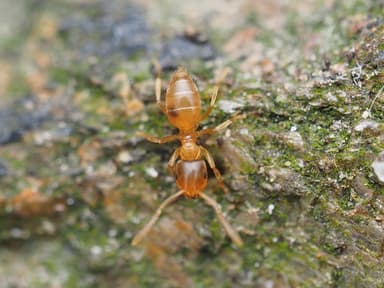
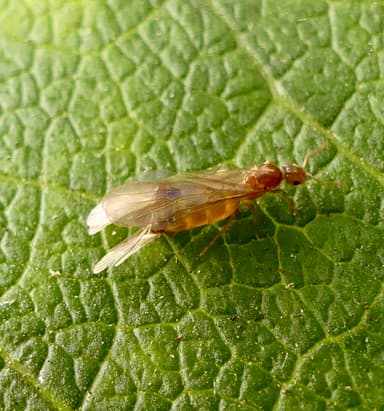
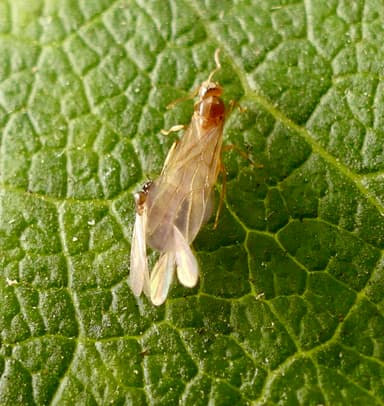
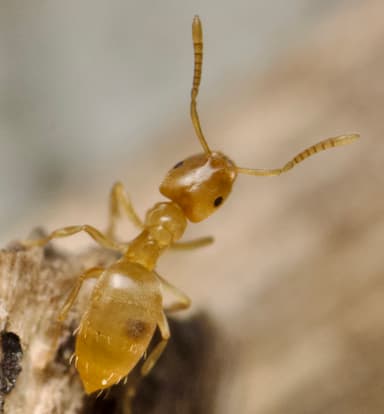
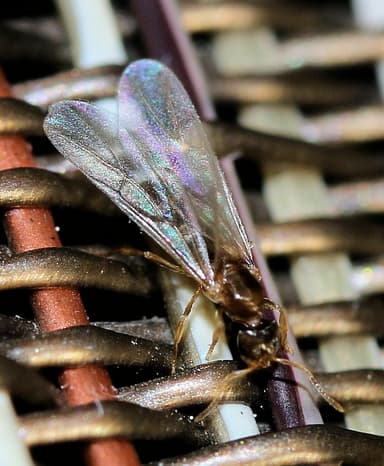
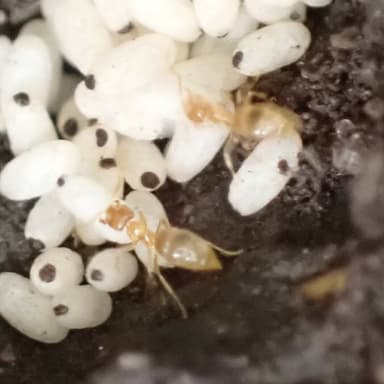
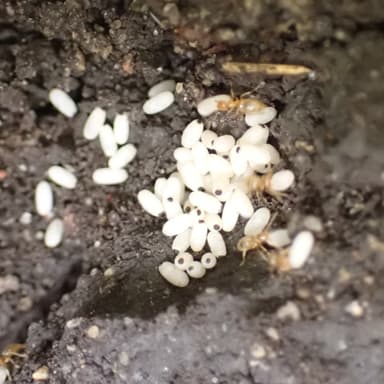
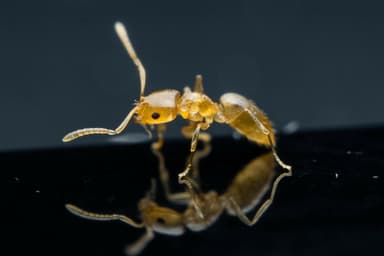
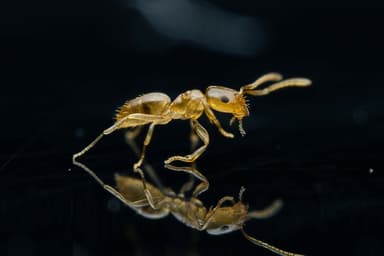
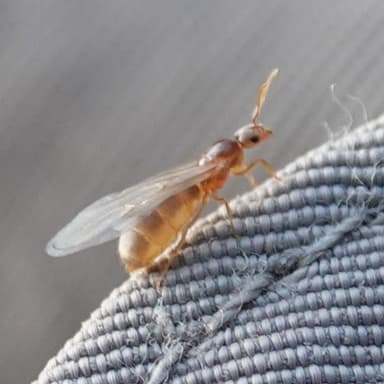
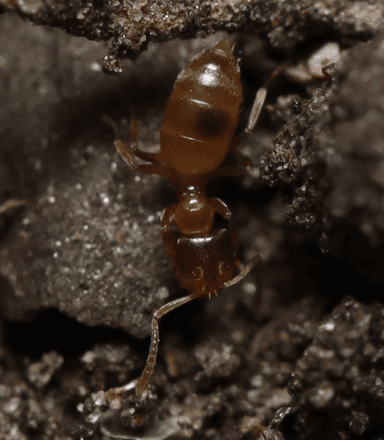
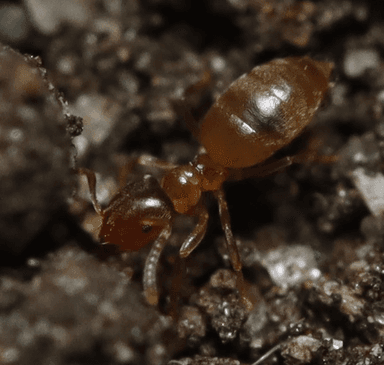
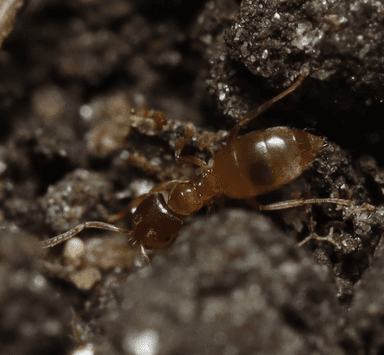
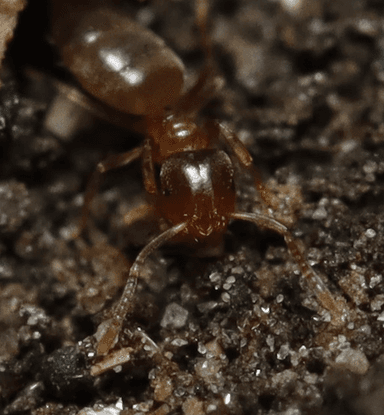
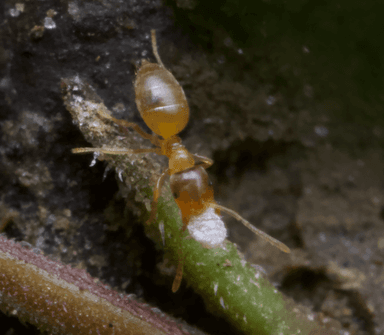
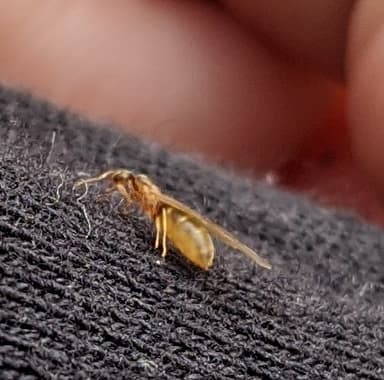
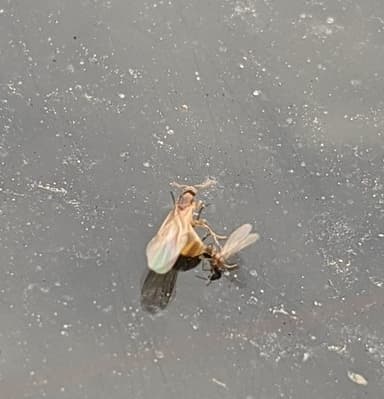
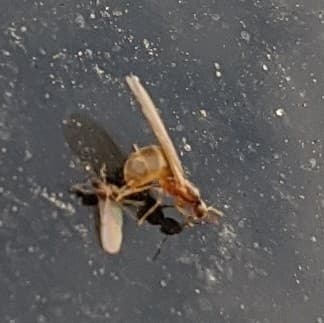
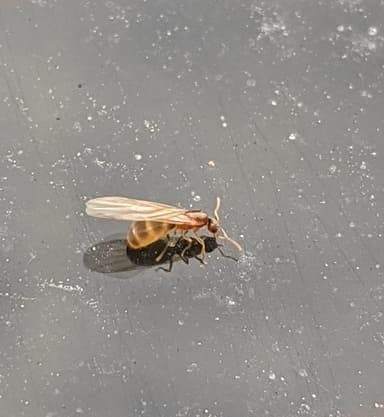
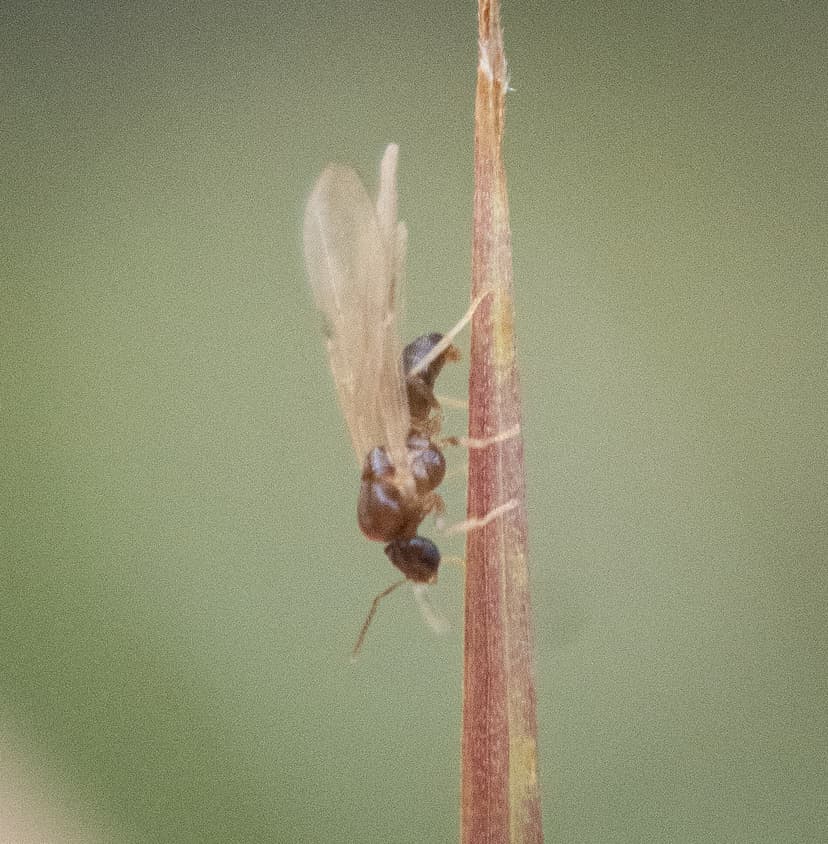
Brachymyrmex depilis is a diminutive ant whose subtle charm lies in its very tininess and the quiet diligence of its workers. Queens measure a mere 4–5 mm, while the monomorphic workers reach only 1.5–2 mm, making them one of the smaller species regularly kept in the hobby. Their smooth, glabrous cuticle—the source of the specific epithet depilis, meaning “hairless”—distinguishes them from several related Brachymyrmex, as outlined in the taxonomic revision by Ortiz-Sepulveda et al. (2019). Colonies are claustrally founded and, given time, can grow to as many as 3,000 individuals, a remarkable number for an ant you could easily overlook on a sidewalk. Their natural range, documented by GBIF occurrence records, sweeps from the southwestern United States down through Mexico and into Guatemala, often in warm, seasonally dry habitats. For the keeper, the appeal is in the challenge of managing a species that demands keen observation and a gentle hand, rewarding patience with a bustling microcosm of soft amber bodies moving with near-constant, delicate purpose.
With an intermediate care rating, B. depilis is best suited to keepers who have already mastered the basics of founding a claustral species and are ready for a more detail-oriented project. Their diminutive stature is the primary hurdle: workers can escape through gaps that appear nonexistent, and maintaining a secure, fitted lid with a fine-mesh barrier is non‑negotiable. The mandatory hibernation period, which requires a sustained cool temperature around 10°C, also adds a layer of complexity that beginners might find daunting without a dedicated cooling setup. That said, if you have experience with temperate ants that need a winter rest and you enjoy the meticulous craft of nano-formicaria, B. depilis is a deeply satisfying choice. The species is fairly tolerant of modest environmental swings within its comfort zone, and it does not demand the extreme humidity or thermal precision that some rainforest ponerines do. A careful hobbyist who double‑checks every seal and keeps a temperature‑controlled space will find these ants hardy and rewarding.
Housing must accommodate a ground‑nesting species that naturally inhabits soil, leaf litter, and rotting wood. A plaster or ytong nest with a thin hydration layer works beautifully, as does a glass test‑tube setup transferred into a small outworld once the colony outgrows it. The recommended temperature range is 20–28°C, and relative humidity should sit comfortably between 50% and 70%—conditions that mimic the warm, somewhat arid microhabitats recorded across their broad range. Because they are so tiny, a naturalistic substrate of fine sand or coco coir in the foraging area not only looks attractive but also gives the workers a familiar surface to navigate. Most escapes happen at the lid or tube connectors, so use tight‑fitting barriers, a perimeter of fluon or PTFE, and avoid any opening wider than 0.3 mm. For a founding queen and her first workers, a simple test tube with a water reservoir and a cotton plug, kept inside a small tupperware outworld, is often the safest and easiest setup during the first few months.
Feeding a micro‑species demands a scaled‑down menu. Protein should come from the smallest commercially available prey: Drosophila fruit flies (both melanogaster and hydei), pinhead crickets, or finely chopped mealworm segments are all accepted, provided they are pre‑killed and broken into manageable bits. A colony at full strength can consume several fruit flies a day, but during foundation a single fly leg or head offered twice a week is plenty. Carbohydrates can be supplied as a tiny droplet of sugar water, diluted honey, or a slice of ripe fruit placed on a small piece of foil; always make these offerings no larger than the workers’ own heads to prevent drowning. Remove uneaten food after 24–48 hours to stave off mold, and ensure a constant, clean water source—either the test tube reservoir or a cotton ball saturated with fresh water in the outworld. Observing a returning worker carrying a translucent droplet of honeydew‑substitute between her mandibles is one of the quiet joys of keeping this species.
Hibernation is not optional for the long‑term health of Brachymyrmex depilis. Throughout their range, even the southernmost populations experience a distinct cooler season, and internal clocks require a dormant period. Begin the transition in late autumn by gradually reducing heat over the course of a week until the nest sits at approximately 10°C. Cease protein feeding a week beforehand, and taper off sugar so that the workers’ social stomachs are not overfull when they enter torpor. Keep the nest slightly drier than normal, but do not let it desiccate completely; a small water source should remain available. A wine cooler, unheated basement, or insect hibernation fridge can maintain this temperature. A rest of three to four months is typical, after which you warm them slowly over several days back to the 20–28°C range. The queen will usually begin laying fertile eggs within a week or two of waking, signaling the start of a new season.
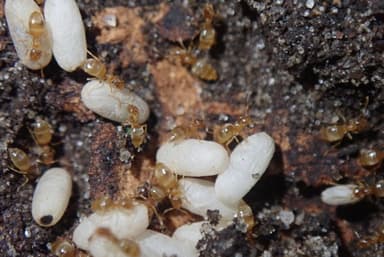
When your colony arrives, it will likely be in the post‑nuptial phase with a small handful of workers huddled around their queen inside a test tube. Place the tube in a dark, quiet spot at around 24°C and resist the urge to check on them for at least a full day. After this settling period, you may attach a tiny outworld or simply introduce a minute drop of sugar water on the inside of the tube near the cotton plug, using a toothpick or an insulin syringe. Do not offer protein yet; wait until the sugar has been visited and the workers appear calm, then add a pre‑killed fruit fly piece. Frequent, brief disturbances can cause the queen to stop laying, so limit observations to once every 48 hours. If you notice workers persistently tugging at the cotton or patrolling the lid, they may be signaling that the humidity inside the tube is too low—a slight addition of water to the outworld air or a small adjustment to the nest hydration usually resolves this. The founding cohort is precious, and every worker lost to escape or stress is a setback; with steady, attentive care, you will soon see the first pearl‑like eggs and the gentle expansion of a colony that epitomizes the beauty of the miniature world.