Atta
Atta mexicana
Nuptial Flight Calendar
Flight months: May, Jun, Jul
Care Guide
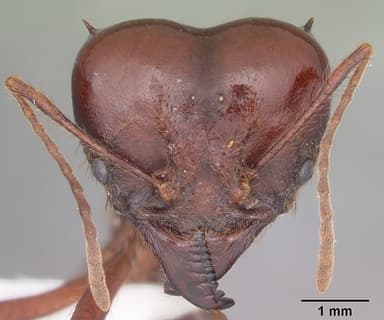
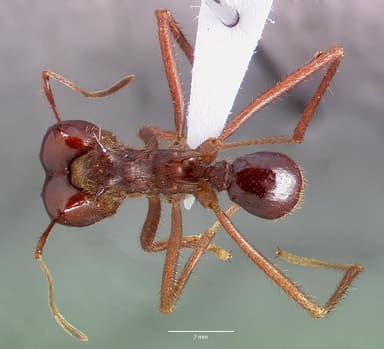
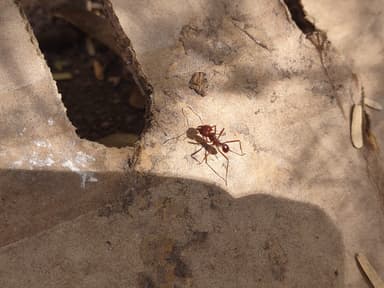
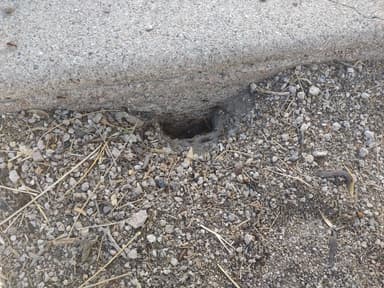
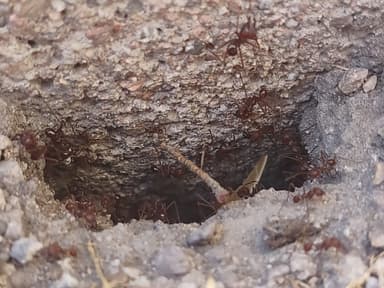
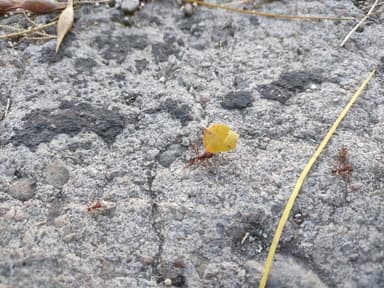
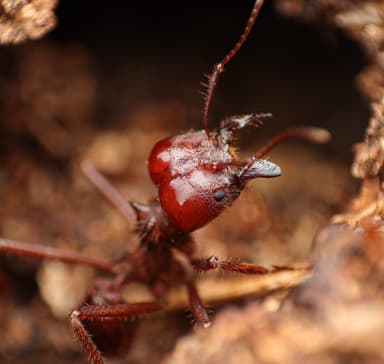
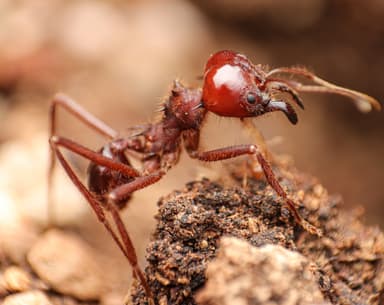
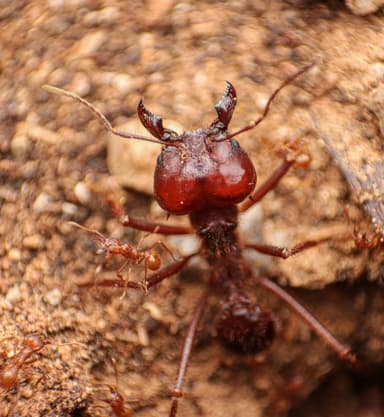
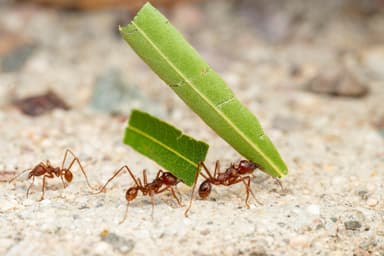
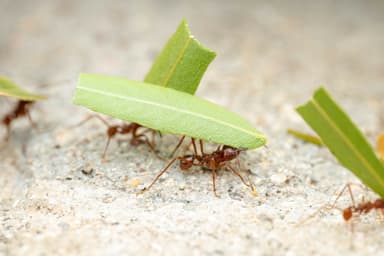
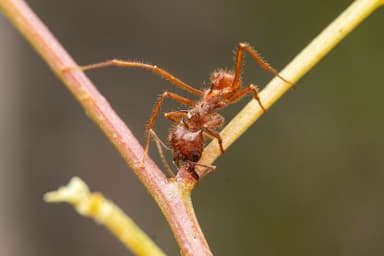
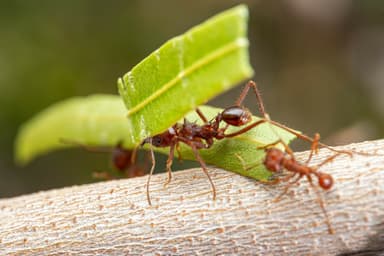
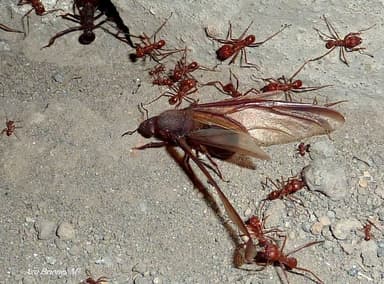
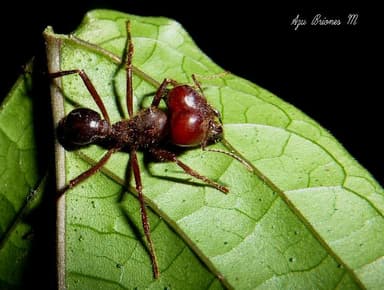
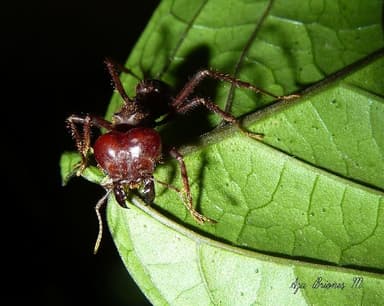
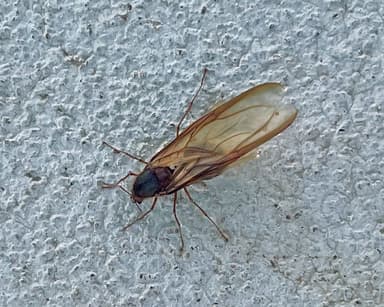
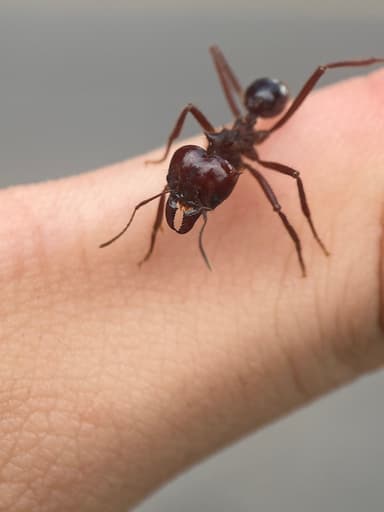
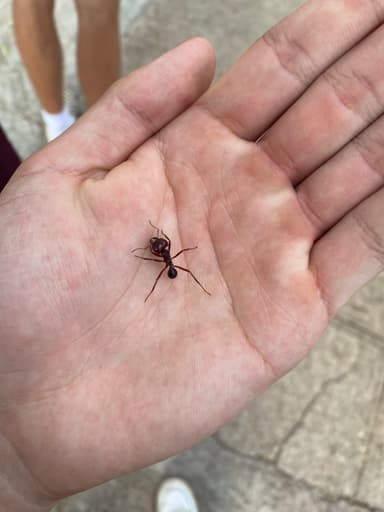
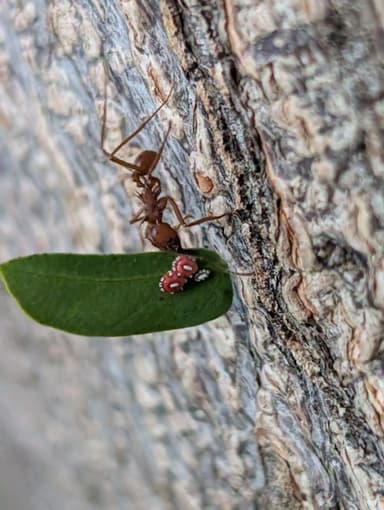
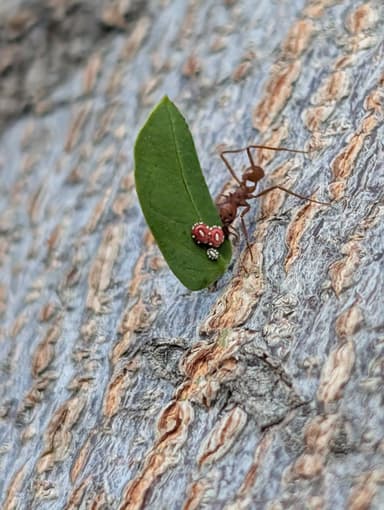
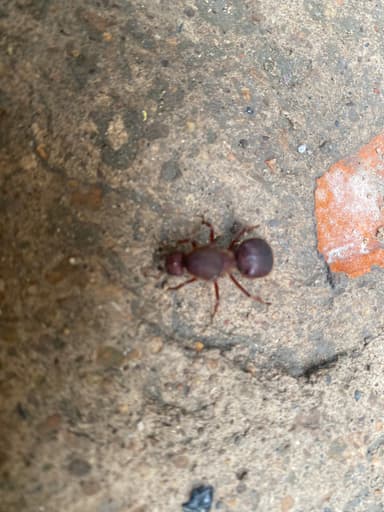
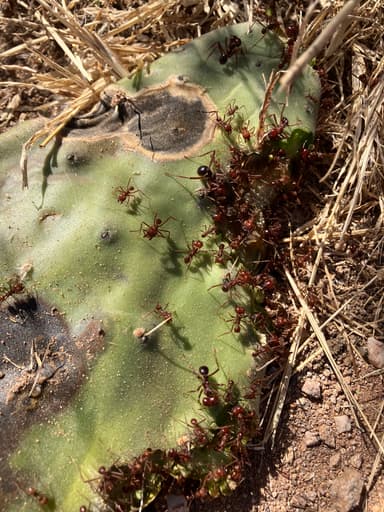
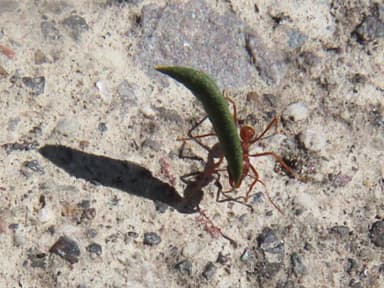
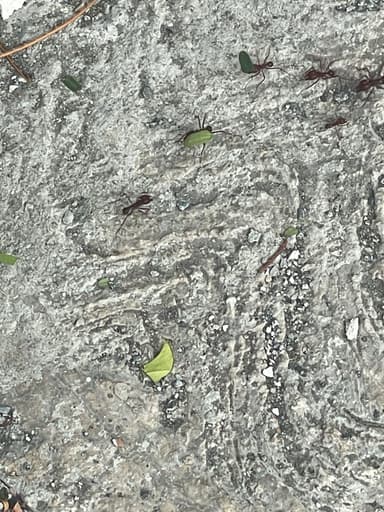
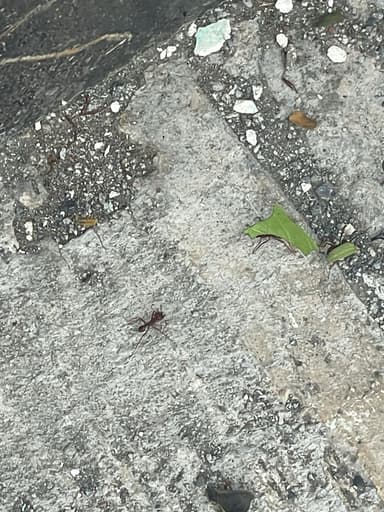
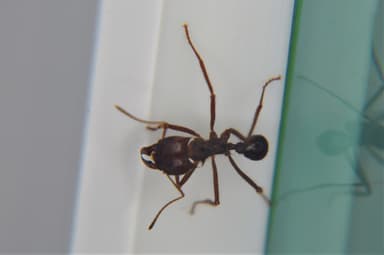
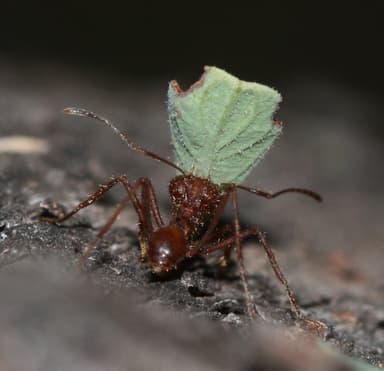
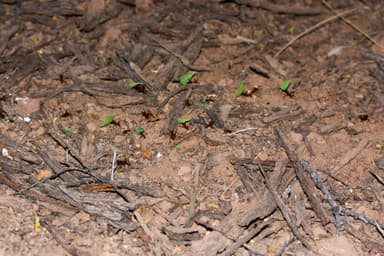
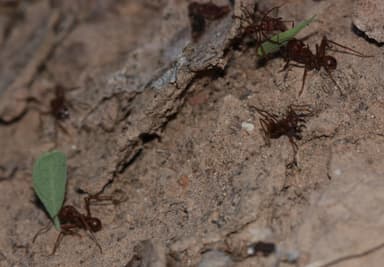
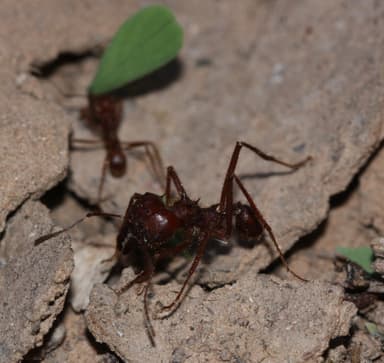
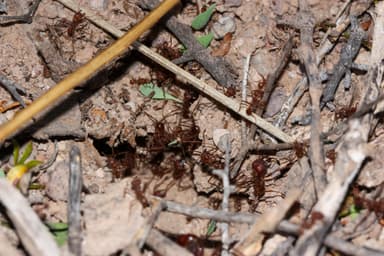
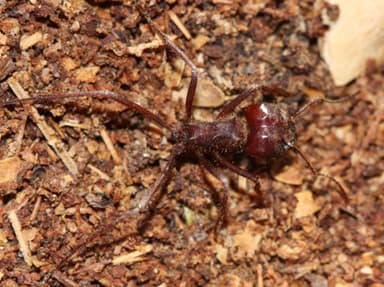
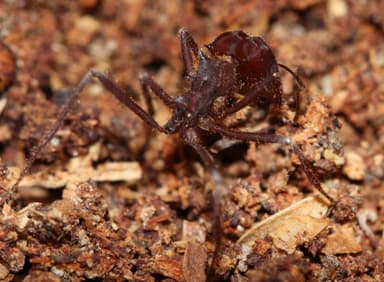
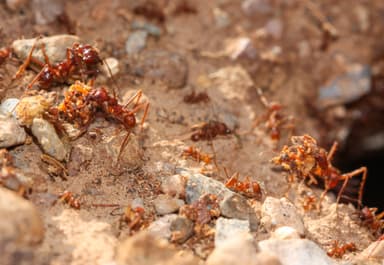
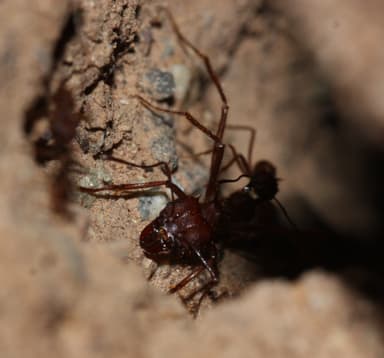
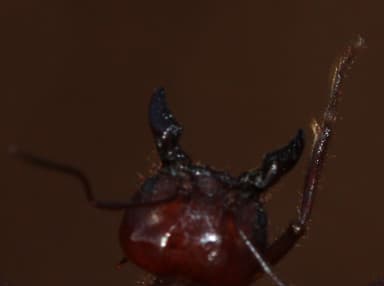
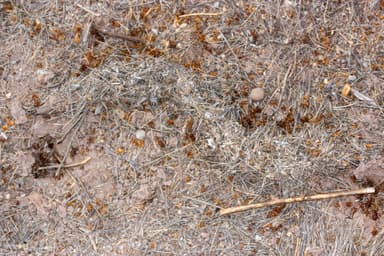
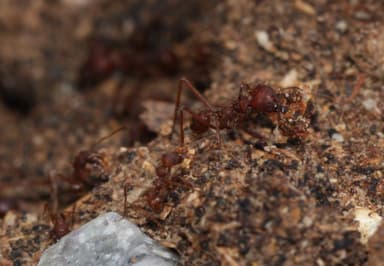
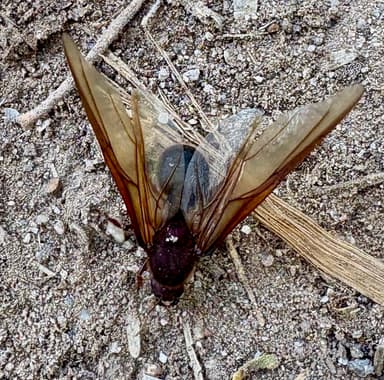
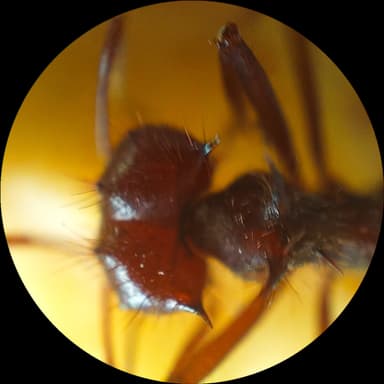
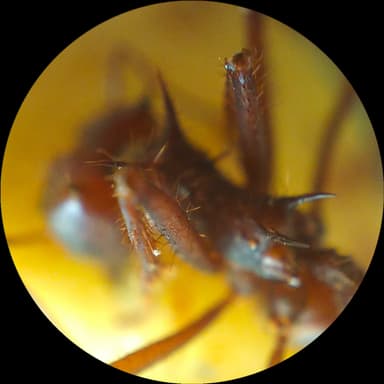
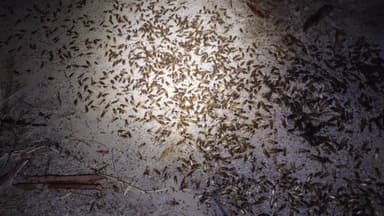
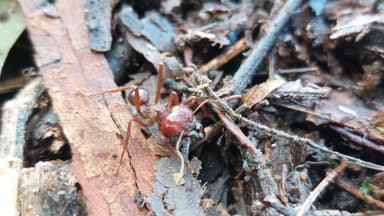
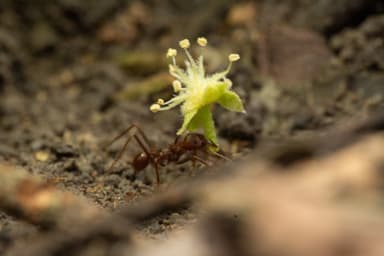
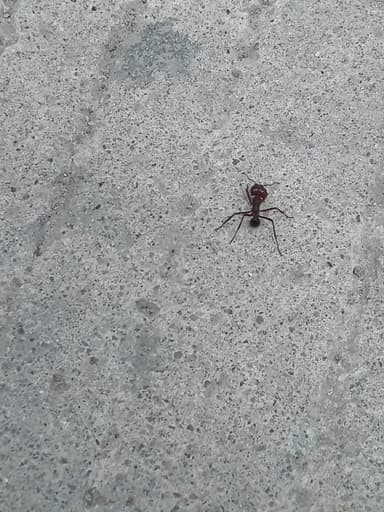
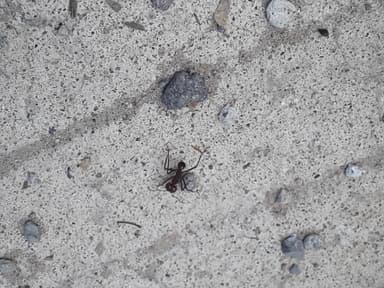
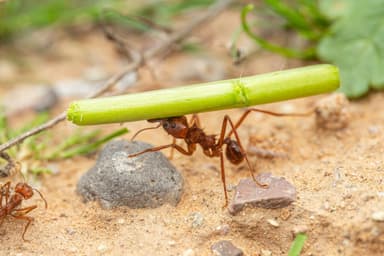
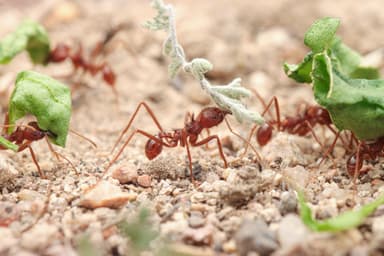
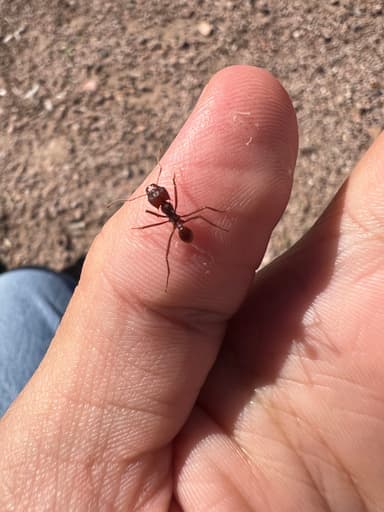
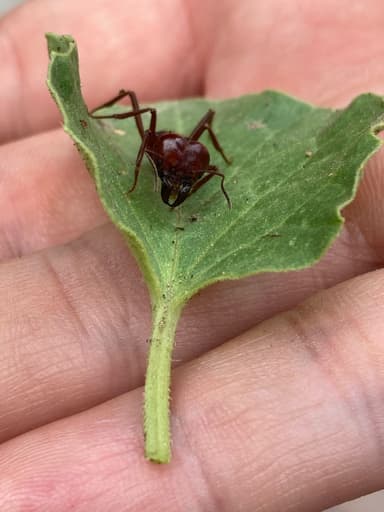
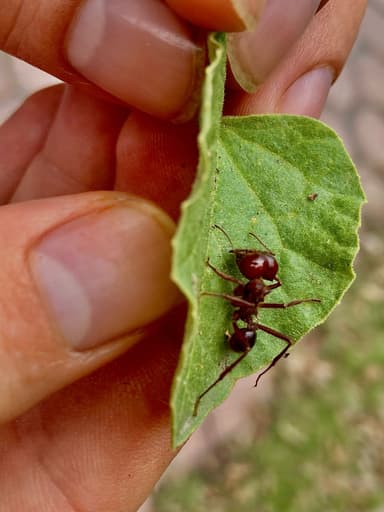
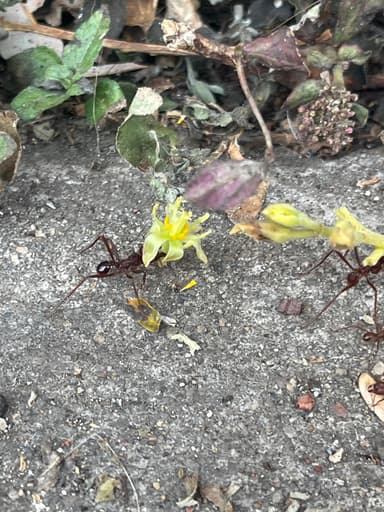
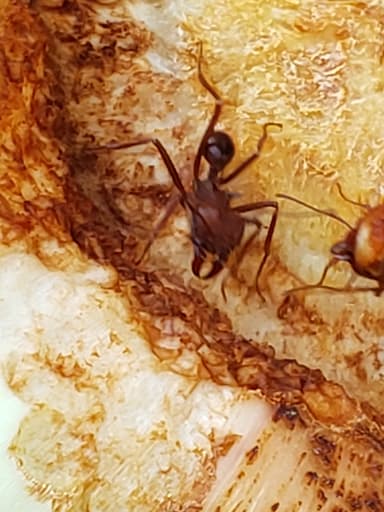
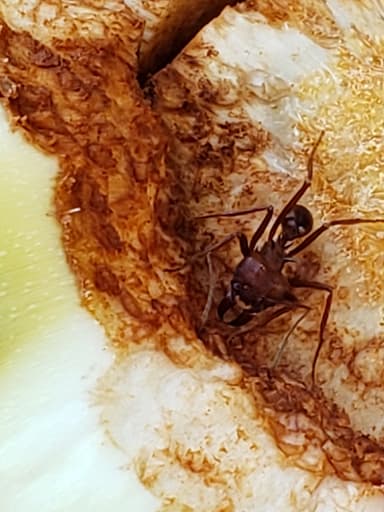
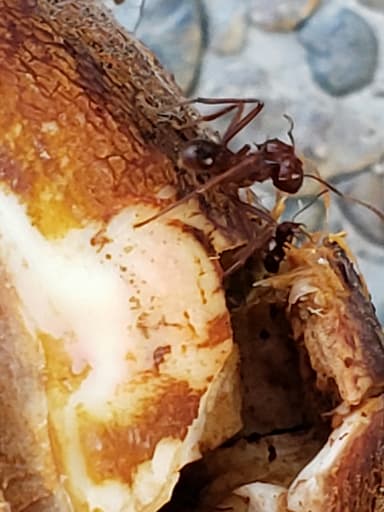
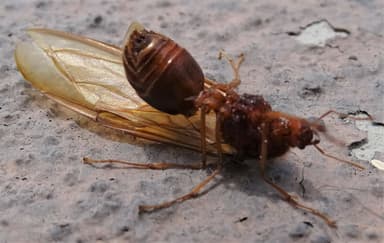
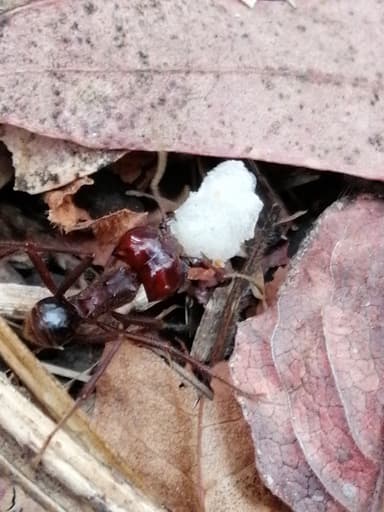
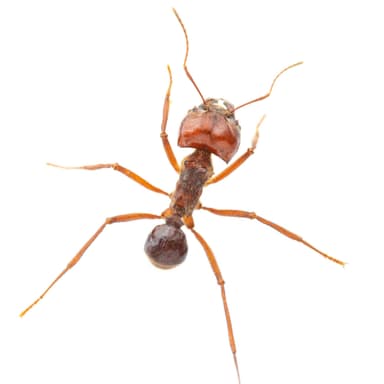
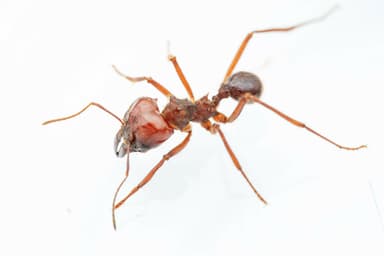
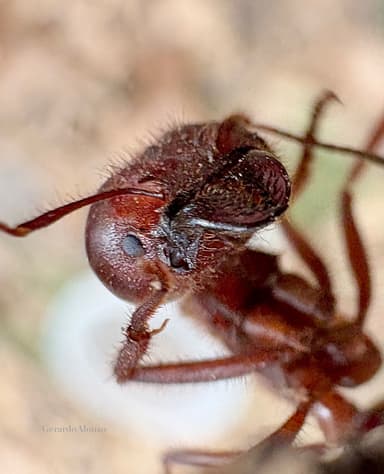
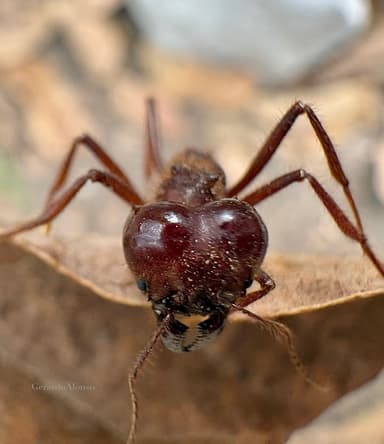
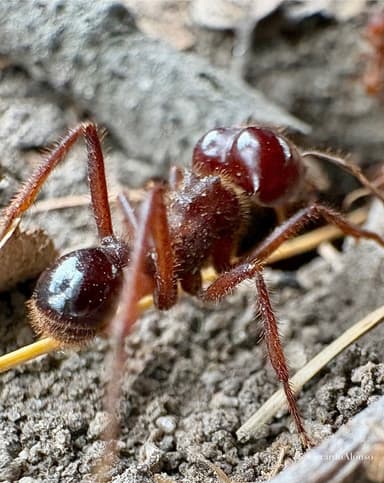
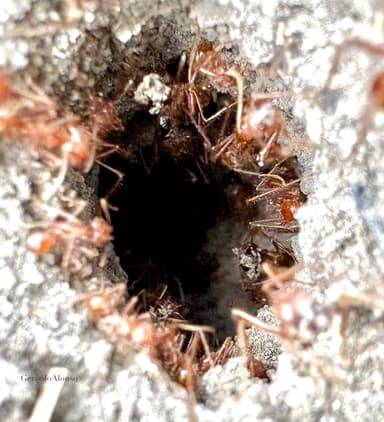
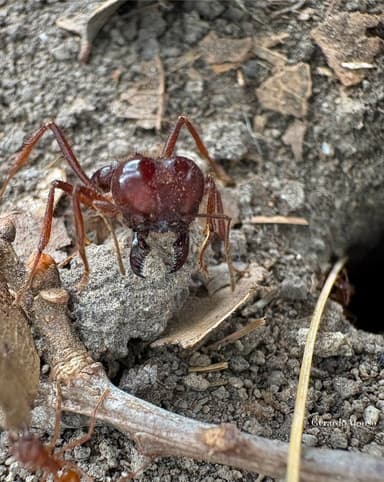
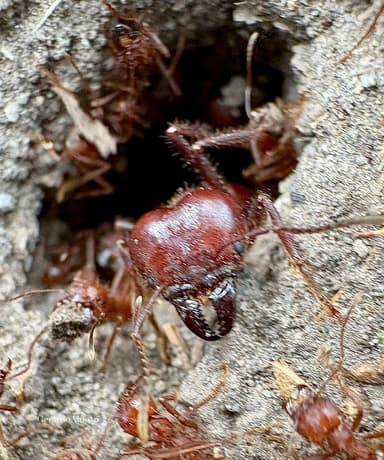
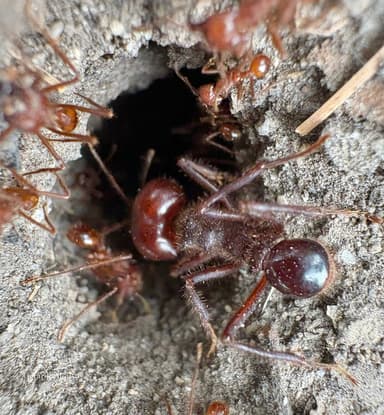
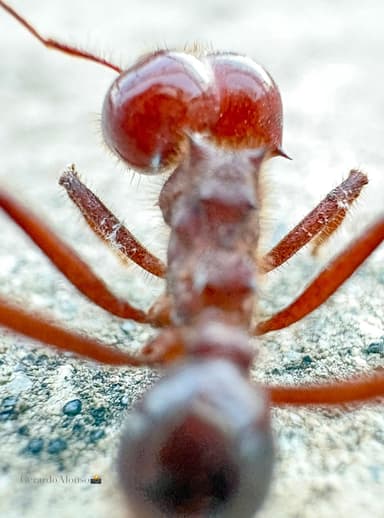
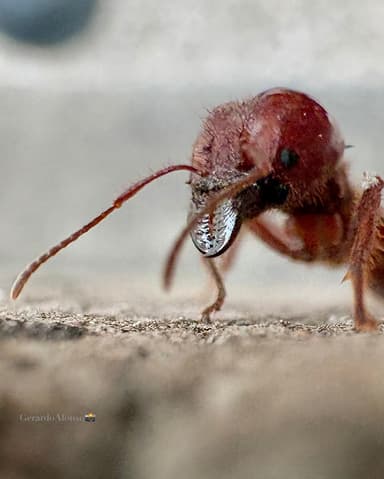
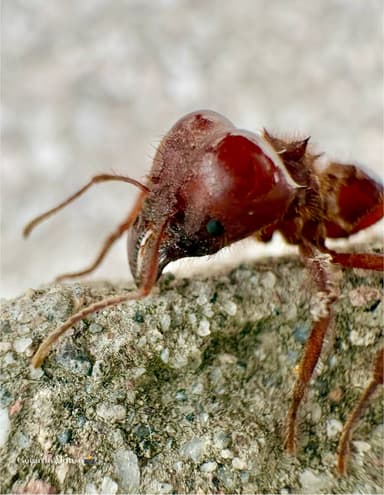
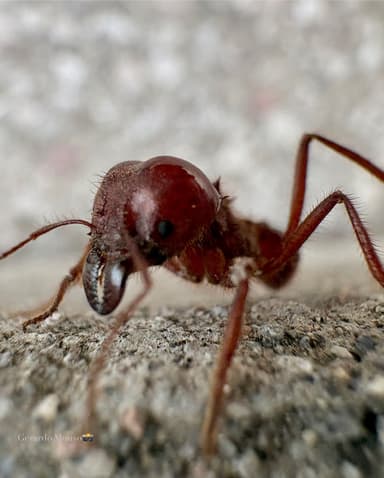
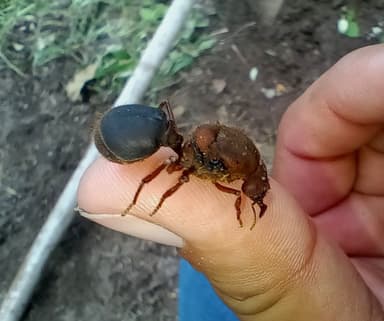
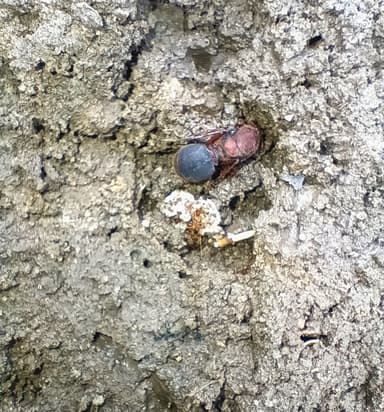
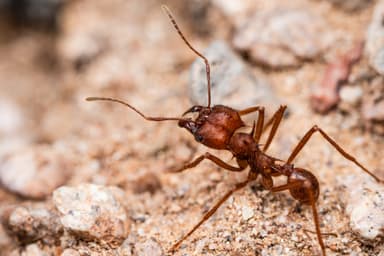
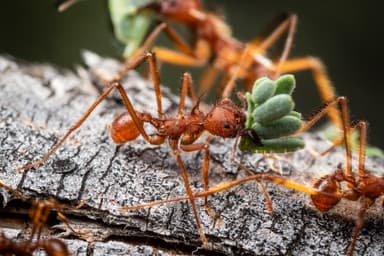
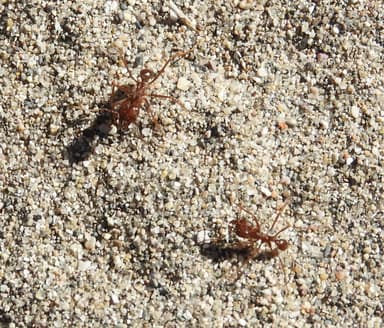
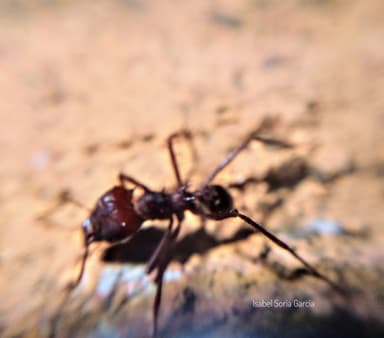
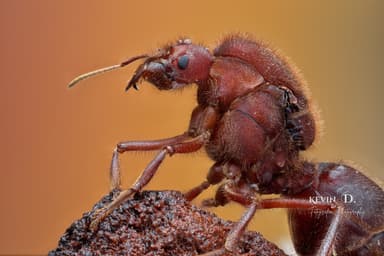
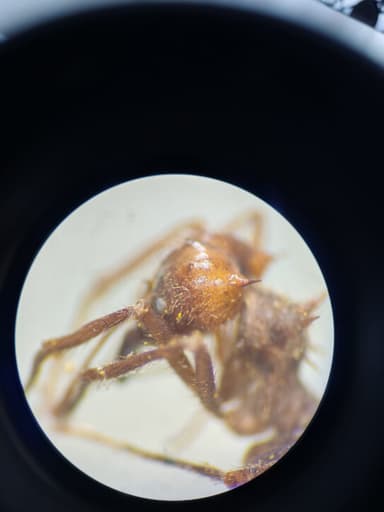
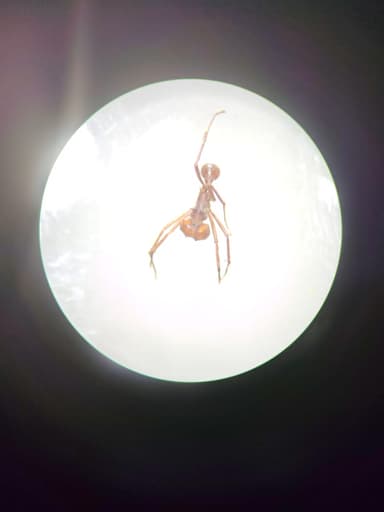
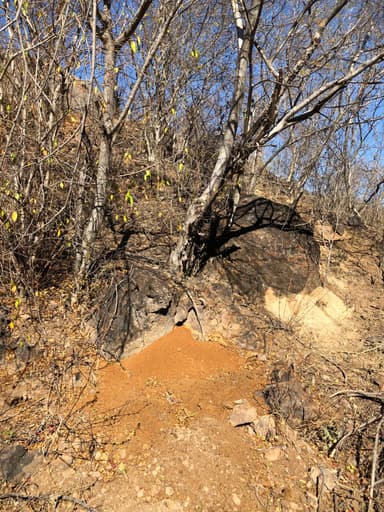
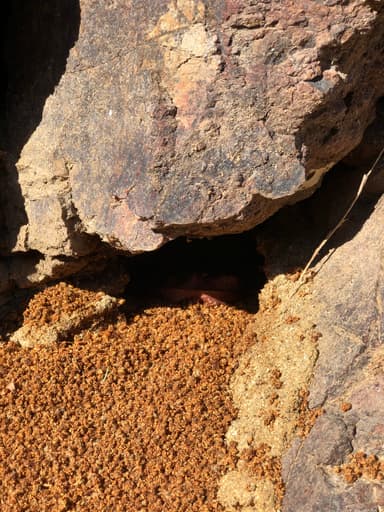
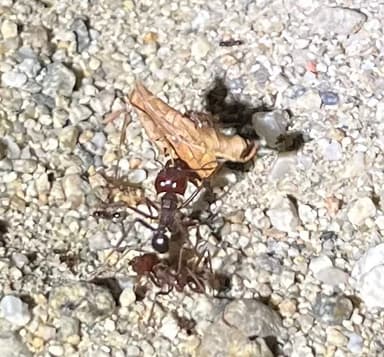
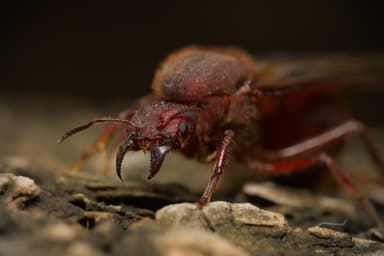
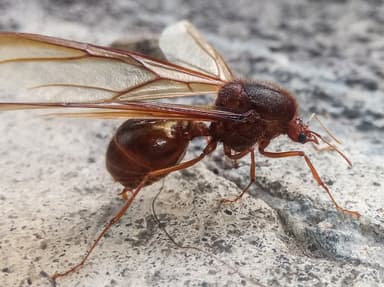
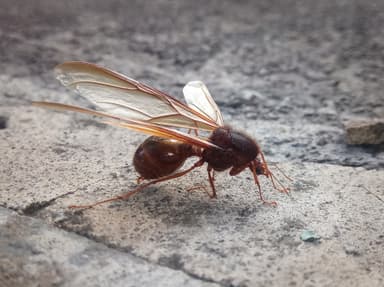
Among the leafcutter ants, Atta mexicana stands out as a remarkable species that embodies the complex agricultural lifestyle of the Attini tribe. Queens are robust, ranging from 20 to 25 mm, while their highly polymorphic workers span a dramatic 2 to 12 mm, divided into four distinct castes—minor, media, major, and supermajor—each specialized for tasks from fungus gardening to colony defense (AntWiki; AntWeb). A mature colony can swell to an astonishing two million individuals, with subterranean nests housing football-sized fungus gardens. Found across Mexico and Central America, from the Sonoran desert edges to the moist forests of Honduras (GBIF occurrence data), these ants are obligate fungivores: they meticulously cut fresh vegetation to feed a symbiotic fungus, which in turn produces nutrient-rich gongylidia to sustain the ants. This mutualism, studied extensively by Mueller et al., makes Atta mexicana a living masterpiece of natural history, though their ceaseless leaf foraging also makes them formidable agricultural pests in their native range. Nuptial flights occur during early summer evenings, typically May through July, when new queens take wing after the first heavy rains of the wet season (Mintzer 1979).
Despite their allure, Atta mexicana is a species reserved for expert keepers. The immense colony size, perpetual need for fresh foliage, and the delicate requirements of the fungal garden place this ant beyond the reach of casual hobbyists. Only those with a dedicated space, ample time, and a genuine passion for advanced myrmecology should consider them. The fungus must be kept in precise microclimatic balance, and any lapse can cause garden collapse, leading to colony death. If you are an experienced ant keeper who has successfully managed large, humidity-sensitive colonies and can commit to daily fresh leaf provisioning, the reward is an unparalleled view into one of evolution’s most intricate societies.
Designing a suitable home for Atta mexicana means mimicking a tropical burrow. The heart of the setup is a spacious, well-humidified nest chamber for the fungus garden. Temperature must remain stable between 22 and 30°C; a gradient is beneficial, but extremes at either end can kill the fungus. Humidity is even more critical, maintained at 70–90% relative humidity to prevent the garden from desiccating. Naturalistic substrates like a deep layer of inert, damp clay or a plaster nest with a moisture reservoir work well, as long as they resist mold and allow the ants to sculpt their fungus chambers. A large, escape-proof foraging arena is essential, connected via tubing. Inside, place fresh leaves away from the nest entrance so workers can cut and carry them home. Avoid direct ventilation over the fungus chamber—stagnant, humid air is ideal—but provide gentle airflow in the foraging area to deter mold and mites.
Feeding these leafcutters is unlike caring for any other ant, because the ants themselves eat almost nothing but the fungus they cultivate. Your primary job is to supply the garden with a steady flow of clean, pesticide-free leafy material. In captivity, they readily accept rose, bramble, privet, hibiscus, and citrus leaves; variety is key for fungal health. Place small, fresh pieces directly in the foraging arena and remove withered scraps promptly to prevent decay. While the fungus produces all necessary nutrients, workers will also scavenge for proteins, especially when the colony is growing. Offer insect pieces (crickets, mealworms) or protein jelly in tiny amounts once or twice a week, but never inside the fungus chamber. A separate water source, such as a test tube with a cotton plug, must be available at all times, though much of their moisture comes from the leaf sap and the high ambient humidity.
There is no hibernation requirement for this tropical species. Throughout the year, maintain the same warm, moist conditions; any sudden drop below 20°C can shock the fungus garden. Keep the setup in a quiet location, away from direct sunlight and drafts, and monitor temperature and humidity with reliable gauges. The colony will remain active and growing year-round, so be prepared for their steady expansion in both population and appetite.
When your young Atta mexicana colony arrives—typically a lone queen with a marble-sized fungus garden and a handful of nanitic workers—the first hours demand a gentle touch. Transfer them undisturbed into a small, darkened, humid chamber; a test tube with a water reservoir plugged by cotton, lying inside a tiny container with a few pinprick ventilation holes, is perfect. Let them settle for at least 24 hours without any food to reduce stress. After this period, introduce a single, small leaf disk (rosaceae leaves are often best) placed near the entrance. Watch eagerly: if the workers accept it, they will begin cutting within minutes and carry fragments back to the fungus. Over the following days, gradually increase leaf offerings as you see the garden expand. Resist the urge to peek constantly—cover the nest with red film or keep it dark, and only check briefly. Any sign of garden shivering, discoloration, or a foul smell indicates a humidity or contamination crisis; act immediately by adjusting moisture and removing any decaying matter. With patience and impeccable care, this tiny founding unit will slowly blossom into a bustling leafcutter empire.