Lepisiota
Lepisiota frauenfeldi
Care Guide
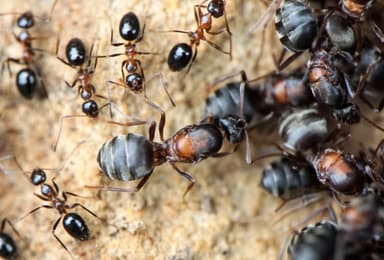
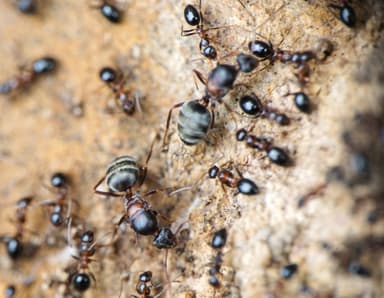
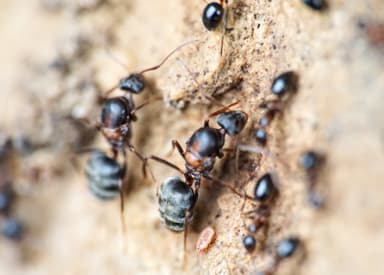
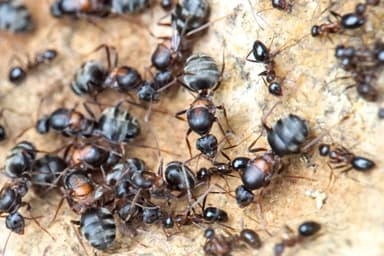
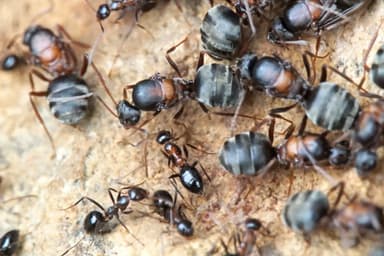
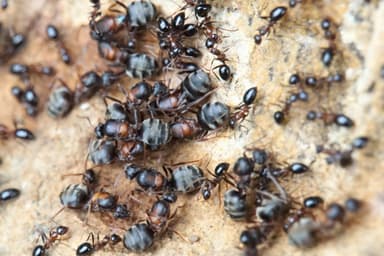
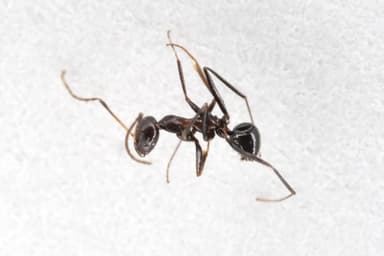
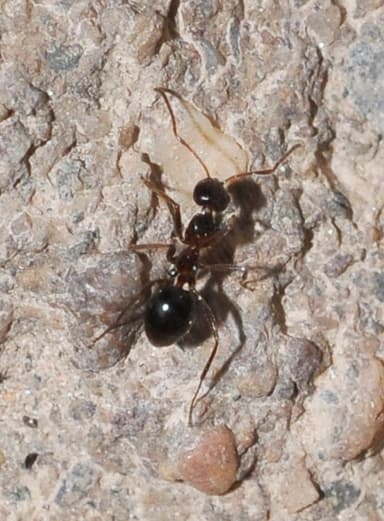
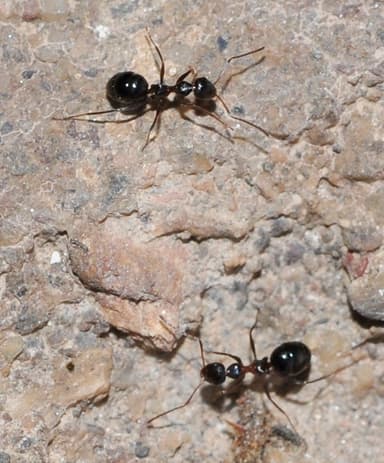
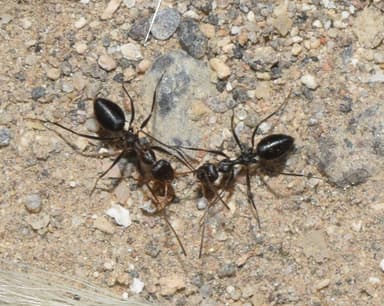
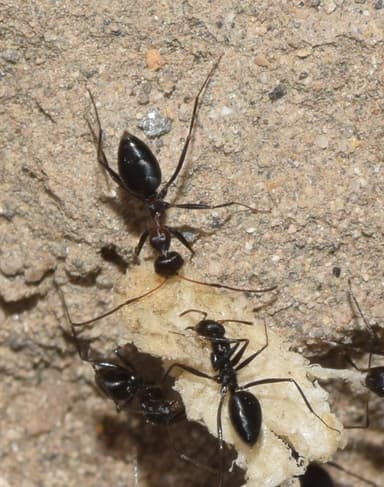
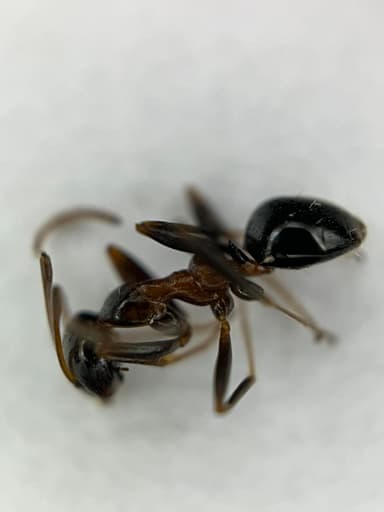
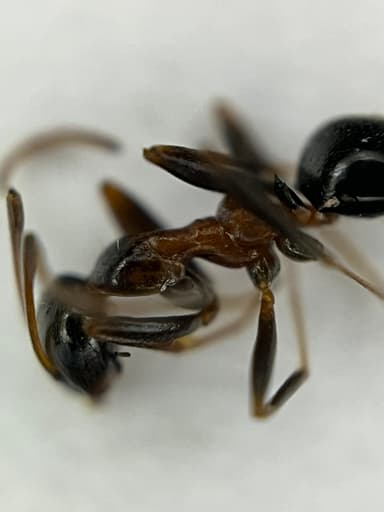
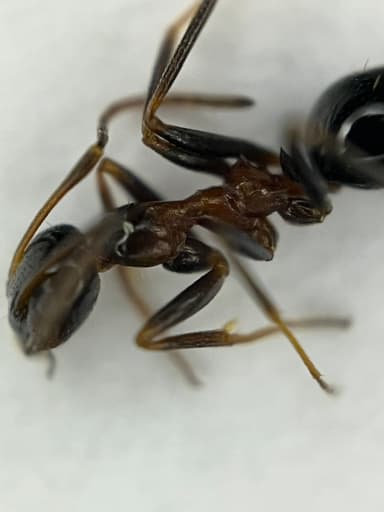
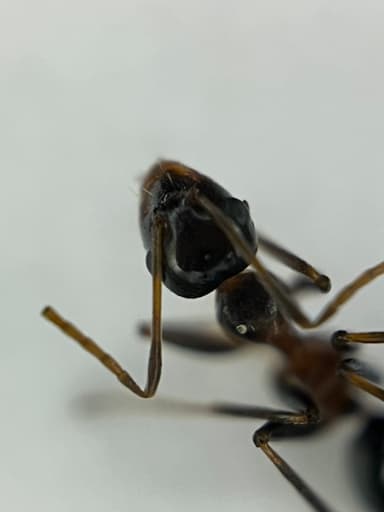
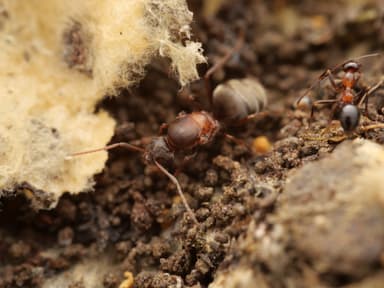
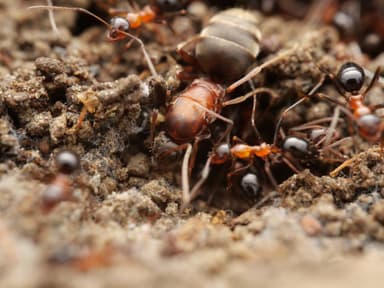
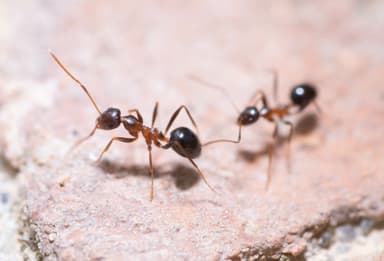
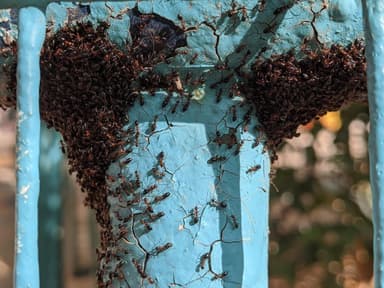
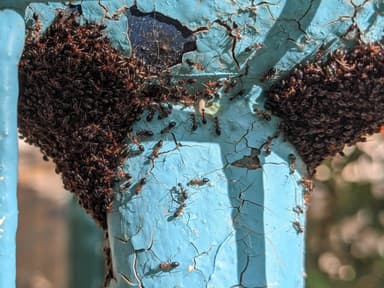
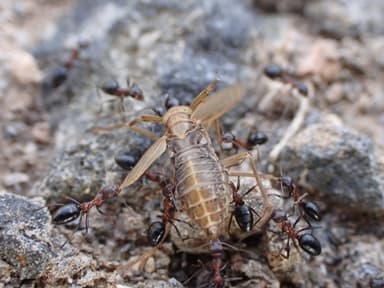
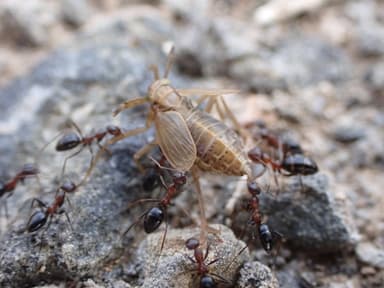
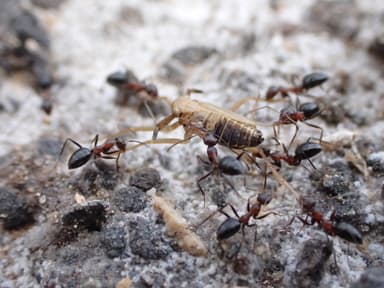
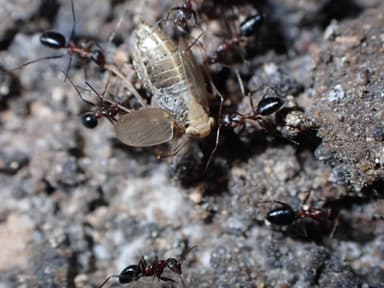
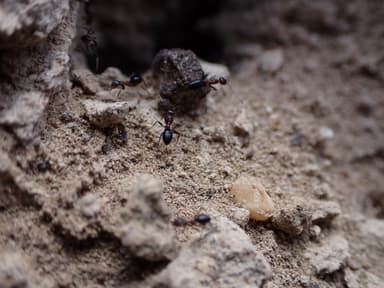
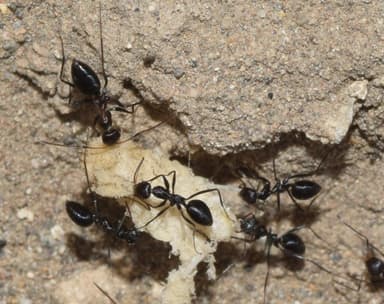
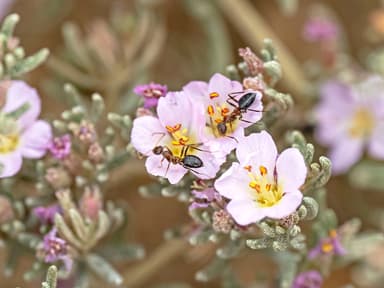
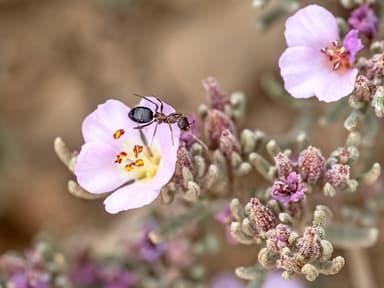
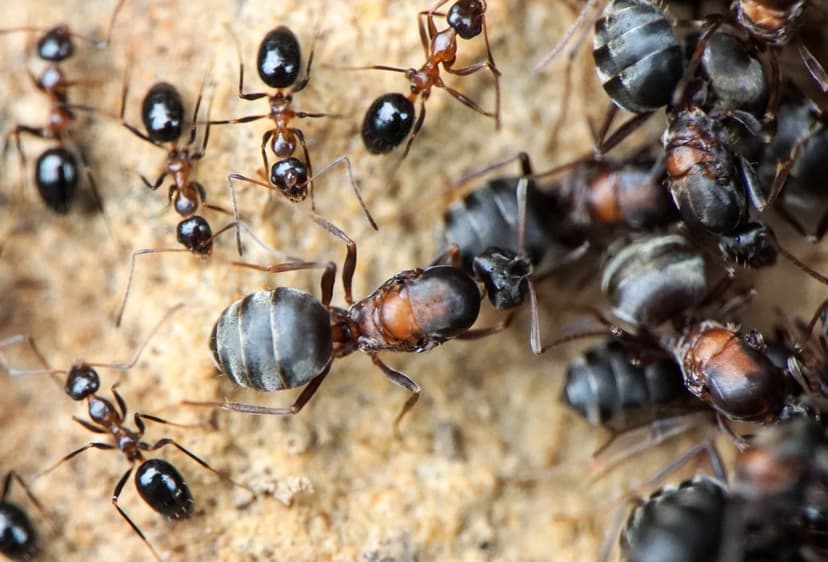
Lepisiota frauenfeldi is a highly active and robust species, often observed forming dense, fast-moving foraging trails that can extend several meters from the nest. Workers are uniformly small, measuring just 2–3 mm, and the queen reaches 4.5–5.5 mm — modest in size but impressive in productivity. These ants do not display pronounced polymorphism; minor and major workers are nearly identical, all sharing a slender, agile build and a distinctive ability to raise their abdomens when disturbed, a behavior that gives them their common name “acrobat ants.” Their colonies number between 5,000 and 50,000 individuals under good conditions, creating a lively and constantly active display.
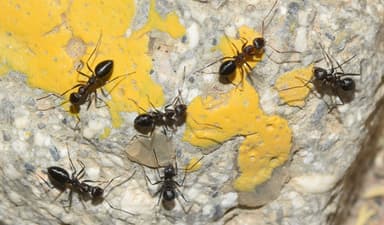
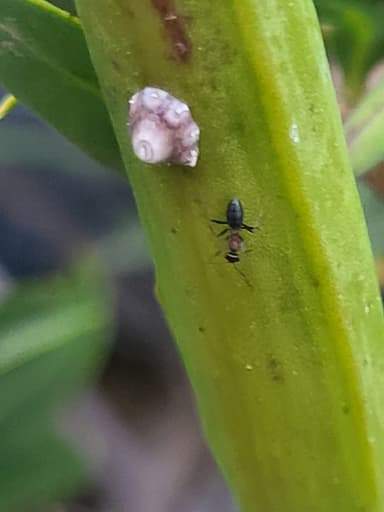
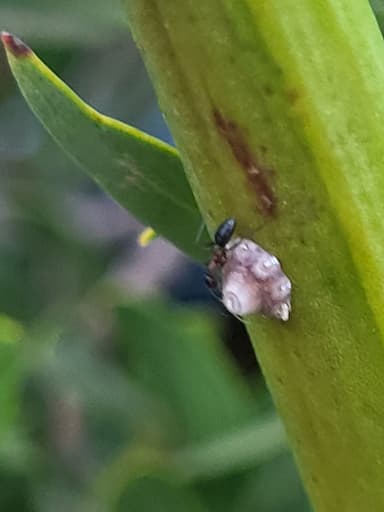
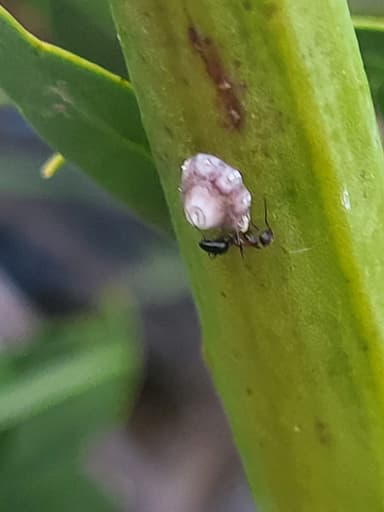
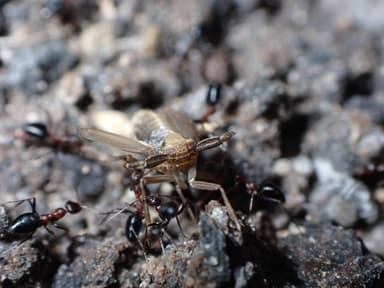
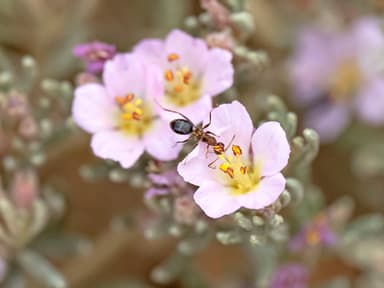
What truly sets Lepisiota frauenfeldi apart is their dietary enthusiasm. They are voracious consumers of sugar water and honeydew, and in nature they tend aphids and scale insects to harvest these sweet secretions. A well-fed colony will store liquid food in the crops of workers, appearing with distended gasters. They also require a steady supply of protein in the form of small insects such as fruit flies or cricket pieces. Without adequate protein, brood production slows dramatically. The colony’s foraging behavior is energetic and determined — expect long, orderly trails of workers moving back and forth between the nest and food sources.
Care difficulty
Keeping Lepisiota frauenfeldi is suited to intermediate keepers. While they are not particularly demanding in terms of humidity or temperature, their need for a consistent and varied food supply, as well as a mandatory hibernation period, makes them less suitable for absolute beginners. They can be messy with liquid food, often spilling droplets, so cleanliness is important to prevent mold.
Housing
A formicarium with good ventilation and moderate humidity (50–70%) works best. The nest should be kept at 24–28°C during the active season, with a heated area for brood development. These ants appreciate a connected outworld with plenty of foraging space. Because they are so active and trail-oriented, a tube system or arena with clear pathways will help you observe their natural behavior. During winter, a hibernation period of two to three months at around 10°C is essential for the queen’s long-term health and future brood cycles. The most common keeper mistake is skipping hibernation — colonies will slowly decline without it.
First days after purchase
Upon receiving your Lepisiota frauenfeldi colony, place the formicarium in a quiet, dimly lit spot. Allow at least 24 hours of undisturbed acclimation. Offer a small drop of sugar water and a few tiny insects to encourage feeding. Do not be alarmed if the ants initially cluster or appear disorganized — they are adjusting. Keep an eye on humidity levels: the nest should be moist but not wet. After a few days, the first foraging trails will establish, and you can begin routine maintenance. With time, this species rewards its keeper with nonstop activity and an almost hypnotic flow of workers along their trails.