Iridomyrmex
Iridomyrmex purpureus
Nuptial Flight Calendar
Care Guide
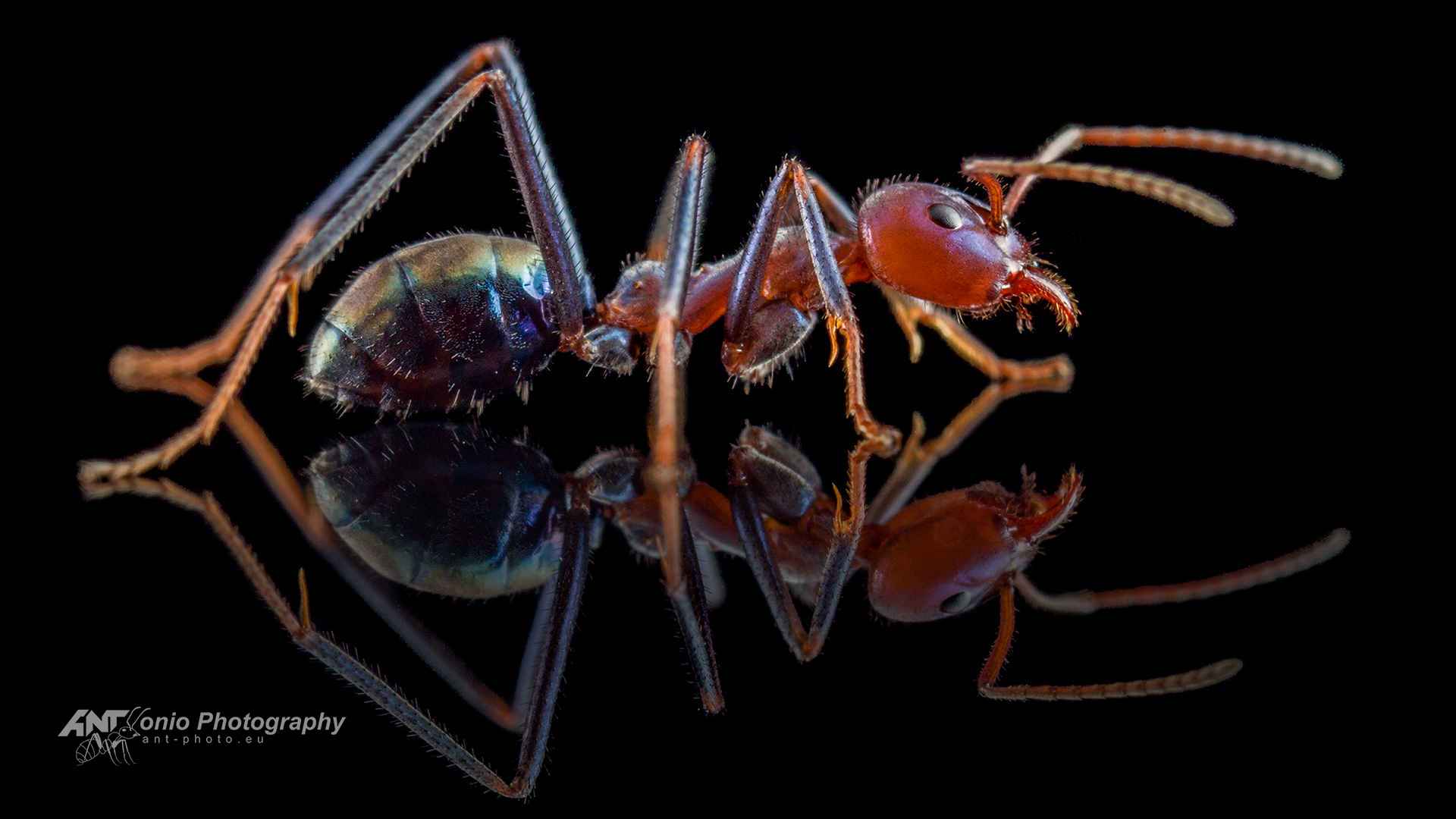
Iridomyrmex purpureus, commonly known as the meat ant or blue ant, is a strikingly beautiful species native to Australia, named for the iridescent purple-blue sheen that shimmers across its exoskeleton in the right light. These ants are bold, fast‑moving, and highly territorial, building large, crater‑like nest mounds often topped with a distinctive pebble ring. A mature colony can number between 20,000 and 100,000 workers, making them an impressive sight and a rewarding challenge for the experienced keeper.
The queen is claustral, meaning she seals herself inside a founding chamber and rears her first brood entirely on her own fat reserves and wing muscles. She measures 11–14 mm, while workers range from 6–12 mm, with no pronounced polymorphism but considerable size variation among individuals. Their diet is protein‑heavy: in the wild they hunt insects, scavenge carrion, and tend honeydew‑producing insects. In captivity they thrive on a mix of feeder insects (crickets, roaches, mealworms) and a constant supply of sugar water or honey water, alongside occasional protein jelly. Because they do not require hibernation, they can remain active and productive year‑round, provided temperatures are kept within their preferred range of 22–30°C.
Care difficulty
Keeping Iridomyrmex purpureus is suited to intermediate ant keepers who have experience with fast‑growing, thermophilic species. Their aggressive foraging and defensive behavior mean the keeper must be comfortable with regular feeding and maintenance while respecting the ants’ need for stability. The colony can expand rapidly, so being prepared for a large formicarium early on is essential. They are not a species for those seeking a hands‑off pet; their energy and numbers demand consistent attention.
Housing
A formicarium for Iridomyrmex purpureus must prioritise warmth and dry conditions. The nest area should be kept at the higher end of the temperature range (26–30°C) to encourage brood development and activity. Humidity between 50–70% is ideal, but the nest itself should not become waterlogged – a well‑draining substrate or a modular setup with a separate outworld works best. These ants are expert escape artists, so a tight seal and smooth vertical walls in the outworld are non‑negotiable. Because they are highly territorial, they will defend their space vigorously; avoid keeping other ant colonies nearby, and never disturb the nest unnecessarily. Provide a spacious outworld for foraging and waste disposal, as large colonies produce significant debris.
First days after purchase
Upon receiving your Iridomyrmex purpureus colony, transfer them into their prepared formicarium immediately and place it in a warm, quiet spot with minimal vibrations. In the first few days, keep human and pet traffic low. Offer a drop of sugar water and a small insect piece near the entrance, but do not force interaction. The ants may initially seem stressed or hide; this is normal. Check that the hydration source is accessible and that the nest stays warm. Avoid opening the nest or shining bright lights at them unless feeding. With patience, they will soon begin exploring and foraging. Once you see foragers moving confidently and brood appearing, the colony has settled – and you can enjoy watching one of Australia’s most charismatic ants turn your formicarium into a bustling, iridescent kingdom.