Harpegnathos
Harpegnathos venator
Care Guide
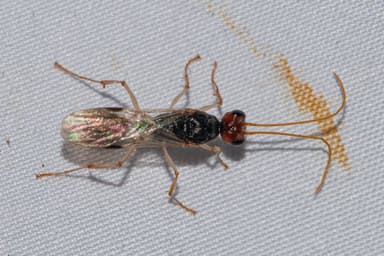
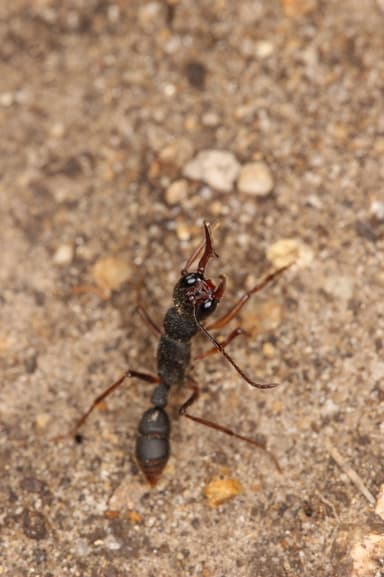
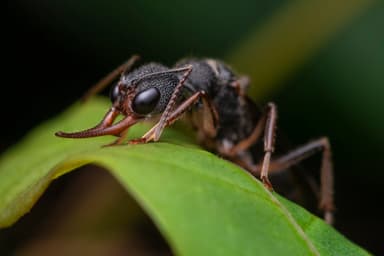
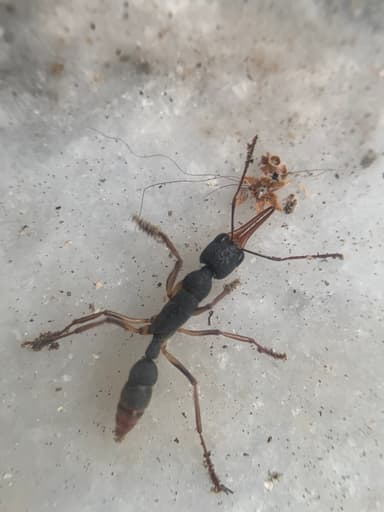
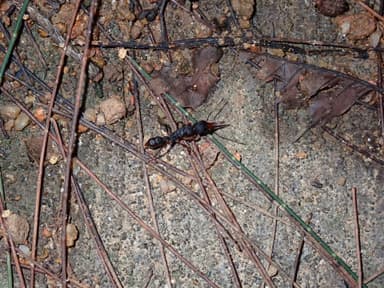
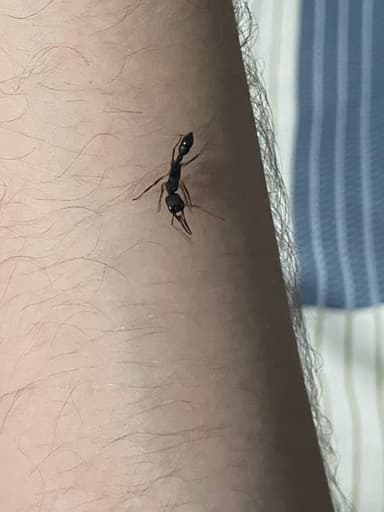
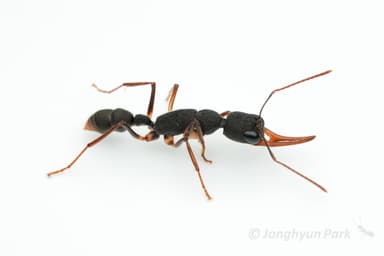
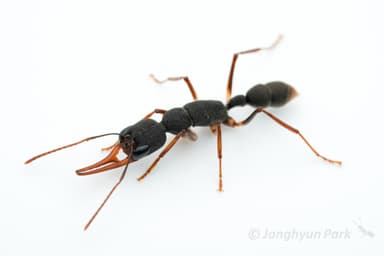
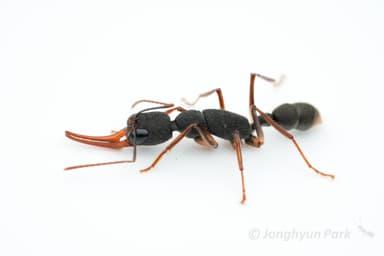
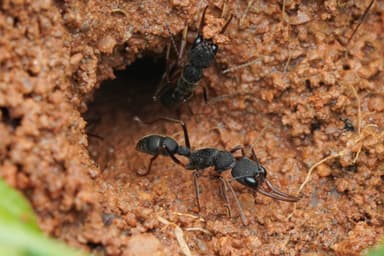
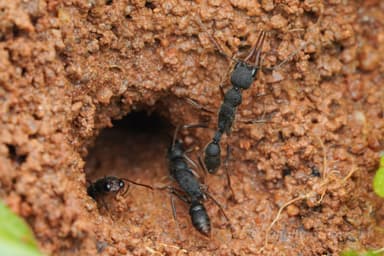
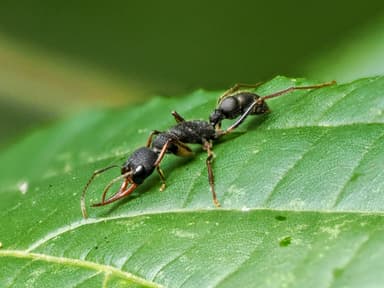
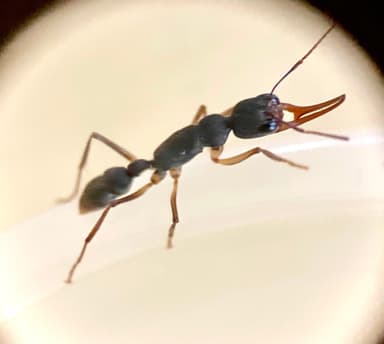
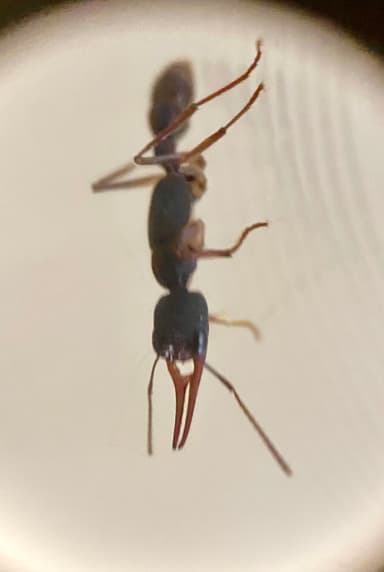
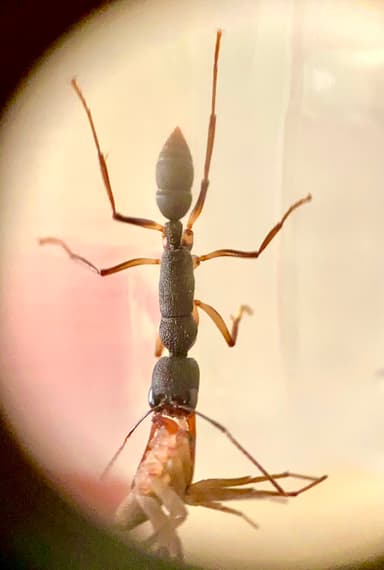
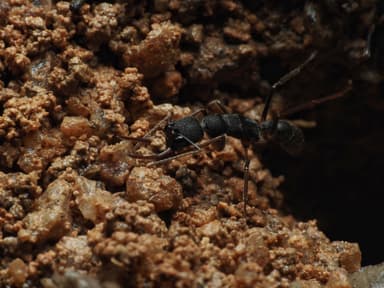
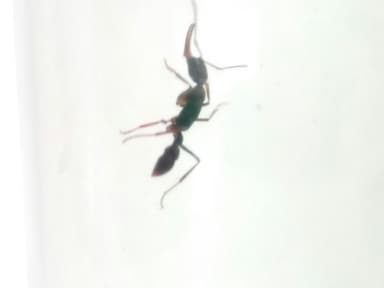
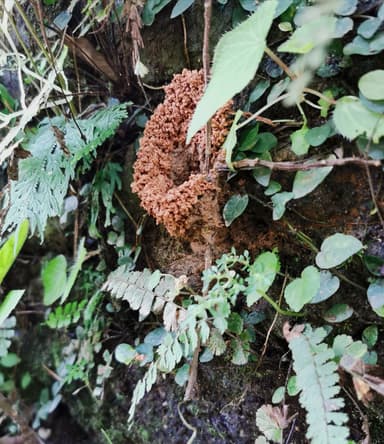
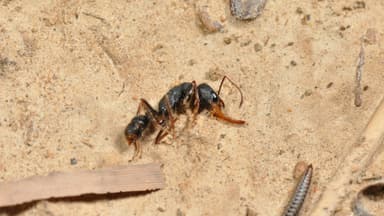
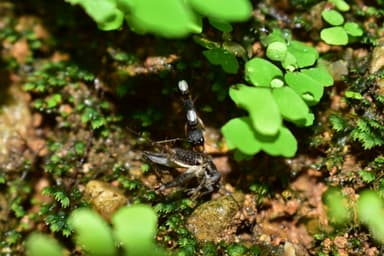
Harpegnathos venator is a true gem among ant keepers who seek a challenge. Known as the jumping ant or “venator,” this species captivates with its enormous compound eyes, elongated mandibles, and remarkable ability to leap several times its body length when hunting. The queen, measuring 15–20 mm, is a striking figure, while the workers reach 12–18 mm, giving the colony a uniformly large and imposing appearance. One of the most fascinating aspects of Harpegnathos venator is its social structure—it retains many primitive traits, including the potential for workers to become gamergates (egg-laying workers) if the queen is lost, though a true queen is the primary reproductive in a healthy colony. Colony size remains modest, typically between 30 and 100 workers, making every individual a valuable member.
Care difficulty
Keeping Harpegnathos venator is firmly in the expert category. These ants are not for beginners. They require precise environmental conditions and a constant supply of live protein. Unlike many species, Harpegnathos venator is semi-claustral, meaning the founding queen must leave the nest to forage while raising her first brood. This makes the founding phase extremely delicate—the queen needs regular feeding and careful monitoring to avoid stress. Throughout the colony’s life, their sensitivity to disturbances and specific humidity requirements demand attentive care.
Housing
A suitable formicarium for Harpegnathos venator must maintain high humidity (70–80%) and stable temperatures between 25–30°C. These ants prefer a substrate that holds moisture well, such as soil or a sand-clay mix, as they dig simple but effective chambers. The outworld should be spacious enough for their active hunting behavior—they are visual predators that relish chasing down live prey like flies, crickets, or roaches. A heating mat placed under one side of the nest creates a thermal gradient, allowing the colony to thermoregulate. Because they do not hibernate, year-round warmth is essential. Reducing vibrations and avoiding direct light on the nest is crucial, as these ants are easily stressed by sudden changes.
First days after purchase
After receiving your Harpegnathos venator colony, place the setup in a quiet, dim location and allow the ants to settle undisturbed for at least 24 hours. Offer a small, pre-killed insect near the nest entrance to ensure the queen or workers can access food without stress. Check that the nest substrate is moist but not waterlogged, and provide a water source in the outworld. Refrain from opening the nest or moving the formicarium during this acclimation period. Observe from a distance—watching how the colony explores and begins to hunt is a deeply rewarding glimpse into the life of one of the ant world’s most elegant predators. Patience here sets the foundation for a thriving colony.