Eciton
Eciton burchellii
Care Guide
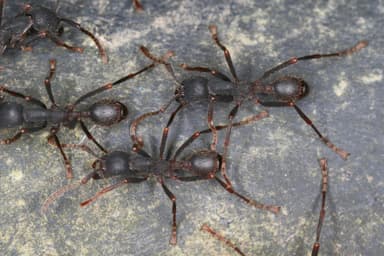
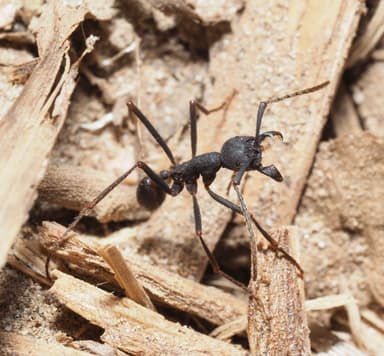
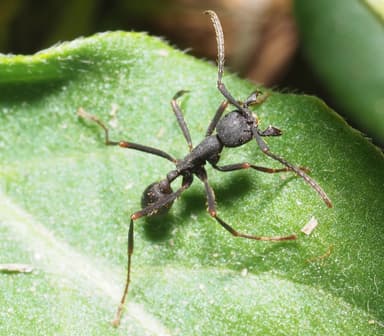
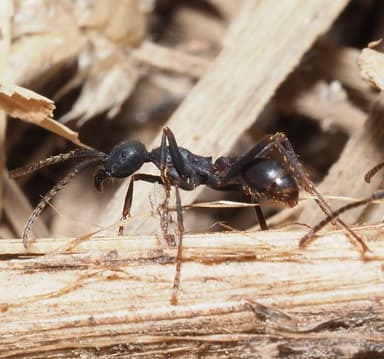
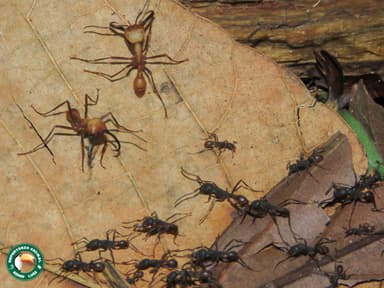
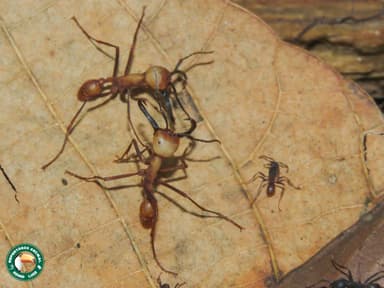
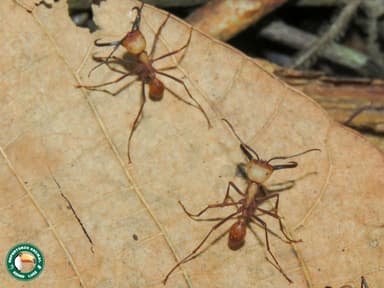
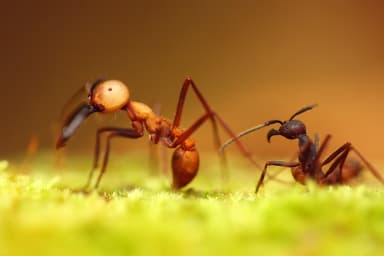
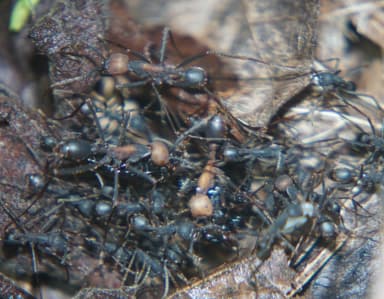
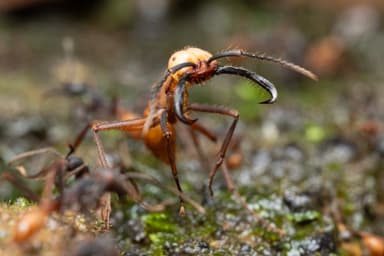
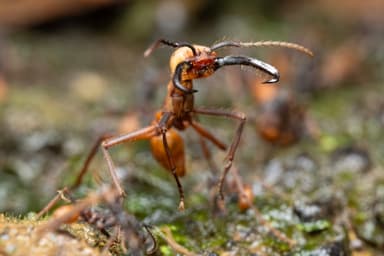
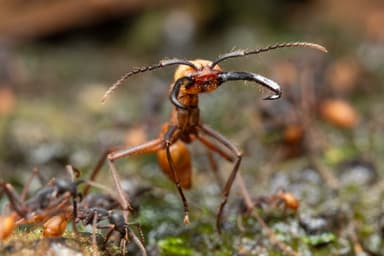
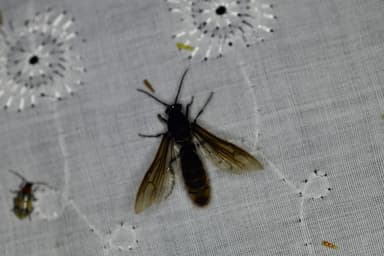
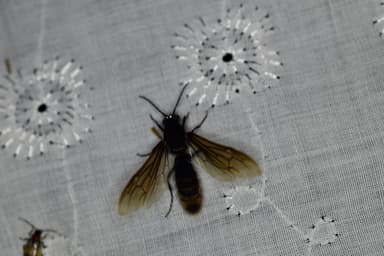
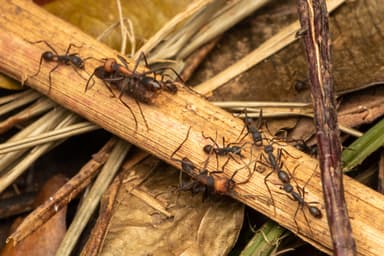
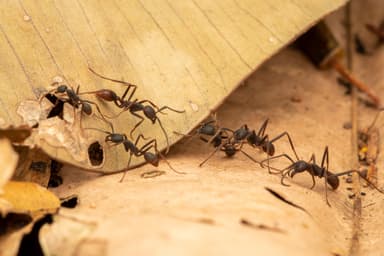
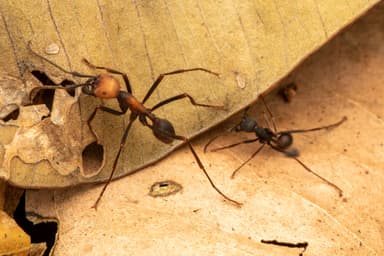
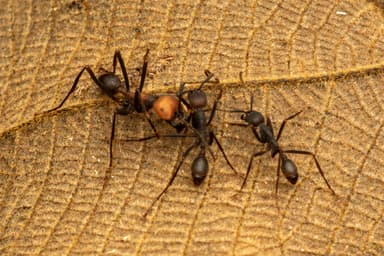
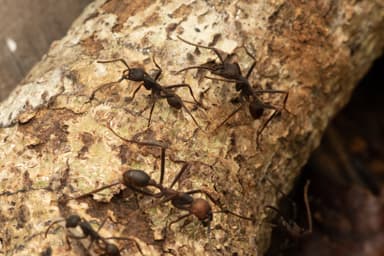
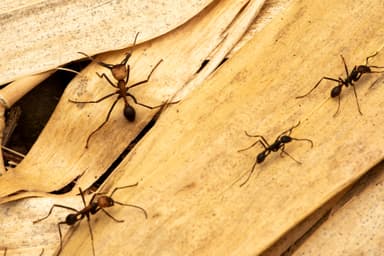
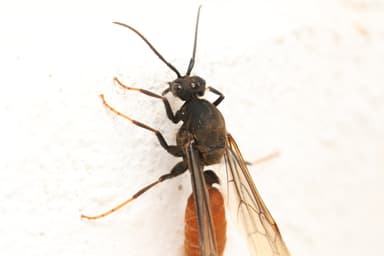
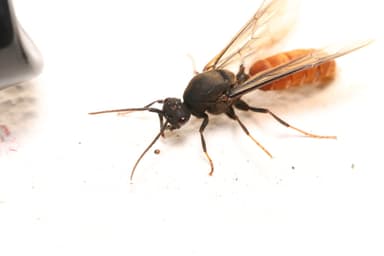
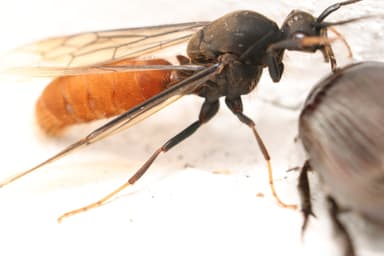
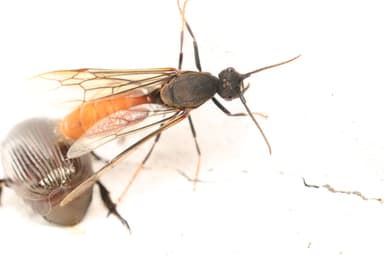
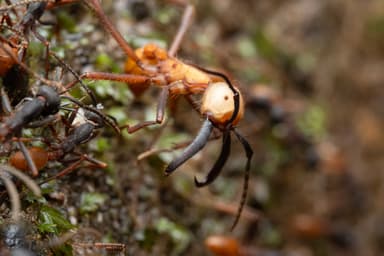
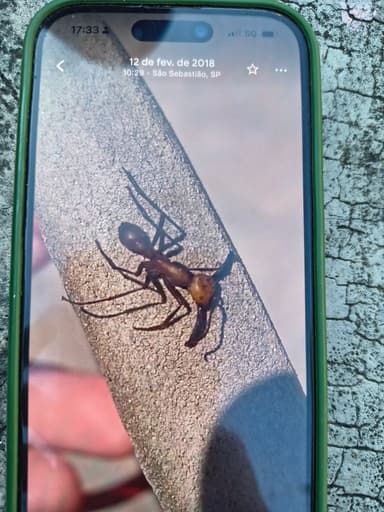
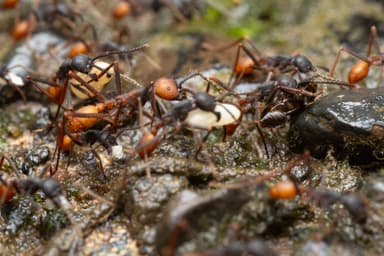
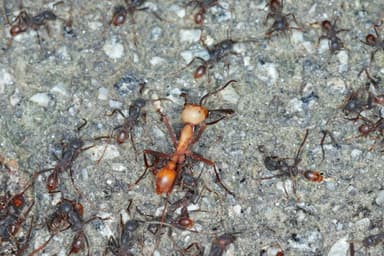
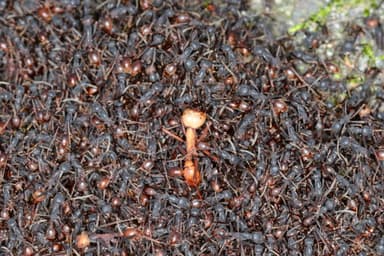
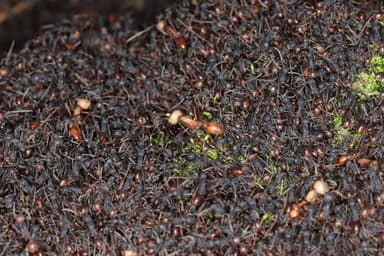
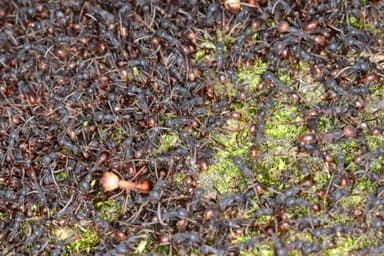
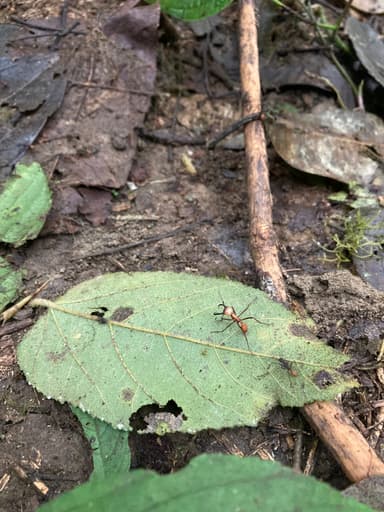
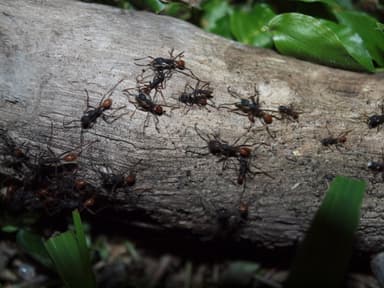
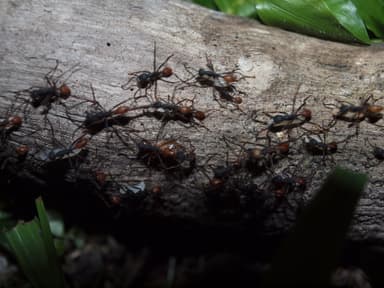
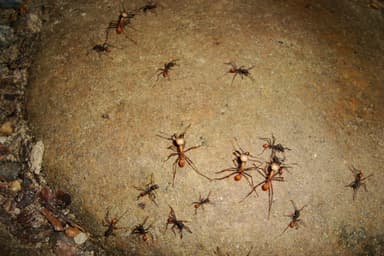
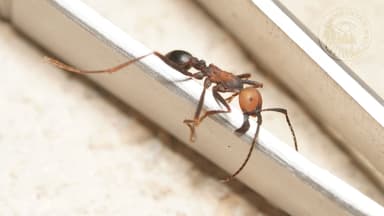
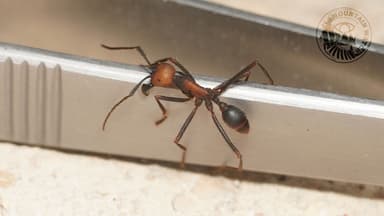
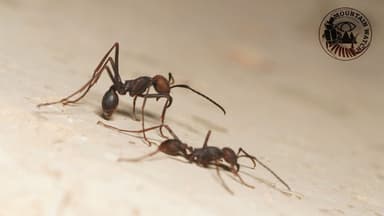
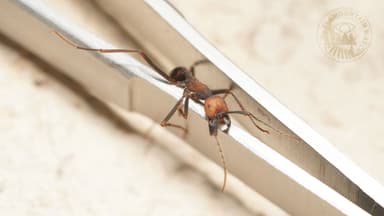
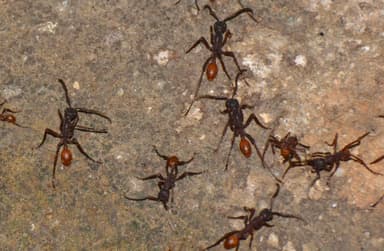
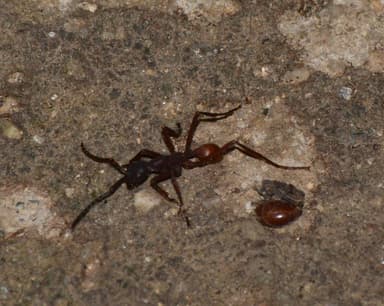
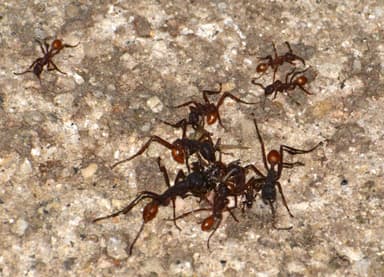
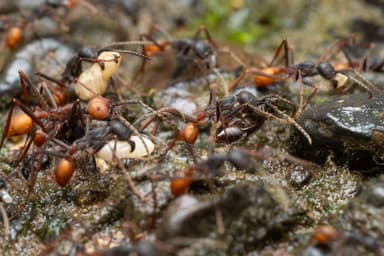
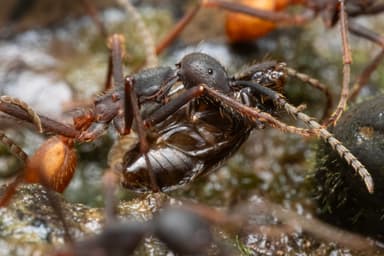
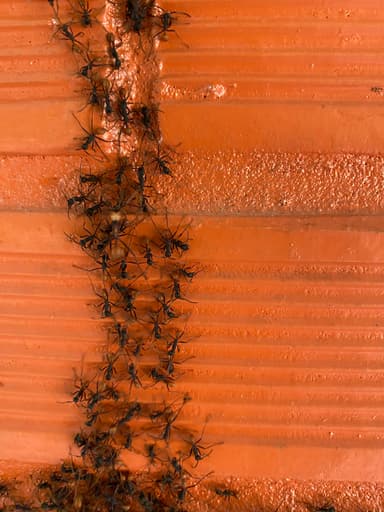
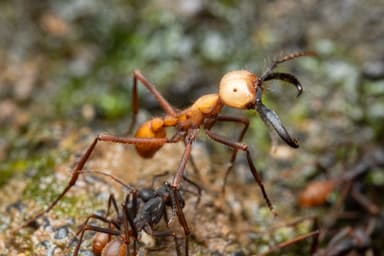
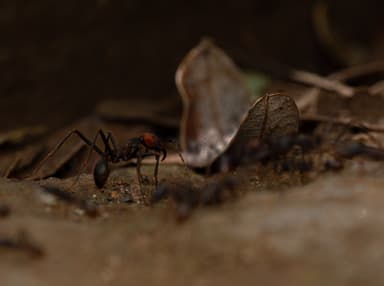
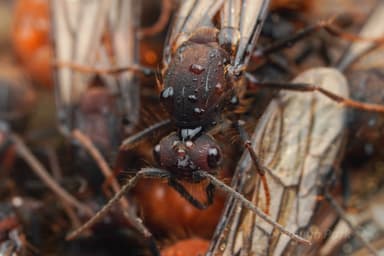
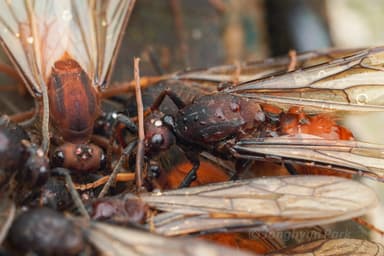
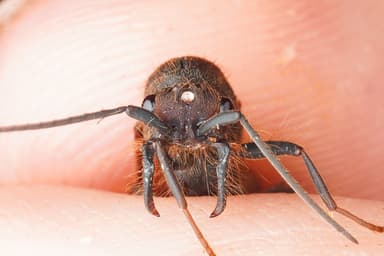
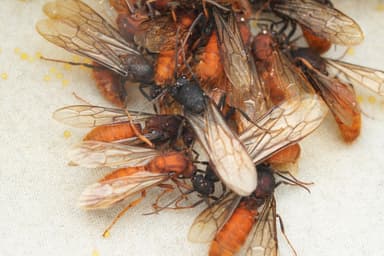
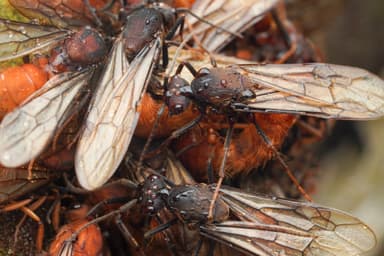
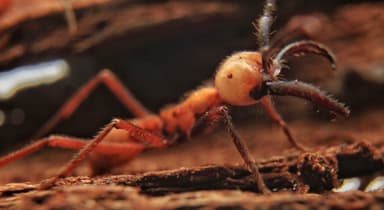
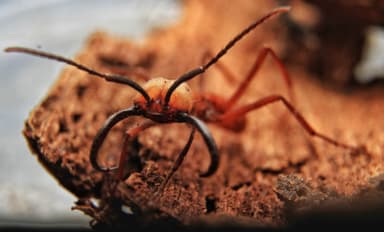
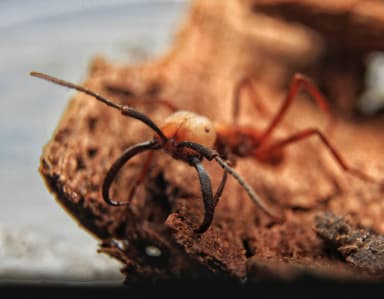
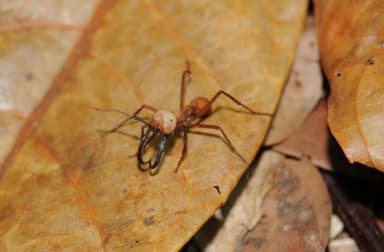
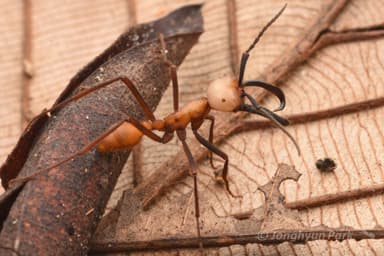
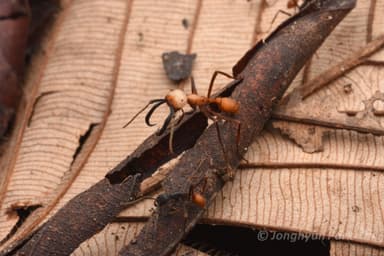
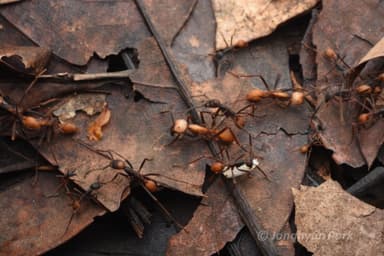
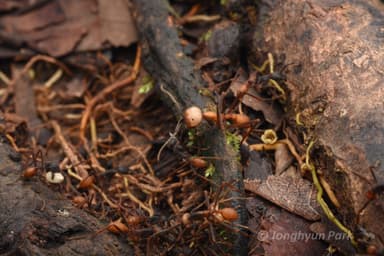
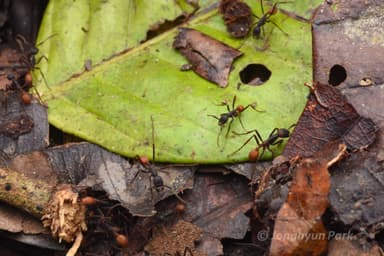
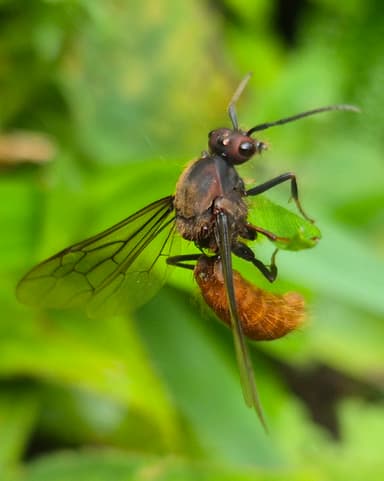
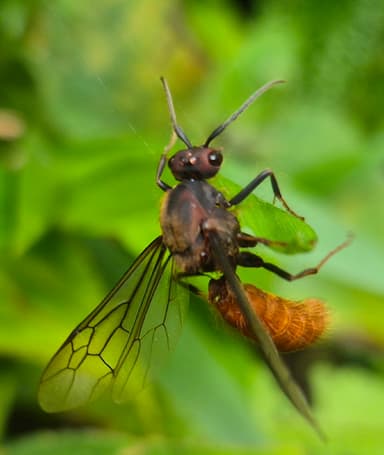
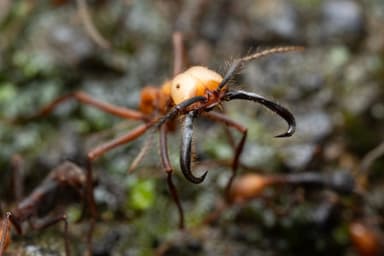
Eciton burchellii is one of the most spectacular ant species in the world, known for its fearsome swarm raids and nomadic lifestyle. This species displays extreme polymorphism: the queen is a remarkable 15–20 mm in length, though unlike typical queens she is ergatoid—worker-like in form and lacking wings. Workers range from tiny minors of 3 mm to large soldiers up to 12 mm, with distinct intermediate castes. The soldiers possess powerful, sickle-shaped mandibles used for defense and prey dismemberment. Despite their intimidating appearance, these ants are blind and rely entirely on chemical communication.
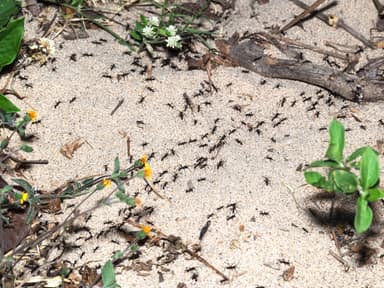
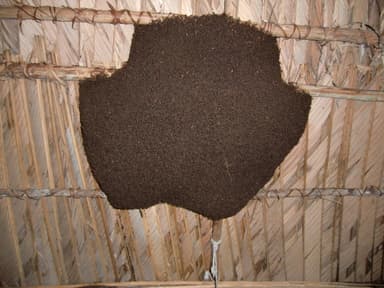
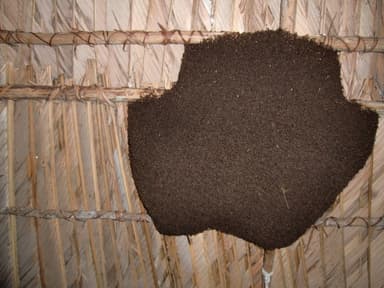
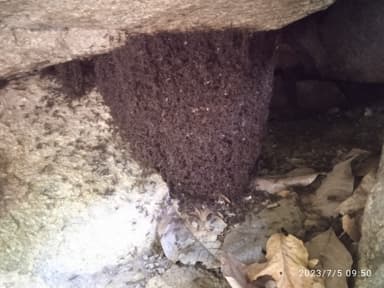
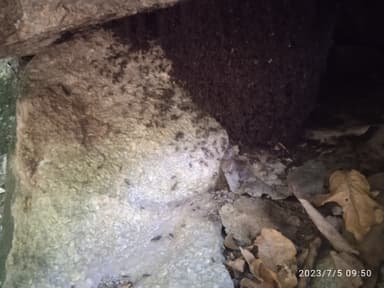
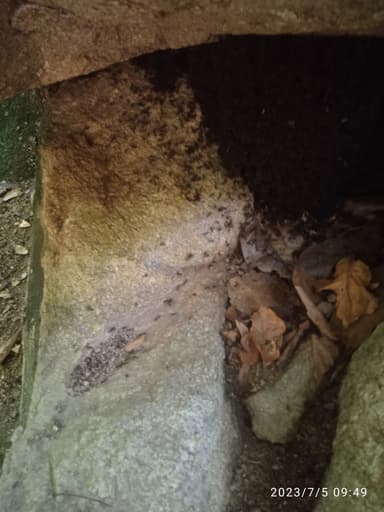
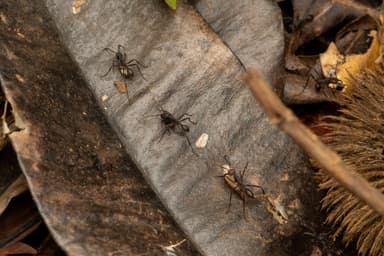
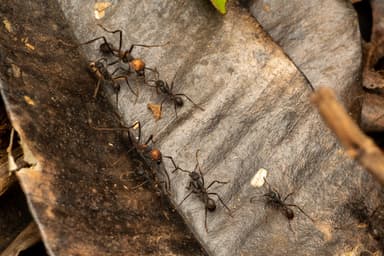
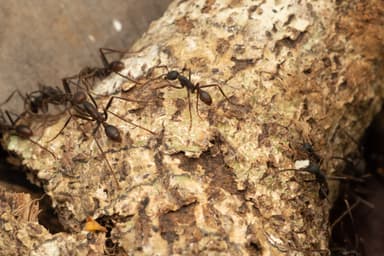
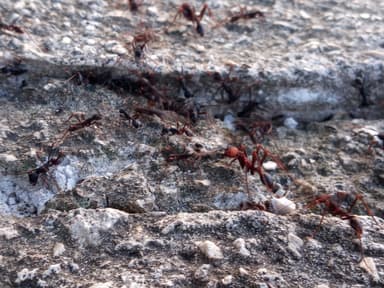
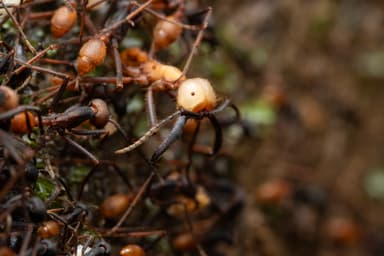
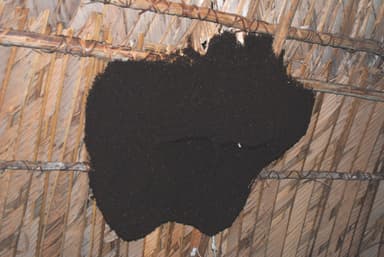
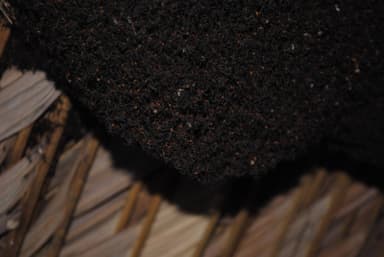
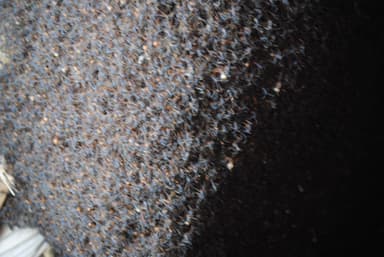
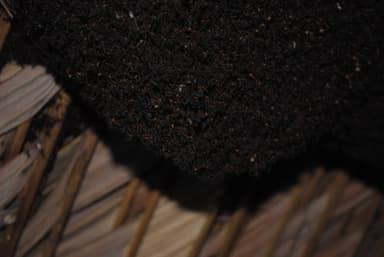
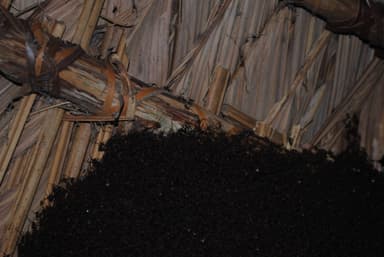
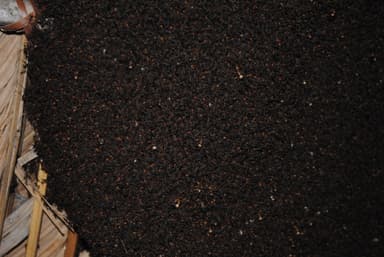
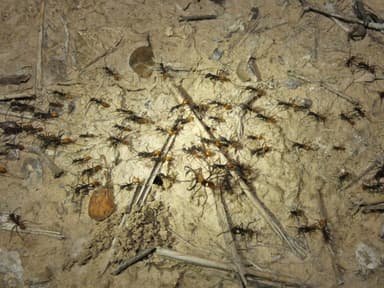
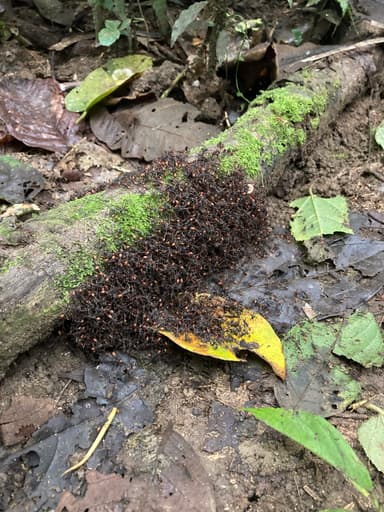
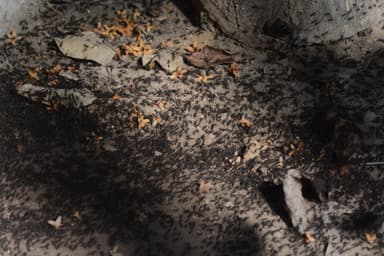
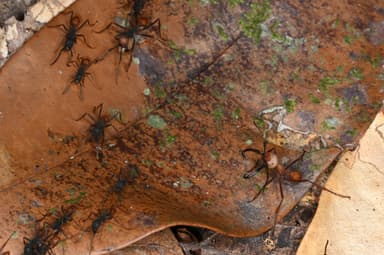
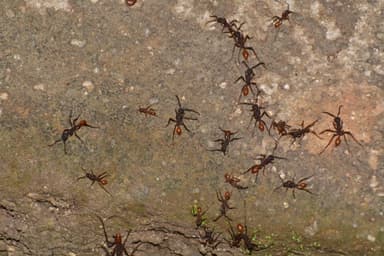
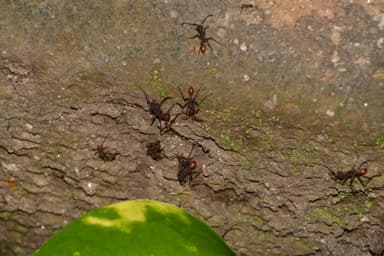
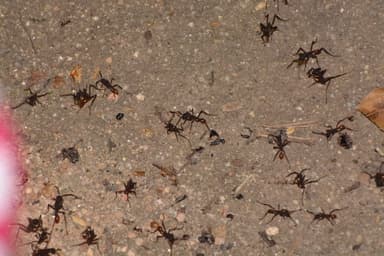
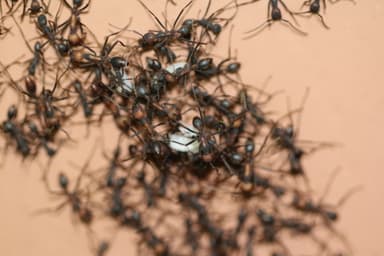
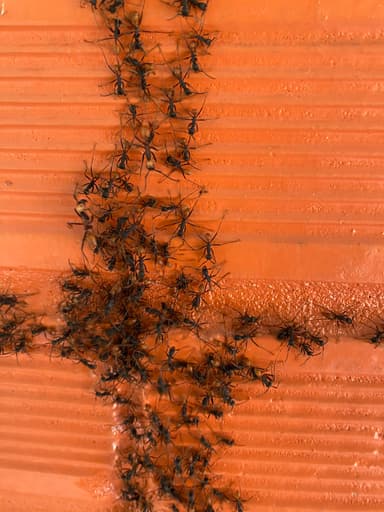
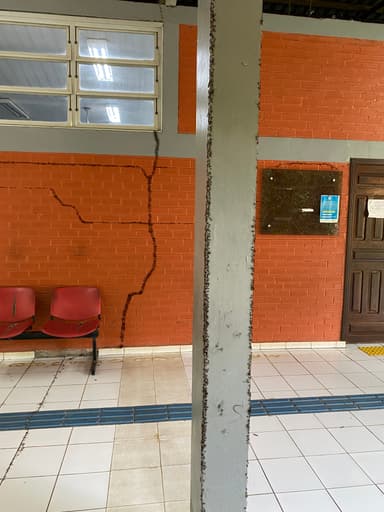
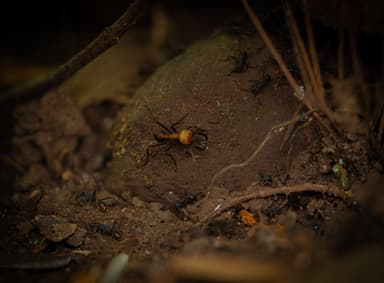
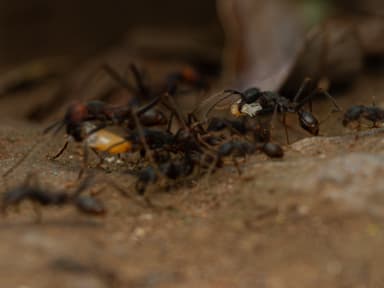
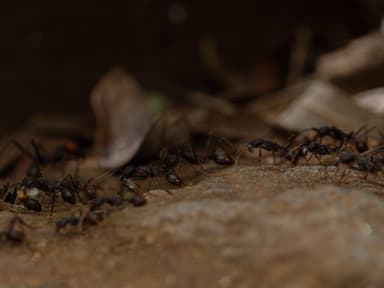
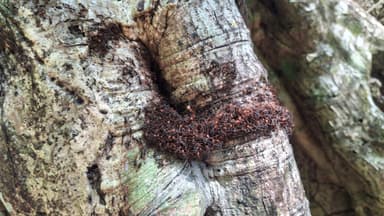
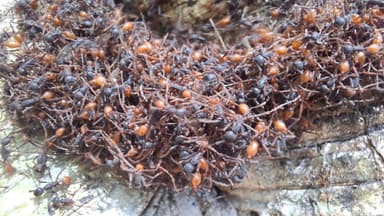
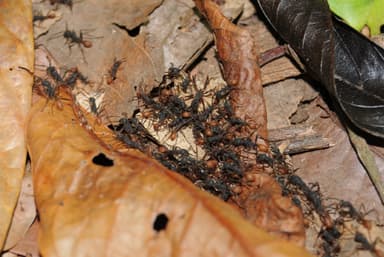
The diet of Eciton burchellii consists exclusively of insects and other arthropods. Colonies conduct massive organized raids, sweeping across the forest floor like a living carpet, flushing out and capturing any prey in their path—from crickets and roaches to spiders and even small vertebrates. Workers carry captured prey back to the temporary bivouac, where the brood is fed. Unlike most ants, army ants do not build permanent nests; instead, they form a living nest of their own bodies, known as a bivouac, often in hollow logs or tree cavities. This nomadic cycle alternates between stationary statary phases when the queen lays eggs and migratory raiding phases when the colony moves to new hunting grounds.
Care difficulty
Keeping Eciton burchellii is only for the most experienced ant keepers. Their enormous colony sizes (hundreds of thousands of workers), highly specialized raiding behavior, and constant need for live prey make captive maintenance extremely challenging. A stable supply of large, high-protein insects is essential. Because they do not hibernate, tropical conditions must be maintained year‑round. The queen’s claustral founding—unusual for army ants—means that a newly mated queen can start a colony in isolation, but she still requires careful monitoring and a steady food supply from the very beginning.
Housing
An Eciton burchellii colony needs a spacious, escape‑proof formicarium with a large foraging area. The nest should be kept dark and warm (24–30°C), with high humidity (70–90%) to prevent desiccation. Use a substrate that retains moisture, such as coconut fiber or clay. Because the ants form bivouacs, provide several interconnected chambers with ample hiding places. A heating cable or mat can maintain temperature, and regular misting is essential. The foraging area must be large enough to accommodate daily raids—expect the colony to cover several square meters at peak size. Always use fluon or oil barriers to prevent escapes.
First days after purchase
Upon receiving your Eciton burchellii colony, transfer them gently to their pre‑warmed formicarium and place it in a quiet, dim location. Minimize vibrations and light exposure. Offer a few live insects (crickets or roaches) immediately—the workers will quickly take them. Do not disturb the queen; she will remain hidden among the workers. Over the first week, observe that the colony begins to form a bivouac and forage actively. Maintain steady heat and humidity, and ensure a constant supply of prey. Patience is key: the colony may require several days to fully acclimate before settling into its raiding rhythm.