Acromyrmex
Acromyrmex ambiguus
Care Guide
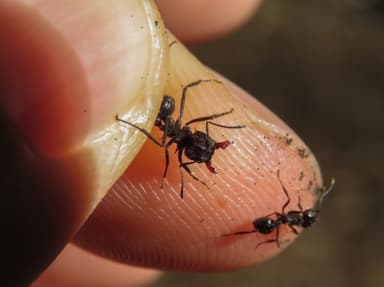
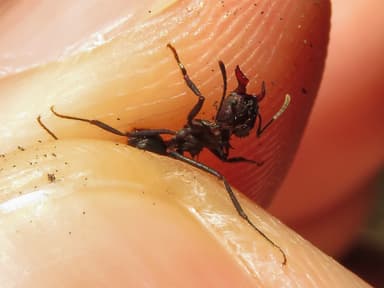
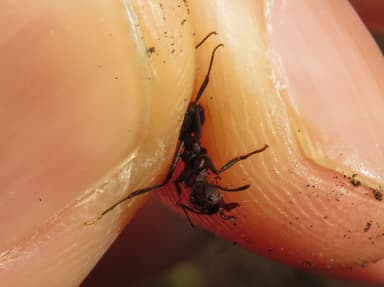
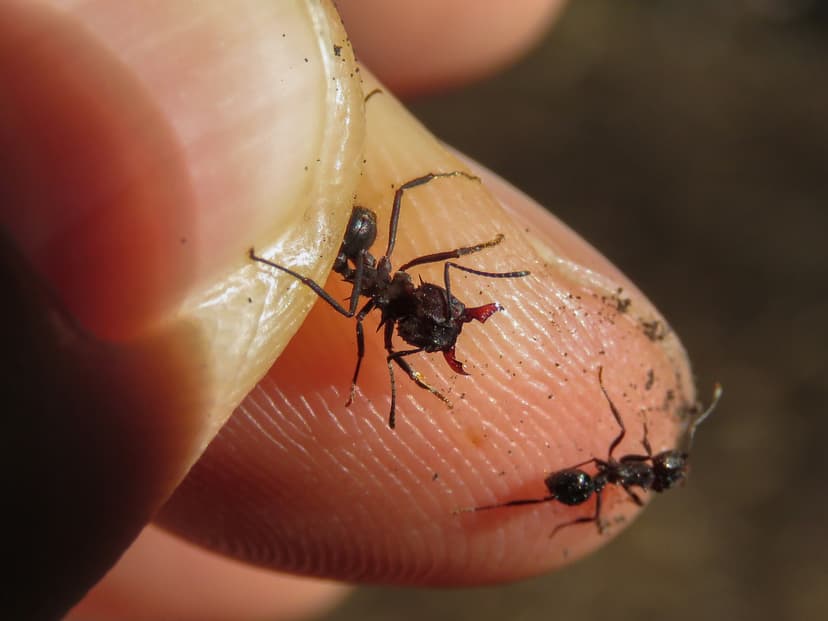
Acromyrmex ambiguus is a fascinating leafcutter ant species native to South America, where their impressive fungus-farming colonies shape entire ecosystems. These ants display clear polymorphism, with workers ranging from tiny minims of just 2 mm to large medics and soldiers reaching up to 8 mm. The queen is the largest individual, measuring 10–12 mm, and she is the sole reproductive in a colony that may grow to several thousand workers. One of the most captivating aspects of Acromyrmex ambiguus is their obligate mutualism with a symbiotic fungus. Workers cut fresh leaves and other plant material, carry them back to the nest, and chew them into a pulp that serves as a substrate for the fungus garden. The ants then feed on the fungal hyphae — the specialized structures produced by the fungus — which provides essential nutrients. This diet is supplemented by sugar water, which the ants eagerly accept as a source of carbohydrates for their own energy needs.
Care difficulty
Keeping Acromyrmex ambiguus is an advanced undertaking, best suited for experienced ant keepers. The primary challenge lies in maintaining a healthy fungus garden: it requires a constant supply of fresh, pesticide-free leaves (such as bramble, rose, or oak) and precise humidity levels to prevent mold while encouraging fungal growth. The colony cannot survive without its fungus, so any disruption to the garden can be catastrophic. Additionally, semi-claustral founding means the queen must forage for leaves and defend herself during the initial weeks, making the setup for a new colony particularly delicate.
Housing
A suitable formicarium for Acromyrmex ambiguus must include a spacious nest chamber with high humidity (70–90%) and stable temperatures between 22–28°C. A separate foraging area is essential, where leaf material and sugar water can be offered without compromising the nest’s climate. The nest should be kept dark and undisturbed, with a substrate that retains moisture well — coconut fiber or a soil mix works beautifully. A shallow water source in the foraging area helps maintain overall humidity. Because workers produce large amounts of waste from leaf processing, the nest must have good ventilation and be easy to clean to prevent fungal infections.
First days after purchase
When your Acromyrmex ambiguus colony arrives, place the formicarium in a quiet, dimly lit location and allow the ants to settle for at least 24 hours. During this time, minimize vibrations and light exposure. Check that the fungus garden is intact — it should appear as a grayish, fluffy mass. If it looks dry, gently mist the nest chamber with dechlorinated water. Do not add leaves immediately; instead, offer a small drop of sugar water on a cotton ball in the foraging area. Observe the workers’ reaction: they should begin tending the fungus and exploring for food. After the first day, introduce a single, clean leaf (e.g., a small bramble leaf) and remove any uneaten material after 48 hours. Remember, patience is key — these ants take time to acclimate, but their intricate social behavior and fungal gardens reward the dedicated keeper with a truly unique window into nature.