Odontomachus
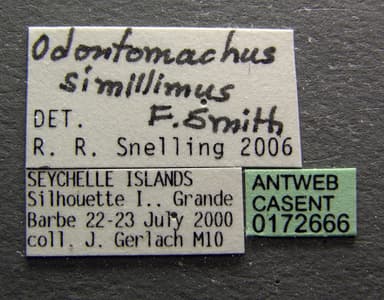
Odontomachus simillimus
Nuptial Flight Calendar
Flight months: Jan, Feb, Mar, Apr, May, Jun, Jul, Aug, Sep, Oct, Nov, Dec
Care Guide
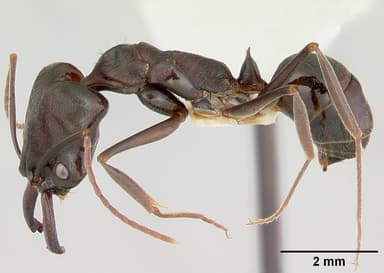
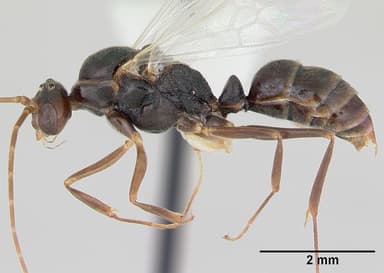
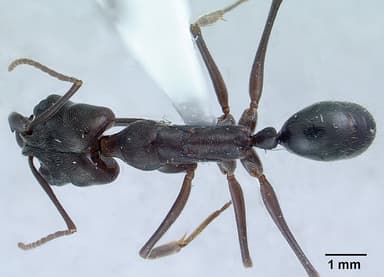
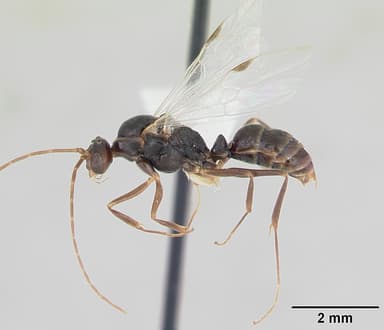
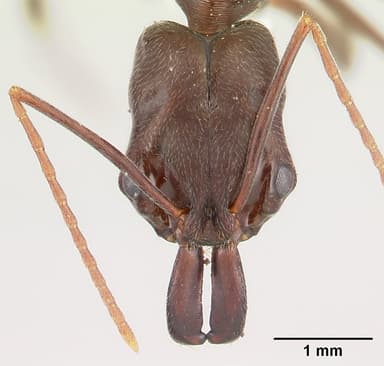
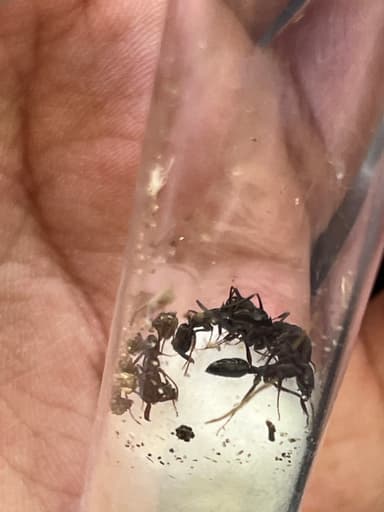
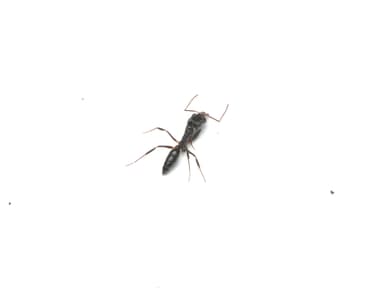
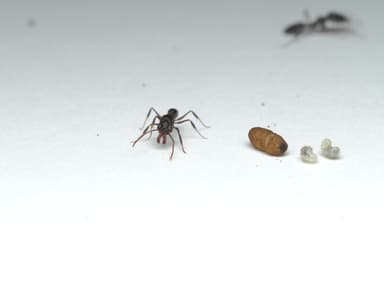
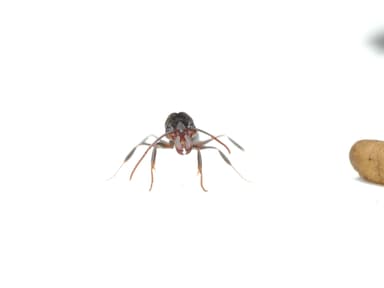
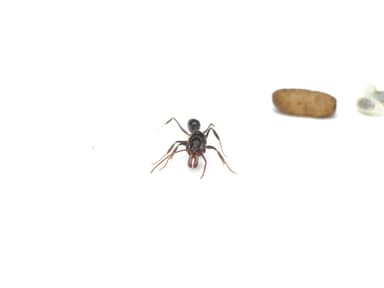
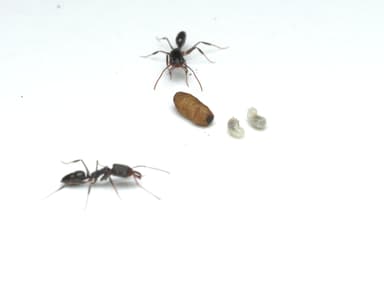
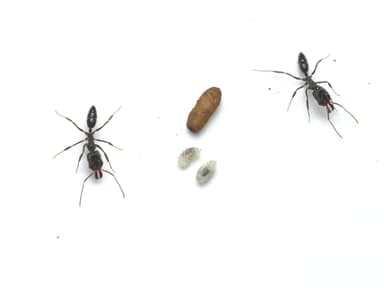
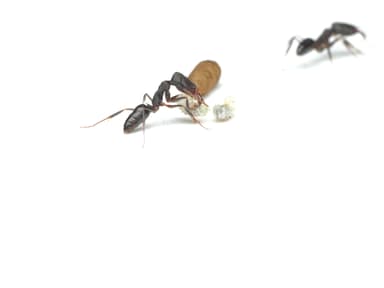
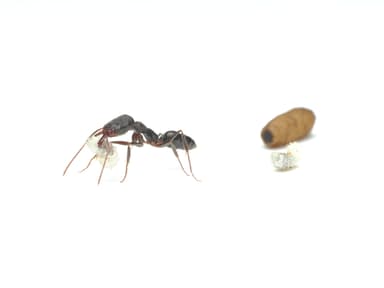
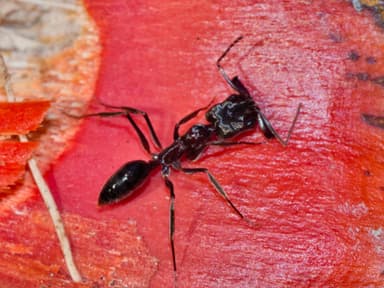
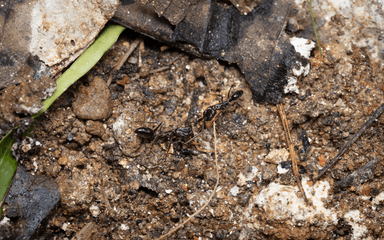
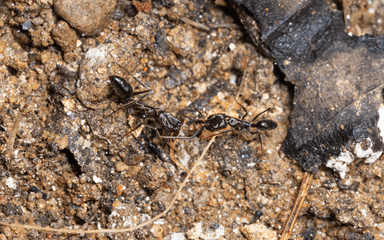
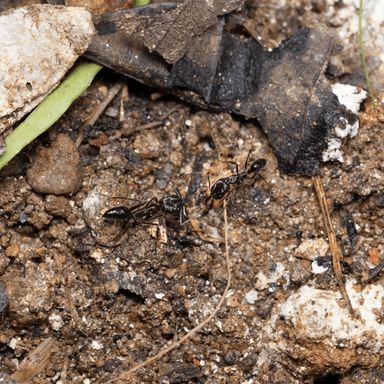
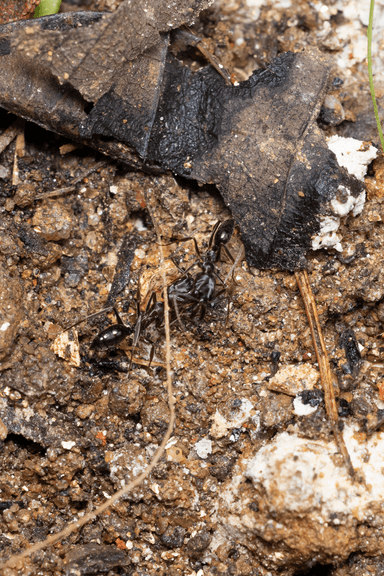
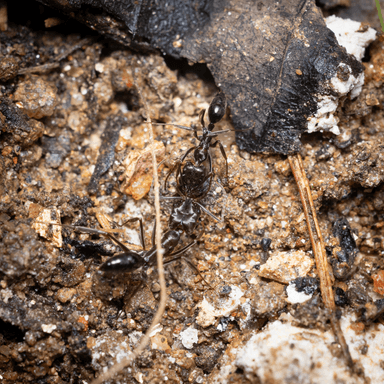
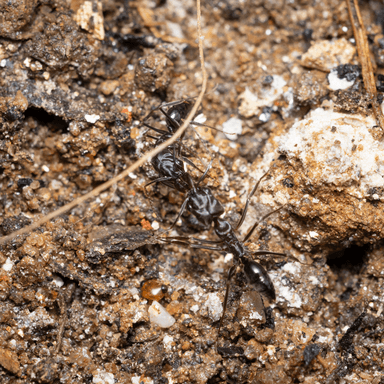
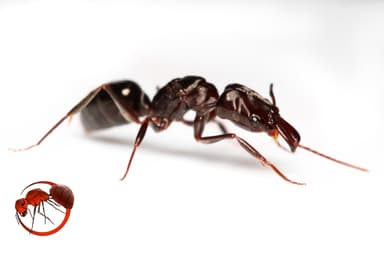
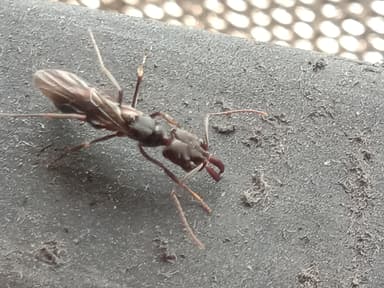
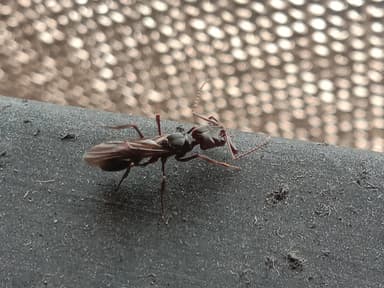
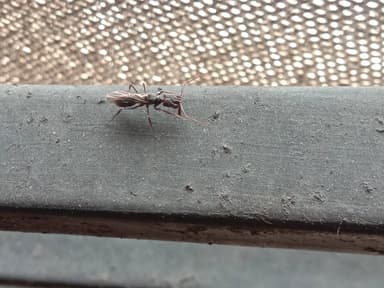
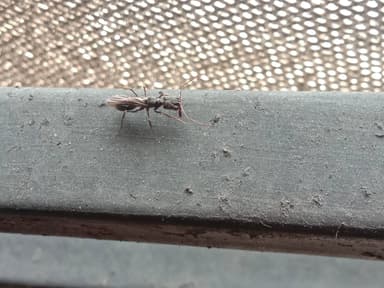
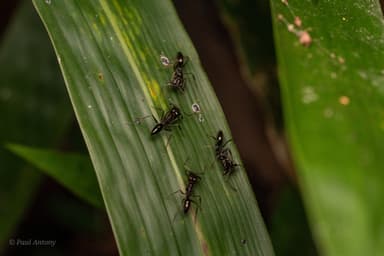
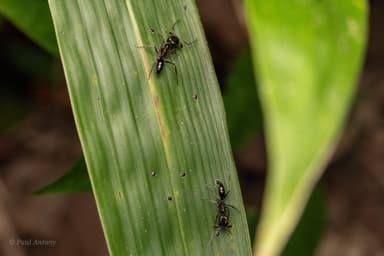
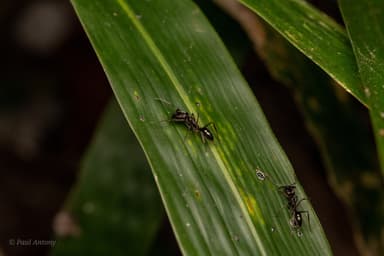
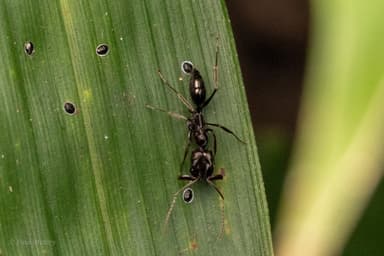
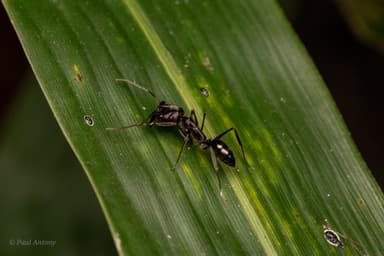
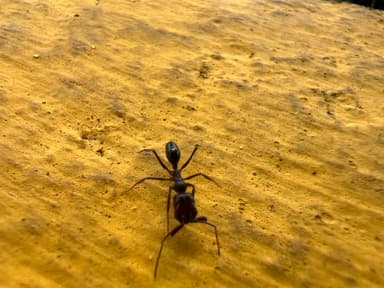
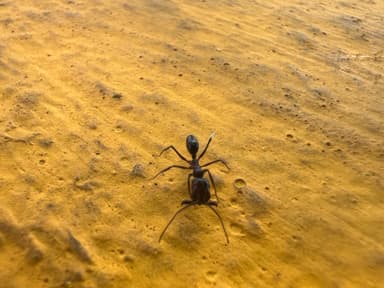
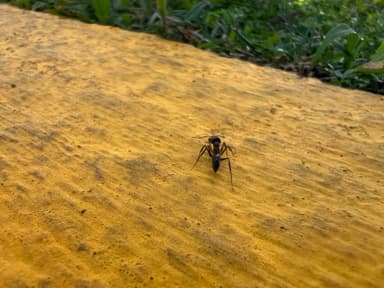
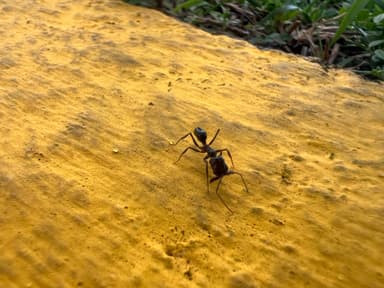
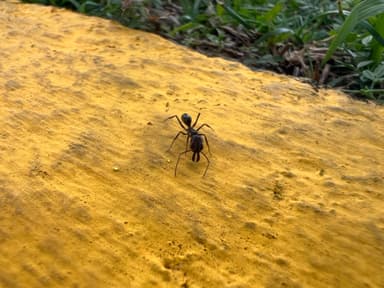
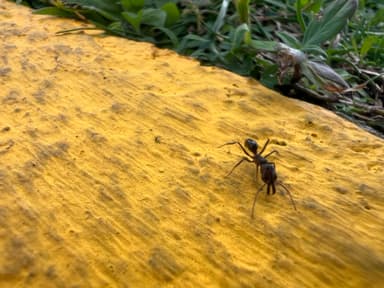
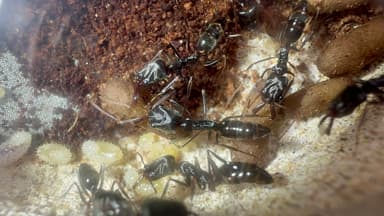
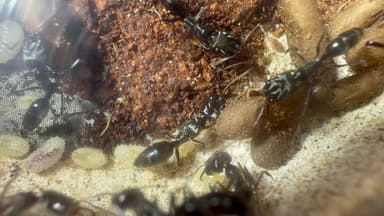
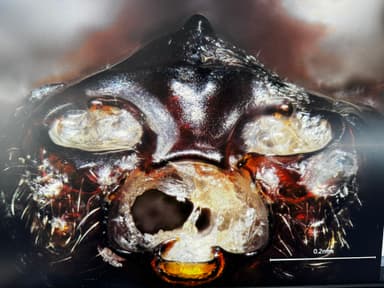
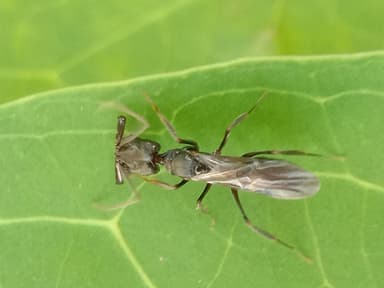
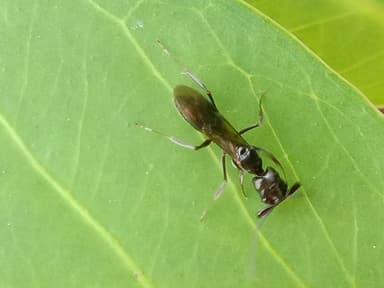
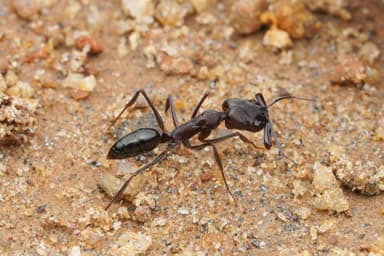
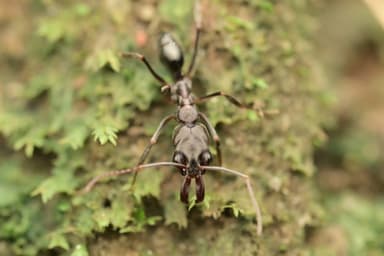
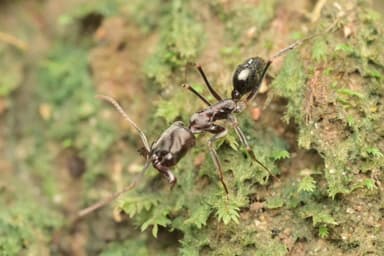
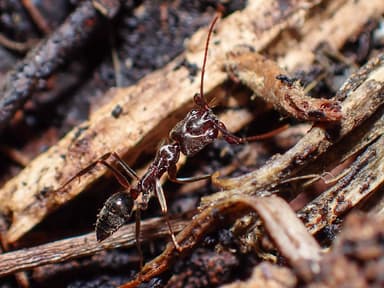
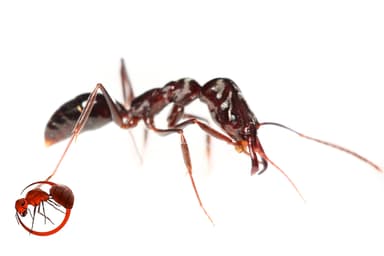
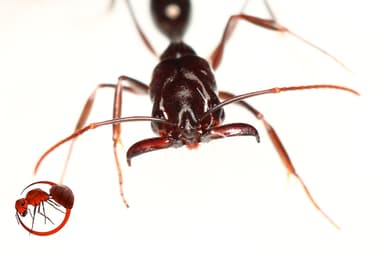
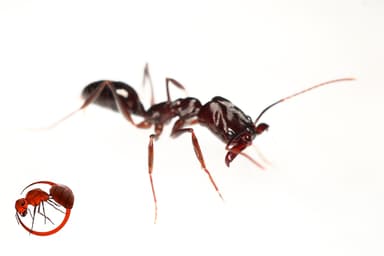
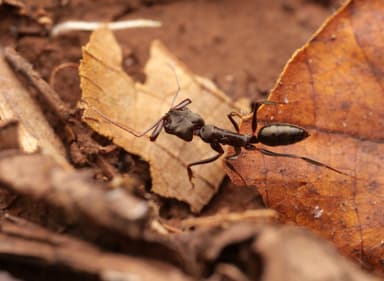
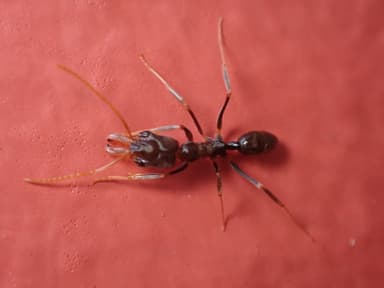
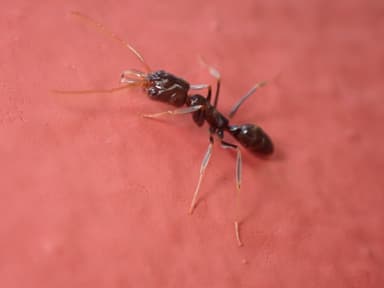
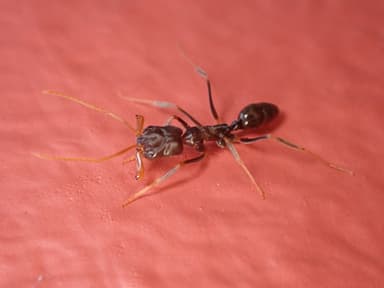
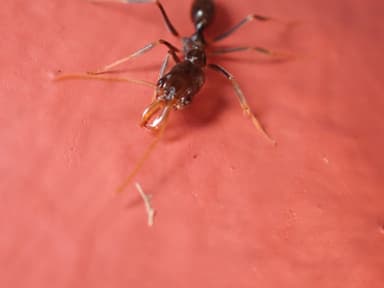
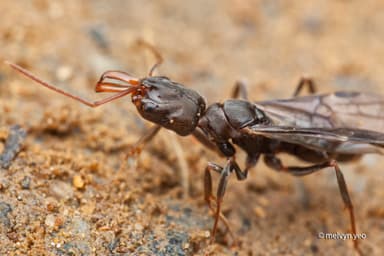
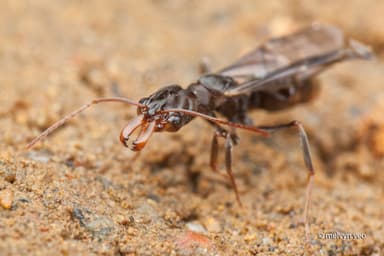
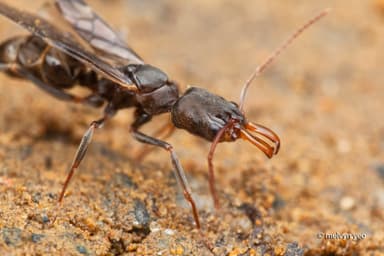
Odontomachus simillimus is a masterfully engineered predator belonging to the iconic trap-jaw ant group. Workers, measuring 9–12 mm, and queens at 12–14 mm, share a sleek, dark brown to black body with the unmistakable elongated head and huge, widely separated mandibles that lock open at 180 degrees. This species, originally described by Smith in 1858 and later refined taxonomically by Brown (1976) and Sorger & Zettel (2011), forms modest colonies of up to around 500 workers with a single queen. There is no worker polymorphism — all individuals belong to a single minor_worker caste. What truly fascinates keepers is the biological catapult these ants possess: when trigger hairs on the jaw tips are stimulated, the mandibles snap shut at over 60 meters per second, one of the fastest movements in the animal kingdom. They use this weaponry not only to immobilize swift prey but also to launch themselves backwards to escape threats, making their hunting displays a constant source of drama in a well-designed formicarium. Native to a broad swath of the tropical Indo-Pacific — from Sri Lanka and Southeast Asia to northern Australia — these ants are adapted to warm, humid conditions year-round and exhibit no true hibernation.
This species is best suited to keepers with at least some prior ant-keeping experience, earning an intermediate care rating. The combination of a lightning-fast predation response, the ability to jump significant distances, and a stinger (though mild to humans) demands a secure enclosure and a confident hand during maintenance. Accidental escapes can be startling and potentially risky for the ants, so meticulous escape-proofing is non-negotiable. However, for the enthusiast who appreciates a highly active and visually striking predator, O. simillimus rewards careful attention with endlessly engaging behavior. Unlike more timid species, they are often bold hunters, readily dismembering live prey in the foraging area, and a queenright colony developing from a new founding stage offers a manageable progression that teaches a great deal about ponerine biology.
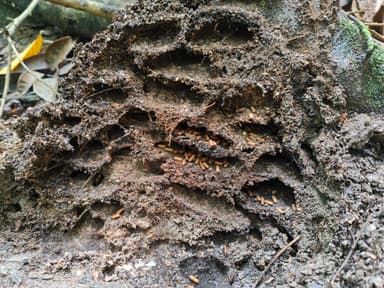
Housing must replicate the warm, humid microclimate of their natural habitat within a temperature range of 24–30°C and a relative humidity of 65–85%. A well-humidified nest section is critical; set-ups using a ytong or plaster nest with an integrated water reservoir, or a naturalistic soil/clay mix kept constantly moist, work excellently. The foraging area should be generously coated with a high-quality fluon or PTFE barrier, as these ants can and will scale glass and smooth plastics with ease. Given their propensity to retreat into tight crevices, provide a dark, snug nest chamber that holds humidity while still allowing you to view the colony through a red acetate cover. Substrates like coco coir, vermiculite, or a sand–humus mix will help buffer humidity, and a gentle heat gradient from a heat mat applied to one side of the nest lets the ants self-regulate. Keep the set-up out of direct sunlight but provide an ambient light cycle; they forage primarily at dusk and night, so dim evening observation is most productive.
Diet should center on their predatory nature with a steady supply of appropriately sized live insects. For smaller founding colonies, start with fruit flies, pinhead crickets, and pre-killed mealworm pieces; as the colony grows, offer small to medium crickets, roach nymphs, and termites. Protein is essential for brood production, and they will avidly hunt anything moving in their arena. Carbohydrate intake is equally important: provide tiny drops of honey, a sugar-water solution, or a commercial ant nectar every few days. Always maintain a clean water source, ideally in a test-tube setup that also serves as a humidity reservoir. Feed 2–4 times per week depending on colony appetite, removing uneaten prey after 24 hours to prevent mold. Because workers foraged actively, it’s a good practice to pre-kill larger prey items for very young colonies to avoid injuries to the queen or scarce nanitic workers.
Consistent with their tropical origins across a latitudinal band from about 35°N to 35°S, Odontomachus simillimus does not require a hibernation period. Keep temperature and humidity steady throughout the year; any prolonged cooling below the low twenties can stress the colony and halt brood production. This simplifies care compared to temperate ants, but it requires a reliable heating and humidity maintenance system. Mist the foraging area lightly every other day if your ambient humidity is low, and monitor nest moisture levels to prevent drying out or waterlogging.
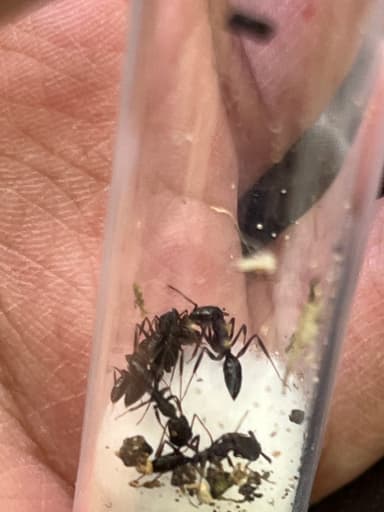
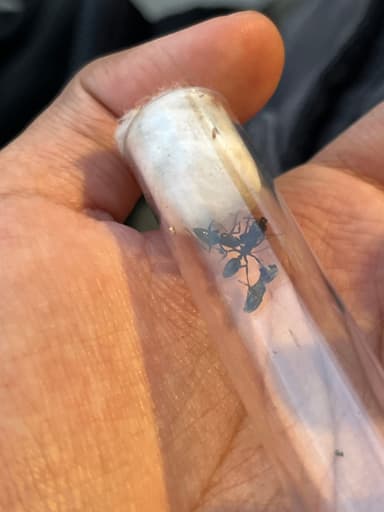
The first days after receiving your new colony are pivotal. Whether you have a founding queen in a test tube or a queen with her first workers, place the setup in a dim, quiet location and resist the urge to check constantly. After 24–48 hours of settling, offer a minuscule drop of honey on a paper slip and, if workers are present, a freshly killed fruit fly. Observe from a distance: a stressed queen may halt egg-laying or pace nervously; a healthy colony will soon cluster around the brood and show interest in the food. Ensure the tube or nest has a clear humidity gradient so the ants can select their preferred microclimate. Once you see steady foraging and egg-laying, you can slowly transition them to a larger, permanent formicarium with the same escape-proof design, always using a gentle temperature and humidity bridge to encourage them to move at their own pace. Patience here builds the foundation for a thriving colony that will impress for years with its explosive jaw-powered antics.