Myrmecia
Myrmecia brevinoda
Nuptial Flight Calendar
Flight months: Jan, Feb, Mar, Nov, Dec
Care Guide
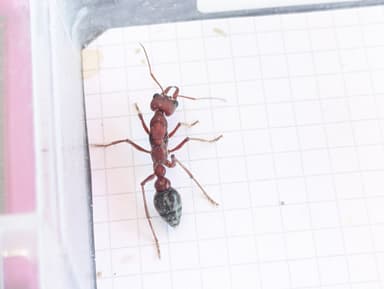
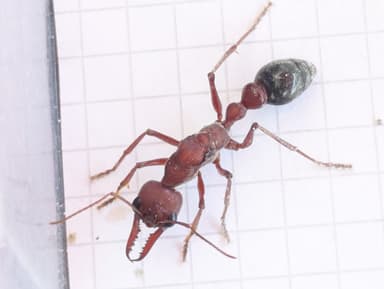
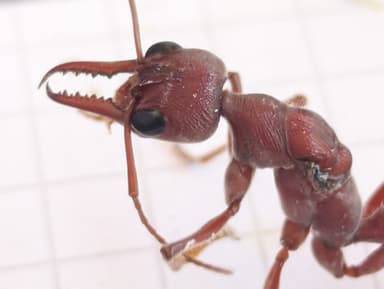
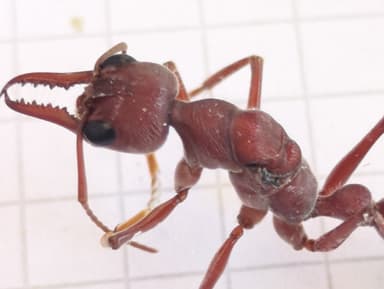
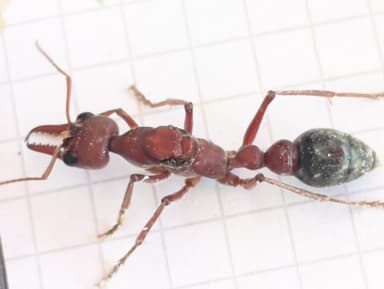
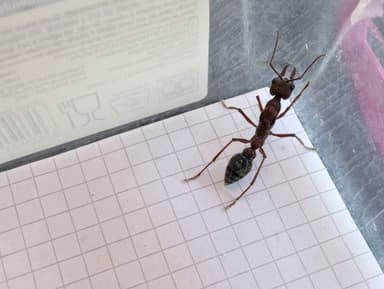
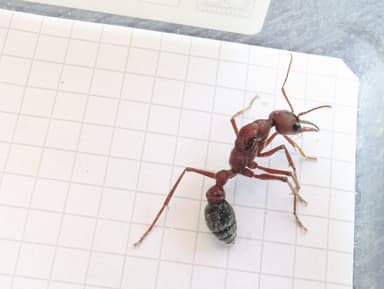
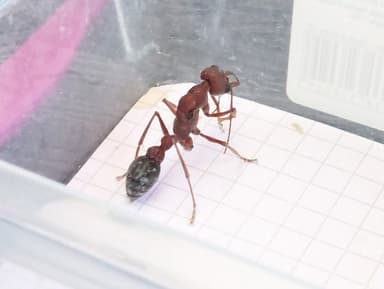
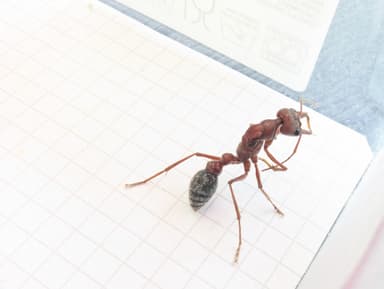
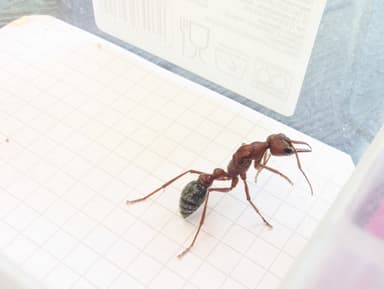
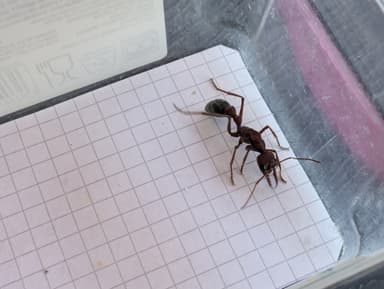
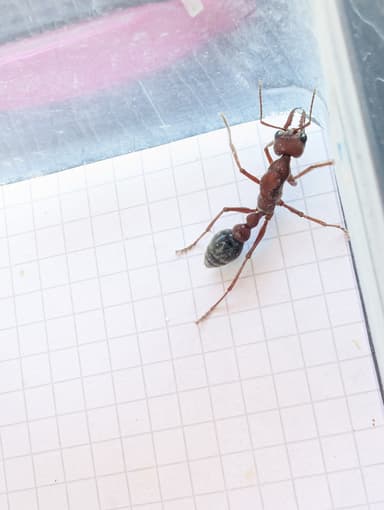
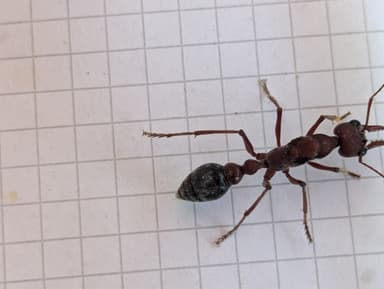
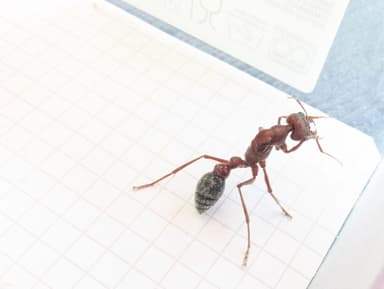
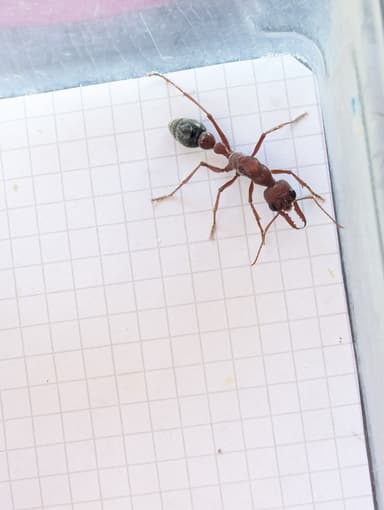
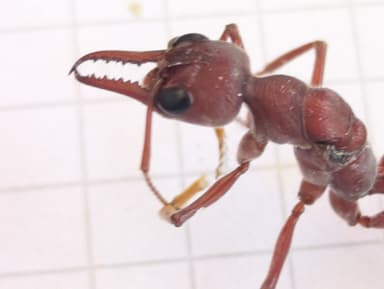
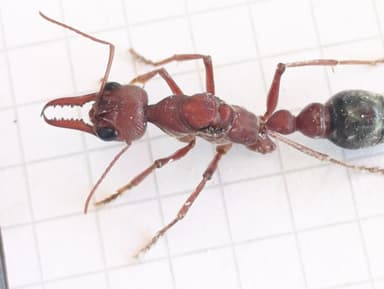
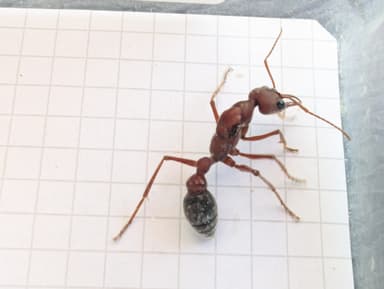
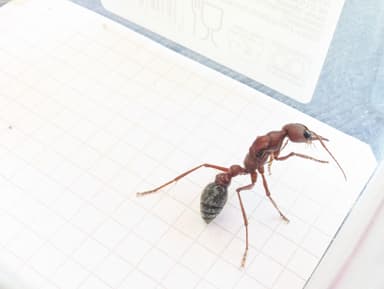
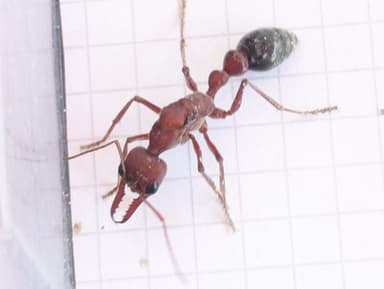
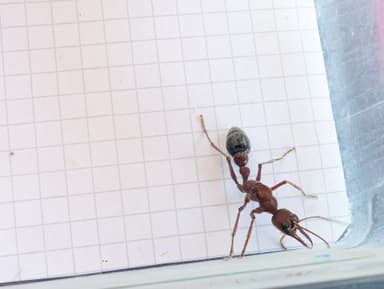
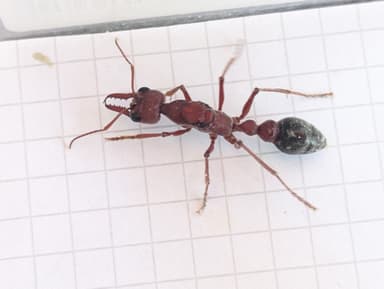
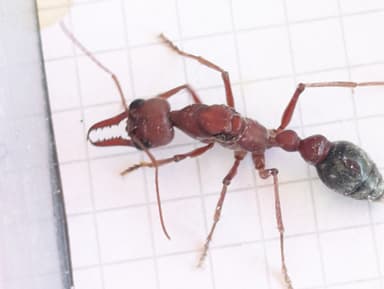
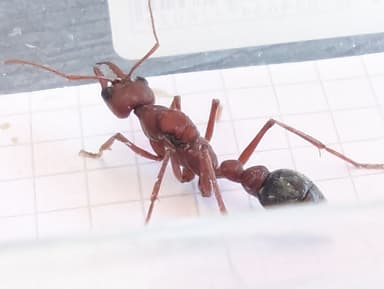
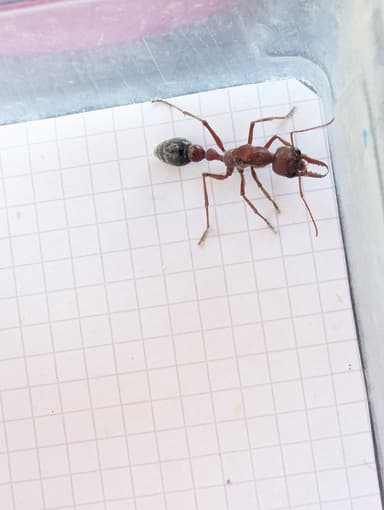
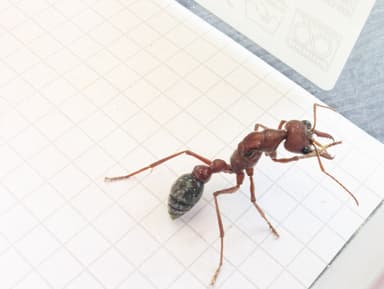
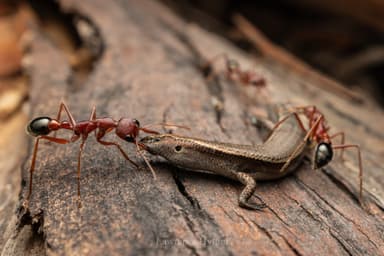
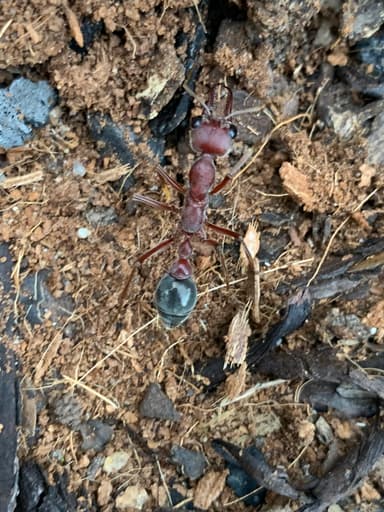
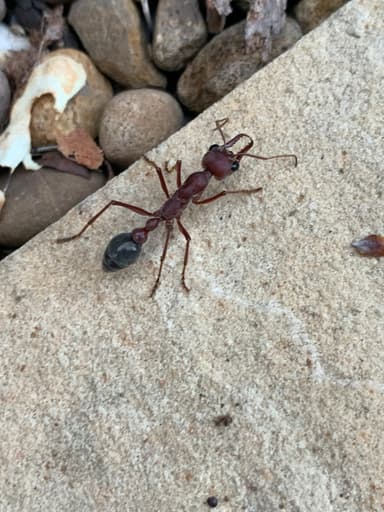
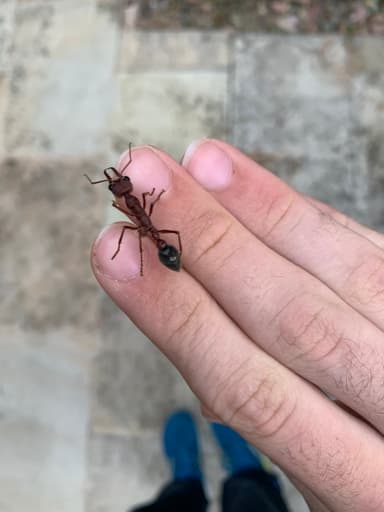
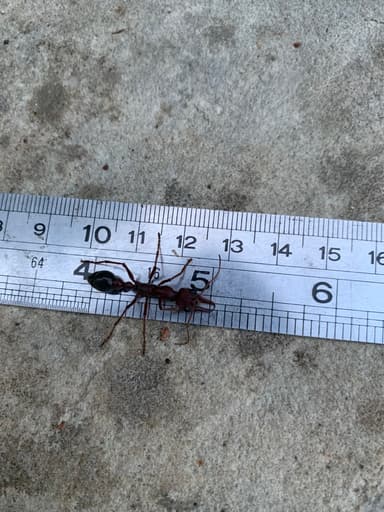
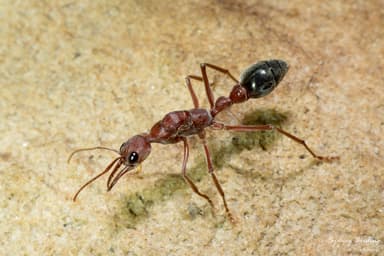
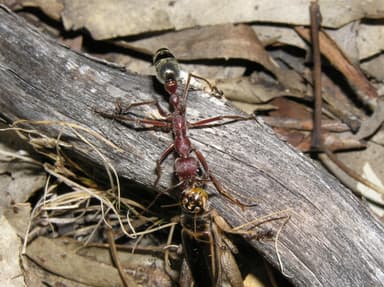
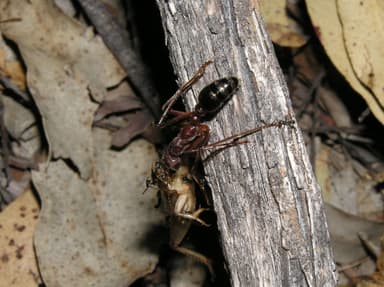
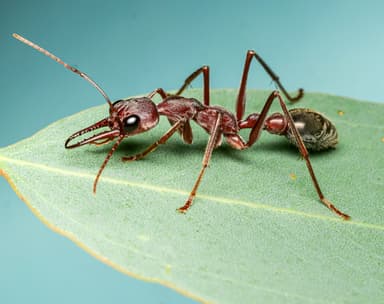
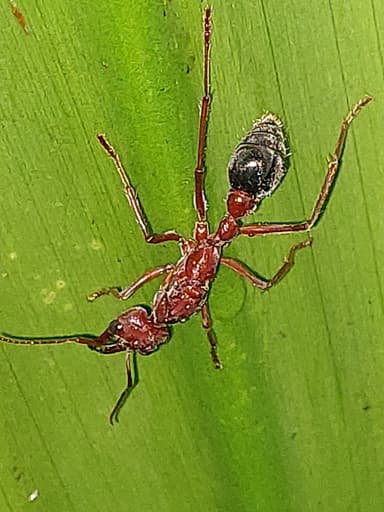
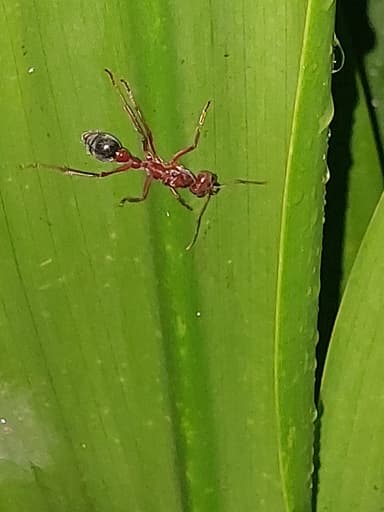
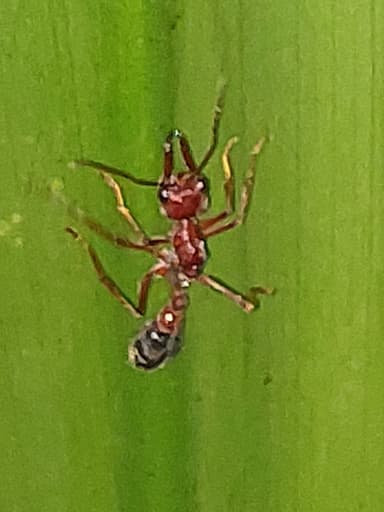
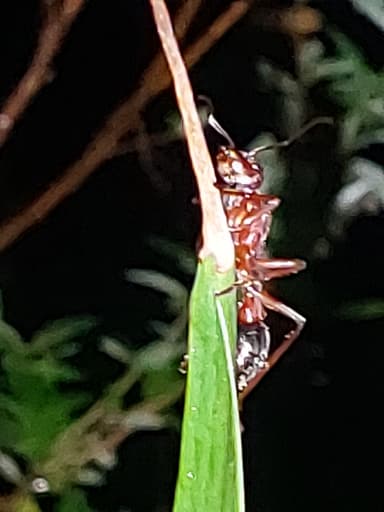
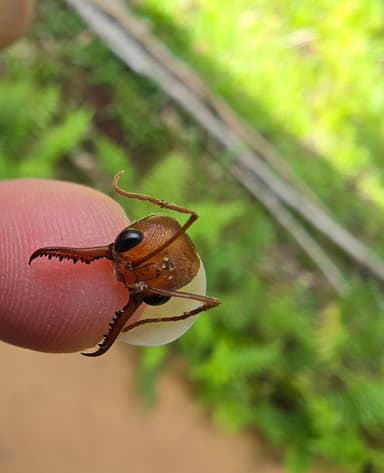
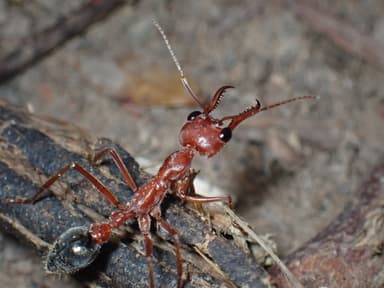
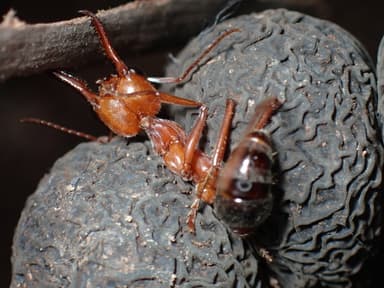
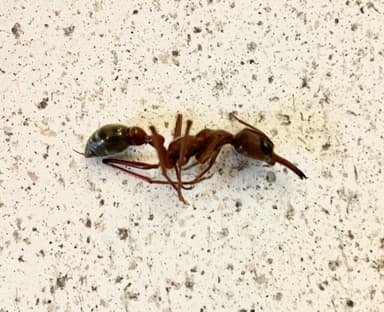
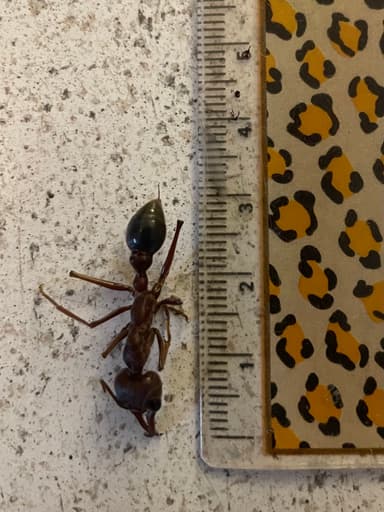
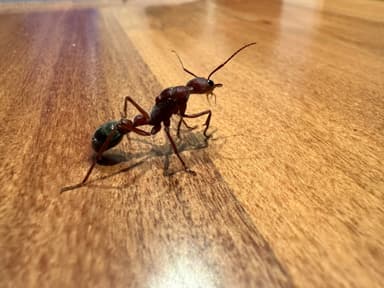
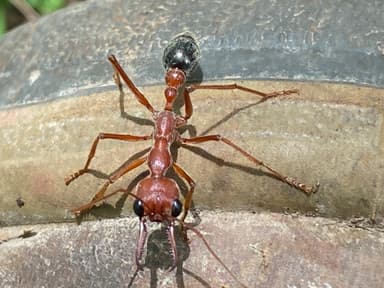
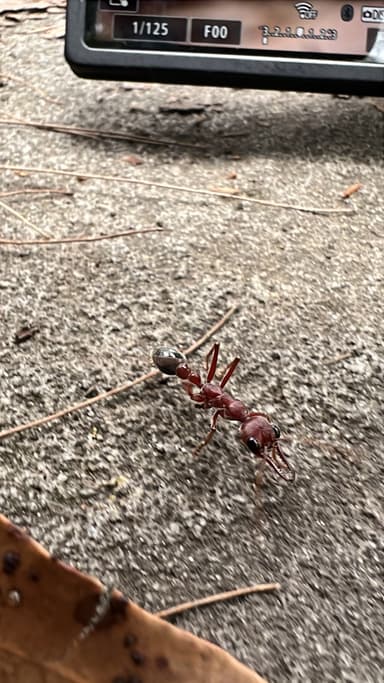
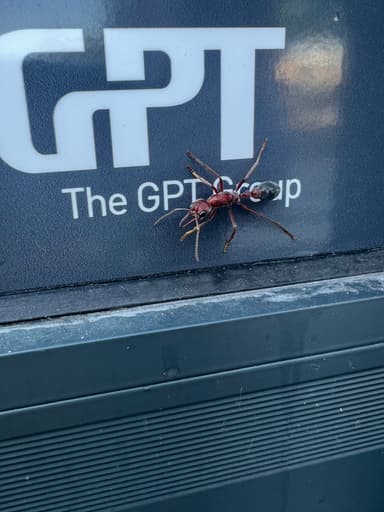
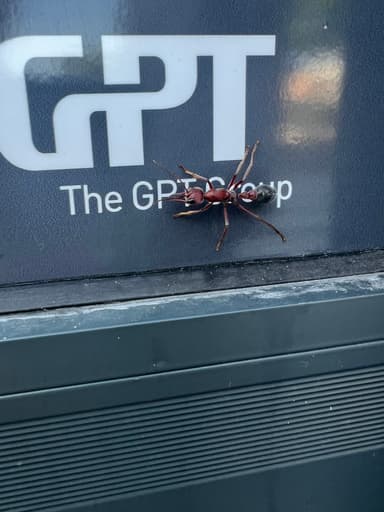
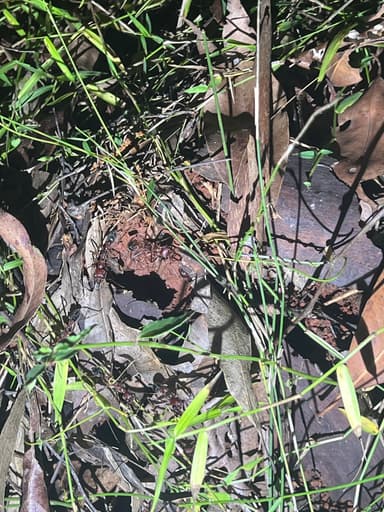
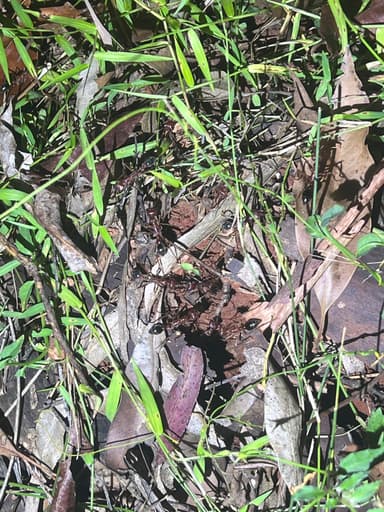
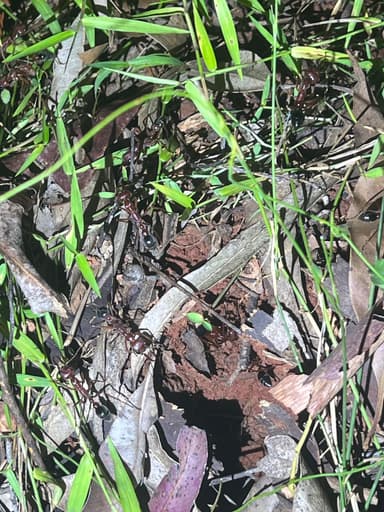
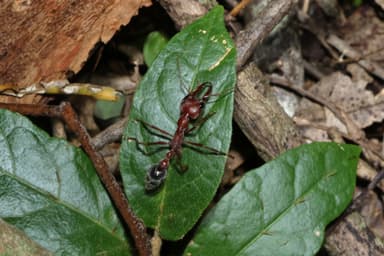
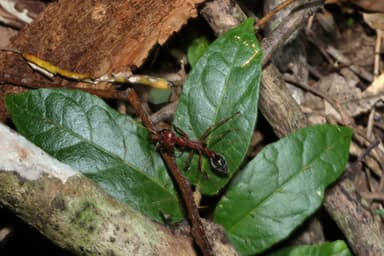
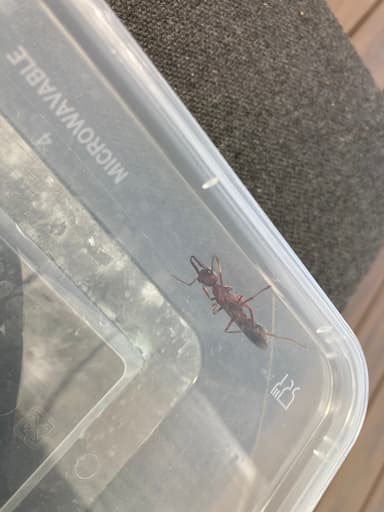
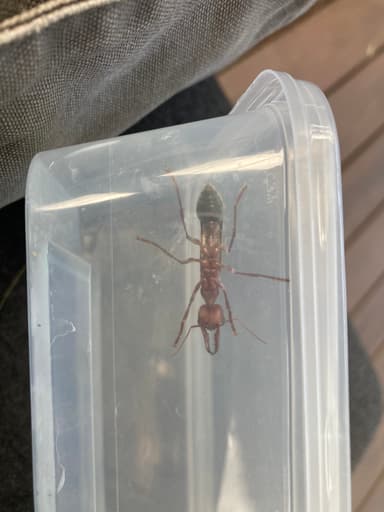
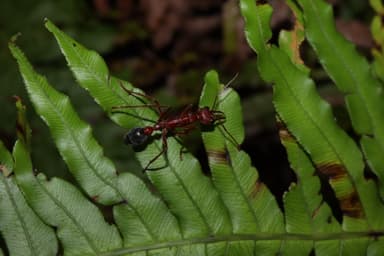
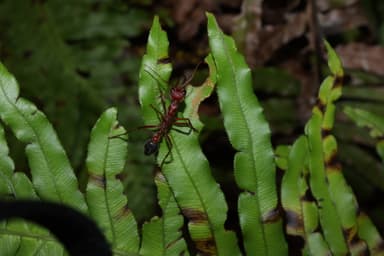
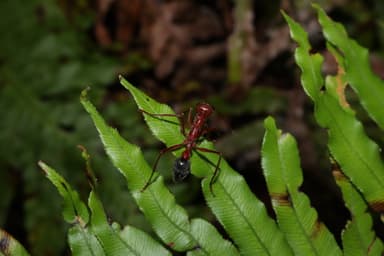
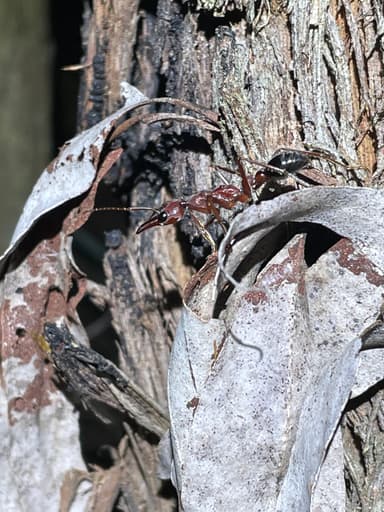
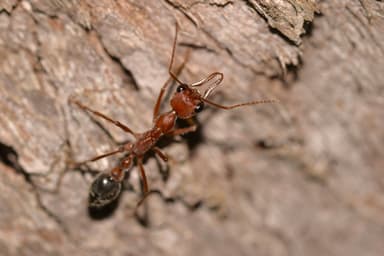
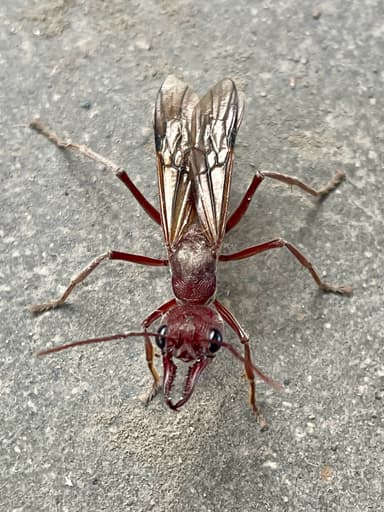
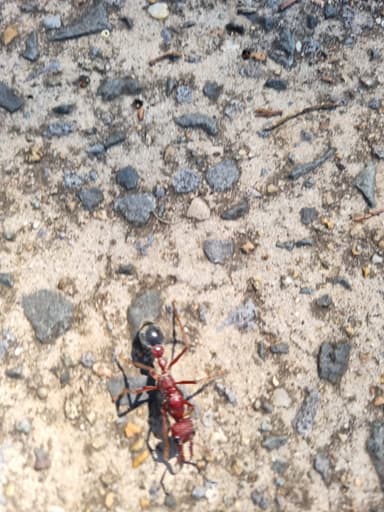
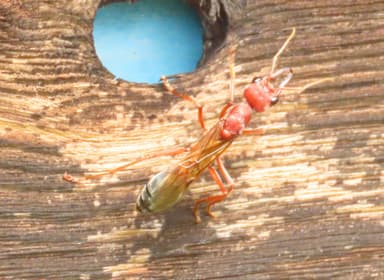
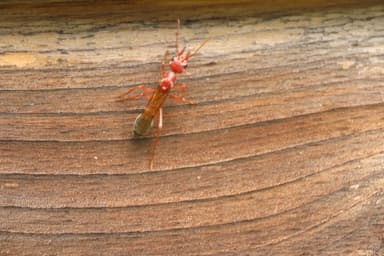
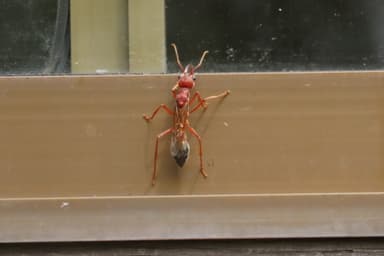
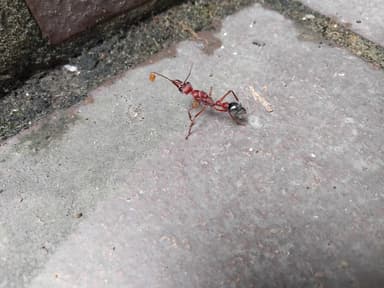
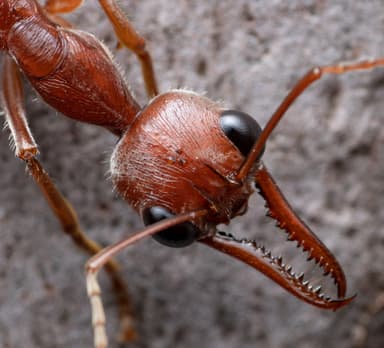
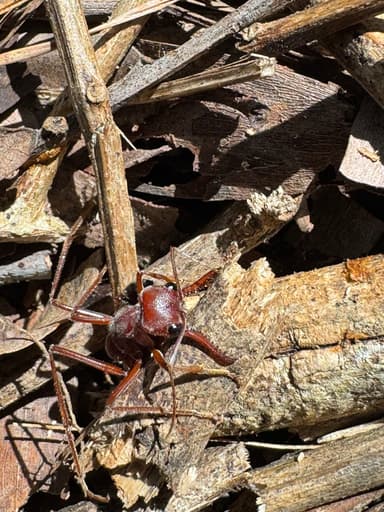
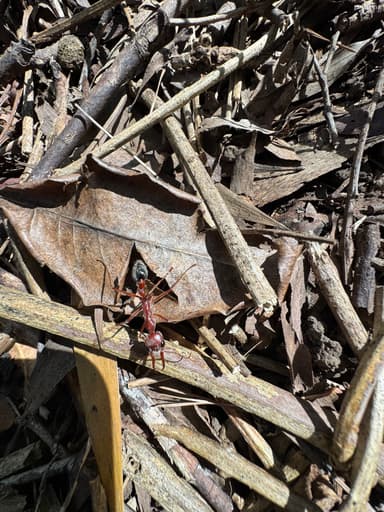
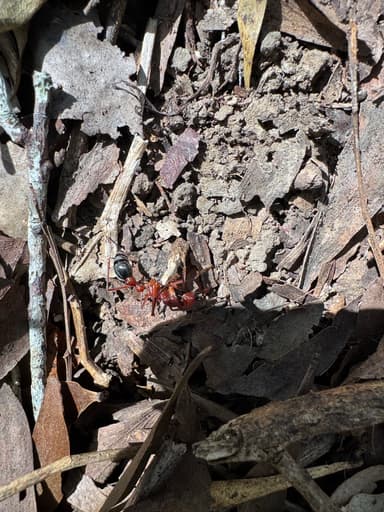
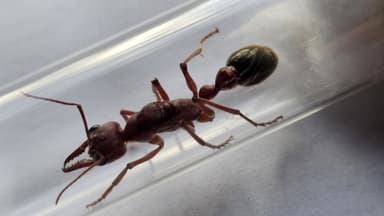
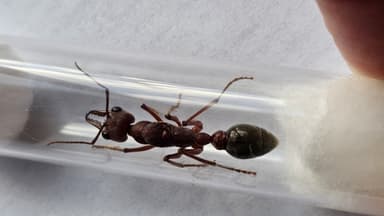
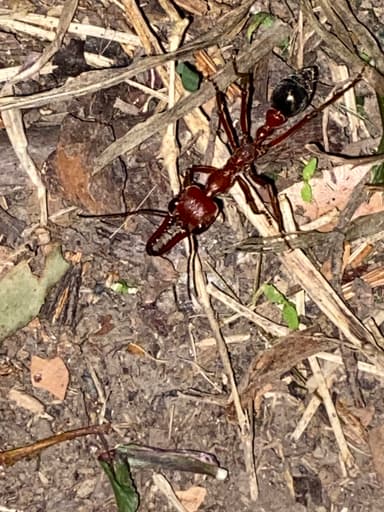
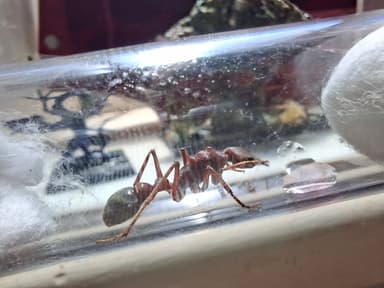
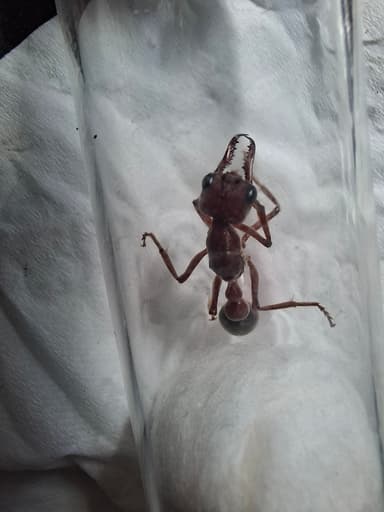
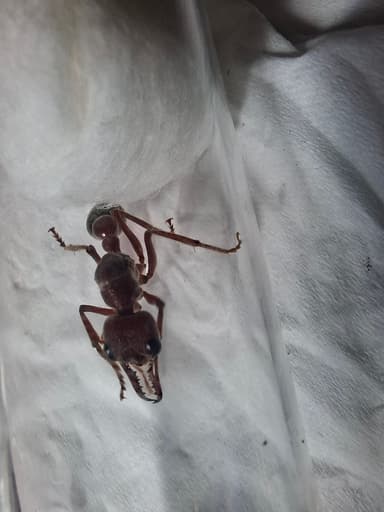
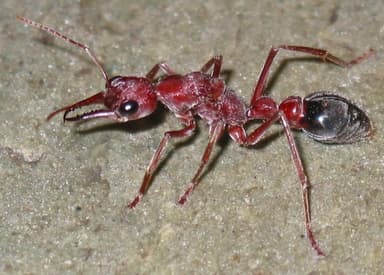
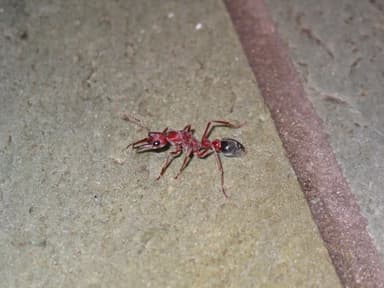
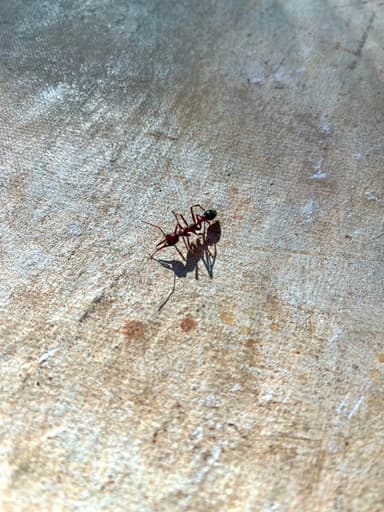
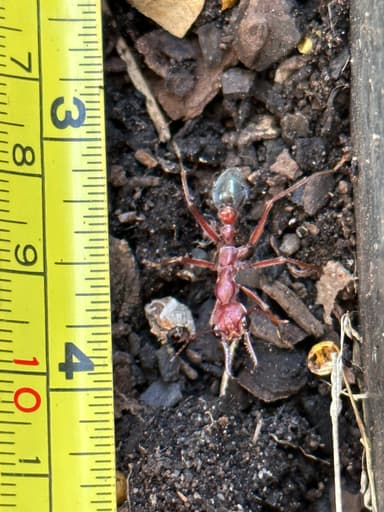
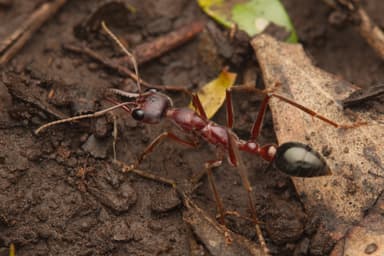
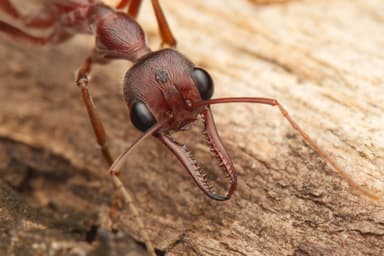
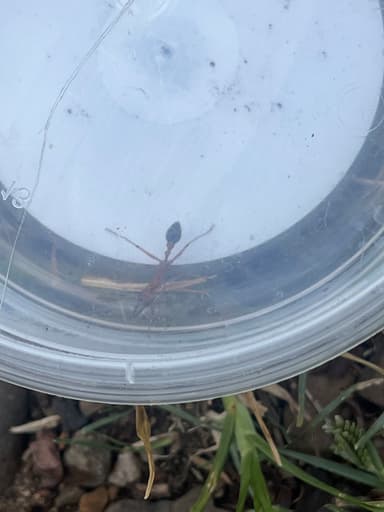
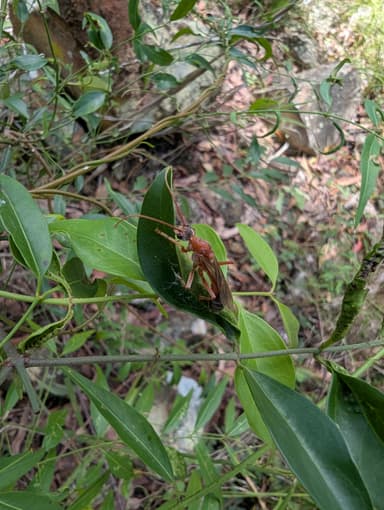
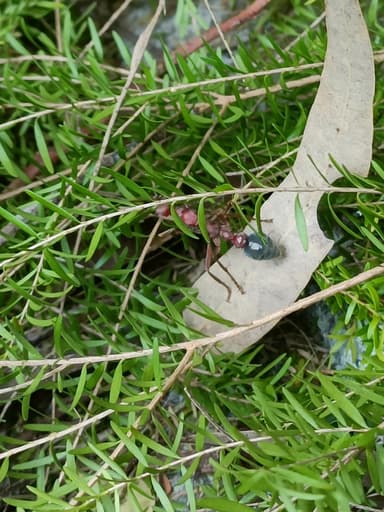
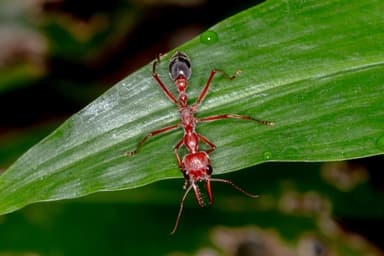
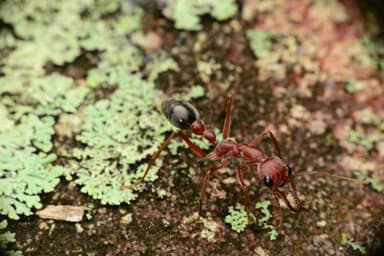
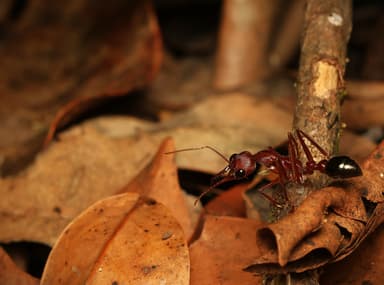
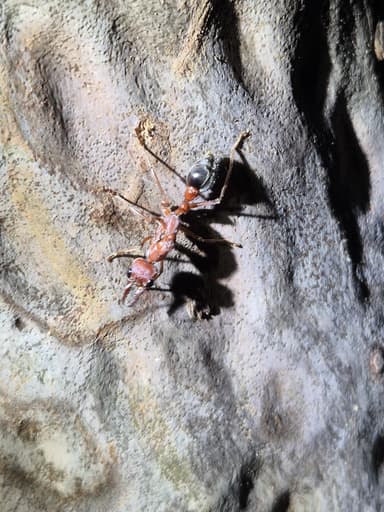
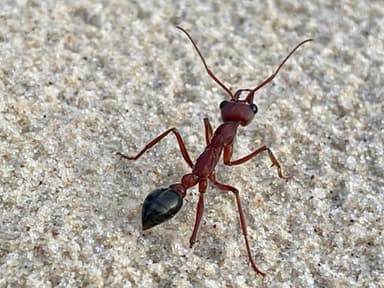
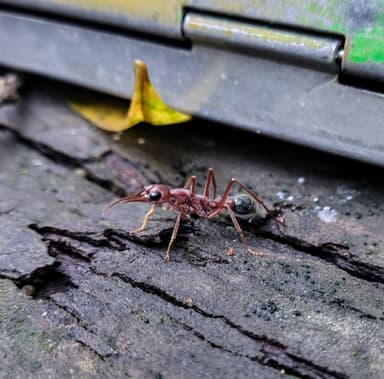
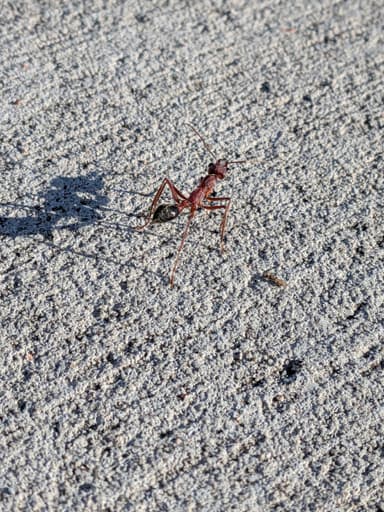
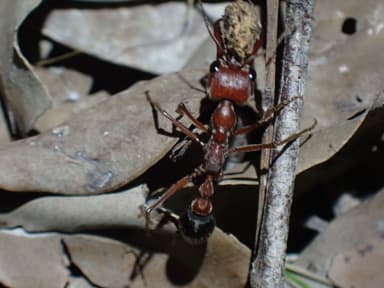
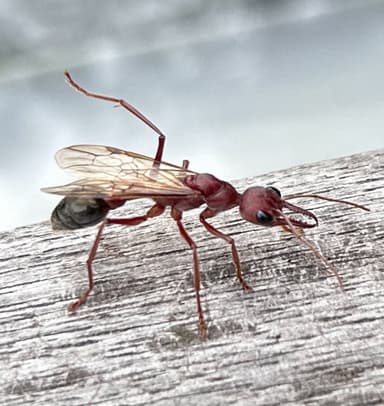
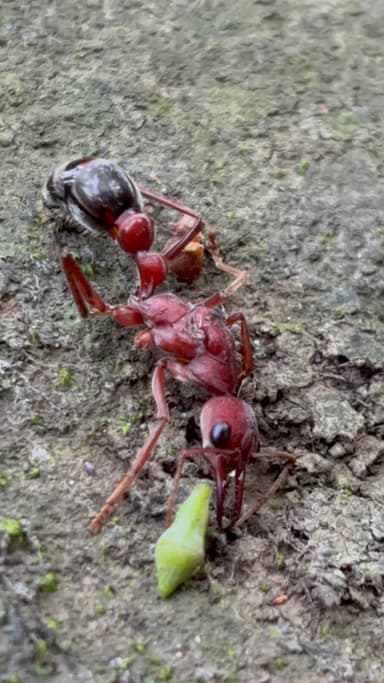
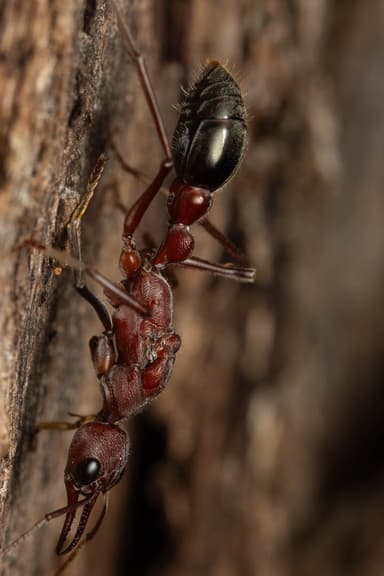
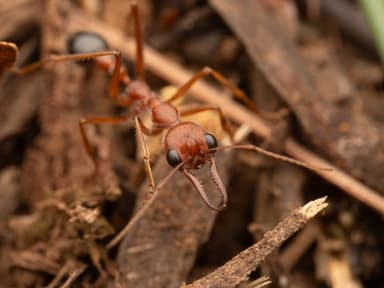
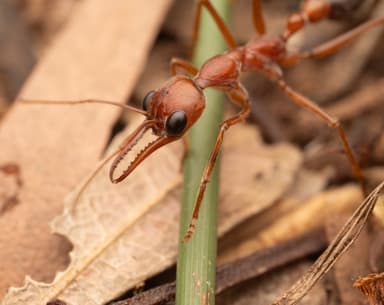
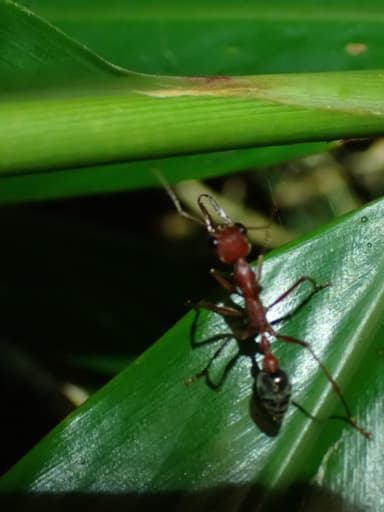
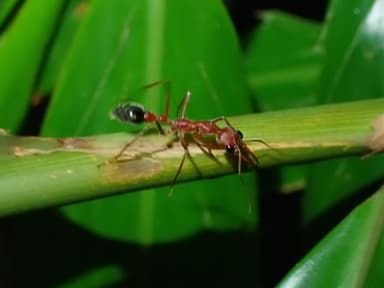
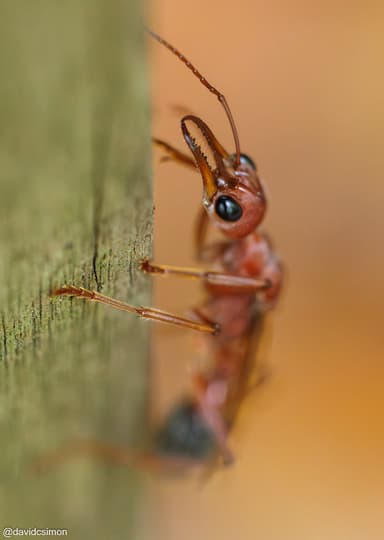
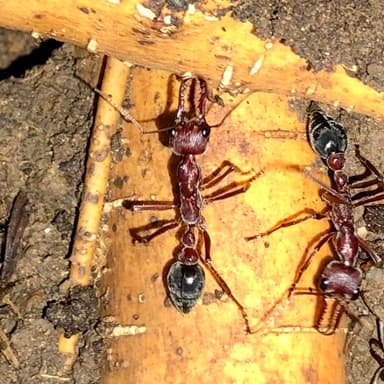
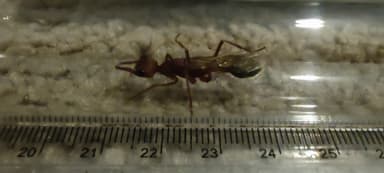
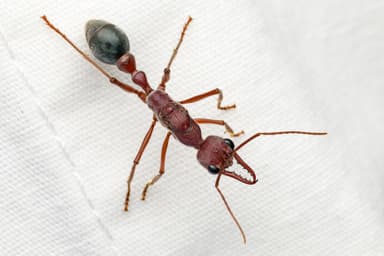
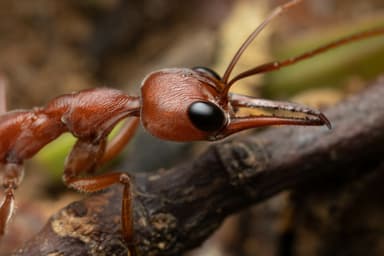
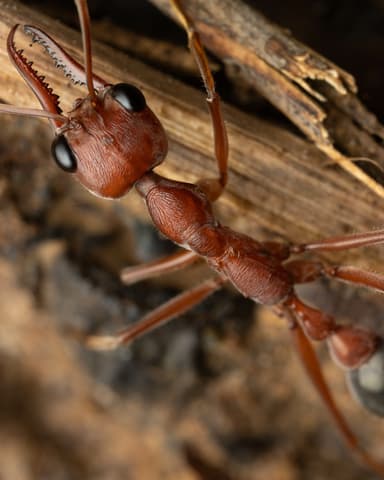
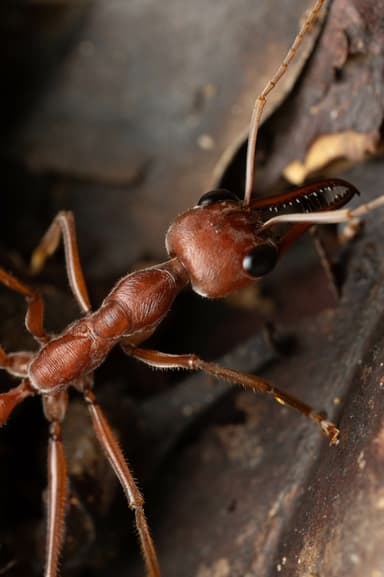
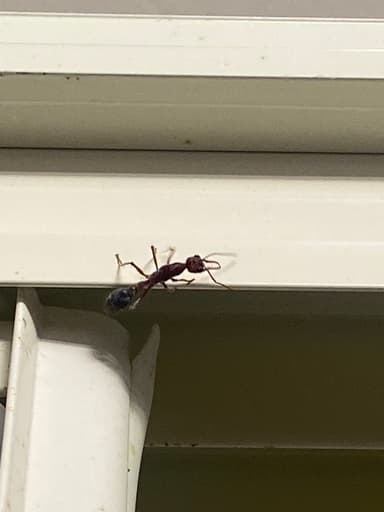
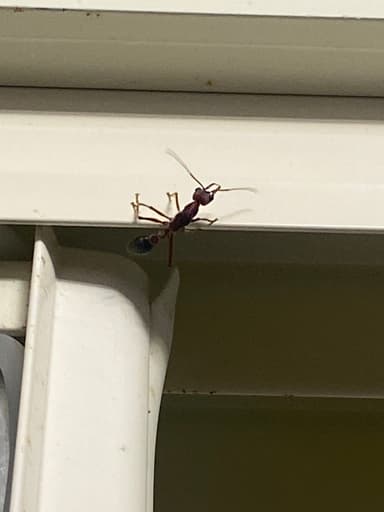
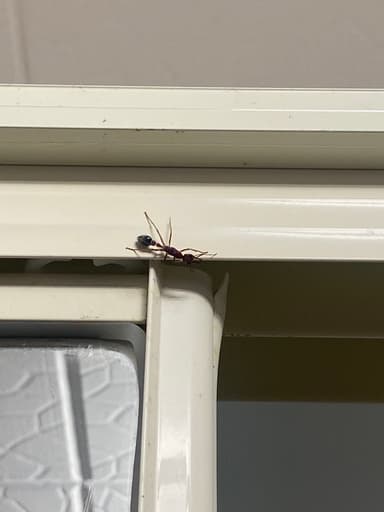
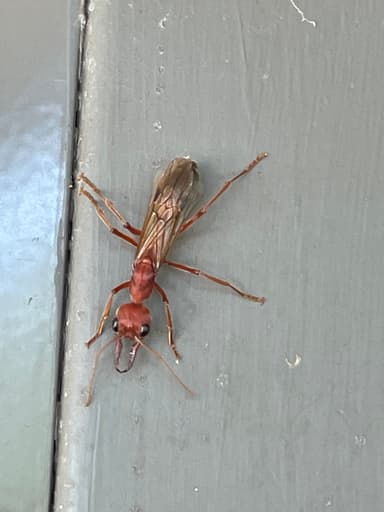
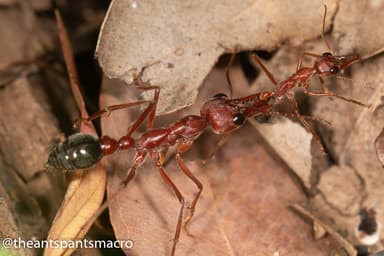
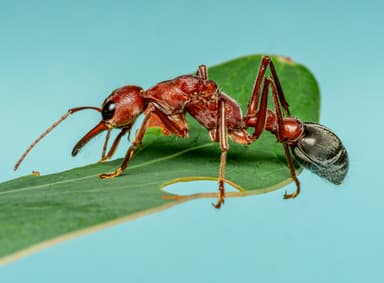
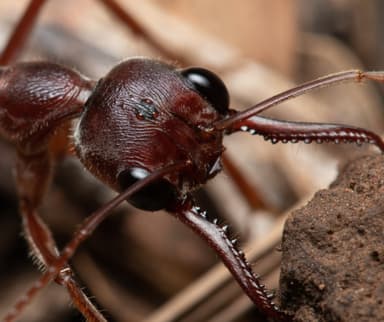
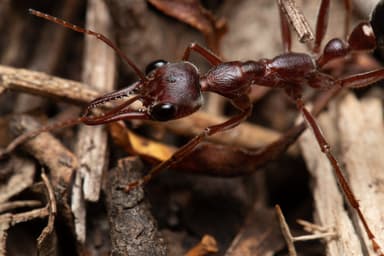
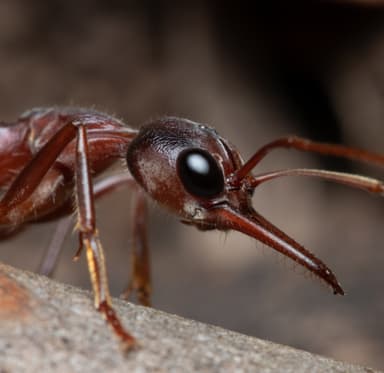
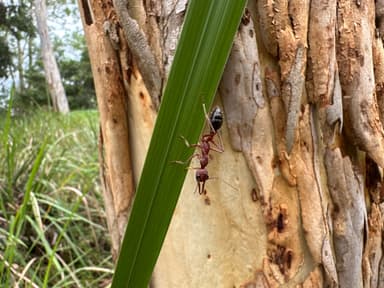
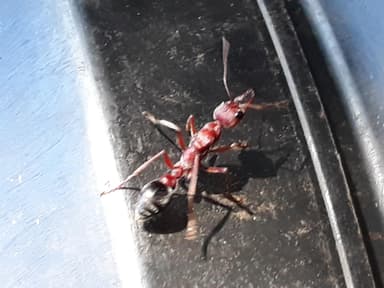
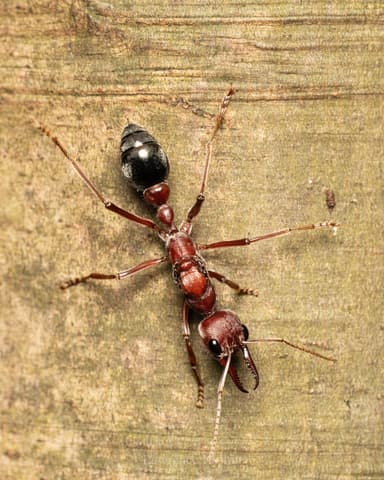
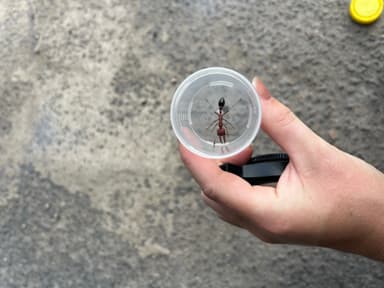
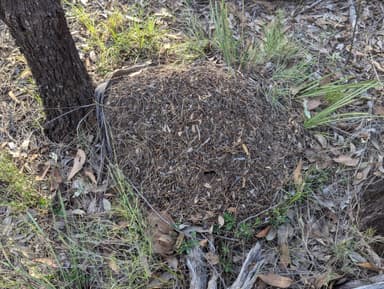
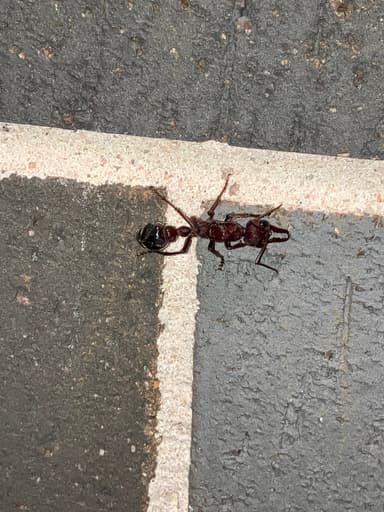
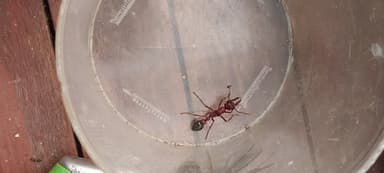
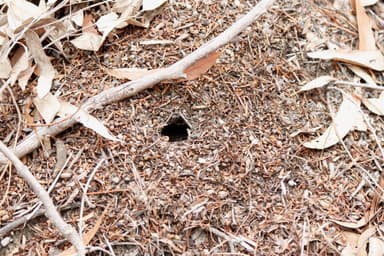
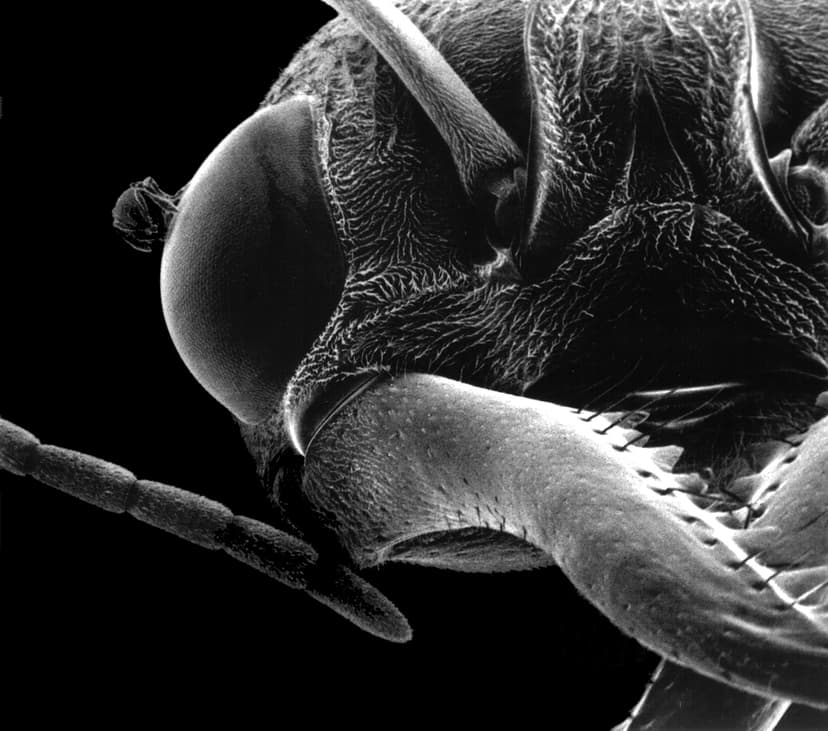
Among the giants of the ant world, Myrmecia brevinoda stands out even for the formidable bulldog ants. This species, described by Forel in 1910 and later reviewed in detail by Ogata and Taylor (1991), boasts queens that reach an astonishing 33 to 38 millimeters, while workers span a broad 20 to 36 millimeters, reflecting a distinct polymorphism with two recognizable castes: minor and major workers. Unlike many ants, the colony remains modest in numbers, peaking at around 1,000 individuals, yet each member is a powerfully built, large-eyed hunter. Their semi-claustral founding strategy means a newly mated queen actively leaves the nest chamber to forage, a trait that adds both fascination and husbandry challenges. Native to the eastern Australian seaboard, from tropical Queensland down through the temperate forests of New South Wales, these ants are visually striking, with long mandibles and a potent, solitary sting that demands respect. Haskins and Haskins (1950) documented their primitive social behavior, noting their reliance on vision to track prey—a reminder that you are not keeping a small colony of passive grazers but a brood of intelligent, responsive predators.
This is unequivocally an expert-level species. Only keepers with substantial experience rearing large, aggressive ants should consider Myrmecia brevinoda. The queen is semi-claustral, meaning she must be fed regularly during the founding stage and cannot be simply sealed away and forgotten; the colony’s large workers require spacious, secure housing; and the sting, while not medically significant for most people, is intensely painful and capable of provoking allergic reactions. The ants are extremely alert and will track movement outside their enclosure. Escapes can be dangerous, particularly for households with pets or children, so a well-designed, escape-proof formicarium with double barriers is mandatory. If you have successfully kept other bulldog ants or large ponerines and are looking for a dramatic, high-maintenance species that rewards close observation, M. brevinoda may be the pinnacle of your collection, but beginners should look elsewhere.
Housing must accommodate both the ants’ size and their need for thermal gradients. A naturalistic setup with a deep outworld of sandy loam or coco peat mimics their woodland floor habitat and provides a buffered humidity of 50 to 70 percent. The nest area itself is best achieved with a plaster, ytong, or grout formicarium offering a stable moisture gradient, though many experienced keepers prefer a soil-filled terrarium with a glass viewing panel to observe the queen and brood. Temperatures should range from 18 to 28 degrees Celsius, with a gentle basking spot at the warmer end during the day. Amphibious reptiles often share similar humidity needs, but remember these ants are visual hunters; a photoperiod with dim, naturalistic lighting will stimulate foraging. Because workers can scale smooth vertical surfaces easily, a secure lid coated with fluon or a physical barrier like a moat is essential. Provide plenty of small, dark hiding areas in the outworld—cork bark, leaf litter, or clay pots—to reduce stress when workers venture out.
Diet reflects the species’ active predatory nature. Myrmecia brevinoda workers chase down live insects with impressive speed and precision, so offer a steady supply of appropriately sized live prey: crickets, roaches, mealworms, and occasionally moths or flies. Major workers can handle even large locusts, but torn larger prey should be offered if the colony refuses whole insects. Queens and workers also greedily drink sugary secretions; provide a fresh droplet of honey, maple syrup, or sugar water on a small dish or cotton ball several times a week. Although they may nibble fruit, liquid carbohydrates are the preferred energy source. Water must be continuously available either through a test tube setup, a water feeder, or a moistened cotton ball, as dehydration is a common cause of founding failure. Remove uneaten prey after 24 hours to prevent mold, and never overfeed protein—one or two insects per feeding session is plenty, even for a colony with hundreds of workers.
A genuine hibernation period is mandatory for long-term colony health. In the wild, these ants experience cooler winter temperatures across their range, and blocking this cycle often leads to failed egg production, worker die-off, or queen death. Reduce the nesting area temperature to around 15 degrees Celsius for a period of two to three months, typically aligning with the Australian winter (June through August). During this time, activity drops sharply; workers may cluster within the nest, and feeding is rarely necessary, though a small water source should remain. A gradual temperature reduction over two weeks helps the colony acclimate, and the same gradual ramp back to summer warmth triggers the queen to resume laying. Skipping or shortening hibernation is the most common mistake made with temperate, large-bodied ants and often results in a colony that slowly dwindles without explanation.
The first days after receiving your queen or small colony are critical and often the most delicate phase of husbandry. Upon arrival, place the container in a quiet, dimly lit area and allow at least a few hours for temperature equilibrium. For a founding queen, set up a small founding chamber—a test tube with a water reservoir plugged with cotton, placed inside a larger foraging box. Provide a couple of tiny drops of sugar water on a piece of foil immediately, and offer a pre-killed small cricket the next day. Disturb her only to replace spoiled food or replenish water for the first week. Watch for normal behaviors: she should drink, groom herself, and eventually accept protein. If she ignores prey after 48 hours, try a different insect type or offer insect hemolymph on a toothpick tip. Once the first workers emerge, the colony will rapidly become bolder. Always observe from a distance during these early days; the stress of constant intrusion is a major cause of initial rejection of food or erratic behavior. With careful, minimal interference, your Myrmecia brevinoda colony will settle into a predictable rhythm of diurnal hunting and nest maintenance, rewarding you with a window into one of the most formidable ant species in the world.