Monomorium
Monomorium ergatogyna
Nuptial Flight Calendar
Flight months: Jun, Jul, Aug
Care Guide
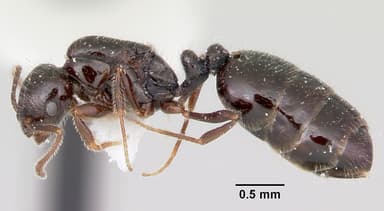
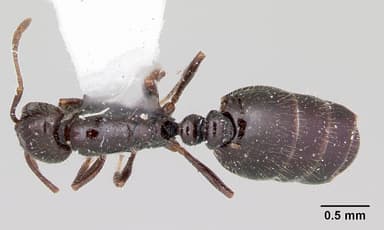
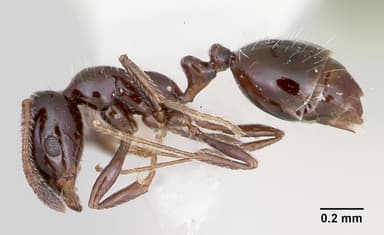
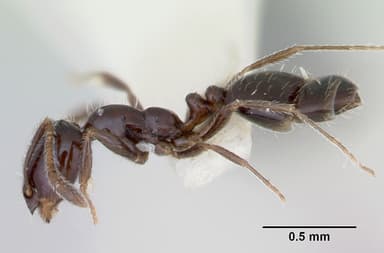
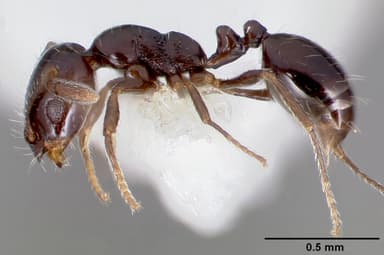
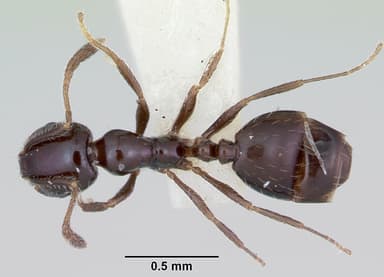
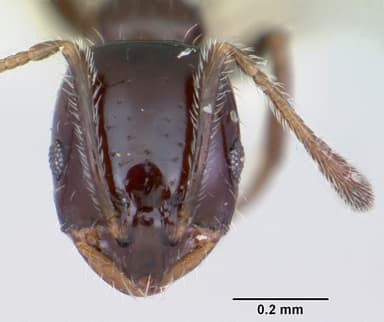
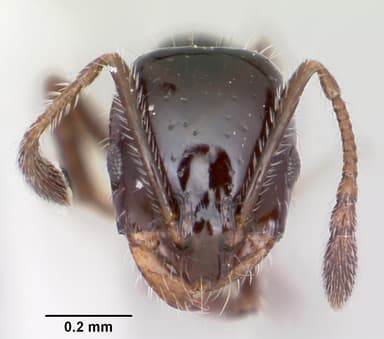
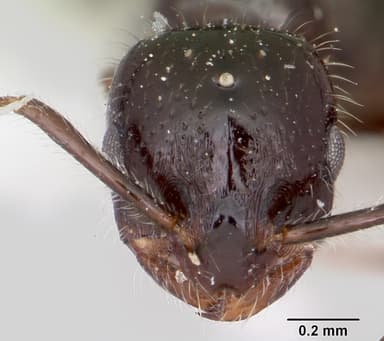
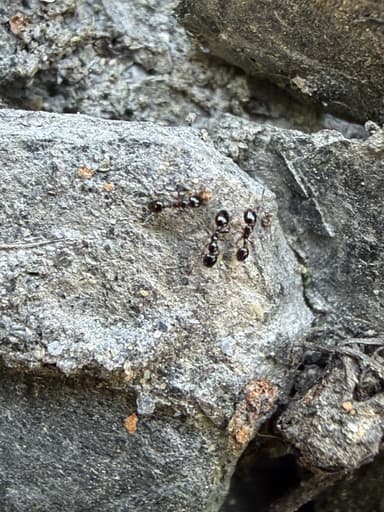
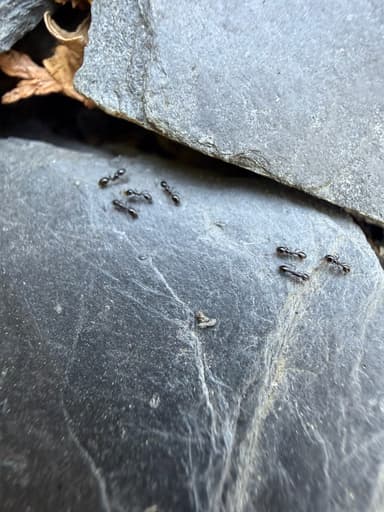
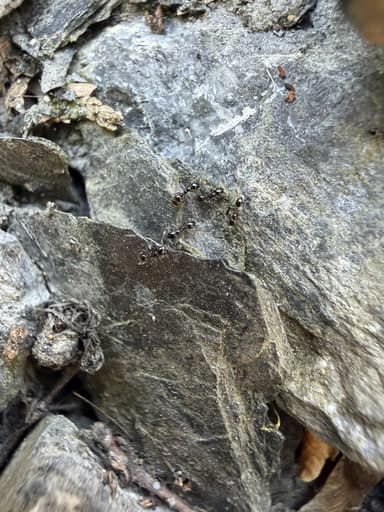
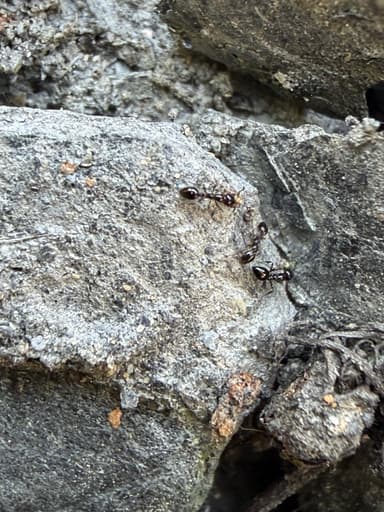
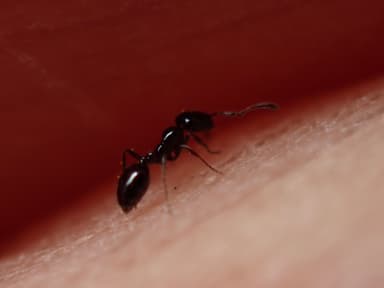
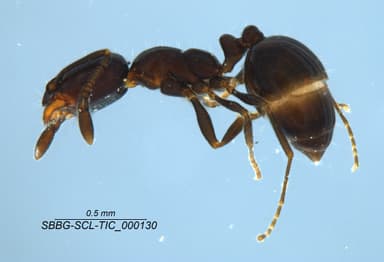
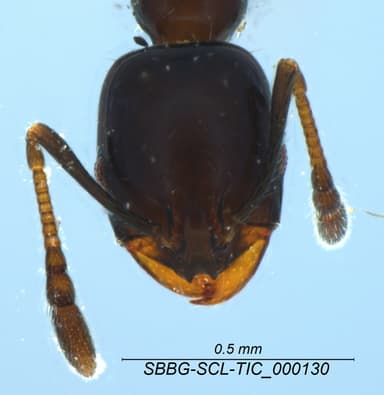
Among the lesser-known treasures of the western United States, Monomorium ergatogyna is a diminutive ant with a remarkably intricate social structure. Workers measure only 1.5 to 2 mm in length, while queens reach a modest 3 to 4 mm, making them one of the smaller species regularly kept by hobbyists (Wheeler 1904). Their coloration ranges from pale amber to dark brown, with a smooth, shining exoskeleton that enables them to slip quickly through the arid and semi-arid soils of their native range, which extends from California and Oregon eastward to Utah and south into northern Mexico. What truly sets this species apart is its flexible reproductive strategy. Colonies produce both conventional winged queens after summer nuptial flights—recorded in June through August—and wingless ergatoid queens that bud from established nests. This dual mode of propagation, a phenomenon discussed in depth across Monomorium (Snelling 1975), results in polygynous colonies that can swell to populations around 10,000 workers. The presence of ergatoids, which resemble oversized workers but function as fully reproductive queens, offers keepers a rare window into alternative ant life histories.
Given its intermediate care requirements, M. ergatogyna is best suited for hobbyists who have moved beyond beginner species and are comfortable maintaining stable microclimates and a strict hibernation schedule. The primary challenges stem from their miniscule size, which demands precision in enclosure design and feeding, and their relatively rapid colony growth once established. They are not aggressive and possess only a vestigial sting, so handling is not a concern, but escape prevention is paramount. If you have experience with small myrmicines like Tetramorium or small Pheidole, you will find this species both rewarding and manageable, as its care sits comfortably at the intermediate level.
Housing must reflect their natural preferences for dry, sheltered nests. In the wild they occupy shallow burrows under stones or in sandy loam, so a formicarium with a soil or sand-clay mix, or a plaster nest with a rough-textured interior, works beautifully. Temperature should be kept between 20 and 28°C (68–82°F) with a gentle gradient so the workers can choose their preferred zone; a heating cable placed under one corner of the nest is ideal. Humidity is best maintained at a moderate 40–60%, mimicking the dry microenvironments of their native range—excessive moisture can quickly lead to fungal issues or drowned workers. Provide a reliable water source via a test tube setup or a small water tower, and keep the outworld relatively dry with a shallow sand layer. Fluon or a PTFE-based barrier is mandatory on all container walls, as these ants scale smooth surfaces with ease.
Feeding is straightforward but must be scaled to match their tiny size. Protein can be supplied two to three times weekly in the form of freshly killed fruit flies, pinhead crickets, or finely chopped mealworm pieces. Carbohydrates are best offered as small drops of sugar water, honey, or commercial ant nectar placed on a cotton pad or a miniature feeder to prevent drowning. They recruit vigorously and are a delight to watch as they form foraging trails. Always remove uneaten protein within a day to prevent mold, and ensure the water reservoir never runs dry, since colonies can desiccate quickly in overly dry setups.
Hibernation is an absolute requirement for the long-term health of M. ergatogyna. In their native range, winter temperatures routinely drop to around 12°C (54°F), and this period of dormancy is critical for the queens’ sustained egg-laying and the colony’s yearly cycle. Begin by withholding protein a week before cooling, then gradually lower the temperature over several days to a stable 10–15°C (50–59°F). Maintain this for at least two to three months, during which the ants will cluster tightly and cease foraging. Offer only a small water source and check occasionally for excessive condensation. After diapause, slowly warm them back to room temperature and resume regular feeding. Skipping hibernation typically results in brood die-off and queen mortality, so this stage must be planned for well in advance.
When you first receive your colony, it will likely arrive in a test tube with a small retinue of workers and one or more ergatoid queens. Connect the tube to a prepared outworld or nest but allow them to remain in darkness for the first 24 to 48 hours to settle. After this quiet period, offer a minute dab of sugar water on a cotton wisp and a single fruit fly placed near the tube entrance. Observe for foraging activity, a sign that the colony is acclimating. Avoid vibrations and bright light during these early days; a piece of red acetate over the nest permits stress-free observation. Misting is unnecessary, but the tube’s water reservoir must stay topped up. Within a week they may begin exploring the outworld or even moving brood into the nest. Ergatoid queens sometimes take a few days to resume laying, but once established, these industrious ants will reward you with steady growth and a captivating display of polygynous colony life.