Manica
Manica invidia
Nuptial Flight Calendar
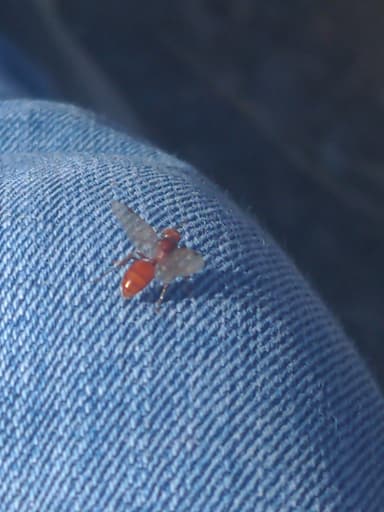
Flight months: Jun, Jul, Aug, Sep
Care Guide
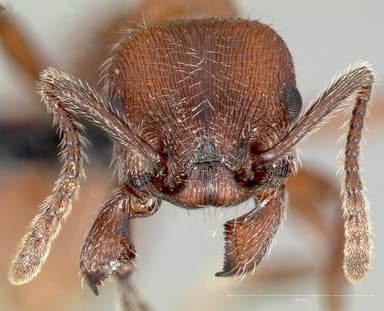
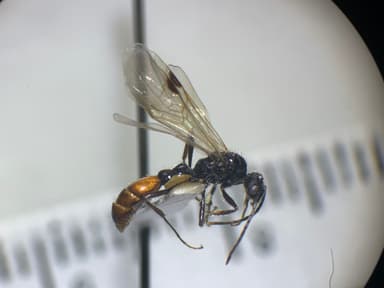
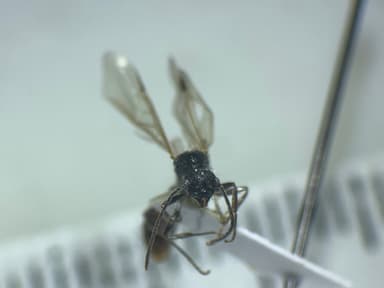
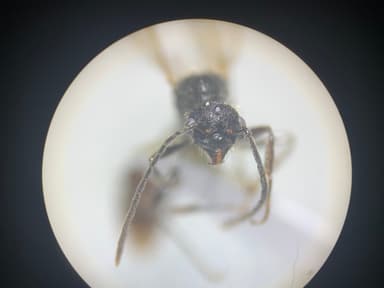
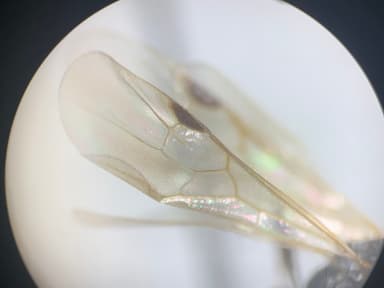
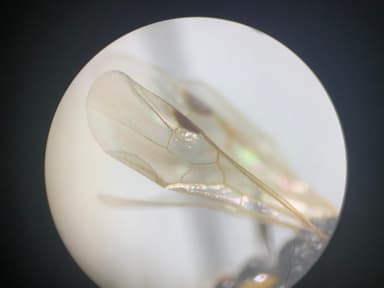
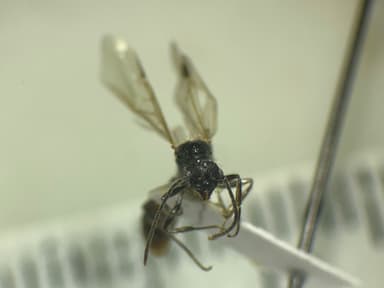
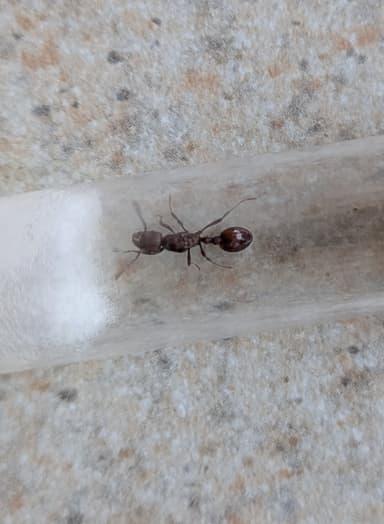
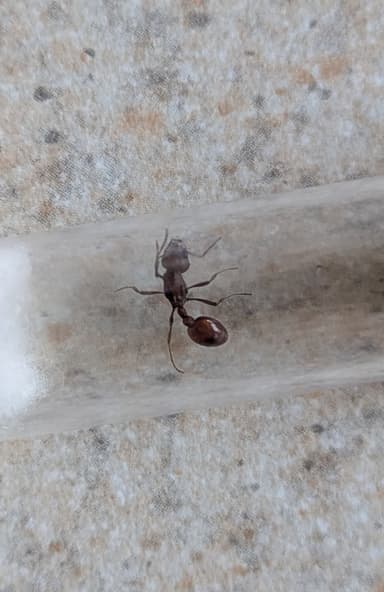
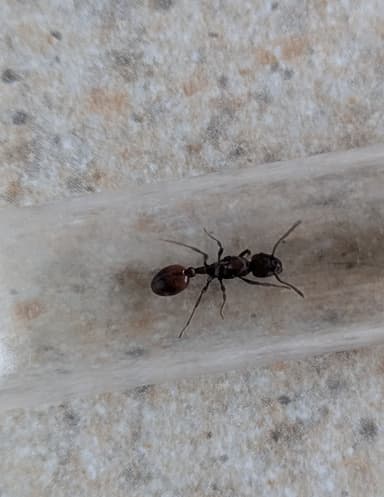
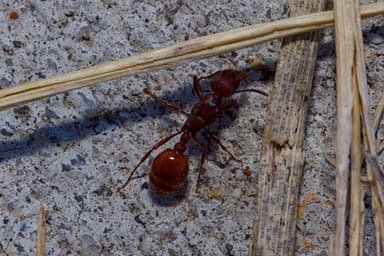
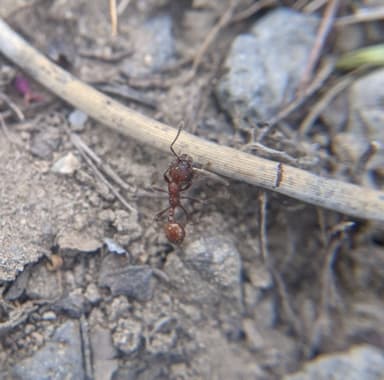
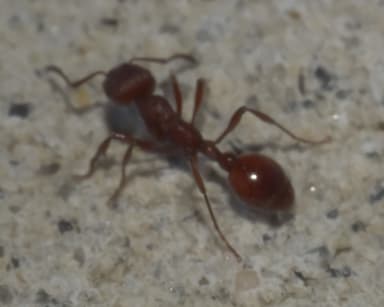
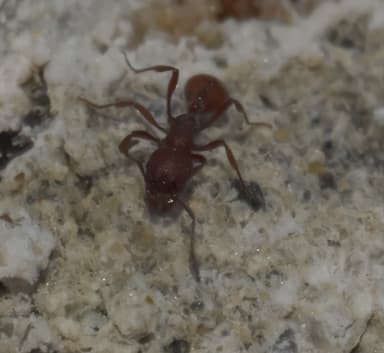
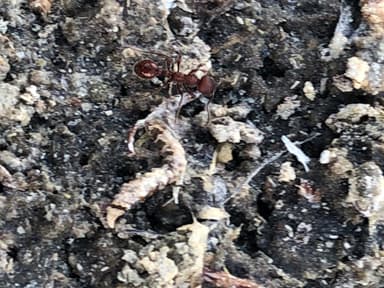
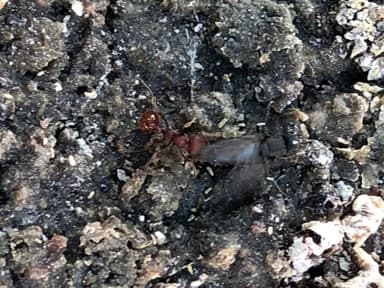
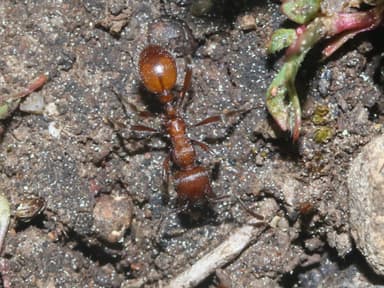
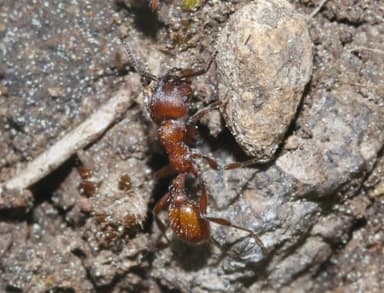
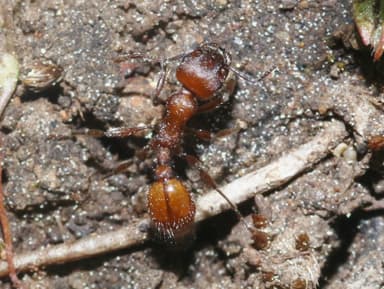
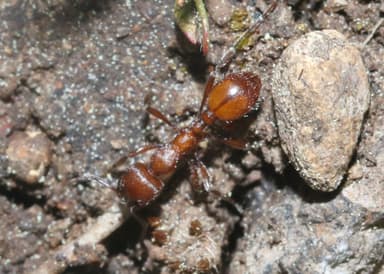
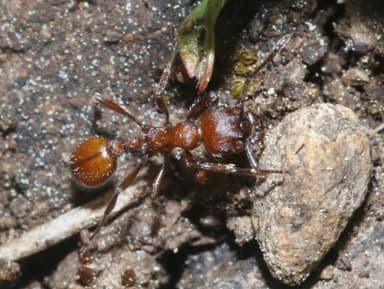
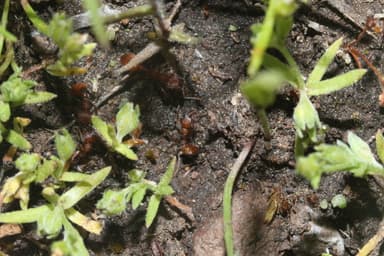
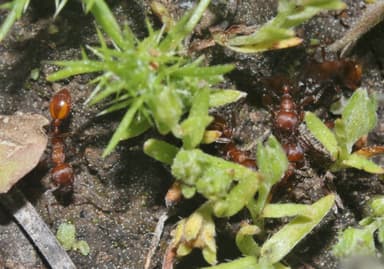
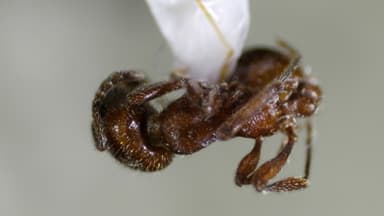
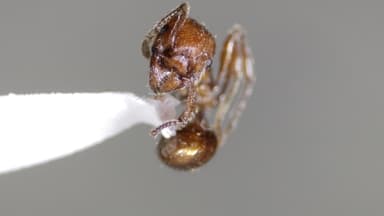
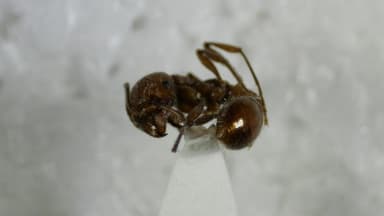
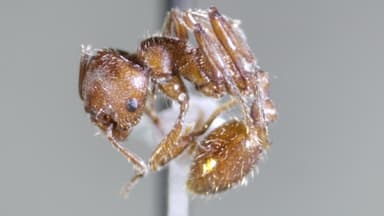
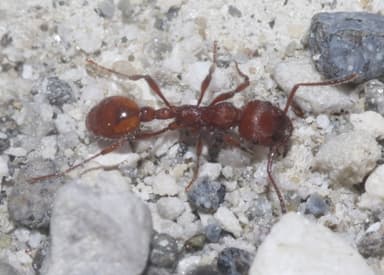
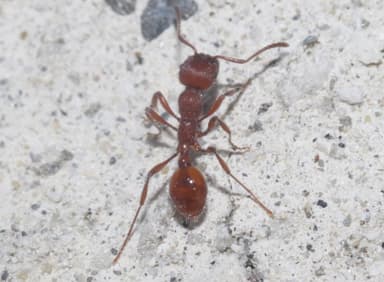
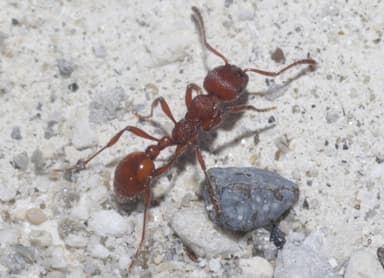
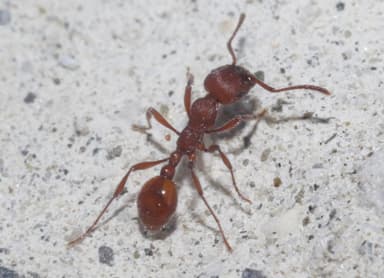
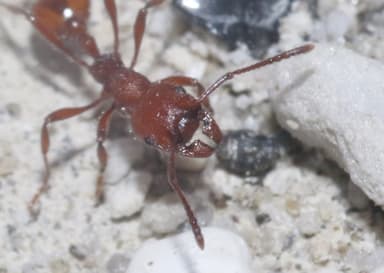
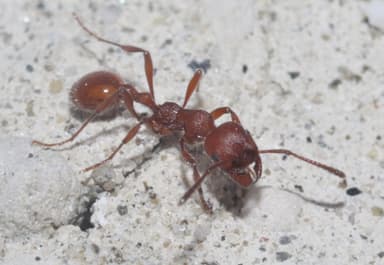
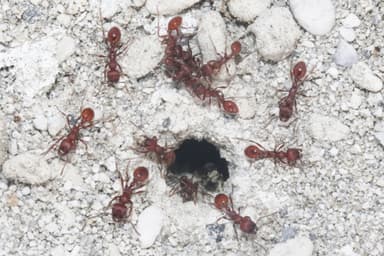
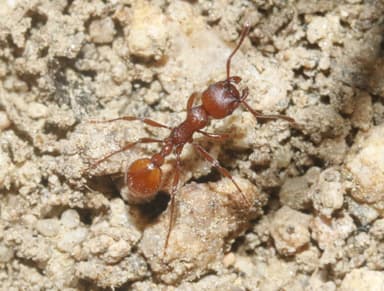
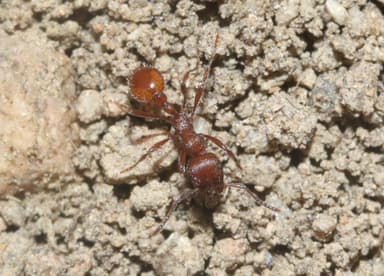
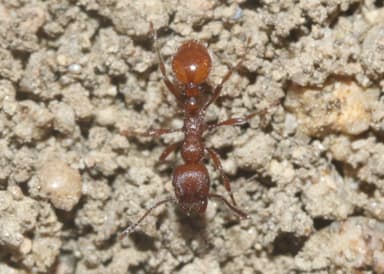
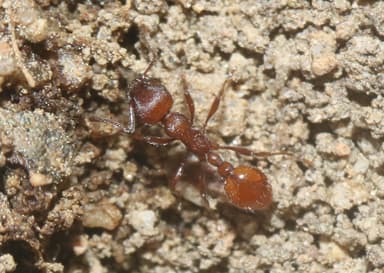
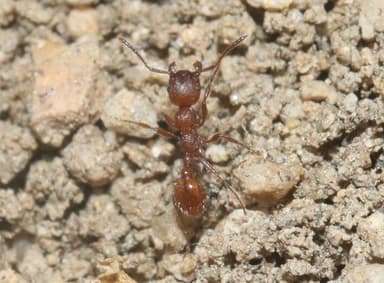
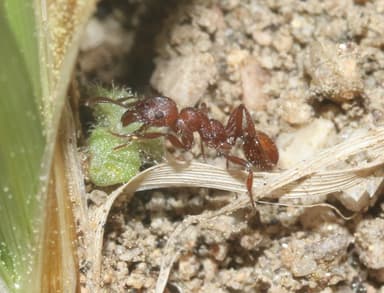
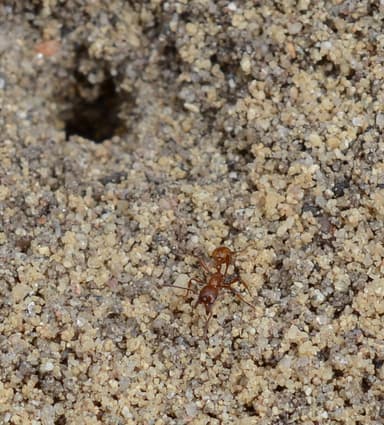
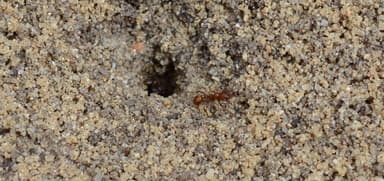
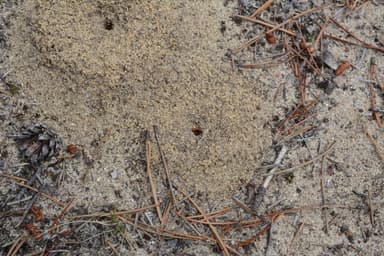
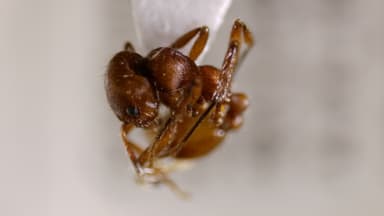
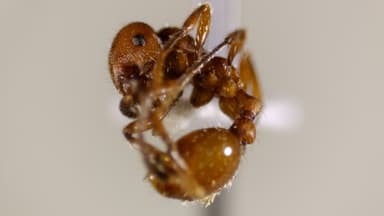
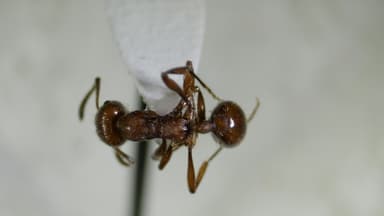
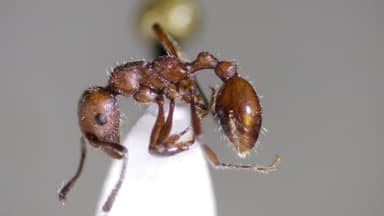
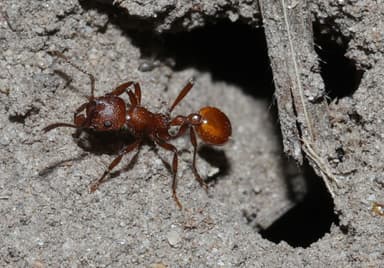
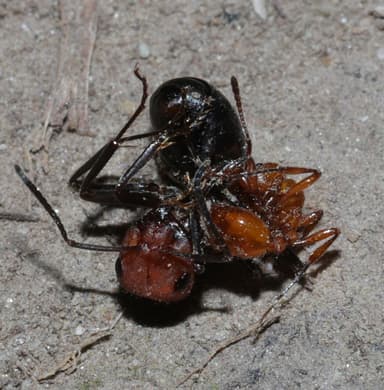
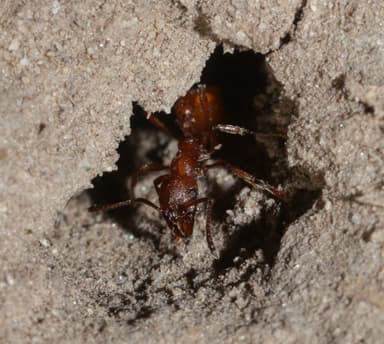
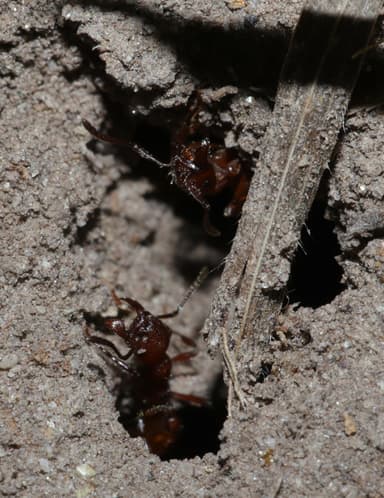
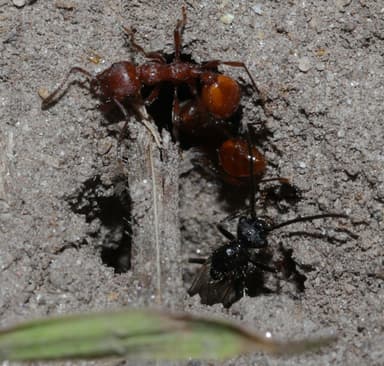
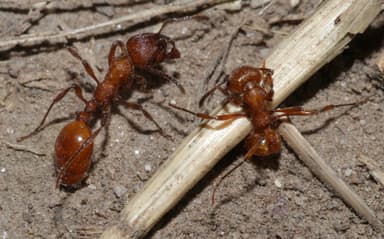
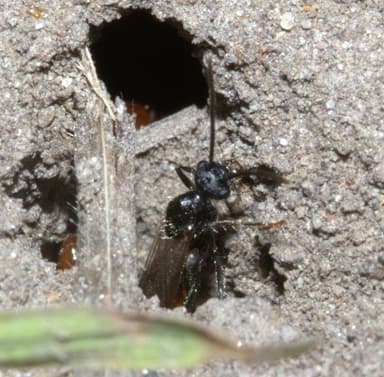
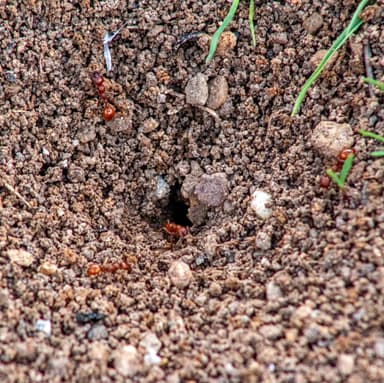
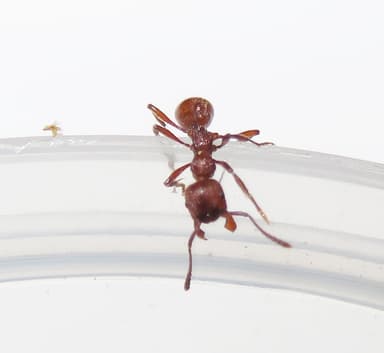
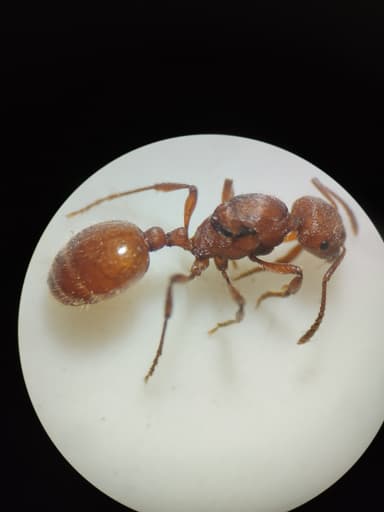
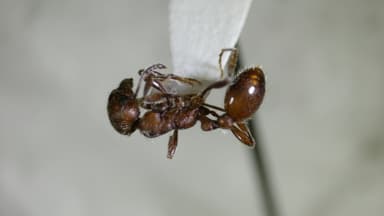
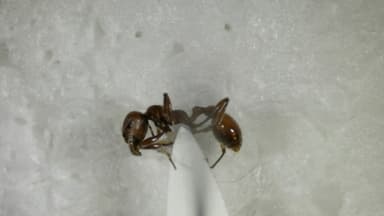
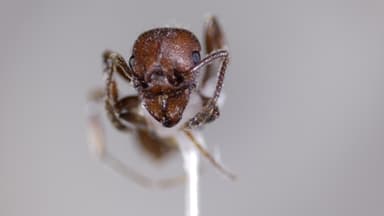
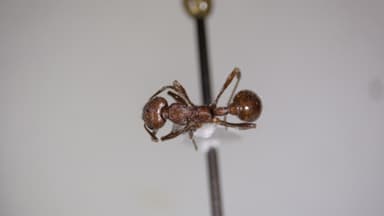
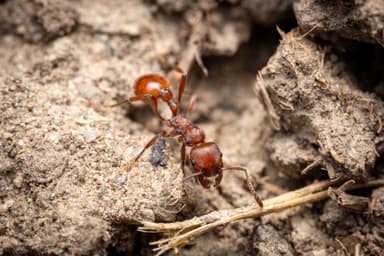
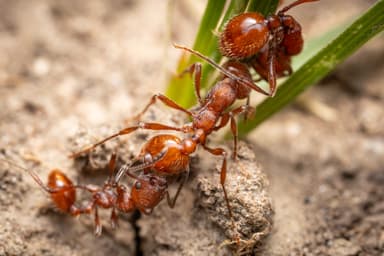
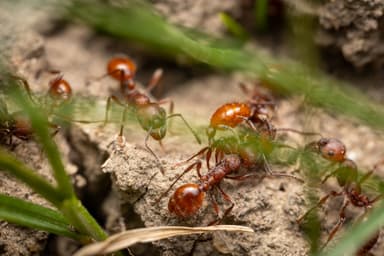
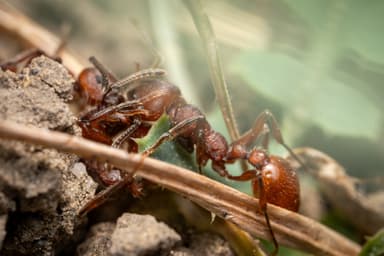
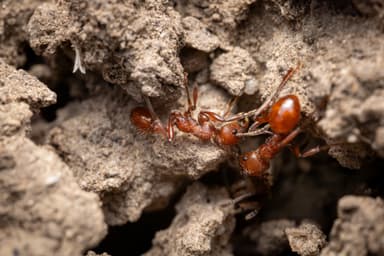
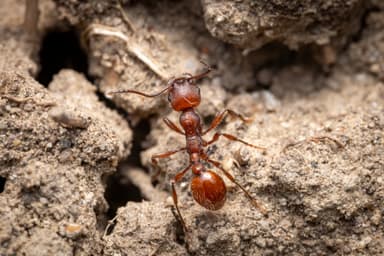
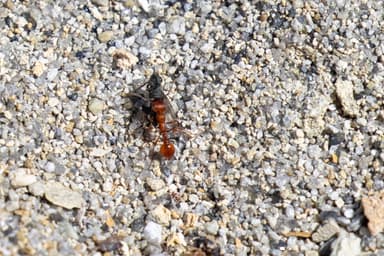
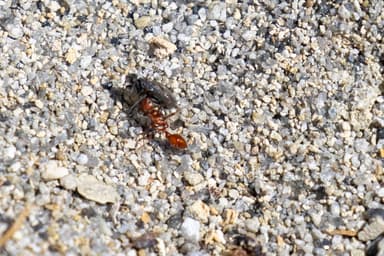
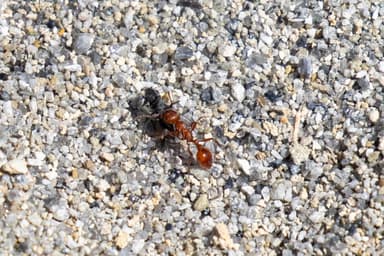
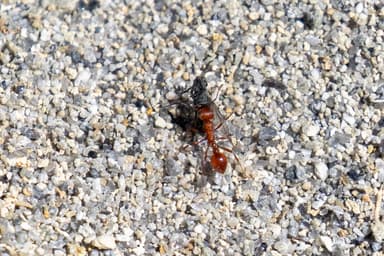
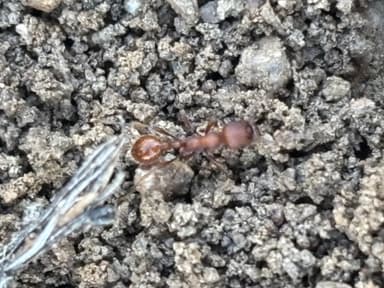
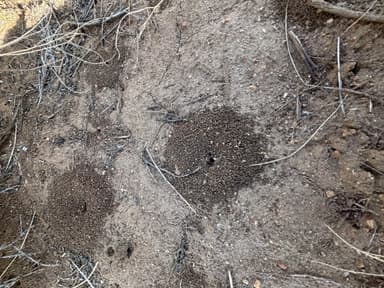
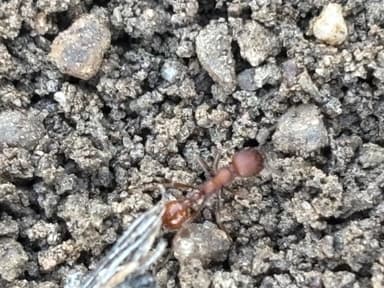
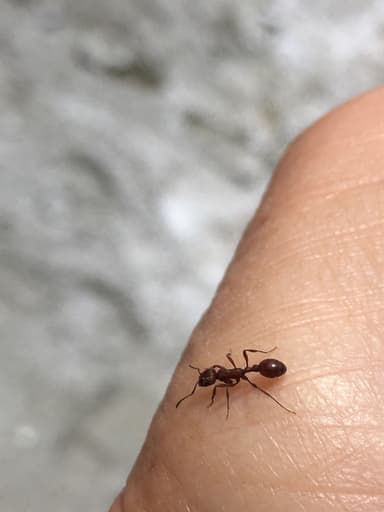
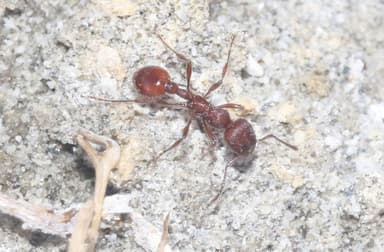
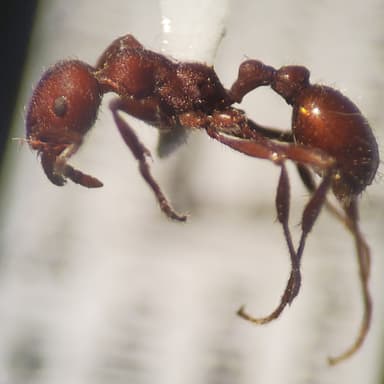
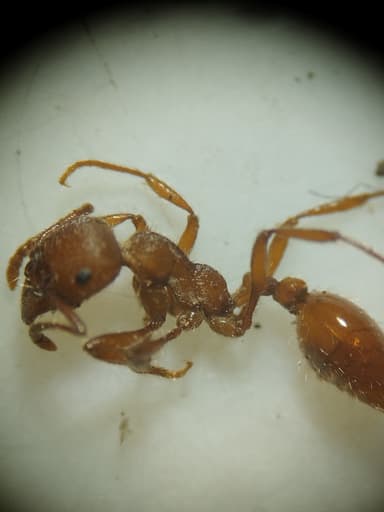
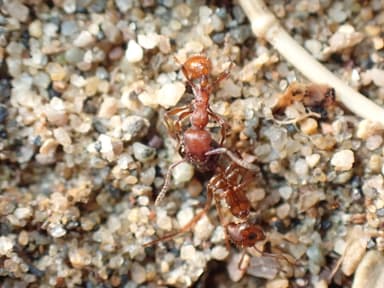
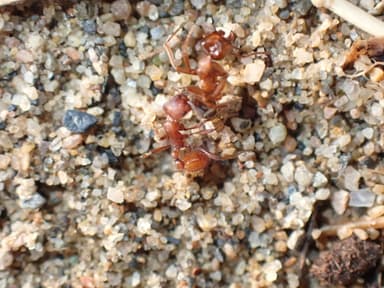
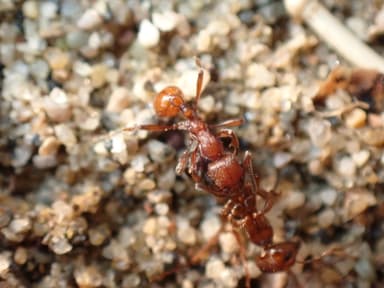
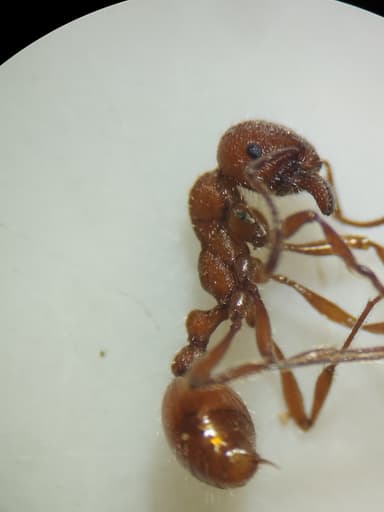
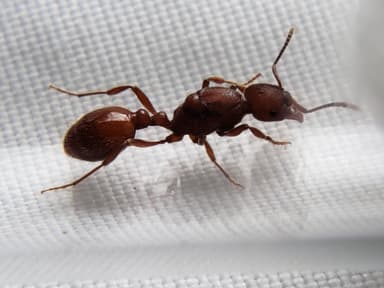
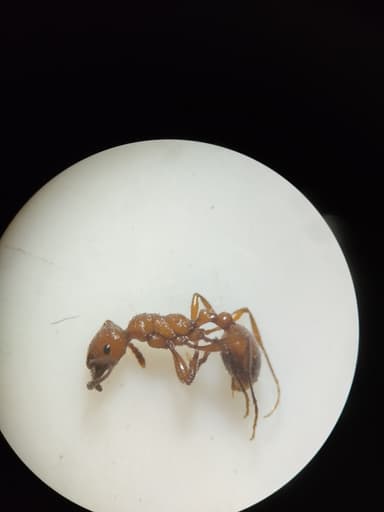
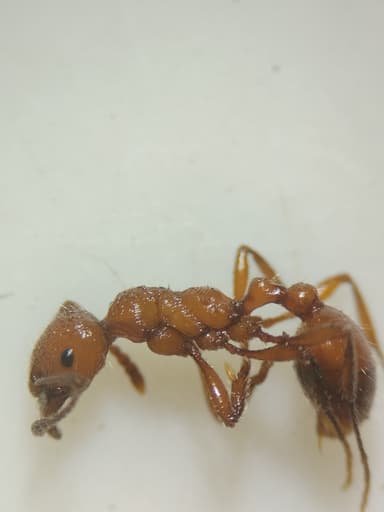
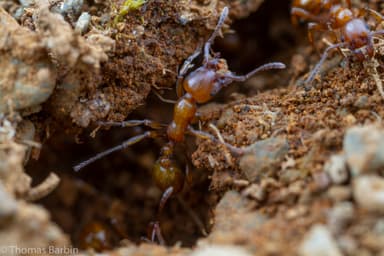
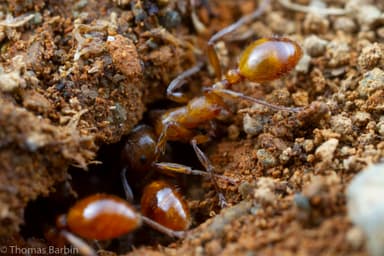
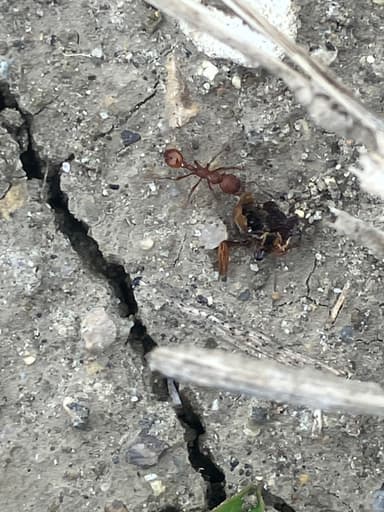
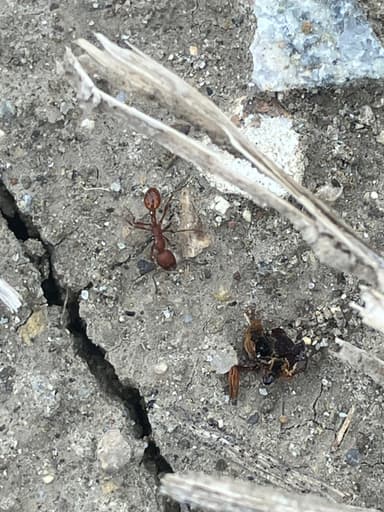
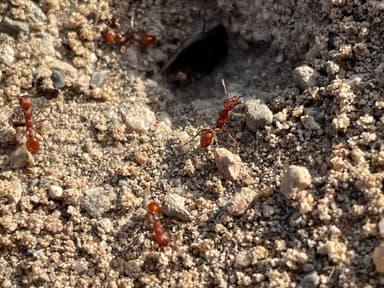
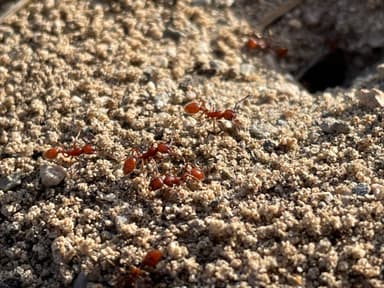
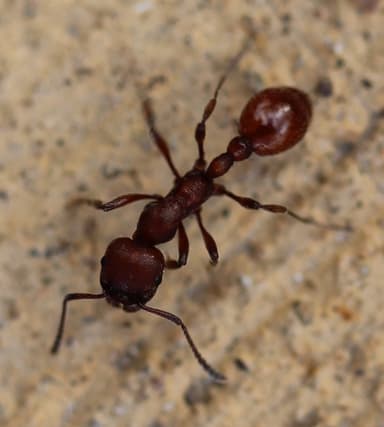
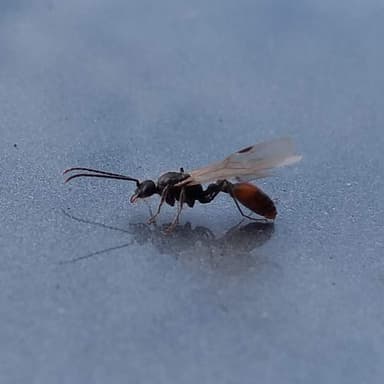
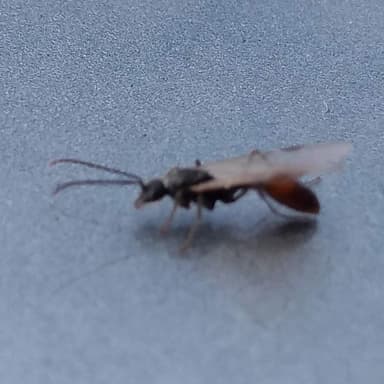
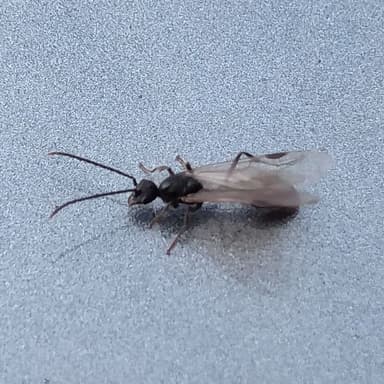
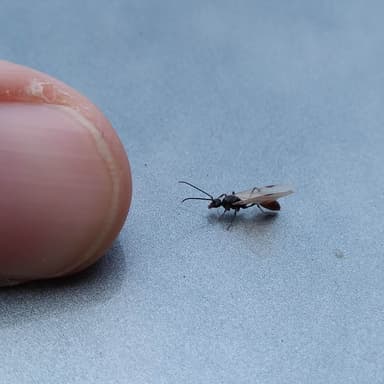
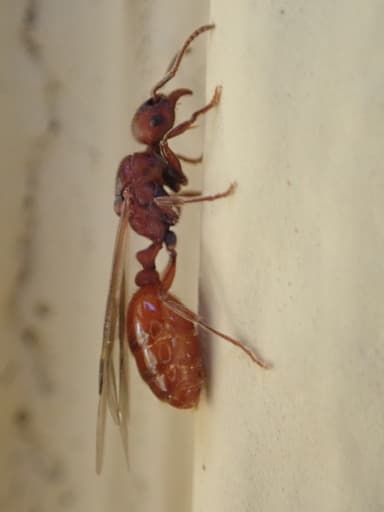
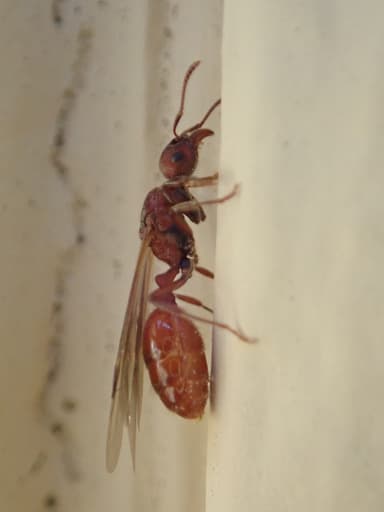
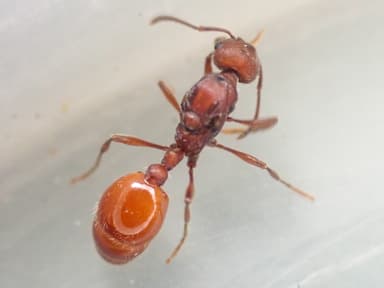
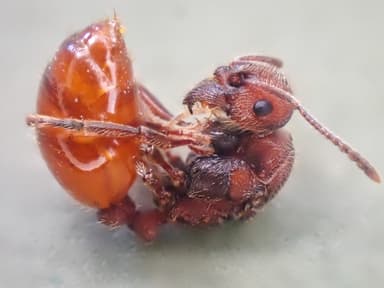
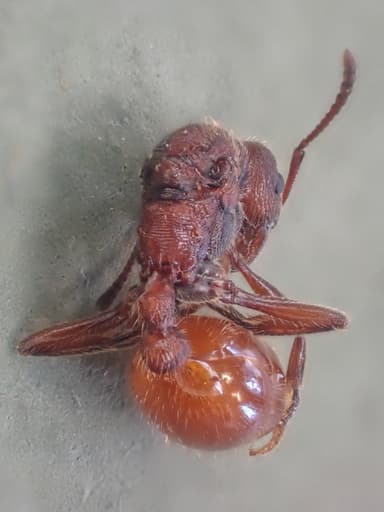
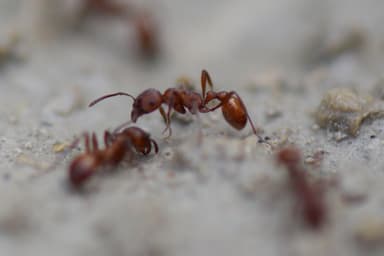
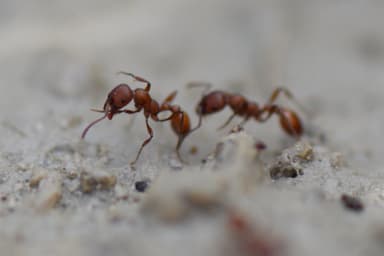
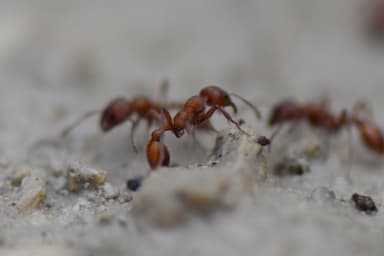
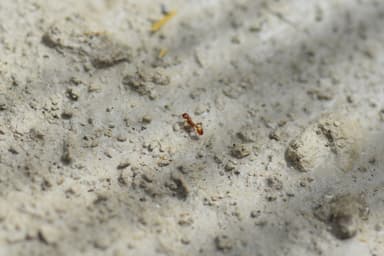
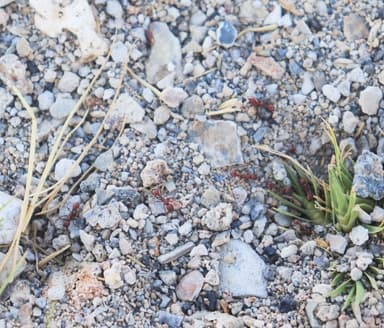
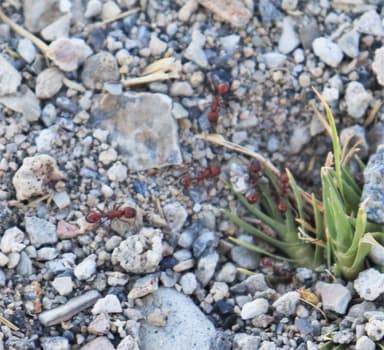
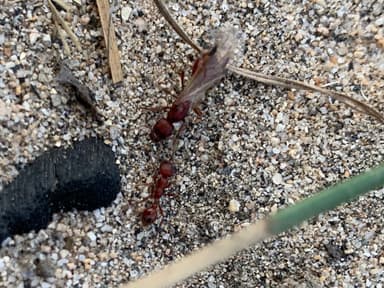
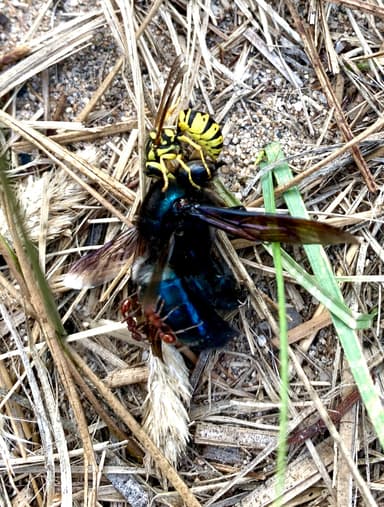
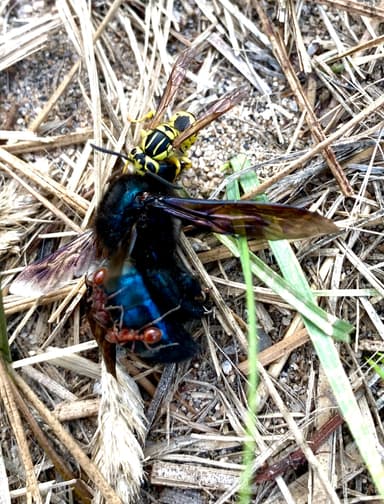
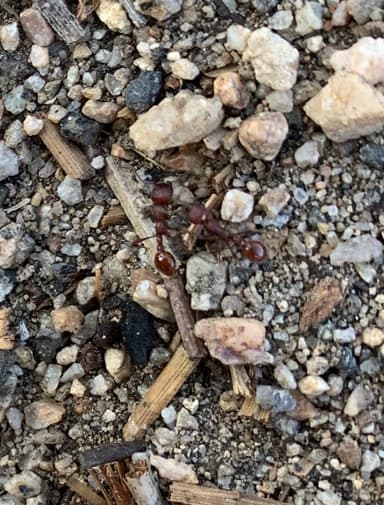
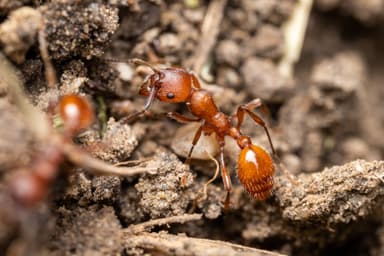
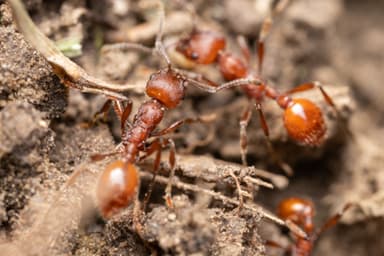
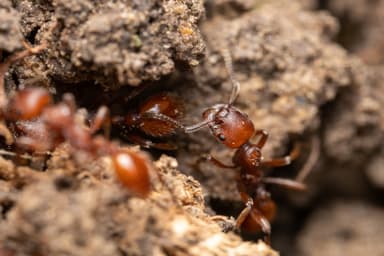
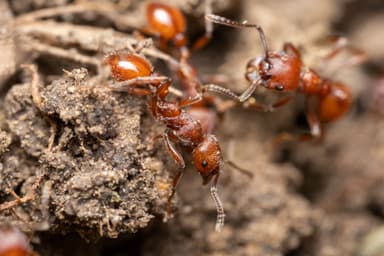
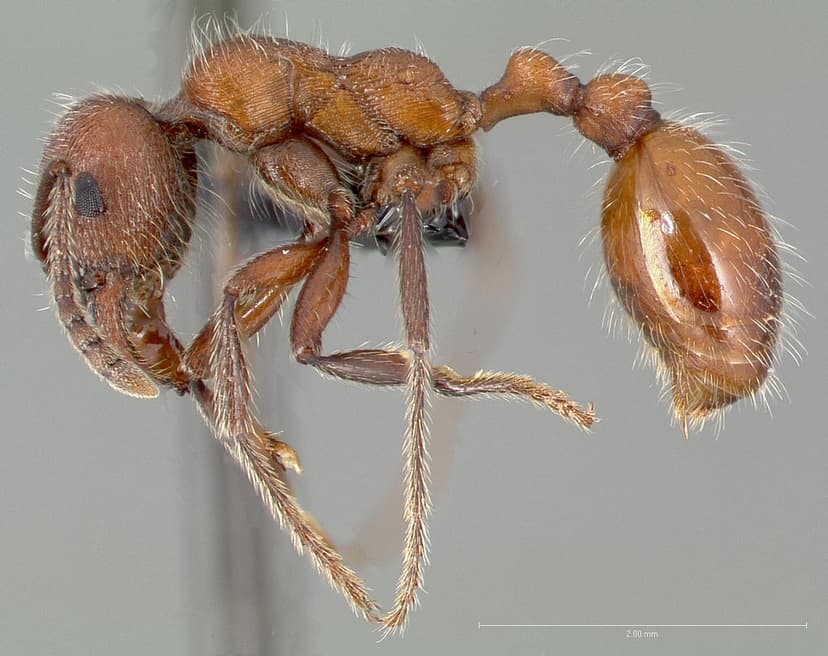
Manica invidia, described by Bolton in 1995 and a close cousin of the familiar Myrmica, is a robustly built myrmicine ant with a potent sting that commands immediate respect. Queens measure a substantial 9 to 11 mm, while the monomorphic minor workers range from 5 to 8 mm, all clad in a heavily sculptured reddish-brown to black exoskeleton. Colonies remain modest, topping out at about 2,000 individuals, and lack a soldier caste entirely—a tidy, manageable size for captive care. The species is fascinating for its semi‑claustral founding strategy: after nuptial flights that peak during warm, sunny afternoons following late‑summer rains in the montane West (roughly July through September in California, Nevada, and Oregon), a newly mated queen must periodically leave her natal cell to hunt, giving the keeper a rare window into the solitary struggles of a future colony. Wheeler and Wheeler (1970) detailed how wild Manica nest under flat stones in well‑drained, sandy soils of meadow edges and open woodlands between 36° and 42.5° north latitude, a blueprint that translates beautifully into the formicarium.
We rate Manica invidia as an intermediate‑level species. Its semi‑claustral infancy and absolute requirement for a true hibernation season demand a keeper who is already comfortable managing humidity gradients, offering live prey to a lone queen, and orchestrating a controlled winter chill. The rewards, however, are substantial: a compact, diurnal colony with active foragers and a visible brood cycle that engages without overwhelming. Beginners might be deterred by the queen’s need to hunt during founding and the workers’ ability to deliver a mild but perceptible sting when mishandled, but experienced hobbyists who enjoy close observation and a seasonal rhythm will find it a deeply satisfying addition. Because colonies remain shy and the workers are suprisingly quick, a well‑sealed foraging arena with a breathable cover is essential.
Housing should echo the species’ montane soil preferences. A nest offering a thermal range of 18–26 °C allows the ants to thrive without supplementary heating beyond ambient room warmth. Humidity is best held between 50 and 70 %, achievable with a vertical plaster, ytong, or grouted‑sand nest that incorporates a bottom‑fed hydration chamber, permitting the colony to self‑regulate its microclimate. A sandy outworld with scattered flat stones and a sprinkle of leaf litter not only provides a naturalistic foraging ground but also satisfies the ants’ urge to excavate surfaces. Founding queens need a miniature version of this setup—commonly a test tube with a moist sand plug attached to a tiny foraging box—because the semi‑claustral habit forces her to leave the safety of the tube regularly to find food. Ventilation must be generous; stagnant humidity encourages fungal blooms that stress this upland species. Keep the nest partially darkened to give newly arrived ants security, and avoid frequent rearrangements once they have chosen a nest chamber.
Diet dictates the pace of a colony’s growth. The founding queen demands live or freshly killed micro‑prey such as fruit flies, springtails, or pinhead crickets every second day, alongside a minute droplet of sugar water. Once workers emerge, shift to a routine of two to three weekly protein offerings: chopped mealworms, small termites, or fruit flies work excellently. Carbohydrate nutrition remains vital, so supplement with honey‑water or commercial ant nectar on a small feeding tray to minimize sticky accidents. Always provide a fresh water source via a cotton‑plugged tube, both inside the nest’s hydration system and in the outworld. Mackay (1993) emphasized that even semi‑arid hillside ants like Manica rely on contiguous moisture pockets, so a dry nesting area paired with accessible water mirrors their native environment. Inspect the refuse pile regularly and remove uneaten protein within a day to nip mite and mold problems in the bud.
Hibernation is a non‑negotiable pillar of long‑term health. In captivity, Manica invidia requires a sustained chill at roughly 5 °C for three to four months, ideally running from late autumn through the end of winter. Begin by gradually cooling the colony over a fortnight, ensuring the nest retains dampness but no free‑standing water that could freeze. A dedicated beverage cooler or thermostatically controlled wine fridge delivers the most stable conditions. The ants will cluster into a tight, motionless ball; check every two to three weeks for excessive condensation or drying, and offer a few drops of water if necessary. Come spring, warm the colony slowly over a week to room temperature, after which the queen’s egg production and the workers’ activity will surge—a pattern beautifully consistent with Wheeler and Wheeler’s (1970) field observations.
The first days after receiving your Mandica invidia queen or small colony are critical. Unpack the shipping container in dim light and let it rest untouched for an hour. For a founding queen, move her directly into the prepared semi‑claustral setup, and that very evening present a freshly killed fruit fly and a tiny dab of sugar water, as she may have depleted her energy reserves. If workers are already present, cover the arena with a dark cloth for 48 hours while they explore and map their new territory. Expect some initial skittishness—sudden movements can provoke a sting‑and‑run response—but the venom is mild for most people. After settling, you will witness the queen’s purposeful foraging trips, a behavior that sets this species apart and makes the careful husbandry immediately rewarding. Observe from a slight distance, resist poking into the nest, and within days the colony will settle into the steady rhythm of a self‑sufficient little society that will captivate you for years.