Lasius
Lasius umbratus
Nuptial Flight Calendar
Flight months: Jul, Aug, Sep, Oct
Care Guide
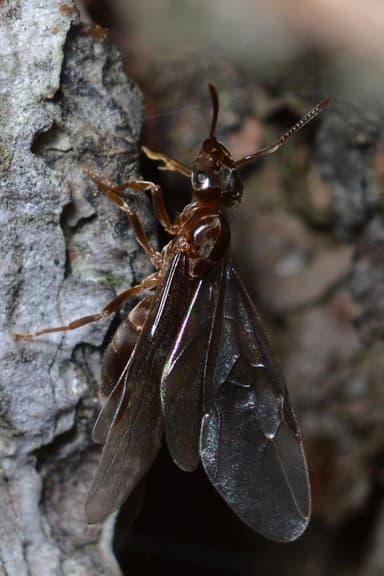
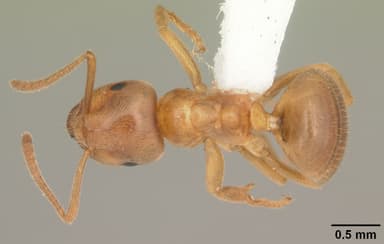
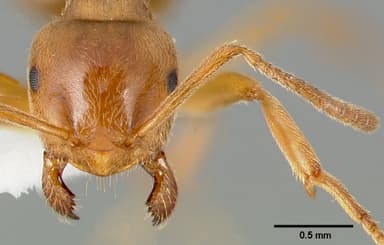
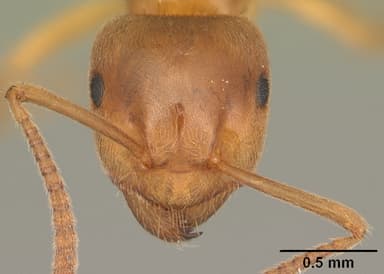
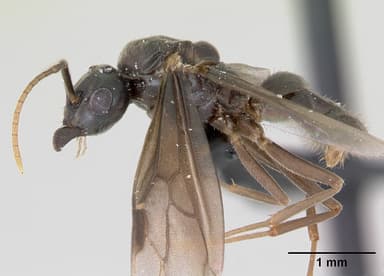
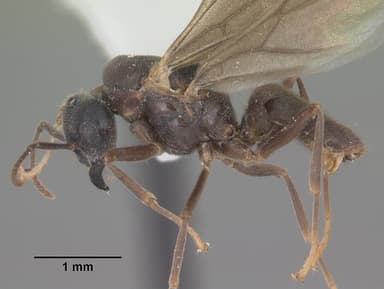
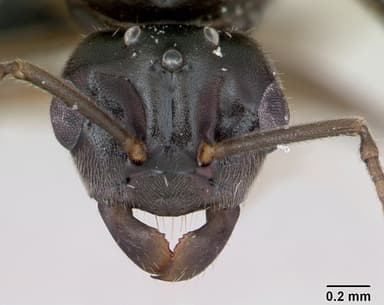
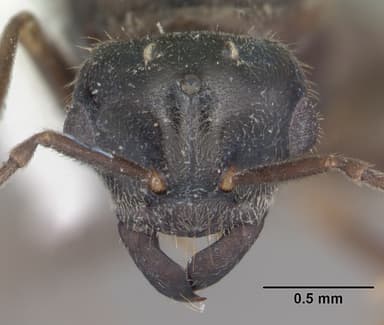
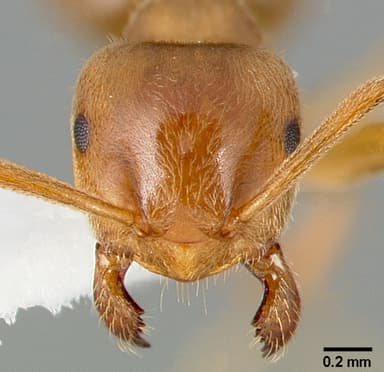
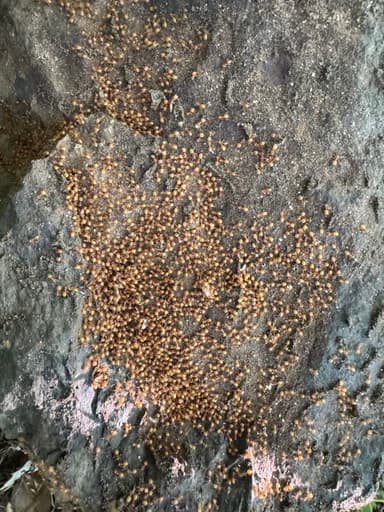
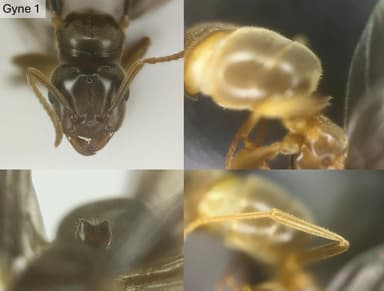
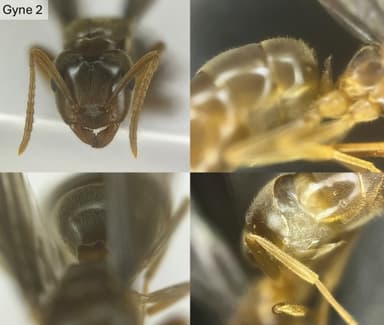
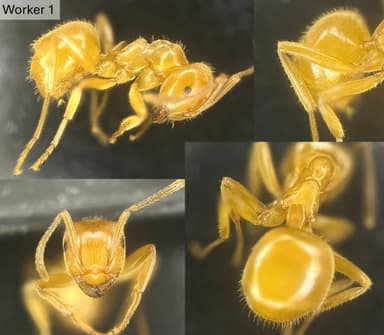
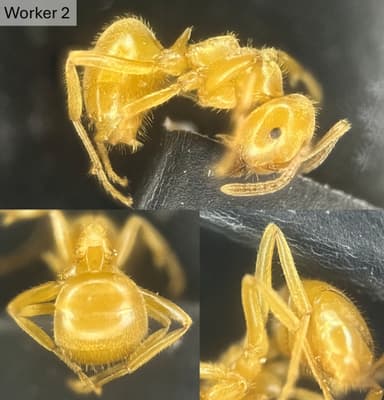
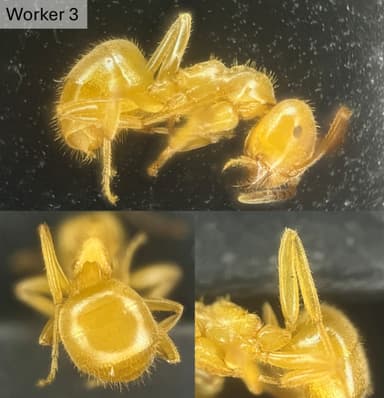
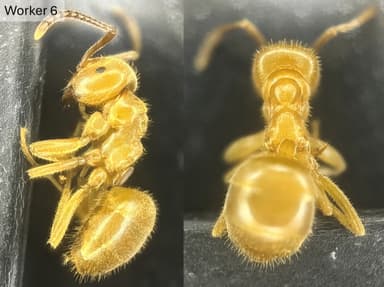
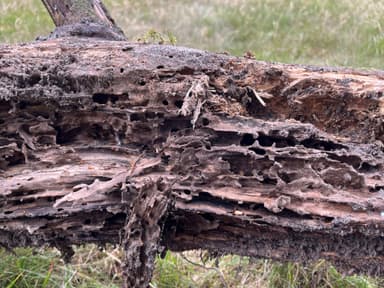
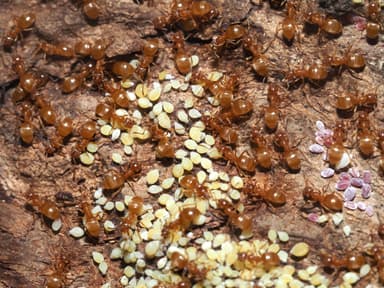
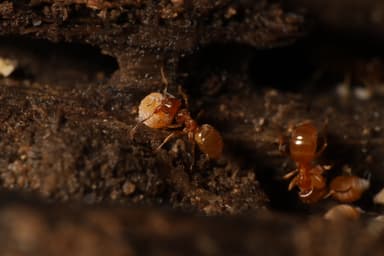
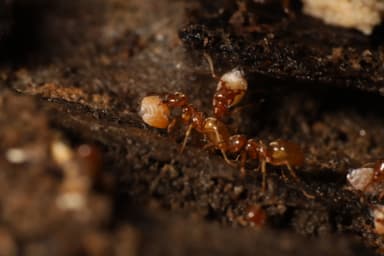
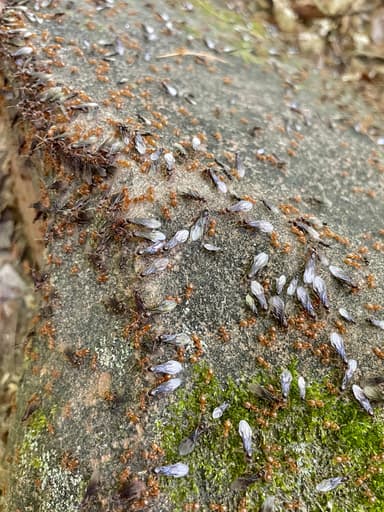
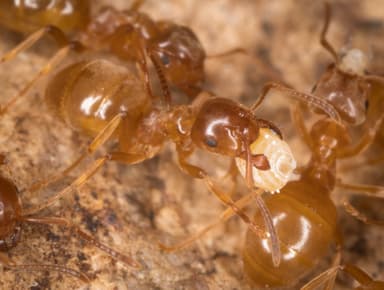
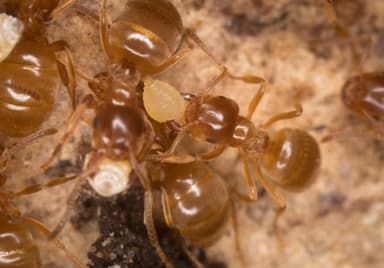
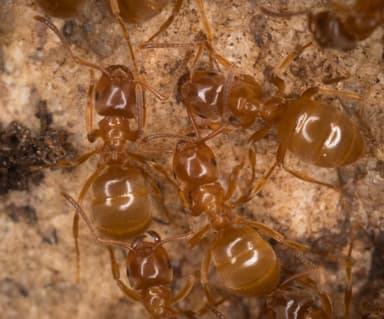
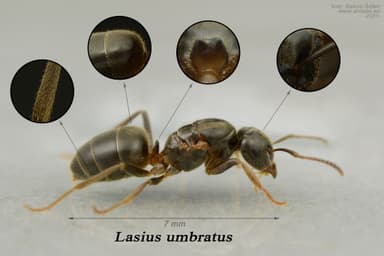
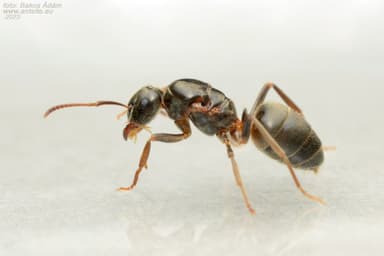
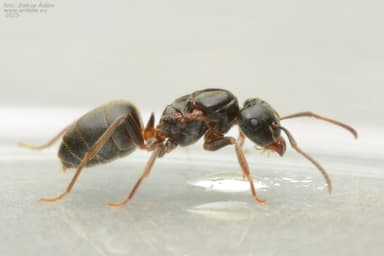
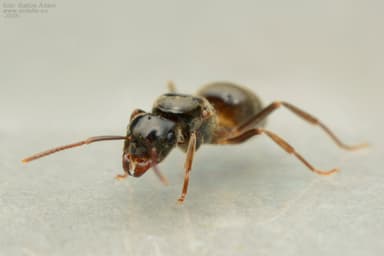
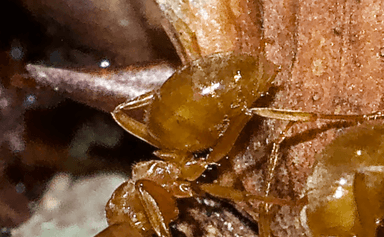
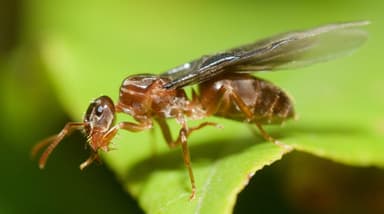
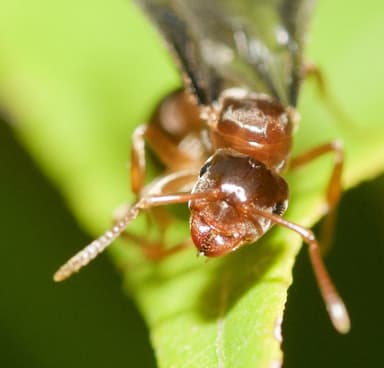
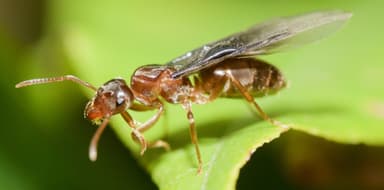
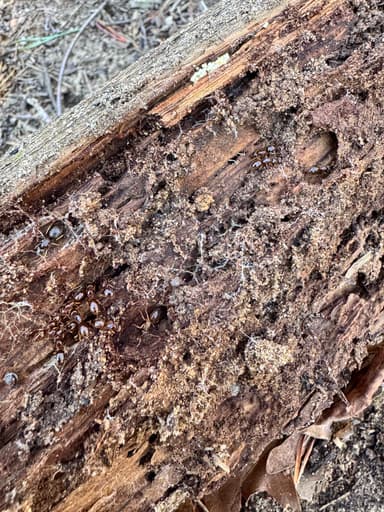
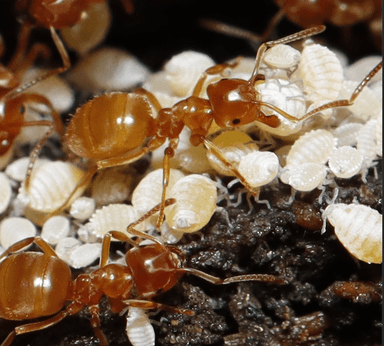
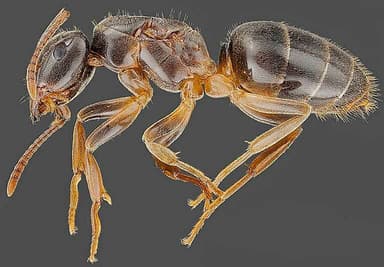
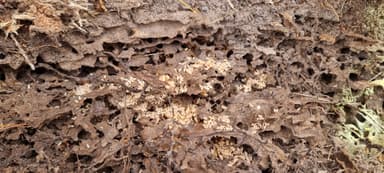
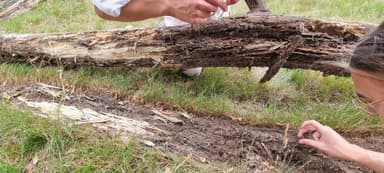
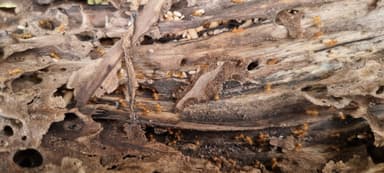
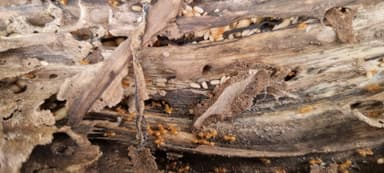
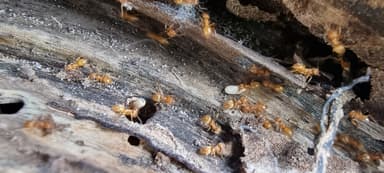
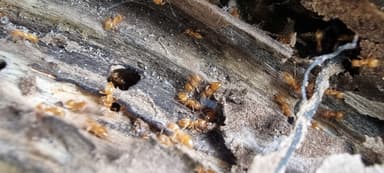
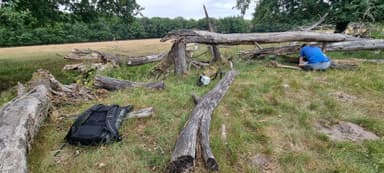
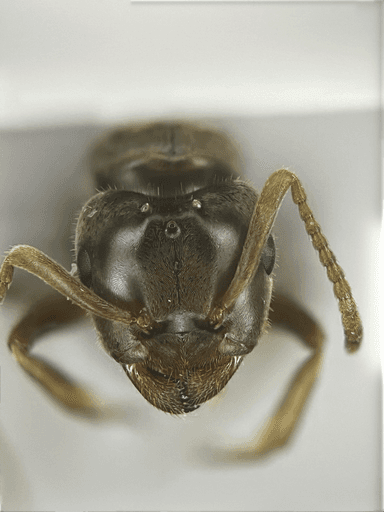
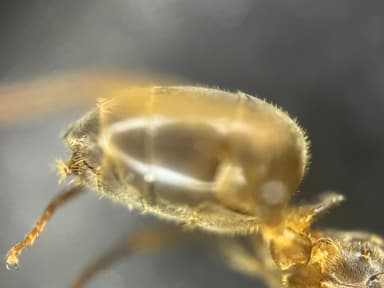
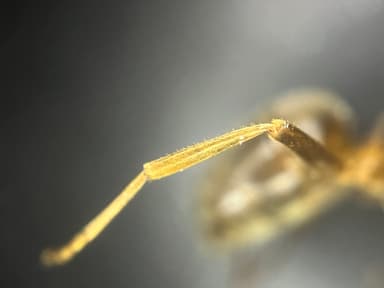
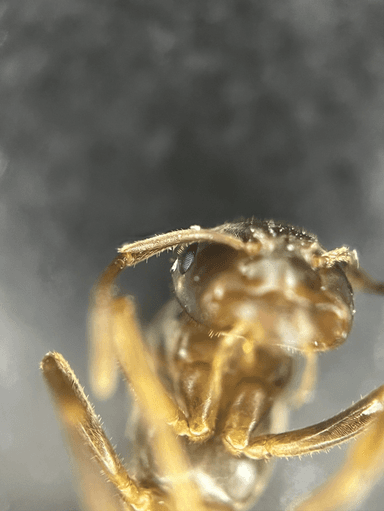
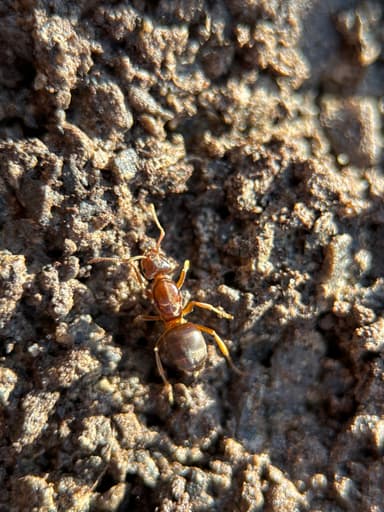
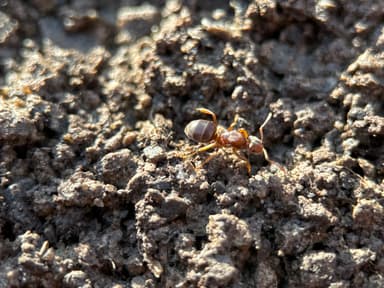
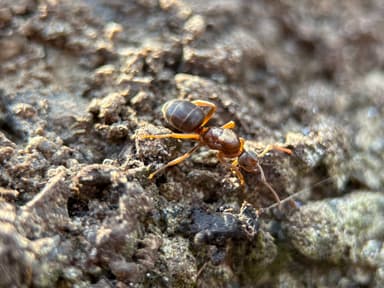
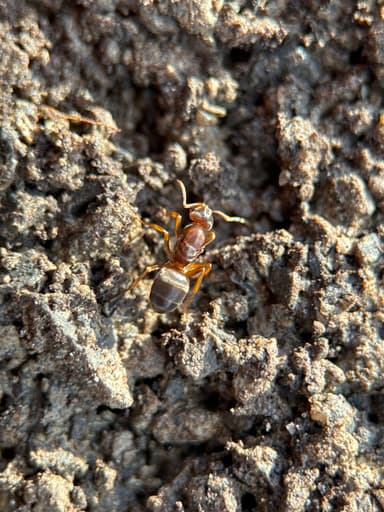
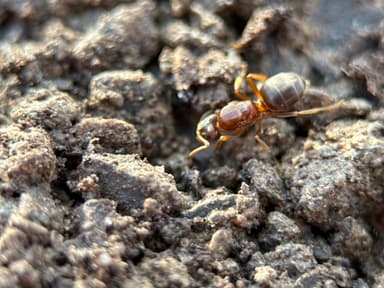
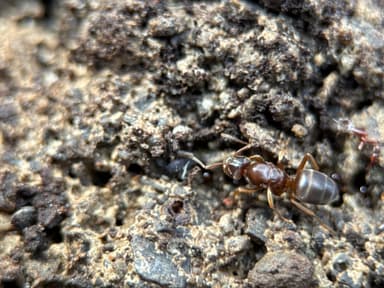
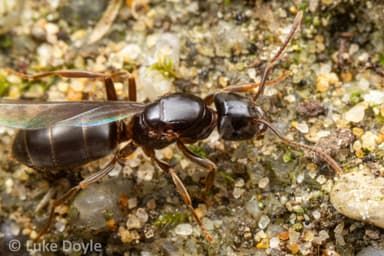
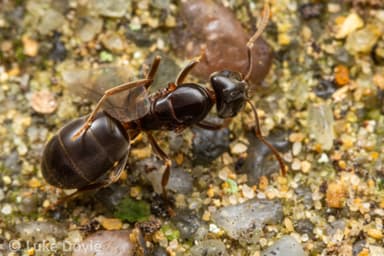
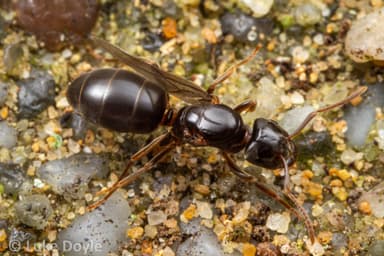
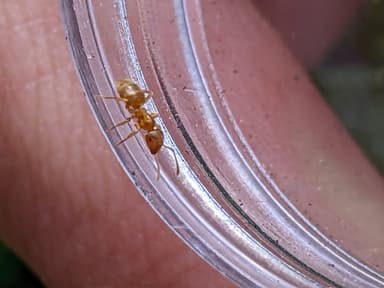
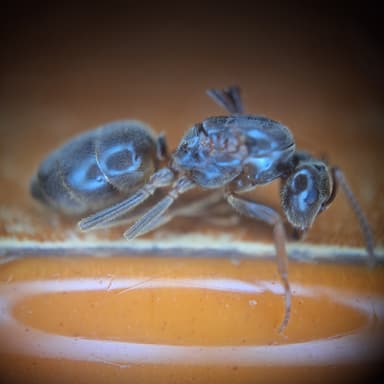
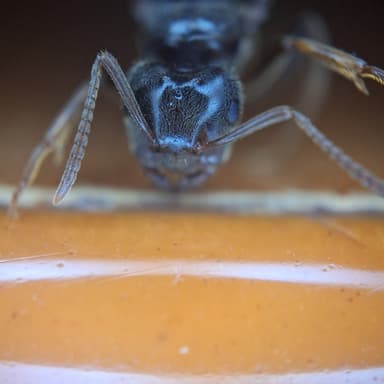
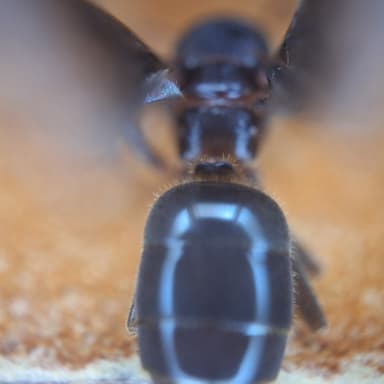
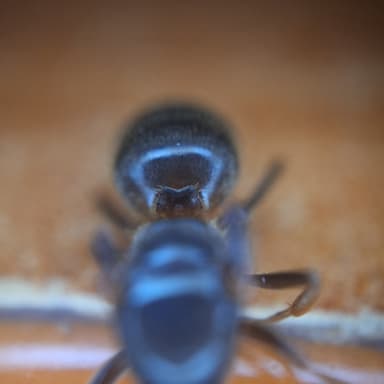
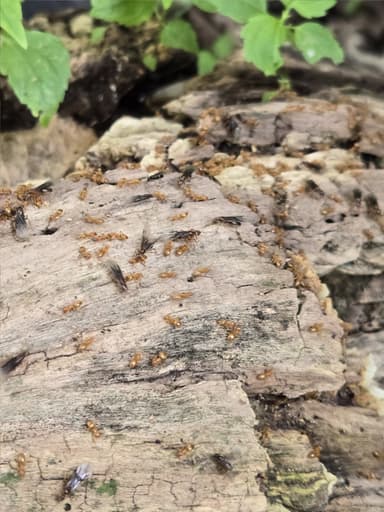
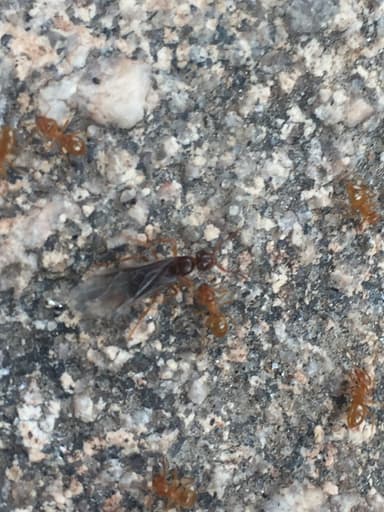
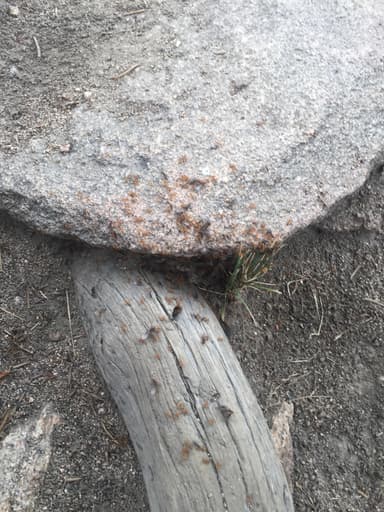
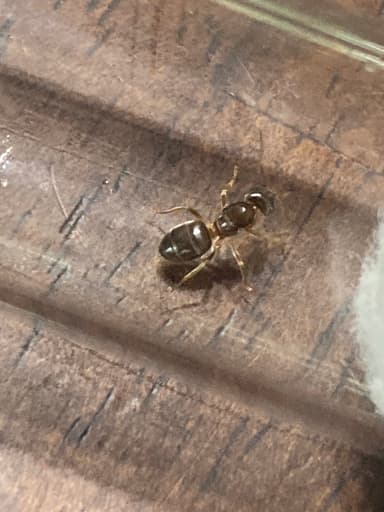
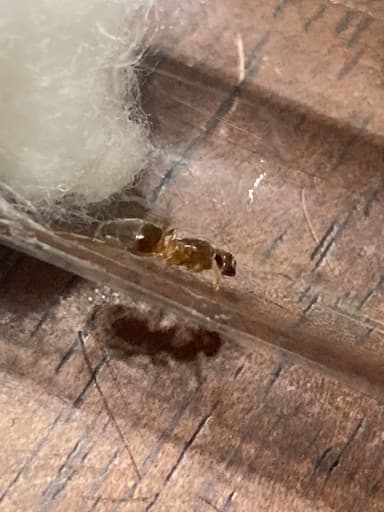
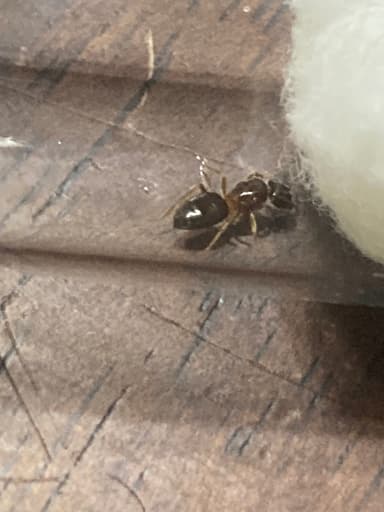
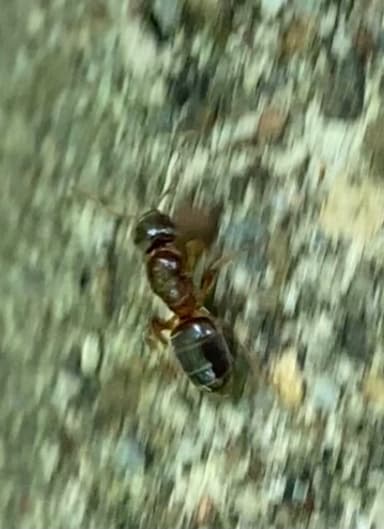
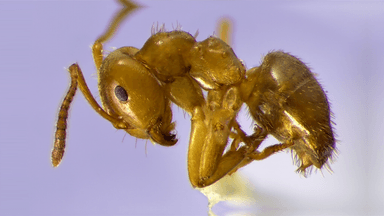
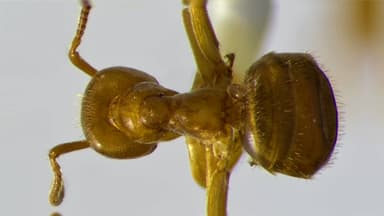
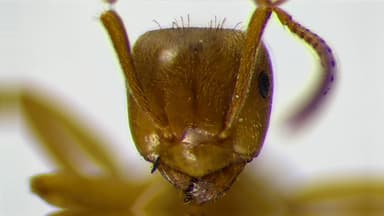
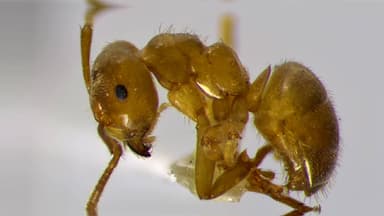
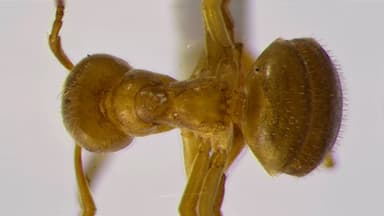
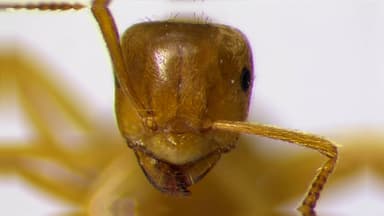
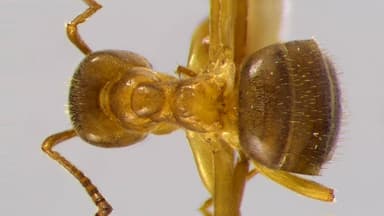
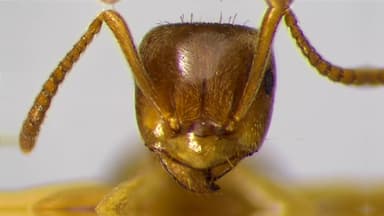
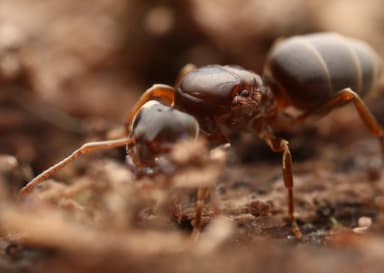
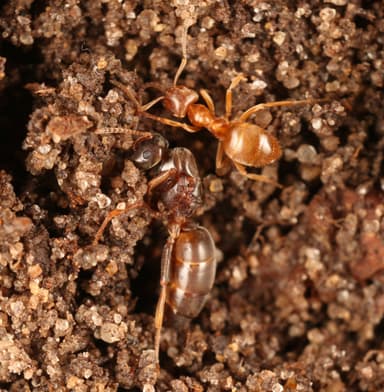
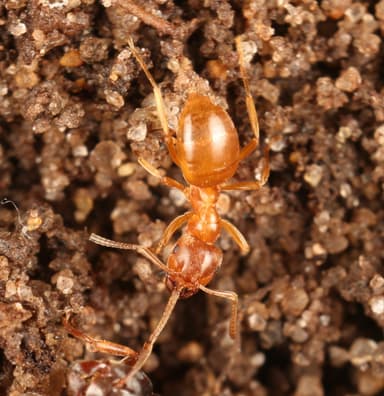
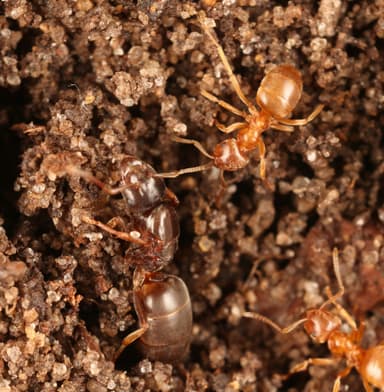
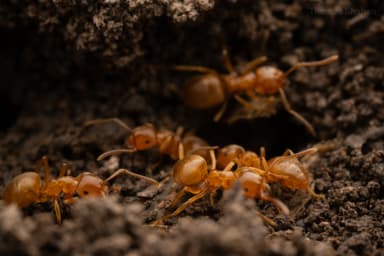
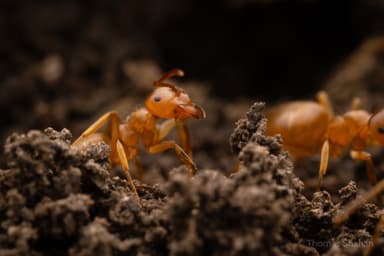
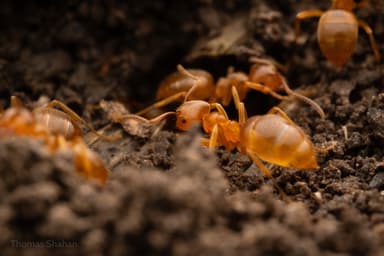
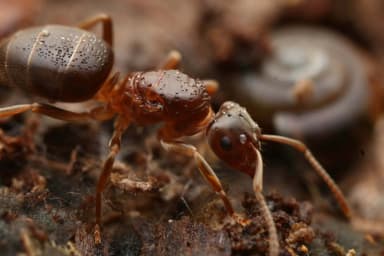
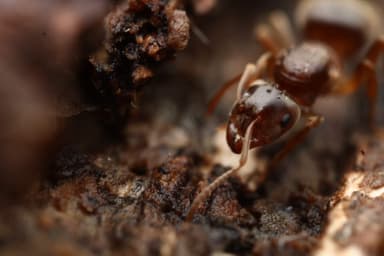
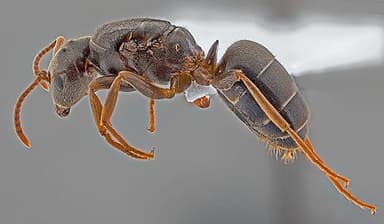
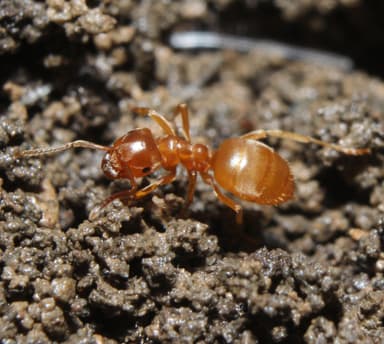
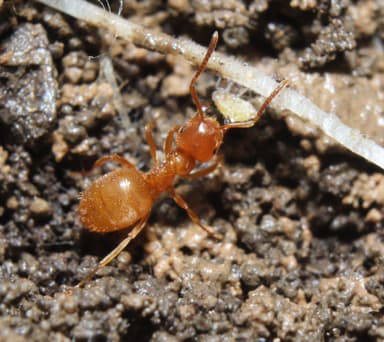
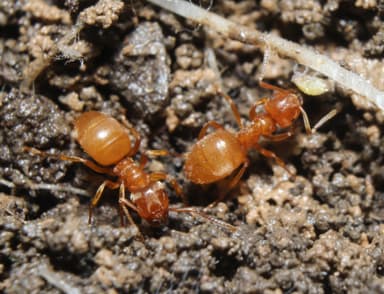
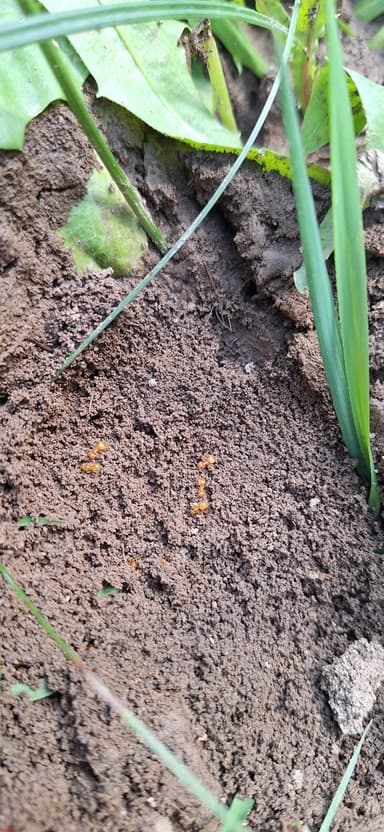
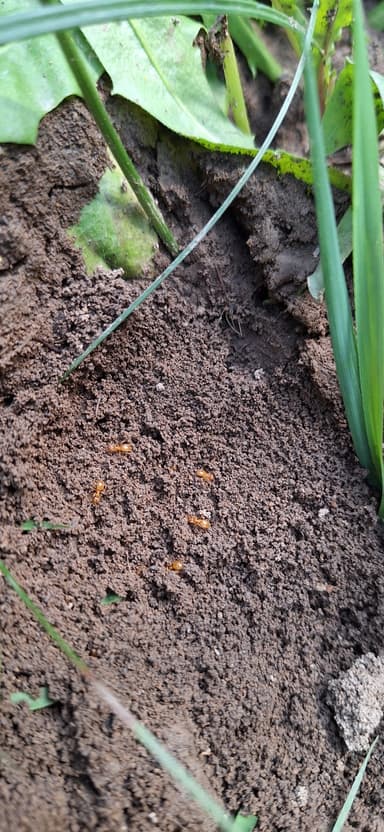
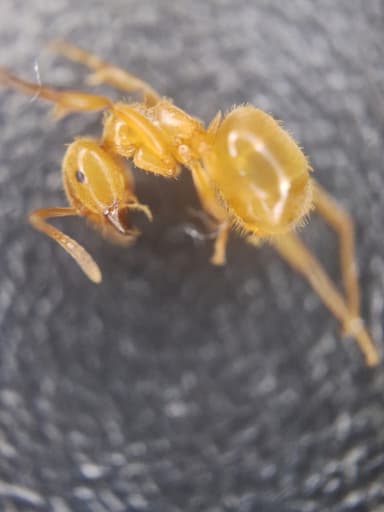
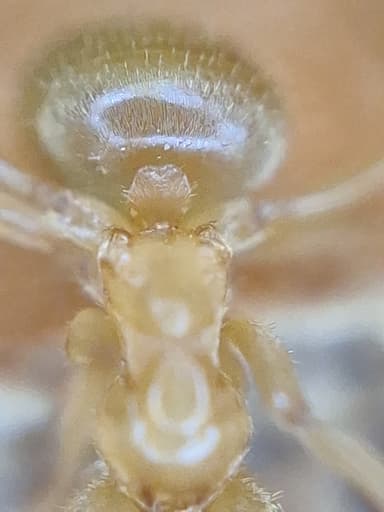
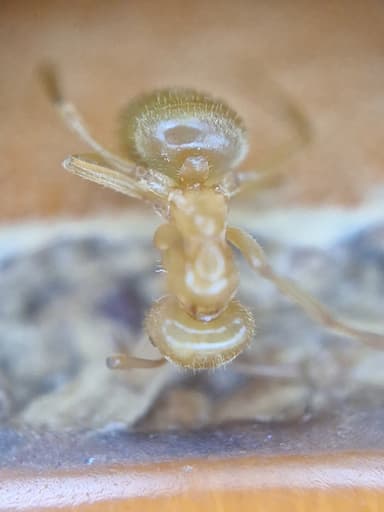
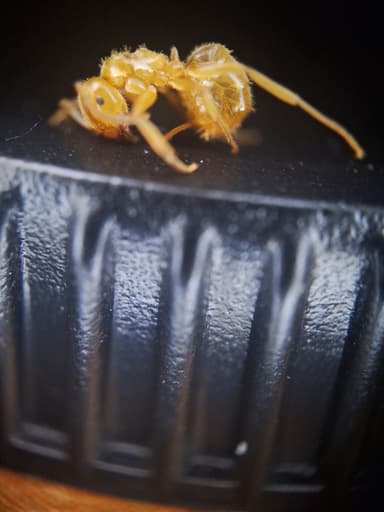
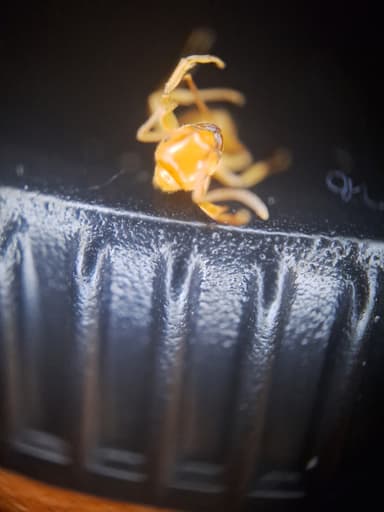
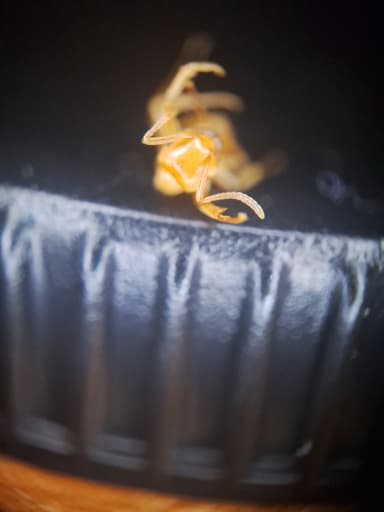
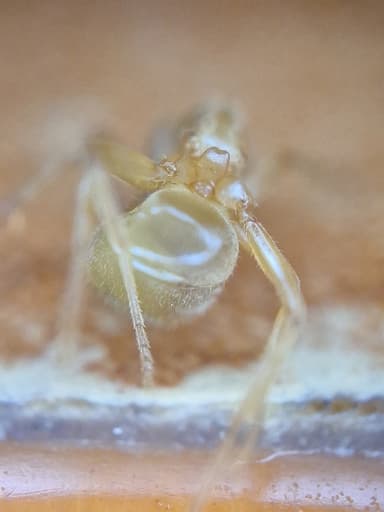
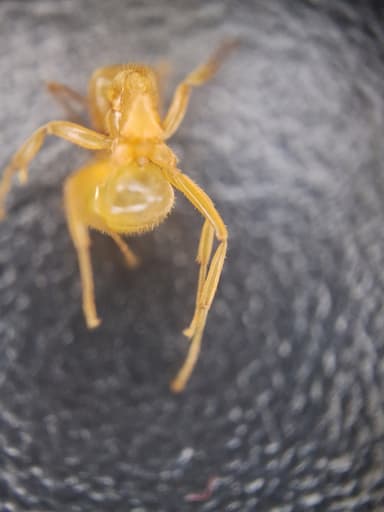
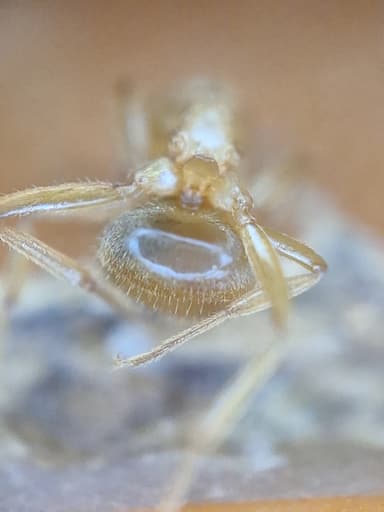
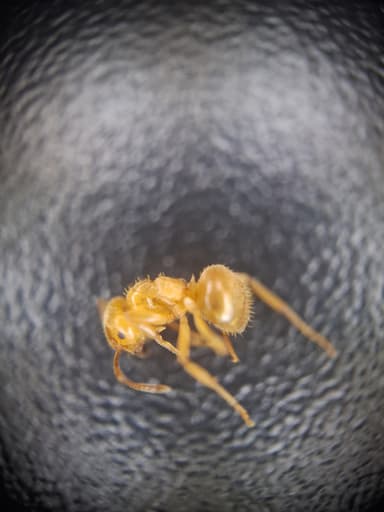
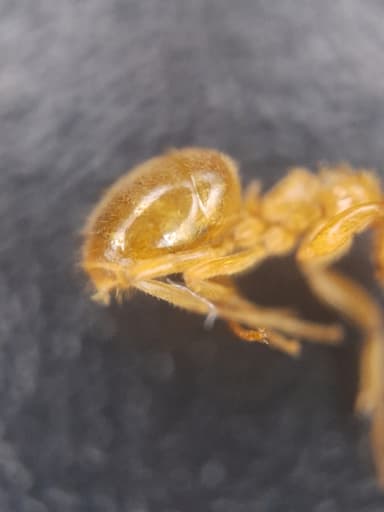
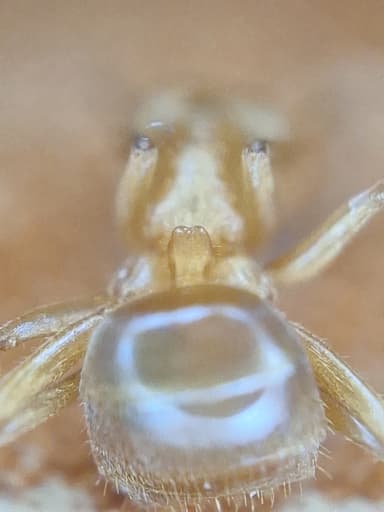
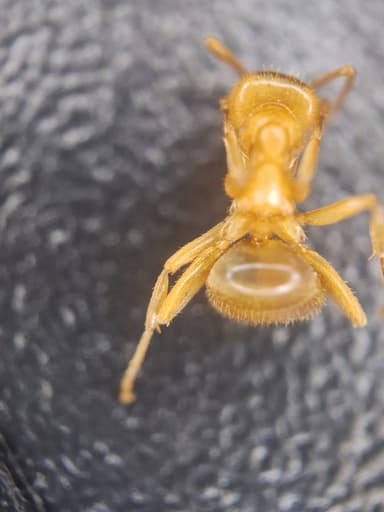
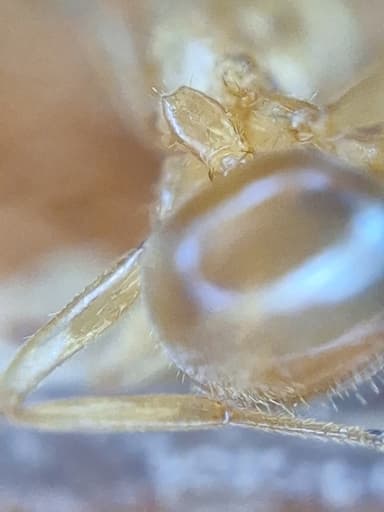
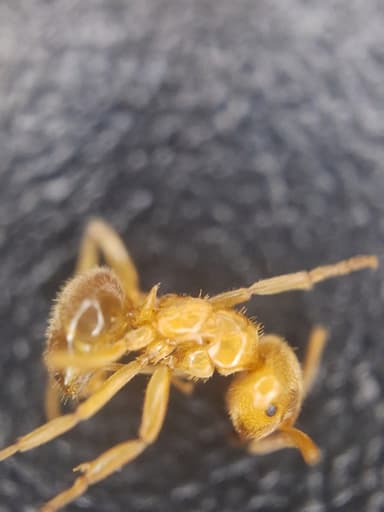
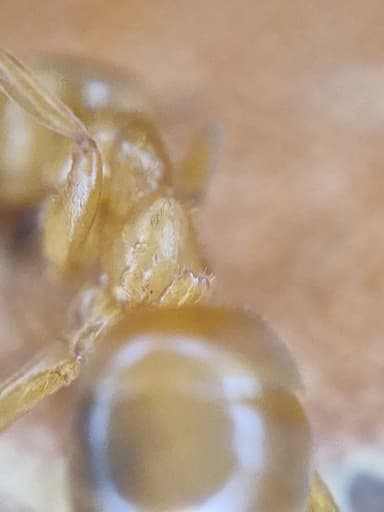
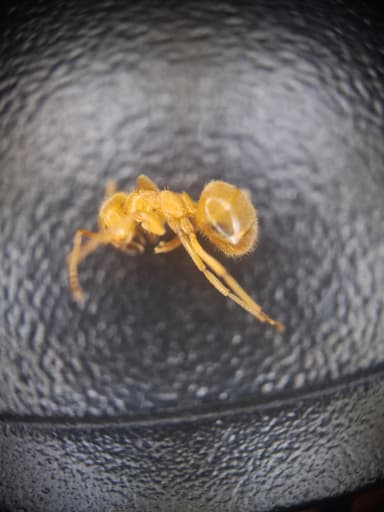
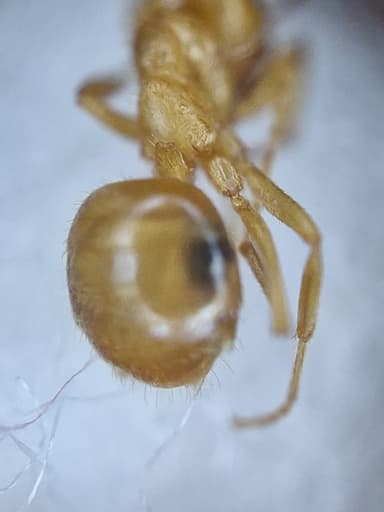
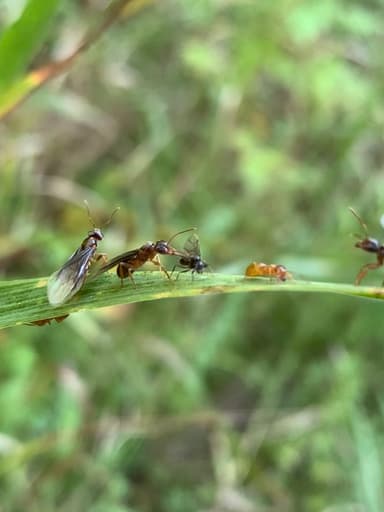
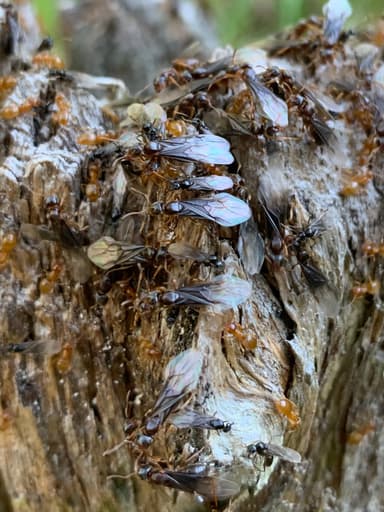
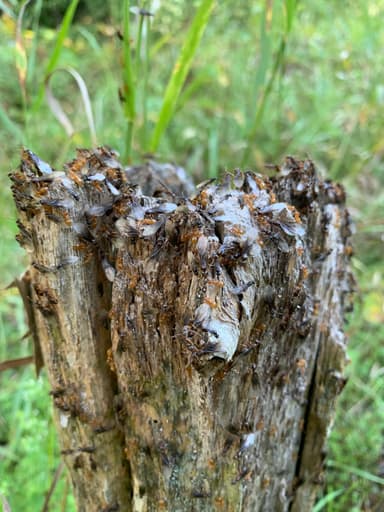
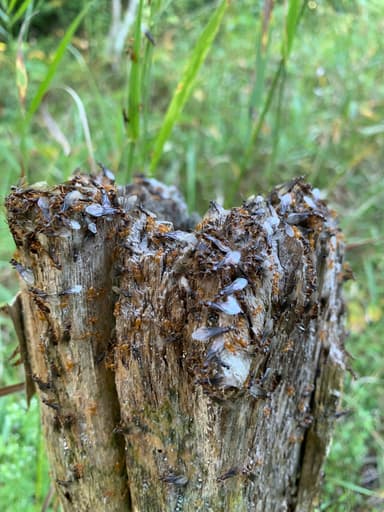
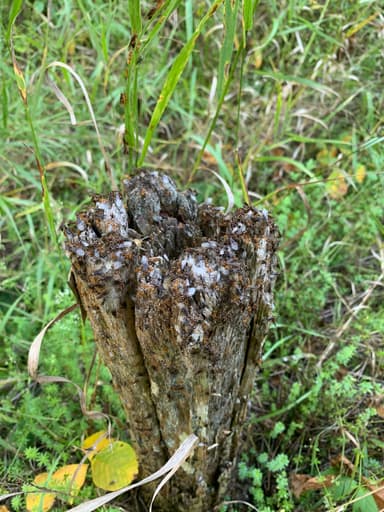
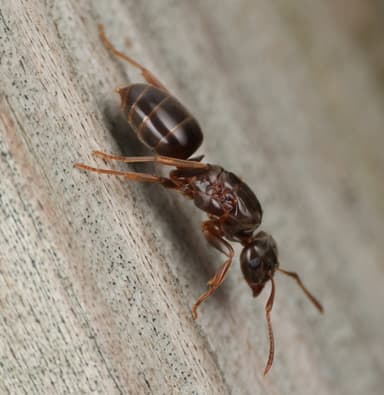
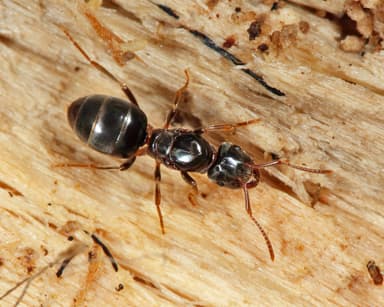
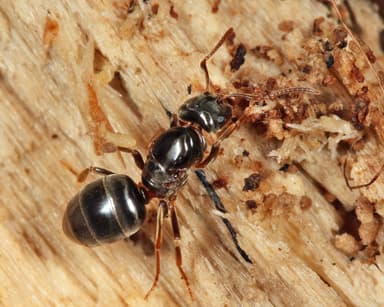
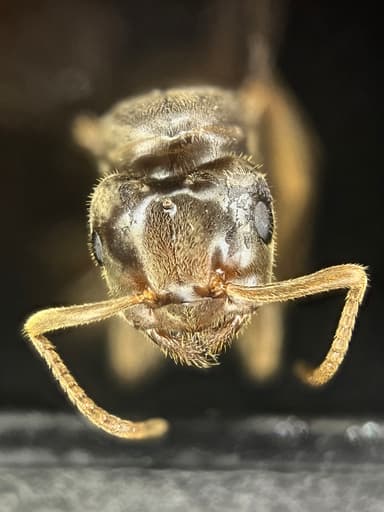
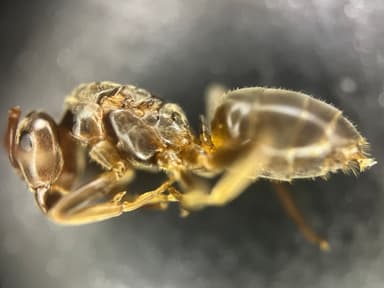
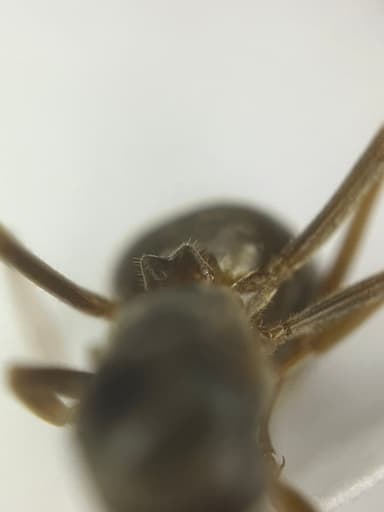
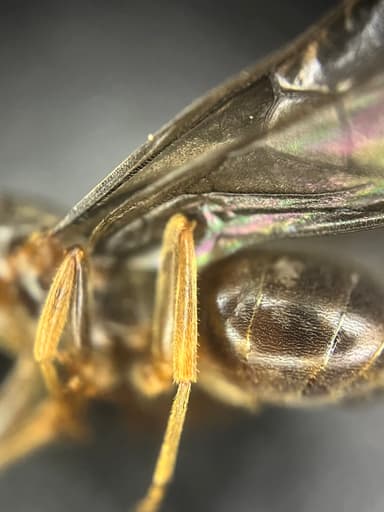
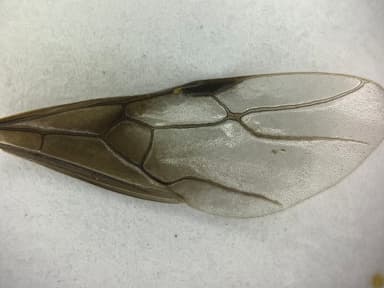
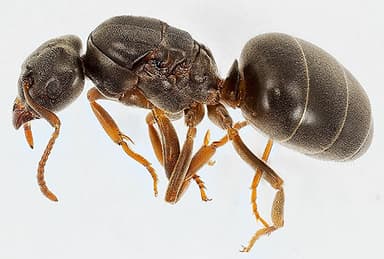
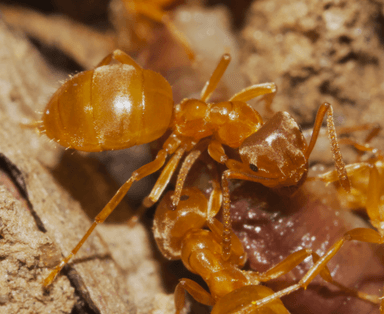
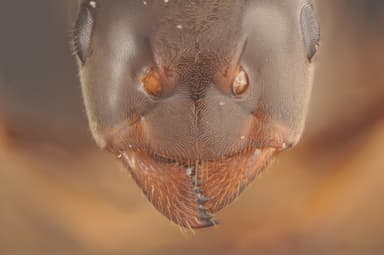
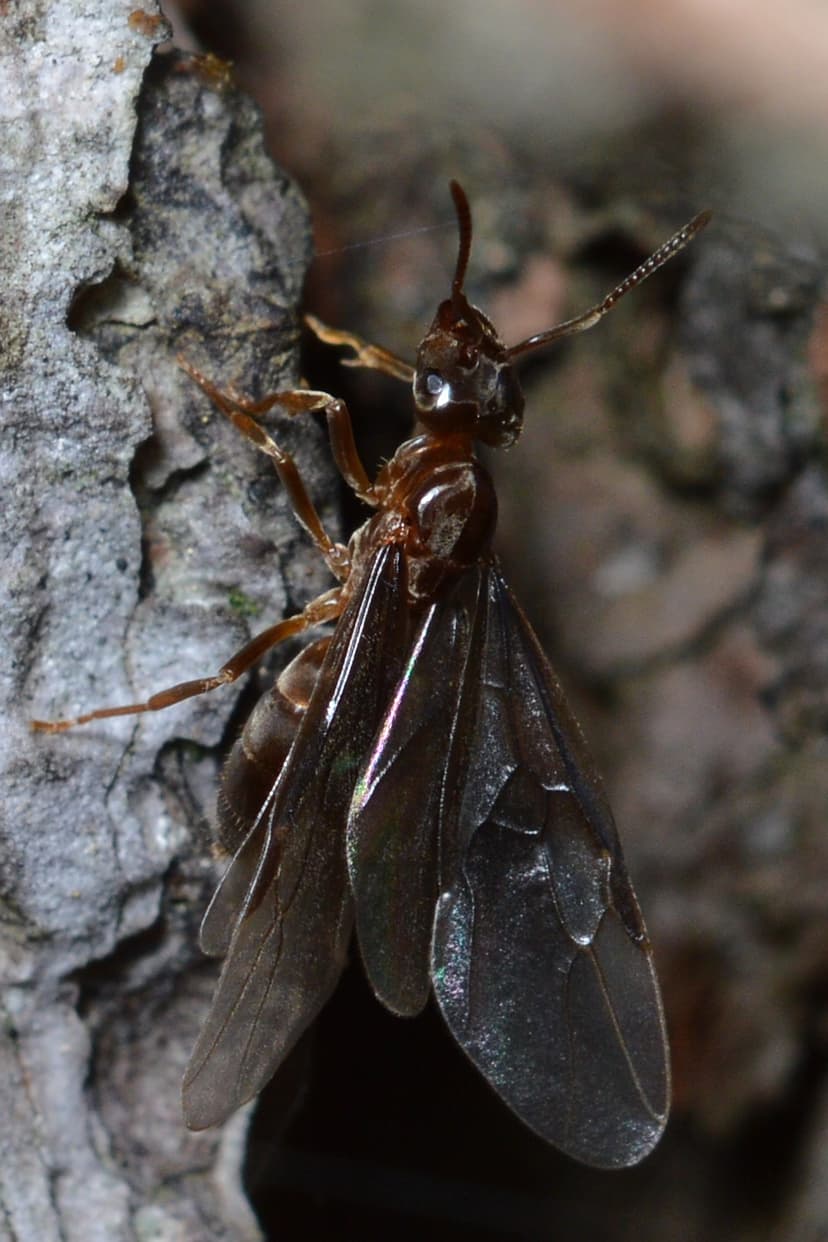
Lasius umbratus is a fascinating yet demanding ant that captivates experienced keepers with its strange and secretive lifestyle. This species belongs to the subgenus Chthonolasius, the temporary social parasites, meaning a newly mated queen cannot start a colony on her own. Instead, she must infiltrate an existing nest of a host species, typically Lasius niger or Lasius platythorax, kill or usurp the resident queen, and trick the host workers into raising her own brood. Over time the host workers die off and a pure L. umbratus colony emerges. Workers are monomorphic, ranging from 3.5 to 5 mm in length, with a smooth, shining cuticle that varies from pale yellowish-brown to darker brown. Queens are noticeably larger, measuring 6.5 to 9 mm, and can lay enough eggs to produce colonies that eventually number up to 100,000 individuals. In the wild, these ants are subterranean, often nesting under deep stones or in rotting wood, and they are rarely seen on the surface except during their spectacular late-summer nuptial flights. Throughout Central and Northern Europe, alates fly on warm, humid afternoons in August through October, especially after rain, with temperatures around 20–25°C and low wind; in northern North America flights occur in August and September under similar conditions.
As the research data and all major sources confirm, Lasius umbratus is strictly an expert-level species. Its parasitic founding strategy is the primary hurdle: you cannot simply place a queen in a tube and wait for her to produce workers. Success requires careful timing, access to healthy host brood and workers, and a good deal of patience. Even after the colony is established, it remains sensitive to environmental fluctuations. This ant is recommended only for hobbyists who have already successfully kept other socially parasitic species or who possess a solid understanding of Lasius biology and a willingness to monitor the colony closely. The reward for that expertise is a thriving, populous colony that exhibits remarkable underground tunneling behaviour and the subtle charm of a species that truly keeps its keeper on their toes.
Housing must replicate the cool, humid environments of the species’ native range, which extends across a broad swath of the Holarctic from Europe to North America, as indicated by occurrence data stretching as far west as -125° longitude and as far east as 145° longitude, between latitudes 35° and 65° N. Temperatures should be kept between 18 and 25°C, with a relative humidity of 55–75%. Avoid letting the nest dry out, as these ants are accustomed to the stable moisture of deep soil and decaying wood. A variety of nest types can work well: ytong or gypsum nests with a hydration layer, soil-filled setups that allow natural digging, or even test-tube arrays for young colonies. If using a soil substrate, a mix of sand and loam holds moisture effectively and supports their instinctive tunnelling. Good ventilation is crucial to prevent mould, but it must be balanced against the risk of dessication. A temperature gradient is beneficial, allowing the ants to move to cooler or warmer areas as needed; a gentle heat mat placed under one end of the nest is often sufficient.
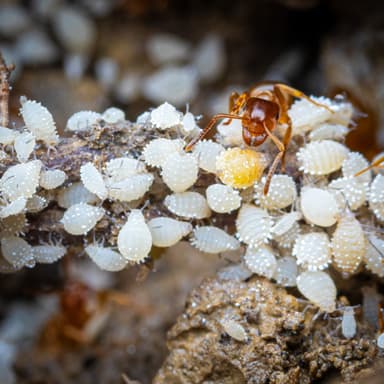
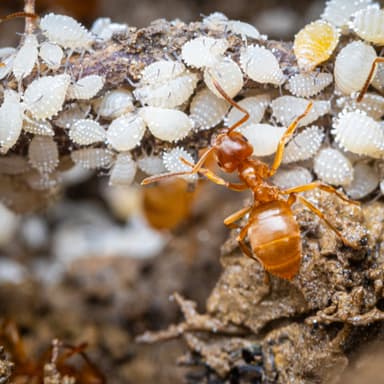
In the wild, Lasius umbratus is omnivorous with a heavy reliance on the honeydew of root-feeding aphids and scale insects, which they tend inside their underground galleries (Seifert 2018). In captivity, you can replicate this carbohydrate-rich diet by offering diluted honey, maple syrup, or a commercial ant nectar. Protein sources should consist of small, soft-bodied insects such as fruit flies, freshly killed mealworms, or chopped crickets, provided two to three times a week. Workers are modest foragers and rarely roam far from the nest, so place food near the nest entrance. A constant supply of fresh water is essential; a test-tube waterer or a moist cotton ball works well. Very small colonies may not need much food, but as the worker population grows, increase feeding frequency and quantity. Remove uneaten prey promptly to prevent mould and mite outbreaks.
Hibernation is not optional for this species — it is a biological imperative. Lasius umbratus colonies must experience a cold winter diapause at around 5°C to remain healthy and productive. A typical hibernation lasts three to four months, from November to late February or early March. During this period the ants become inactive, clustering together in their nest. You can achieve stable cool temperatures by placing the formicarium in a wine cooler, a dedicated ant fridge, or an unheated cellar that reliably stays within the target range. Reduce carbohydrate feeding in the weeks leading up to hibernation, and stop protein entirely about two weeks before cooling. After slowly warming the colony back to room temperature in spring, resume feeding with small amounts of sugar water and a delicate insect after a day or so. A well-executed hibernation triggers egg-laying and ensures the queen’s longevity.
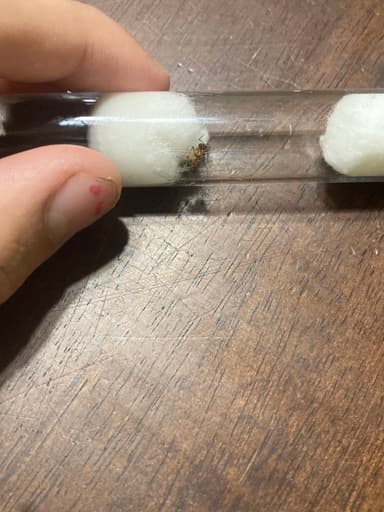
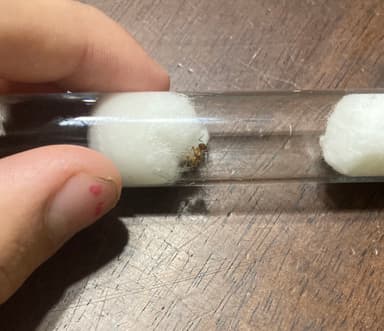
When your Lasius umbratus colony first arrives, it is almost certainly already past the parasitic founding stage — a small queen with a cohort of her own workers. Allow them to settle undisturbed for 24 to 48 hours in the setup you have prepared. Provide a darkened environment and check that the temperature and humidity are within the ideal range. For the first feeding, offer a tiny dab of honey on a piece of wax paper and a pre-killed fruit fly, placing both close to the nest entrance. Do not be alarmed if the ants seem shy or reluctant to forage for the first few days; they are still acclimating. Watch for any signs of mite infestation, which can be particularly dangerous for a young colony. After the first week, you can gradually move the food source a little farther from the nest to encourage some exploration, but keep disturbances to a minimum. Frequent vibrations or bright lights can stress a colony that is primarily subterranean by nature. With careful attention to their secretive rhythms, a founder colony can grow into a formidable underground metropolis that offers a unique window into the hidden world of social parasitic ants.