Formica
Formica rufibarbis
Nuptial Flight Calendar
Flight months: Jun, Jul, Aug
Care Guide
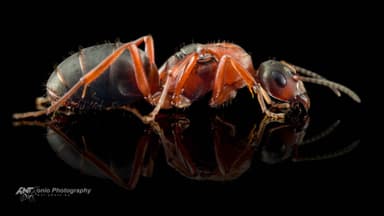
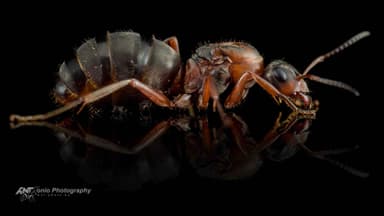
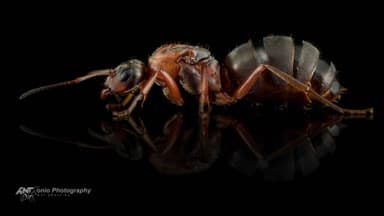
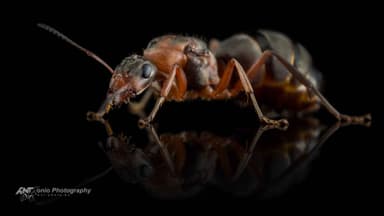
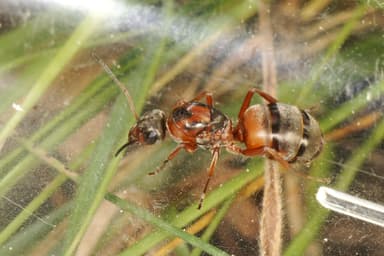
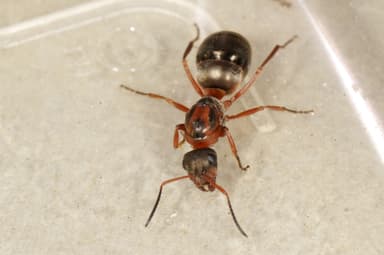
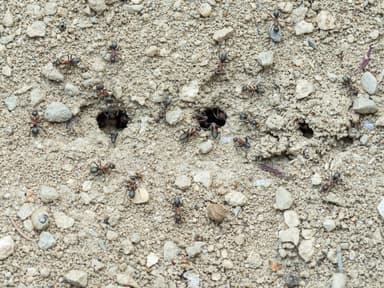
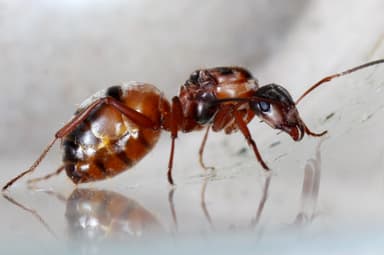
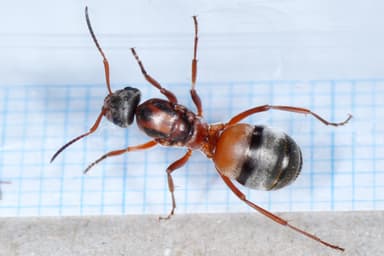
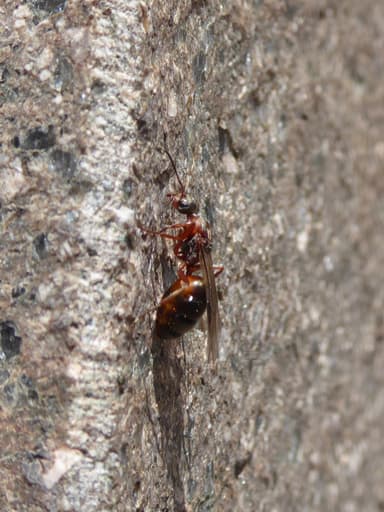
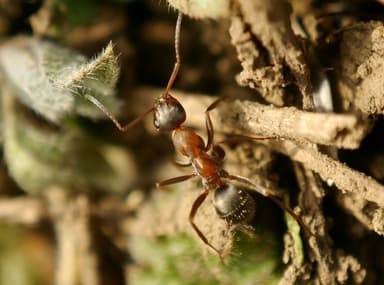
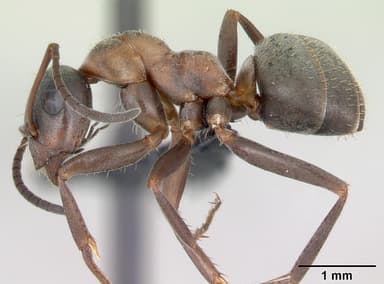
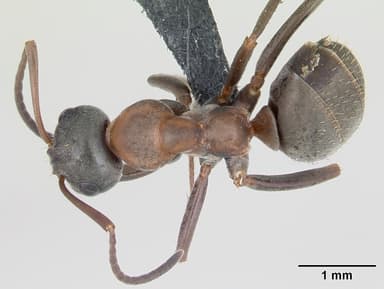
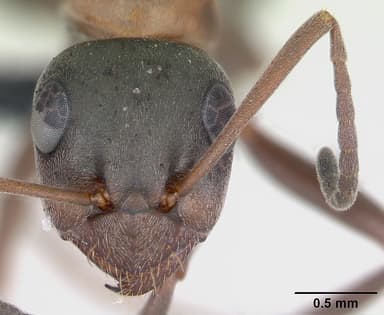
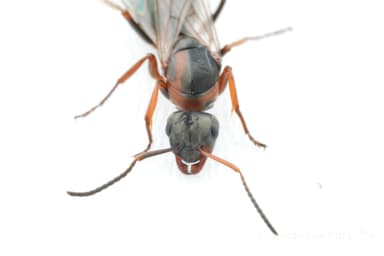
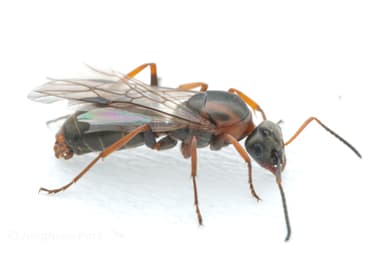
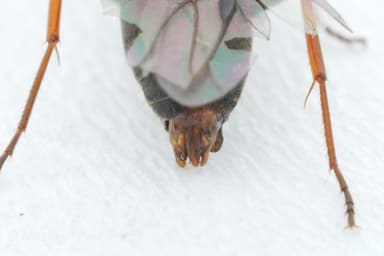
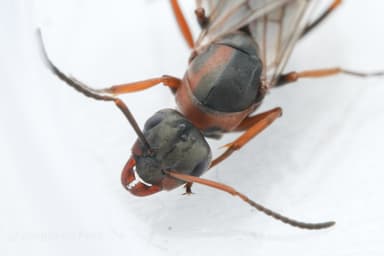
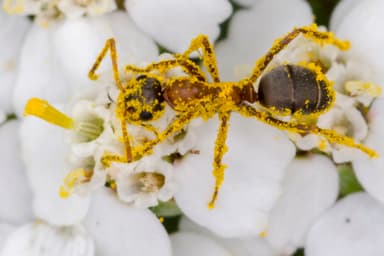
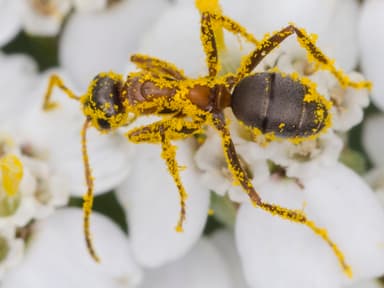
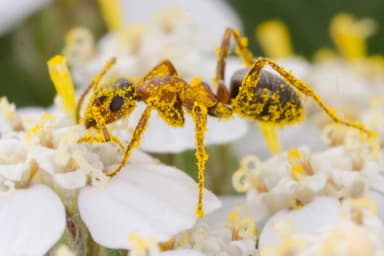
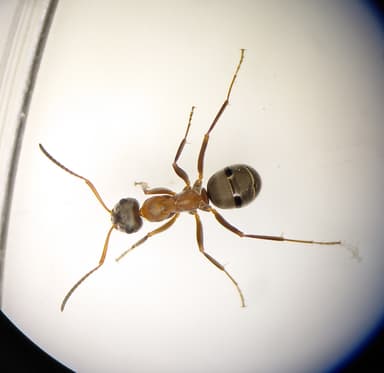
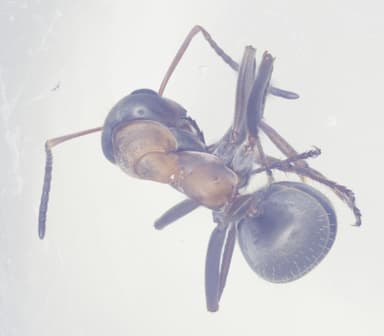
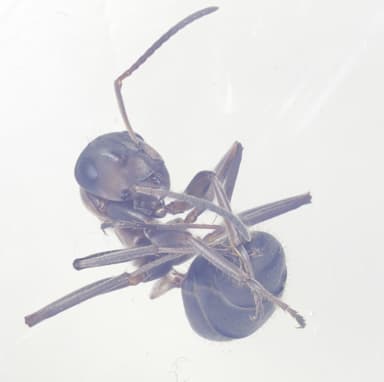
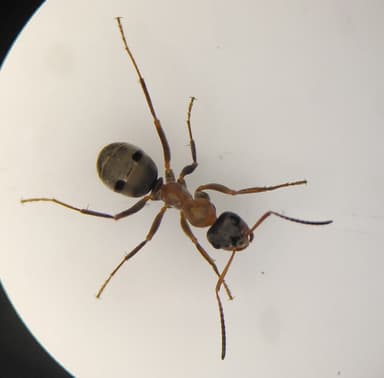
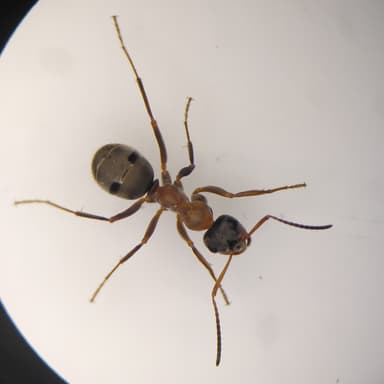
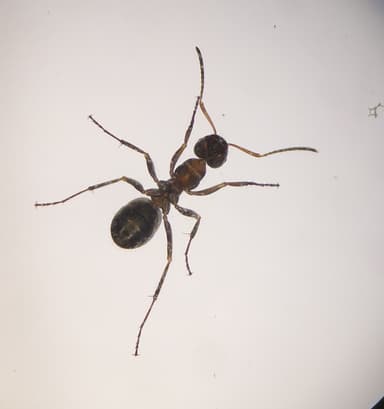
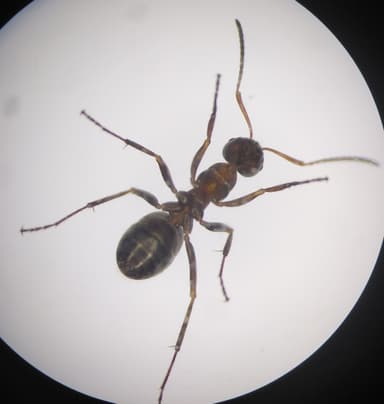
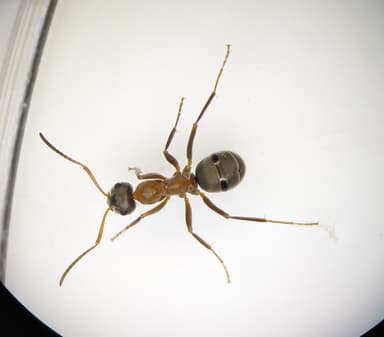
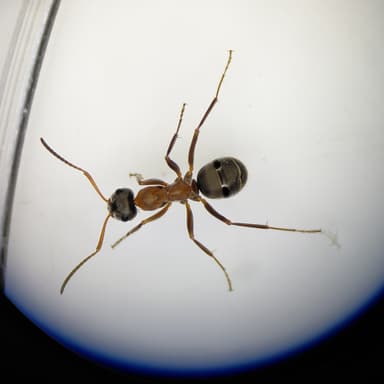
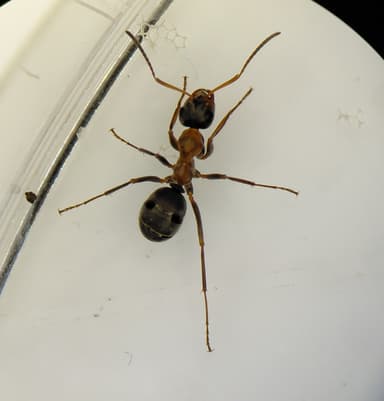
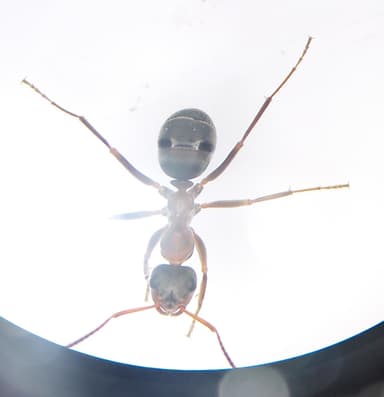
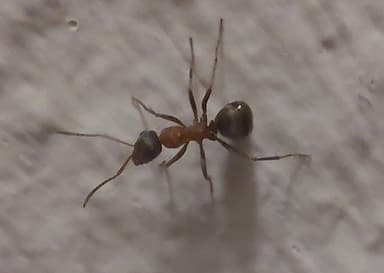
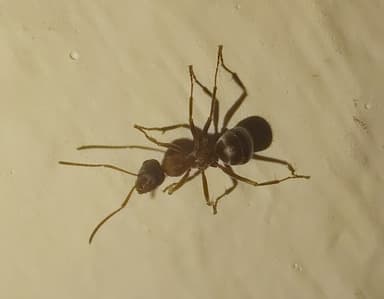
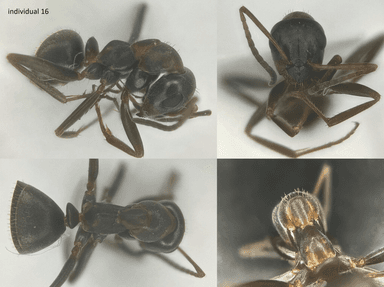
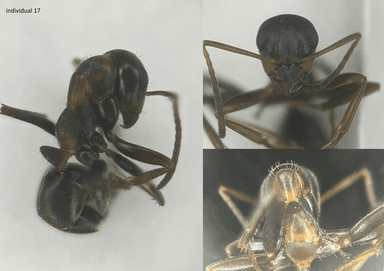
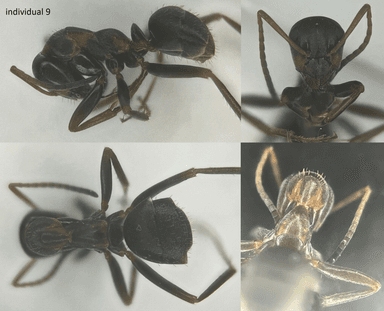
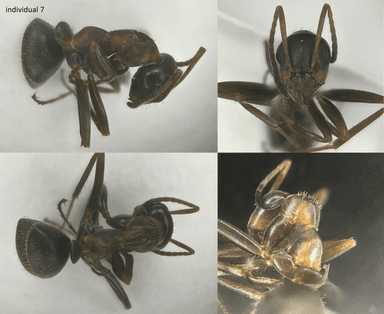
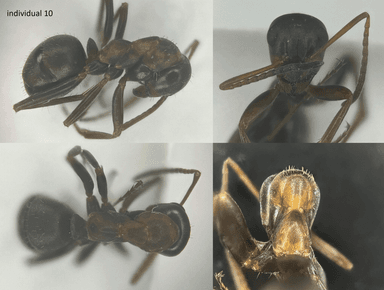
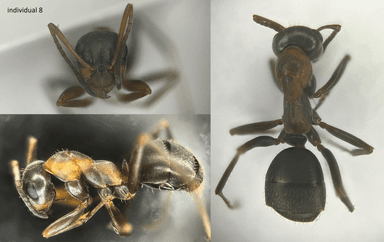
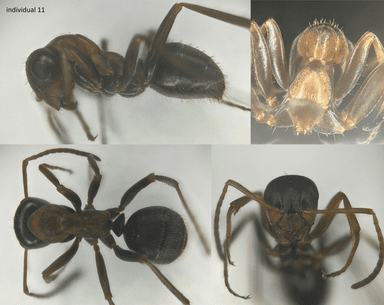
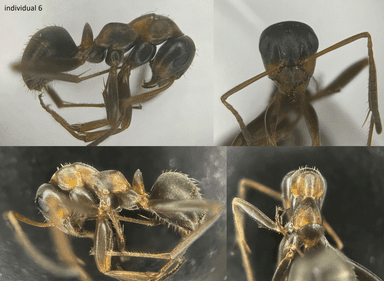
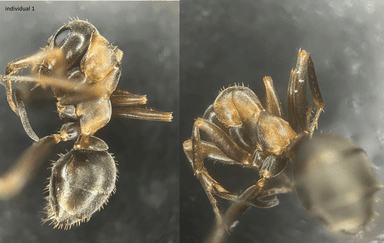
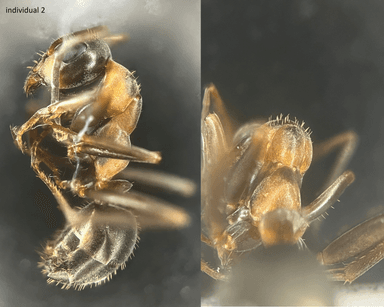
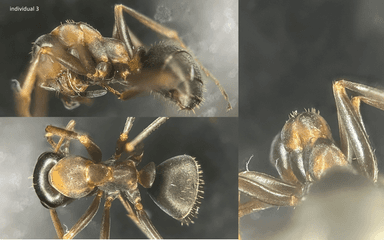
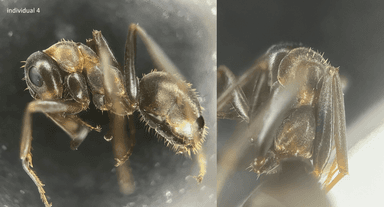
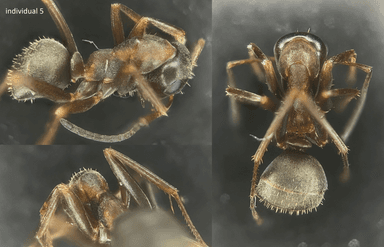
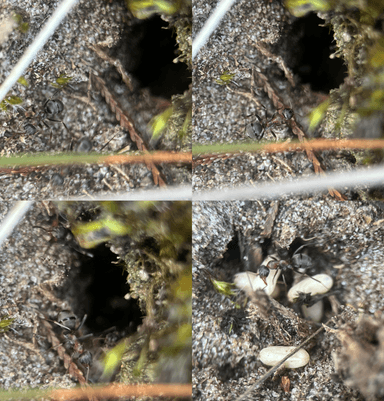
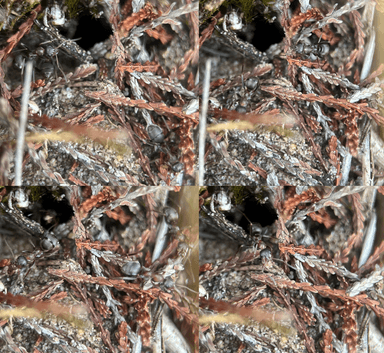
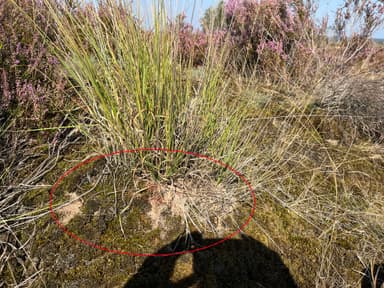
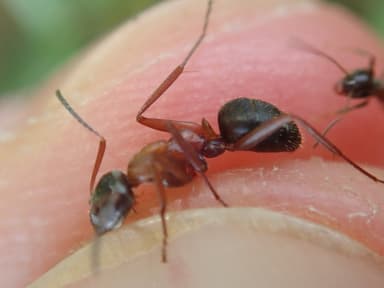
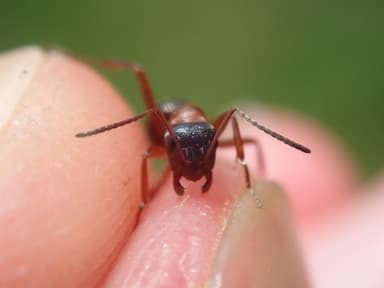
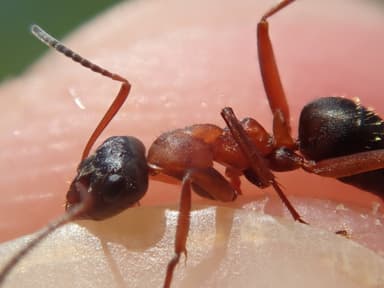
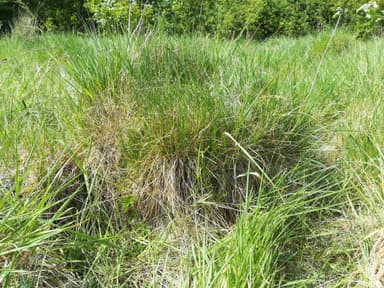
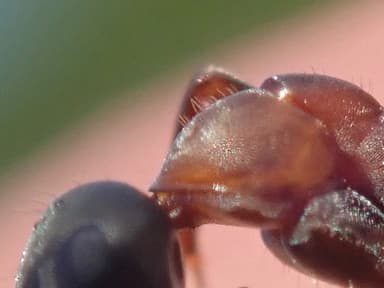
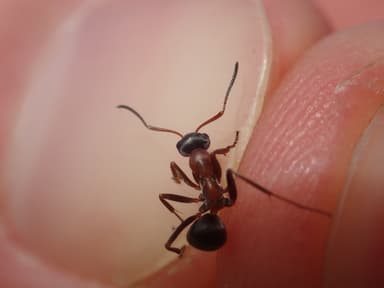
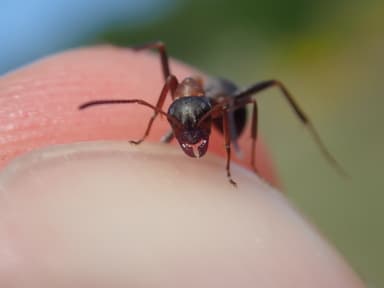
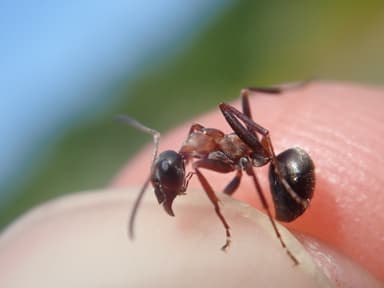
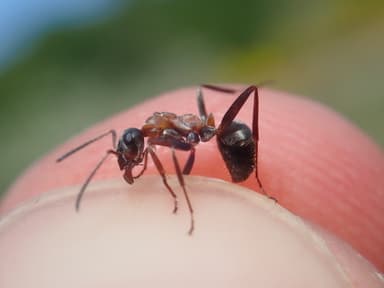
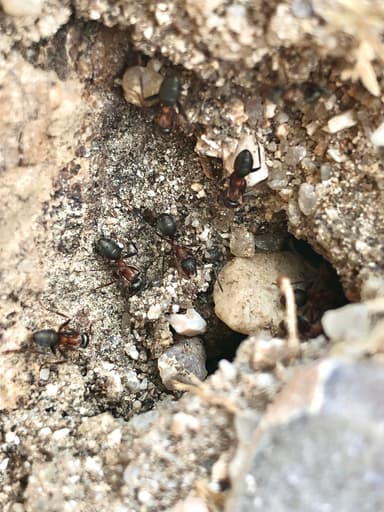
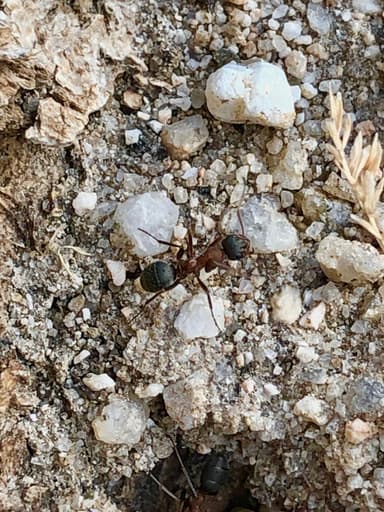
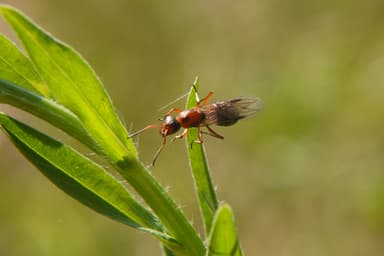
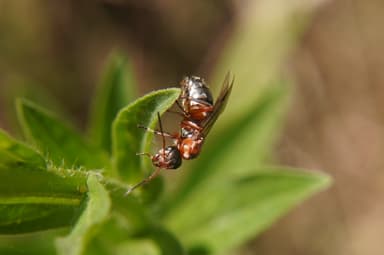
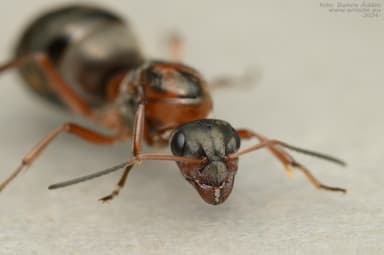
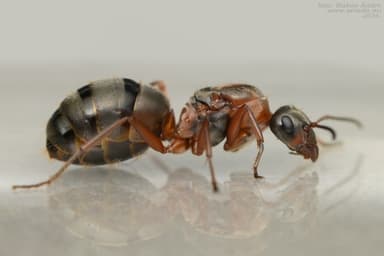
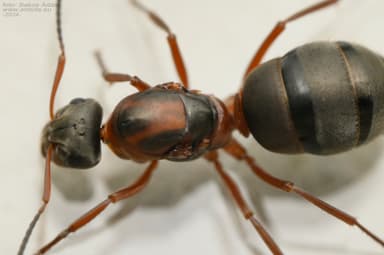
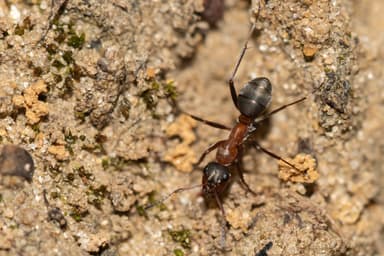
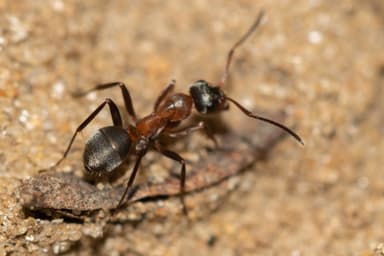
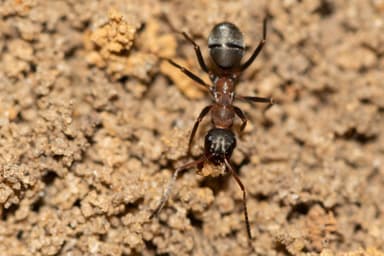
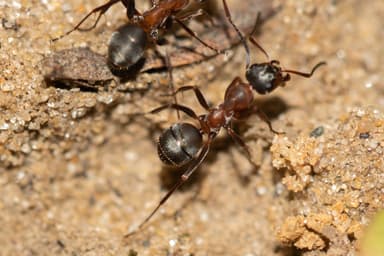
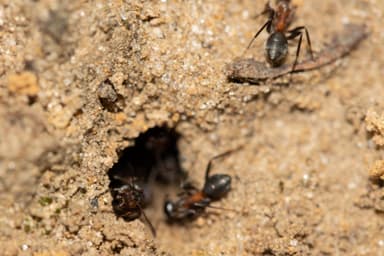
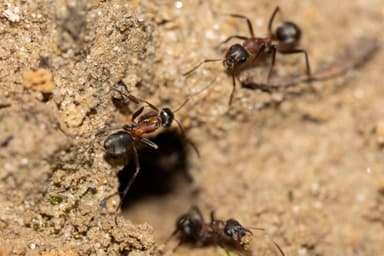
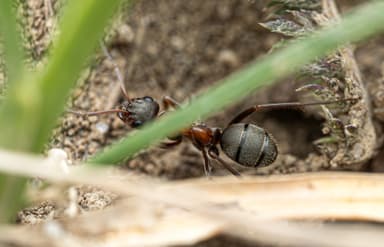
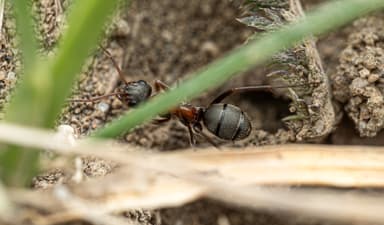
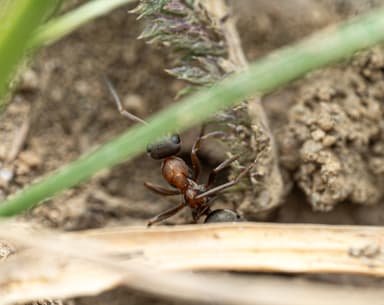
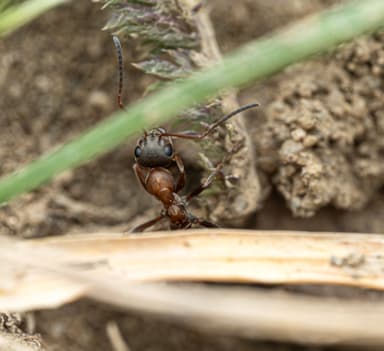
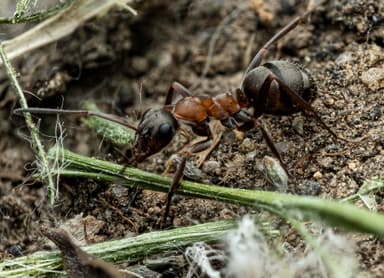
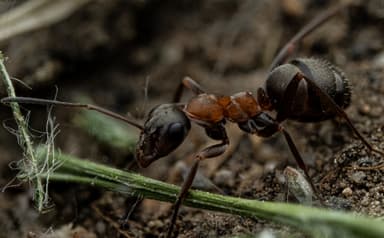
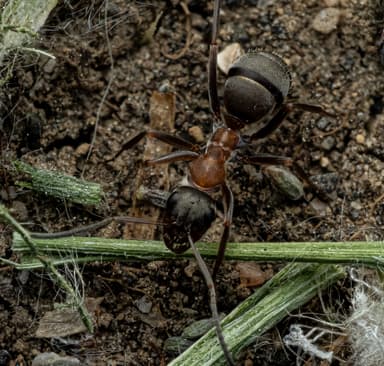
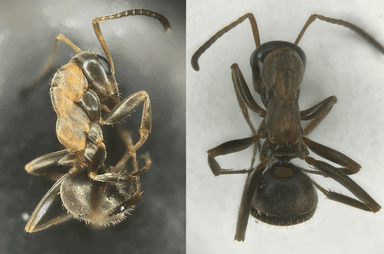
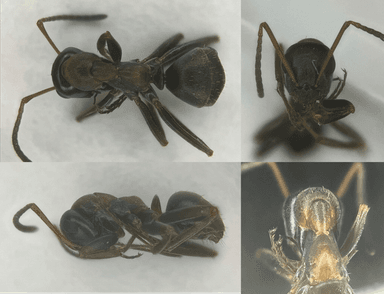
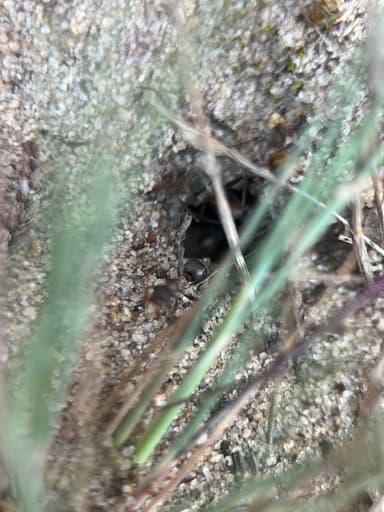
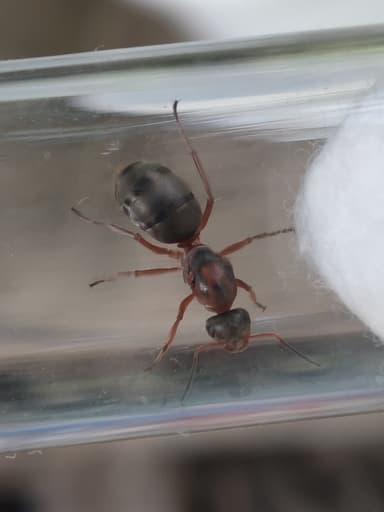
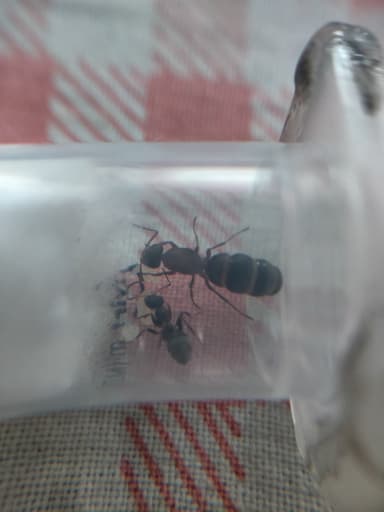
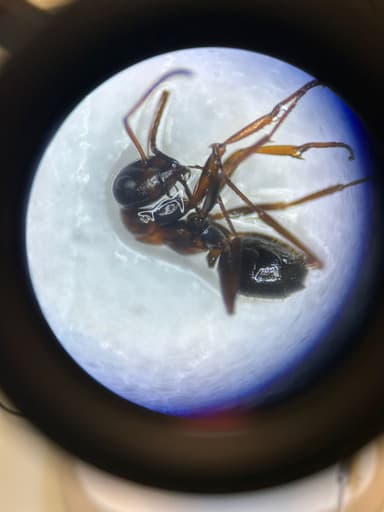
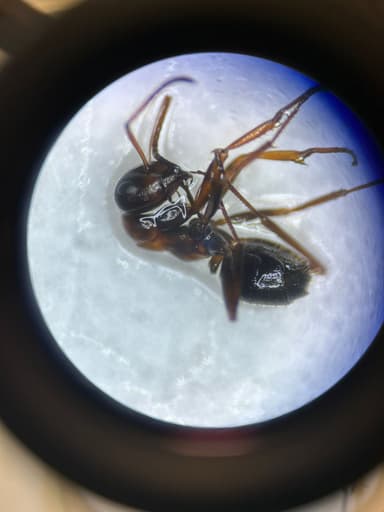
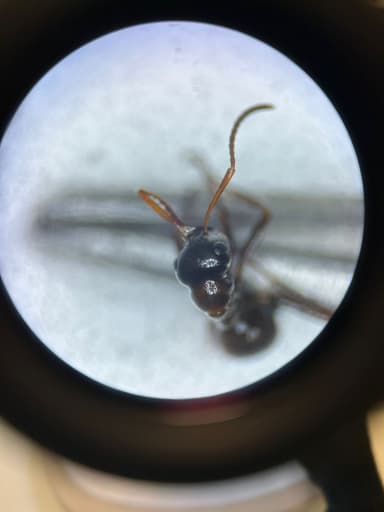
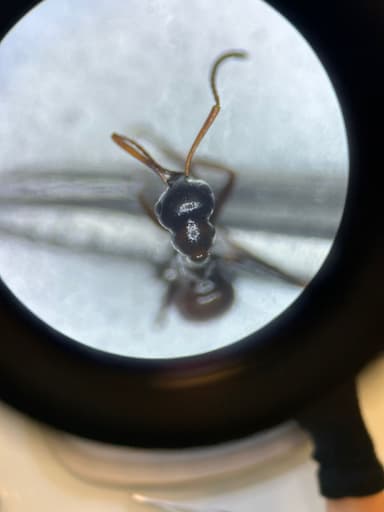
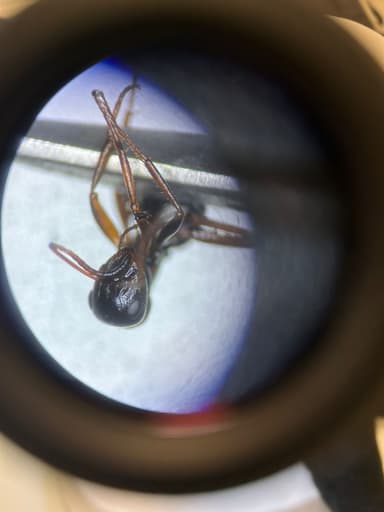
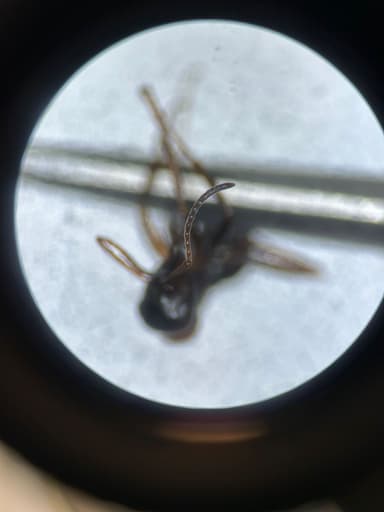
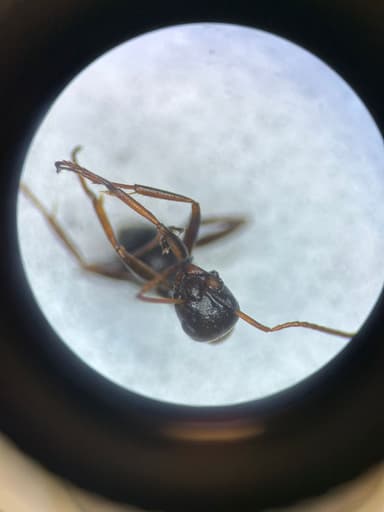
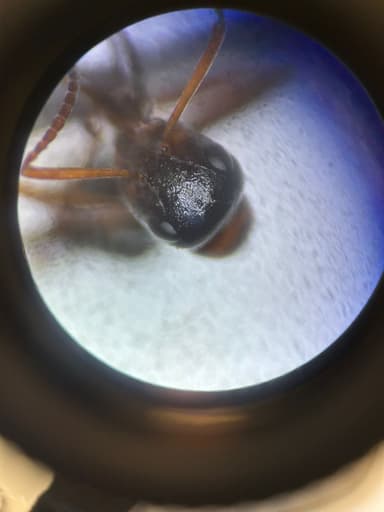
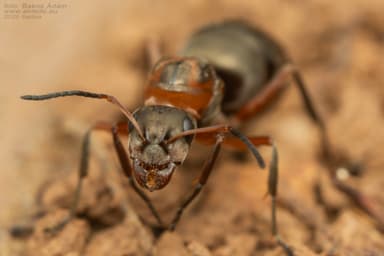
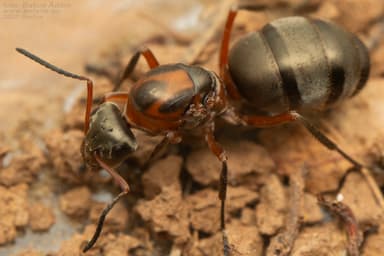
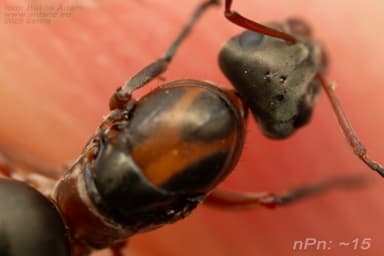
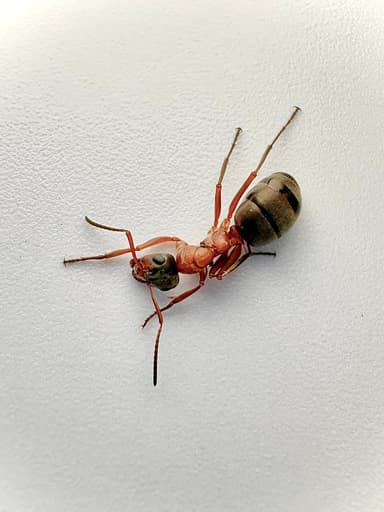
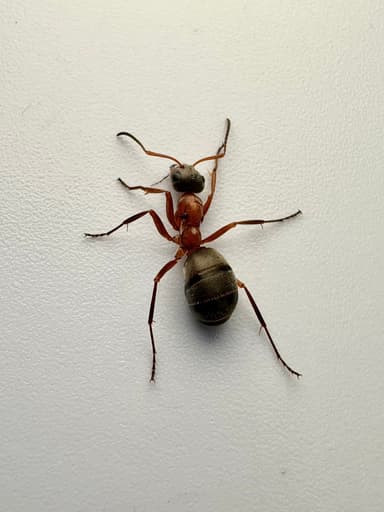
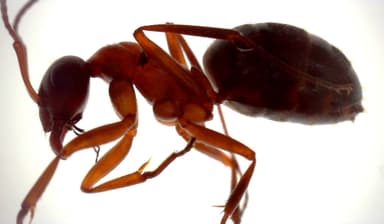
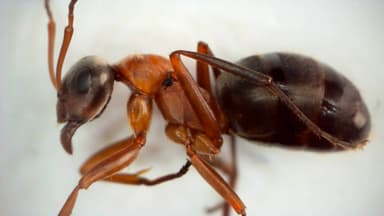
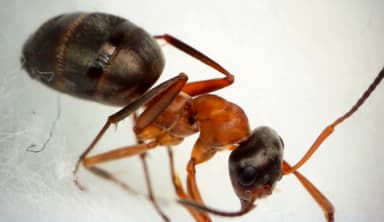
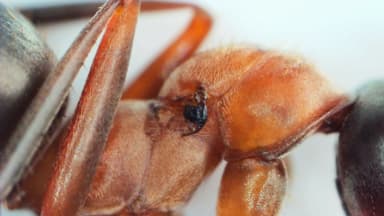
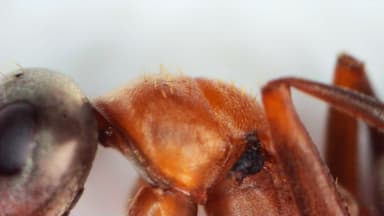
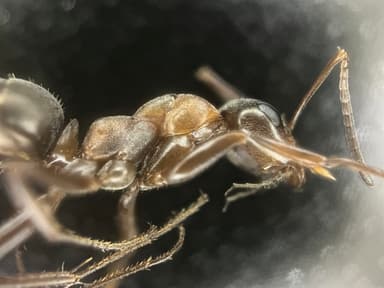
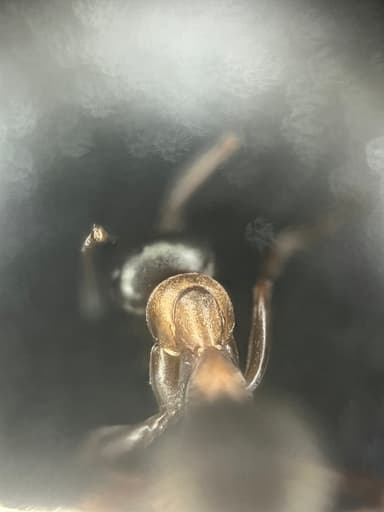
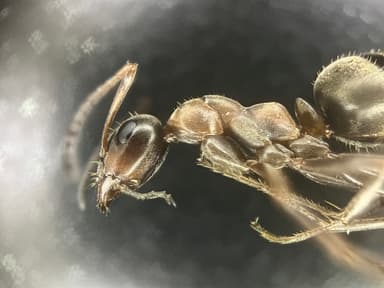
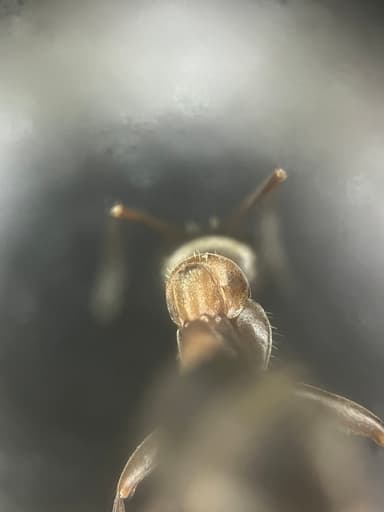
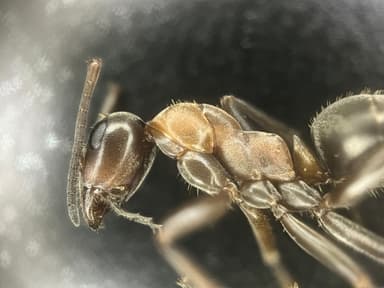
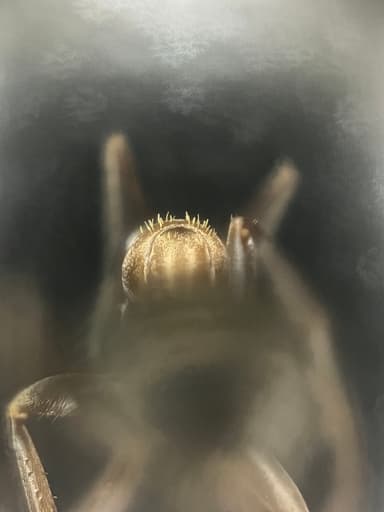
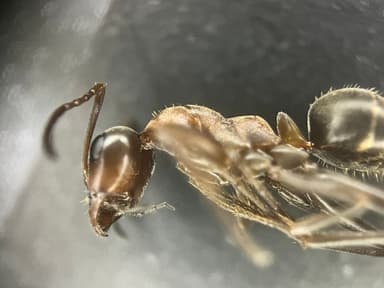
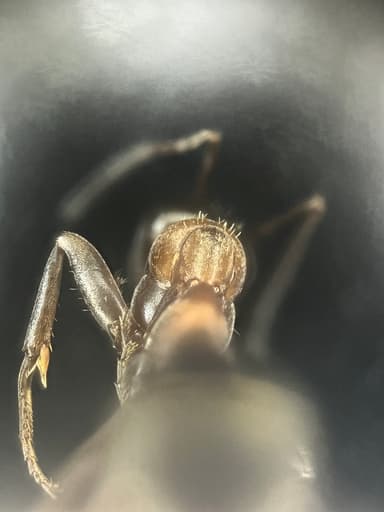
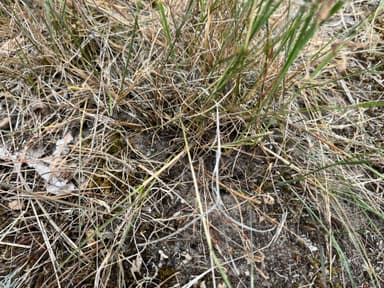
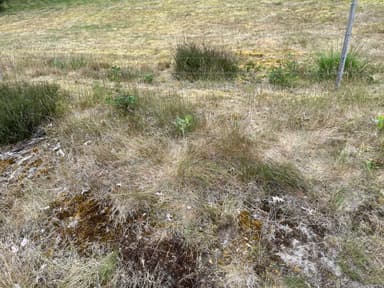
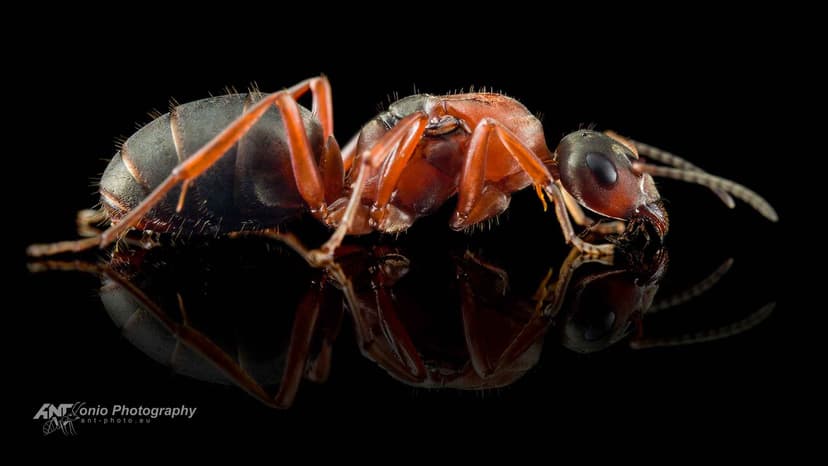
Formica rufibarbis is a striking and dynamic species whose common name, the red-bearded wood ant, only hints at its appeal. Queens are robust at 9 to 11 millimetres, while the workers exhibit a distinct but simple polymorphism, divided into minor and media castes that span 4.5 to 7.5 millimetres. The body is predominantly bicoloured: the head and mesosoma glow in rich reddish tones, contrasting with a darker, often blackish gaster, and the entire cuticle shimmers with fine pubescence. Colonies are modestly sized by Formica standards, typically maturing at a few thousand individuals with a known upper limit around 5,000, making them manageable yet endlessly active. Across their vast native range — stretching from the Iberian Peninsula eastward well into Central Asia, and as far north as southern Fennoscandia — these ants are sun-lovers, often nesting in warm, open soils with sparse vegetation. They are semi-claustral founders, meaning the queen must leave her incipient chamber to forage during the first weeks, a trait that shapes the entire keeping experience. Nuptial flights occur on warm, humid afternoons following summer rain, primarily across June to August, when temperatures exceed 20°C and the wind drops, offering a reliable window for European enthusiasts to collect new queens (Seifert 2007; Czechowski et al. 2012).
With an intermediate care difficulty, F. rufibarbis suits keepers who have successfully maintained a few beginner species and are ready to engage more actively with their colony. The semi-claustral founding stage is the primary challenge; a freshly mated queen needs immediate access to a small outworld where she can hunt tiny prey and sip sugars, and neglecting this will often lead to her early death. Once the first workers eclose, the colony becomes resilient, but they remain sensitive to stagnation and poor ventilation. This is not an ant for someone seeking a hands-off display piece — they are fast, alert, and will vigorously defend their nest, squirting formic acid when disturbed. That said, the daily rhythms of a thriving F. rufibarbis colony, with polymorphic workers busily tending brood, excavating soil, and basking in a warm spot, are deeply rewarding for the attentive keeper.
Housing must replicate the warm, well-drained microhabitats these ants favour in the wild. A temperature gradient from a cool 20°C to a basking zone of 28°C is ideal; sustained exposure below 18°C without the context of hibernation slows brood development, while prolonged heat above 30°C causes stress. Ambient humidity should stay in the moderately dry range of 40 to 60 percent, with a slight moisture gradient provided inside the nest, for example by a water tower or a moistened plaster or ytong block, so the ants can self-select drinking and brood-rearing conditions. Stagnant, saturated air leads to fungal outbreaks and colony decline, so generous ventilation is essential. Many keepers opt for ytong or 3D-printed nests with an integrated hydration layer, but naturalistic setups using a sandy loam substrate allow the ants to display their digging behaviour and create a more resilient microclimate. Always include a thin layer of dry sand or fine gravel in the outworld; these ants are tireless explorers that appreciate secure footing.
Diet for F. rufibarbis should be varied and offered in small, frequent portions to match their quick metabolism and reduce spoilage. Protein fuels brood production, and freshly killed or live-harvested insects — fruit flies, small crickets, chopped mealworms, and moths — are taken eagerly; avoid wild-caught prey that may carry pesticides. Carbohydrates are equally vital, and the colony will drink from a small feeding dish of diluted honey or sugar water, ideally placed on a piece of cotton to prevent drowning. Importantly, provide a clean water source at all times, separate from the humidity supply, as workers dehydrate quickly in dry outworlds. During the founding phase, a queen should be offered a tiny droplet of sugar water and a pre-killed fruit fly or a spiderling every two to three days. Once workers are present, they will self-regulate intake, but remove uneaten food after 24 hours to prevent mould.
A true hibernation at a stable temperature around 5°C is non-negotiable for the long-term health of F. rufibarbis. In nature, these ants retreat deep into their soil nests as autumn progresses, and failing to provide a winter rest of at least three to four months will result in dwindling brood, scattered workers, and eventual queen death. Begin the cooling-down period gradually in late autumn, reducing temperature over a week or two, and ensure the nest has sufficient moisture so the ants do not desiccate. A refrigerator dedicated to ant keeping, a wine cooler, or a cold but frost-free cellar all work well, with daily temperature checks to avoid fluctuations. When spring arrives, warm them slowly, offer water immediately, and the first protein feed will be greeted with unrestrained enthusiasm as the colony surges back to life.
The first days after acquiring a queen or small colony set the trajectory for success. For a founding queen, place her in a test tube with a small attached outworld containing dry sand and a hiding spot. Offer a minute protein source and a drop of sugar water within a few hours, as she will be particularly hungry after transport. Check discreetly once a day and remove fresh food quickly; disturbance should be minimal. If you receive a colony with workers, connect their travel container to the prepared nest and outworld, then allow them to move at their own pace — most will relocate within 24 to 48 hours if the new nest is darker and more humid than the old one. A small dab of sugar water near the nest entrance reduces relocation stress, but hold off on protein until the majority of workers and the queen have settled. Watch for signs of chronic restlessness, such as workers endlessly patrolling the outworld without returning to the nest, which often signals incorrect humidity or temperature. With gentle patience and a few small adjustments, F. rufibarbis will quickly establish itself as a lively, fascinating microcosm of the warm European steppe.