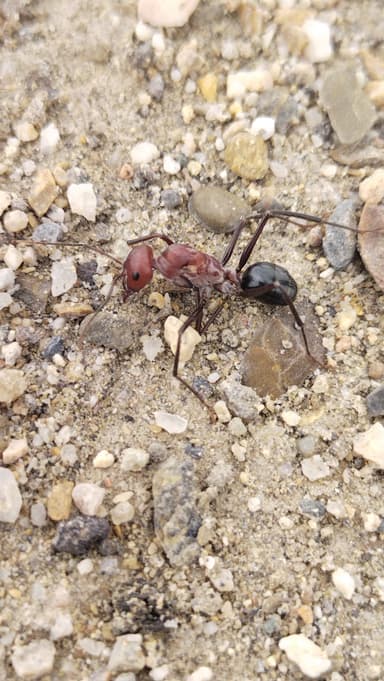
Cataglyphis
Cataglyphis setipes
Nuptial Flight Calendar
Flight months: Jun, Jul, Aug
Care Guide
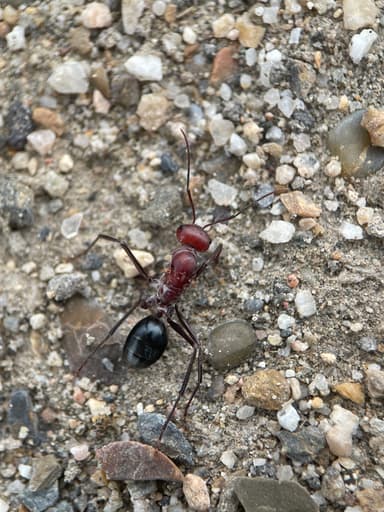
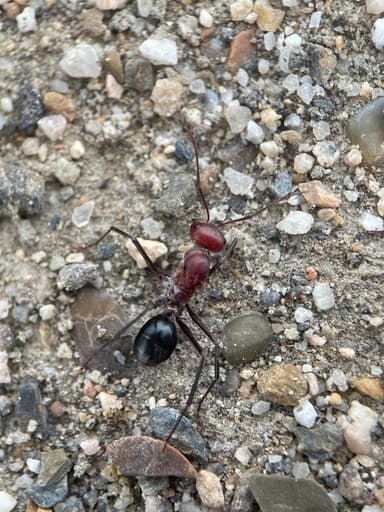
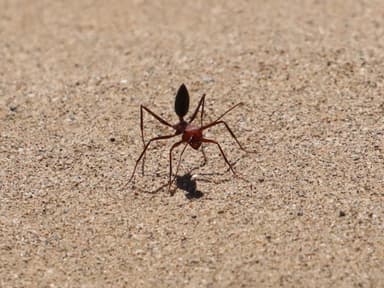
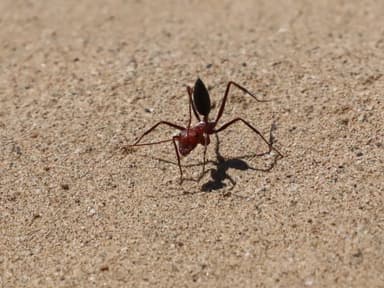
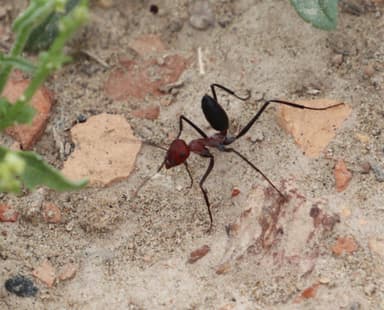
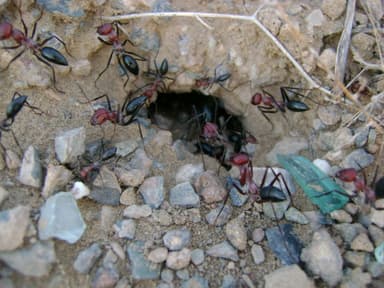
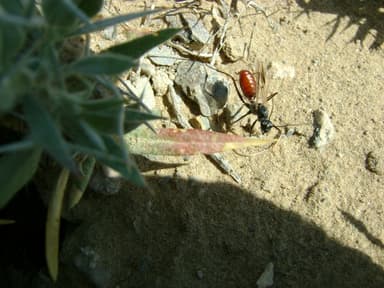
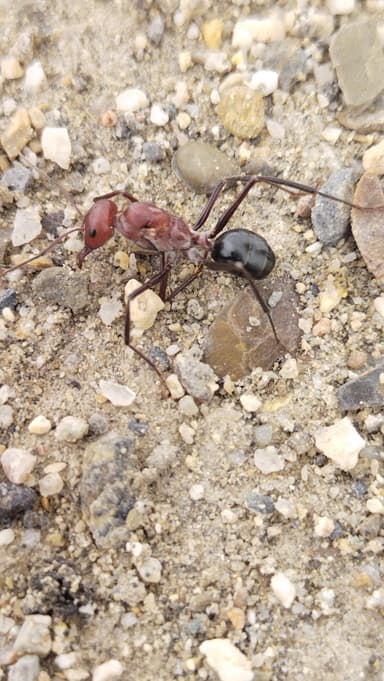
Cataglyphis setipes is a master of the searing desert, an ant whose very name conjures images of shimmering heat and barren sands. Stretching across North Africa, the Mediterranean basin, and into the arid heart of Central Asia (Agosti 1990; Radchenko 1998), this species has evolved a breathtaking tolerance for temperatures that would kill most other insects. Queens measure a stately 10–13 mm, while the polymorphic workers range from a petite 5 mm minor to a robust 10 mm major, granting the colony a versatile workforce. Mature societies can swell to around 5,000 individuals, and they exhibit a clear dimorphism with two distinct castes: the small, nimble minor workers and the larger, more powerful majors. What truly distinguishes C. setipes, however, is its foraging strategy. They venture out in the fiercest midday heat, their long legs lifting their bodies off the scorching substrate, navigating by polarized light and exploiting a thermal niche where predators and competitors simply cannot function. This combination of heat endurance, visual navigation, and elegant polymorphism makes them a captivating subject for the attentive hobbyist.
Because of their demanding environmental needs, Cataglyphis setipes is best suited to intermediate keepers who already have experience maintaining stable microclimates. The care difficulty is not rooted in aggression or finicky feeding, but in the precision required to replicate their desert home. A beginner would likely struggle with the narrow humidity window and the need for a significant thermal gradient; these ants are not forgiving of damp, stagnant conditions. Enthusiasts who enjoy the technical art of building and monitoring arid vivariums, and those who delight in observing hyper-specialized behavior, will find C. setipes deeply rewarding. The colony’s rapid, almost frantic patrolling and dramatic heat-induced activity peaks offer a window into one of nature’s most extreme survival stories.
Housing must faithfully mimic an arid steppe or desert fringe. The ideal nest is dry and well-ventilated, constructed from materials like aerated concrete (Ytong) or a plaster-sand mix that can absorb any accidental moisture without crumbling. A heating element—such as a gentle heat cable or mat—should be placed to create a basking zone of 35–45°C on one side of the nest, while the opposite end can remain a cooler 24–28°C. This thermal gradient is non-negotiable; workers self-regulate their internal temperature by moving within the nest, and foraging activity is only triggered when the outworld surpasses about 30°C. Ambient humidity must stay exceptionally low, between 20% and 50%. In practice, this means no direct water in the nest chamber, ample ventilation openings, and if you live in a humid region, the use of a small dehumidifier near the setup. For substrate, a clean, fine sand or sand-loam mix several centimeters deep allows the ants to arrange their living spaces and absorb minor spills. The outworld, which can be a simple box with a tight-fitting screen lid, should offer a similar sandy floor and a good temperature gradient, illuminated by a bright, non-heat-lamp LED to encourage their naturally diurnal rhythm.
Diet for C. setipes reflects its opportunistic desert lifestyle. Protein is provided in the form of fresh, small insects—pinhead crickets, flightless fruit flies, chopped mealworms, or tiny roach nymphs—offered two to three times a week. Given their arid metabolism, prey is eaten swiftly and leftovers removed promptly to avoid any rise in humidity. Carbohydrates fuel their explosive energy bursts; a tiny droplet of diluted honey or sugar water placed on a small foil tray or water-resistant stone is all they need, renewed whenever it hardens or disappears. Remarkably, these ants can survive extended periods without free water, gleaning enough moisture from their insect meals, but I always recommend a micro water source in the outworld. A small test tube plugged with tightly wadded cotton and filled with fresh water allows them to regulate their own intake, and it will be visited regularly if the colony feels the need, especially during the hottest days when the ambient air is exceptionally dry.
An obligate hibernation is required for the long-term health of the colony, a physiological rest triggered by seasonal cues. In their native range, winter temperatures plunge at night even in the desert, and C. setipes retreats deep into the ground. To replicate this, aim for a steady 12°C diapause lasting 8–12 weeks. Begin preparations in late autumn by gradually reducing the photoperiod and, over about two weeks, lowering the nest temperature to the target 12°C. Ensure the colony is well-fed with protein and carbohydrates before cooling; a fully populated social stomach prevents starvation. The nest should be bone-dry during this period to prevent condensation and fungal growth, as the ants’ metabolism slows to a crawl. A wine cooler, cool basement, or purpose-built climate cabinet provides the most reliable cold-stable environment. Once the rest period concludes, warm the colony back to operating temperatures over a week to avoid thermal shock.
The first days after acquiring your Cataglyphis setipes are delicate. Whether you’ve received a newly mated queen or a small founding colony, the immediate priority is to minimize stress. Place the travel tube or nest container in the prepared housing at the cooler end of the gradient, open the portal, and cover the entire setup with a dark cloth. Do not disturb them for at least 24–48 hours. The founding type is claustral, so a solitary queen requires no food at all; she will nourish her first larval brood from her own wing muscle reserves and stored fat. For a young colony with workers, wait until you see exploratory scouts venturing into the outworld on the second or third day before offering a minute smear of honey on a slip of paper. Introduce the first insect prey only when the workers have settled and are actively patrolling—typically after a week—and always pre-kill the prey for their safety. Watch the temperature gradient closely: if workers huddle persistently on the warm end or refuse to leave the nest even when food is present, the hot spot may need fine-tuning. A healthy, acclimating colony will gradually extend its foraging radius, with the iconic high-speed dashes that make this species a living jewel of the desert.