Camponotus
Camponotus suffusus
Nuptial Flight Calendar
Flight months: Jan, Feb, Mar, Oct, Nov, Dec
Care Guide
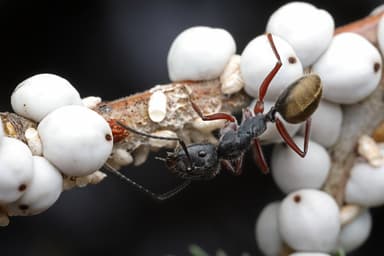
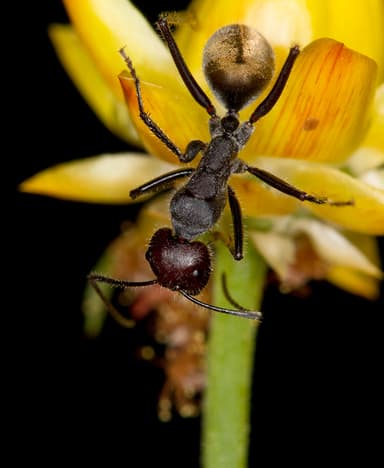
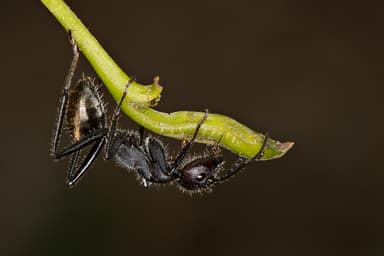
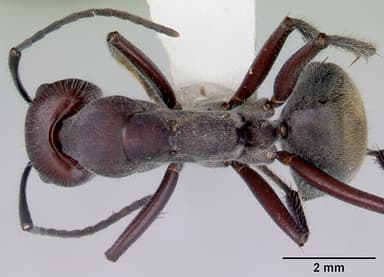
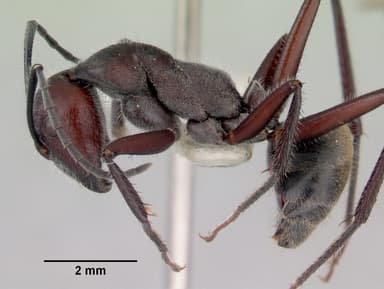
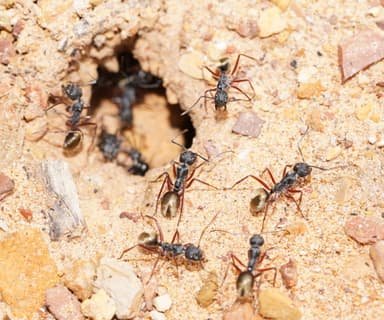
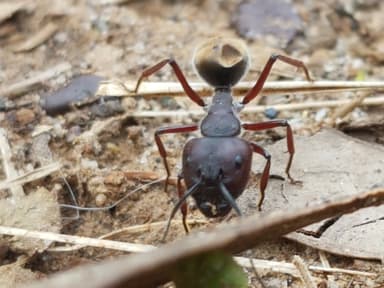
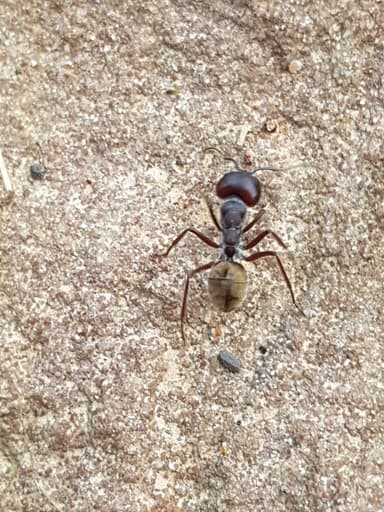
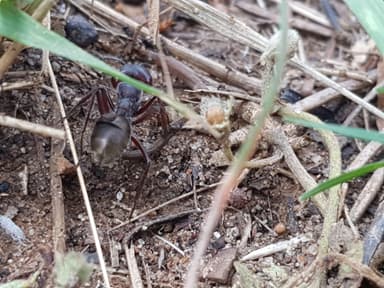
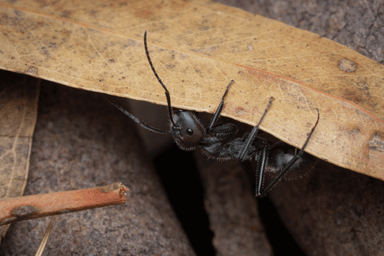
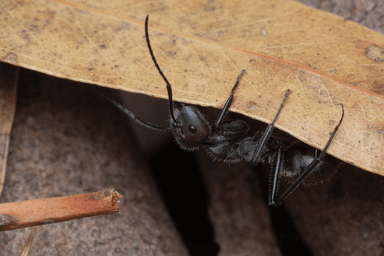
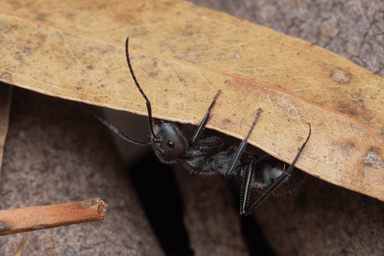
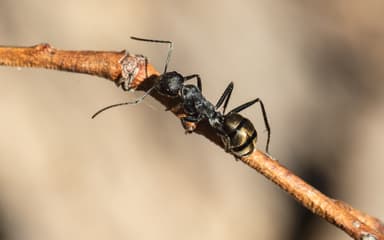
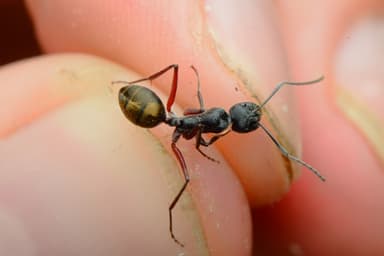
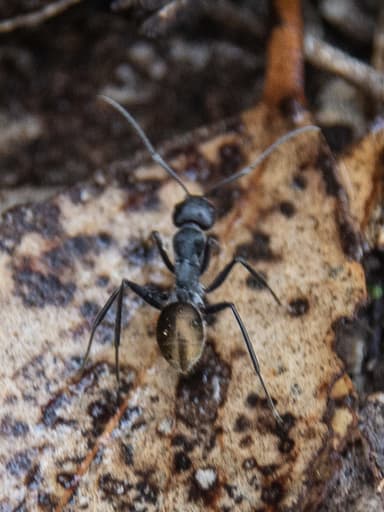
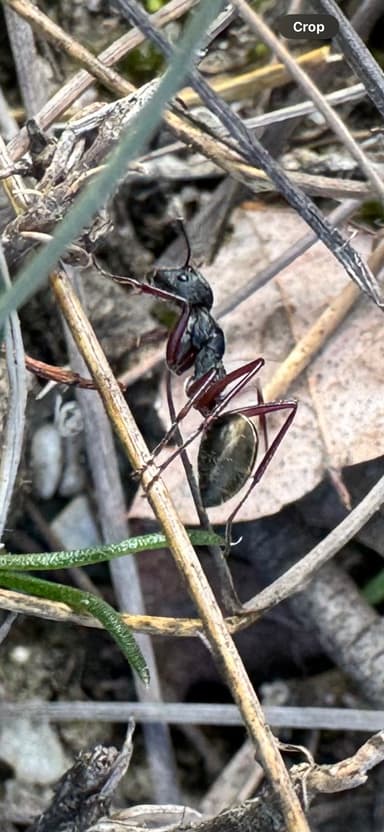
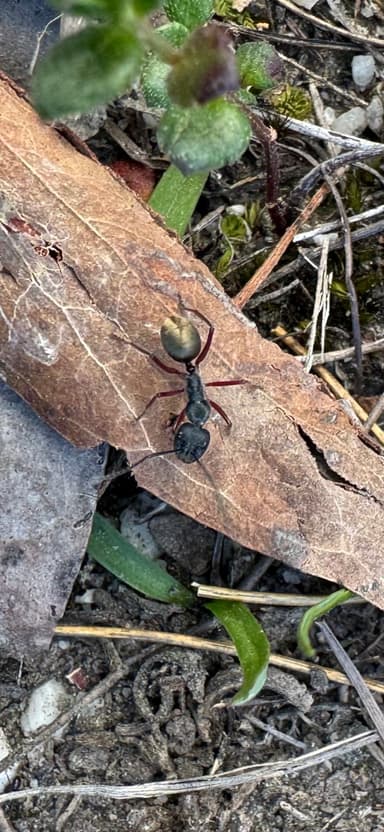
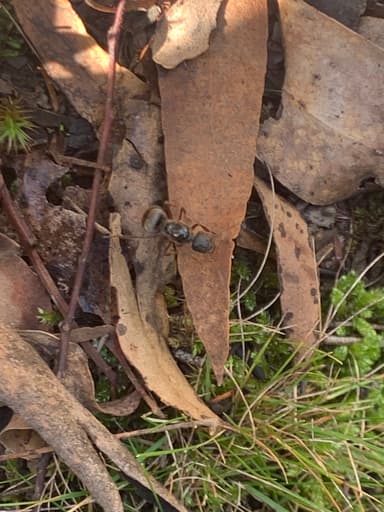
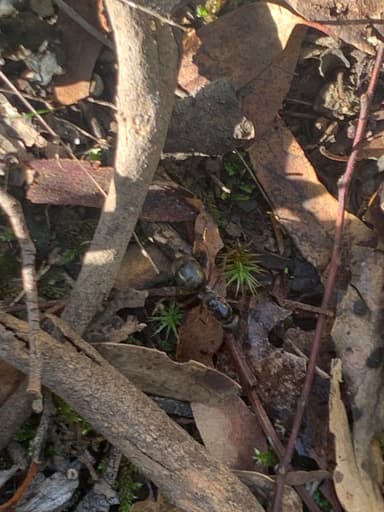
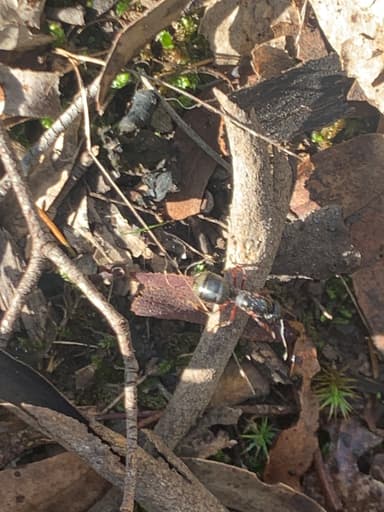
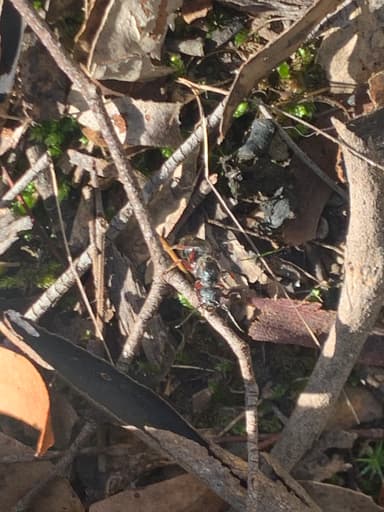
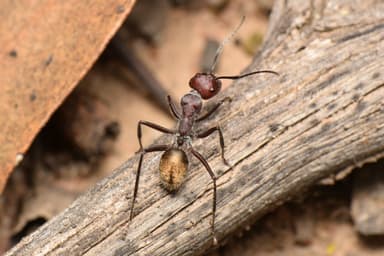
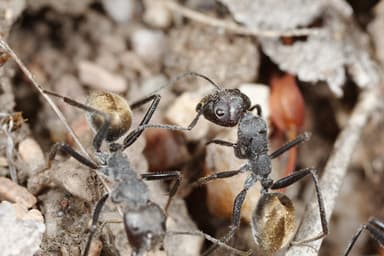
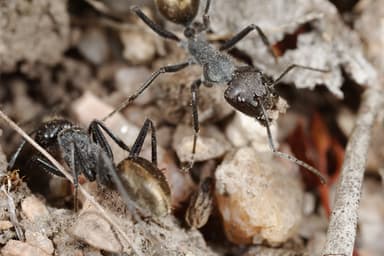
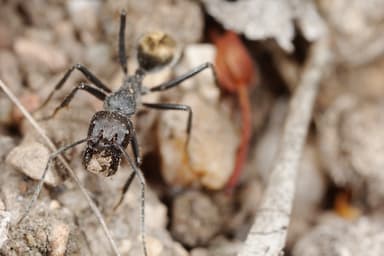
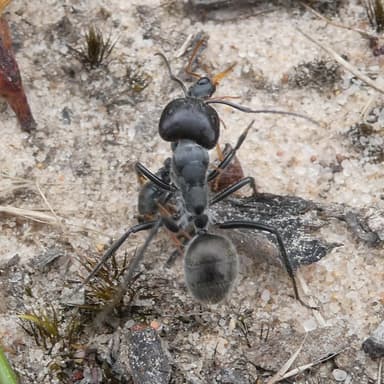
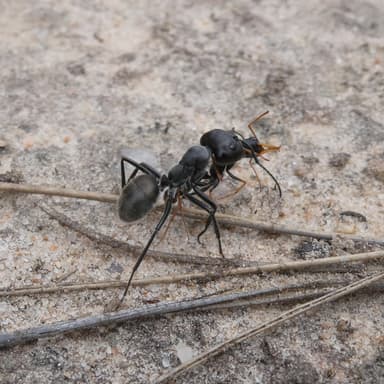
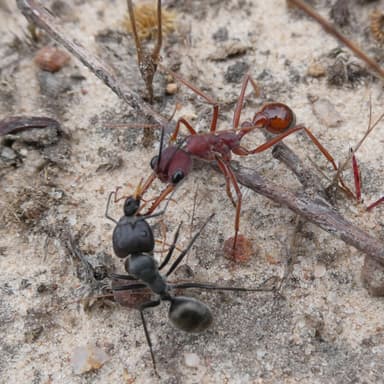
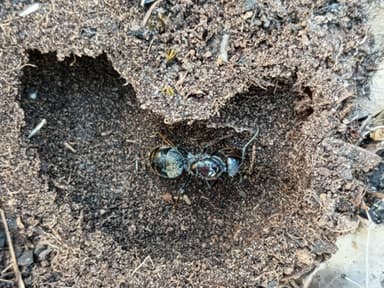
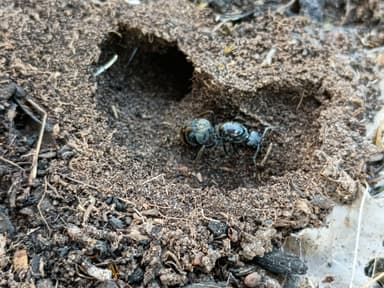
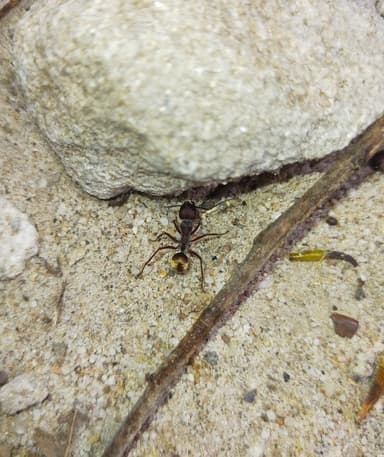
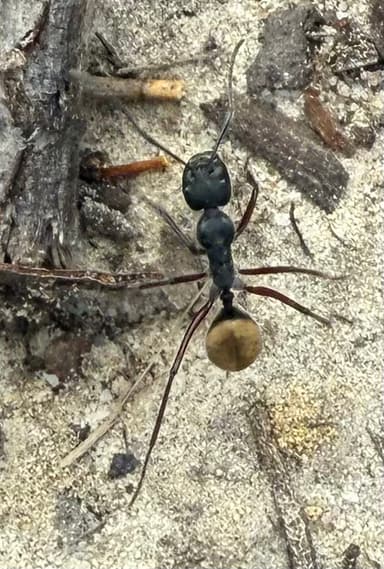
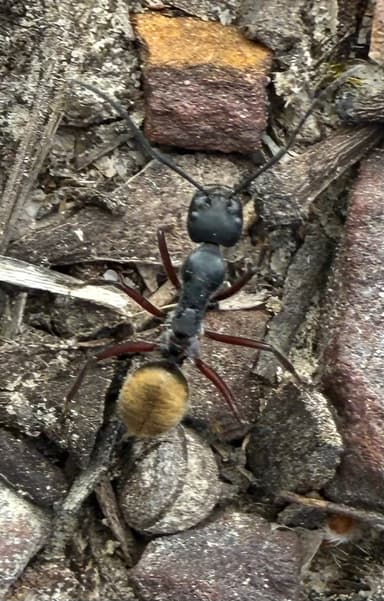
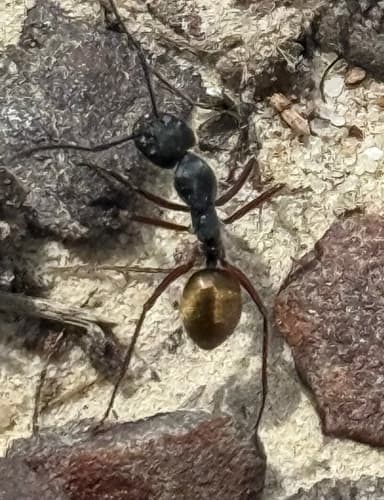
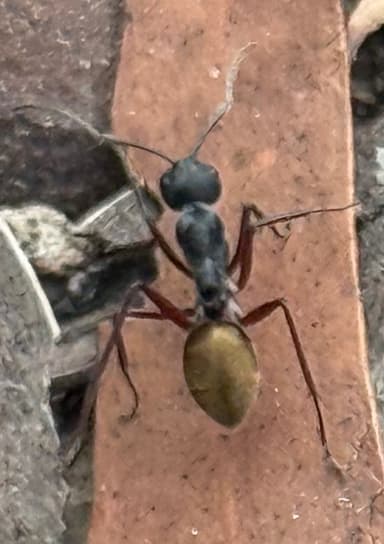
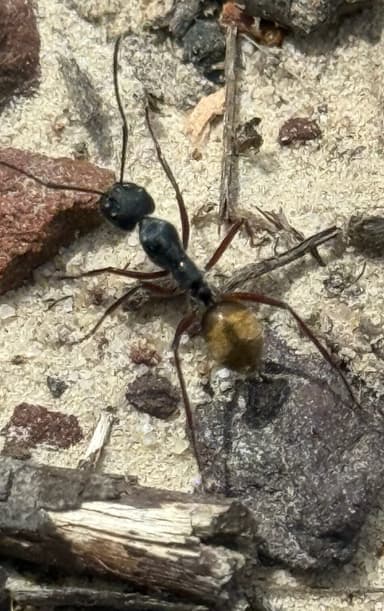
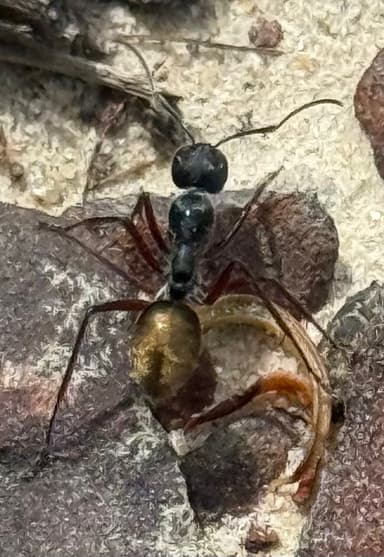
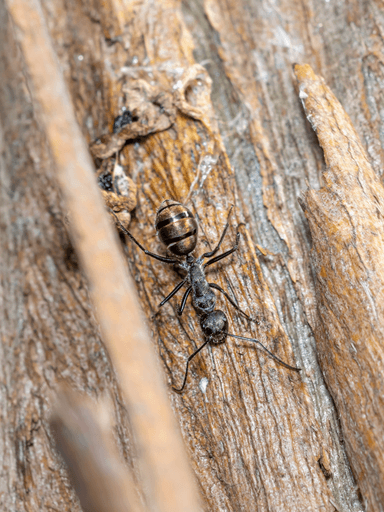
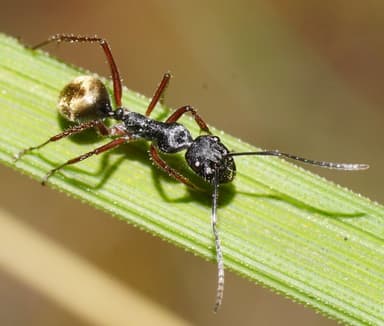
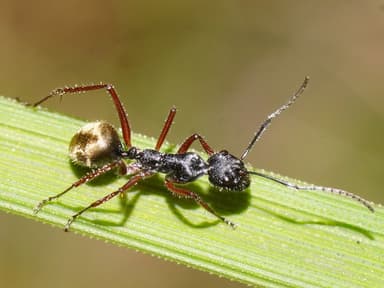
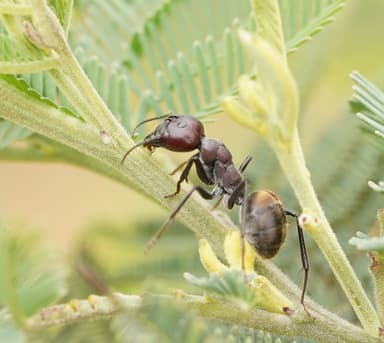
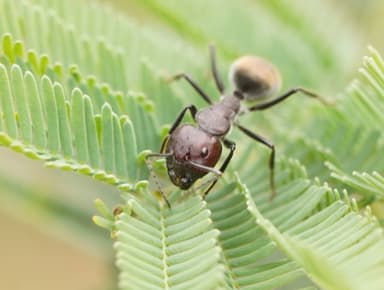
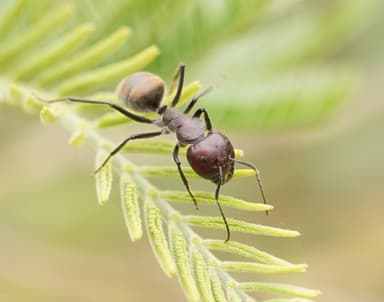
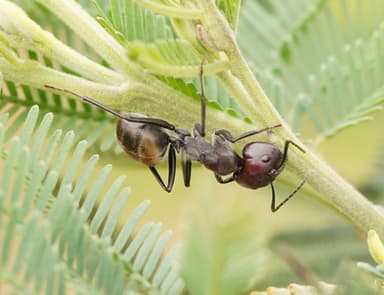
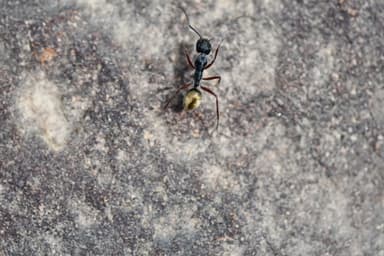
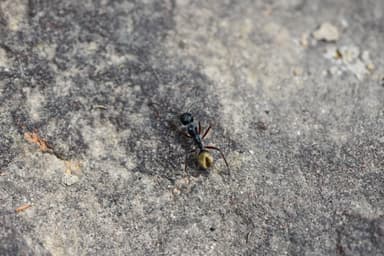
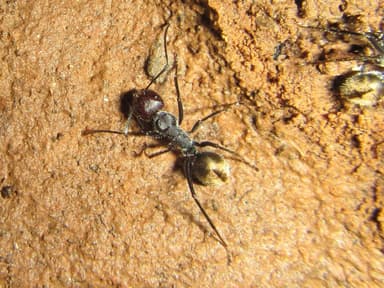
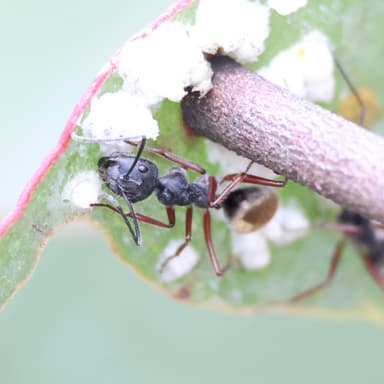
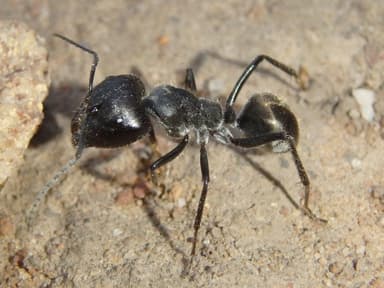
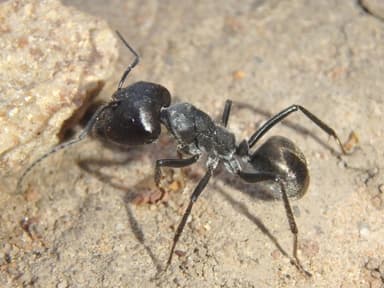
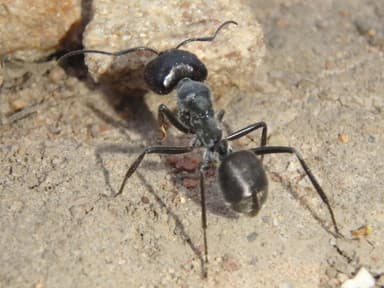
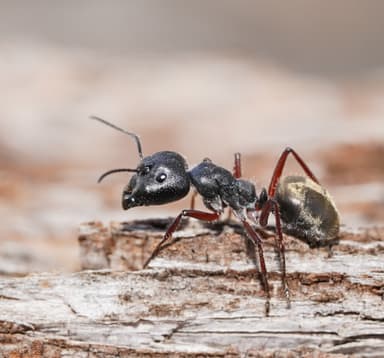
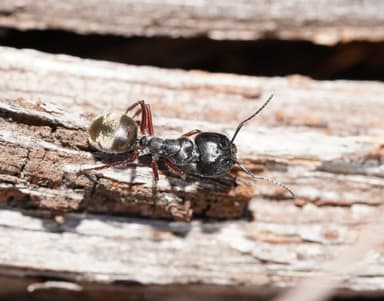
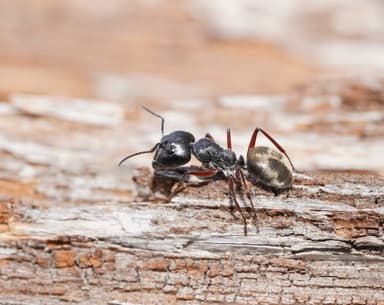
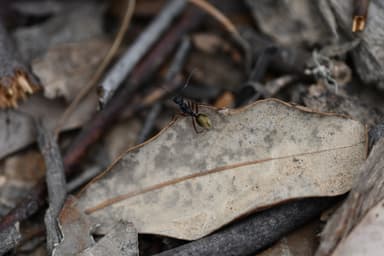
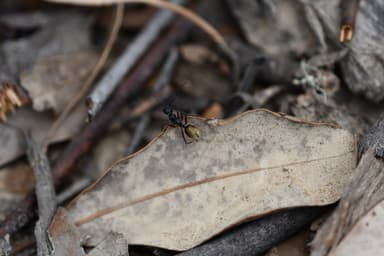
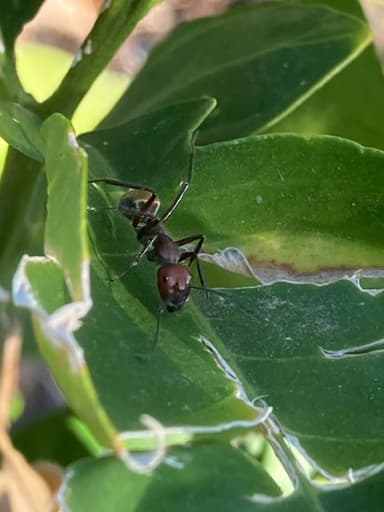
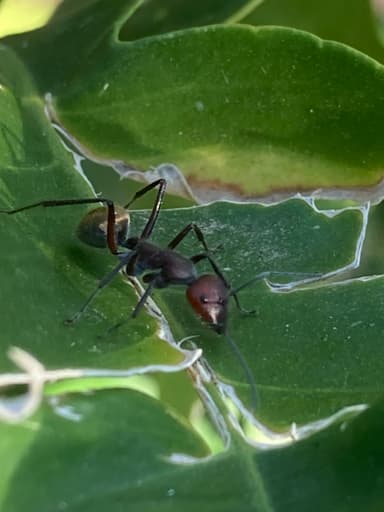
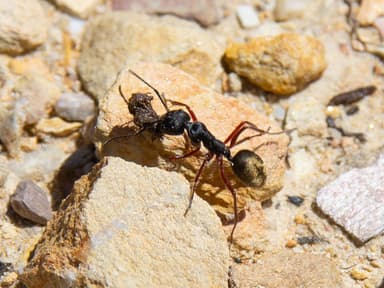
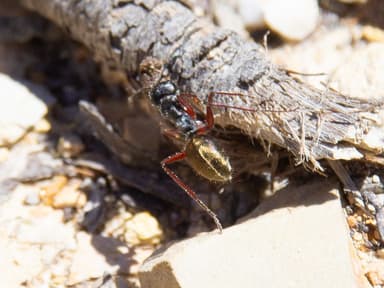
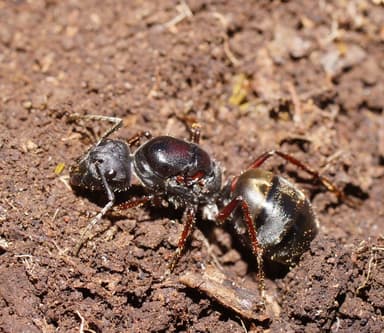
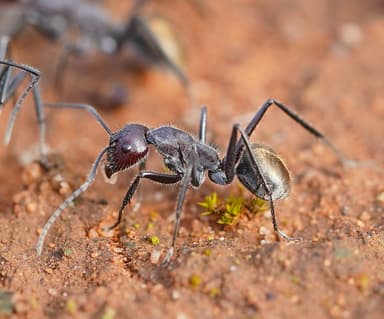
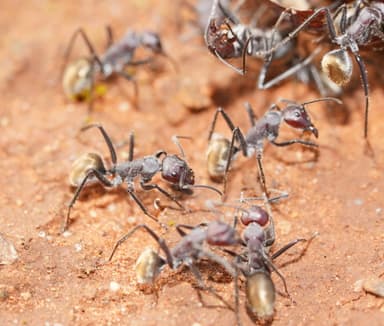
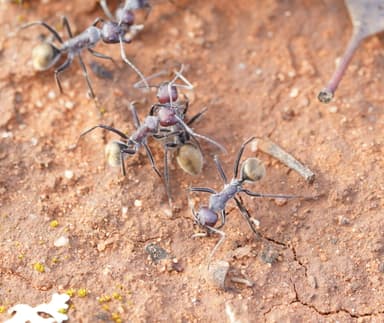
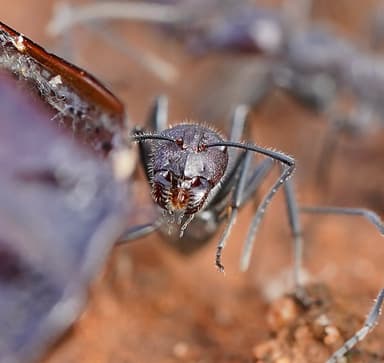
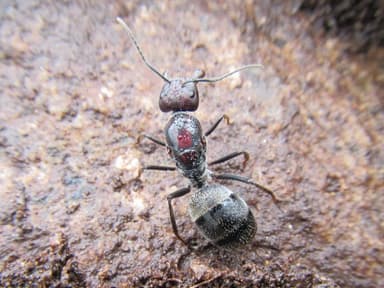
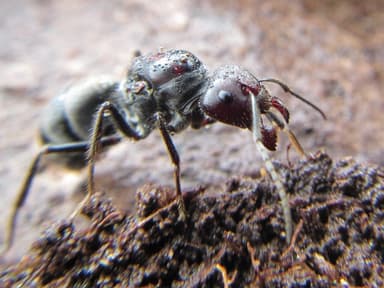
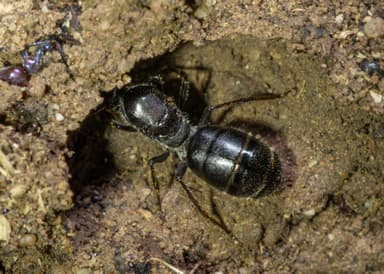
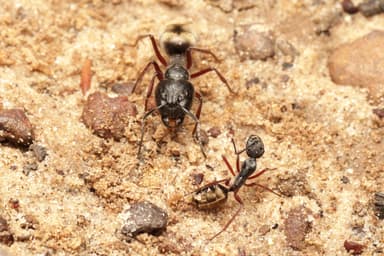
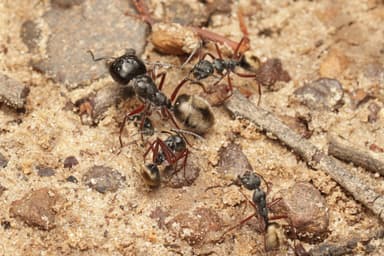
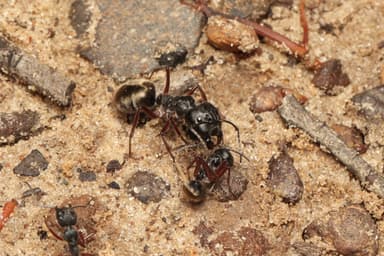
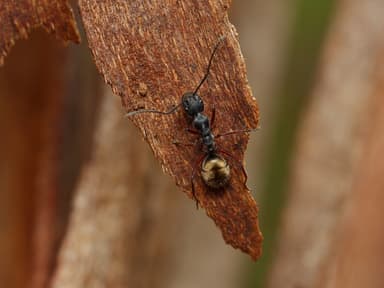
Camponotus suffusus, described by Frederick Smith in 1858, is a resplendent carpenter ant endemic to Australia’s diverse landscapes, from the humid eastern coast to the dry woodlands of South Australia and Victoria. Queens are notably statuesque, measuring between 15 and 18 millimetres, while the workers display a striking polymorphism that defines the genus: the minor caste is a modest 6 millimetres, and the majors muscle up to an impressive 13 millimetres (Shattuck 1999). Their bodies are draped in a lustrous reddish-golden pubescence, a feature that has earned them the affectionate common name of golden sugar ant. Colonies operate with a clear caste division, never growing to the massive supercolony sizes of some tropical species but still reaching a robust 10,000 individuals under optimal conditions. This is a claustral founding species, so the newly mated queen seals herself away to raise her first nanitic workers entirely from her own metabolised wing muscles, a quiet drama that unfolds with minimal keeper intervention. Their sheer size, dynamic foraging columns, and dramatic major workers make them an endlessly watchable addition to any collection.
With an intermediate care rating, Camponotus suffusus is best suited to a keeper who has already cut their teeth on hardier beginners like Lasius or smaller Camponotus. The challenge does not lie in fragile environmental demands—this species is admirably robust—but in managing a large, fast-growing colony that will quickly outgrow a starter formicarium. Their substantial jaws can manipulate and eventually compromise poorly sealed acrylic, so escape prevention becomes a serious consideration. A keeper who enjoys tinkering with modular nests, monitoring hydration, and staying on top of feeding schedules will find this ant deeply rewarding. Their active, bold foraging behaviour means you’ll see them often, which is a delight, but it also means they notice disturbances quickly; a steady hand and a quiet placement are necessary to avoid stress. For someone making the leap from a first colony to a more spectacular display species, C. suffusus strikes a perfect balance between forgiveness and spectacle.
Housing a growing C. suffusus colony demands a formicarium that can provide both space and a stable microclimate. The ideal nest replicates the warm, dry to moderately humid microhabitats of their natural range. Temperature should be maintained along a gradient from 20° to 30°C, with a gentle heat source at one end of the nest to allow the ants to thermoregulate; this is particularly critical for accelerating brood development. Humidity is comfortably broad, sitting between 40 and 70 percent, which can be achieved with a plaster, gypsum, or ytong nest into which water is injected at regular intervals. However, be aware that these are true carpenter ants, and while they do not consume wood, they may excavate softer materials if they feel cramped, so any formicarium with direct contact to the outside should be glass with stainless steel mesh ventilation. A foraging arena lined with a fine sand-clay mix provides excellent footing and facilitates natural waste management. Always supply a water source—either a test tube setup or a dedicated drinking tower—kept separate from the nest’s hydration system to prevent flooding and fungal blooms.
In the wild, C. suffusus tends hemipterans for honeydew and voraciously scavenges insect carcasses, and a captive diet must reflect this dual appetite. Carbohydrates are best delivered as aqueous sugar solutions, honey-water, or commercial ant nectar; offer these in a shallow dish packed with cotton wool to eliminate drowning risk. Protein should come from freshly killed insects—crickets, mealworms, roaches, and fruit flies are all excellent—and for larger colonies, whole prey is tackled communally with majors often dismembering the hardest parts. Feed protein two to three times per week, scaling up during periods of heavy larval growth, and always remove uneaten items within 24 hours to inhibit mites and mould. Interestingly, major workers seem particularly enthusiastic about crunching through crunchy beetle fragments, a behaviour that can be used to judge colony vigour. Never allow sugar sources to contaminate the nest directly, as this invites pathogens; a separate feeding area keeps the living quarters hygienic.
Unlike many temperate Camponotus species that demand a cold winter rest, C. suffusus requires no hibernation or diapause whatsoever. Its distribution across the warmer reaches of Australia, from Queensland’s Cape York to coastal Victoria (GBIF occurrence records; Shattuck 1999), means that in most of its range, soil temperatures never plummet low enough to induce an extended dormancy. Australian ant-keeping communities (Gamergate forums) have long confirmed that colonies kept at a steady 22–25°C remain active, brood-rearing, and foraging across all seasons. This is a considerable practical advantage: there is no need for a chilled wine cooler or basement staging, and the ants’ year-round appetite means the colony is never hidden away for months. The trade-off is that your maintenance routines will be constant—you must provide food and water predictably, without a winter slowdown to offer respite.
The first days after your C. suffusus arrives are a delicate period that sets the tone for long-term success. If you receive a founding queen in a test tube, place her in a dark, vibration-free location and resist the urge to peek for at least 48 hours. For a small colony with workers, attach a small foraging arena and let them explore at their own pace. The inaugural feeding should be minuscule: a droplet of sugar water on a sliver of foil and a single pre-killed fruit fly or crushed cricket leg. Observe from a distance; if the workers ignore the offering, remove it after a few hours and try again the next day. The queen may remain hidden deep in her brood chamber—this is a positive sign of settling in, not cause for alarm. Avoid bright light and sudden movements. Over the next week, slowly increase the food quantity as you see workers drinking and recruiting nestmates, and you’ll soon witness the bustling, golden procession that makes Camponotus suffusus such a cherished species among Australian ant keepers.