Atta
Atta cephalotes
Nuptial Flight Calendar
Flight months: Apr, May, Jun, Jul
Care Guide
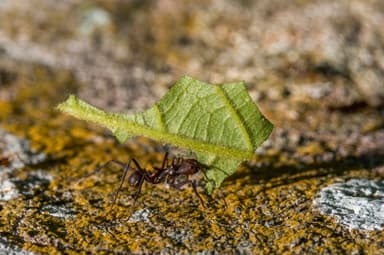
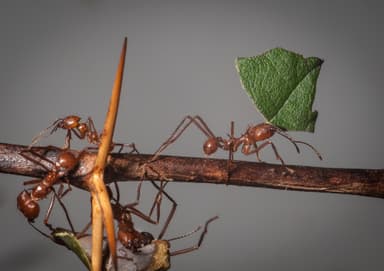
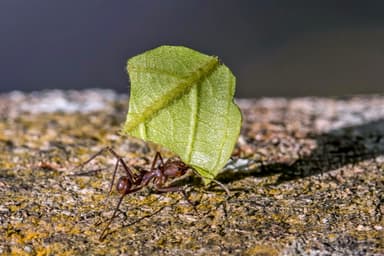
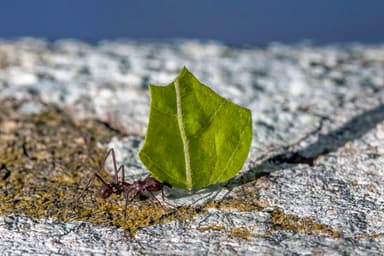
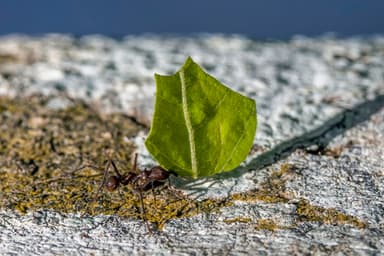
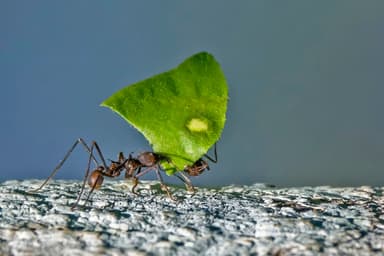
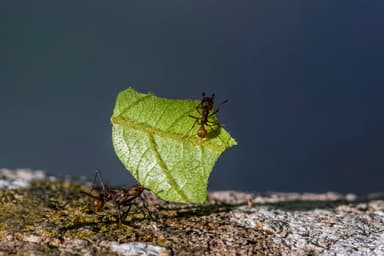
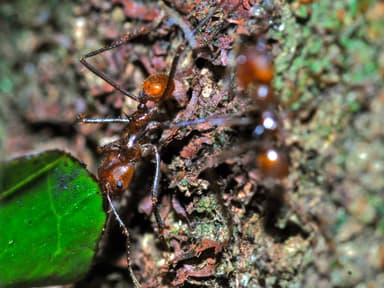
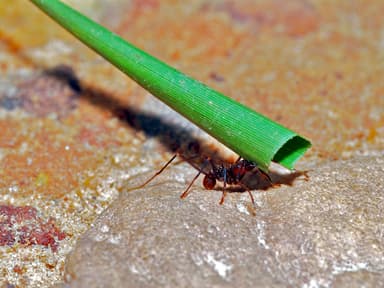
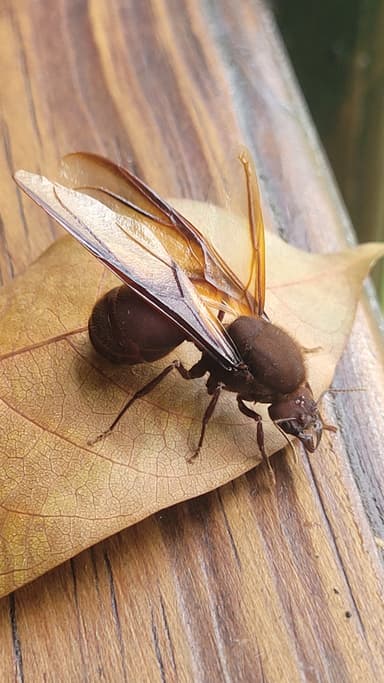
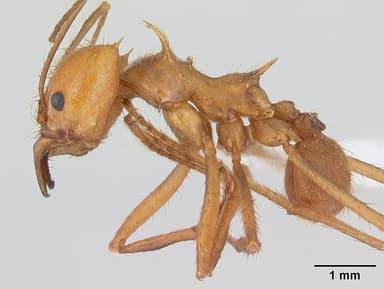
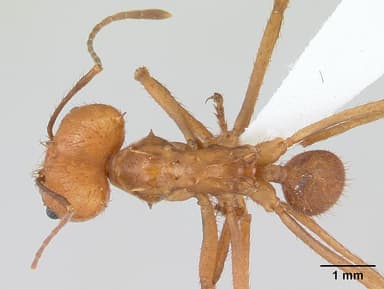
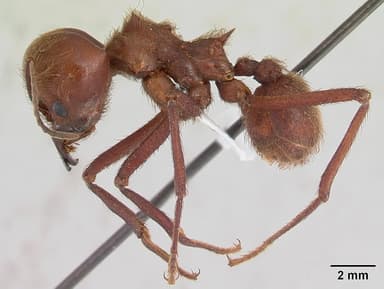
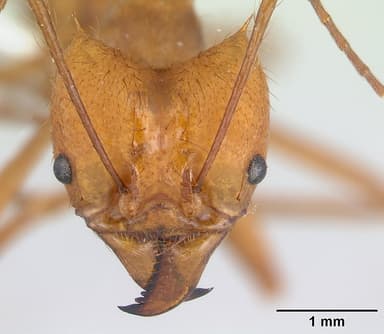
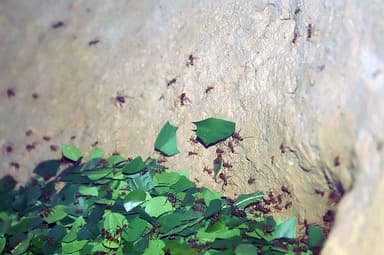
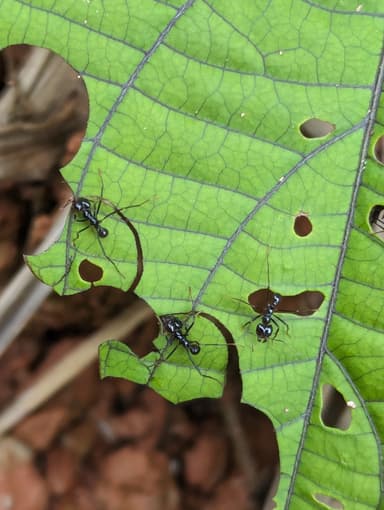
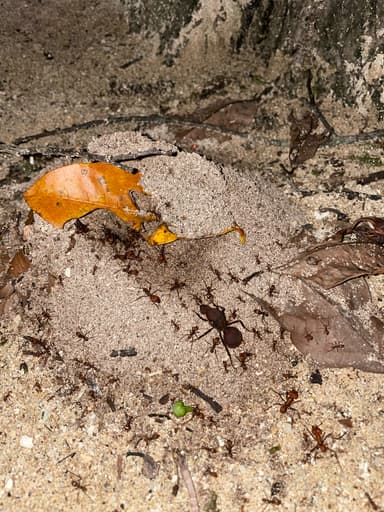
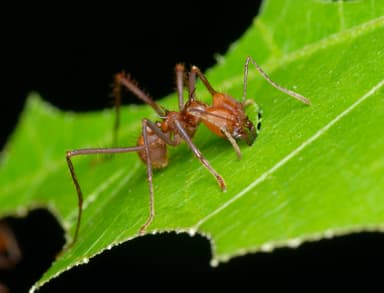
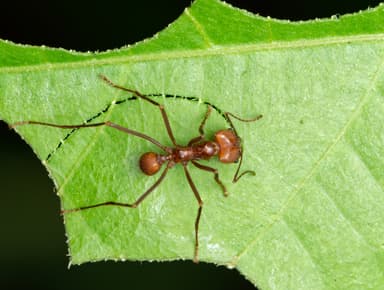
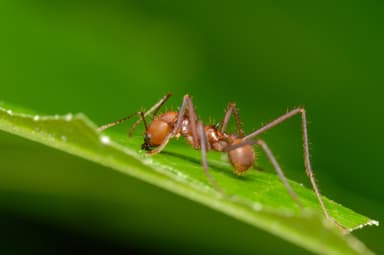
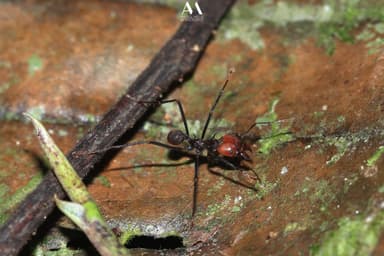
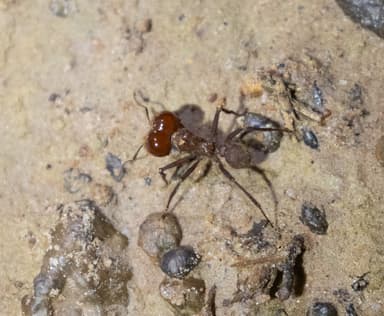
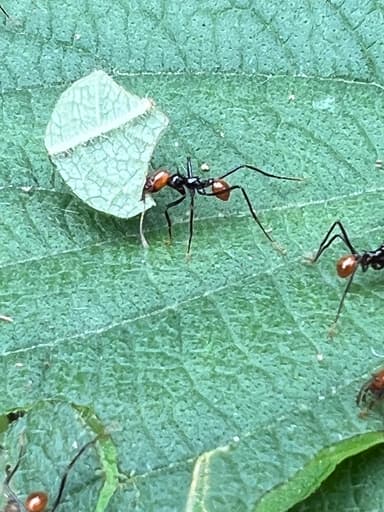
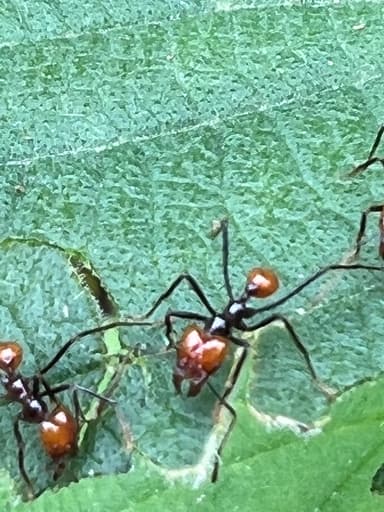
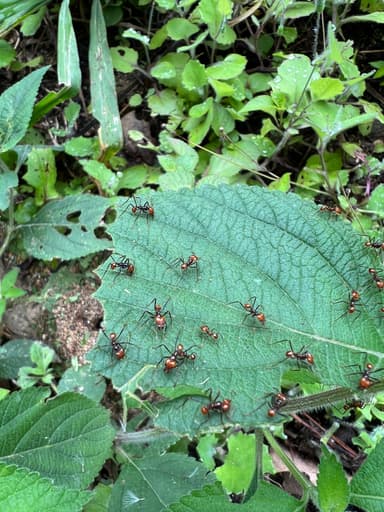
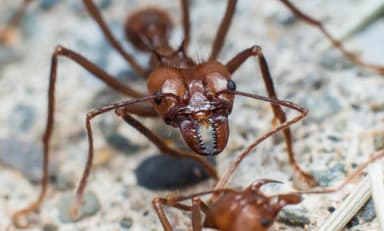
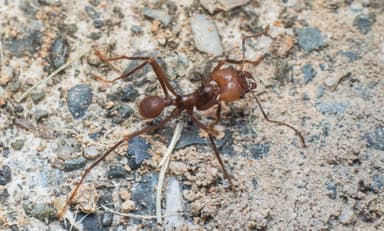
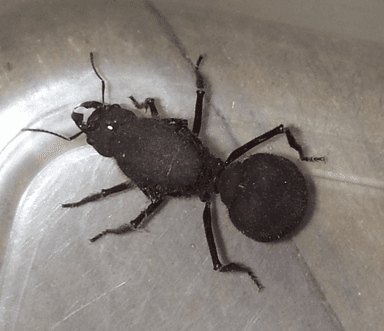
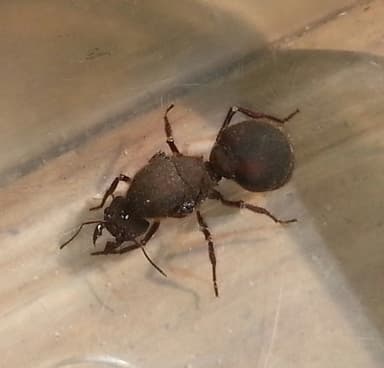
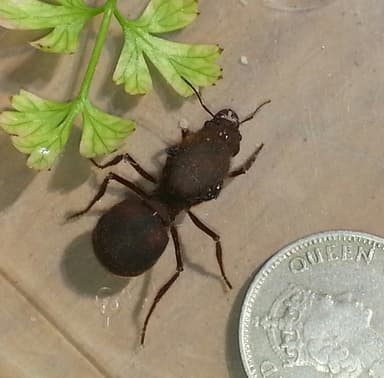
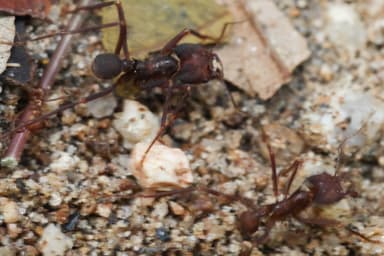
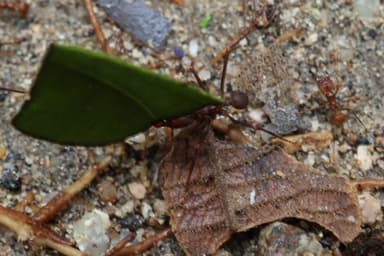
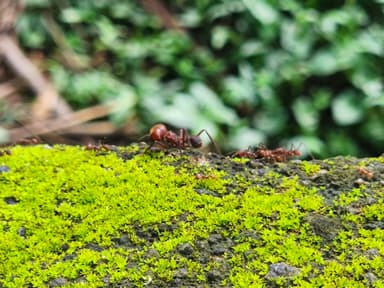
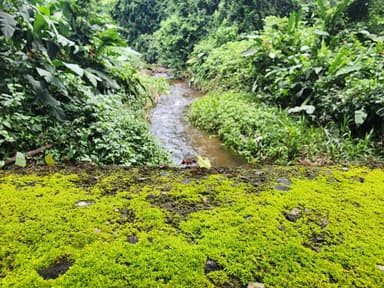
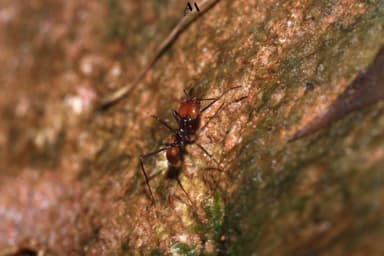
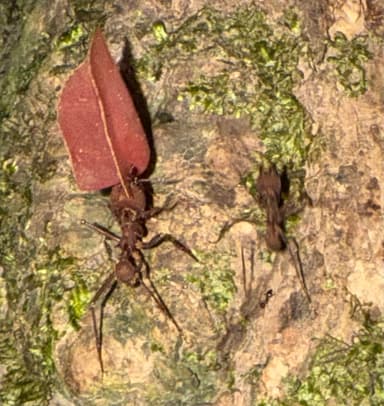
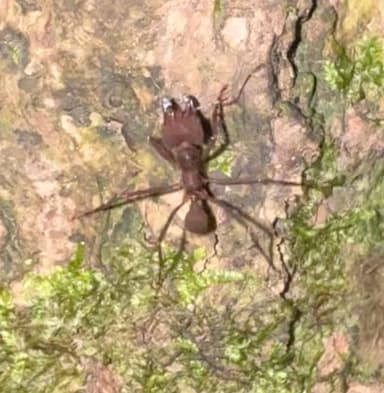
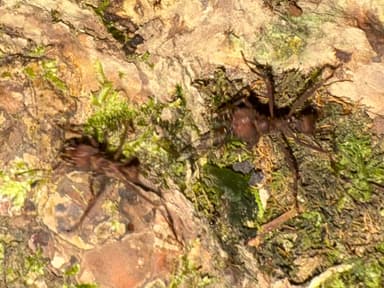
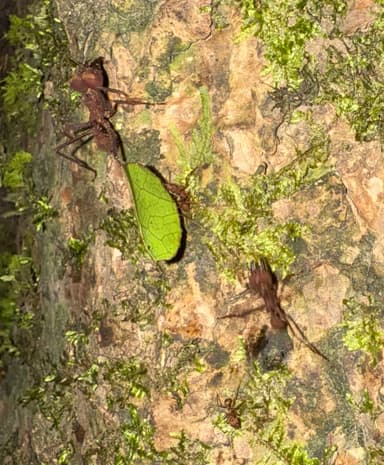
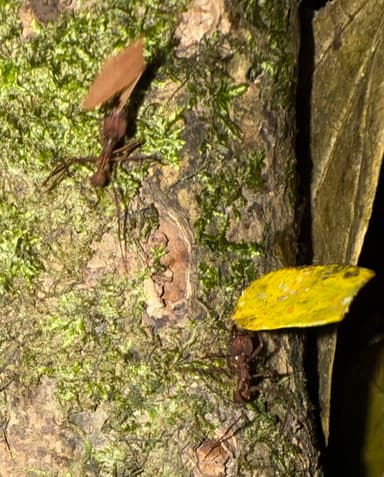
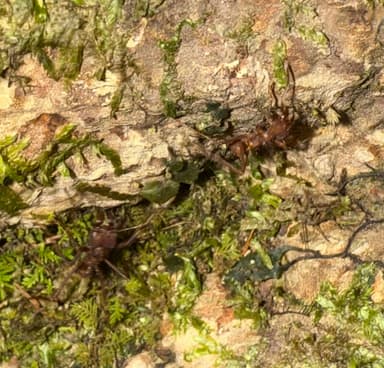
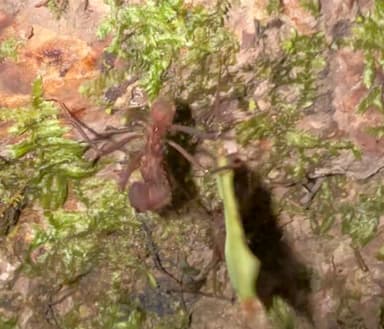
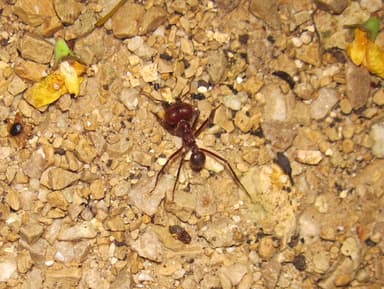
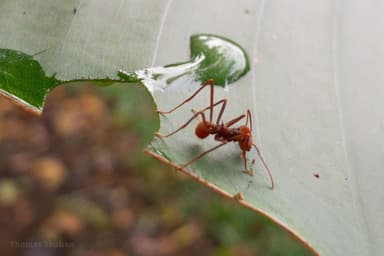
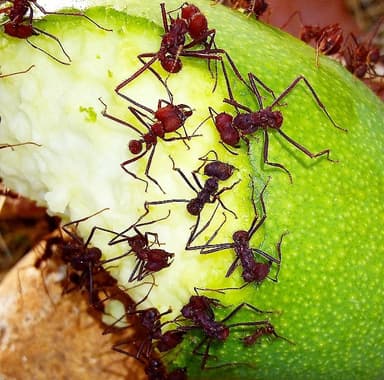
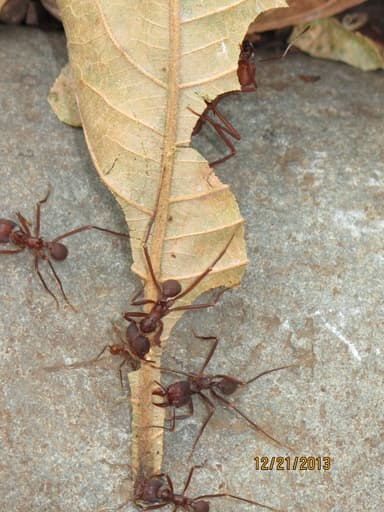
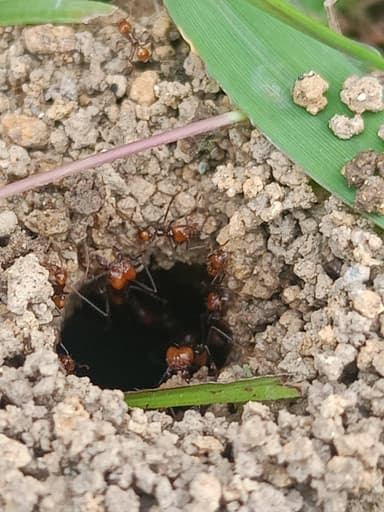
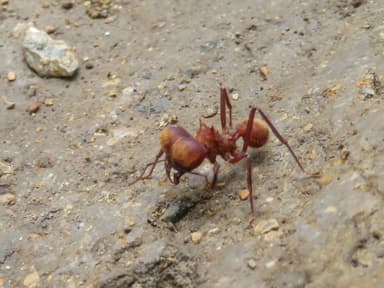
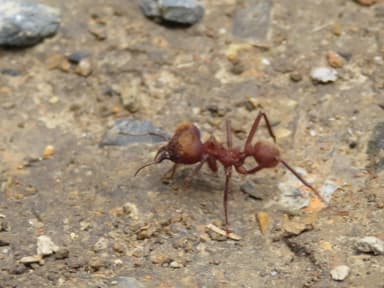
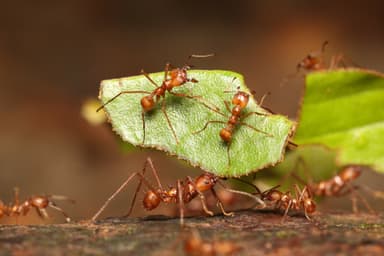
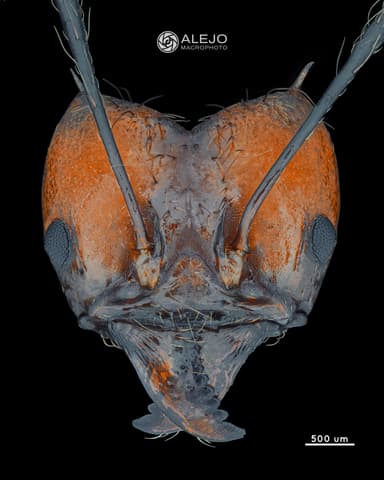
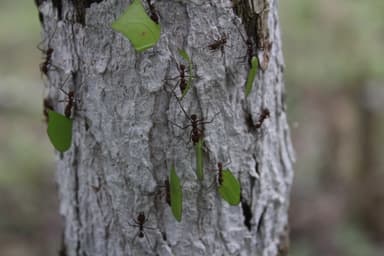
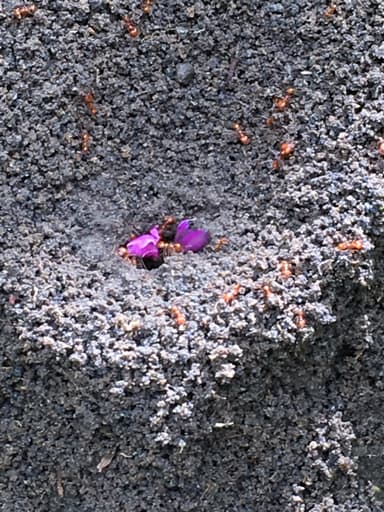
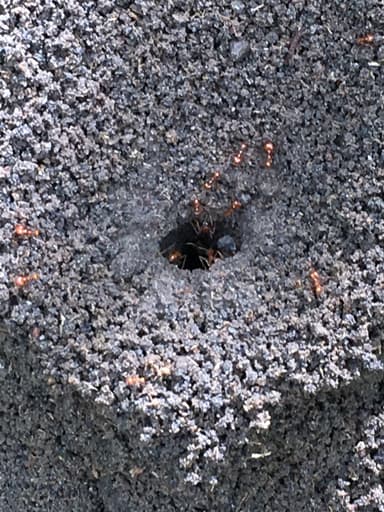
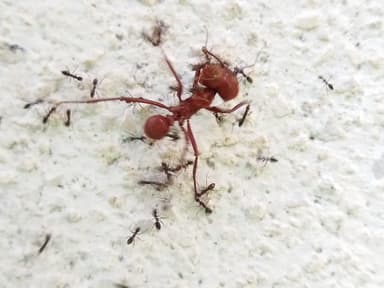
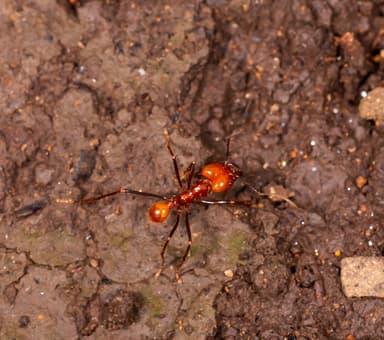
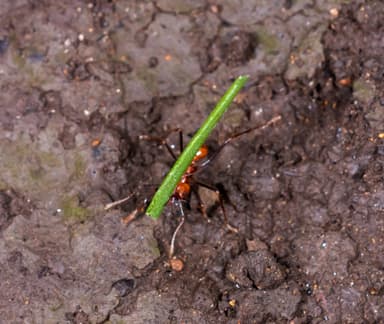
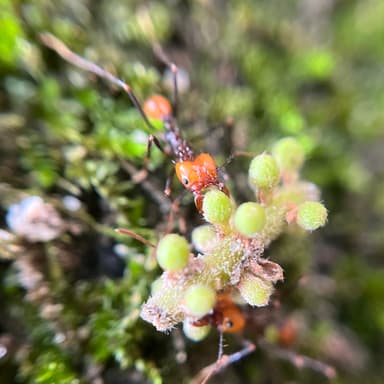
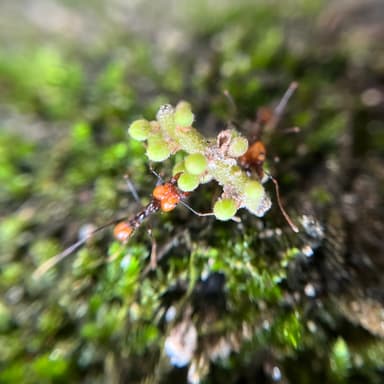
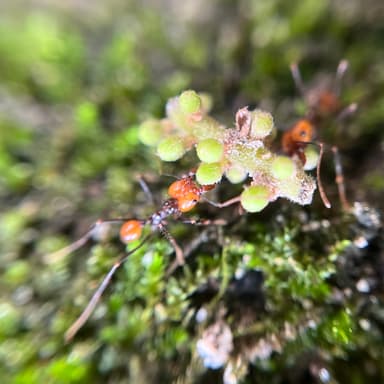
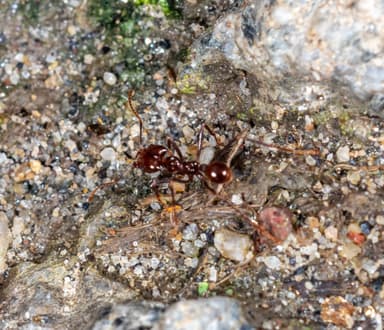
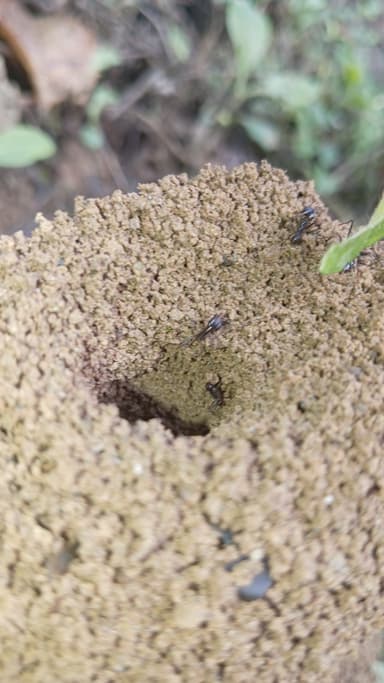
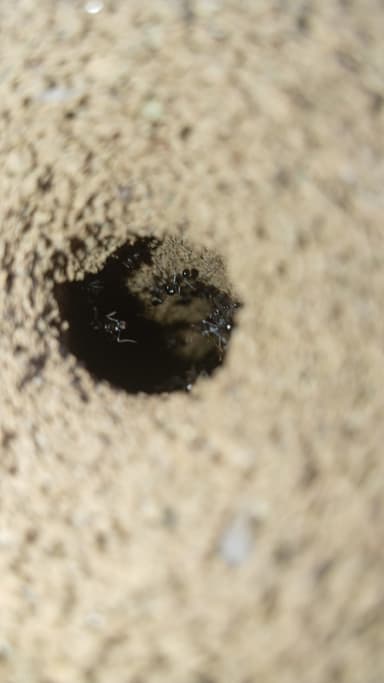
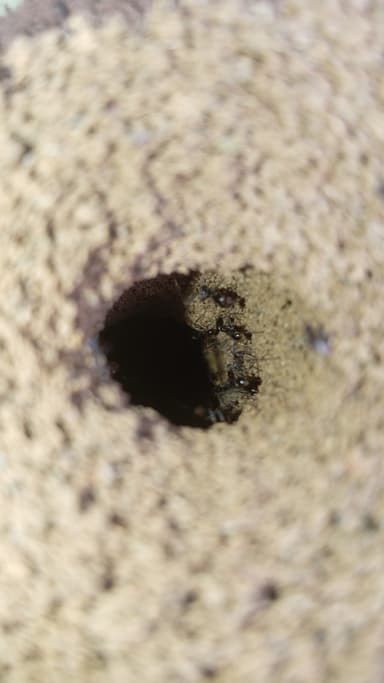
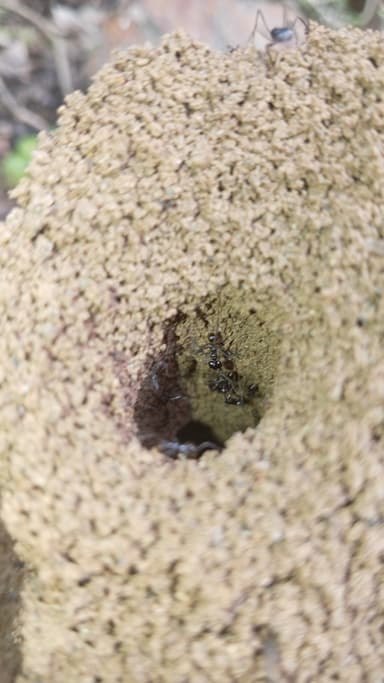
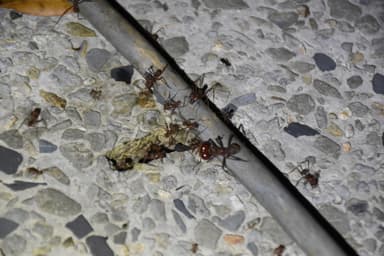
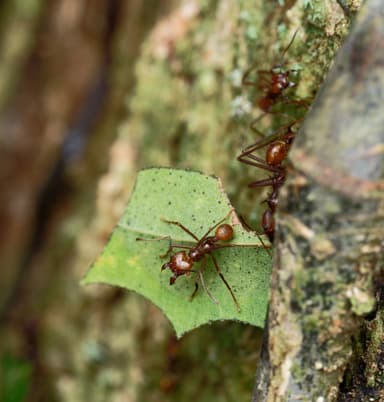
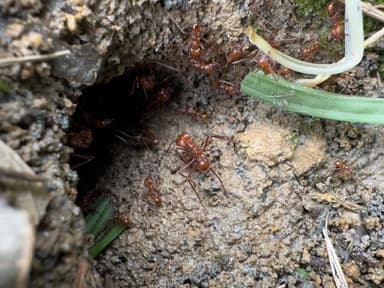
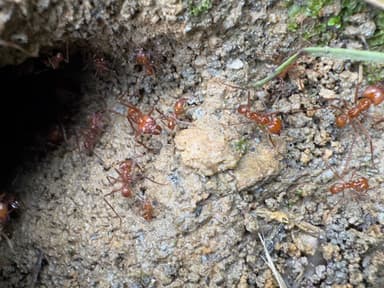
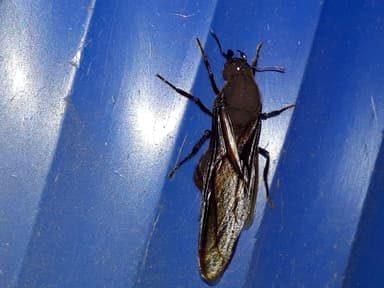
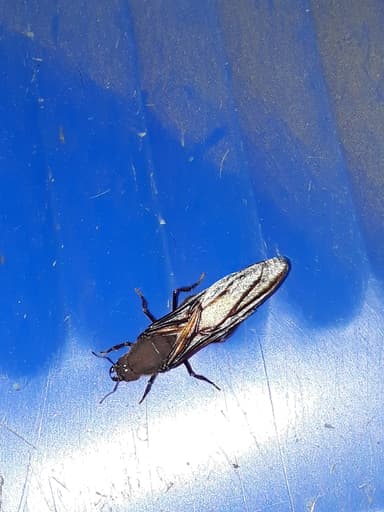
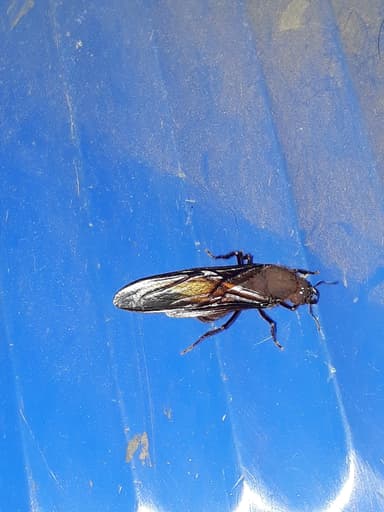
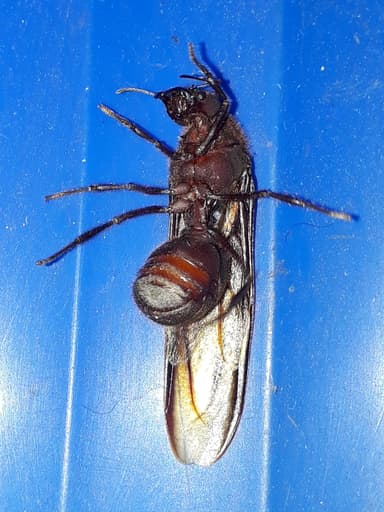
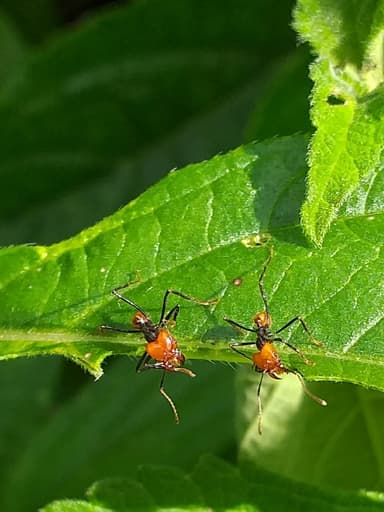
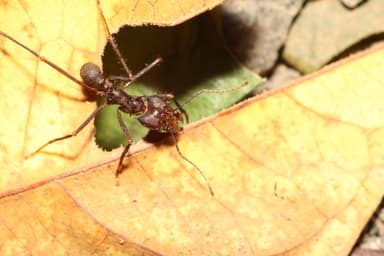
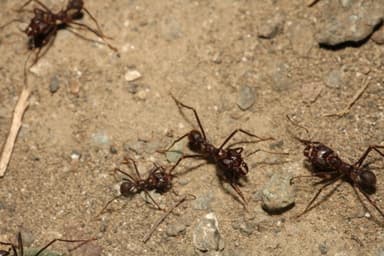
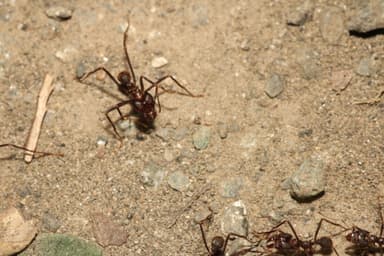
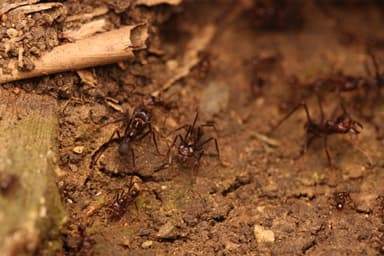
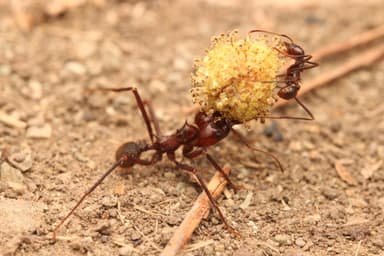
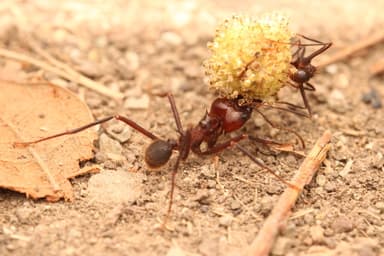
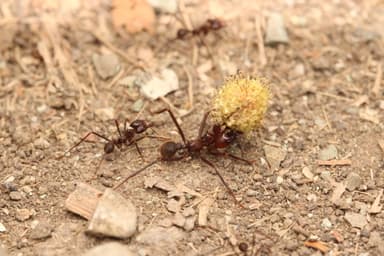
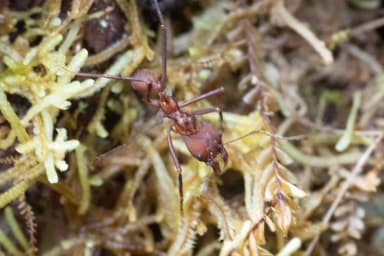
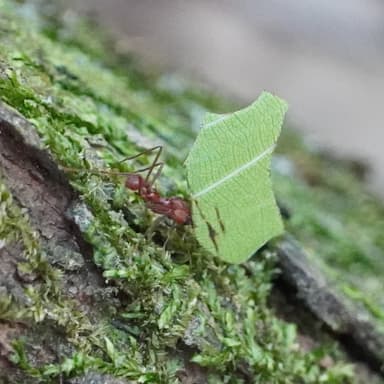
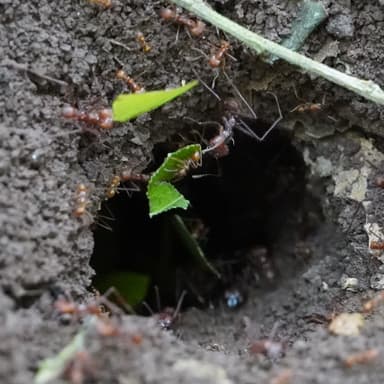
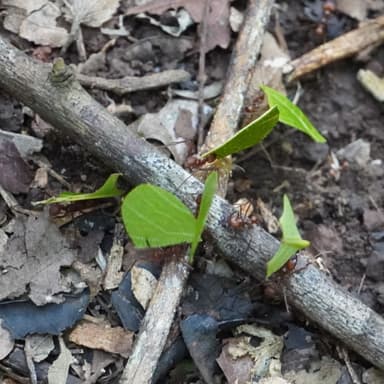
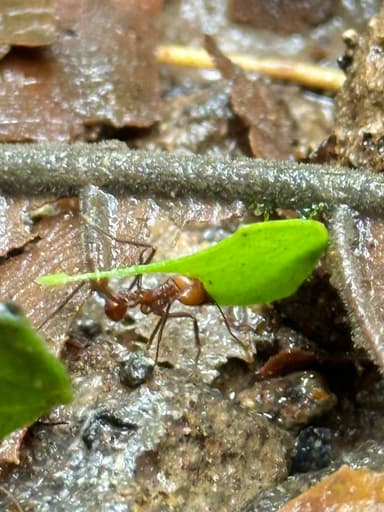
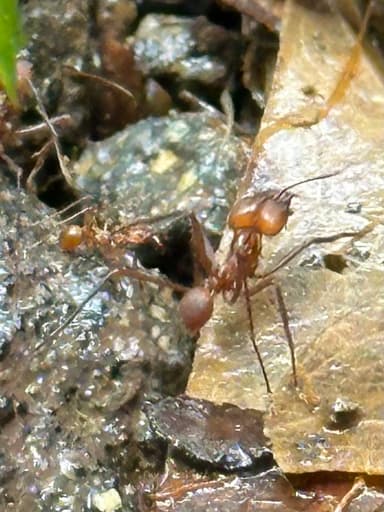
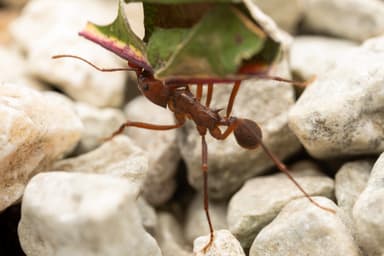
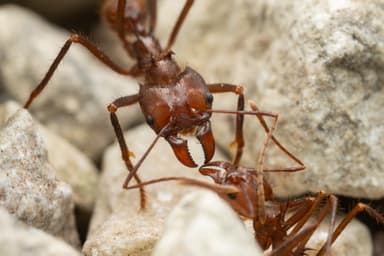
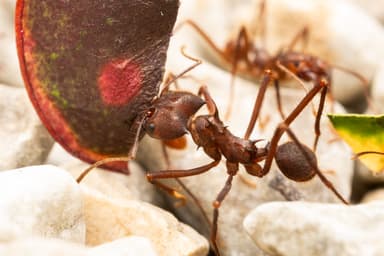
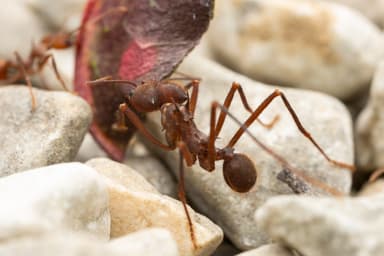
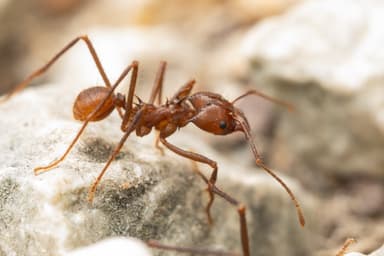
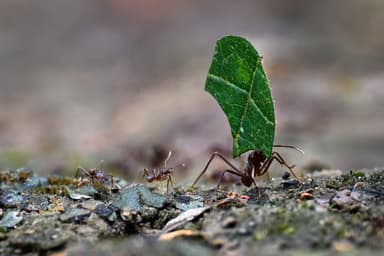
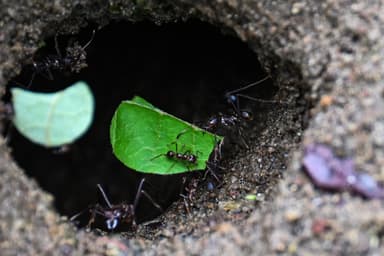
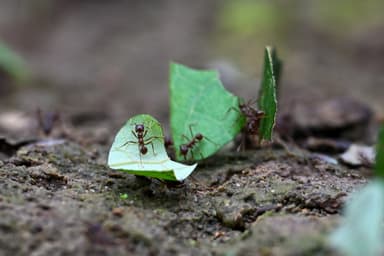
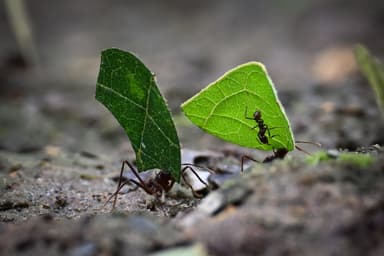
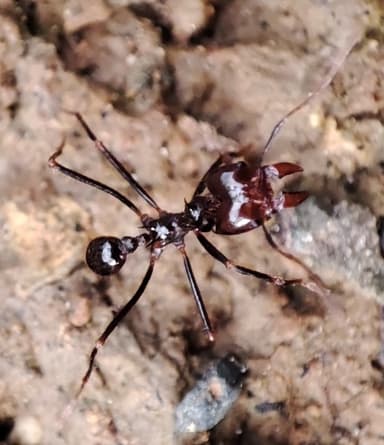
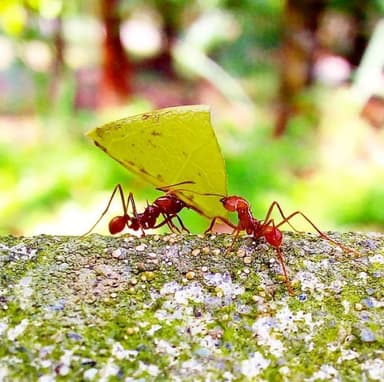
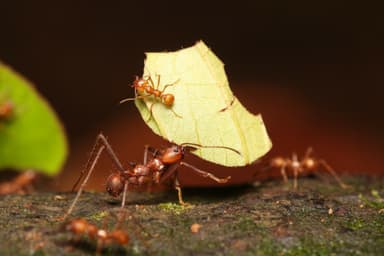
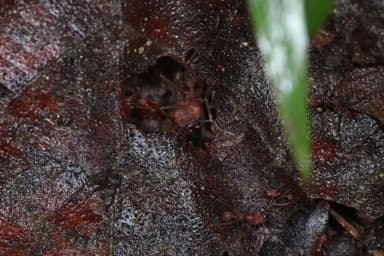
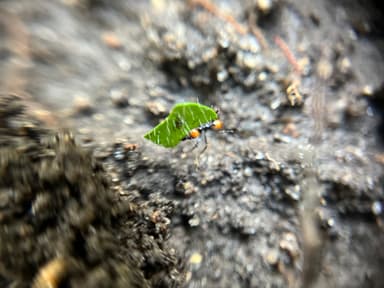
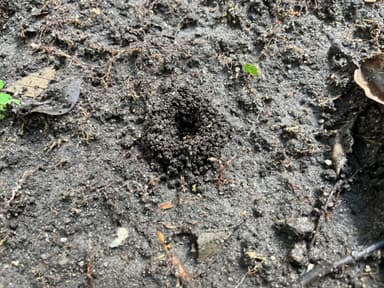
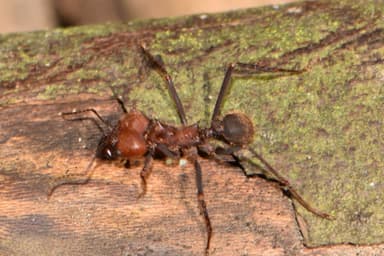
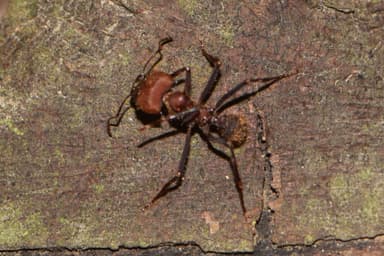
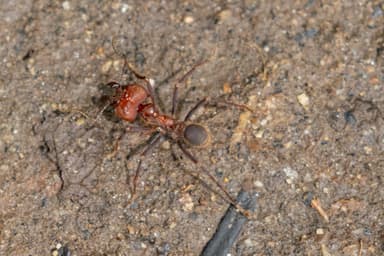
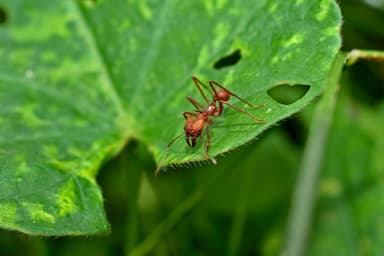
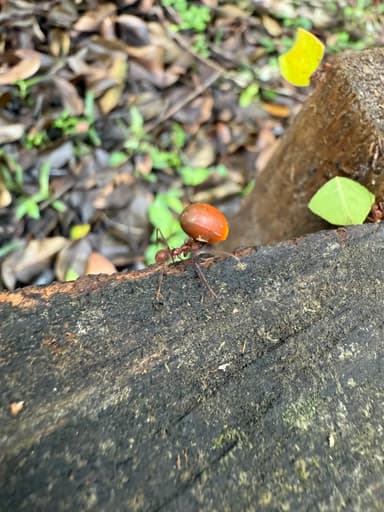
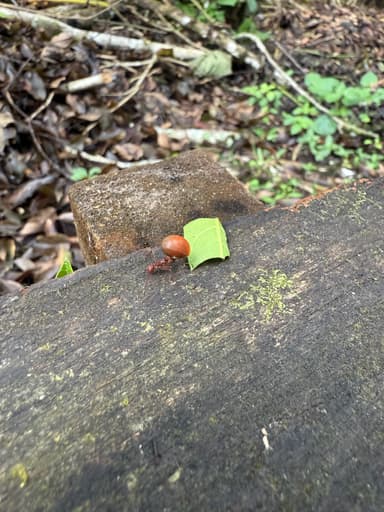
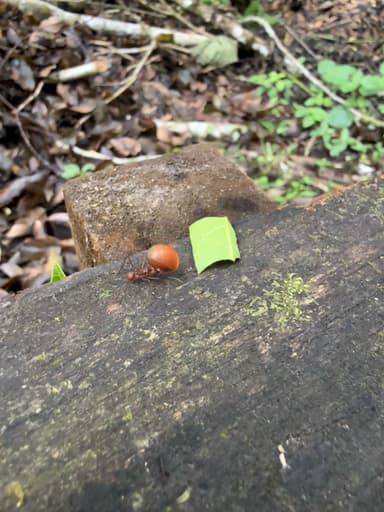
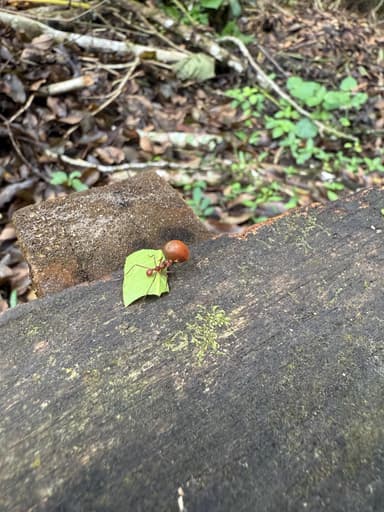
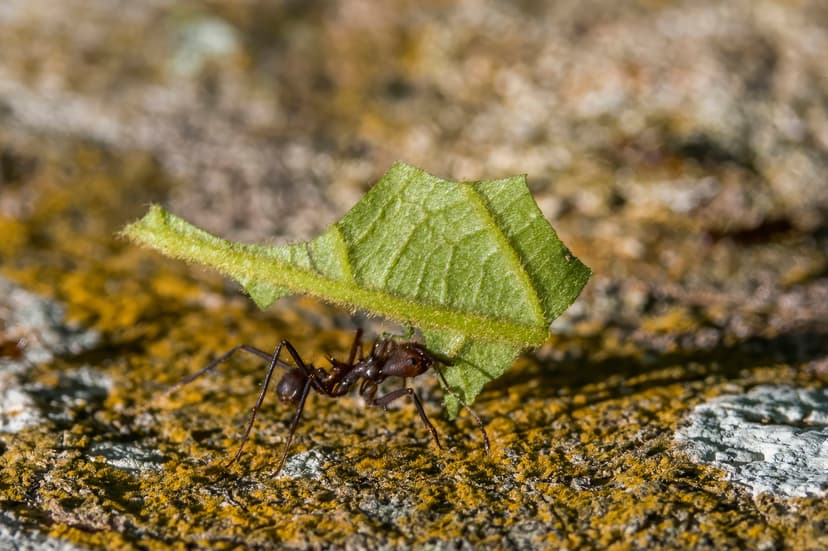
The leafcutter ant Atta cephalotes is one of the most spectacular and complex insects in the hobby, a true marvel of eusocial organization first described by Linnaeus in 1758. Superficially, the matte-black, spiny workers might seem unremarkable, but their true beauty lies in their extreme polymorphism. A mature colony contains an unbroken chain of worker sizes, with the tiniest minors barely 2 mm in length, media and major workers spanning a continuous spectrum, and massive supermajors—the soldiers—reaching up to 16 mm, all serving a single, formidable queen of 22–25 mm. This intricate division of labor supports a fungus‑farming society that can swell to a staggering 8 million individuals (Weber 1972). Unlike most ants, Atta cephalotes does not eat solid food directly; instead, workers cut fresh vegetation, chew it into a moist pulp, and inoculate it with symbiotic fungus, which they have cultivated for millions of years. The fungus breaks down plant toxins and produces protein‑ and lipid‑rich swellings called gongylidia that feed the larvae and sustain the adults, in a mutualism so advanced that Hölldobler & Wilson (1990) called the leaf‑cutting attines “the most complex animal societies on earth, next to our own.” Found in the wild from Mexico across the Amazon Basin down to about twenty‑five degrees south latitude, this species undertakes its nuptial flights on warm, humid afternoons after heavy rains at the onset of the wet season—primarily April through June in South America, and May through July in Central America (AntWeb; AntWiki)—offering a fleeting window into their reproductive biology.
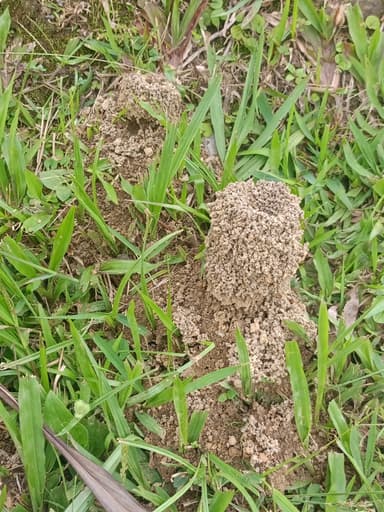
Caring for Atta cephalotes is unambiguously an expert‑level undertaking, and not one to be entered into lightly. The sheer scale of the colony demands space that only the most dedicated keepers can provide. A fully mature nest can extend over dozens of square meters in the wild, and while captive colonies remain smaller, they still outgrow all but the most spacious custom setups within a few years. Their escape artistry is legendary; these ants can chew through wood, plastics softer than polycarbonate, and even thin aluminum, and a single unmated queen can found a claustral colony that, over a decade, may become a household‑sized biomass. This is a species for the advanced myrmecologist who already has intimate experience with fast‑growing, fungus‑dependent species and who can commit to daily maintenance for potentially fifteen years or more. If you are seeking a desktop curiosity, look elsewhere; if you have the resources, space, and reverence for a living super‑organism that epitomises the height of ant evolution, Atta cephalotes will reward you with an endlessly fascinating window into an alien agricultural world.
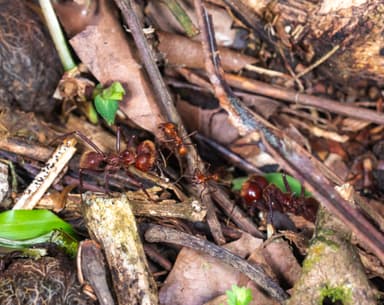
Housing must replicate the stable tropical conditions of a rainforest floor. The central requirement is a fungus chamber—a large, humidified container where the ants cultivate their fungal garden on a matrix of chewed leaves. Many keepers design a multi‑chamber formicarium connected to a foraging arena; the fungus chamber should have a deep layer of inert, moisture‑retentive substrate such as a peat‑clay mix or pure vermiculite, never soil from outdoors. Temperature needs to be maintained steadily between 22 and 30 °C, with a slight day‑night fluctuation encouraging natural activity rhythms. Far more critical is ambient humidity, which must hover between 70 and 90 %; the fungus will rapidly perish if it dries out, and overly wet, stagnant conditions promote mold. A well‑designed system uses a large water reservoir separated from the garden by a fine mesh membrane, with passive ventilation holes covered in fine stainless steel mesh to prevent escapes. Because of the risk of catastrophic escapes, many experienced keepers house the entire setup inside a secondary sealed room or a custom acrylic terrarium with PTFE barriers and locking lids—never underestimate the cutting power of a million mandibles.
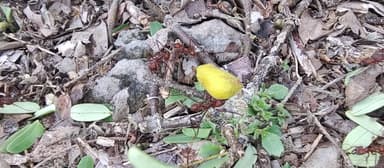
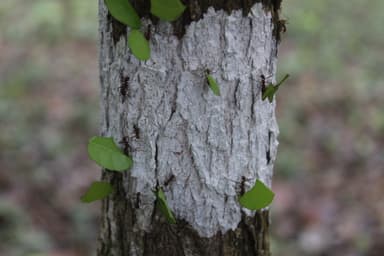
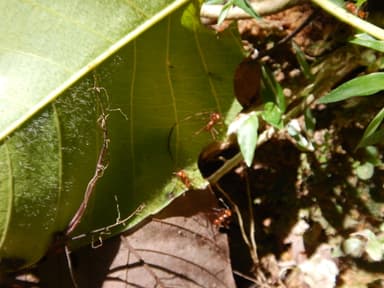
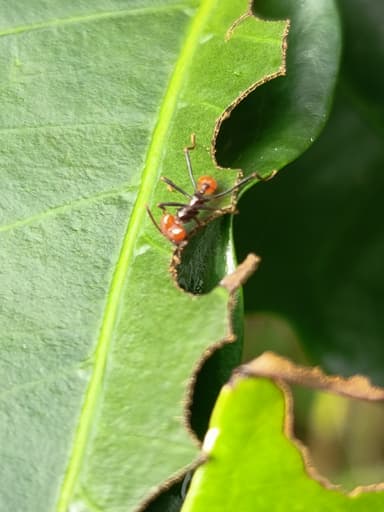
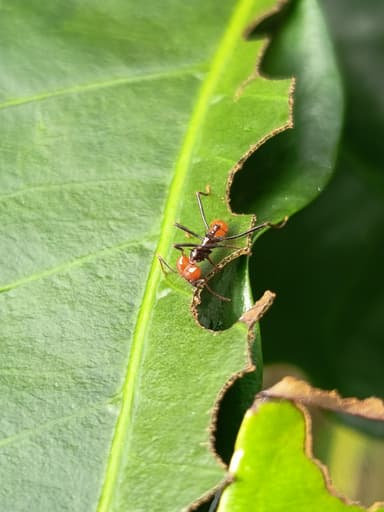
Diet in captivity revolves entirely around the health of the fungus garden. There is no need to provide insect protein; the fungus itself is the primary food source, and the ants meet their carbohydrate needs from the sap of fresh leaves and from the gongylidia. You must supply a wide variety of clean, pesticide‑free leaves daily: bramble, rose, privet, citrus, eucalyptus, and oak are all readily accepted, and offering a mix of young, tender leaves and tougher older foliage mimics the natural foraging pattern. A shallow dish of sugar‑water or honey‑water (roughly one part sugar to four parts water) placed on a cotton pad provides supplemental energy and prevents drowning. Fresh water must always be available via a test tube setup or a drinking station, but take care to keep liquid water away from the fungus garden itself to avoid rot. The single most common mistake is under‑estimating the sheer volume of leaves a growing colony consumes. A well‑fed worker force can strip a small potted plant overnight, so be prepared to establish a steady supply—whether from your own pesticide‑free garden or a reliable organic source—before acquiring a queen.
Because Atta cephalotes is a strictly tropical species, it does not hibernate and requires no seasonal temperature drop. Keep conditions constant year‑round; any prolonged chill below about 20 °C will rapidly stress the fungus and the brood, often fatally. The absence of a winter pause means the colony will grow continuously, which only magnifies the long‑term commitment. In the first days after you bring home a young, newly mated queen or a small incipient colony with a nascent fungus ball, absolute minimal disturbance is paramount. Place the setup in a dark, quiet room and ensure that the temperature and humidity are already stable. Offer a few small, tender leaf fragments and a droplet of sugar water on the first day, but do not force‑feed. Observe from a distance: a healthy queen will quickly tend her fungus and may begin laying eggs within a week, as documented by Autuori’s classic 1956 study on attine foundation. Watch for signs of fungal collapse—a foul smell, gray or green mold overgrowth, or workers discarding the garden—and adjust ventilation or moisture accordingly. With patience and meticulous environmental control, you will witness one of nature’s most extraordinary feats: the quiet birth of a civilization that, in time, will challenge every aspect of your skill and dedication as a keeper.