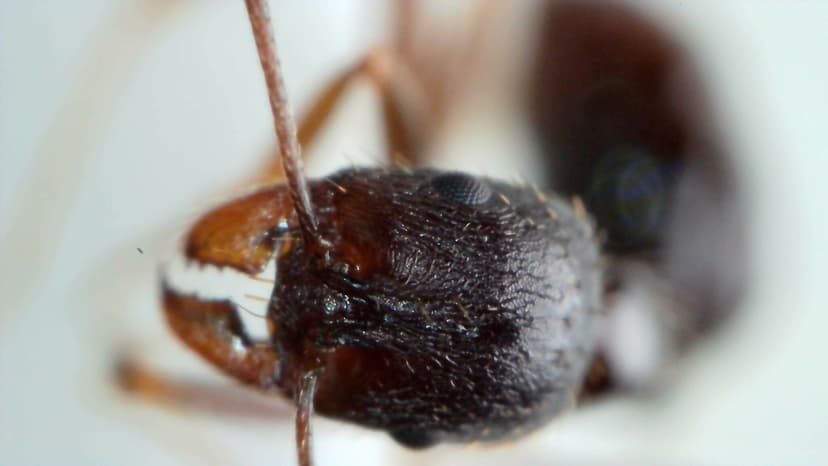
Aphaenogaster
Aphaenogaster gibbosa
Nuptial Flight Calendar
Flight months: Sep, Oct, Nov
Care Guide
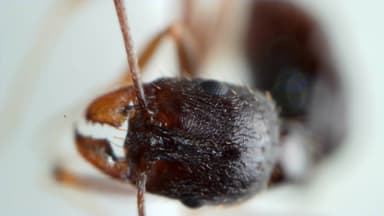
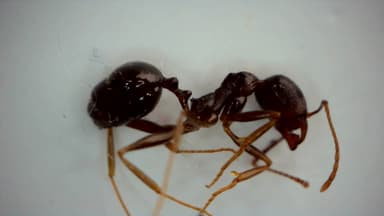
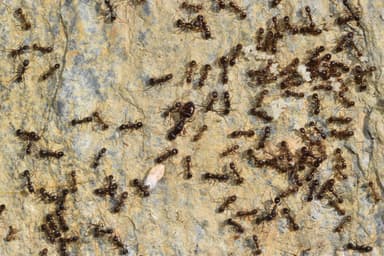
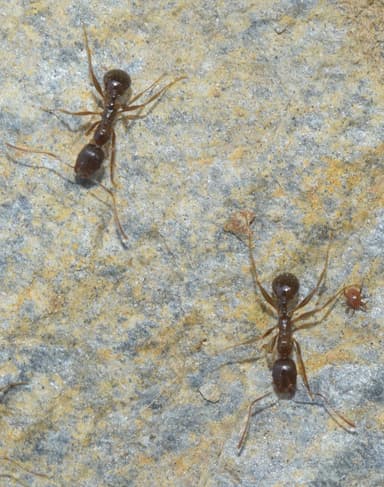
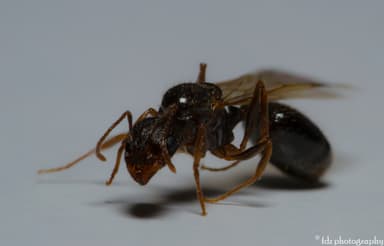
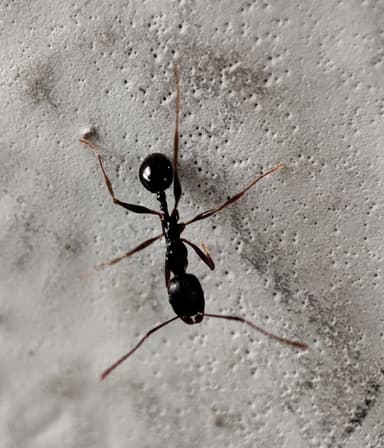
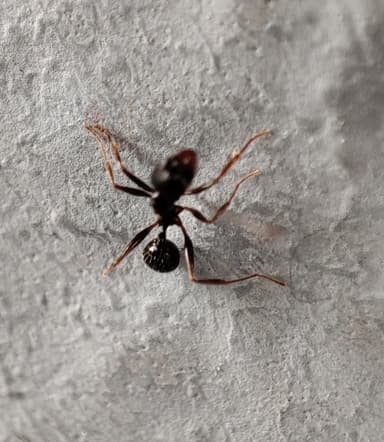
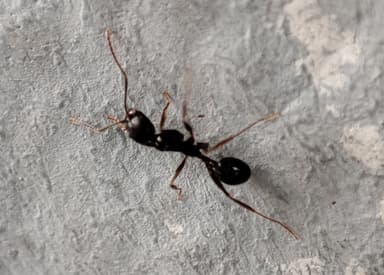
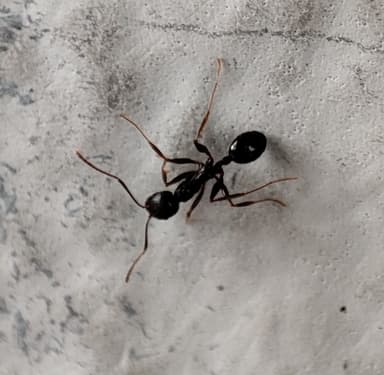
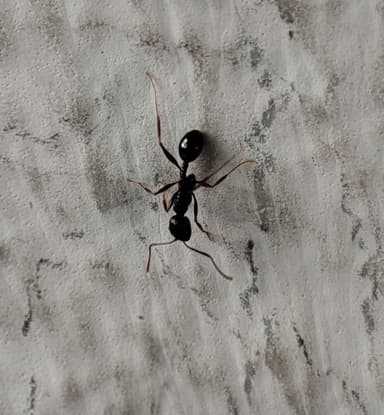
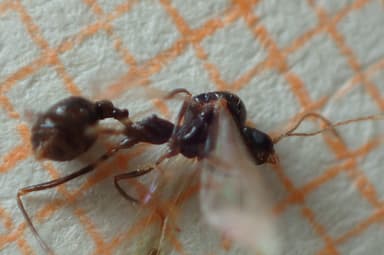
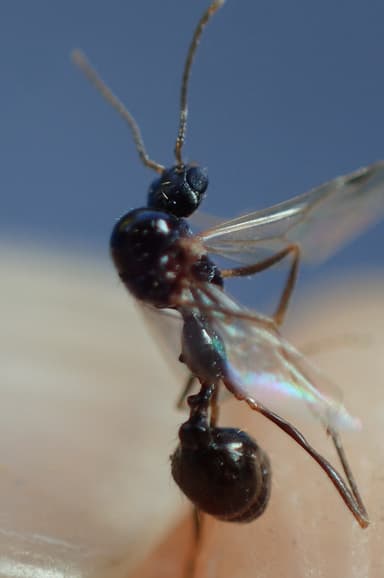
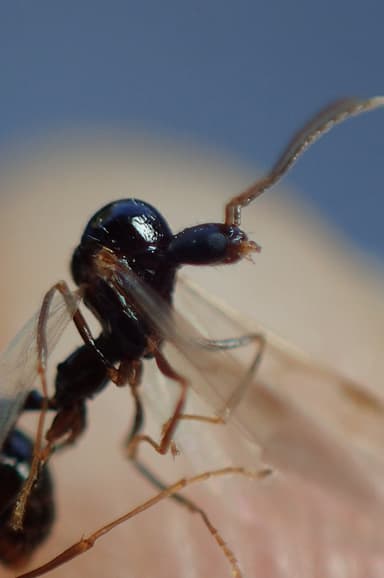
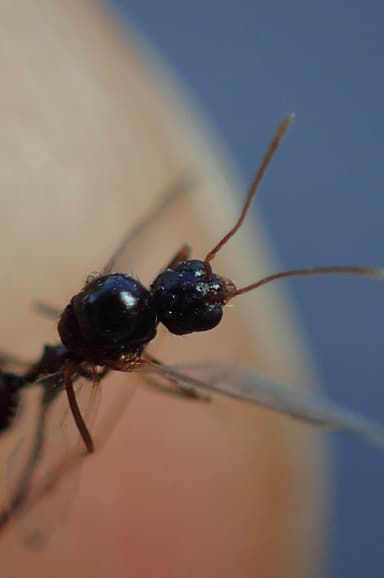
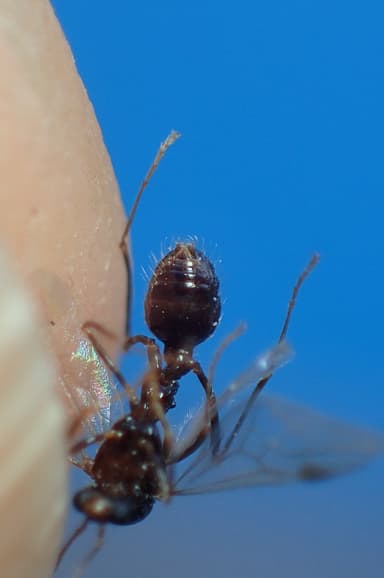
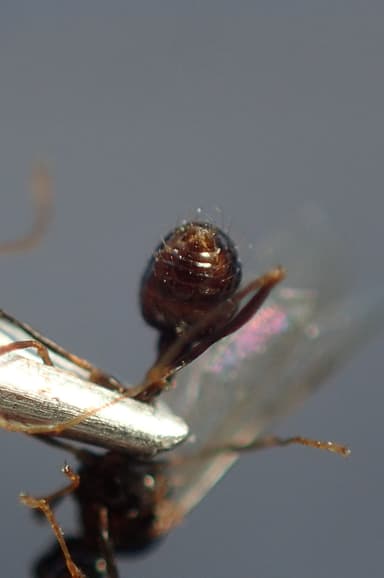
Aphaenogaster gibbosa is a captivating ant of the Mediterranean basin, known to many hobbyists under its evocative common name, the gibbos ant. Workers measure a slender 4 to 6 millimetres, while the queen is substantially larger at 8 to 10 millimetres, making her easy to spot in the nest. Their monomorphic caste—all workers are of the same basic form, which the research literature categorises simply as “minor workers”—belies a colony that grows with a modest but impressive trajectory, reaching up to 3,000 individuals at maturity. The founding stage is entirely claustral, meaning the queen seals herself away and relies solely on her own metabolic reserves to raise her first brood, a trait that keeps early care refreshingly hands-off. In the wild, Seifert (2018) places these ants across the warmer stretches of southern Europe and into North Africa, roughly from Iberia to Italy, where they nest in soil, under stones, and within decaying wood. They are particularly enchanting to observe because of their elegant, long-legged gait and the purposeful way they scout for food, often playing a role in the dispersal of small seeds in their native habitats (Gómez & Espadaler, Hormigas.org). Nuptial flights are an autumn affair, typically occurring from September through November on warm, humid afternoons after soaking rains, providing a clear seasonal rhythm for the keen keeper.
With a care rating of intermediate, Aphaenogaster gibbosa is best suited to the ant-keeper who has successfully maintained a simpler species and is ready for a species with a mandatory dormancy period and a few more environmental preferences to balance. They are not overtly aggressive, but they are agile and can be skittish, so calm, deliberate handling and a well-sealed formicarium are essential; even a tiny gap is an escape risk given their size. This species rewards patience with intricate foraging trails and the quiet, steady growth of a colony that seldom requires invasive intervention. If you appreciate the seasonal ebb and flow of a natural temperate ant, and you are willing to provide a cool winter rest, then A. gibbosa will flourish under your stewardship.
Creating the right housing is all about mimicking the interface between soil and air where these ants naturally thrive. A formicarium that offers a combination of plaster, gypsum, or a sand–loam substrate works well, as it allows the ants to manage their own humidity microclimates—a necessity since they are accustomed to nesting in earth that is neither waterlogged nor bone dry. The nest chamber itself should maintain a relative humidity between 50 and 70 percent, with a slight gradient so the colony can choose where to keep their brood. Temperature-wise, aim for a daytime warmth of 24 to 26 degrees Celsius, while allowing the setup to cool slightly at night, though it can safely range from 20 to 28°C. A small external outworld with a thin layer of sand and a piece of bark for cover encourages natural foraging behaviour. No special lighting is required, but these ants are largely diurnal and will readily explore under ambient room light, making their daily rhythms a joy to watch. The research data and field observations on AntWiki confirm that they do not tolerate swampy conditions, so ensure any watering system drains well and does not saturate the nest floor.
Diet for A. gibbosa is straightforward and satisfying to provide. In nature they are avid scavengers and predators, seeking out insect prey as their primary protein source, so offer a regular supply of fruit flies, small crickets, or mealworm segments, always pre-killed or stunned for safety. They will also readily accept high-quality sugar sources; a small drop of organic honey, maple syrup, or a specialised liquid feeder filled with sugar water will be visited with enthusiasm. Some colonies will even nibble at seeds or small grains, but these are supplementary at best. Fresh water must be available at all times, either through a test-tube setup or a dedicated drinking station in the outworld, as dehydration is a quick killer of small colonies. Feed protein two to three times a week, carbohydrates lightly and regularly, and remove any uneaten food before it moulds, because A. gibbosa is sensitive to unsanitary conditions in captivity.
A cool hibernation is not optional for the long-term health of this species; it is a biological necessity. According to Gómez and Espadaler, colonies in the wild experience a pronounced winter drop in temperature, and captive colonies must replicate this. Bring the nest temperature down to around 12 degrees Celsius for a period of two to three months, usually from late November to February. Prepare the colony by ceasing protein feeds a couple of weeks before cooling, and ensure they enter dormancy with a clean setup and access to water. A wine cooler or a frost-free garage that stays reliably at the target temperature is ideal. During hibernation the ants will cluster together, movement will cease almost entirely, and the queen will stop laying eggs. Do not disturb them with light or vibration, and check only briefly every few weeks to verify that the nest humidity is still adequate. When spring arrives, warm them gradually back to normal rearing temperatures over a few days, and they will resume activity as if awoken by the first Mediterranean sun.
The first few days after your Aphaenogaster gibbosa queen and her small retinue arrive are delicate and critical. Transfer them gently into their new nest with as little stress as possible; if they are still in their shipping tube, simply attach it to a port and let them move on their own over the course of a day or two. Once they have settled, offer a minute droplet of sugar water on a small piece of foil directly near the entrance, as this provides an instant energy boost after transport without overwhelming them with a large prey item. Wait another 24 hours before giving the first pre-killed fruit fly, removing it after a few hours if untouched. Watch for the queen to begin exhibiting calm, deliberate movement, and soon she should start laying eggs—a sign that the nest conditions are acceptable. In these early stages, keep disturbance to an absolute minimum, use red light if you must observe, and refrain from any major maintenance. Should you notice persistent restlessness, workers pacing at the edges of the outworld, or, conversely, total lethargy in the warmth, double-check your temperature and humidity readings. A steady, patient welcome lays the foundation for a thriving colony that may one day require a larger setup, bringing you years of enjoyment.