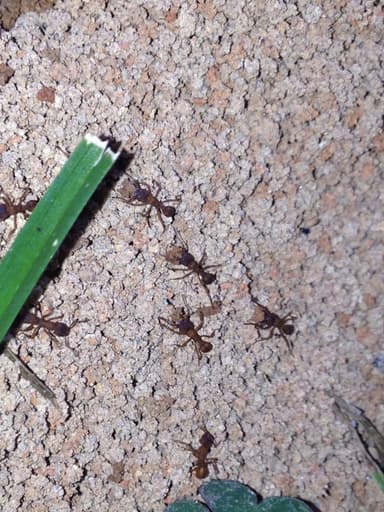
Trachymyrmex
Trachymyrmex septentrionalis
Care Guide
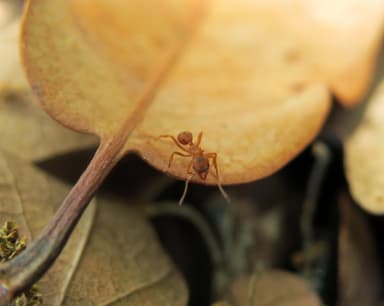
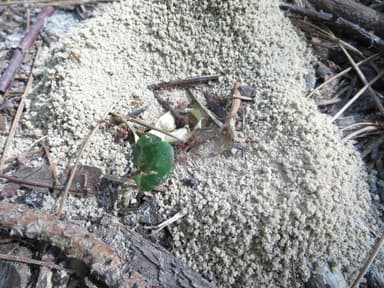
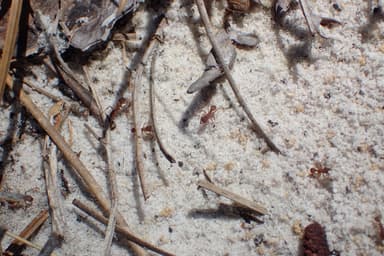
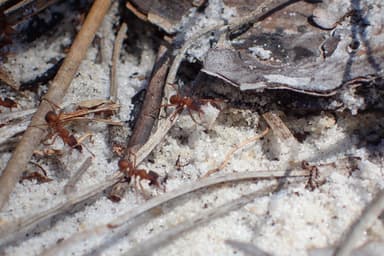
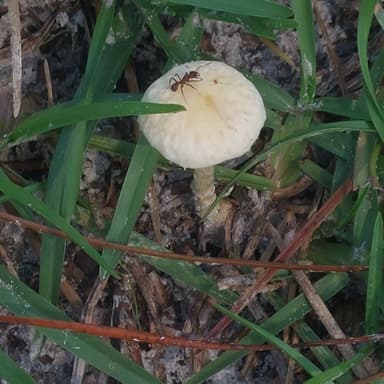
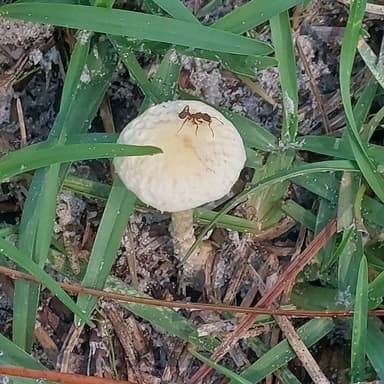
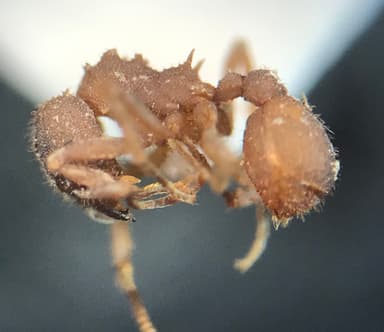
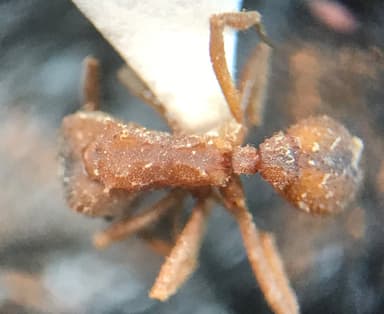
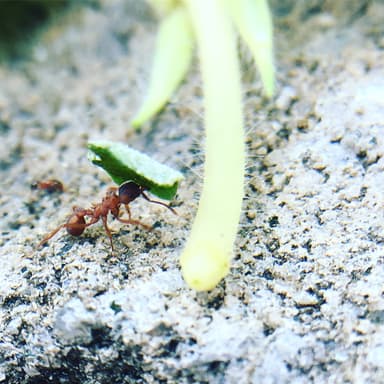
Trachymyrmex septentrionalis belongs to the fascinating tribe of fungus-farming ants, a group that has evolved a sophisticated agricultural symbiosis. Unlike the more famous leafcutter ants that harvest fresh leaves, these ants collect a diverse array of organic materials—dried plant fragments, caterpillar frass, and even small pieces of dead insects—which they use as substrate for their fungal gardens. The colony exhibits moderate size polymorphism: the queen measures six to seven and a half millimeters, while workers range from two to four millimeters. Despite their modest stature, these ants are remarkably industrious, and a mature colony of several hundred workers cultivates a thriving network of pale, fluffy fungus that serves as their primary food source. The relationship is obligate; the ants depend entirely on their fungal symbiont for nutrition, though they also supplement their diet with small insects and sugary liquids when available.
Care difficulty
Keeping Trachymyrmex septentrionalis is considered an intermediate challenge, largely because of their specific environmental needs and their semi-claustral founding strategy. The queen must forage for food during the early stages of colony establishment, which means she requires a steady supply of suitable organic material to feed both herself and her developing larval brood. This makes the founding phase more delicate than that of fully claustral species. Once the first workers emerge, the colony becomes more resilient, but maintaining the correct balance of humidity, temperature, and substrate quality remains essential.
Housing
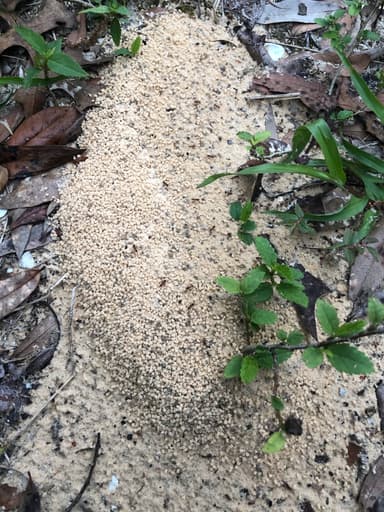
A suitable formicarium for Trachymyrmex septentrionalis must provide both a nest chamber with consistently high humidity (seventy to ninety percent) and a separate foraging area where the ants can gather substrate and protein. The nest itself should be kept relatively dark and stable, with a temperature between twenty-four and twenty-eight degrees Celsius. Because these ants are fungus farmers, the nest substrate must be clean and free of mold contaminants; a mix of sand and clay works well for burrowing, while the fungus garden is typically grown on a smaller, separate medium such as peat or vermiculite. Moisture gradients are critical—the fungus requires damp conditions but cannot tolerate standing water. During winter, a hibernation period at around ten degrees Celsius is mandatory for several months, simulating their natural cycle and ensuring reproductive health.
First days after purchase
Upon receiving your colony, place the formicarium in a quiet, vibration-free location and allow the ants to settle without disturbance. For the first few days, simply observe from a distance and ensure the nest humidity remains high. Offer small pieces of dried leaf matter, crushed oats, or even a tiny drop of honey water near the entrance, but avoid overfeeding. The most important thing during this acclimation period is patience—let your new farmers establish their garden and begin their work before introducing any major changes.