Ponera
Ponera pennsylvanica
Care Guide
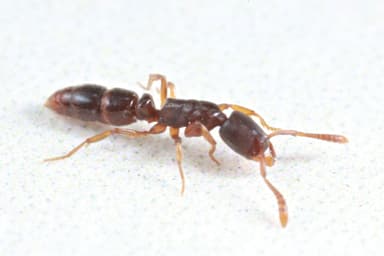
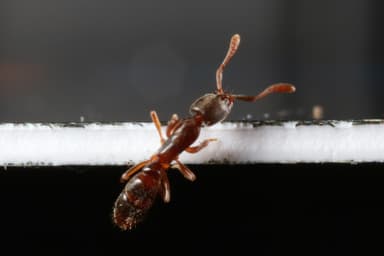
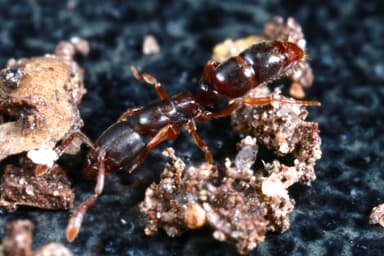
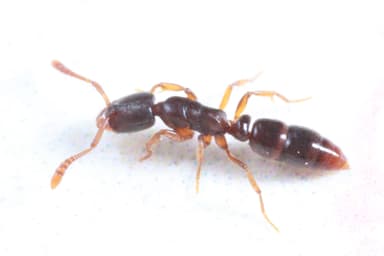
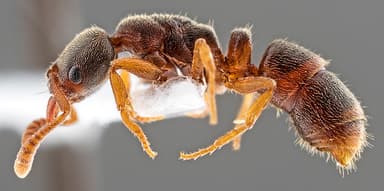
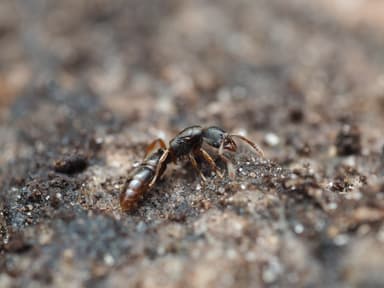
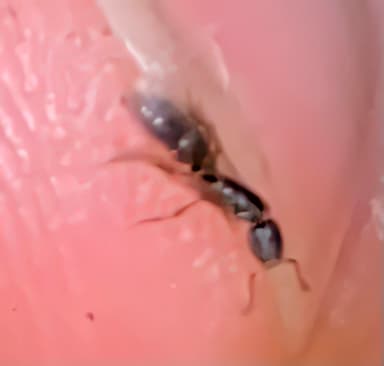
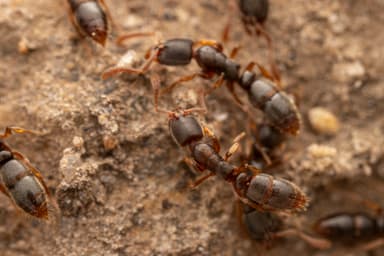
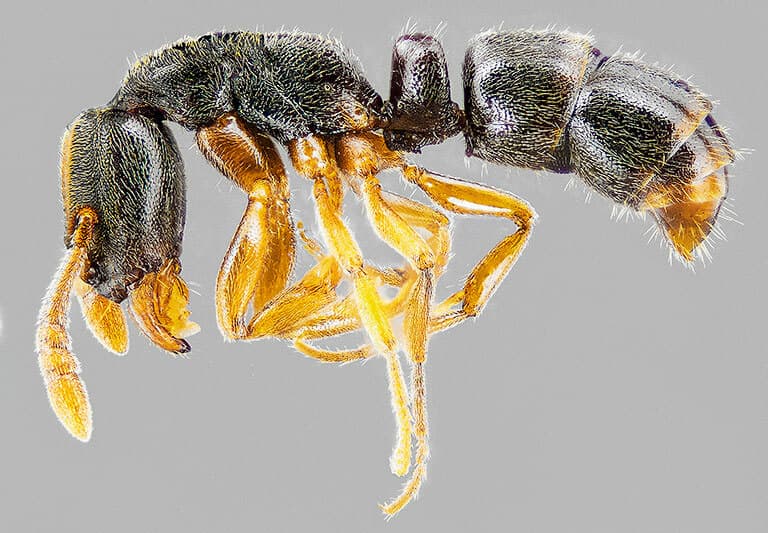
Ponera pennsylvanica is a small but fascinating ant species native to North America, often found in leaf litter and decaying wood. Despite their modest size, these ants are formidable hunters with a needle-like sting that they use to subdue soft-bodied prey. The queen is a tiny marvel at just 3.5 to 4.5 millimeters, while workers are even smaller, measuring only 2 to 2.5 millimeters. Colony size is naturally compact, ranging from 30 to 100 workers, making this species ideal for keepers who appreciate a more intimate and manageable colony. Founding is fully claustral, meaning the queen seals herself in a chamber and raises her first brood without needing to forage — an advantage that simplifies the early stage of keeping.
One of the most distinctive features of Ponera pennsylvanica is their strict insectivorous diet. Unlike seed-harvesting ants, these hunters rely entirely on live or freshly killed insects. Small crickets, fruit flies, and mealworm pieces are readily accepted. They are skilled ambush predators, injecting venom to paralyze their prey. This feeding behavior is both captivating to observe and easy to manage, as you only need a steady supply of small feeder insects. No sugar water or seeds are required, which streamlines their care in a different way.
Care difficulty
Keeping Ponera pennsylvanica is rated as intermediate, mainly due to their specific humidity and hibernation needs. They are not overly demanding once established, but beginners should be comfortable maintaining high moisture levels and providing a cool winter rest period. The colony’s small size means they are less prone to escape than larger species, but they are sensitive to disturbance, especially during the founding stage.
Housing
A formicarium for Ponera pennsylvanica should prioritize constant high humidity, ideally between 70 and 90 percent. A soil-based or clay nest with a moisture gradient works well — part of the nest should be damp but not waterlogged. A heating cable or mat set to 20–26°C is suitable for the warm side. Importantly, this species requires a true hibernation period. From late autumn through early winter, gradually lower the temperature to 8°C for two to three months. This cool rest is essential for successful brood development in spring. An outworld with a thin layer of leaf litter or sand will mimic their natural hunting grounds and provide enrichment.
First days after purchase
Upon receiving your Ponera pennsylvanica colony, transfer them into their prepared nest with care and minimal light exposure. Place the setup in a quiet, dim area and allow the ants to settle for at least 24 hours. During this time, check that humidity levels are adequate by misting the nest substrate gently, and offer a small piece of freshly killed insect. Do not disturb the queen or workers unnecessarily. Over the following days, observe as they explore their new surroundings and begin hunting — a rewarding sign that your colony is adapting well to their new home.