Pachycondyla
Pachycondyla harpax
Care Guide
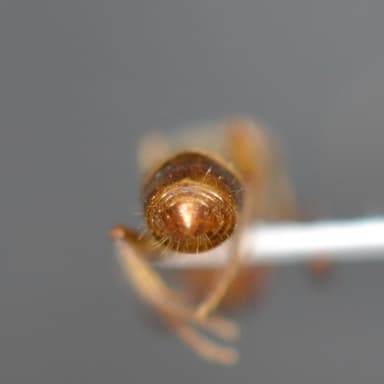
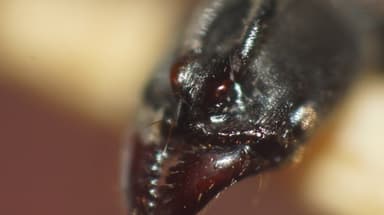
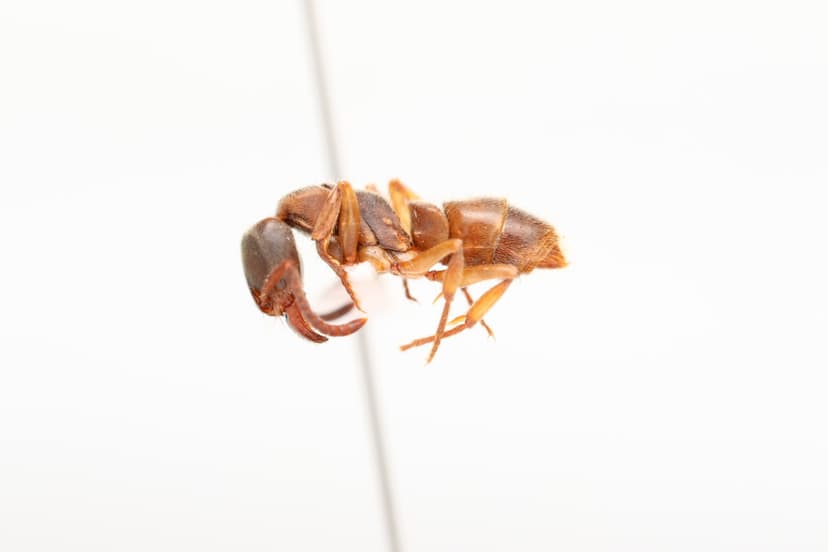
Pachycondyla harpax is a robust and striking ponerine ant species that appeals to keepers looking for a more hands-on, observant experience. These ants are powerfully built, with a glossy black to dark brown exoskeleton and strong mandibles that reflect their predatory lifestyle. The queen, measuring up to 12 mm, is slightly larger than the workers, which range from 8 to 11 mm. Unlike many other ants, Pachycondyla harpax does not exhibit pronounced polymorphism — all workers are uniform in size and share the same roles, making the colony’s social structure simple yet fascinating.
One of the most captivating aspects of keeping this species is their hunting behavior. As active predators, they rely entirely on insect prey for nutrition. A diet of live or freshly killed insects — such as crickets, mealworms, roaches, or flies — is essential. They are solitary hunters; individual workers will locate, subdue, and carry prey back to the nest. Watching a single worker grapple with a struggling insect is a thrilling reminder of their ancestral instincts. There is no need for sugars or honey water, as these ants get all their energy from protein-based food.
Pachycondyla harpax is a semi-claustral founder, meaning the queen must leave the nest to forage for food during the early stages of colony establishment. This makes the founding period more delicate and hands-on for the keeper. The queen will need regular feedings of small insects until her first workers eclose, at which point she can reduce her activity. Once the colony grows, it typically reaches a modest size of 50 to 300 workers — large enough to be impressive, but manageable for intermediate keepers.
Care difficulty
This species is best suited for intermediate ant keepers. The semi-claustral founding and high humidity requirements demand consistent attention. Unlike seed-harvesting species, Pachycondyla harpax requires a steady supply of insect prey, which may not appeal to all beginners. However, for those willing to meet these needs, the reward is a highly active, diurnal colony that is wonderfully engaging to observe.
Housing
Provide a formicarium with a nesting area that maintains high humidity — between 70 and 80 percent. A substrate like clay, sand-loam mix, or hydroton works well, as it retains moisture without becoming waterlogged. The outworld should offer a dry, well-ventilated area for foraging. Temperature should be kept between 22 and 28°C, with no need for a cooling hibernation period. These ants are not particularly sensitive to vibrations, but they do appreciate a stable, quiet environment. Ensure a clean water source is always available, though they will obtain most of their moisture from the humid nest.
First days after purchase
Upon receiving your new colony, transfer them into the prepared formicarium and place it in a dim, quiet location. Let the ants acclimate for at least 24 hours before offering any food. During the first few days, provide a small, pre-killed insect to reduce stress. Avoid bright lights and excessive disturbance. Observe the queen’s activity closely — she may need a few days to settle into the new nest. Always ensure the humidity gauge reads within the target range. Once the workers start patrolling and accepting food, your colony is off to a strong start.