Leptomyrmex
Leptomyrmex erythrocephalus
Care Guide
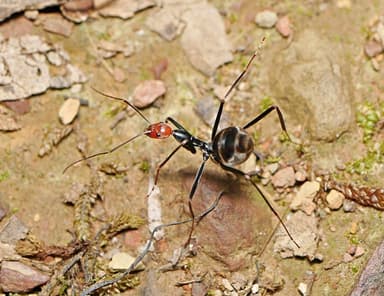
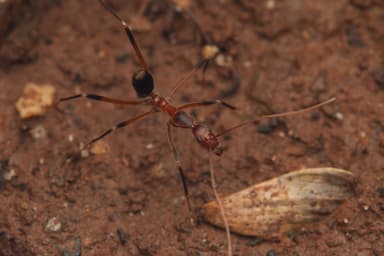
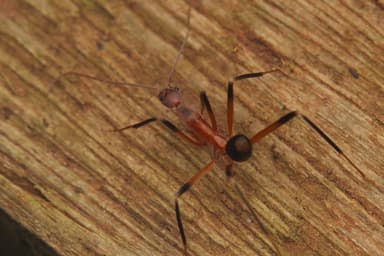
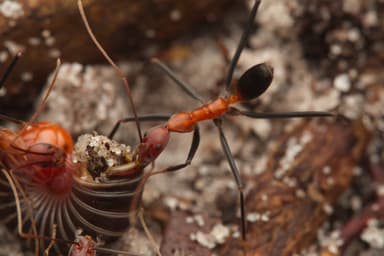
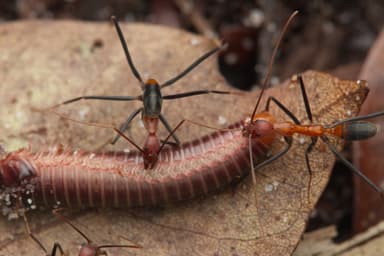
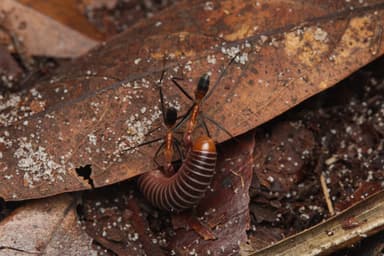
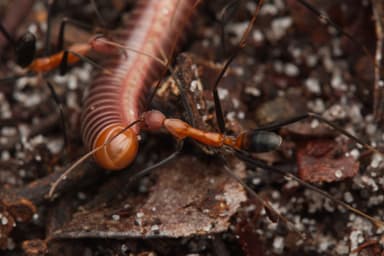
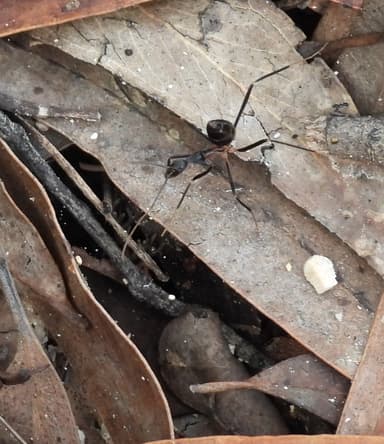
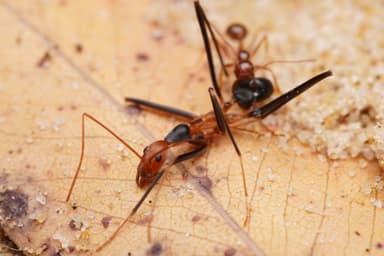
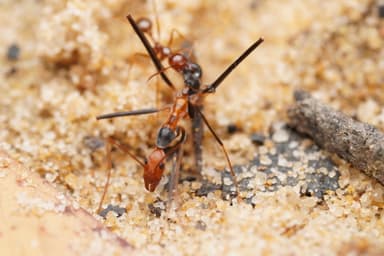
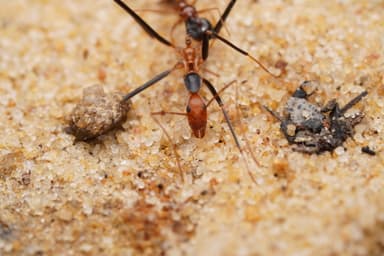
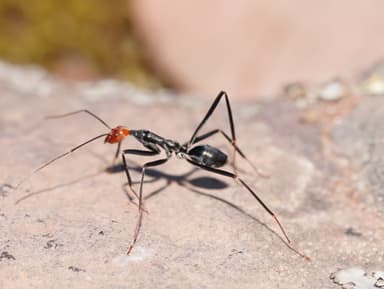
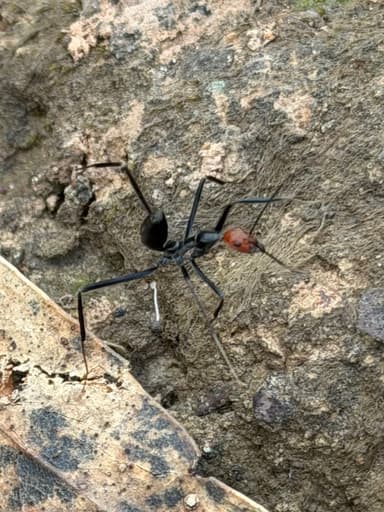
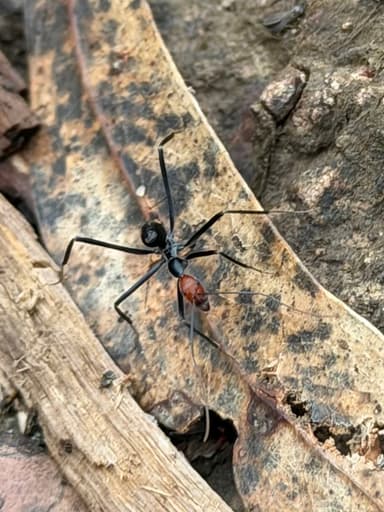
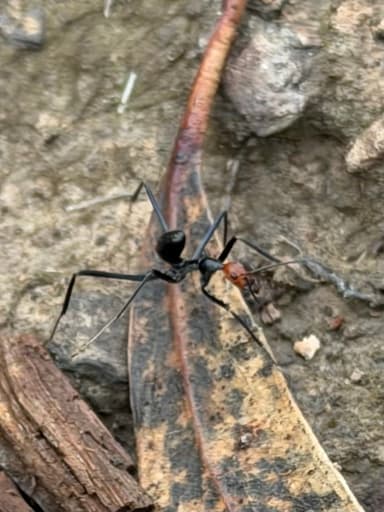
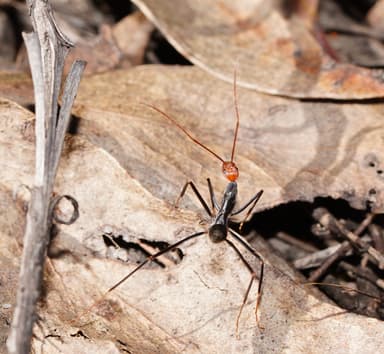
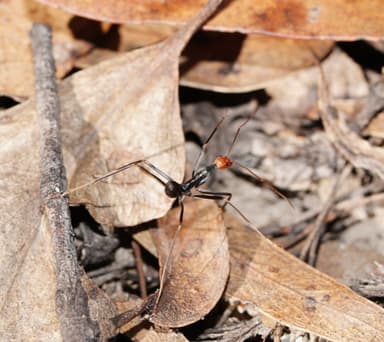
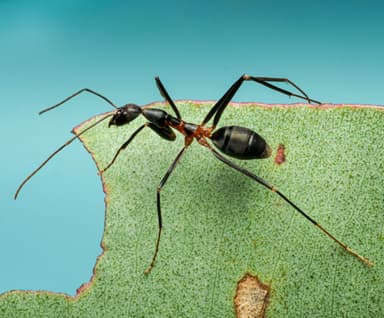
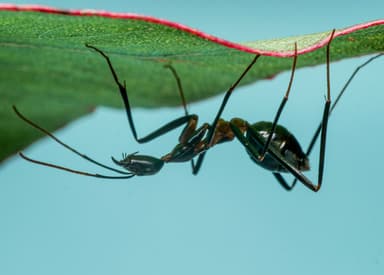
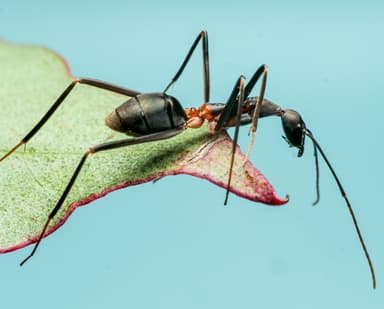
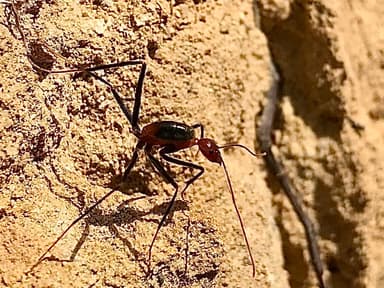
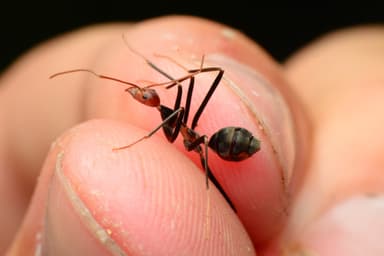
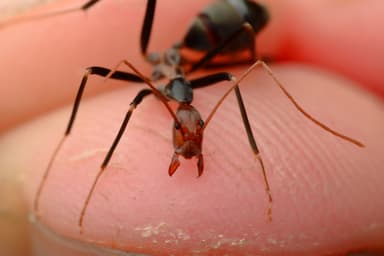
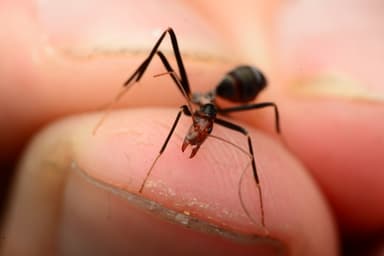
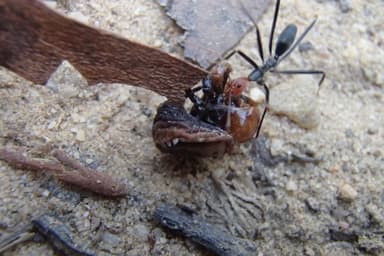
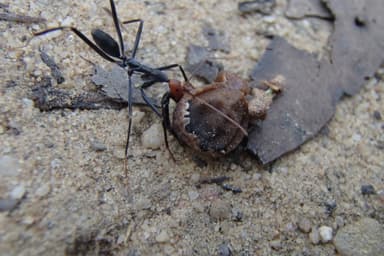
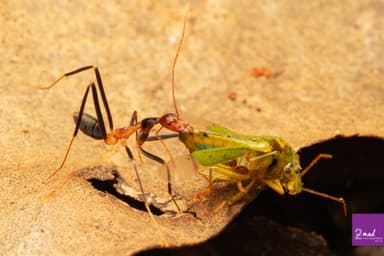
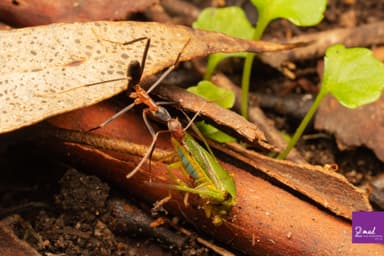
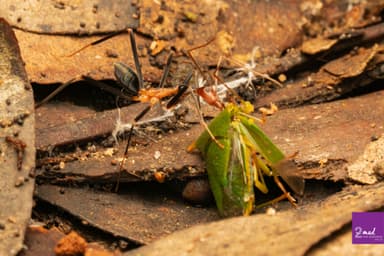
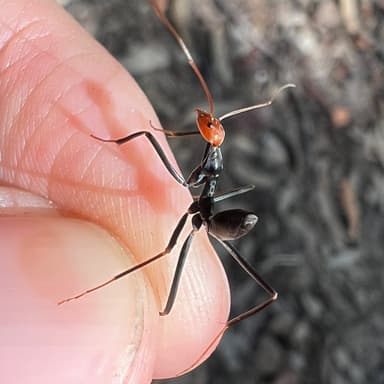
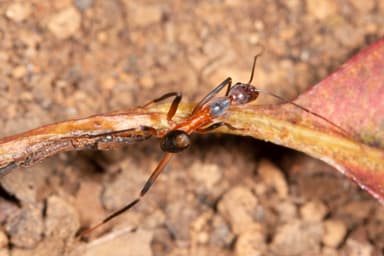
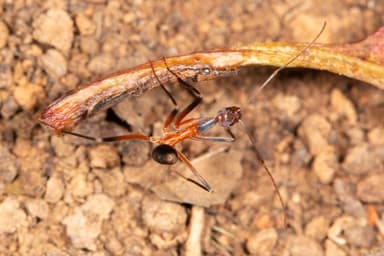
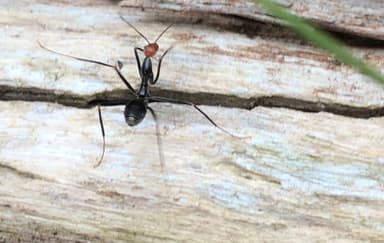
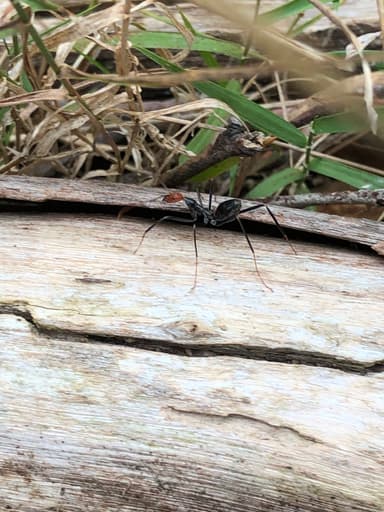
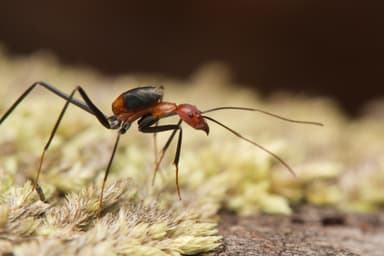
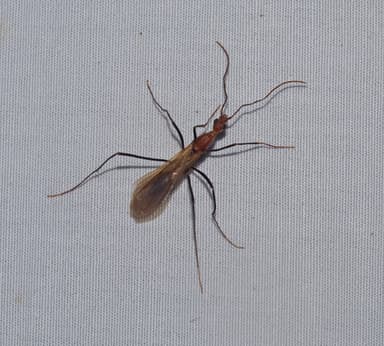
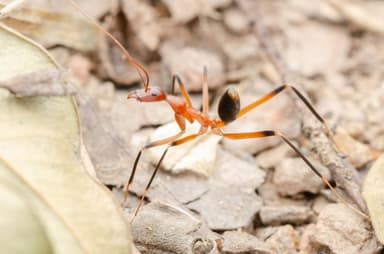
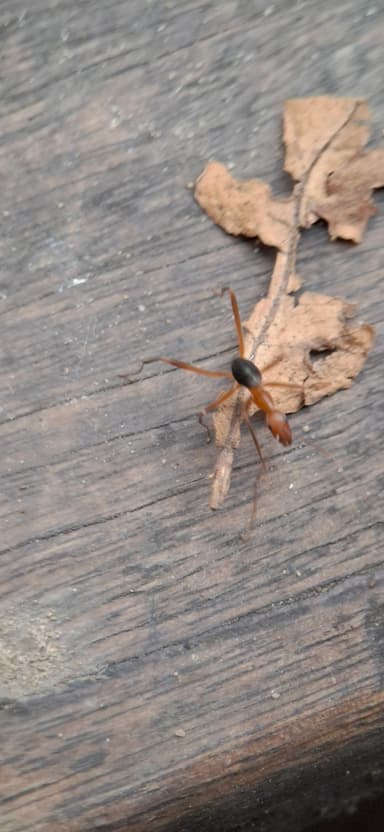
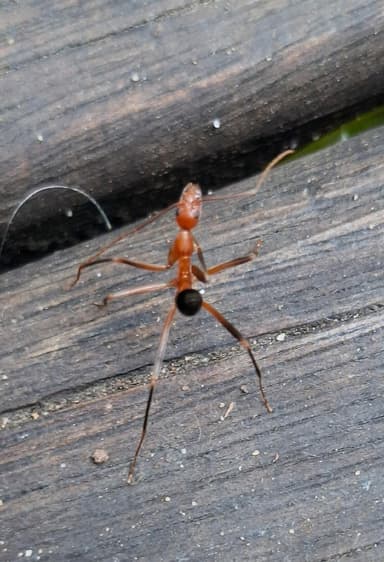
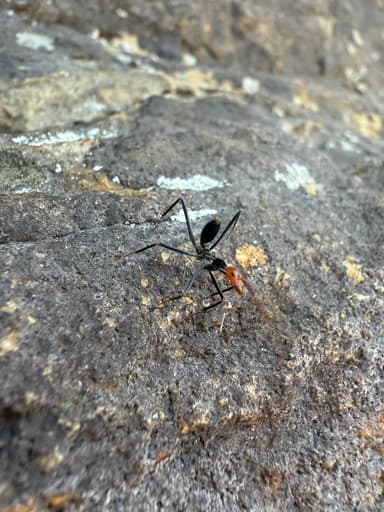
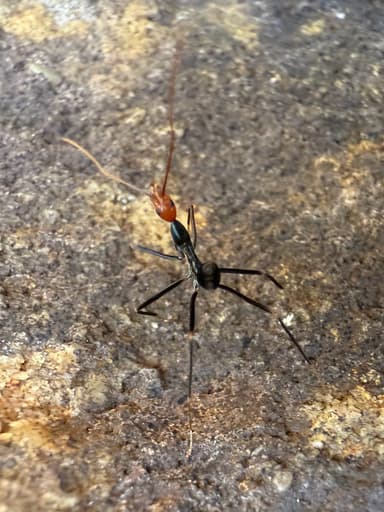
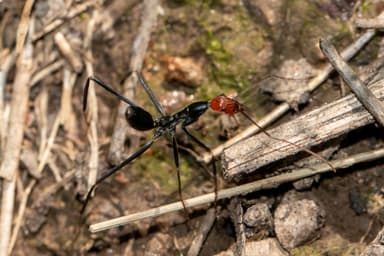
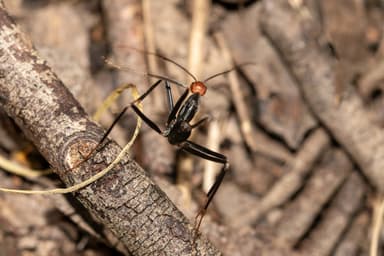
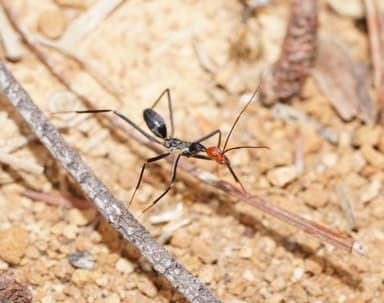
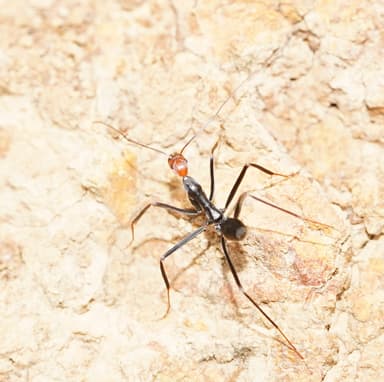
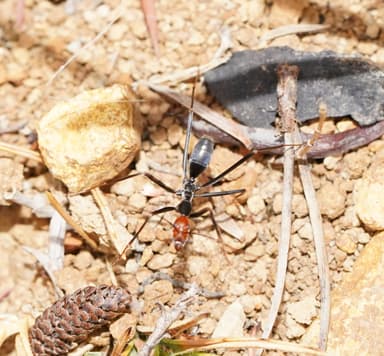
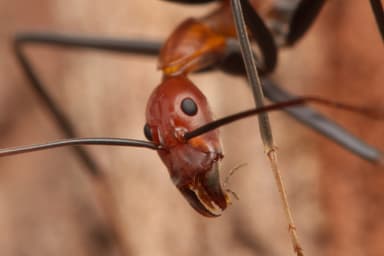
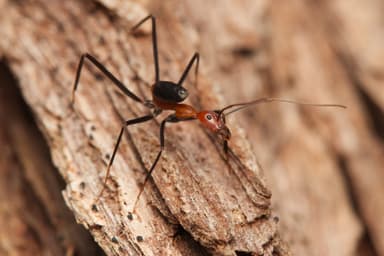
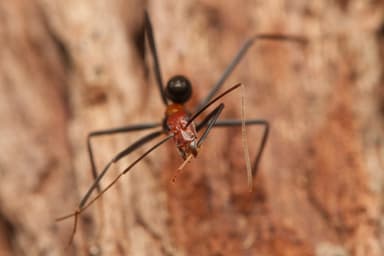
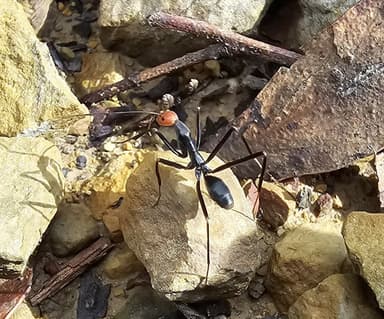
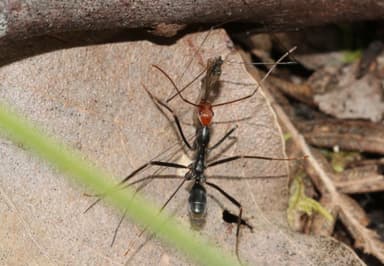
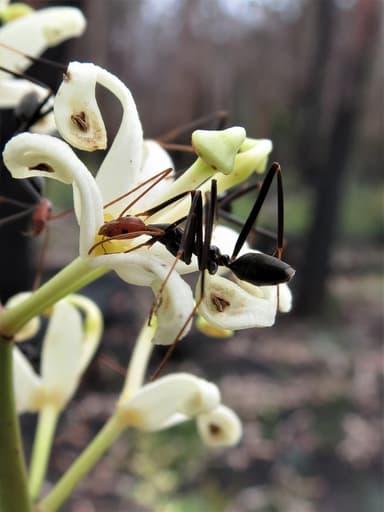
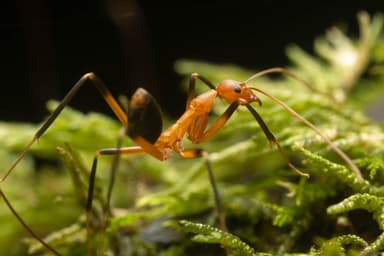
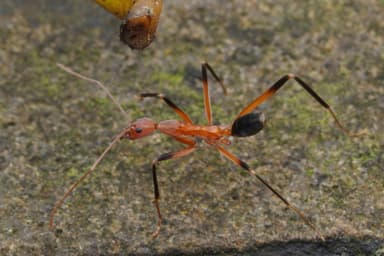
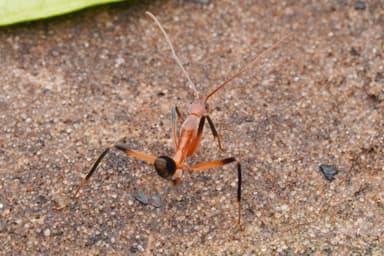
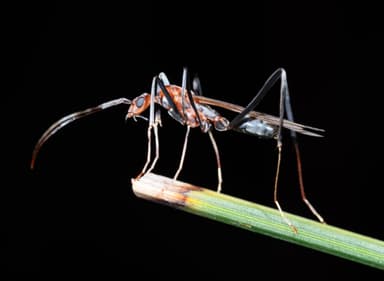
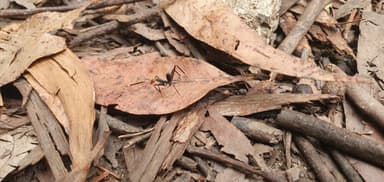
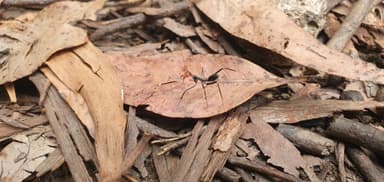
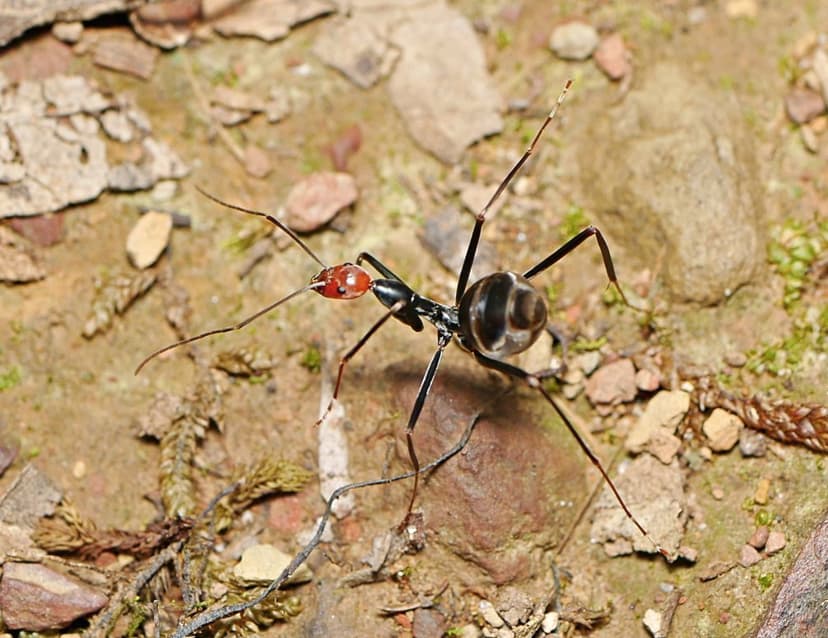
Leptomyrmex erythrocephalus, often called the red-headed spider ant, is a striking and elegant species native to the rainforests of eastern Australia. The name “spider ant” comes from their remarkably long legs and slender, agile bodies, which give them a spider-like appearance when they move. Workers measure 6 to 8 mm and are predominantly black with a distinctive bright red head and thorax, while the queen is significantly larger at 10 to 14 mm and shares the same bold coloration. Colonies can reach between 500 and 3,000 workers, creating a lively yet manageable society for the experienced keeper.
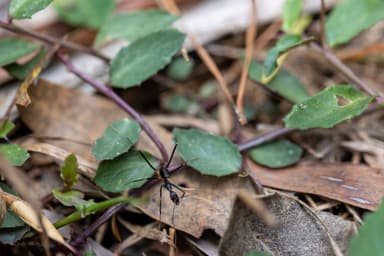
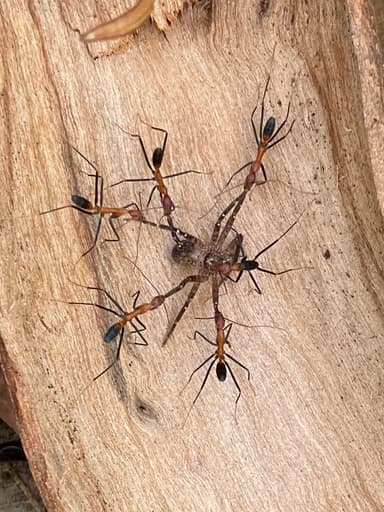
One of the most fascinating aspects of Leptomyrmex erythrocephalus is their highly active, fast-moving foraging behavior. They are expert climbers and will quickly explore every corner of their enclosure, often taking highly visible, diurnal foraging runs. Their diet consists of live insects such as fruit flies, small crickets, and mealworms, supplemented with sugar water or honeydew. A steady supply of protein is essential for brood development, especially during the founding phase. These ants do not store large seed reserves, so regular feeding is required.
Care difficulty
Keeping Leptomyrmex erythrocephalus is considered advanced, mainly due to their demanding environmental requirements and semi-claustral founding strategy. The queen must forage for food until the first workers emerge, which increases the risk of stress and failure during the early stages. Additionally, these ants are extremely sensitive to fluctuations in humidity and temperature, and they do not tolerate prolonged dry conditions. They are not beginner-friendly and are best suited for keepers with prior experience managing high-humidity tropical species.
Housing
A suitable formicarium for Leptomyrmex erythrocephalus should include an enclosed nest area with high moisture retention — materials like clay, ytong, or natural cork are ideal. The humidity must be maintained between 70 and 90 percent, requiring regular moistening of the nest substrate and careful monitoring. Temperature should stay between 24 and 28°C year-round, as these ants do not hibernate. Because they are fast and agile climbers, a secure outworld with a tight-fitting lid is essential. They also appreciate vertical space and branches for climbing, mimicking their natural arboreal habitat. Provide a clean water source and a feeding area away from the nest to avoid mold.
First days after purchase
After receiving your colony, transfer the ants into a prepared formicarium with pre‑humidified nesting chambers. Place the setup in a quiet, dimly lit location and allow the ants to acclimate undisturbed for at least 48 hours. During this time, offer a small drop of sugar water and a few tiny protein items near the entrance. Avoid bright lights, vibrations, and frequent opening of the outworld. Watch for signs of stress such as frantic running or queens neglecting brood. With patience and stable conditions, Leptomyrmex erythrocephalus will reward you with a beautiful, fast-paced colony that brings a piece of the Australian rainforest into your home.