Lasius
Lasius brevicornis
Nuptial Flight Calendar
Care Guide
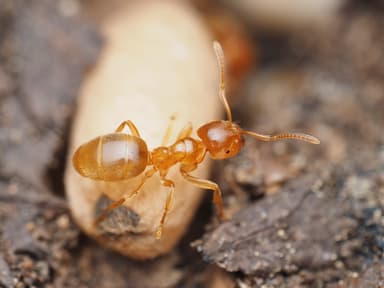
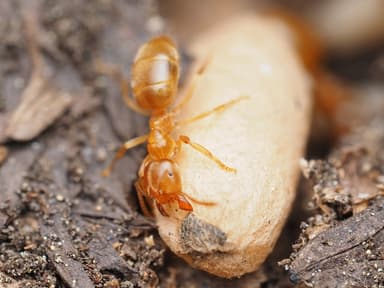
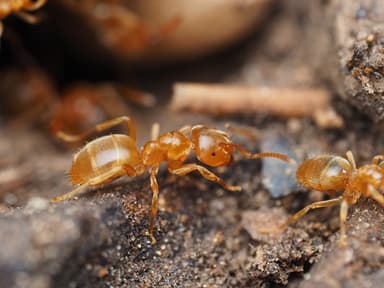
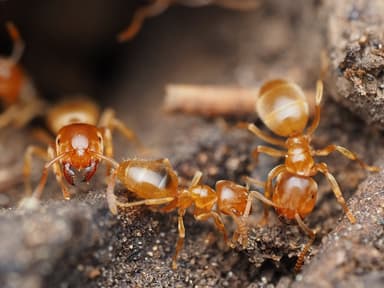
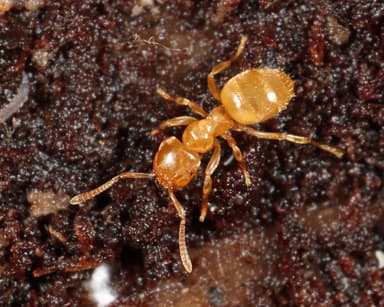
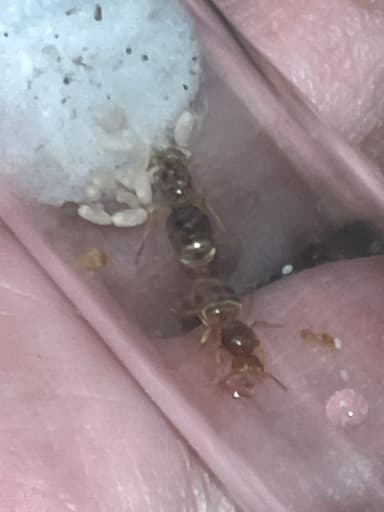
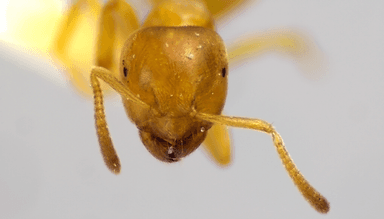
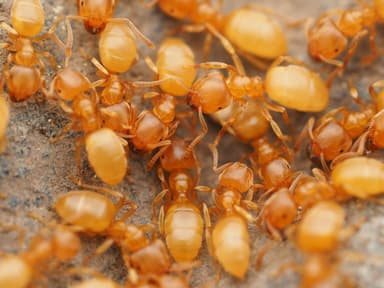
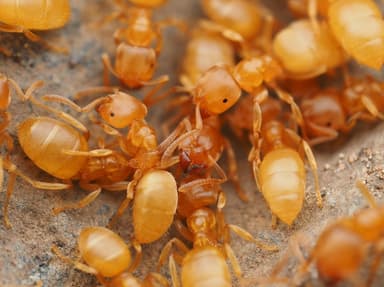
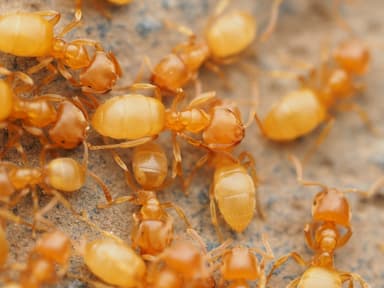
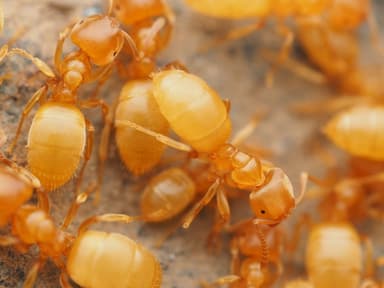
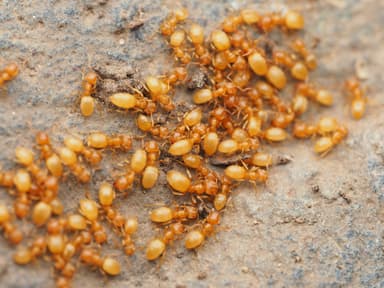
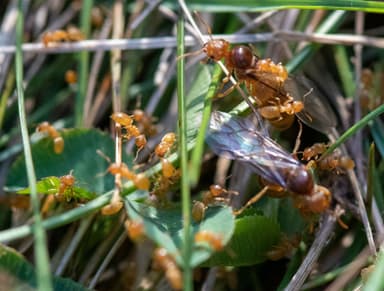
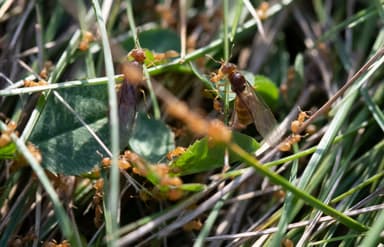
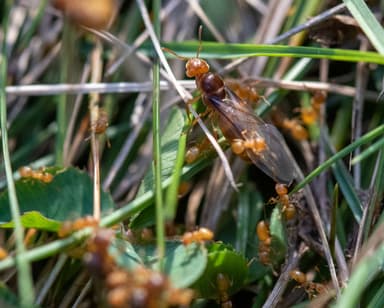
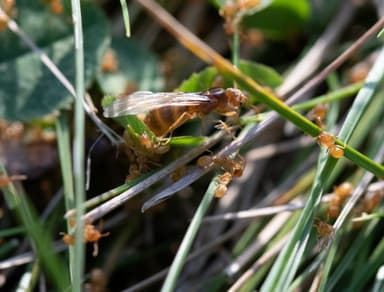
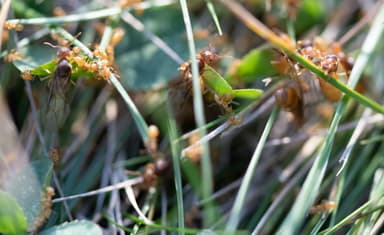
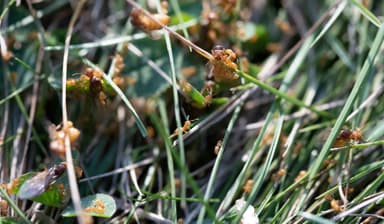
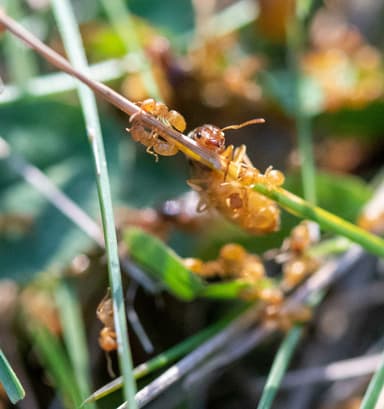
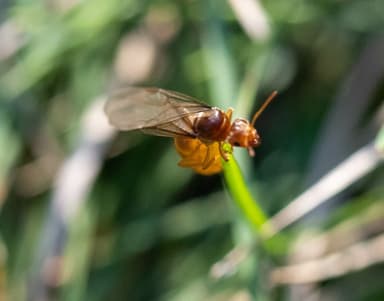
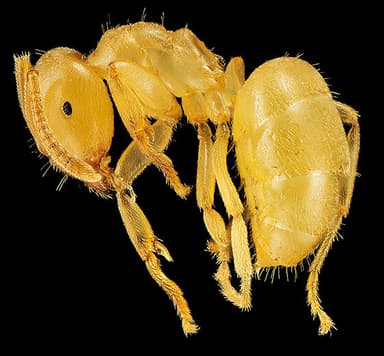
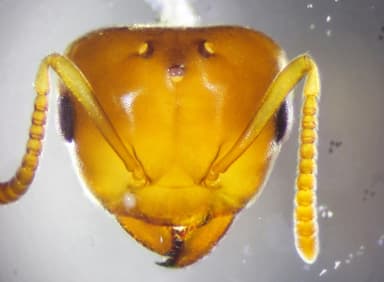
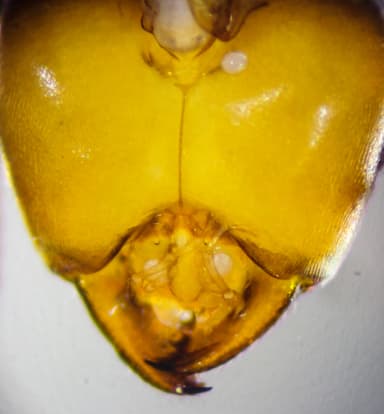
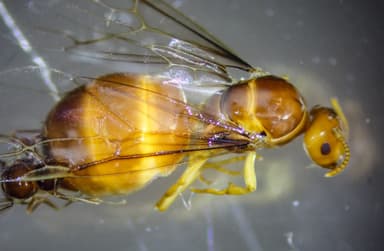
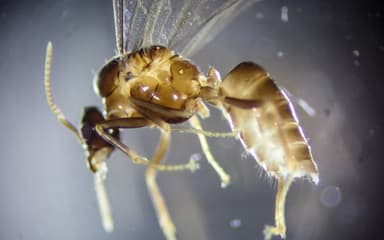
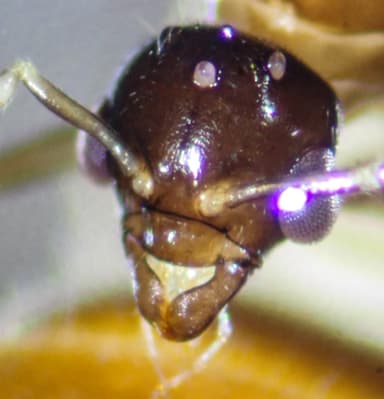
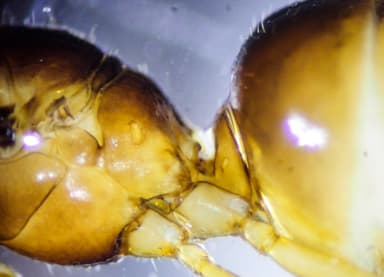
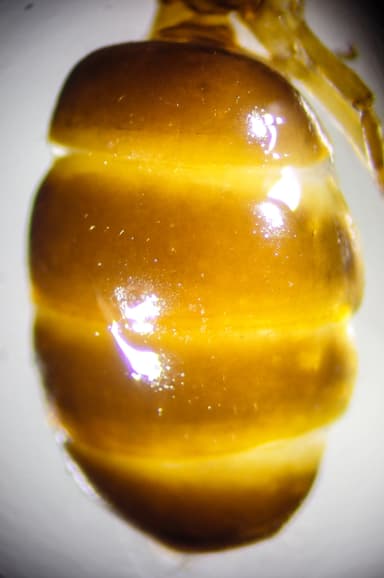
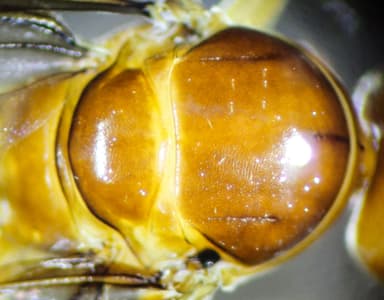
Lasius brevicornis is a charming and robust ant species native to North America, known for its adaptability and ease of care. The queen measures between 7 and 9 millimeters, while the smaller workers range from 3 to 5 millimeters, giving the colony a uniform yet tidy appearance. Like many members of the genus Lasius, these ants are monomorphic — all workers are roughly the same size, which simplifies colony dynamics and makes them particularly manageable for hobbyists. The queens found colonies claustrally, meaning they seal themselves into a small chamber and raise the first generation of workers solely on their own energy reserves, without needing any food during this period.
What makes Lasius brevicornis especially engaging is their energetic foraging behavior and their sweet tooth. In the wild, they tend aphids, collecting honeydew as a primary carbohydrate source, and they will eagerly accept sugar water or honey in captivity. Protein is equally important for brood development, and they readily take small insects such as fruit flies, crickets, or mealworms. This varied diet keeps them active and visible in the formicarium, as worker ants constantly patrol and retrieve food.
Care difficulty
Keeping Lasius brevicornis is an excellent choice for beginner ant keepers. Their hardy nature, moderate colony size of up to several thousand workers, and straightforward dietary needs make them forgiving of minor environmental fluctuations. They thrive at temperatures between 20 and 26 degrees Celsius and prefer a humidity level of 50 to 70 percent, which is easily achieved with regular nest moistening. One crucial requirement is a proper hibernation period: from late autumn to early spring, the colony should be cooled to around 8 degrees Celsius for several months. Without this dormancy, the queen’s egg-laying cycle and the colony’s long-term health may be compromised.
Housing
A suitable formicarium for Lasius brevicornis should offer a mix of dry and humid chambers, as the ants will use different areas for brood rearing and food storage. Because they grow quickly, it is wise to start with a setup that can be expanded, such as a modular acrylic or plaster nest connected to a foraging arena. The foraging area should have a secure lid, as these ants are adept climbers and can escape if given the chance. Provide a test tube or small water source in the nest to maintain humidity, and ensure the substrate — if used — does not become waterlogged. Regular cleaning of the foraging arena prevents mold, especially from leftover sugar sources.
First days after purchase
Upon receiving your Lasius brevicornis colony, place the formicarium in a quiet, low-vibration spot and avoid disturbing the ants for the first 24 to 48 hours. They need time to adjust to their new environment and to familiarise themselves with the nest’s layout. Offer a small drop of sugar water and a few tiny insect pieces in the foraging area, and make sure they have access to clean water. Observe from a distance — the quick re-emergence of foraging activity is a good sign that the colony is settling in. During the first week, limit opening the nest to essential checks only; these ants are resilient but appreciate peace as they rebuild their network of chambers and tunnels. With a little patience, you will soon witness the industrious daily life of one of the most rewarding beginner species in the ant-keeping world.