Acromyrmex
Acromyrmex lobicornis
Care Guide
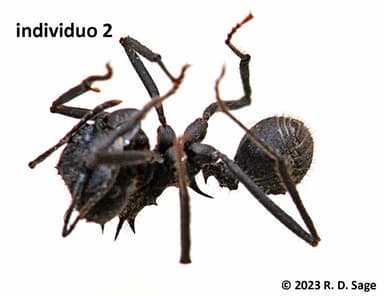
Acromyrmex lobicornis is a fascinating leafcutter ant species that showcases the remarkable complexity of fungus-farming societies. The colony exhibits distinct worker polymorphism, with sizes ranging from small minors at just two millimeters to large majors reaching up to eight millimeters. The queen, measuring eleven to thirteen millimeters, is noticeably larger than her workers but still modest compared to some other leafcutter species. Founding is semi-claustral, meaning the newly mated queen must venture out to forage for fresh leaves during the early stages, relying on her own reserves while simultaneously cultivating the vital fungus garden that will sustain the entire colony.
The defining feature of Acromyrmex lobicornis — and indeed all leafcutter ants — is their symbiotic relationship with a specialized fungus. Workers tirelessly cut and transport pieces of fresh leaves, flowers, and other plant material back to the nest, where they chew the fragments into a pulp and inoculate them with fungal mycelium. The fungus digests the plant matter and produces nutrient-rich structures called gongylidia, which serve as the colony’s primary food source. While their diet is almost exclusively fungal, keepers can supplement with small amounts of fruit and sugar water, but never at the expense of a steady supply of suitable leaves — such as bramble, rose, or oak — which are absolutely essential for the fungus to thrive.
Care difficulty
Keeping Acromyrmex lobicornis is best suited for experienced ant keepers. Their advanced care stems from the need to maintain a live fungus garden, which demands precise environmental conditions and a constant supply of fresh, pesticide-free leaves. The colony is also sensitive to disturbances, especially during founding, and can be challenging to establish. That said, for those willing to invest the effort, observing the coordinated leaf-cutting and fungus cultivation is deeply rewarding.
Housing
A well-ventilated formicarium with high humidity — between seventy and ninety percent — is crucial. The nest should include a dedicated chamber for the fungus garden, which must remain dark, moist, and free from mold. Temperatures between twenty-four and twenty-eight degrees Celsius are ideal. Unlike many temperate ants, Acromyrmex lobicornis does not require hibernation, so year-round warmth is necessary. An outworld large enough for foraging and leaf processing is equally important, as the ants need space to transport and prepare their plant material. Regular cleaning of the outworld helps prevent spoilage and pest infestations.
First days after purchase
Upon receiving your colony, place the formicarium in a quiet, dimly lit area and allow the ants at least a day to settle. Avoid opening the nest unnecessarily, as stress can cause the queen to abandon her fungus or refuse to forage. Ensure the fungus garden remains moist, and offer a small piece of fresh leaf — such as a clean bramble leaf — to encourage foraging behavior. Observe carefully but from a distance; successful founding is the most delicate phase. With patience and proper care, your Acromyrmex lobicornis colony will grow into a vibrant miniature ecosystem of fungus farmers.