Tetraponera
Tetraponera allaborans
Nuptial Flight Calendar
Flight months: Apr, May, Jun, Jul, Aug, Sep
Care Guide
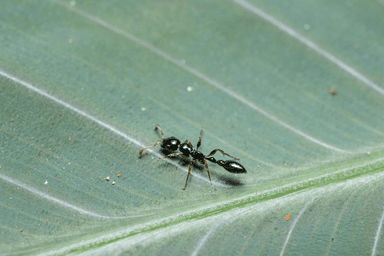
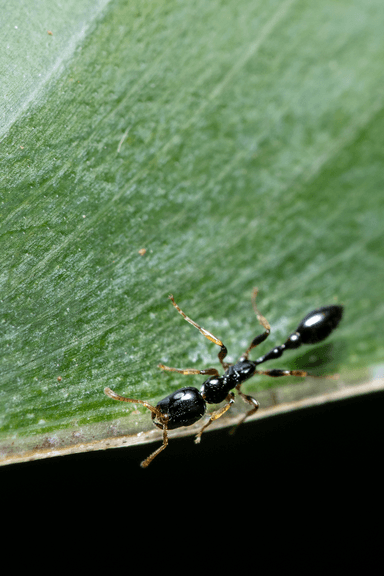
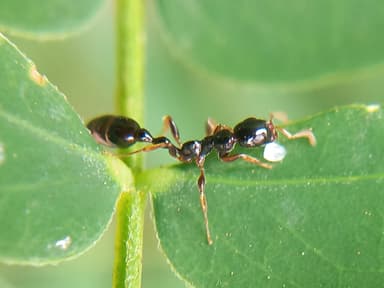
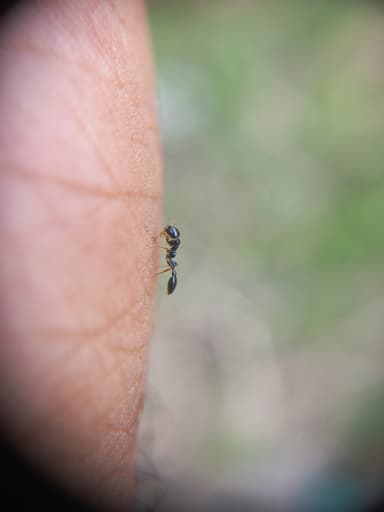
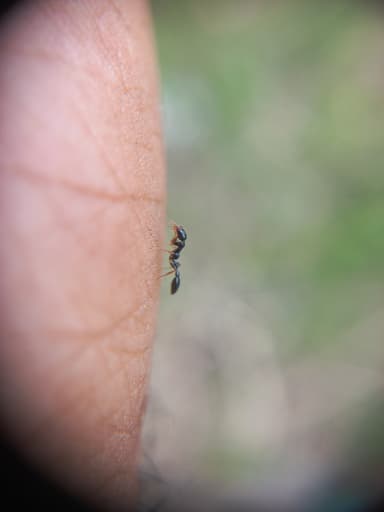
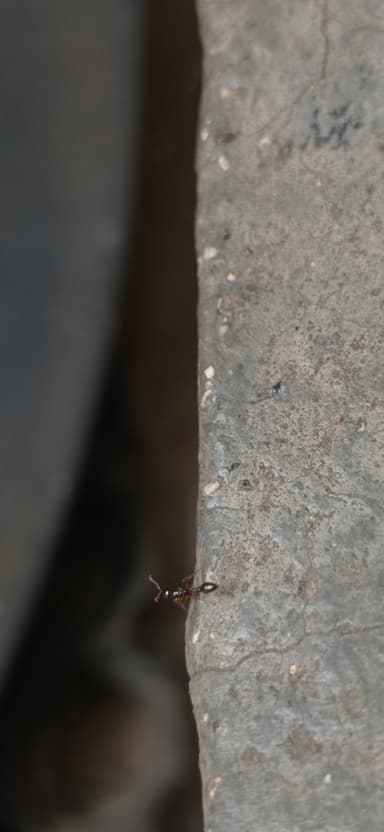
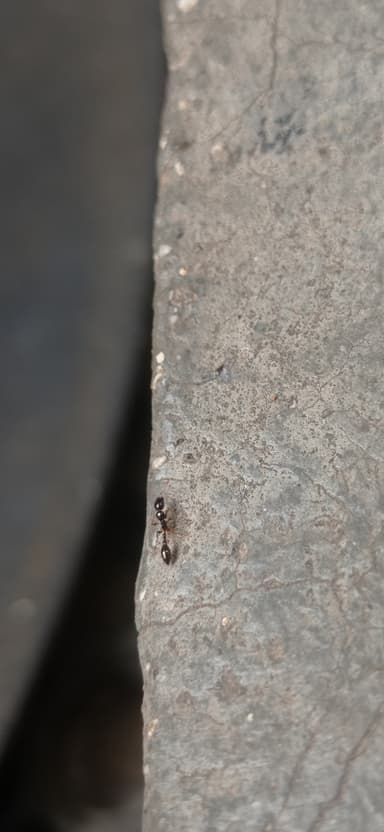
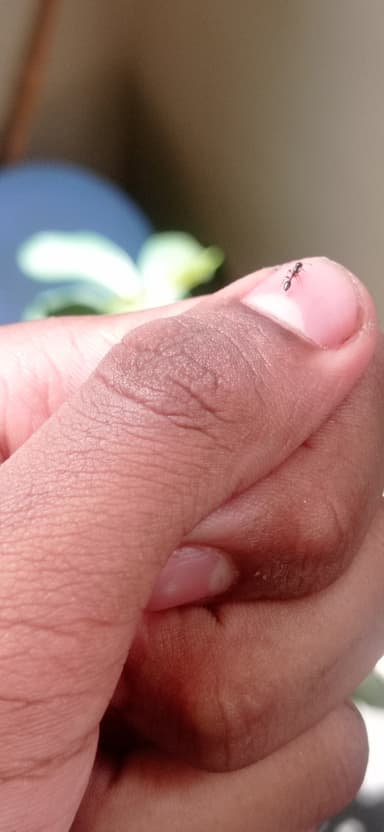
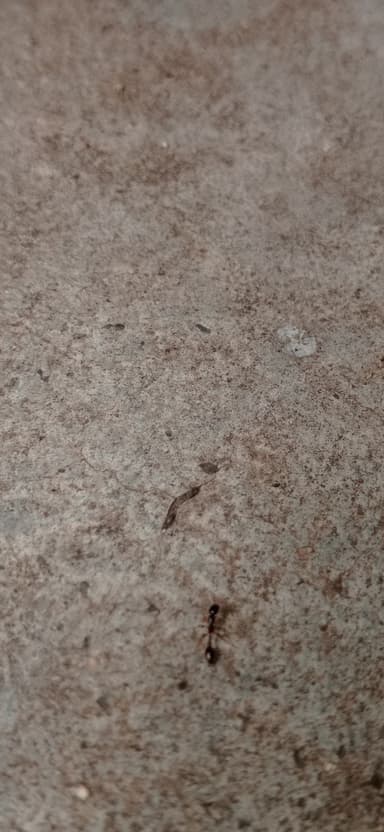
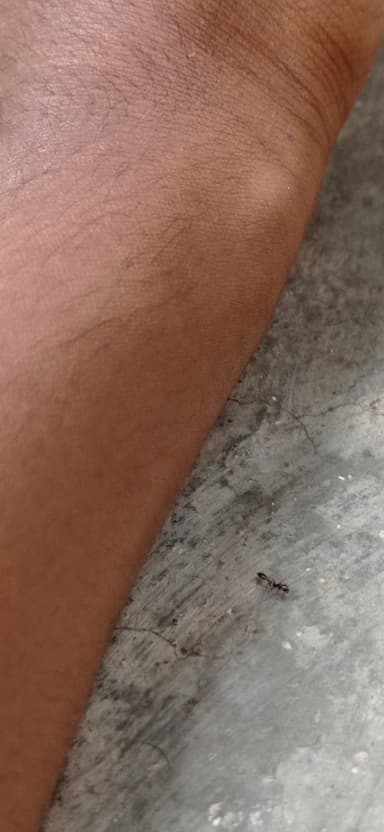
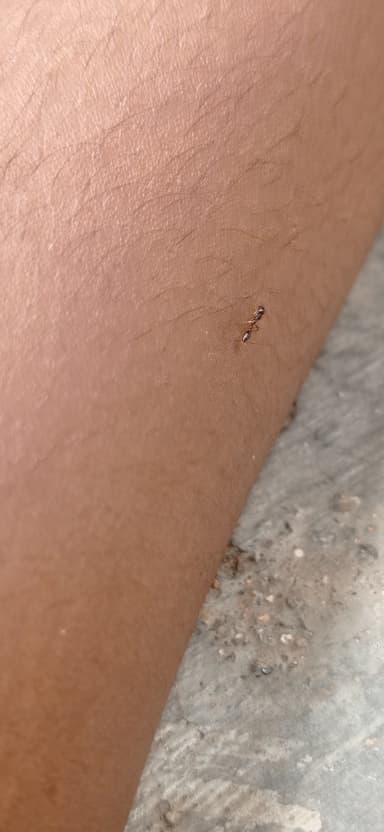
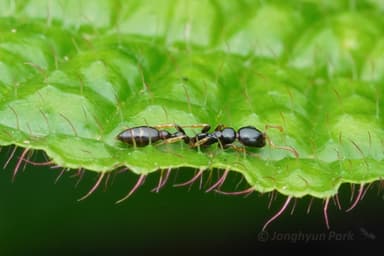
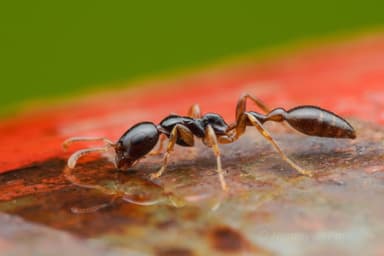
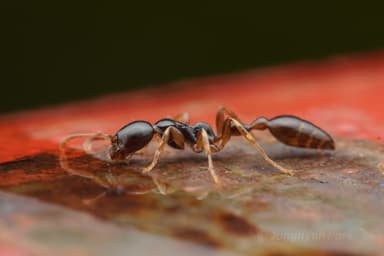
Tetraponera allaborans is a slender, elegant ant that embodies the arboreal spirit of the Asian tropics. Queens measure a graceful 7 to 9 mm, while the monomorphic workers range from 5 to 7 mm, all sharing a long, cylindrical body, narrow waist, and large, widely set eyes that give them excellent vision for navigating the twiggy canopy. Colonies are modest in size, typically peaking at around 2,000 individuals, and are strictly monogynous with a single queen founding claustrally within a hollow stem. Their sleek, dark integument—often jet-black with contrasting yellowish legs—makes them a visually striking display species. Beyond aesthetics, what truly fascinates enthusiasts is their natural behaviour: in the wild they inhabit the pithy stems of dead twigs, vines, and grass culms, moving with a quick, almost liquid gait that seems to defy their delicate build. According to Ward (2001), T. allaborans is one of the most widespread members of its genus, ranging from the Indian subcontinent across Indochina and Malesia to northern Australia, thriving in warm, humid lowland forests and disturbed habitats alike.
Given their specialised needs and flighty nature, this species is resolutely an expert-level challenge. Their slim profile allows them to squeeze through gaps that would stop almost any other ant, making them true escape artists; a single overlooked seam can mean a lost colony. They are also acutely sensitive to dehydration and stagnation—mould blooms or a humidity crash quickly prove fatal. This ant is best suited to keepers who have successfully maintained other tropical, arboreal species (such as certain Camponotus or Crematogaster) and who are prepared to meticulously monitor environmental parameters daily. Beginners should look elsewhere, as the margin for error is razor-thin. However, for those with the requisite experience, T. allaborans offers an exceptionally rewarding glimpse into a lifestyle far removed from soil-nesting ants, and the colony’s small footprint means they can thrive in a compact, beautifully planted vivarium that mimics a slice of their native habitat.
Housing must be approached with an obsessive eye for sealed containment and correct microclimate. A vertical, cylindrical nest with a very narrow internal diameter is ideal; thoughtfully modified bamboo or cork tubes, or plaster-lined ytong blocks drilled with 5–7 mm galleries, all work well, but the nest interior must retain moisture without flooding. Temperature should be kept between 22 and 30°C, with a gentle gradient so the ants can self-regulate (a small heat cable on one side of the nest is perfect). Humidity is the critical parameter: maintain 60–80% relative humidity at all times, measured with a reliable digital probe, as drops below this range will cause workers to desiccate and the queen to cease laying. A dampened substrate—coco peat or a sand-loam mix—can buffer humidity, but the primary moisture source should be a water tower or test tube integrated into the setup. The outworld must be a true fortress; smear a generous barrier of high-quality fluon or olive oil around the top edge, and seal every port and join with fine stainless steel mesh (0.5 mm or finer). Add vertical twigs, bark slabs, and dried vine sections for climbing and foraging, as these ants rarely descend to the floor unless lured by food.
Diet for Tetraponera allaborans mirrors the dual fuel of their wild existence: protein from small arthropods and carbohydrates from plant or insect exudates. Offer freshly killed Drosophila hydei, pinhead crickets, or finely chopped mealworms every two to three days; the workers will rapidly dismember such prey and carry the pieces back to the larvae. Do not overfeed proteins—remove uneaten remains within 24 hours to prevent mould. For carbohydrates, provide a tiny droplet of diluted honey, maple syrup, or a quality ant nectar like byFormica Sunburst, either on a small feeding tray or soaked into a cotton wad. These ants can be shy when the colony is small, so place the sugar source near the nest entrance and watch for foragers. A constant source of pure water, separate from the humidity supply, is non-negotiable; a test tube with a cotton plug works flawlessly. As the colony grows past a few dozen workers, you can increase the quantity and frequency of both food types, but always in modest portions to avoid spoilage in the warm, damp environment.
A welcome simplification is that T. allaborans requires no hibernation whatsoever. Originating from equatorial and monsoon-influenced latitudes, where seasonal temperature swings are minimal, they remain active all year long. Keep the temperature and humidity steady, and the colony will continue its brood cycle uninterrupted. There is no need to lower the thermostat or simulate a winter; doing so would likely induce stress, brood die-off, or full colony collapse. This makes them a visually dynamic species through every month, but it also means there is no seasonal lull in their appetite or escape attempts, so vigilance must never relax.
When you first receive a newly mated queen or a small founding colony, the golden rule is absolute stillness. She will likely arrive in a claustral test tube setup; place this in a warm, dark, vibration-free location (a drawer or insulated box) and resist the urge to check her more than once a week. She carries all the metabolic reserves needed to rear her first brood without any external food, and any disturbance can lead to egg cannibalism or fatal stress. Once the first tiny workers emerge, you may offer a minuscule drop of sugar water on the end of a cocktail stick, directly at the tube entrance. After another week, introduce freshly killed fruit flies. Watch for small telltale signs of trouble: a queen that paces incessantly, workers that cluster permanently at the water source, or a visible bloom of white mould. If the tube looks dry, carefully replace it with a fresh, darkened tube connected to the nest chamber. Only when the colony has about a dozen workers should you consider attaching a mini-outworld and gradually increasing their foraging space. With patience and precision, this shimmering ant will reveal itself to be one of the most captivating miniature predators in the trade, a living filament of quicksilver that rewards the dedicated keeper with a window into the tropical twig-maze.