Polyrhachis
Polyrhachis lamellidens
Nuptial Flight Calendar
Flight months: Jul, Oct, Nov
Care Guide
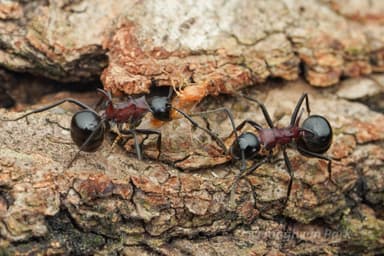
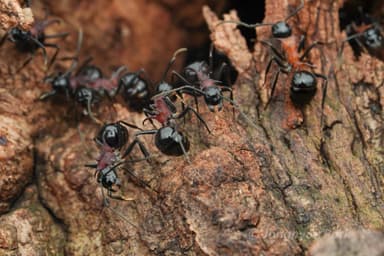
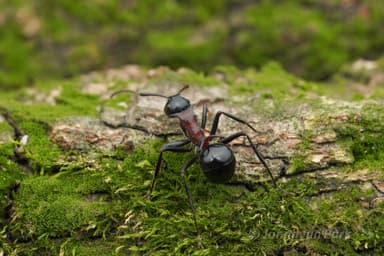
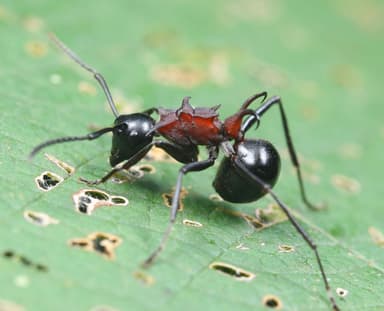
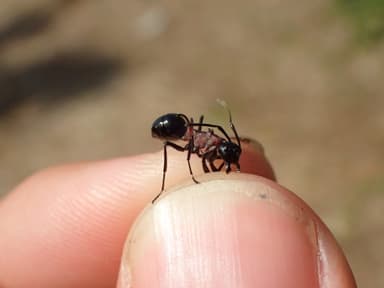
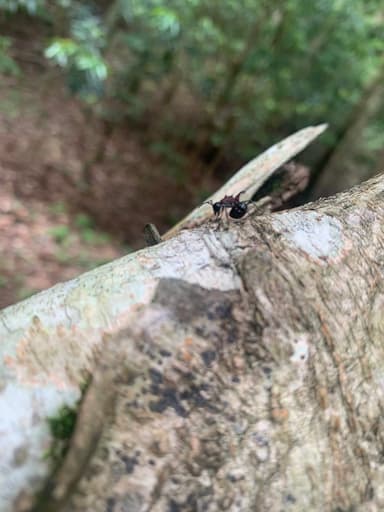
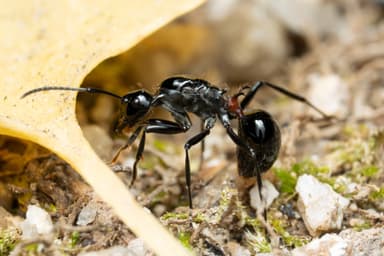
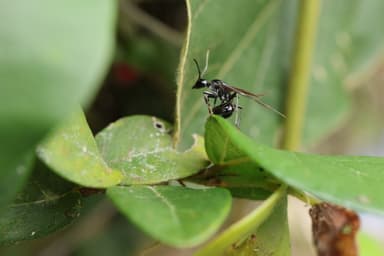
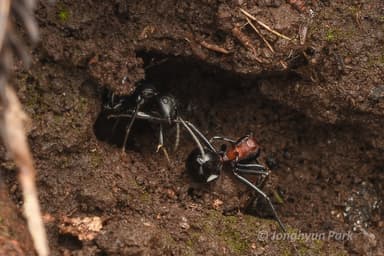
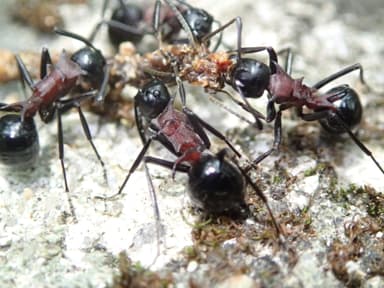
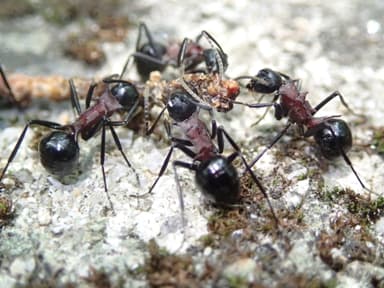
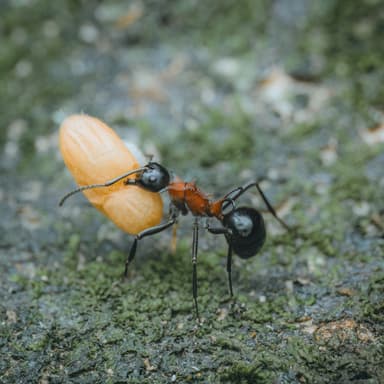
Polychaeta lamellidens is one of East Asia’s most visually arresting ants, a glossy black Polyrhachis whose workers and queens bear long, needle-like spines on the propodeum and petiole, lending them an almost armoured silhouette. Queens range from 11 to 13 mm, while workers, though monomorphic, show a noticeable size gradient between 7 and 9.5 mm. In adulthood, a mature colony can swell to around 5,000 individuals, foraging boldly across tree trunks and leaf litter in the temperate forests of Japan, Korea, and eastern China. What truly sets this species apart, however, is its precarious start in life: P. lamellidens is a temporary social parasite of Camponotus japonicus (Iwai et al. 2016). A newly mated queen, after an autumn nuptial flight, must infiltrate a host nest, assassinate the resident queen, and co‑opt the Camponotus workers to rear her first brood until her own daughters take over. This fleeting but critical parasitic window, documented by Kohriba (1963), makes every thriving Polyrhachis lamellidens colony a miniature epic of survival and a prized possession for keepers fascinated by ant sociobiology.
Given this delicate founding mode and the species’ strict environmental needs, Polyrhachis lamellidens is unambiguously an expert‑level ant. It is not a beginner’s ant, nor even a stepping stone for intermediate keepers. You should only consider this species if you already have solid experience maintaining captive colonies through diapause and ideally some background with other social parasites — for example, temporary parasites like Lasius umbratus or host‑dependent Formica. The challenge begins with obtaining a queen that has already successfully usurped a host colony; starting from a lone mated female requires pre‑prepared Camponotus japonicus pupae and meticulous timing, making it a project for advanced specialists only. In return, the keeper gains a spectacular, active, and long‑lived colony that, once established, is remarkably hardy — provided you faithfully replicate the seasonal rhythms of its homeland.
Housing should mirror the warm, humid forest‑edge microclimate these ants prefer. Maintain an ambient temperature gradient of 20–28°C, with a gentle hot spot at the higher end (a small heat mat attached to one side of the nest works perfectly). Humidity is equally critical; aim for 50–70% relative humidity inside the nest, as dry air rapidly desiccates the delicate pupae and can cause workers to huddle listlessly outside. A ytong or plaster nest with an integral hydration chamber gives the most reliable control, while a substrate of fine sand and coco coir in the outworld provides a natural foraging surface. Polyrhachis are excellent climbers with adhesive pads on their feet, so a secure, PTFE‑lined lid is non‑negotiable. Provide plenty of cork bark and small twigs in the outworld, as the ants will climb and trail along them just as they would on tree trunks in the wild. As the colony grows, you can connect additional nest modules; the large maximum colony size means you will eventually need a spacious setup.
Feeding Polyrhachis lamellidens is straightforward but demands attention to hygiene. Their natural diet consists of insect prey and honeydew, so offer a protein source — such as pre‑killed fruit flies, pinhead crickets, or chopped mealworms — two to three times a week, adjusting quantity according to larval demand. The ants will also greedily accept a carbohydrate solution: dilute honey, maple syrup, or a ready‑made ant nectar in a small liquid feeder. Always keep a fresh water source, preferably a cotton‑plugged tube that can’t flood, and replace all food items before they mould. A small cuttlebone fragment added to the outworld supplies calcium, which supports the development of that striking exoskeleton. During the active season, you’ll notice workers out foraging energetically, a sign that the dietary balance is working well.
A true cold‑weather hibernation is essential for the long‑term health of P. lamellidens. In nature, these ants endure a chilly winter, and in captivity you must replicate this with a sustained diapause at around 8°C. Begin preparations in late autumn: stop offering protein, allow the colony to consume any remaining larvae, and gradually drop the temperature over about a week. A dedicated wine cooler or an accurate fridge serves as an excellent hibernation chamber. Keep the nest just barely moist, not wet, and check occasionally for excessive condensation. The ants will form a tight cluster and barely move — that’s exactly what you want to see. After three to four months, slowly warm them back to room temperature. Skipping hibernation almost invariably leads to a weak, dwindling colony that refuses to rear brood, so treat this as a non‑negotiable annual commitment.
When your Polyrhachis lamellidens colony arrives, give them time and darkness. Unpack the shipping container gently in dim light and transfer the ants into their prepared nest, which should already be at the correct temperature and humidity. Immediately place a tiny drop of sugar water in the outworld; rehydration after the journey is the first priority. Wait 24 hours before introducing a minuscule piece of pre‑killed insect. Keep the nest covered for the first two days and resist the urge to peek too often. If you see workers running frantically or congregating outside the nest, the internal conditions likely need a tweak — usually humidity is the culprit, so adjust the hydration. A queen with a nascent worker force usually settles in rapidly, and within a week you should see eggs or small larvae being tended inside the brood chambers. That first brood in your care marks the real beginning of a fascinating, years‑long relationship with one of the ant world’s most charismatic social parasites.