Liometopum
Liometopum occidentale
Nuptial Flight Calendar
Flight months: Mar, Apr, May, Jun, Jul, Aug
Care Guide
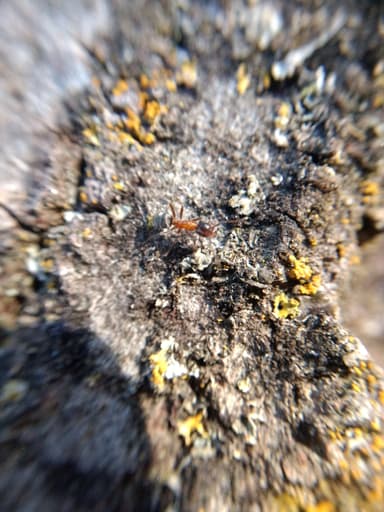
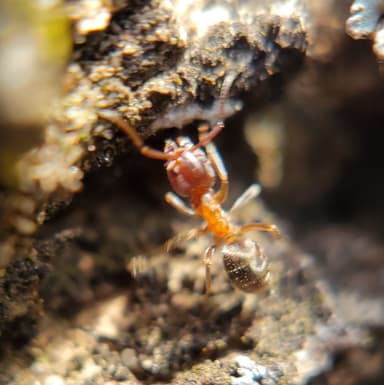
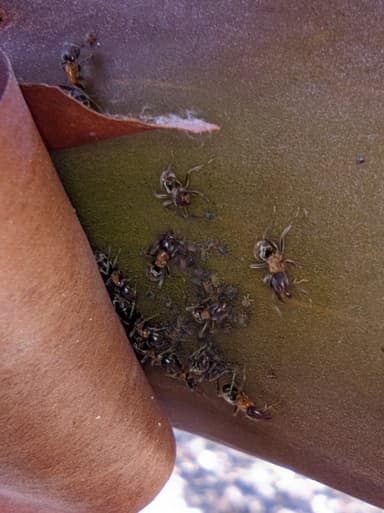
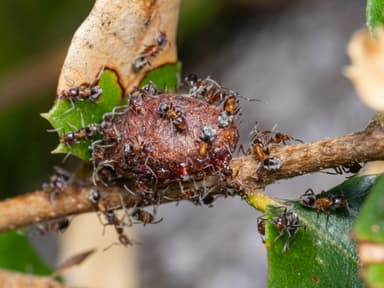
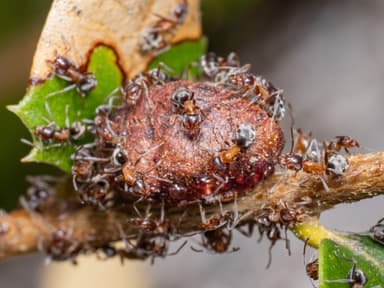
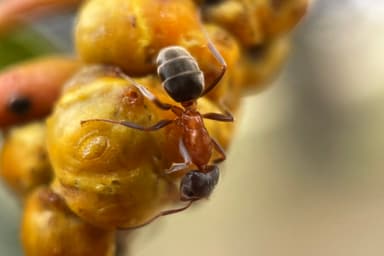
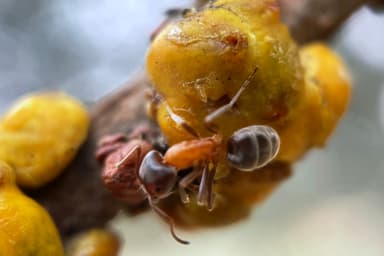
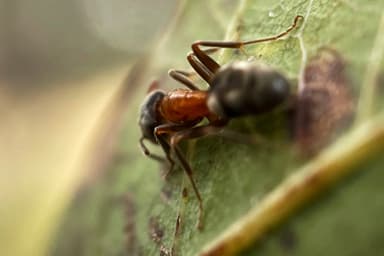
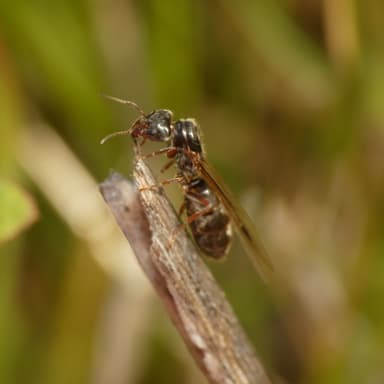
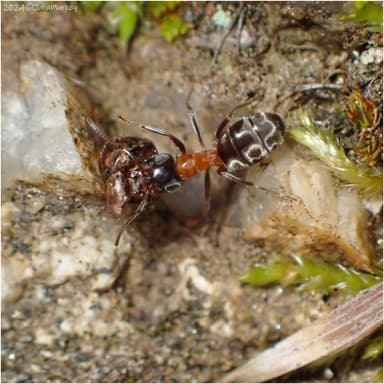
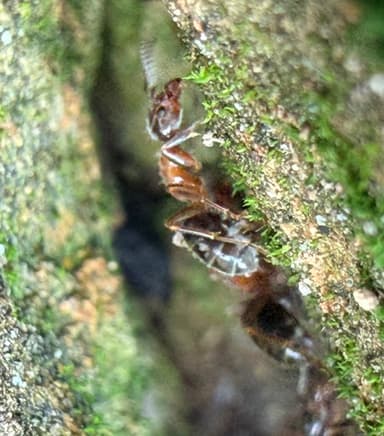
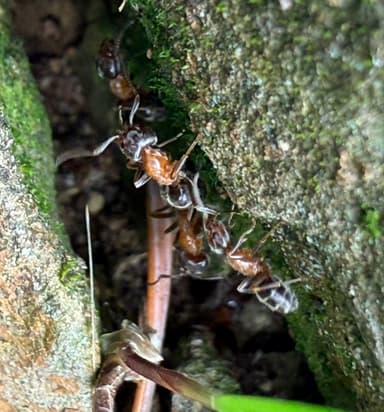
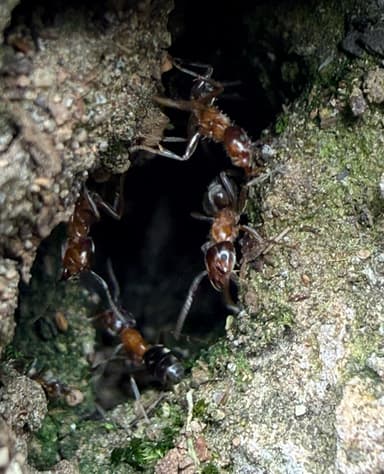
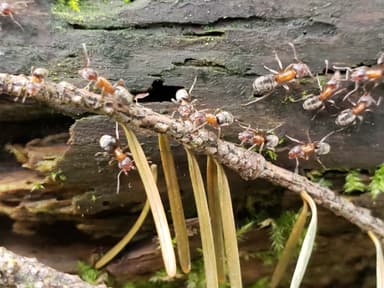
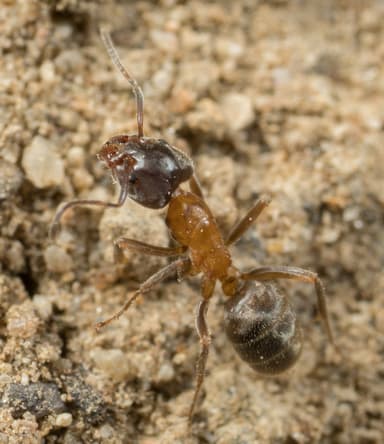
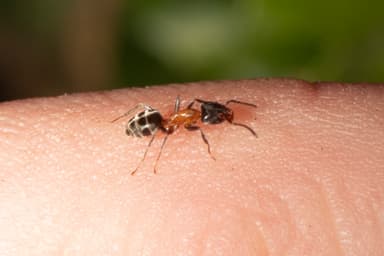
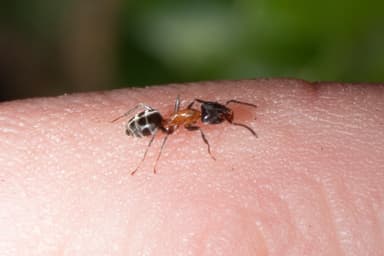
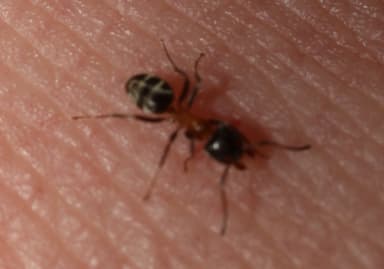
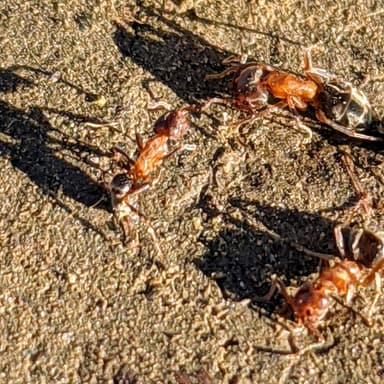
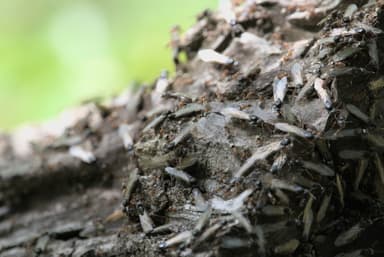
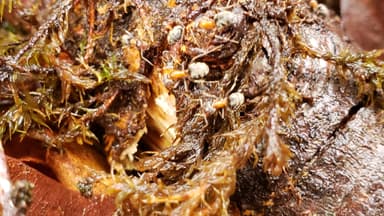
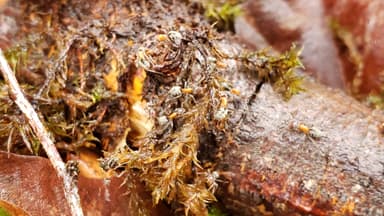
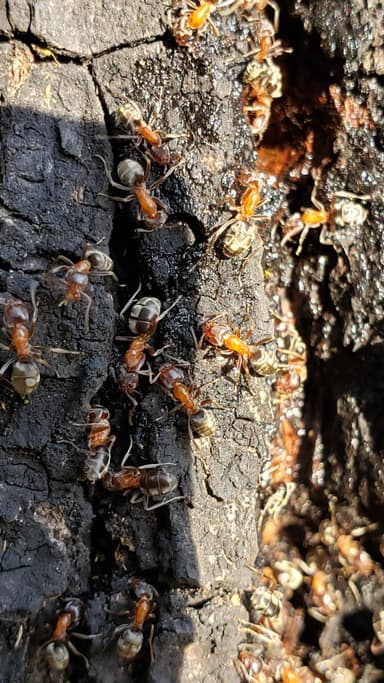
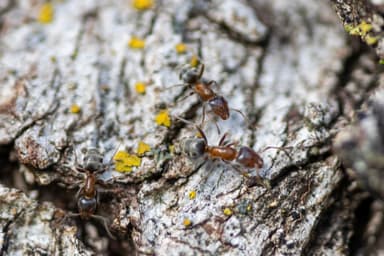
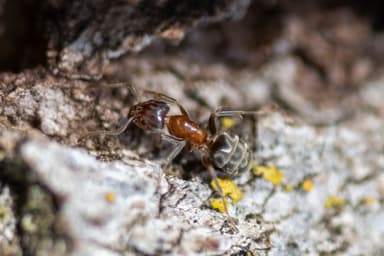
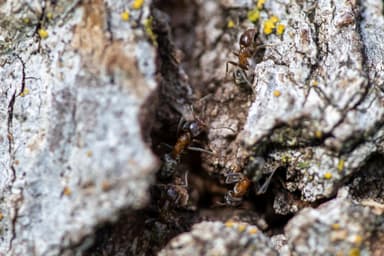
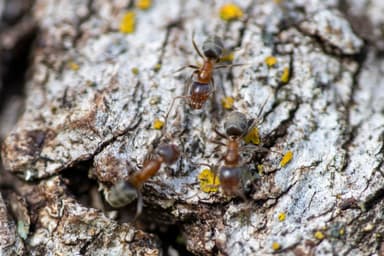
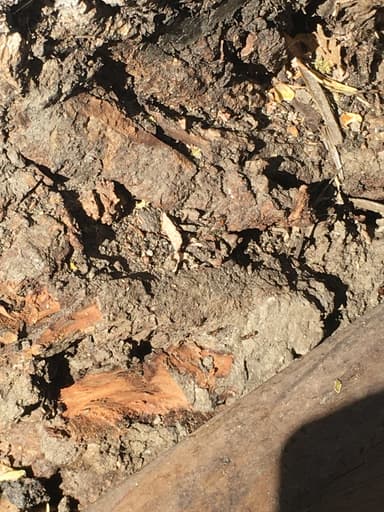
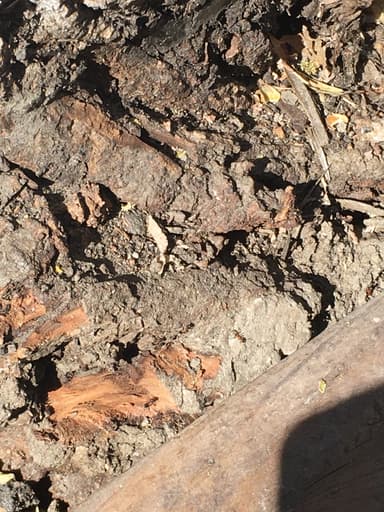
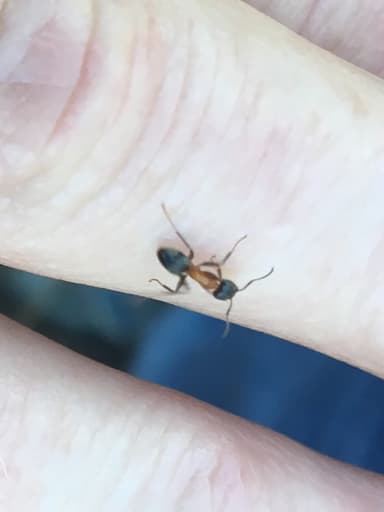
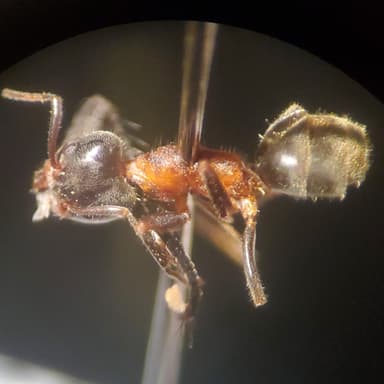
Liometopum occidentale, the velvety tree ant, is a striking and dynamic species that captivates ant keepers with its lush, velvety black integument and impressive colony structure. Workers display clear polymorphism, with minor workers measuring 4–5 mm and robust major workers reaching up to 7 mm, while queens are an imposing 9–11 mm. Mature colonies can swell to 60,000 individuals, building populous nests in the hollow trunks and branches of oak, pine, and sycamore trees across the western Nearctic—from Oregon and California east to the Rocky Mountains and south into northern Mexico (Del Toro et al. 2009; GBIF). Nuptial flights occur on warm, humid evenings between June and August, often following summer rains, with dealate queens founding claustrally in a small cavity. What makes this ant especially interesting is its combination of a dolichoderine’s speed and chemical defences with a colony size and carpenter-ant-like nesting behaviour that invites a deep, observational keeping experience.
Keeping Liometopum occidentale is best suited to hobbyists with some prior experience. The species is rated intermediate in difficulty primarily because of its escape artistry, potent formic acid spray when disturbed, and the year-round commitment required to meet its environmental and dietary needs. The sheer pace of the workers and their willingness to exploit the smallest gap in a setup mean that escape-proofing must be meticulous. Additionally, they demand a true winter hibernation, which can be a stumbling block for those who have not yet built a dedicated cooling chamber. If you are comfortable managing large, fast, and sometimes defensive colonies and you are prepared for the logistics of hibernation, these ants will reward you with fascinating displays of division of labour between minor and major castes and a voracious appetite that makes feeding time a spectacle.
Housing must mimic the arboreal cavities these ants naturally prefer. A vertical formicarium, such as a ytong or plaster nest with pre-formed chambers and hydration galleries, works well; many keepers also incorporate a large, smooth-walled foraging arena that allows for natural digging or the placement of bark slabs and wood blocks where workers can cluster and tend brood. Temperature should be maintained along a gradient, with the warmest part of the nest around 26–28°C and a cooler retreat at 20–22°C, while humidity sits comfortably between 50% and 70%—achieved by regular, light misting of the nest’s water reservoir or a moist cotton plug. A substrate of coconut coir, sand, or a clay-heavy soil mix in the outworld helps hold moisture and provides a surface for foraging trails. These ants are adept climbers, so walls of the foraging arena must be coated with a reliable fluon or PTFE barrier, and all ventilation points should be screened with fine stainless-steel mesh to prevent escapes.
A balanced diet is straightforward and essential for a thriving colony. Liometopum occidentale forages avidly for both protein and sugars in the wild. Provide small, pre-killed feeder insects such as crickets, mealworms, or roaches two to three times a week, adjusting quantity to the colony’s brood demands. For carbohydrates, offer a shallow dish of honey water, maple syrup diluted with water, or a commercial ant nectar, replenished daily to prevent spoilage. A constant supply of fresh water in a separate drinking station is critical, as these ants can quickly dehydrate in dry setups. While the colony will scavenge enthusiastically, avoid overfeeding, as uneaten protein can lead to mould outbreaks, especially in the closed, humid nest chambers.
Hibernation is non-negotiable. In their native range, these ants experience a distinct winter chill, and captive colonies require a resting period at approximately 12°C for three to four months. Begin to lower the temperature gradually in late autumn by reducing heating and moving the setup to a cooler room over the course of two to three weeks. During deep hibernation the colony will cluster tightly and cease foraging; at this time, keep the nest darkness and offer only a very small water source to maintain a slight humidity without flooding. The same gradual approach applies when warming them in spring, with the first tiny drops of sugar water offered only when workers show exploratory activity. Sudden temperature swings can cause massive die-off, so steady, seasonal transitions are the key to successful overwintering (Shattuck 1992; AntWiki).
In the first days after receiving your queen or small founding colony, restraint is your greatest tool. Place the test tube or starter nest in a quiet, dimly lit location within the connected outworld, and resist any urge to check on them for at least 24 hours. Provide a tiny smear of sugar water on a piece of foil near the nest entrance and a fresh water tube, but do not offer any live prey yet. Watch for the queen to settle and begin laying eggs—this can take a few days. Once workers are actively scouting, you can offer a pre-killed fruit fly or a minuscule cricket leg. Pay close attention to how they interact with the barrier and hydration levels; early escape attempts or desiccation are the most common pitfalls. With patience and gentle stewardship, your velvety tree ants will gradually settle into a stable rhythm, ready to grow into a thriving, active colony that showcases the best of western Nearctic ant diversity.