Lasius
Lasius claviger
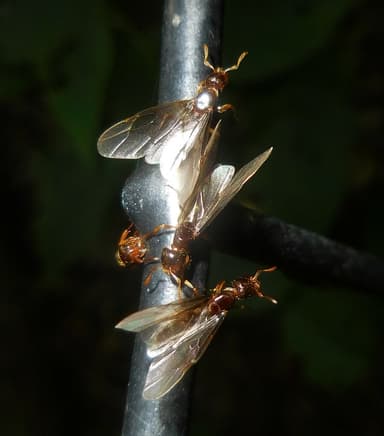
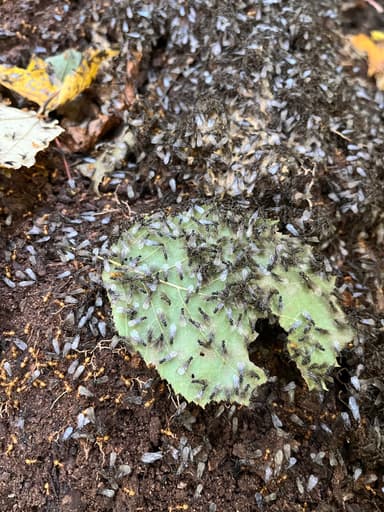
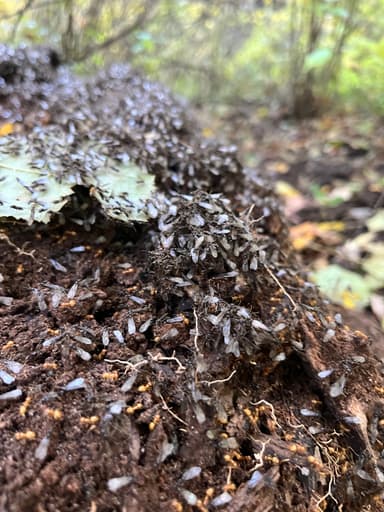
Nuptial Flight Calendar
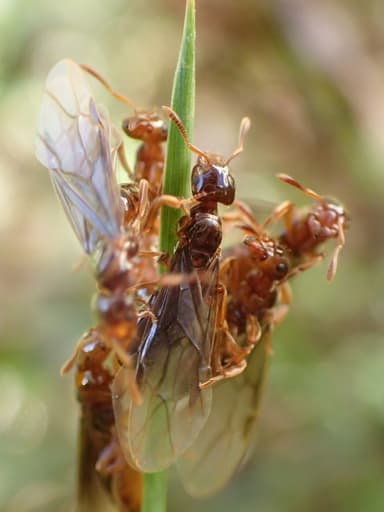
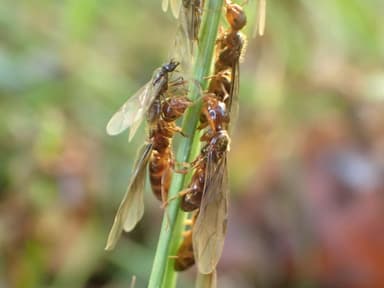
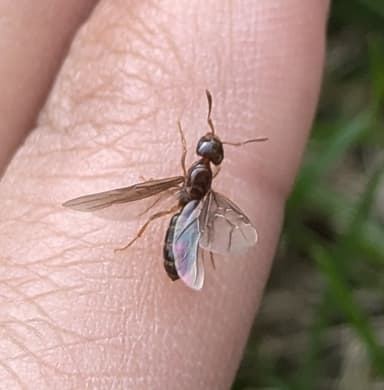
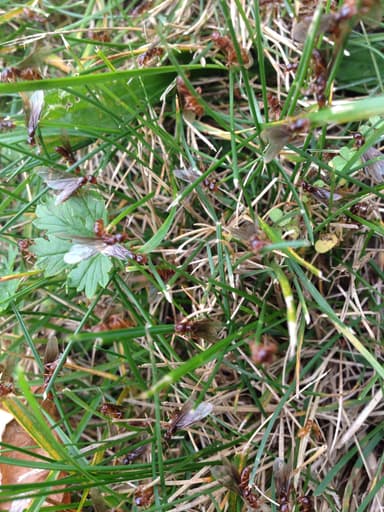
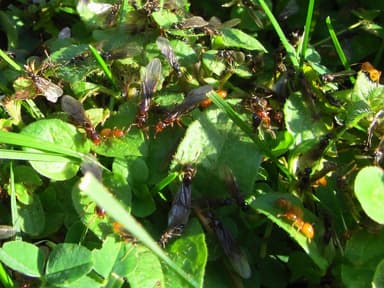
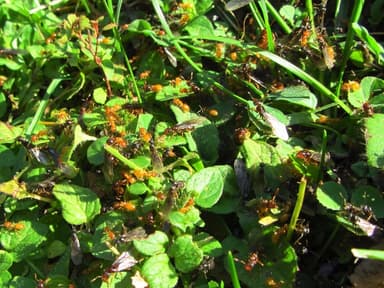
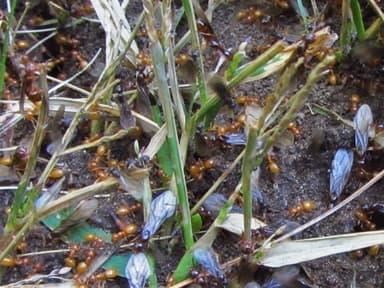
Flight months: Sep, Oct, Nov
Care Guide
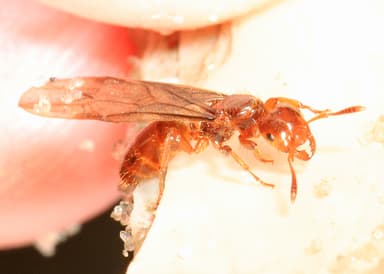
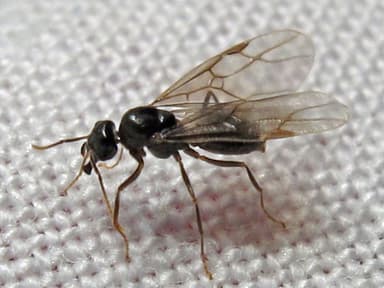
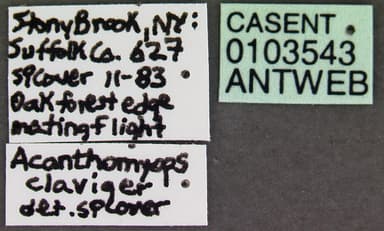
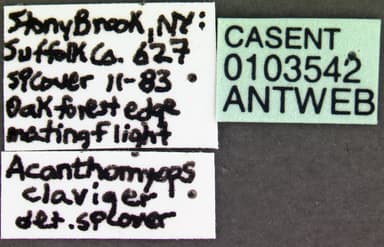
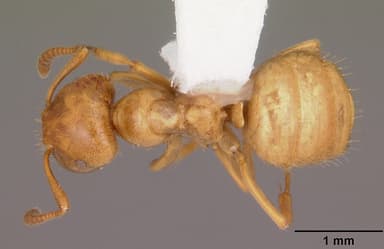
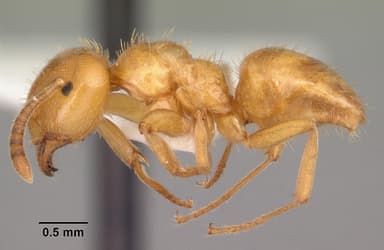
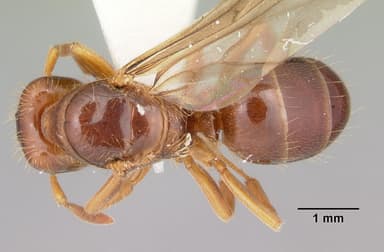
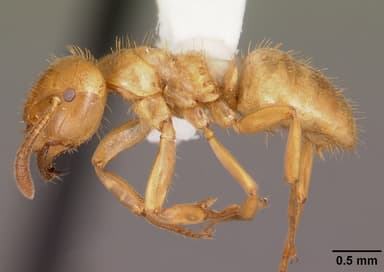
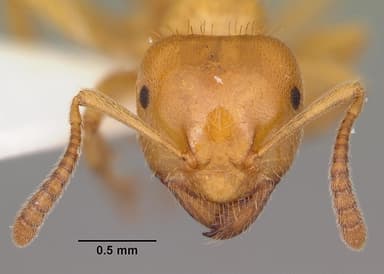
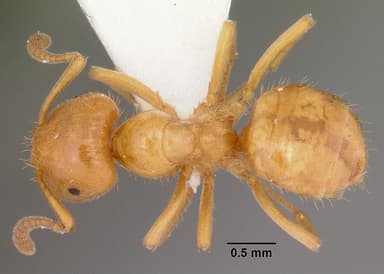
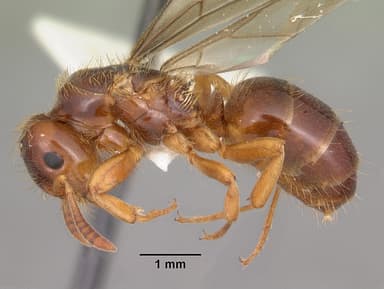
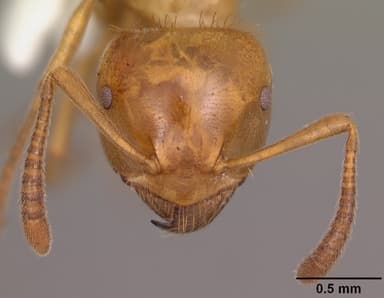
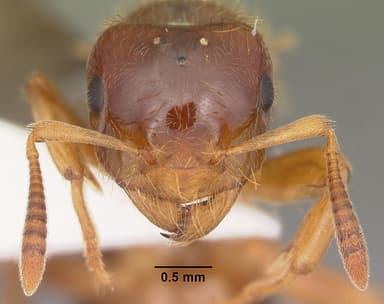
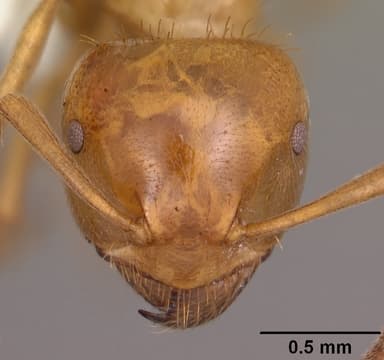
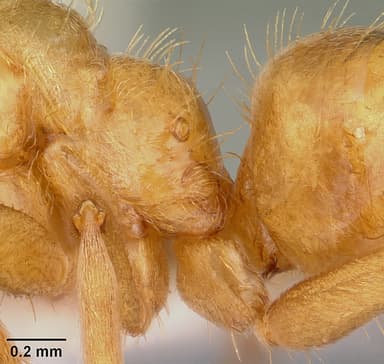
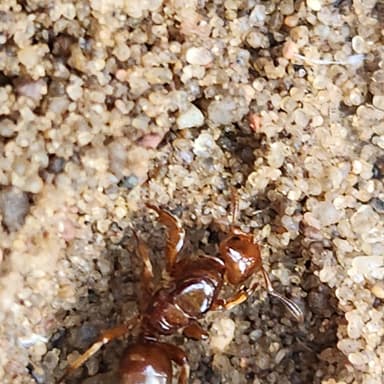
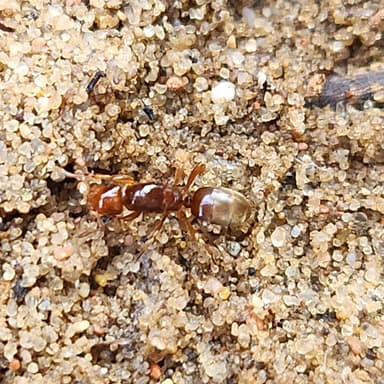
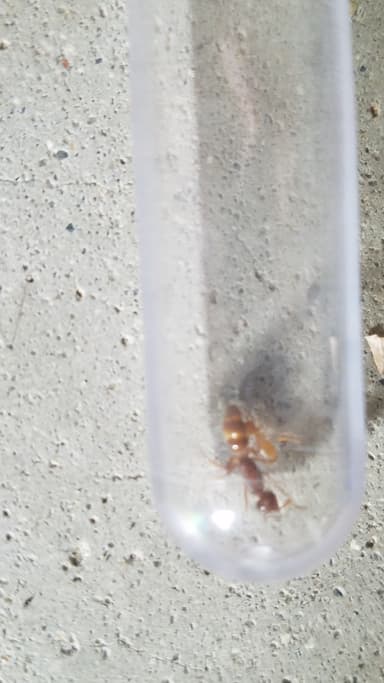
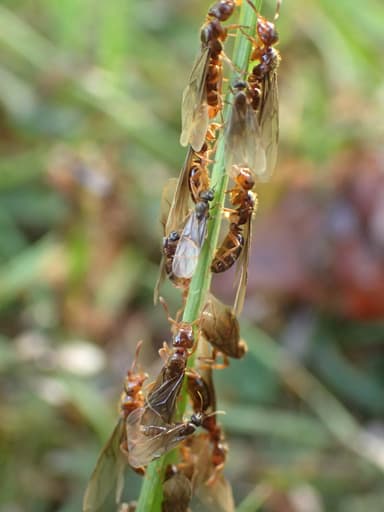
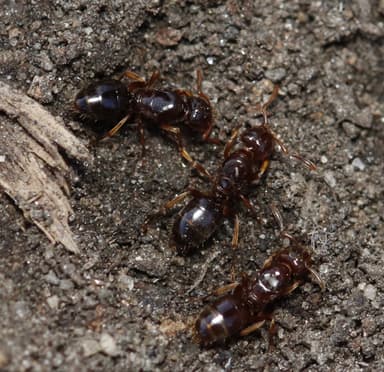
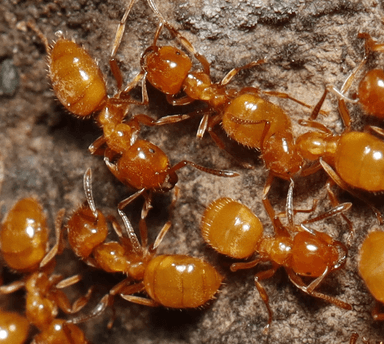
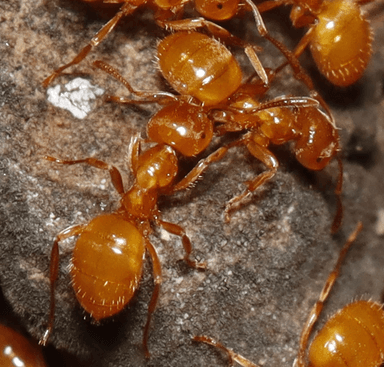
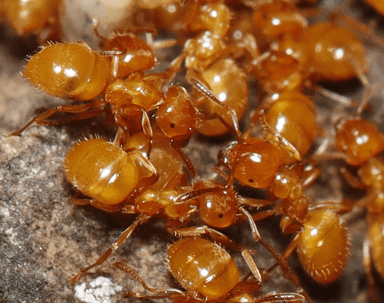
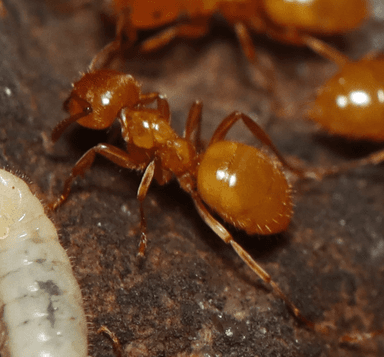
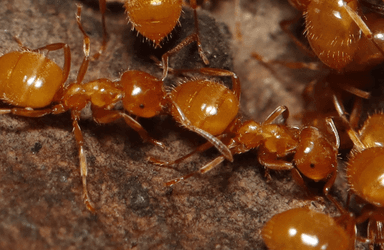
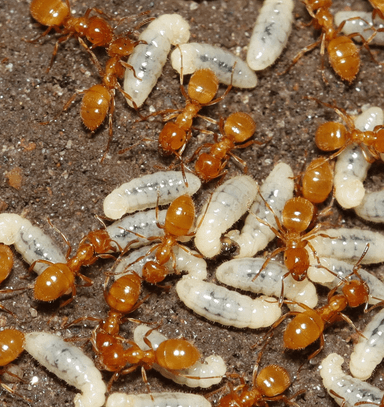
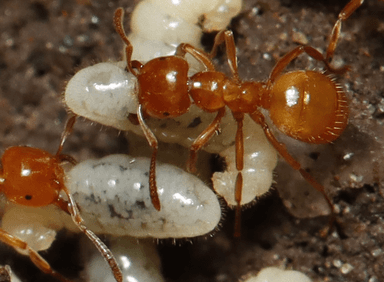
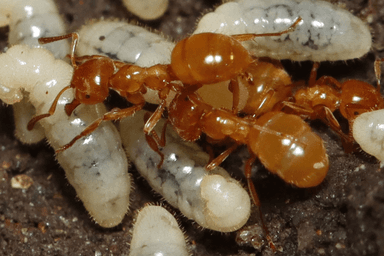
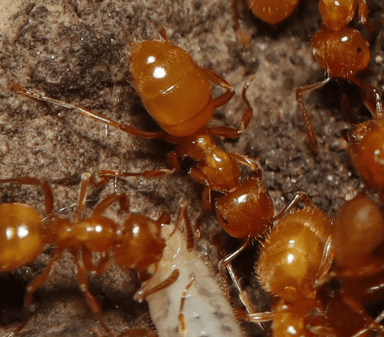
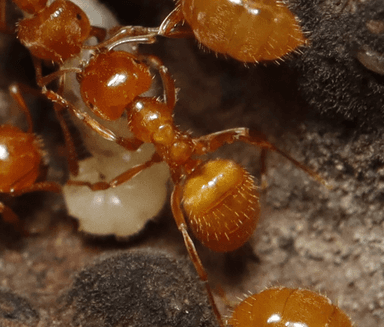
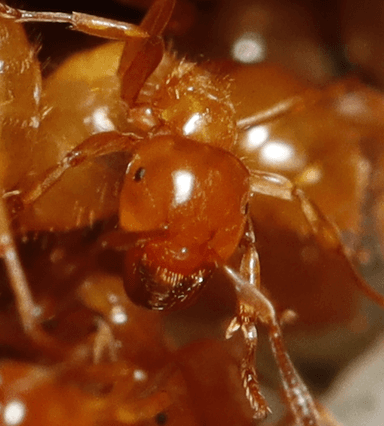
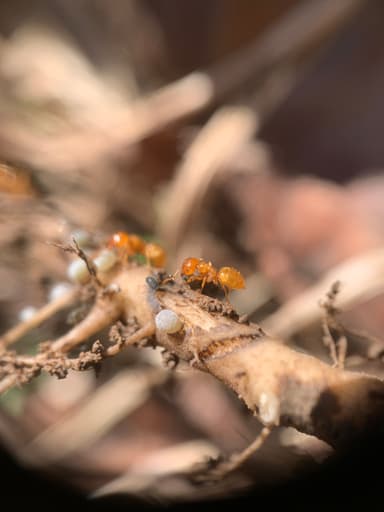
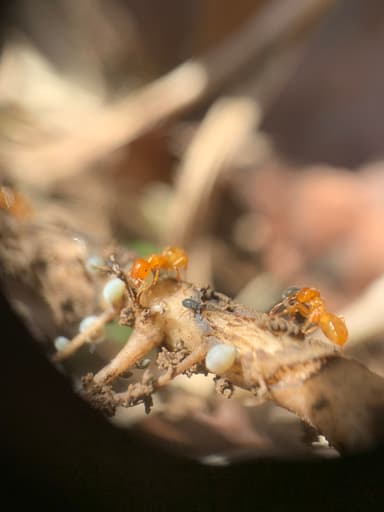
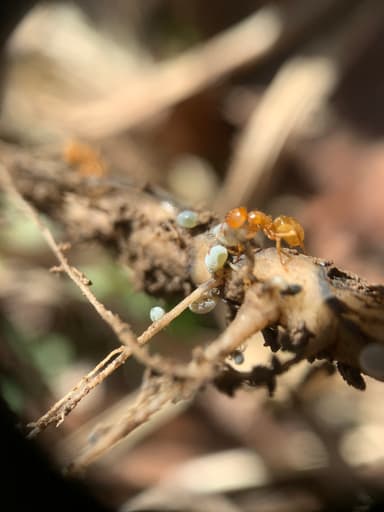
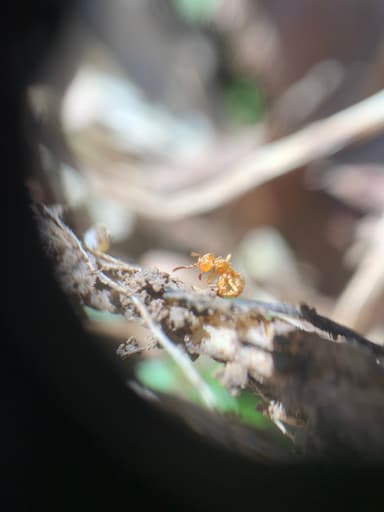
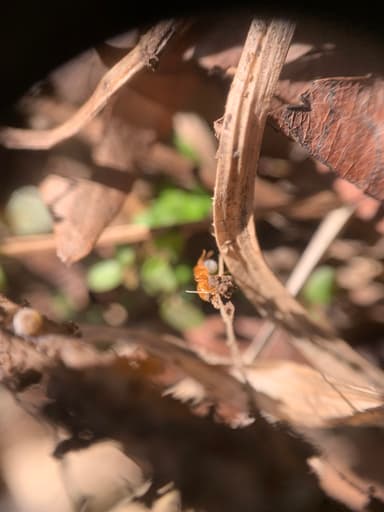
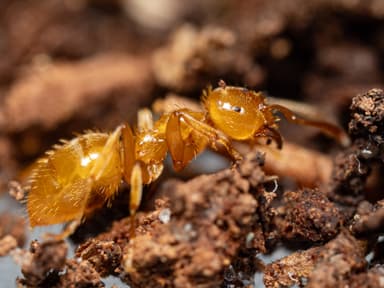
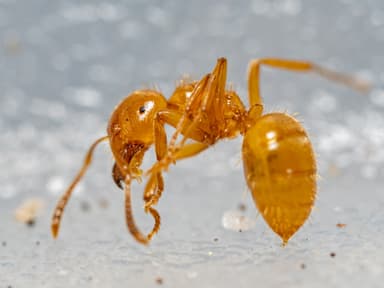
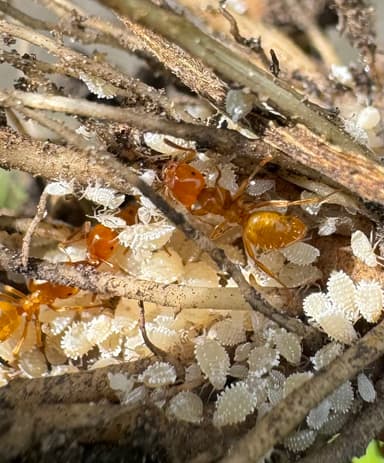
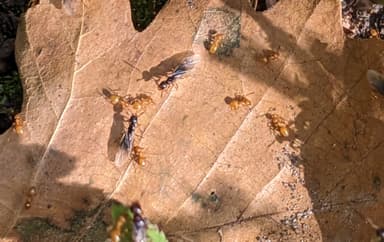
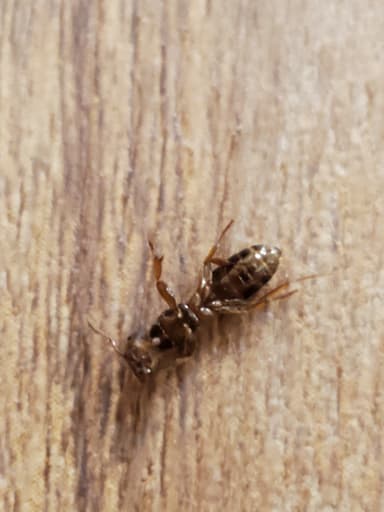
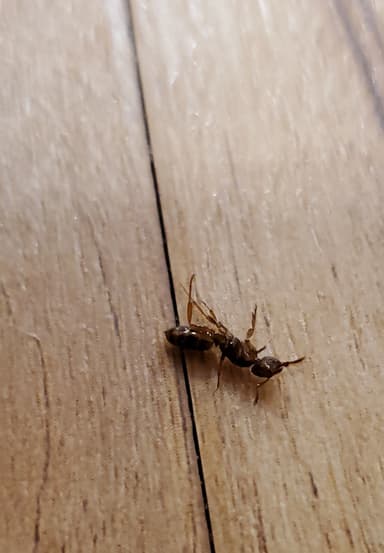
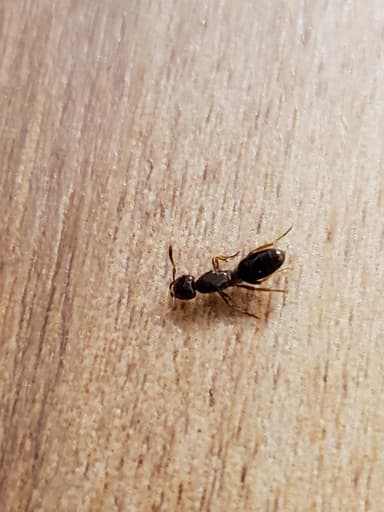
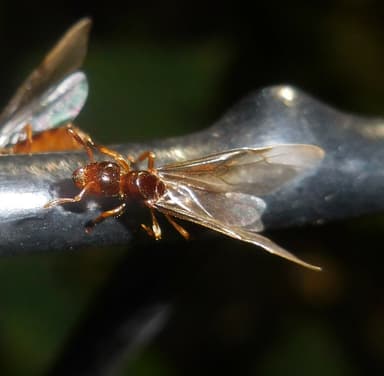
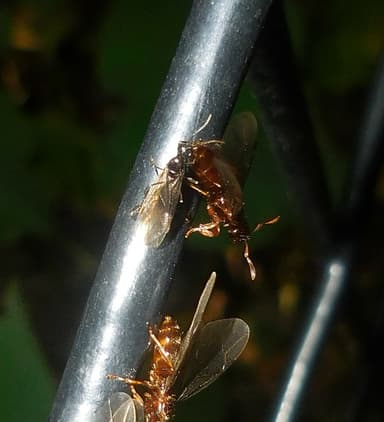
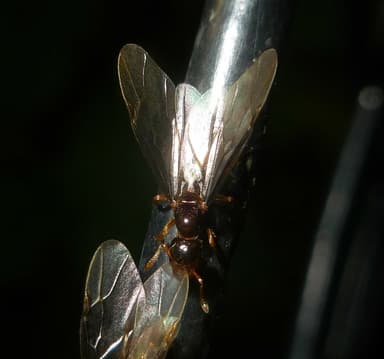
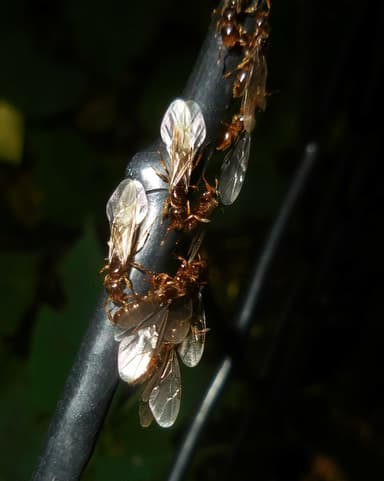
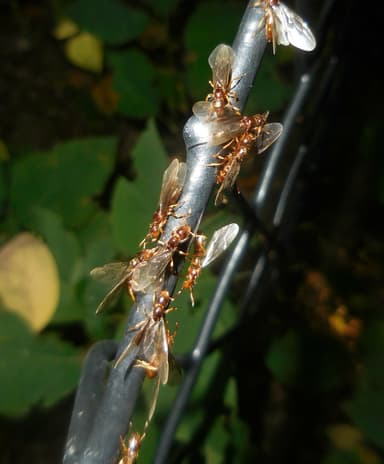
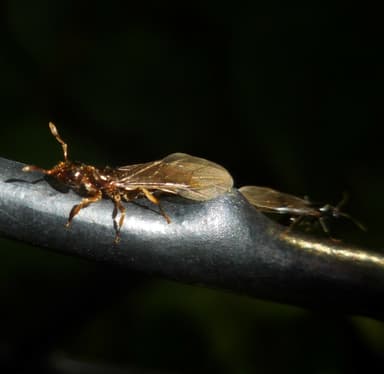
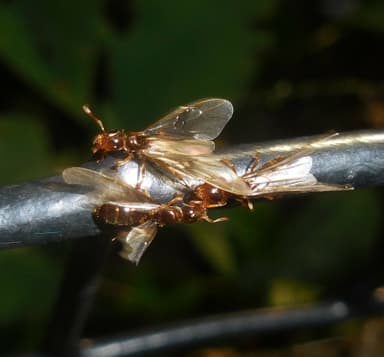
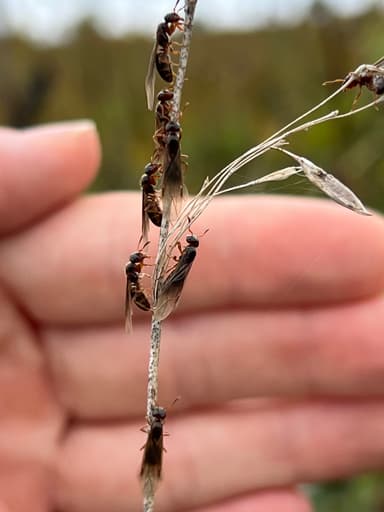
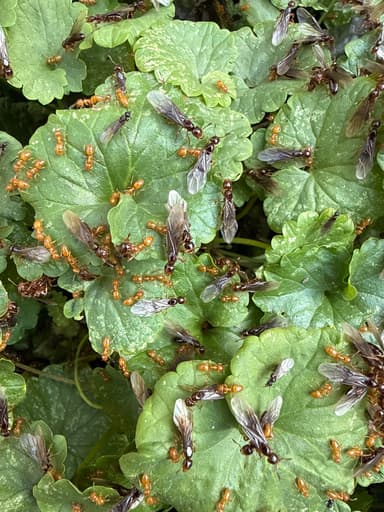
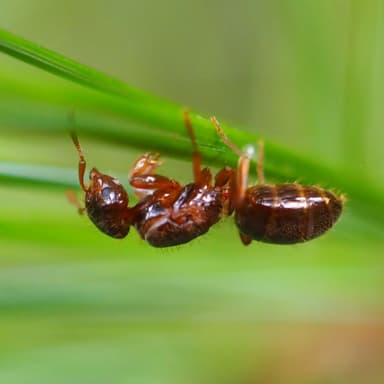
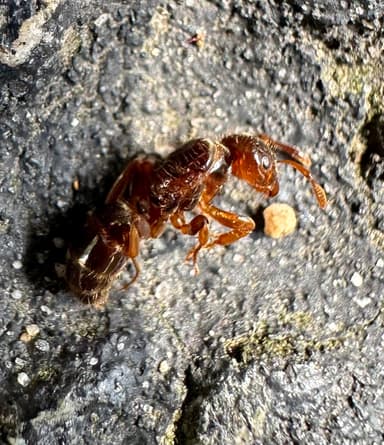
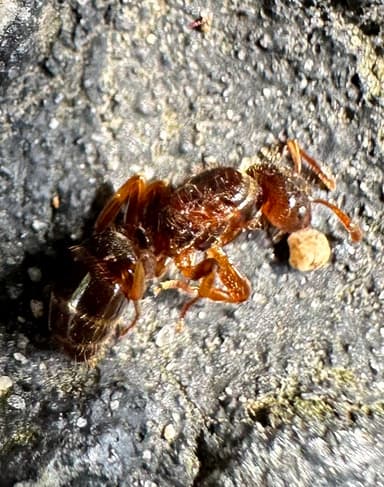
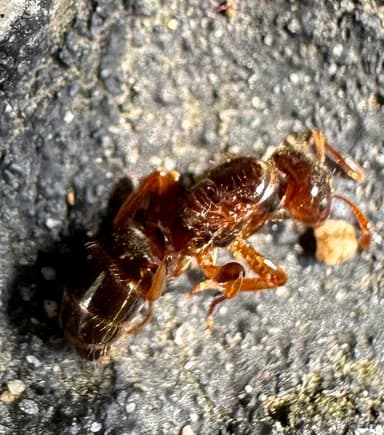
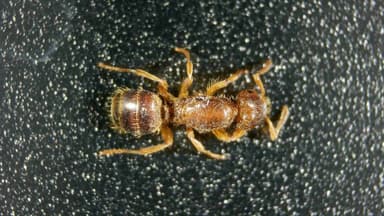
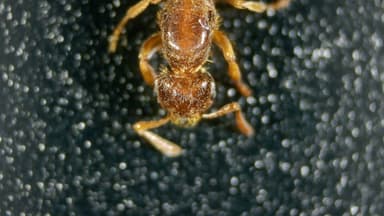
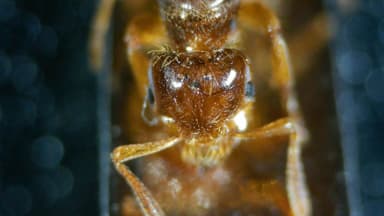
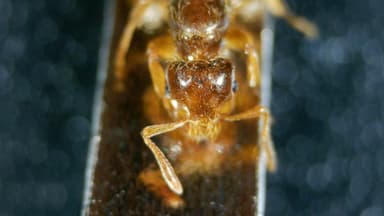
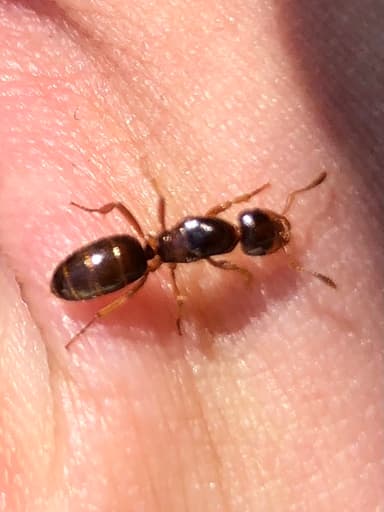
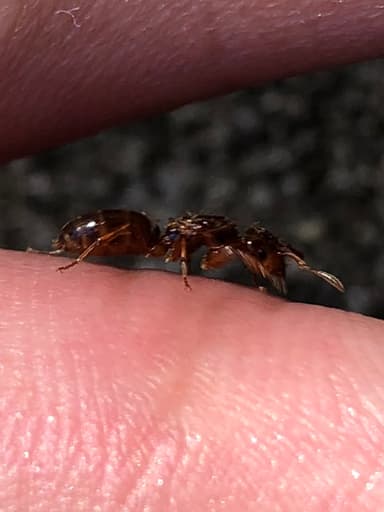
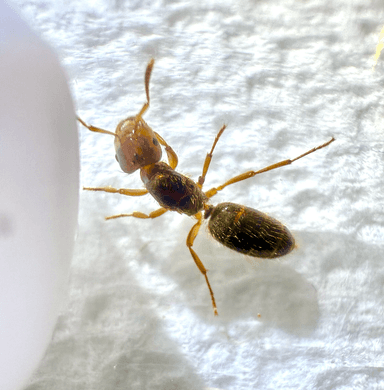
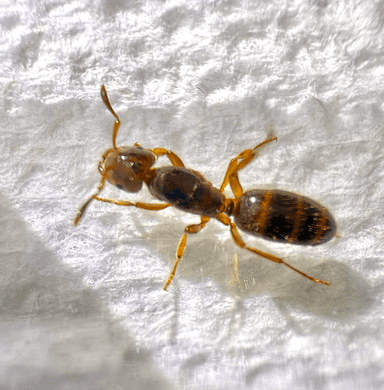
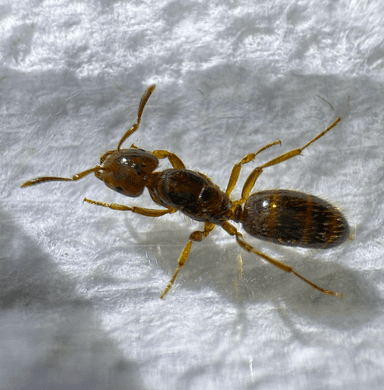
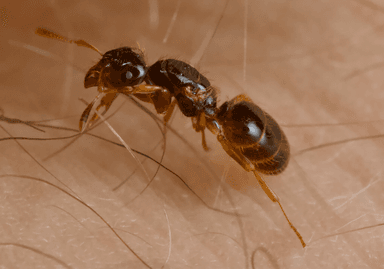
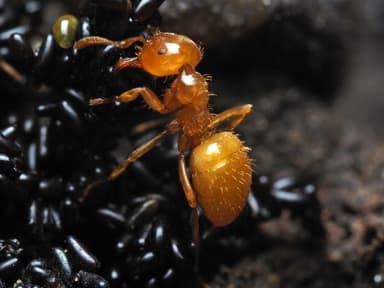
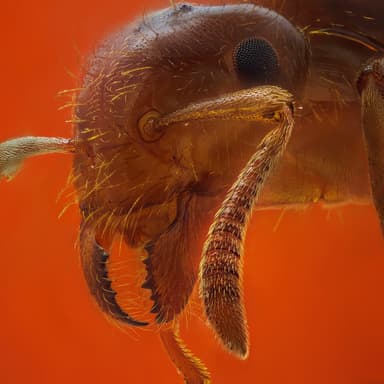
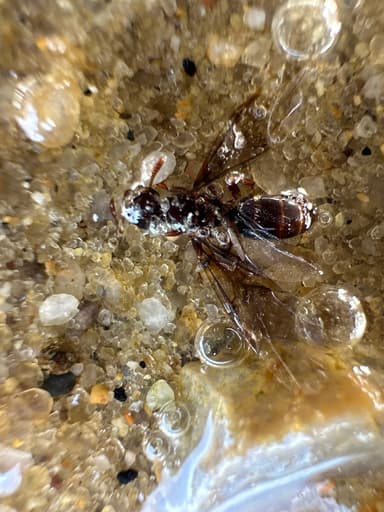
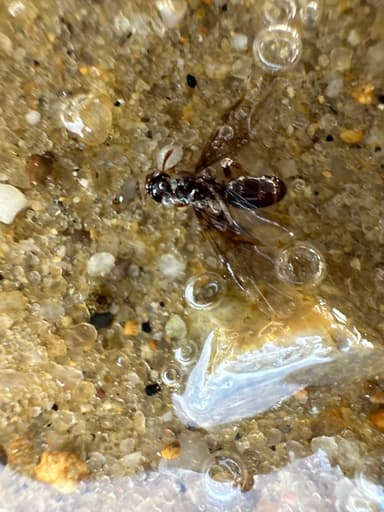
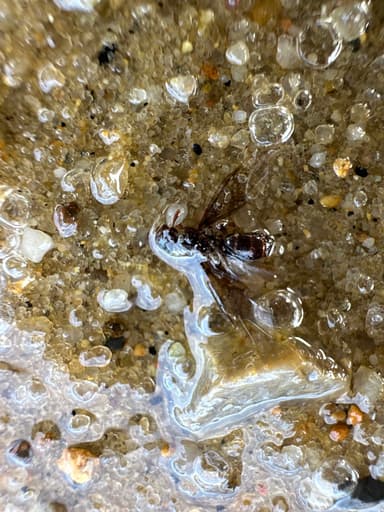
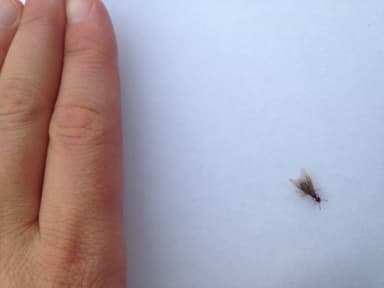
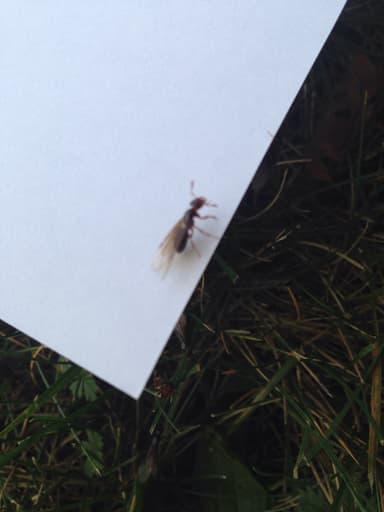
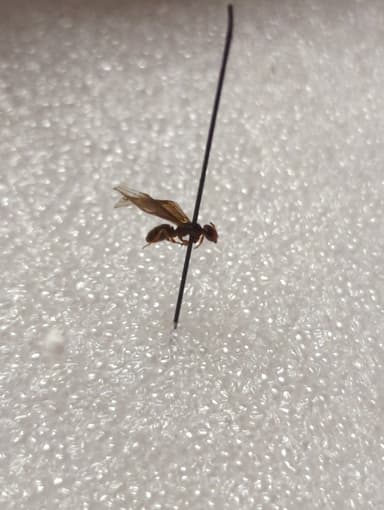
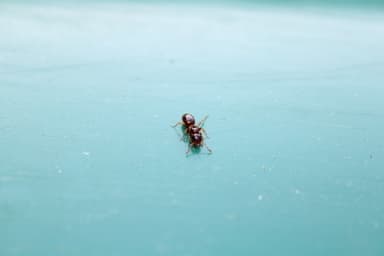
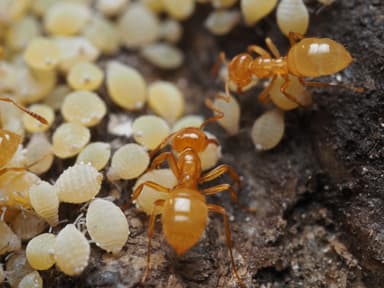
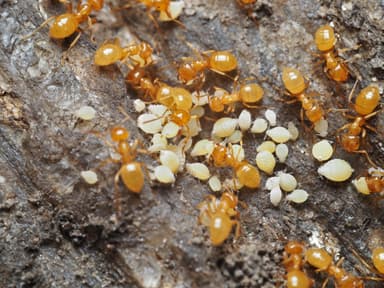
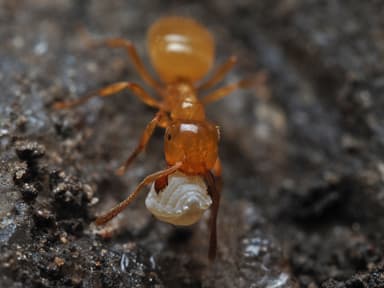
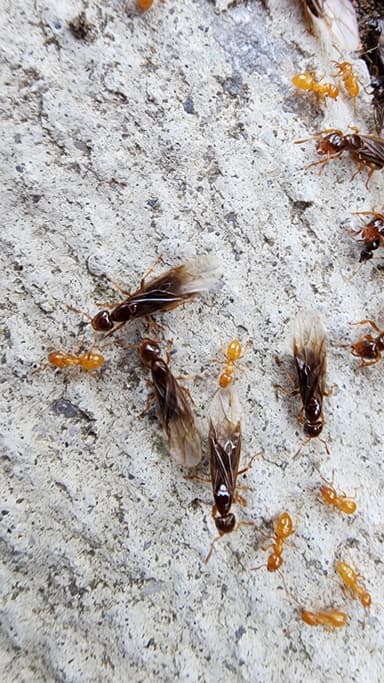
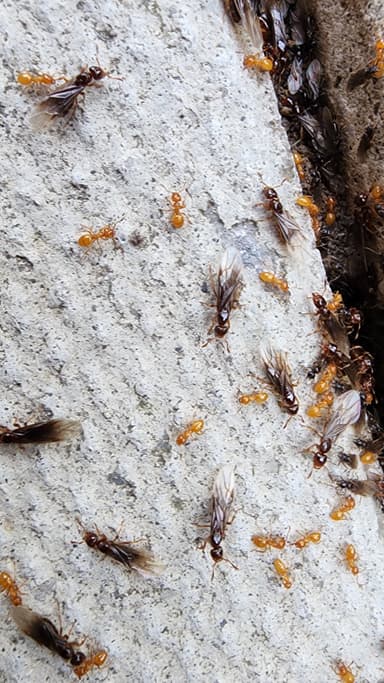
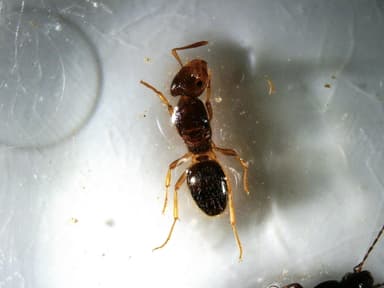
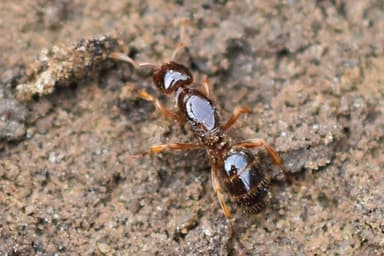
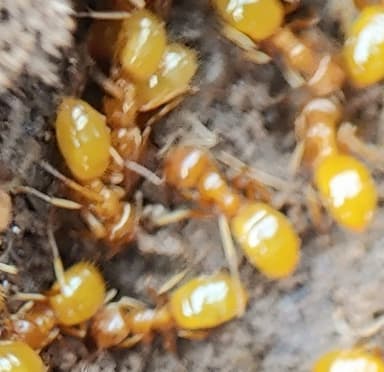
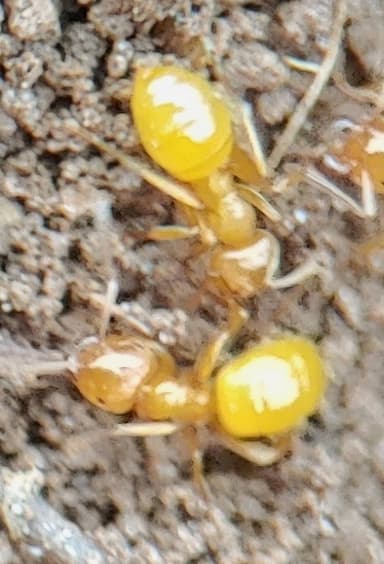
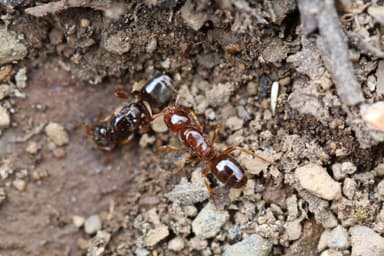
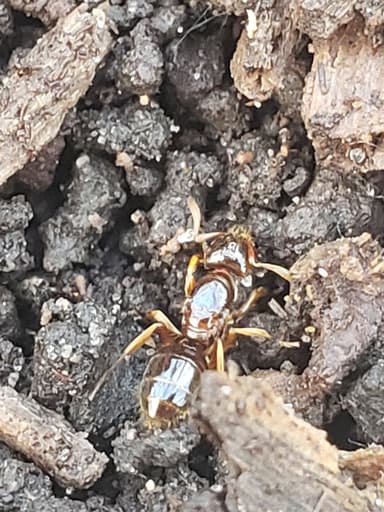
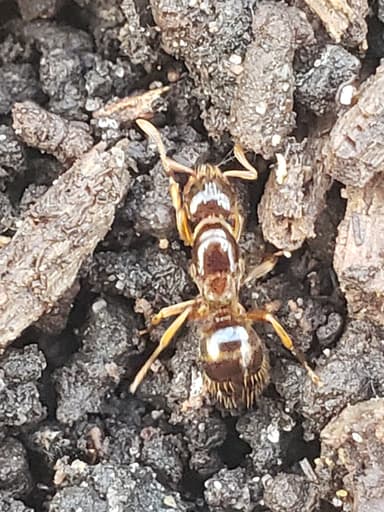
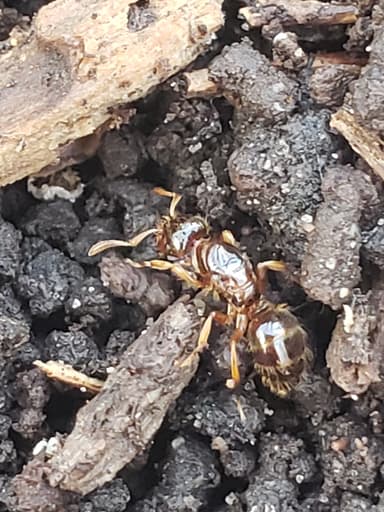
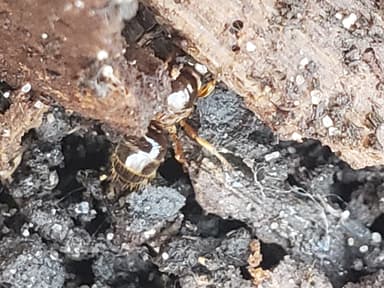
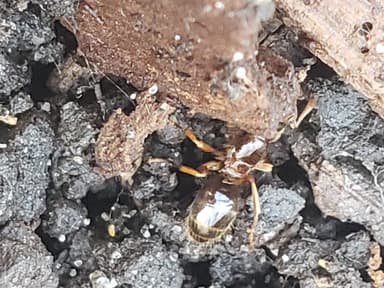
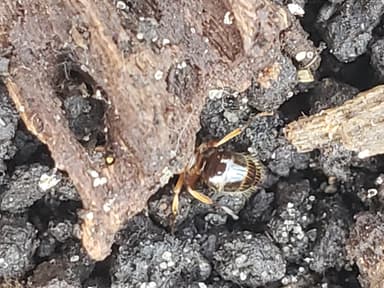
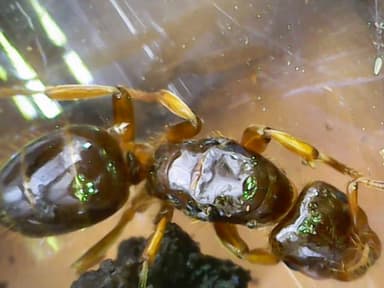
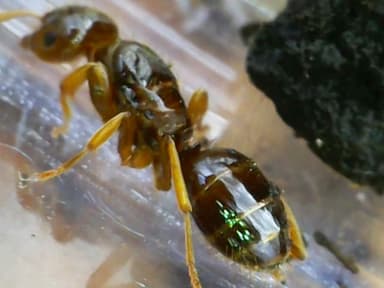
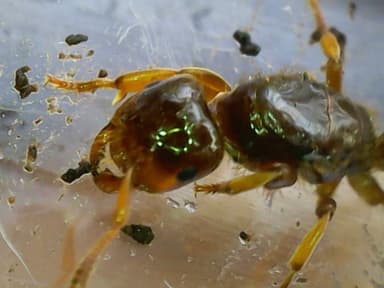
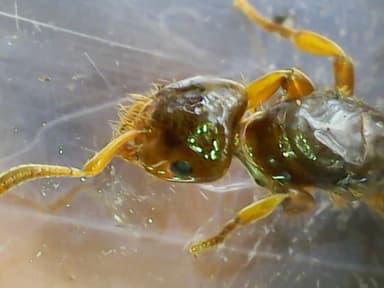
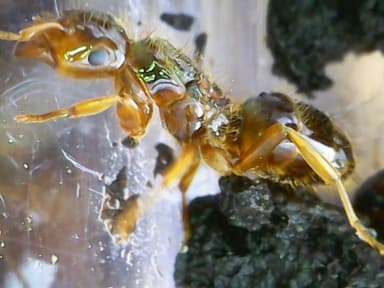
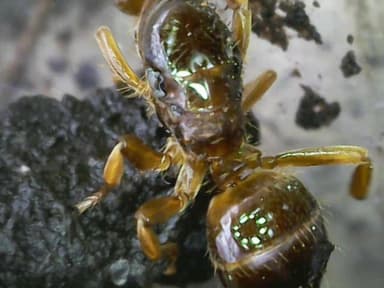
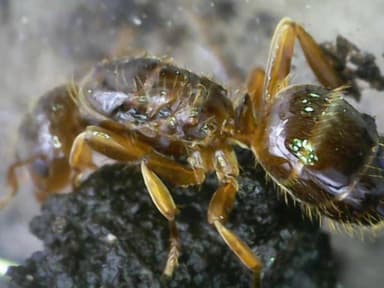
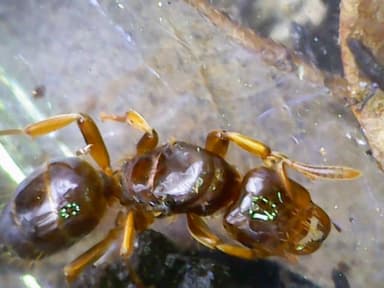
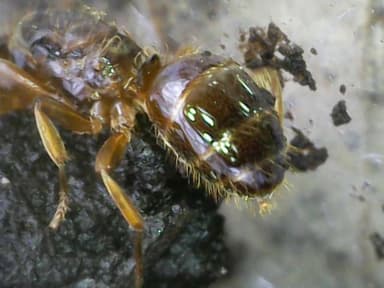
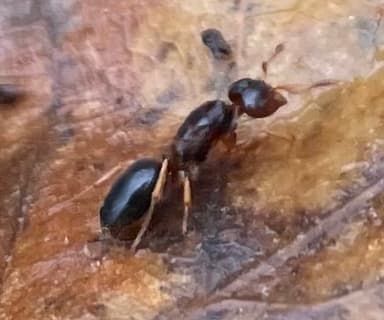
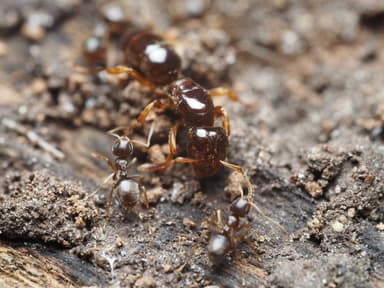
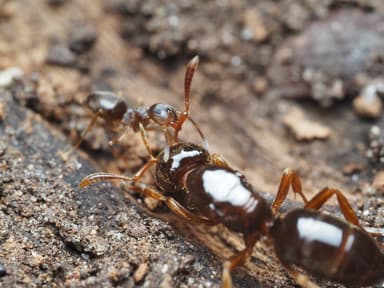
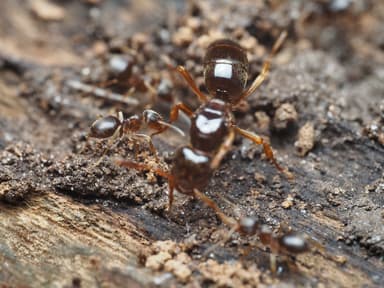
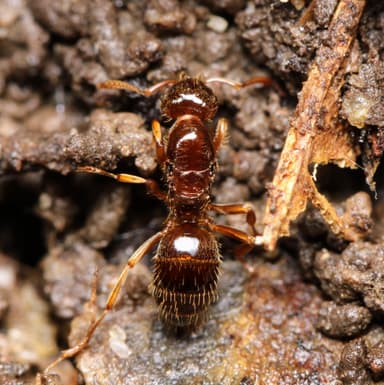
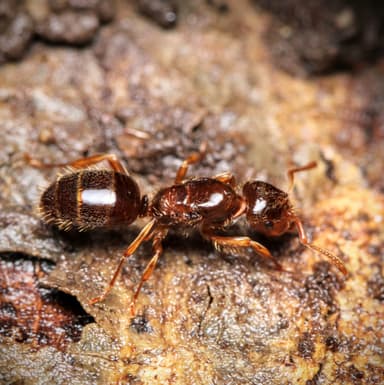
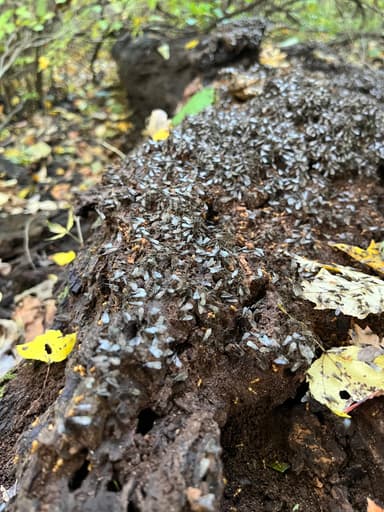
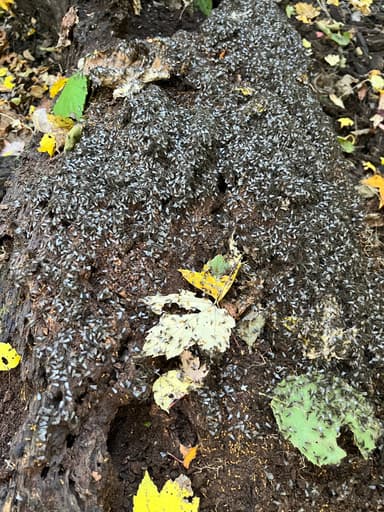
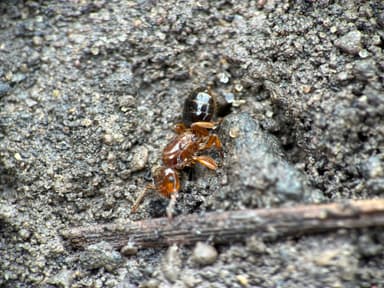
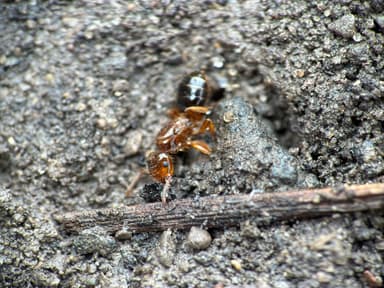
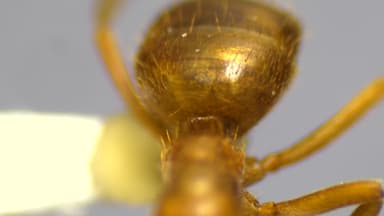
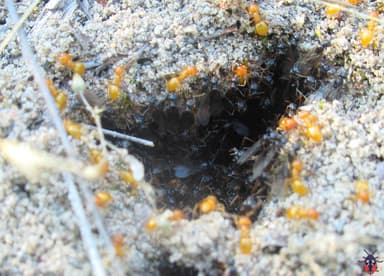
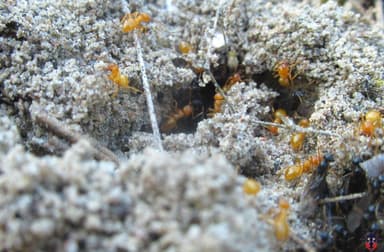
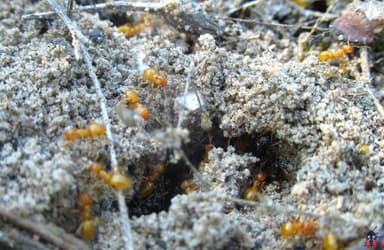
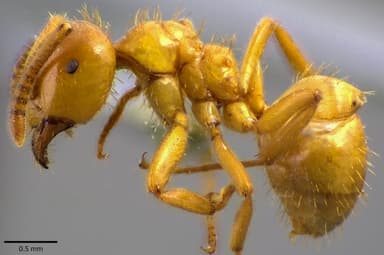
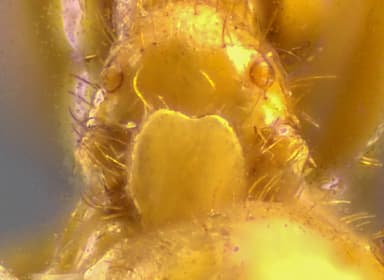
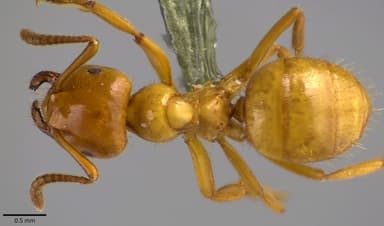
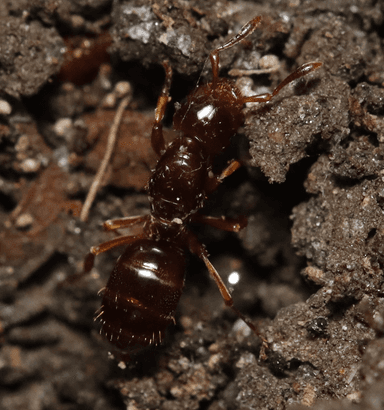
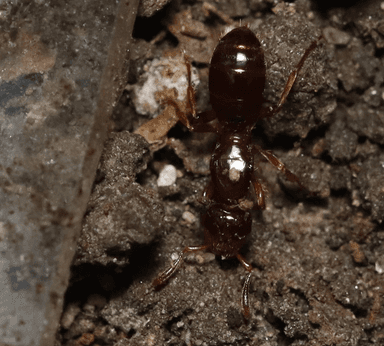
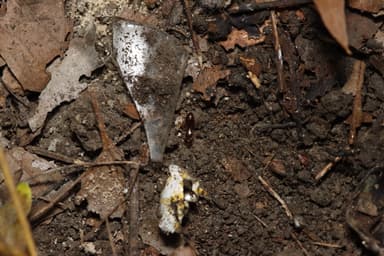
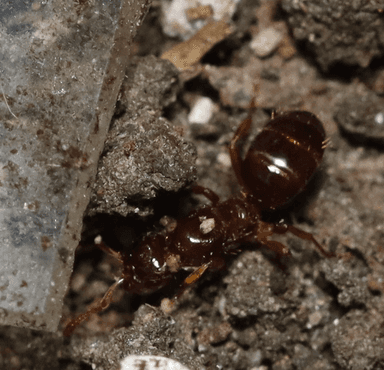
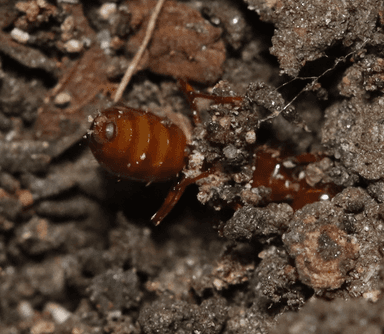
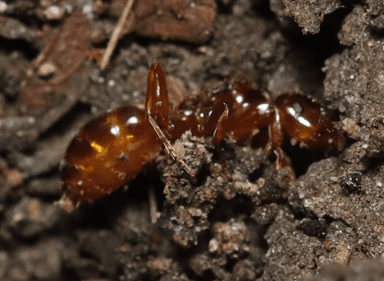
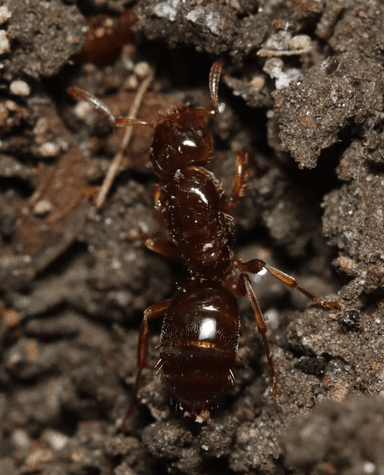
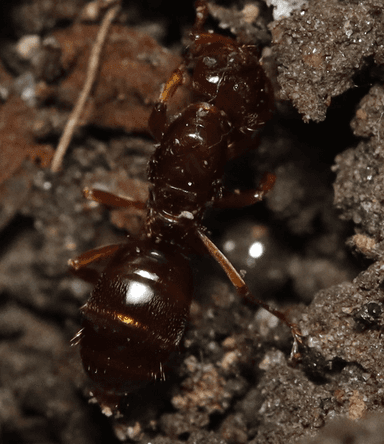
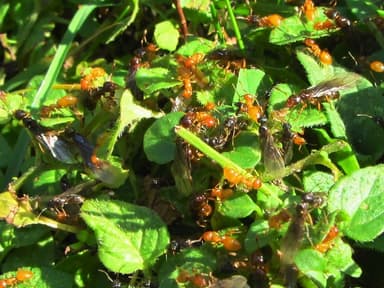
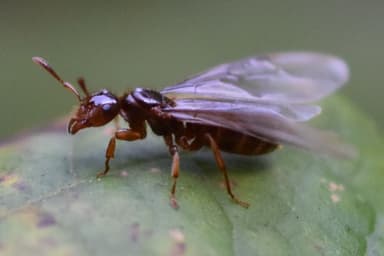
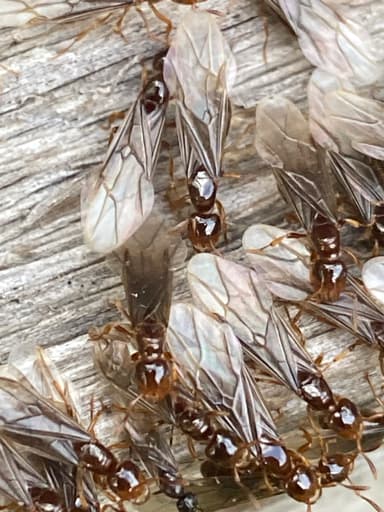
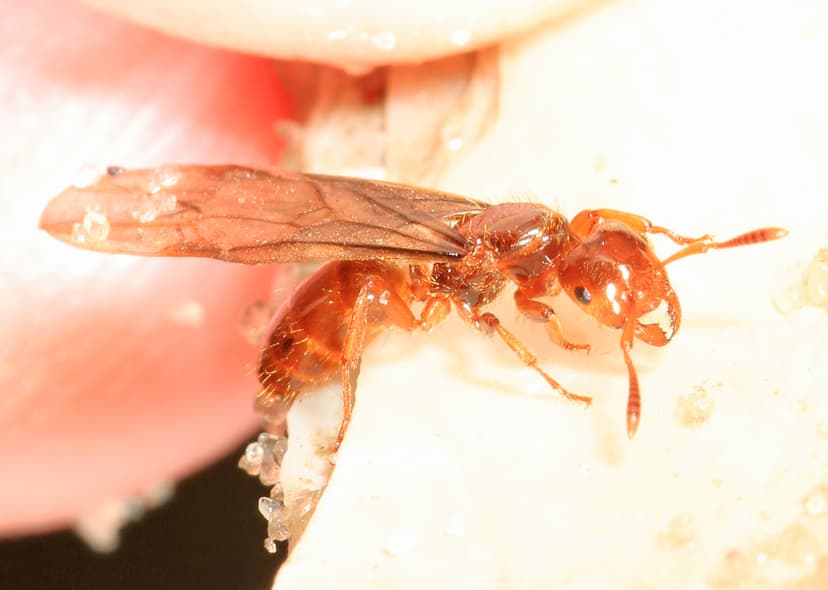
Few ants capture the mysterious allure of subterranean life quite like Lasius claviger, commonly known as the smaller yellow ant or the citronella ant. Workers are a uniform pale yellow to orange-brown, measuring a modest 3 to 4.5 millimeters, while the larger, robust queens reach 7 to 9 millimeters. Unlike many ants, L. claviger lacks a polymorphic worker caste—only a single minor class exists—yet mature colonies can swell to an impressive 100,000 individuals. Their most famous trait, however, is the potent lemony citronella odor they release when disturbed, a chemical defense produced in their mandibular glands that led to their former placement in the genus Acanthomyops, a group thoroughly revised by Wing (1968). This ant ranges across eastern North America, from the Atlantic seaboard inland to roughly the Great Plains, and lives almost entirely hidden beneath soil, stones, or rotting logs, making above-ground sightings a rare treat tied to their dramatic autumn nuptial flights. Wilson’s monumental revision of Lasius (1955) cemented the species’ current classification and highlighted its most defining biological feature: L. claviger is an obligate social parasite. Newly mated queens cannot found a colony alone; they must infiltrate the nest of a closely related host, typically another Lasius species such as L. americanus, assassinate or subdue the resident queen, and manipulate the host workers into raising their first brood.
Given this life history, Lasius claviger is reserved strictly for expert-level keepers. The parasitic founding strategy demands a deep understanding of host-species behavior, careful timing, and often multiple attempts to achieve a successful integration. It is emphatically not a beginner’s ant, nor is it forgiving of casual oversight. Even after the critical founding phase, the colony’s large ultimate size and sensitivity to environmental fluctuations require seasoned husbandry. This species best suits myrmecologists who have prior experience with temporary social parasites and are prepared for a long-term commitment—colonies thrive for a decade or more once the initial hurdle is cleared. For those with the requisite skill, however, L. claviger offers a uniquely rewarding display of a subterranean empire, complete with a bustling nest and the frequent, almost hypnotic, appearance of their citronella-scented patrols when the colony is healthy and growing.
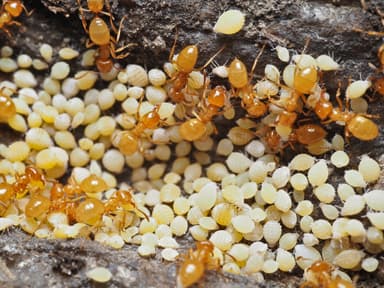
Housing must mimic the cool, humid underworld these ants inhabit in the wild. A temperature range of 18 to 26°C suffices, though a gentle gradient from cooler nest (around 20°C) to warmer foraging areas is ideal. Humidity is the critical parameter: maintain a consistent 50 to 70 percent within the nest, achieved through a combination of a water-charged plaster, ytong, or sand-clay substrate that allows the ants to regulate moisture themselves. Many advanced keepers employ modular formicariums with a deep, humidified soil chamber connected to a drier outworld. Because L. claviger are true earth-dwellers that rarely venture into light, the nest should be kept dark, and the foraging area should offer ample cover in the form of leaf litter, flat stones, or pieces of bark under which they can secret their food sources. Too much open space causes chronic stress; these ants prefer cramped, labyrinthine galleries that recall the natural cavities they fill with large populations of root aphids. Red film over the nest allows observation without disturbing them, and a tight-fitting lid is essential—citronella ants are accomplished escape artists, especially the tiny, newly enclosed workers.
Dietarily, Lasius claviger are generalists with a pronounced sweet tooth. In the wild they extensively tend subterranean aphids and scale insects for honeydew, and in captivity they must receive a steady supply of carbohydrates. A liquid feeder offering sugar water, diluted honey, or a quality ant nectar is a staple; replace it every few days to prevent fermentation. Protein is equally vital for brood development. Offer freshly killed or frozen-thawed insects such as fruit flies, small crickets, chopped mealworms, or roach nymphs two to three times per week, adjusting quantities as the colony grows. The workers are adept at handling soft-bodied prey, and they will eagerly drag morsels back to the humid nest chambers. Always provide a small water source in the foraging area, such as a moist cotton ball in a tiny dish, to supplement the nest humidity. Avoid overfeeding protein, as uneaten prey quickly molds in the high-humidity environment they require.
A strict annual hibernation is non-negotiable for colony health. In their native range, these ants experience a pronounced winter chill, and without a rest period at around 5°C, queens cease egg-laying and the colony slowly declines. Begin preparation in late autumn by gradually reducing temperatures over two to three weeks, ceasing protein feedings, and finally moving the entire formicarium to a dark location that holds a steady 5°C. A dedicated refrigerator or wine cooler with precise temperature control is ideal. Hibernation should last a minimum of three months, typically from December through February. During this time the ants cluster motionless; check briefly once a month for moisture, but do not disturb. In early spring, warm them equally slowly back to active temperatures, and offer a small drop of sugar water first before reintroducing insect protein.
The first days after purchasing a mated Lasius claviger queen—often acquired from a trusted breeder who has already initiated the social parasitism—are delicate. She will likely arrive in a small tube or founding chamber with a cohort of host workers and a patch of brood. Place her setup in a quiet, dark spot at the lower end of the temperature range and resist any urge to inspect her for at least 24 hours. The queen’s stress level is the primary concern; even brief light exposure can cause her to cease laying or become fatally rejected by the host workers. After that initial settling period, offer a minute drop of sugar water on a tinfoil slip placed near the nest entrance. If the workers accept it eagerly, the integration is likely stable. Do not offer protein until you see the first larvae, which may take one to two weeks. Watch for persistent aggression between the queen and host workers, or a sudden drop in live brood—signs that the parasitic foundation is failing. With gentle, patient care, a quiet founding phase blossoms into one of the most fascinating and long-lived ant colonies a keeper can steward, a hidden world of citronella-scented corridors teeming with life.