Camponotus
Camponotus nearcticus
Nuptial Flight Calendar
Flight months: Apr, May, Jun, Jul, Aug
Care Guide
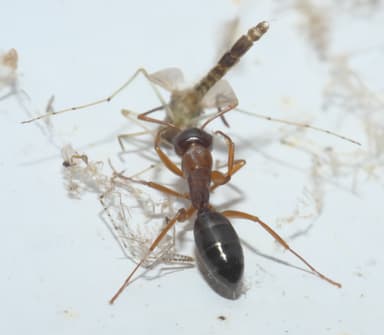
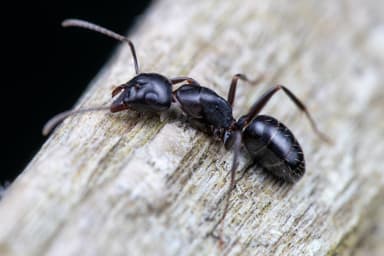
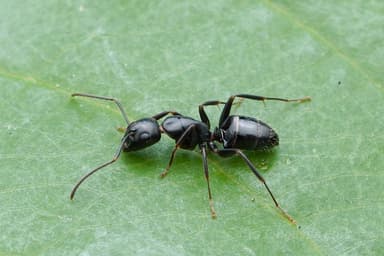
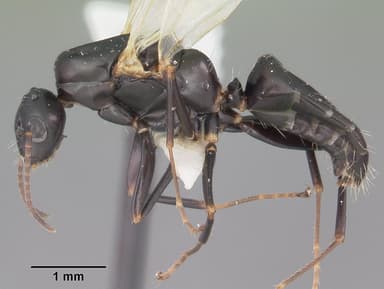
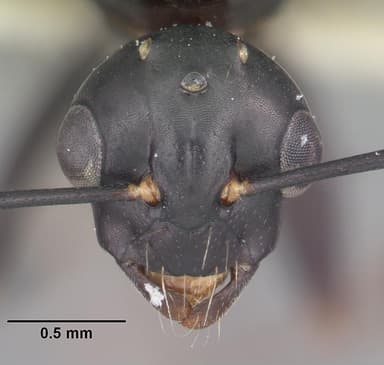
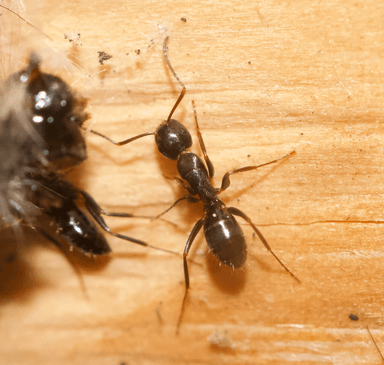
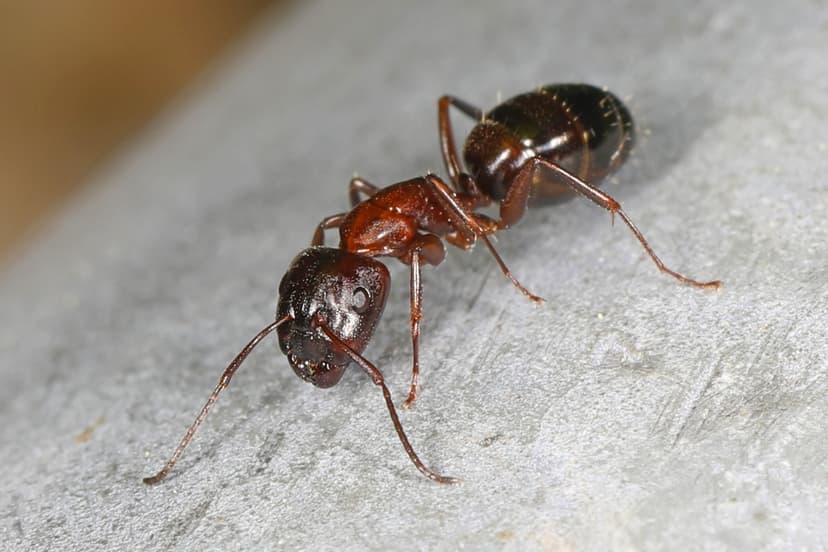
Camponotus nearcticus, often referred to as the small carpenter ant, is a delightful species for the hobbyist, offering the classic carpenter ant charm in a more compact package. Queens measure a modest 8 to 10 millimeters, while their workers display a striking polymorphism, with minor workers as small as 3.5 millimeters and robust majors reaching 7 millimeters. Their coloration is generally a deep, polished black, sometimes with faint brownish tints on the legs and antennae, making them an elegant addition to any collection. In nature, these ants range across eastern North America, from southern Canada down through the leaf-littered forests of the Appalachians and into the northern Gulf States (Ellison et al. 2012). Colonies remain relatively small for a Camponotus, typically peaking at around 2,000 individuals, which means you can enjoy their intricate social behaviors without the need for an enormous setup. The species is claustral, so founding queens seal themselves in a chamber and raise their first brood on internal fat stores, and nuptial flights occur during warm, humid afternoons following rain in the summer months of June through August.
When it comes to difficulty, Camponotus nearcticus is firmly placed in the beginner category, and for good reason. They are remarkably tolerant of the minor fluctuations in temperature and humidity that inevitably occur in home environments, and they are not prone to bouts of escape-artistry or aggression. Their small colony size makes them perfectly suited for keepers who want a manageable display, perhaps on a desk or shelf, without the constant pressure of a rapidly expanding population. Because they are both hardy and forgiving, they serve as an excellent introduction to the polymorphic carpenter ants, giving you a front-row seat to the physical differences between minor and major workers without the challenges posed by larger, faster-growing relatives. Even a complete novice can achieve long-term success with this species, provided the basic seasonal rhythm of hibernation is respected.
A proper home for Camponotus nearcticus should mimic the dead wood habitats they favor in the wild. They thrive at a temperature range of 21 to 27 degrees Celsius, which conveniently spans typical room temperatures, though a gentle heating cable can be used at one end of the nest to create a gradient and encourage faster brood development. Humidity should be kept between 50 and 70 percent, achievable through regular misting or a well-designed hydration system. Many keepers house them in plaster or ytong nests that incorporate an integrated water reservoir, as these materials maintain stable humidity without waterlogging. A layer of sand or loamy substrate in the outworld is beneficial for foraging and minor excavation, but the main nest should offer a series of chambers and tunnels where the ants can feel secure. While they will readily accept artificial nests, providing a small piece of decayed hardwood or cork can stimulate natural grooming and dwelling behaviors, as Mackay and Mackay (2002) observed that these ants commonly establish galleries in rotting logs and stumps.
Feeding Camponotus nearcticus is straightforward and follows the standard omnivore template. For protein, offer freshly killed insects such as fruit flies, small crickets, or pieces of mealworm; the majors in particular will use their strong mandibles to process such prey. Carbohydrates are just as crucial, and a steady supply of sugar water, honey water, or a commercial ant nectar substitute should be provided. Many colonies also relish small slices of fresh fruit like apple or orange, but remove any uneaten portions after a day to prevent spoilage. Always ensure a clean water source is available, whether via a test tube, a drinking trough, or a moist cotton pad. A young colony with just a queen and a few nanitic workers will need very little food—a single fruit fly and a tiny drop of sugars once or twice a week suffices—but as the worker force grows, you can gradually increase both the quantity and frequency of offerings.
An absolute requirement for the long-term health of Camponotus nearcticus is a proper hibernation period. In their native range, winter temperatures drop consistently for several months, and the ants have evolved to shut down metabolic activity in response. You should provide a cold rest at approximately 6 degrees Celsius for at least three to four months, which can be managed in a dedicated mini-fridge, a cold cellar, or simply a well-insulated garage, provided the temperature is stable and never drops below freezing. During this diapause, the ants cluster together motionless, and you must cease all feeding; the water source must remain accessible but check it less frequently. Skipping or shortening hibernation often leads to a lethargic, dwindling colony that fails to raise brood the following spring, so treat this as non-negotiable. When you slowly warm them back up in early spring, you will be rewarded with a surge of egg-laying and renewed activity.
The arrival of a new Camponotus nearcticus queen or small colony is a critical window that sets the tone for the months ahead. Upon unboxing, place the test tube setup in a dim, quiet area at room temperature and avoid the temptation to check on them constantly. For a founding queen, no food is needed—remember, she is fully claustral and will sustain herself until her first workers eclose, which typically takes six to ten weeks. If you have purchased a queen with a few workers, wait at least 24 to 48 hours before offering the first meal: a minute drop of sugar water and a pre-killed fruit fly or cricket fragment placed just inside the tube opening or in a small attached outworld. Watch for signs of stress such as incessant pacing or excessive antennal grooming, and ensure the water supply remains fresh. Once the colony reaches ten to fifteen workers, you can gently connect the tube to a small nest and let them migrate at their own pace. With patience and a light hand, you will soon witness the fascinating daily rhythm of these elegant woodland ants.