Camponotus
Camponotus compressus
Nuptial Flight Calendar
Flight months: Jun, Jul, Aug, Sep
Care Guide
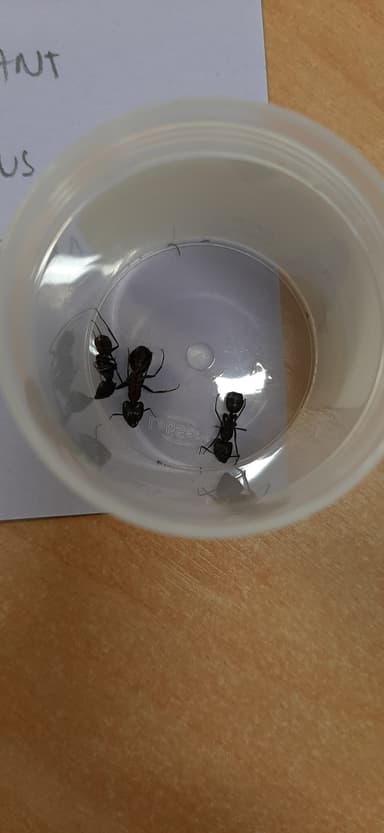
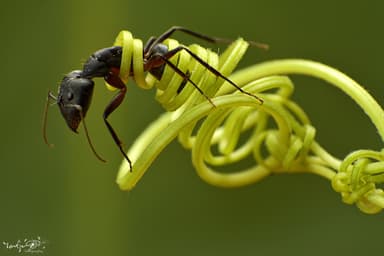
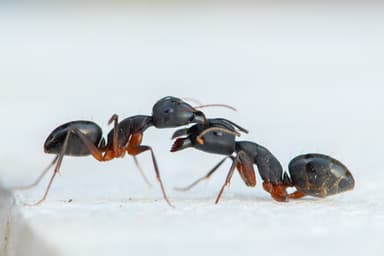
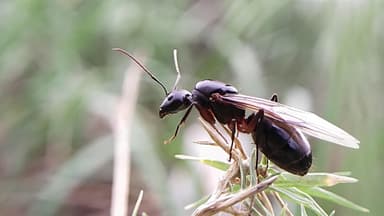
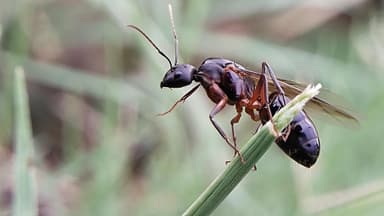
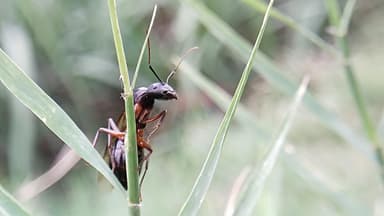
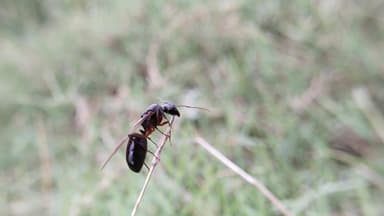
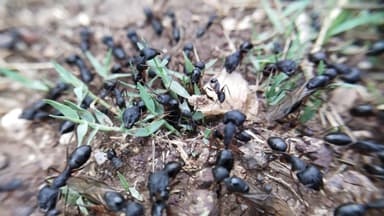
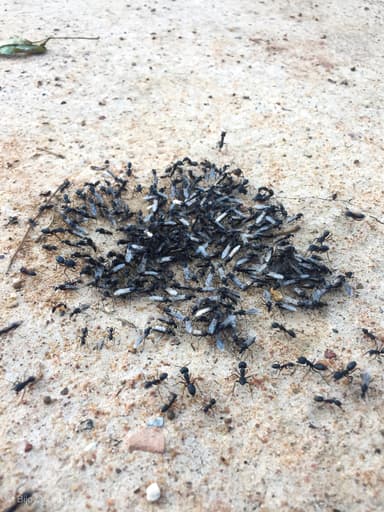
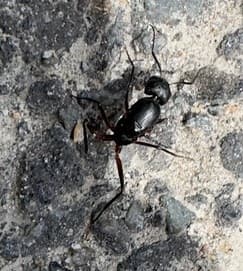
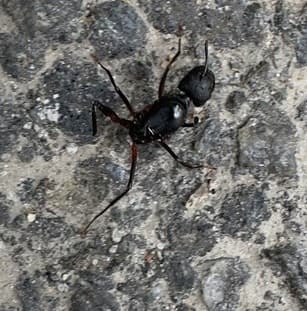
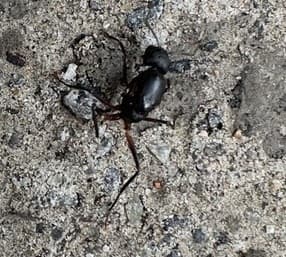
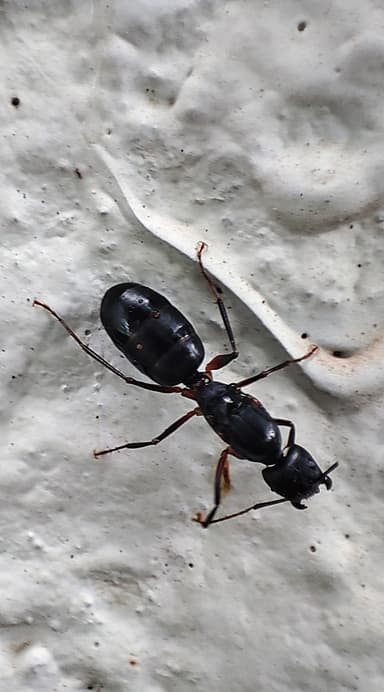
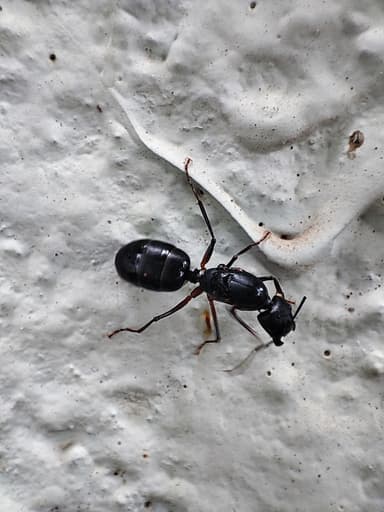
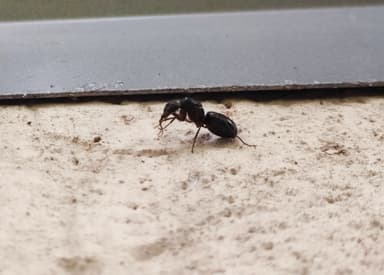
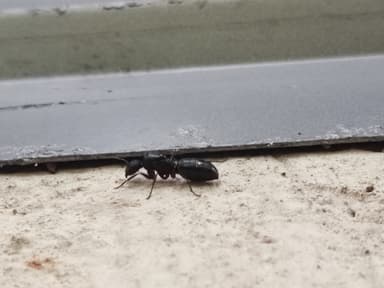
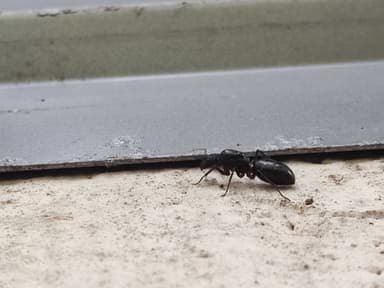
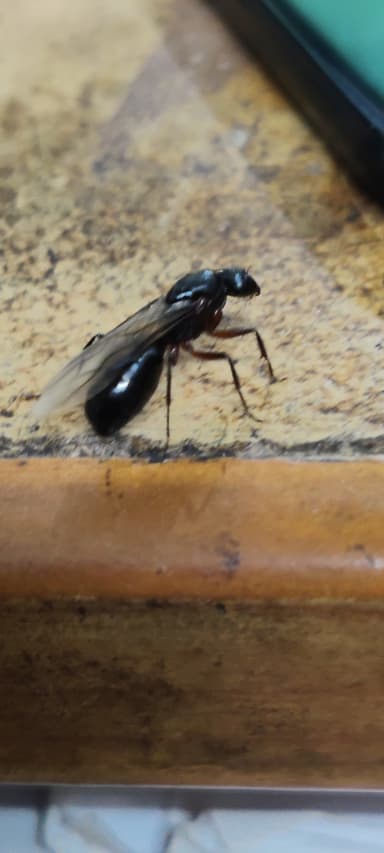
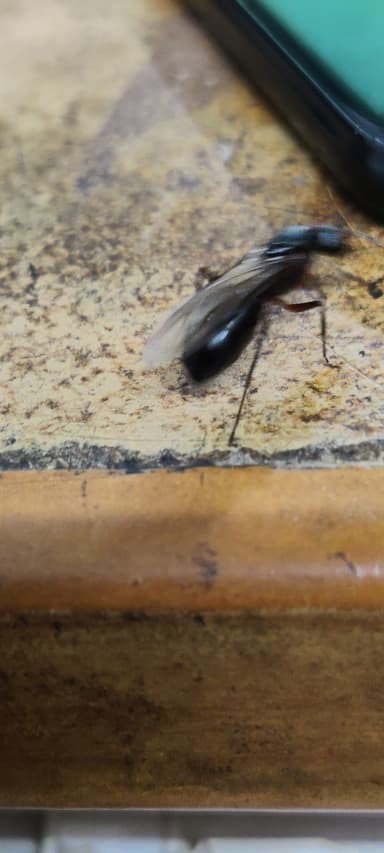
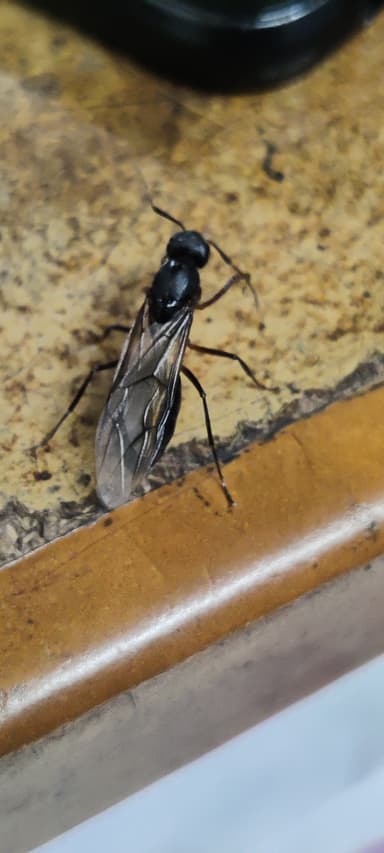
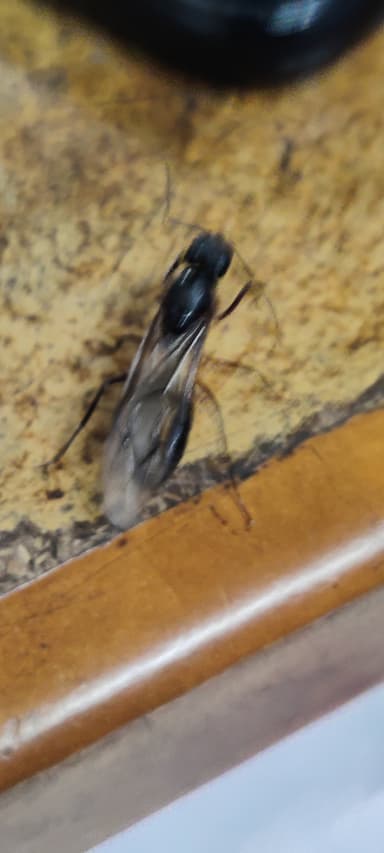
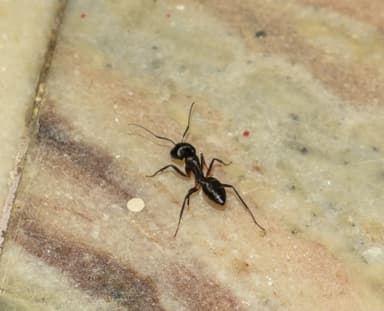
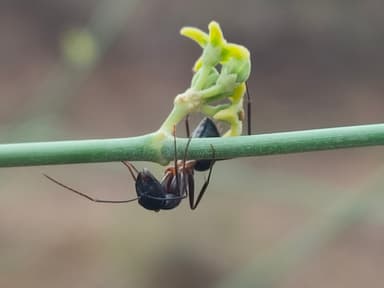
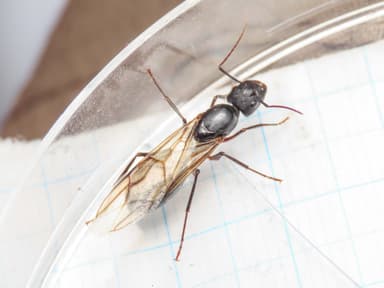
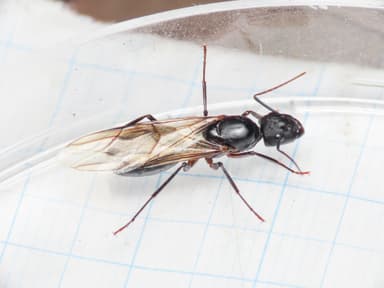
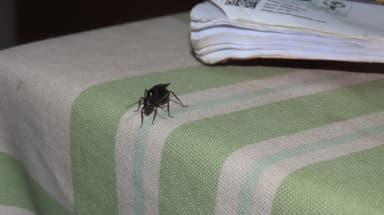
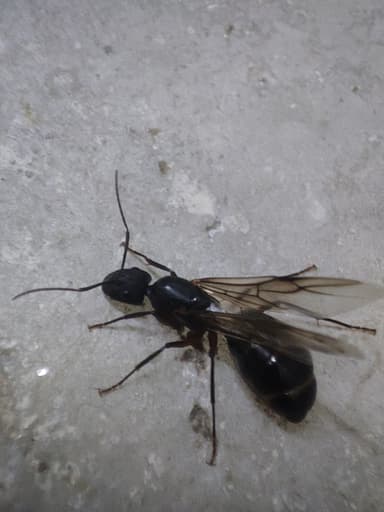
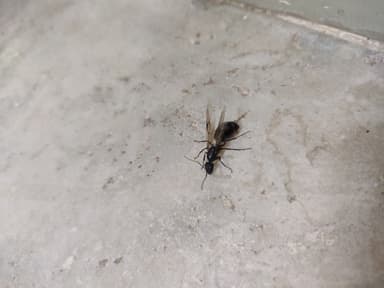
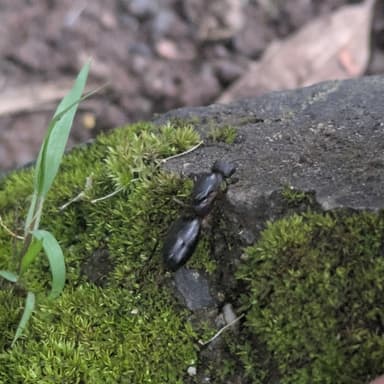
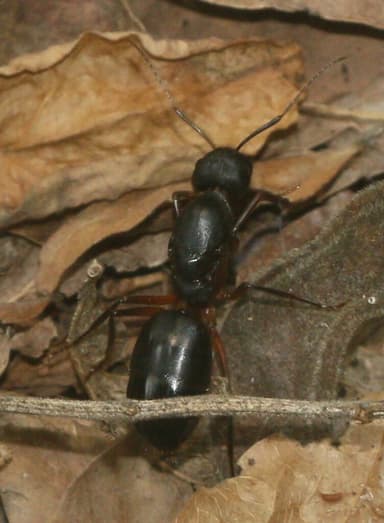
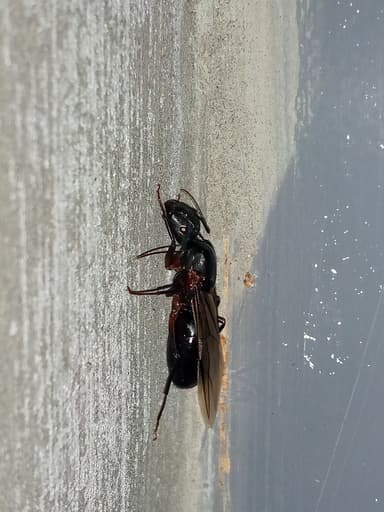
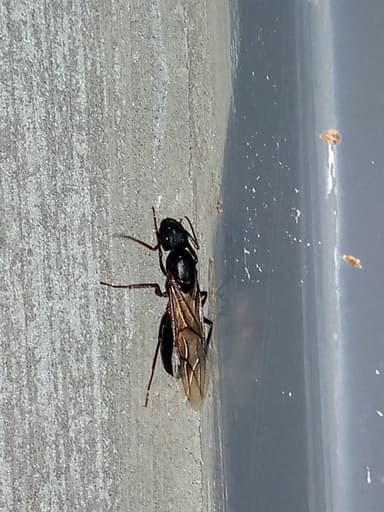
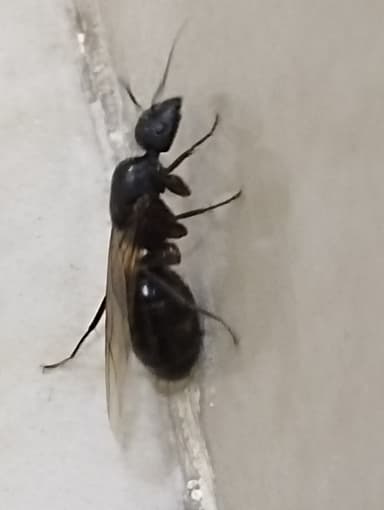
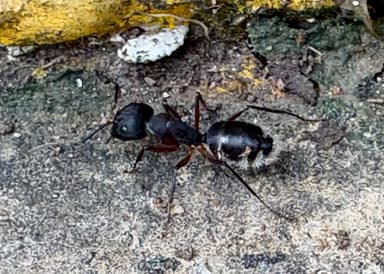
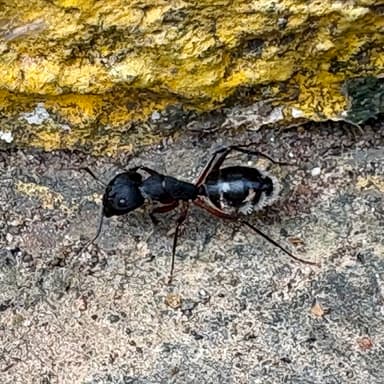
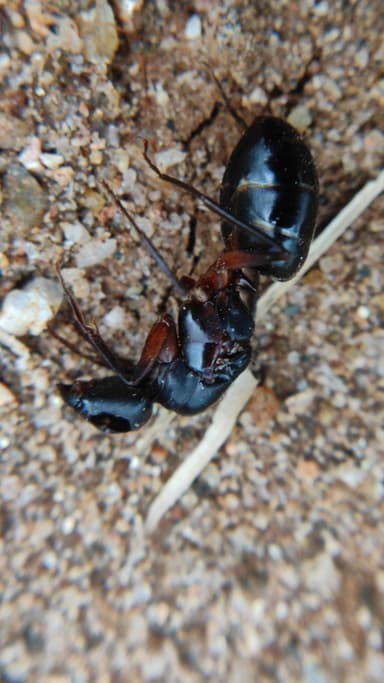
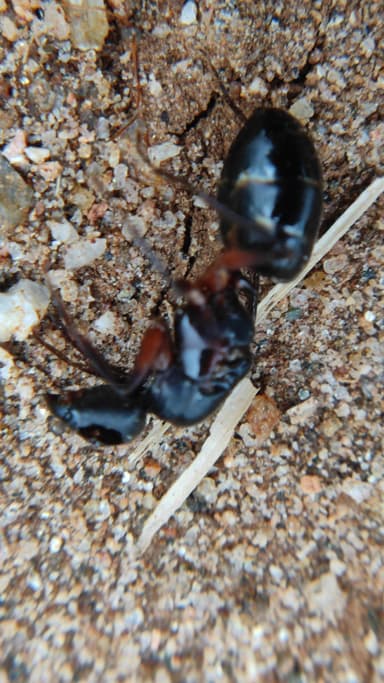
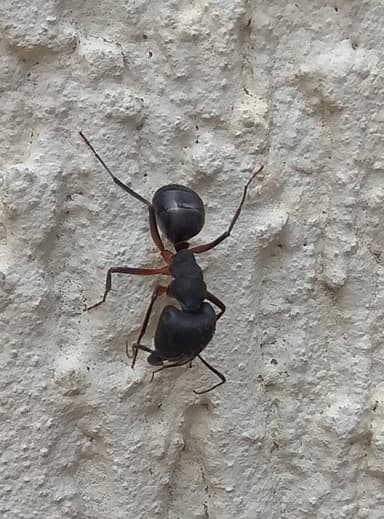
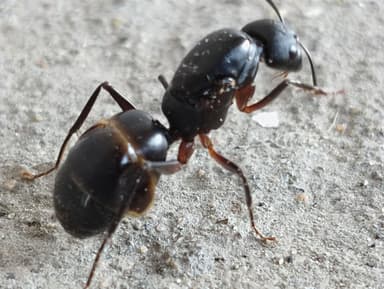
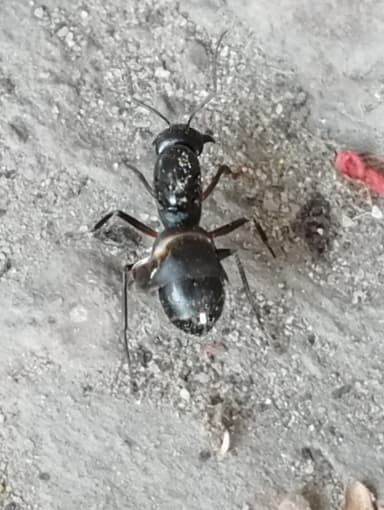
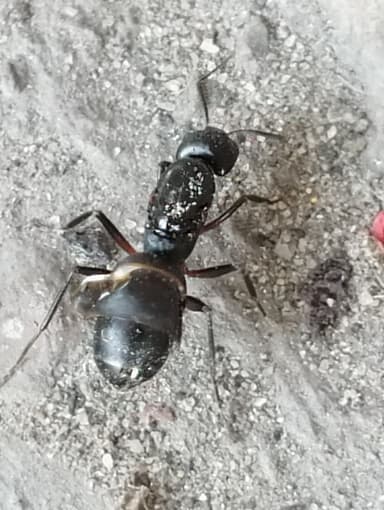
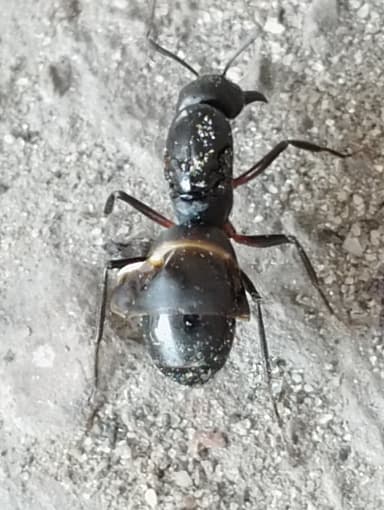
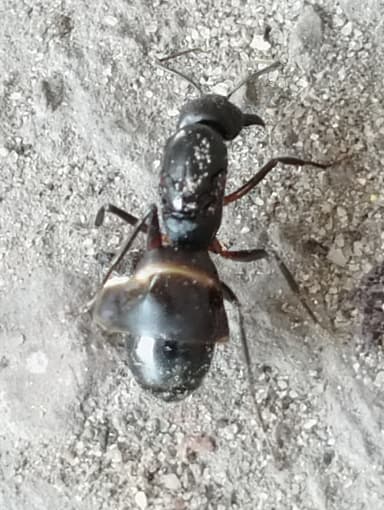
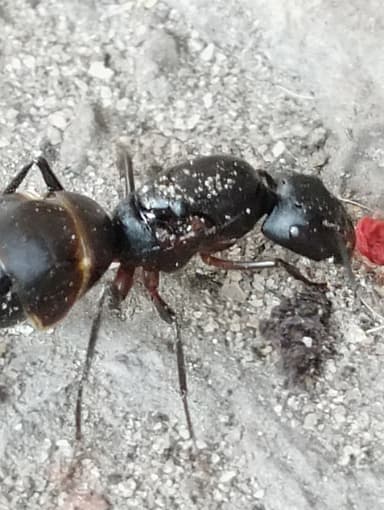
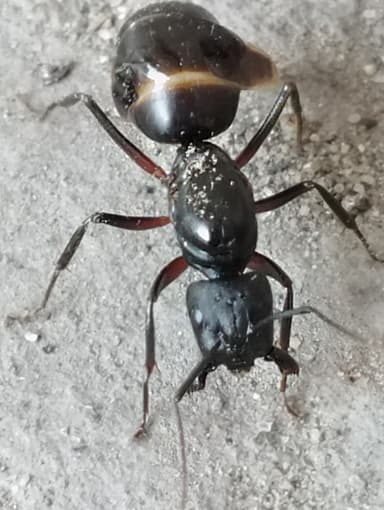
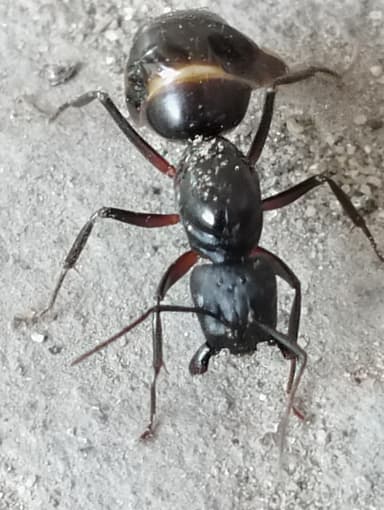
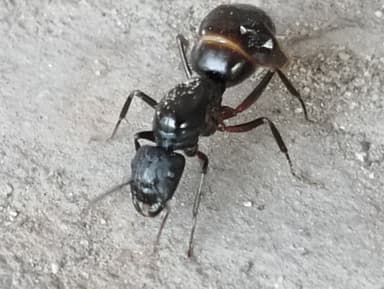
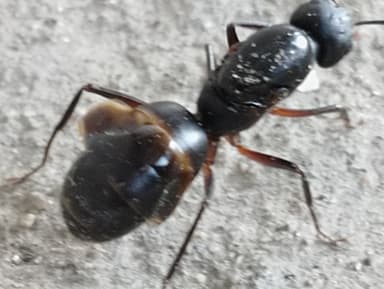
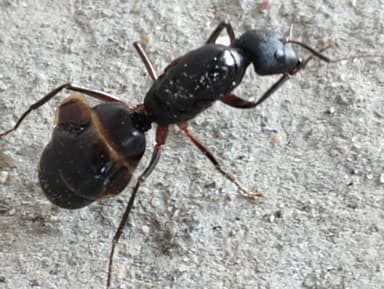
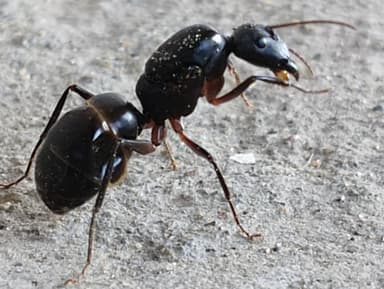
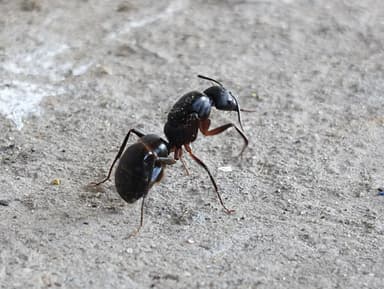
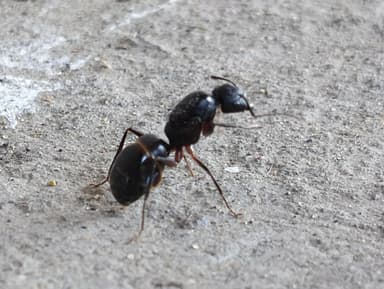
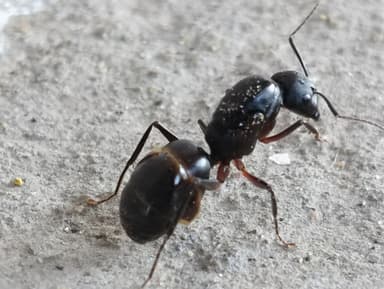
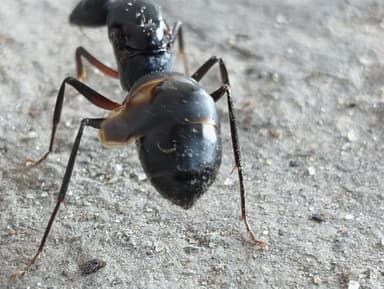
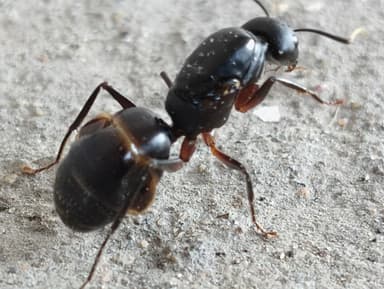
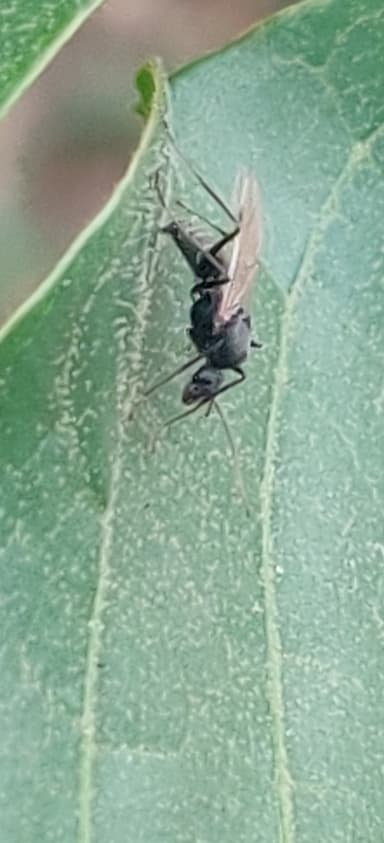
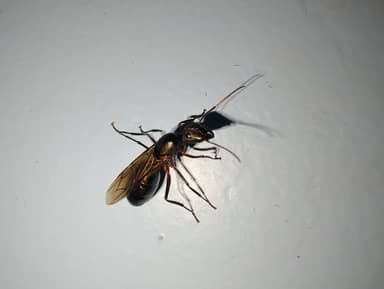
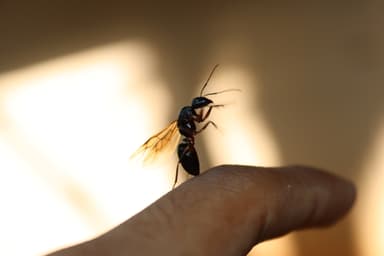
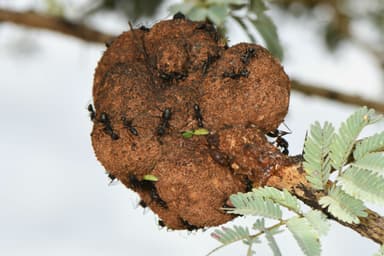
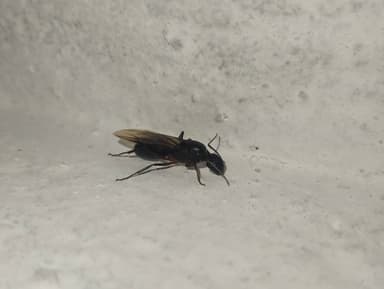
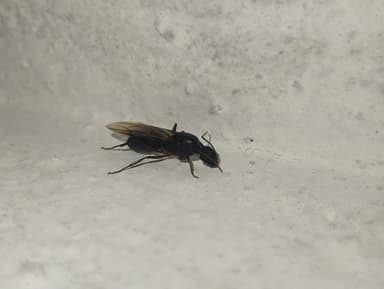
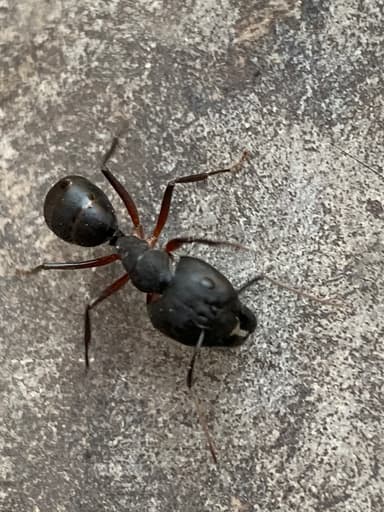
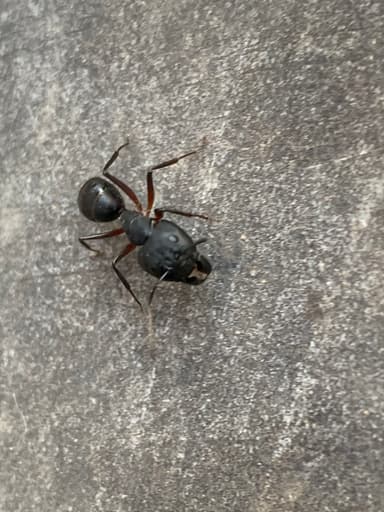
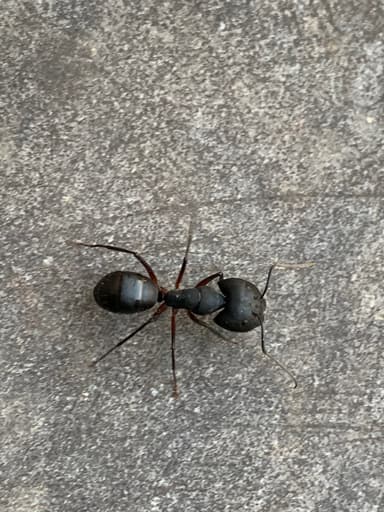
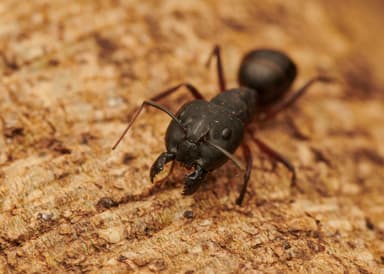
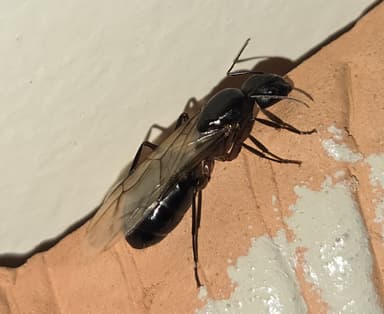
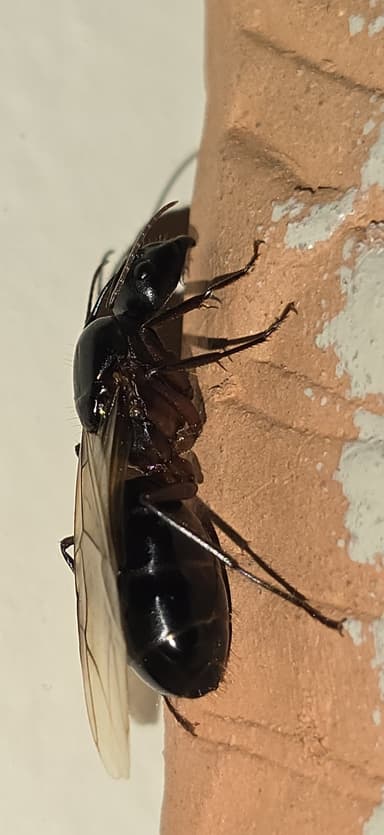
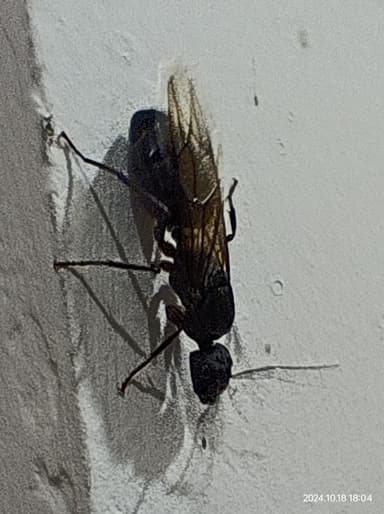
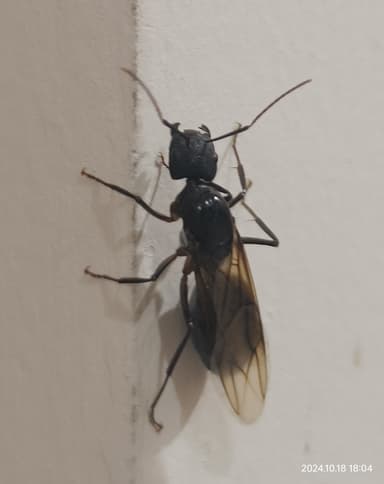
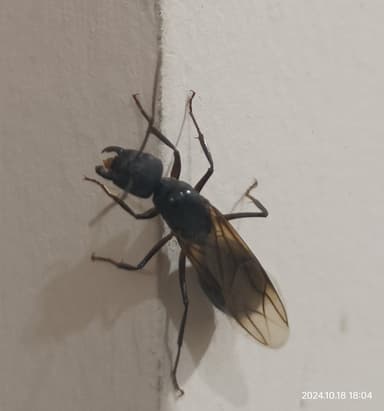
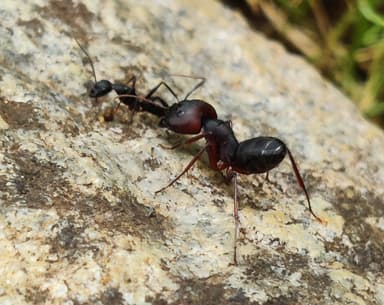
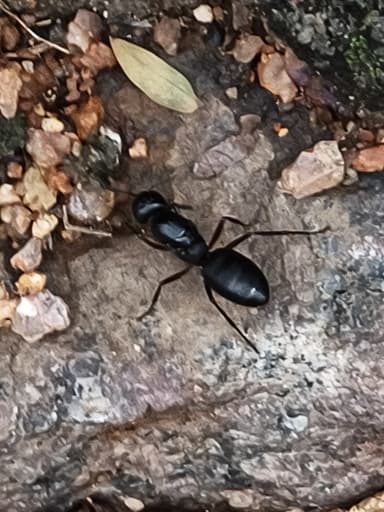
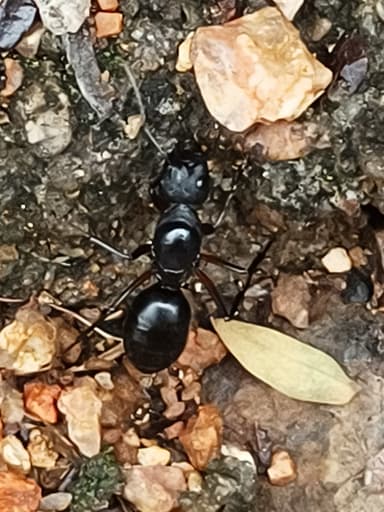
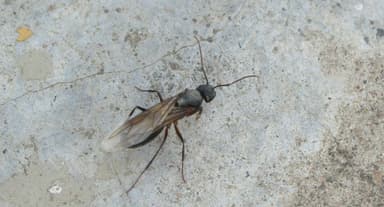
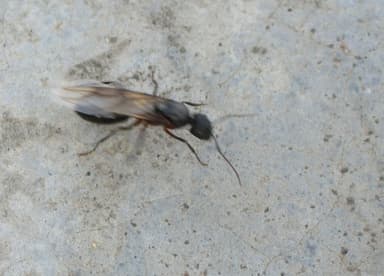
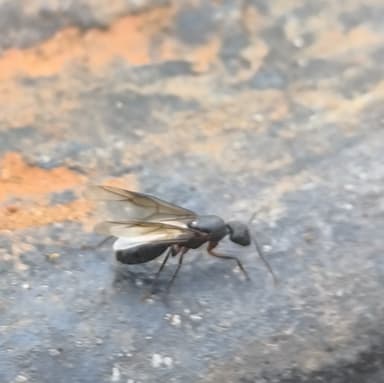
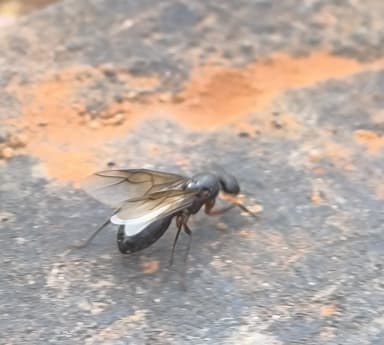
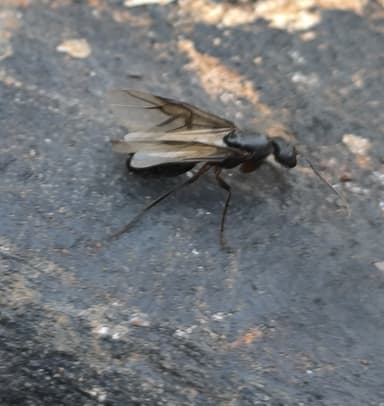
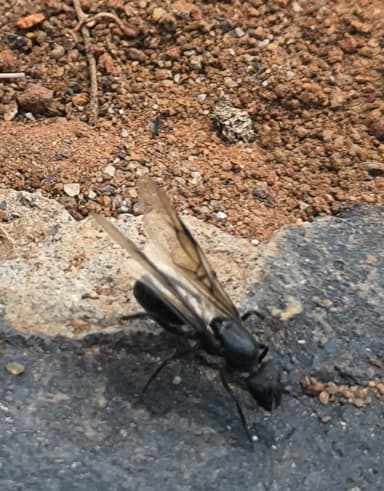
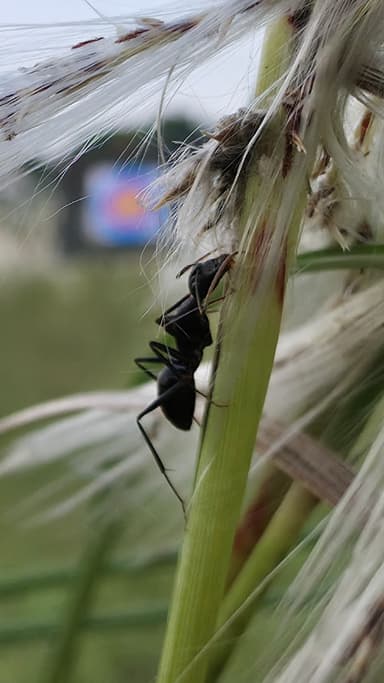
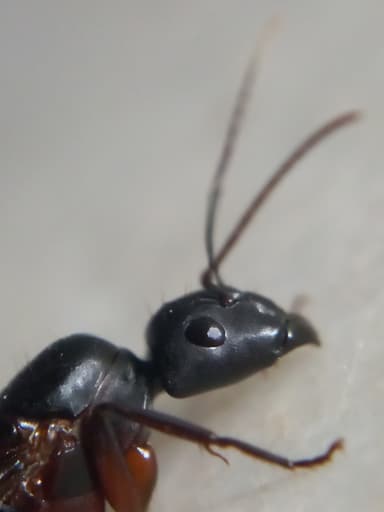
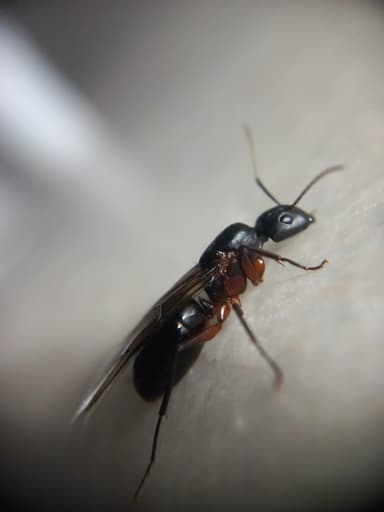
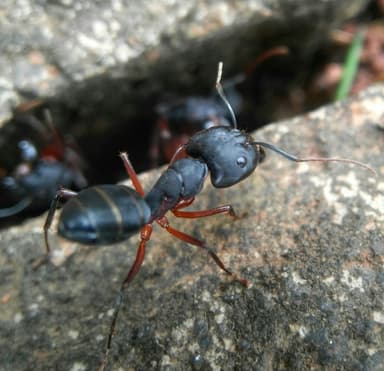
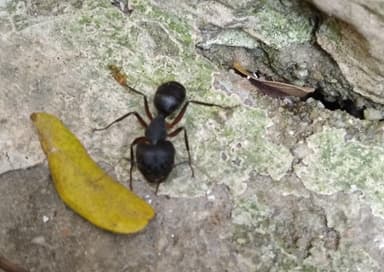
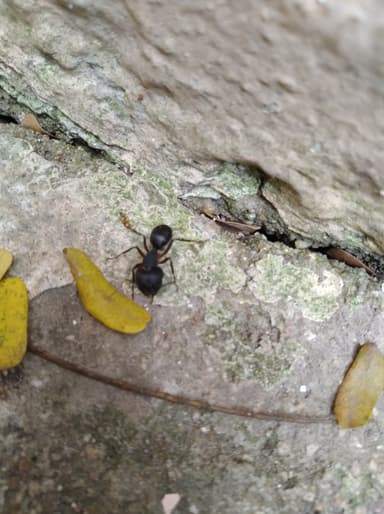
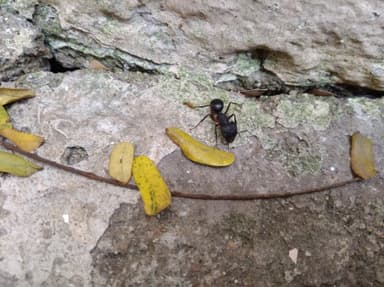
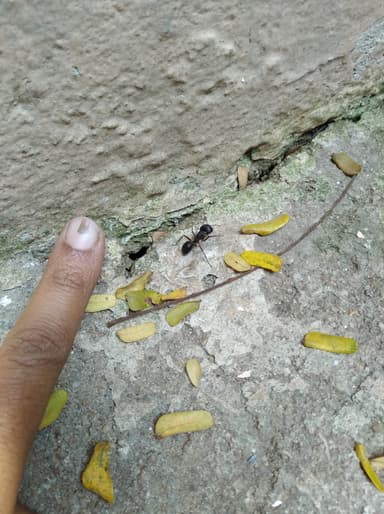
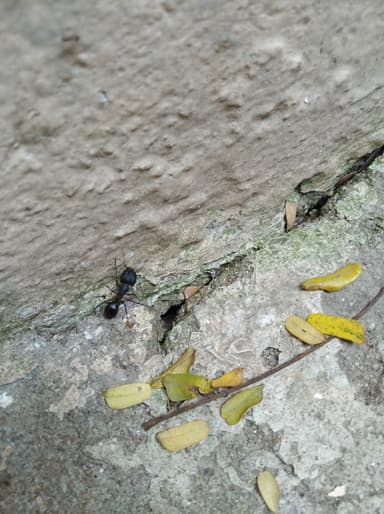
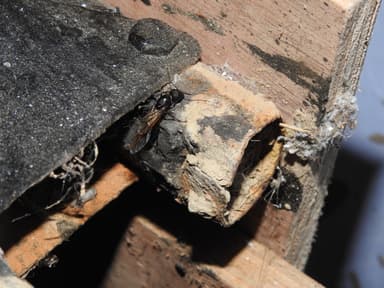
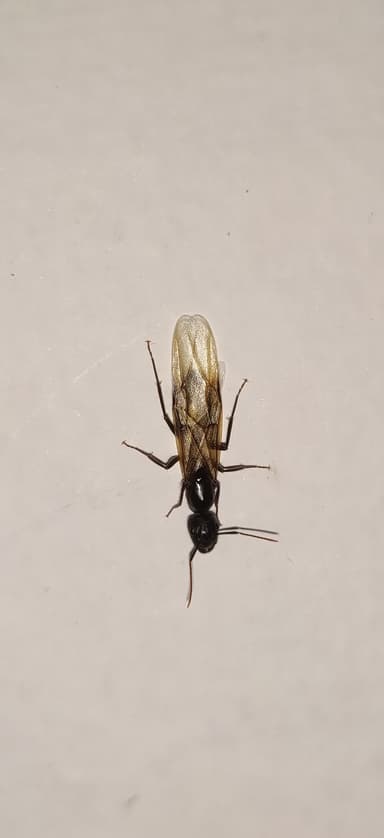
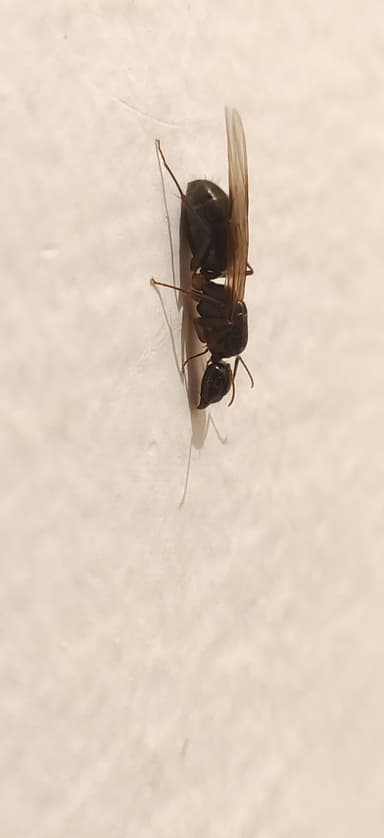
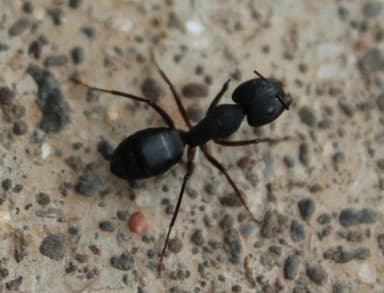
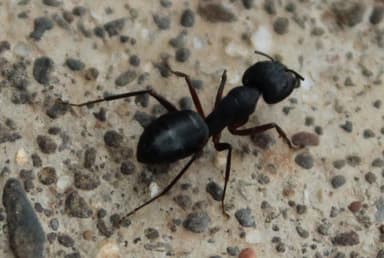
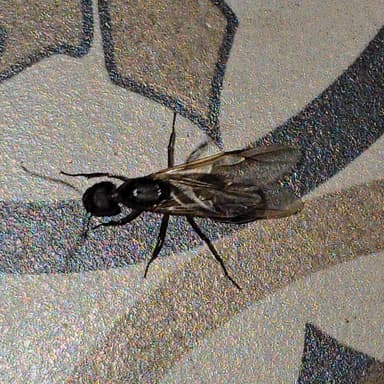
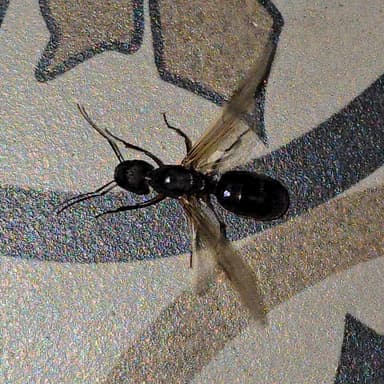
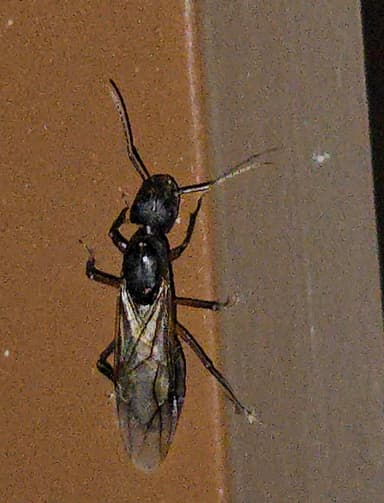
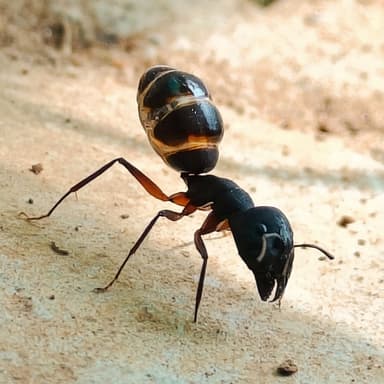
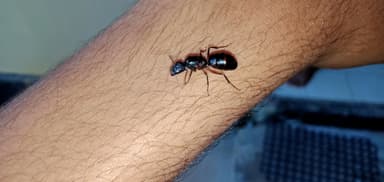
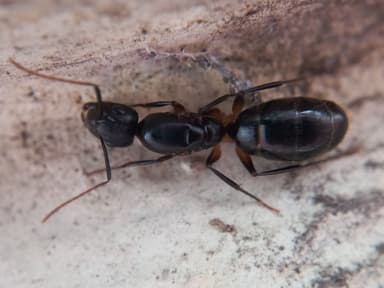
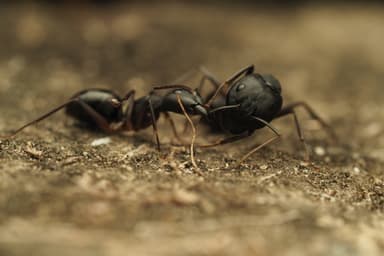
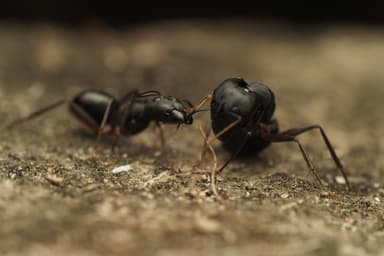
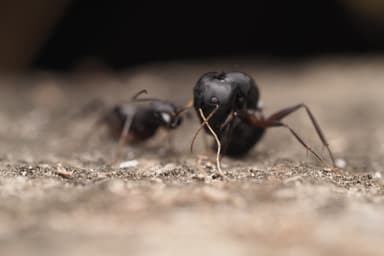
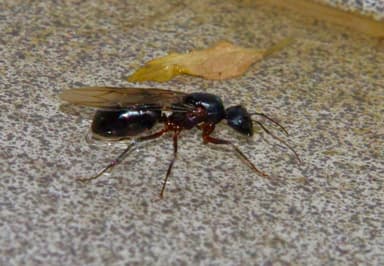
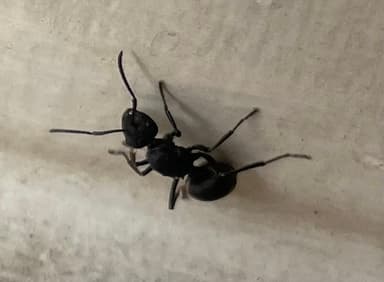
Camponotus compressus, often called the common Indian black ant, is a robust and charismatic member of the carpenter ant tribe Camponotini, widely distributed across the Indian subcontinent and extending into parts of Southeast Asia and the Middle East. Queens are impressively large, measuring between 16 and 20 millimetres, with a deep black, slightly lustrous integument and a pronounced, broad head. Workers display striking polymorphism, with two distinct castes: elegant minor workers ranging from 6 to 8 millimetres, and formidable major workers – sometimes called soldiers – that can reach 13 millimetres, their heads noticeably enlarged and powerful mandibles capable of defending the colony or cracking seeds. Mature colonies in the wild may contain up to 10,000 individuals, though in captivity they are often somewhat smaller. This species has long attracted the attention of naturalists; indeed, the pioneering myrmecologist C.T. Bingham documented it in his 1903 Fauna of British India, and it remains a favourite among ant keepers for its hardiness, clear physical castes and diurnal foraging behaviour. Nuptial flights occur during the monsoon months of June through September, typically on warm, humid evenings just after rainfall, making those summer nights particularly exciting for collectors across the subcontinent (Bingham 1903; Bharti et al.).
For the beginner ant keeper, Camponotus compressus is an excellent introduction to the world of exotic ants. It is rated as a beginner-level species, thanks to its forgiving nature, tolerance of minor husbandry mistakes and lack of a hibernation requirement. The queen is claustral, meaning she seals herself away to raise her first workers without any need for external food, which simplifies the founding stage enormously. A first-time keeper will find the pace of colony growth manageable – not explosively fast, but steady, allowing one to learn and adjust care as the numbers rise. The visible difference between minor and major workers provides a constant source of fascination, turning routine observations into lessons on social insect biology. Because this ant does not sting and is generally non-aggressive, maintenance tasks are stress-free and bites are rare, though major workers can deliver a pinching nip if handled roughly. Overall, it suits anyone who wants a large, diurnal, tropical ant that forgives the occasional lapse in humidity or temperature while still offering the full drama of ant colony life.
Housing C. compressus successfully requires reproducing the warm, humid conditions of its native habitat. In the tropical lowlands this species builds nests in soil, under stones, and in rotting wood, so captive nest designs should offer humid chambers with a choice of microclimates. Ytong, plaster or 3D-printed nests with a hydration system work perfectly, provided humidity is maintained between 50 and 70 percent. Temperature should be kept in the range of 22 to 30 degrees Celsius; a gentle gradient from one end of the nest to the other is ideal, allowing workers to self-regulate. A small heat mat or cable attached to one side of the nest, regulated by a thermostat, can achieve this easily. Substrate in the outworld can be a simple sand–loam mix or pure sand, with a few pieces of bark or pebbles for structure, but it is not strictly necessary as most keepers use a bare foraging arena for easy cleaning. Always ensure there is a reliable water source, such as a test tube filled with water and stoppered with cotton, placed in the outworld; the high humidity requirement means the nest’s water tower or sponge will need regular refilling to prevent the ants from desiccating, especially in dry indoor environments.
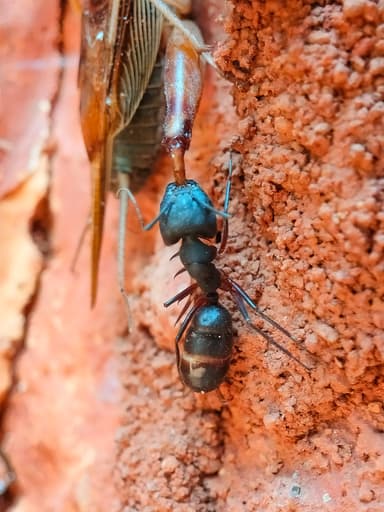
In terms of diet, Camponotus compressus is an opportunistic omnivore with a strong sweet tooth. Protein should be supplied by small, appropriately sized insects such as fruit flies, crickets, mealworms or dubia roach nymphs; for a young colony with few workers, pre-killed prey or small pieces are recommended to avoid injury to the fragile adults. Carbohydrates are equally essential and drive much of the colony’s energy: this species avidly collects honeydew from aphids in the wild, and in captivity a simple sugar-water mixture, honey-water or a commercial ant nectar will be devoured greedily. Small portions of ripe fruit like apple or mango can be offered occasionally, but sugary liquids are the cleanest and most eagerly accepted form of carbohydrates. Food should be given two to three times a week in modest quantities, removing any uneaten protein after a day to prevent mould. Fresh water must always be available, both for drinking and for the ambient humidity it provides when placed in the outworld. The dietary needs shift slightly as colonies grow: large majors are particularly efficient at processing solid foods, so offering whole small insects becomes a fascinating spectacle once the workforce is substantial.
Unlike their temperate cousins, Camponotus compressus does not require a hibernation or diapause period. In their native range, seasonal temperatures remain warm year-round, and the ants simply slow down slightly during cooler months without any true dormancy. For the keeper this means the colony can be enjoyed without interruption, and heating need only be maintained through winter as usual. There is no benefit to artificially cooling the nest; in fact, allowing temperatures to drop below 22 degrees Celsius for extended periods may stress the brood and reduce egg-laying. The absence of a mandatory cold period also makes this species an attractive choice for those who prefer a continuously active display all twelve months of the year, though one must remain vigilant about mite or mould outbreaks in the consistently warm, humid setup. Regular cleaning of the foraging arena and removal of refuse from the nest entrance will keep such issues at bay.
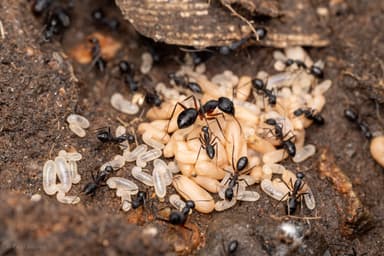
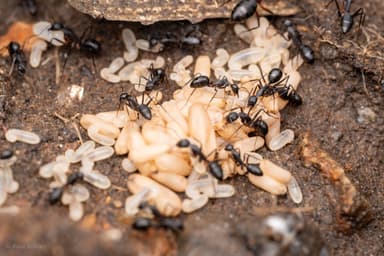
When a new colony or founding queen first arrives, patience and minimal disturbance are paramount. The queen will have been transported in a test tube with water, and if she already has her first workers, they may be clustered around her. Place the tube in a darkened, quiet location and connect it to a small foraging arena, but do not rush to feed; the colony needs time to settle and overcome the stress of shipping. After 24 to 48 hours, place a tiny drop of sugar water on a piece of waxed paper or foil in the arena, and if workers are present, a small piece of pre-killed fruit fly. Watch for signs that the ants are drinking and foraging, but resist the temptation to over-offer. If you have a solitary queen in the claustral founding stage, no food is required until her first workers eclose – she will sustain herself and her brood from her own fat reserves and wing muscle histolysis. Keep the tube wrapped in red film or stored in a drawer to provide darkness, checking only briefly once a week for signs of eggs, larvae or mould. Once the first workers emerge and begin venturing out, you can gradually increase feeding and consider moving them into their permanent nest, though many colonies thrive for months in a simple tubs-and-tubes setup. Look out for signs of a stressed queen, such as constant pacing or dropping her brood; if this occurs, restore darkness and leave the colony completely undisturbed for a week, and they will usually settle. With gentle care, your Camponotus compressus colony will reward you with years of dynamic, easily observed ant behaviour.