Aphaenogaster
Aphaenogaster fulva
Nuptial Flight Calendar
Flight months: Jul, Aug, Sep, Oct
Care Guide
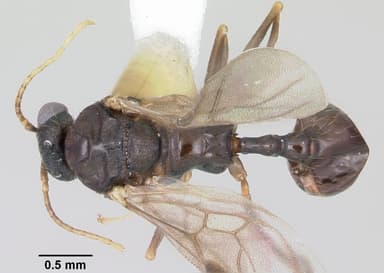
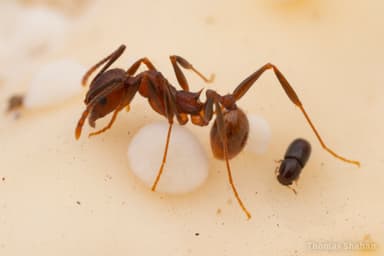
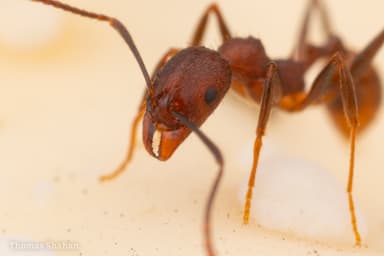
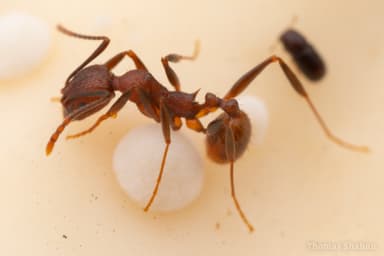
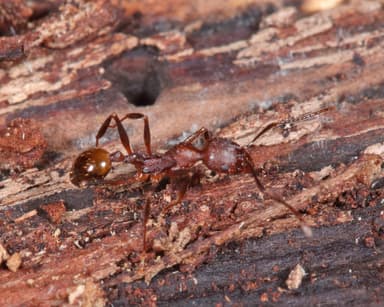
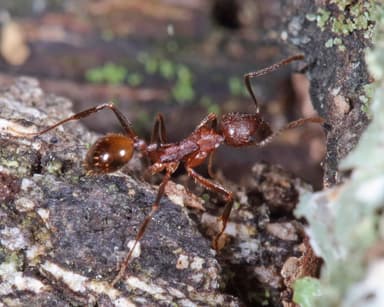
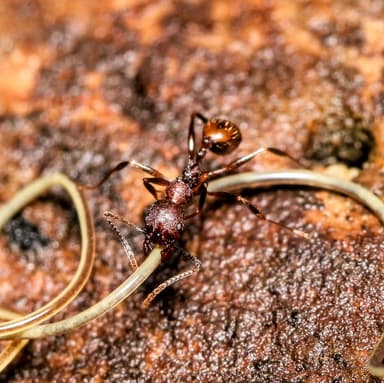
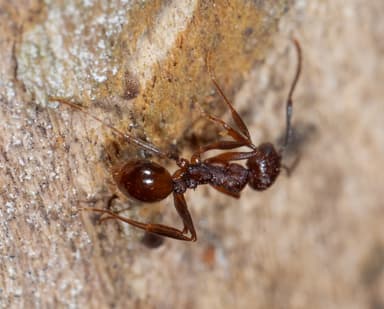
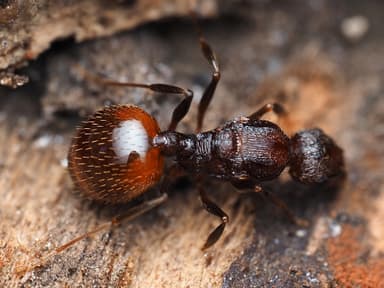
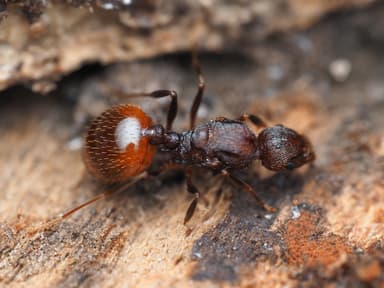
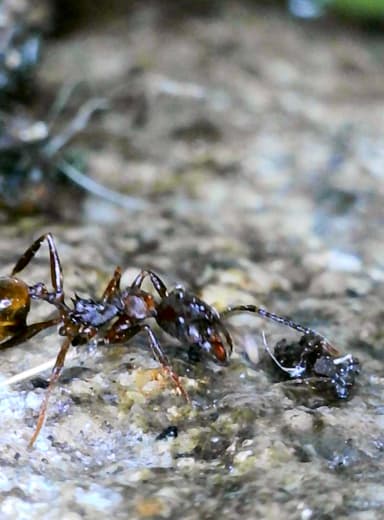
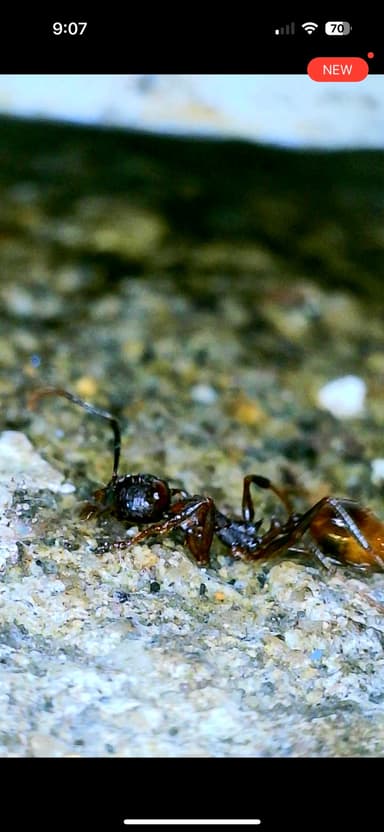
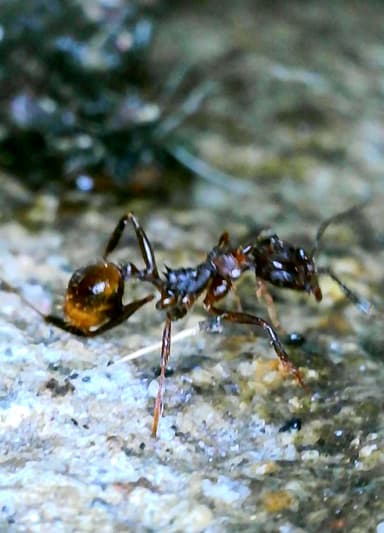
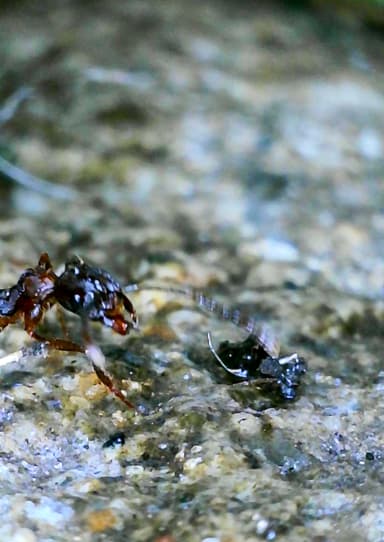
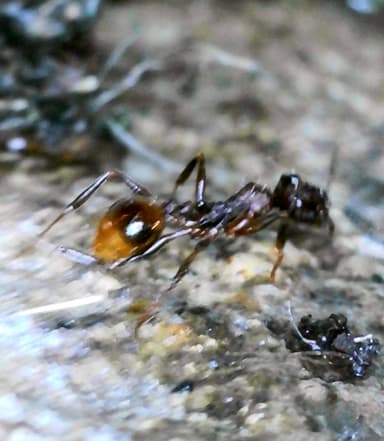
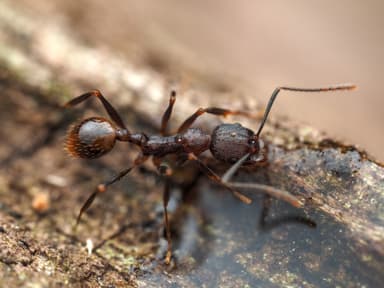
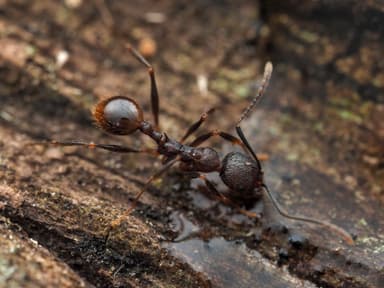
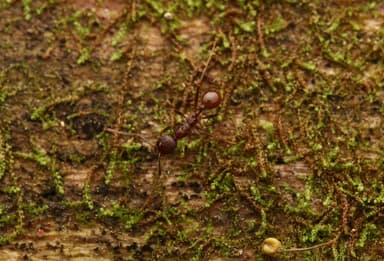
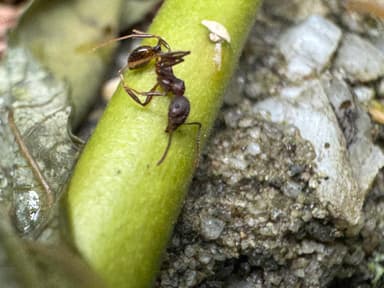
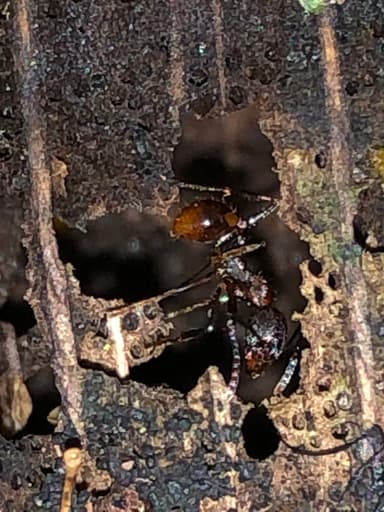
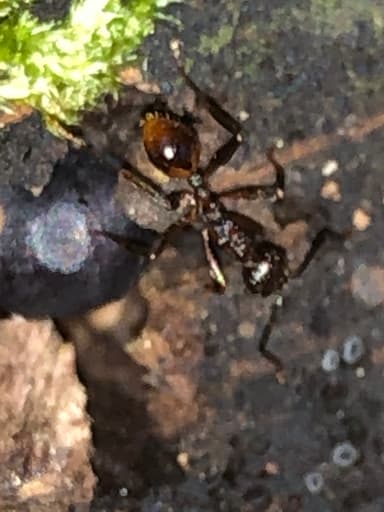
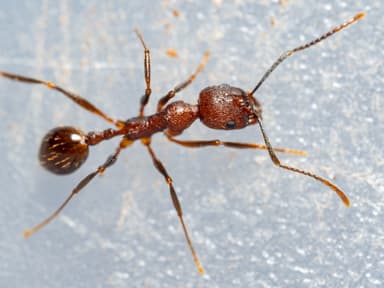
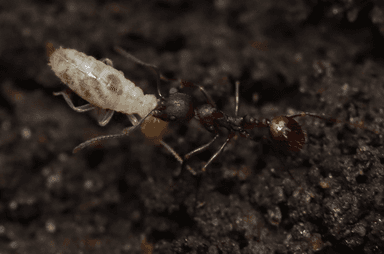
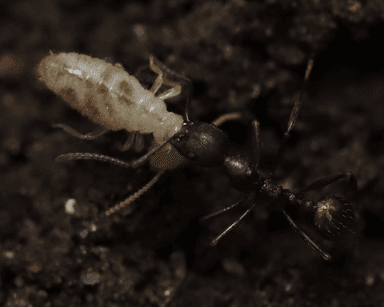
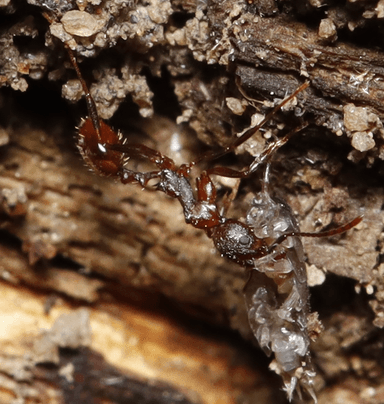
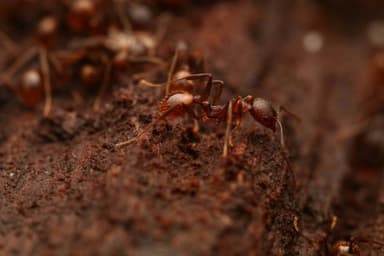
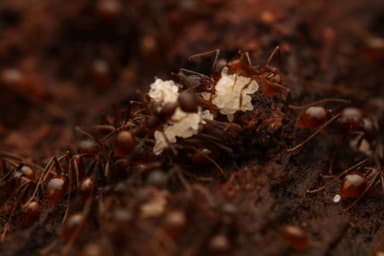
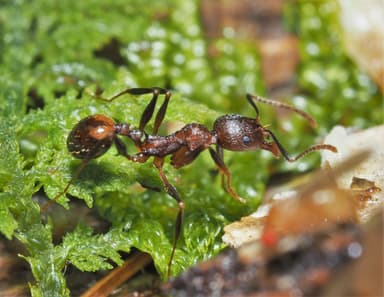
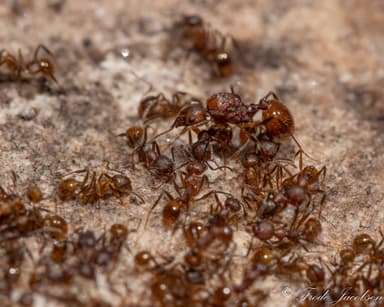
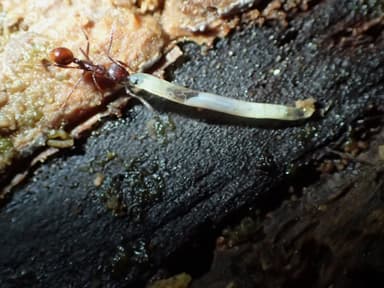
Aphaenogaster fulva is a widespread woodland ant of eastern North America, ranging from the Great Plains to the Atlantic coast and from the Gulf states up into southern Canada (Creighton 1950). Often noticed by their slender, wasp-waisted build and warm reddish-brown coloration, workers measure a modest 4 to 5.5 millimeters, while the single queen is a larger 7.5 to 9 millimeters. Colonies are monomorphic—all workers are the same size—and in the wild they rarely exceed about 3,000 individuals, though captive numbers are usually smaller. These ants are monogynous and found new colonies claustrally; a lone queen seals herself away and raises the first brood entirely on her own body reserves. What makes A. fulva especially fascinating is their foraging style. In deciduous forests they are a dominant epigeic species, forming conspicuous column-like trails and rapidly recruiting nestmates to food sources. Ellison et al. (2012) highlight their ecological role as important seed dispersers and soil turners, while fresh nuptial flights on warm, humid afternoons in late summer (July through September) are a treat for observant naturalists.
In the ant-keeping hobby, Aphaenogaster fulva sits at an intermediate level of difficulty. It is not as demanding as some tropical species, but it does require a conscientious keeper who can provide a seasonal cooling period and stable, balanced humidity. Beginners who have successfully raised a hardier species like Lasius niger and are ready for a more active, visually engaging colony will find it a rewarding step up. The colony’s moderate size means it will not outgrow standard formicariums quickly, and the ants are rarely aggressive, though they are fast and excitable. Their need for a true hibernation, however, means you must be prepared to chill them for three to four months each year—a commitment that rules out those who simply want a year-round desktop display without a cool basement or dedicated fridge.
A naturalistic setup works best, as these ants are adapted to the forest floor. A two-part formicarium with a nest chamber and a separate foraging arena is ideal. The nest itself should hold a moisture gradient, achieved with a plaster, ytong, or sand-clay substrate, kept at a relative humidity of 50 to 70 percent. Temperature in the nest and arena should fall between 20 and 26° Celsius; warmth encourages brood development, but sustained highs near the ceiling can stress the colony. Most keepers insulate the nest side or use a gentle heat mat to maintain a subtle gradient. Since the ants love to burrow, offering a layer of loose substrate—such as a sterilized sand and loam mix—in both areas lets them express natural digging behaviors, but be careful that the material does not block hydration sponges or water sources. A tight-fitting lid and a PTFE or oil barrier around the arena perimeter are essential, as A. fulva workers are lithe escape artists.
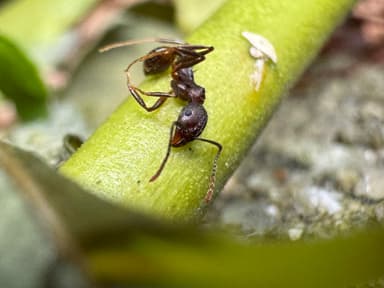
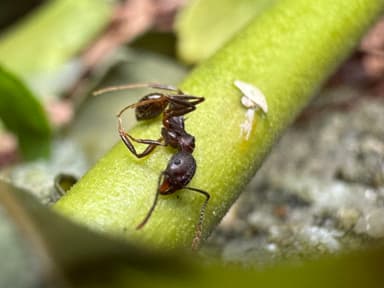
Aphaenogaster fulva are generalist foragers with a keen taste for protein and sweets. Their diet should include a rotating variety of freshly killed or live insects—tiny crickets, fruit flies, mealworm segments—offered every couple of days, along with a carbohydrate source like watered-down honey, maple syrup, or sugar water. In the field, Ellison et al. (2012) note they often visit sap flows and tend aphids for honeydew, so a small dab of honey on a piece of foil or a liquid feeder will be eagerly accepted. Protein boosts larval growth, while carbohydrates fuel the ever-active workers. Keep a test-tube waterer or moist sponge in the arena at all times; they drink frequently. Remove uneaten prey after 24 hours to prevent mold, and avoid overfeeding, as a small colony can quickly be overwhelmed by a single large cricket.
Perhaps the most critical aspect of long-term success is a proper hibernation. In their native range, A. fulva experiences a cold winter, and the colony must undergo a deep rest to reset its annual cycle. About six to eight weeks before the intended hibernation start, begin gradually lowering temperatures and reducing light hours until the nest sits steadily at around 8° Celsius. They will cluster together, movement will nearly cease, and feeding should stop entirely. Maintain a slight humidity in the nest so they do not desiccate, but do not feed or disturb them. Keep the colony at this temperature for three to four months—typically November through February—then slowly warm them back to room temperature over a couple of weeks. Skipping or skimping on hibernation nearly always leads to a drop in egg production and can eventually kill the queen.
Once your new Aphaenogaster fulva colony arrives, give them patience and darkness. Transfer them into their prepared formicarium as gently as possible, using a soft brush or allowing them to walk from the shipping tube. Cover the nest area with a cloth and keep the arena dim for the first 24 to 48 hours; they need time to settle, mark the new space with pheromones, and locate the water source. Offer a tiny drop of sugar water on a piece of foil immediately—this helps revive any travel-weakened workers—but hold off on solid protein until the next day. The queen may appear restless or stop laying for a few days, which is normal. Watch for the first tender eggs appearing after a week, and only then begin very small feedings of a pre-killed fruit fly or cricket bit. Resist the urge to check on them frequently; sudden light and vibration are major stressors. With a calm settling-in period, they will soon explore the arena with their characteristic, inquisitive gait and start building a thriving colony.