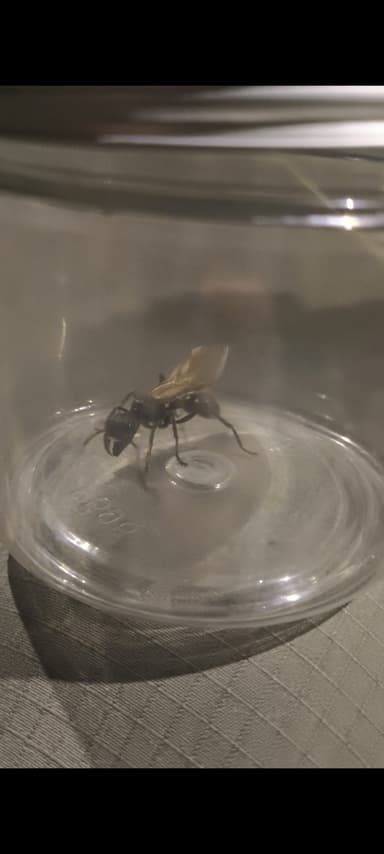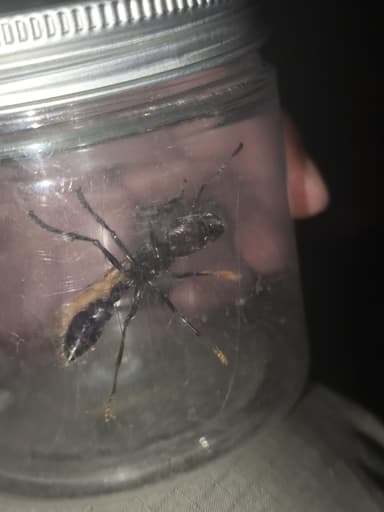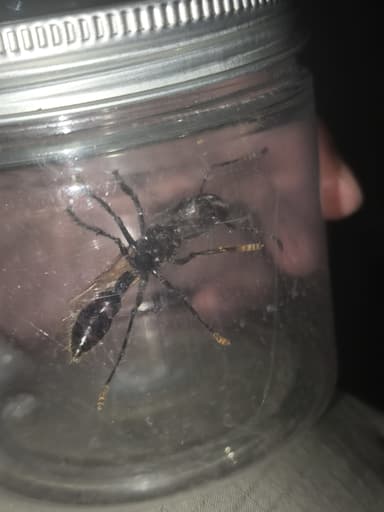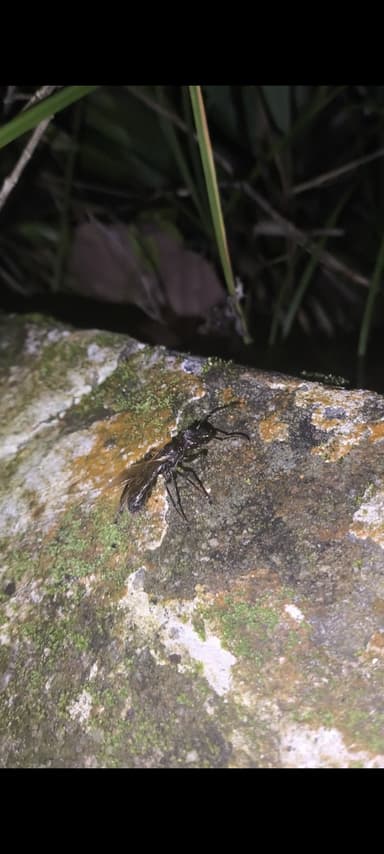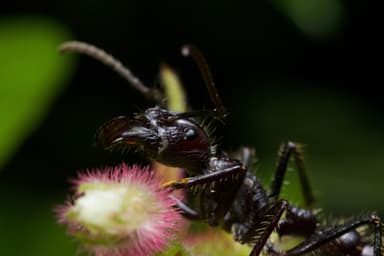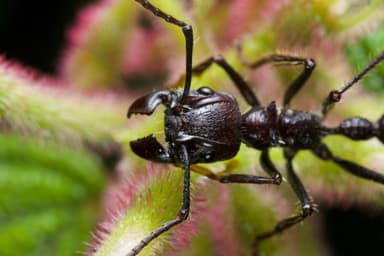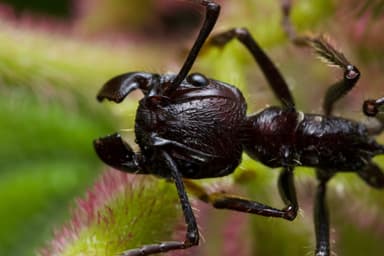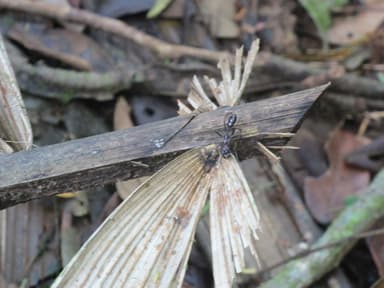
Paraponera
Paraponera clavata
Care Guide
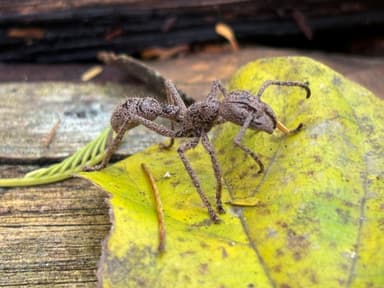
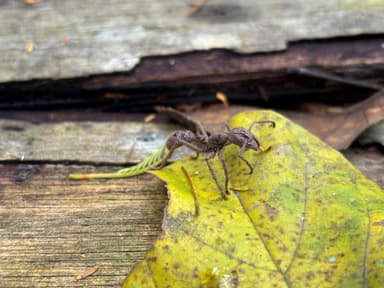
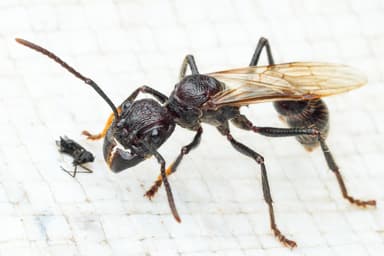
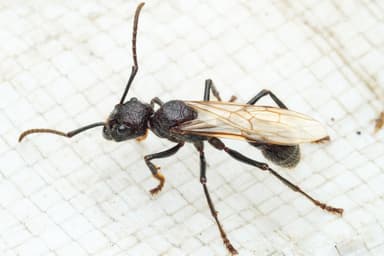
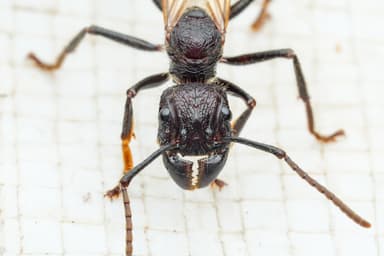
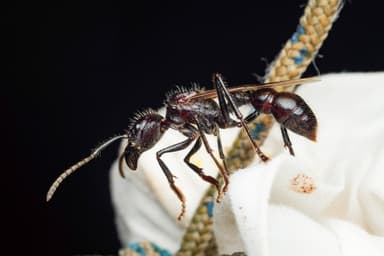
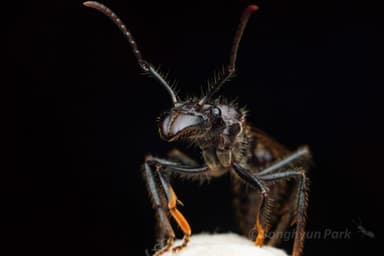
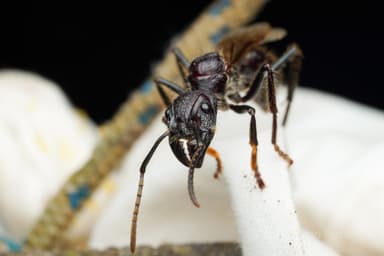
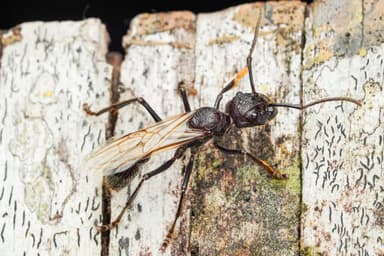
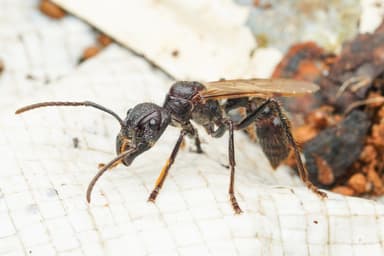
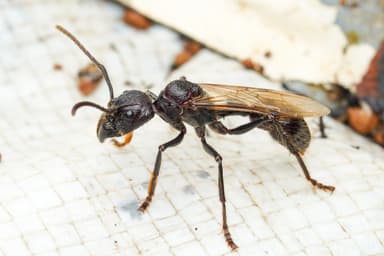
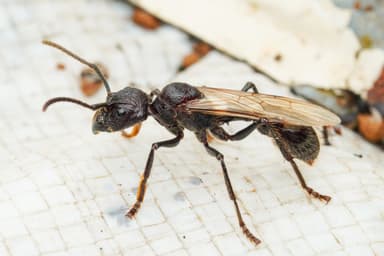
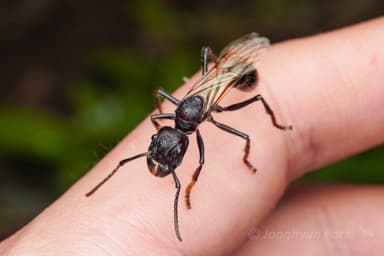
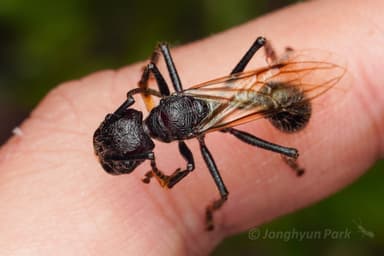
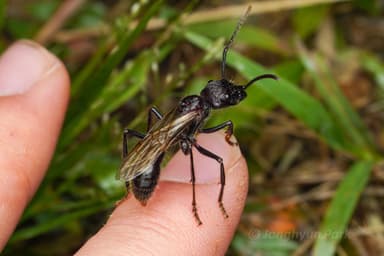
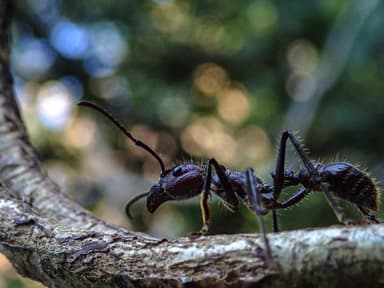
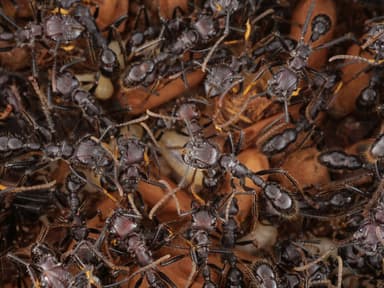
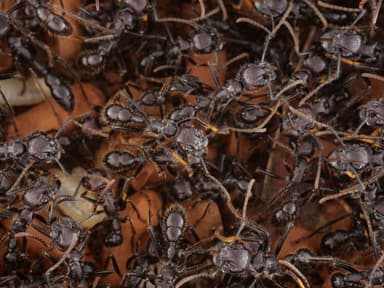
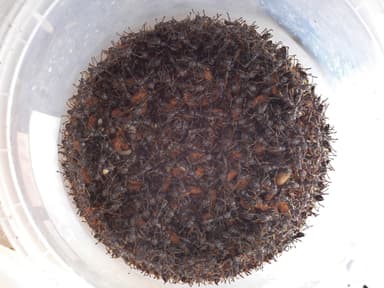
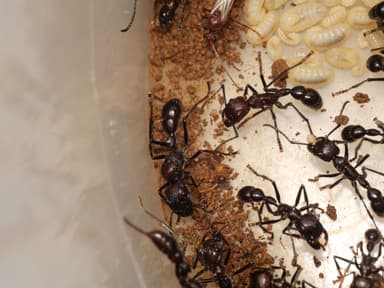
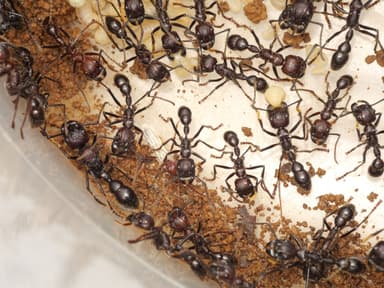
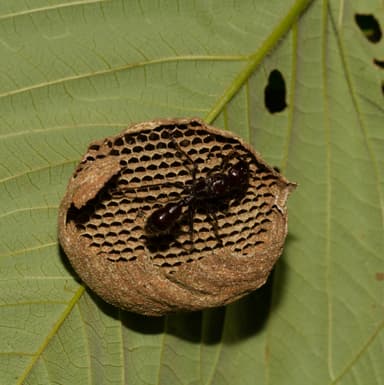
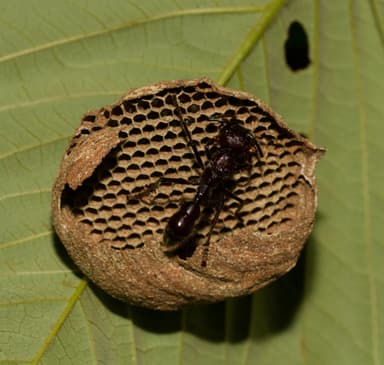
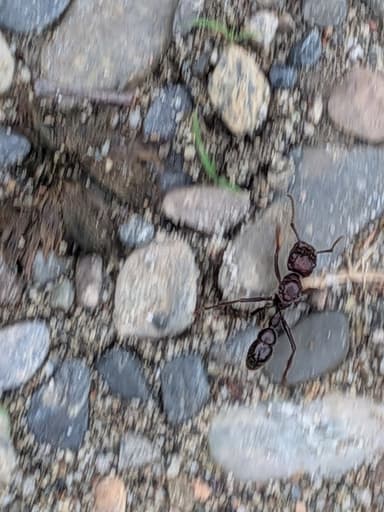
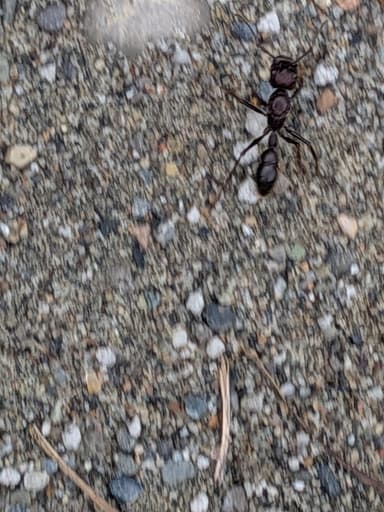
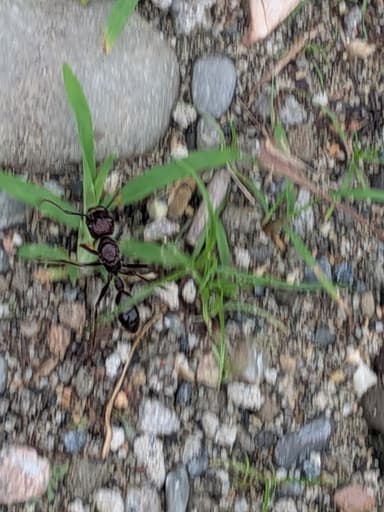
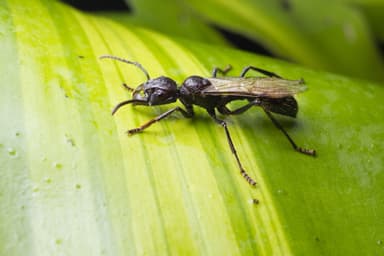
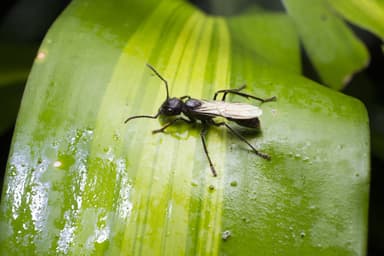
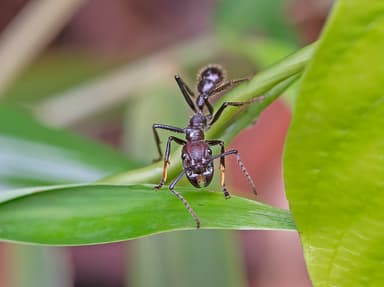
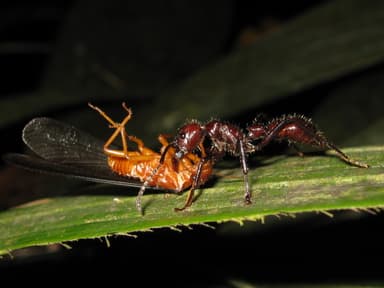
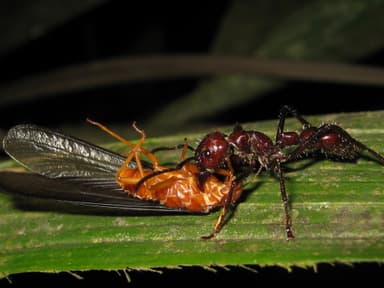
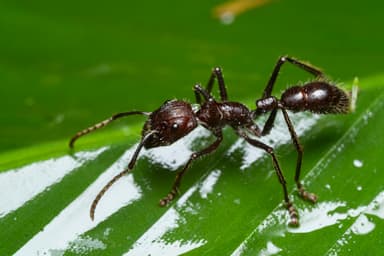
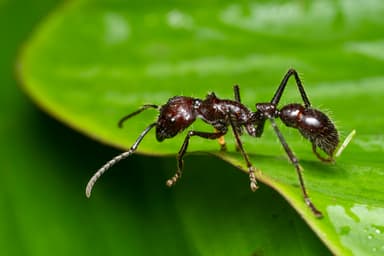
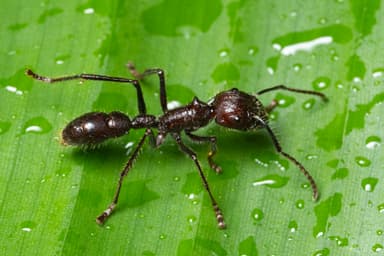
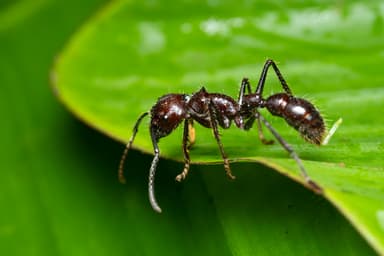
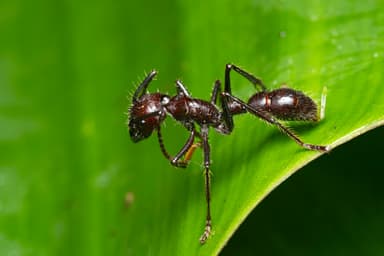
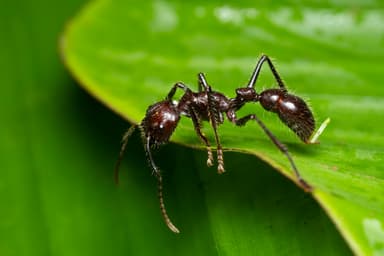
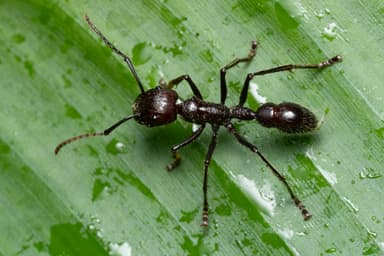
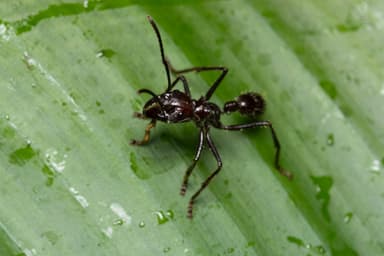
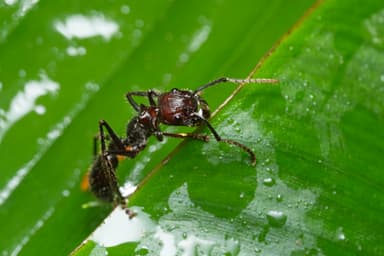
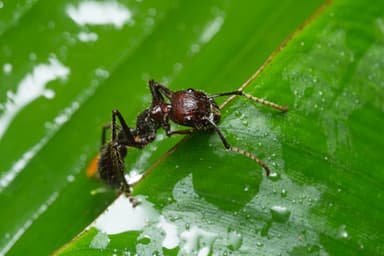
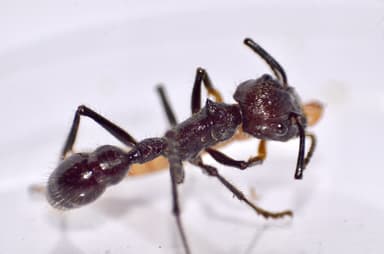
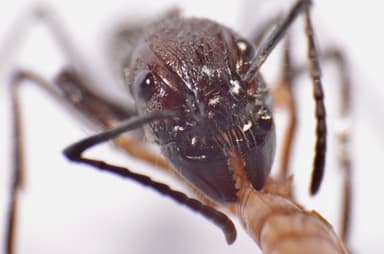
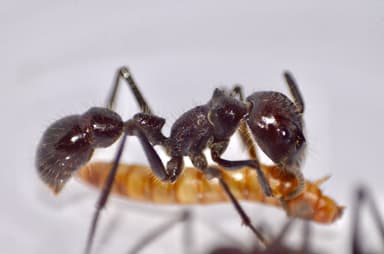
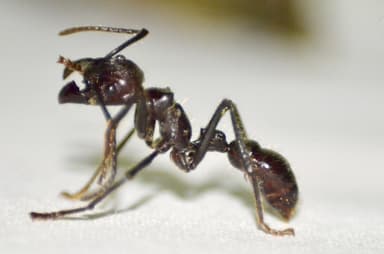
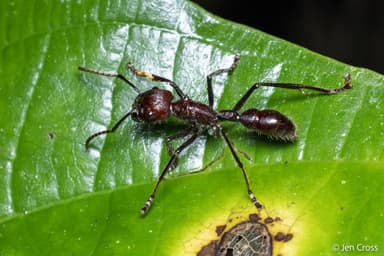
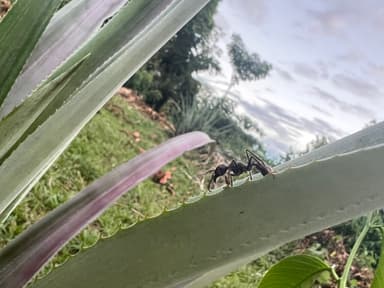
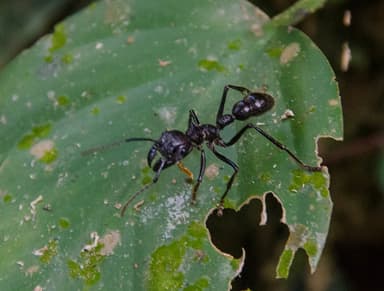
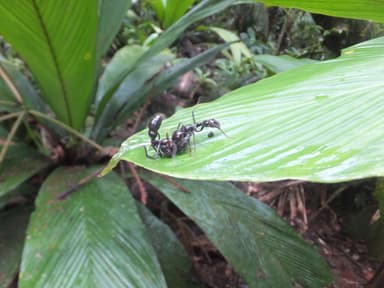
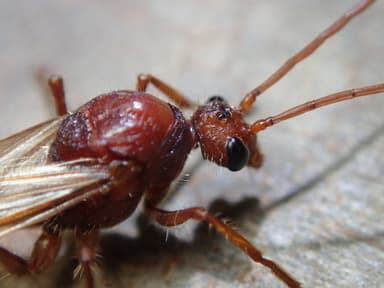
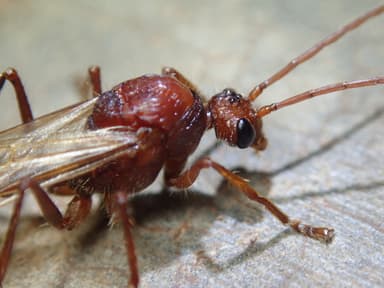
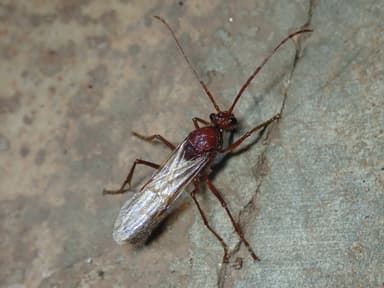
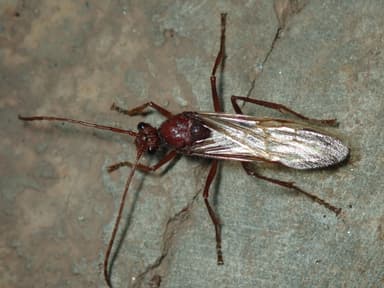
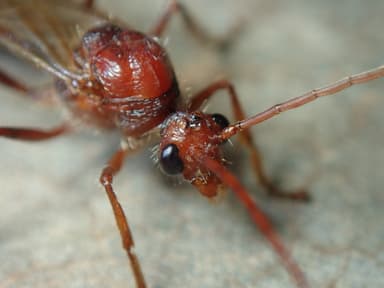
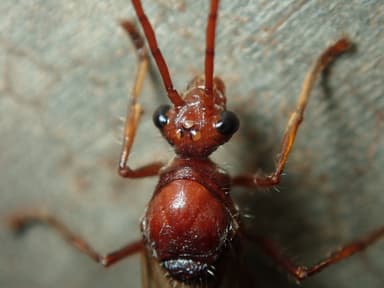
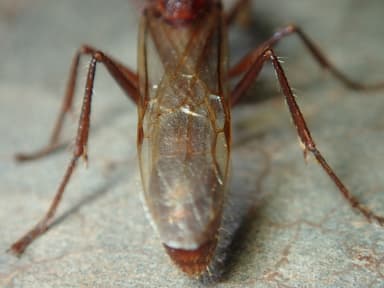
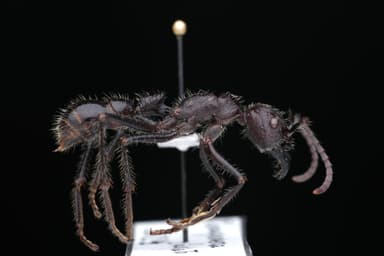
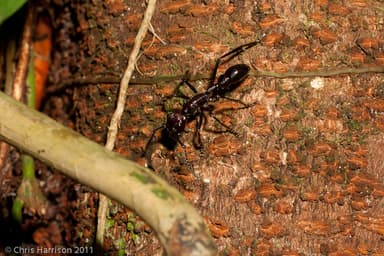
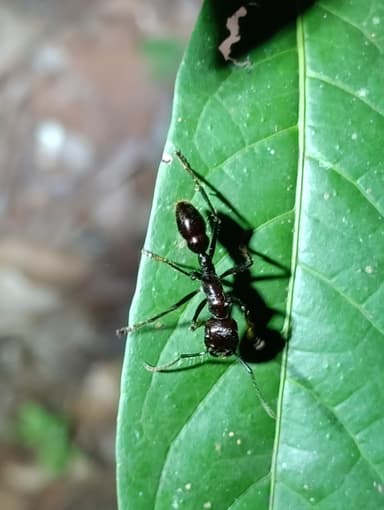
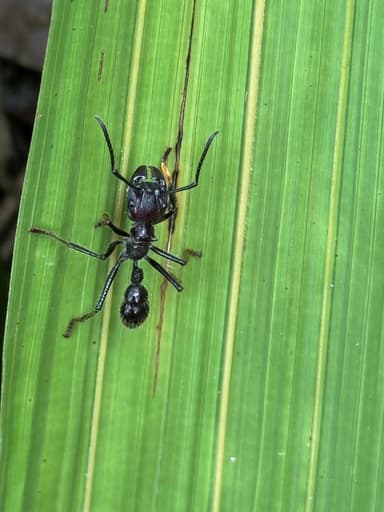
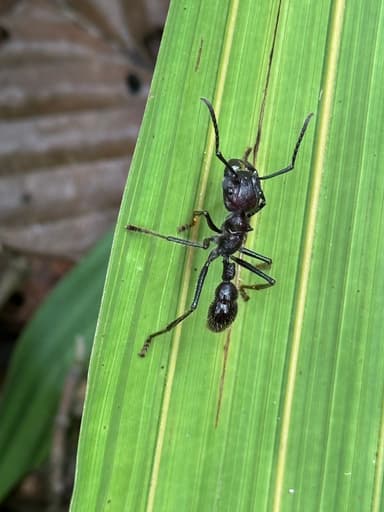
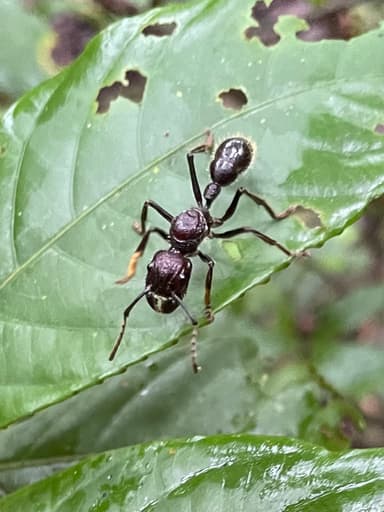
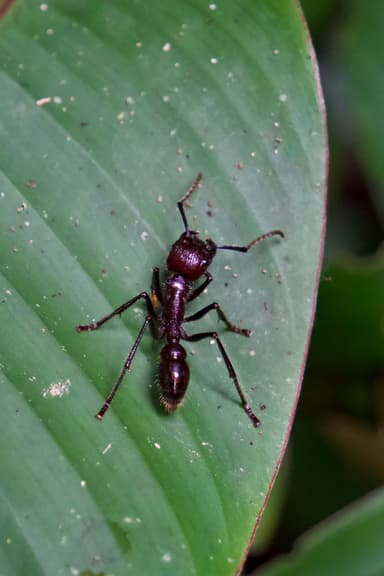
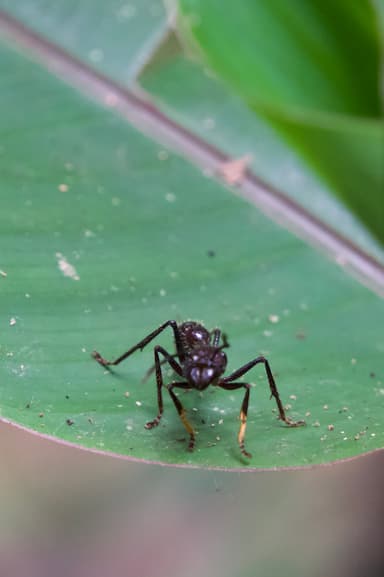
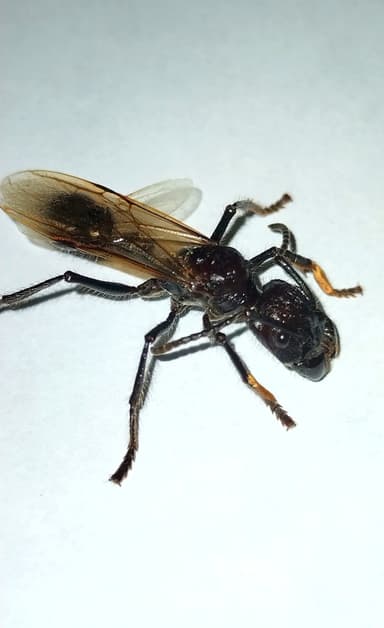
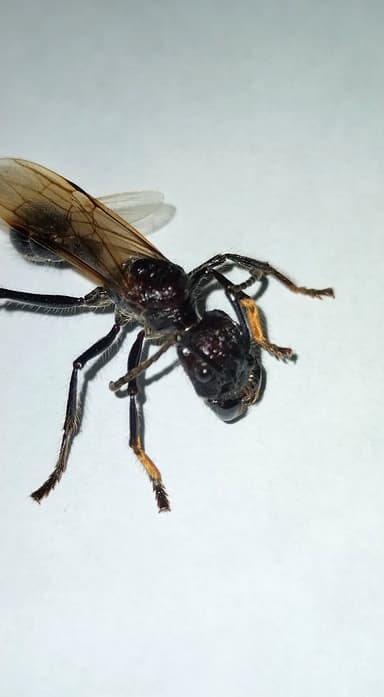
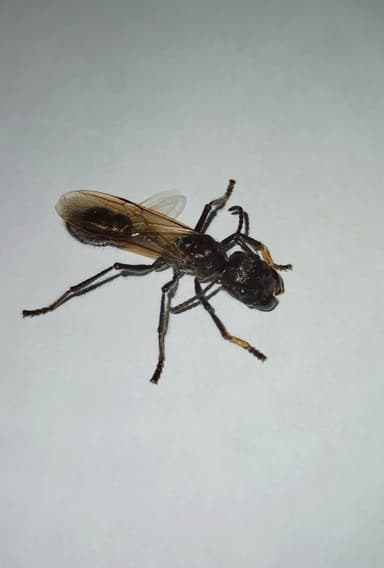
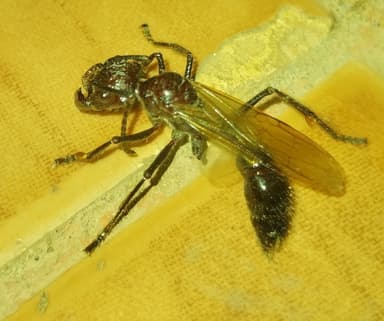
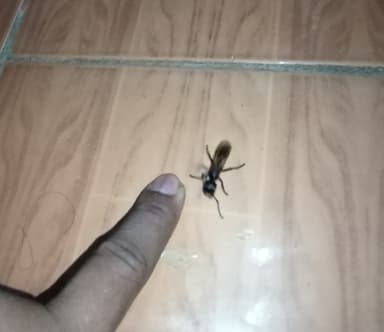
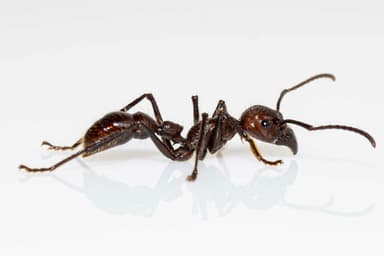
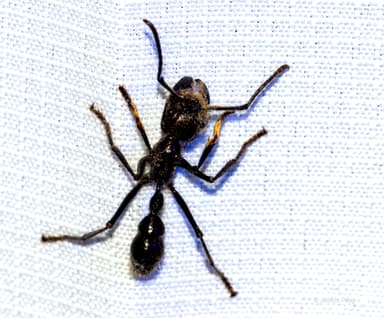
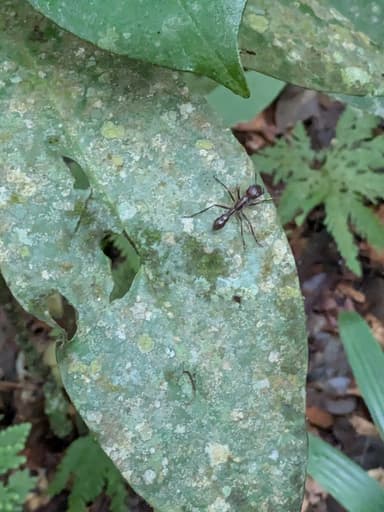
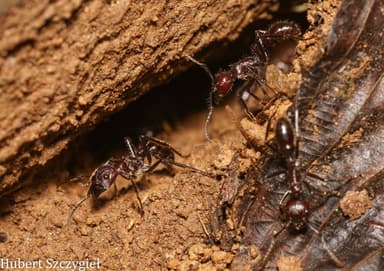
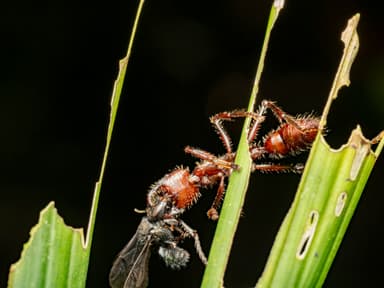
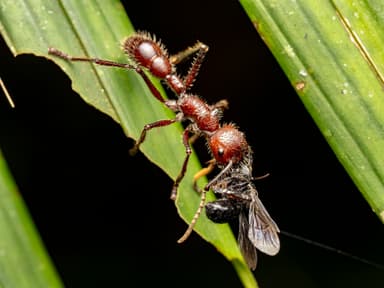
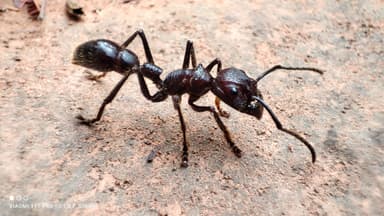
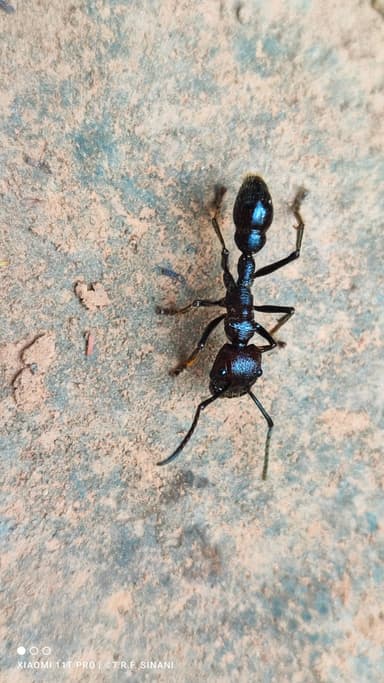
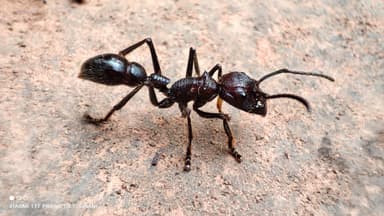
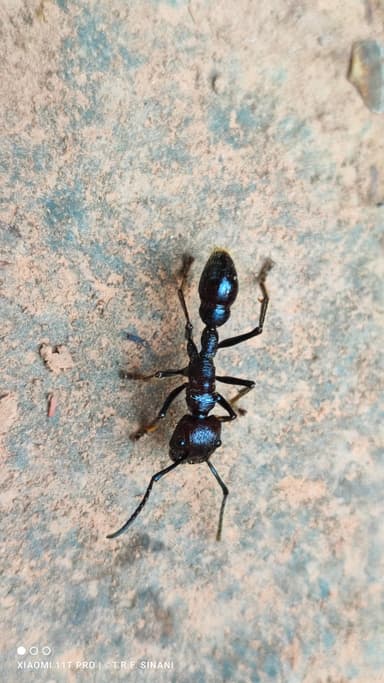
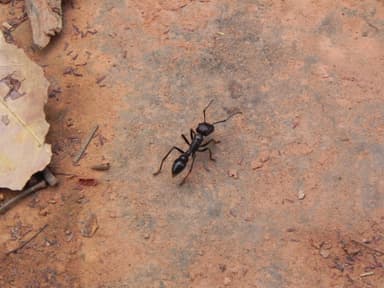
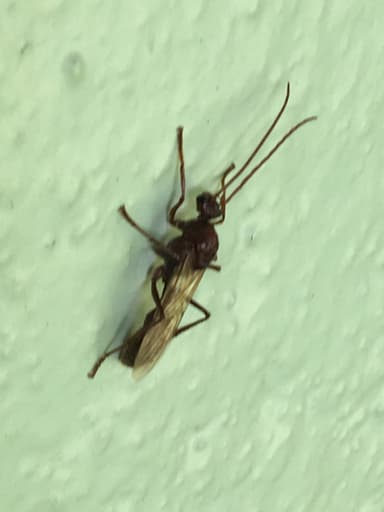
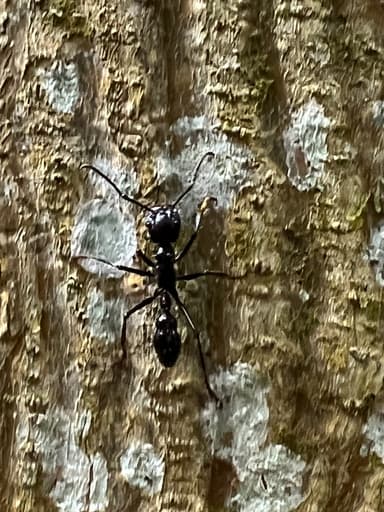
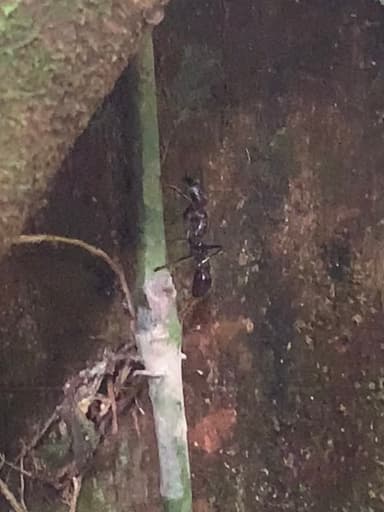
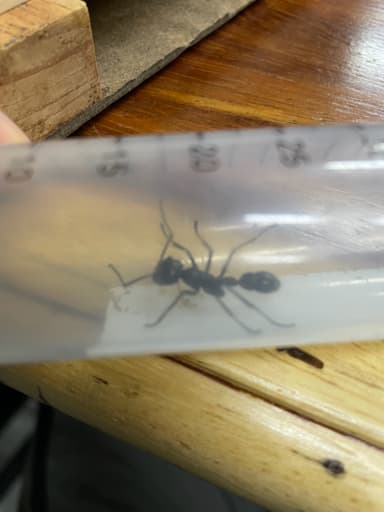
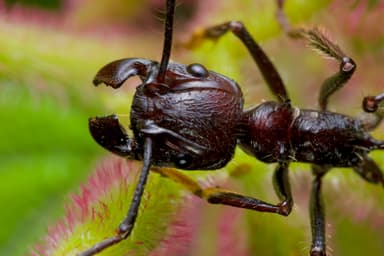
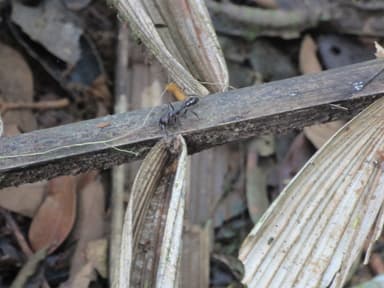
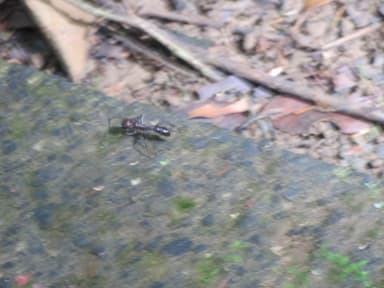
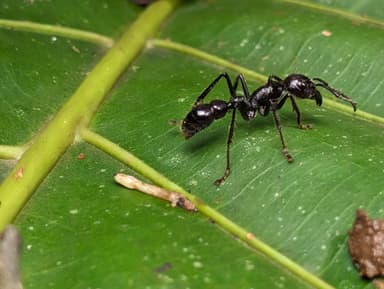
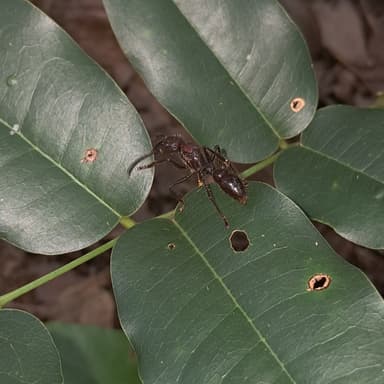
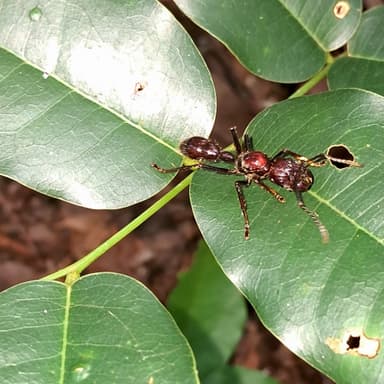
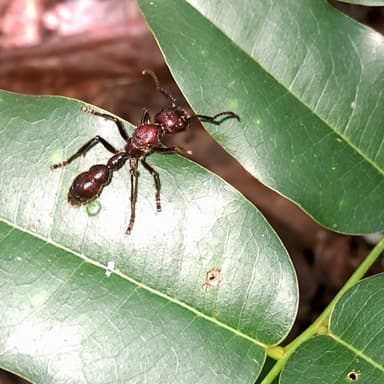
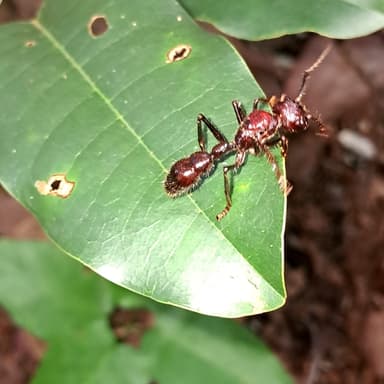
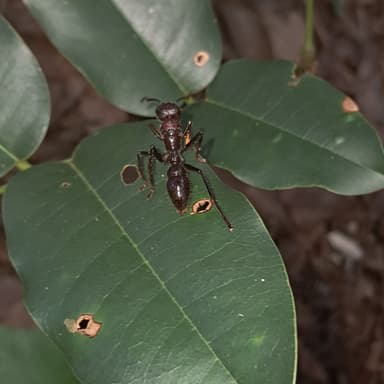
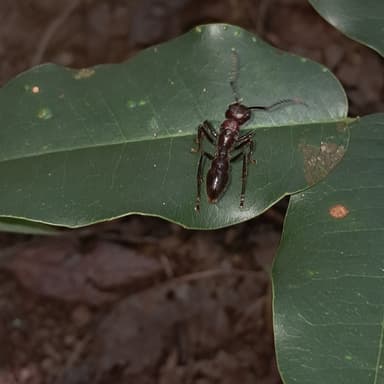
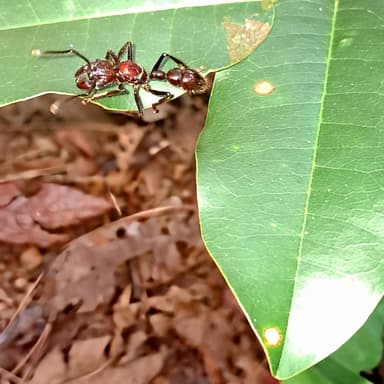
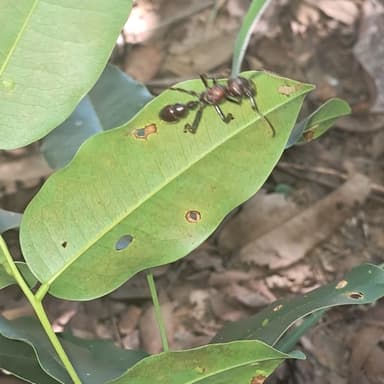
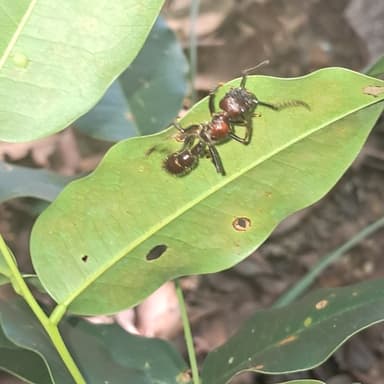
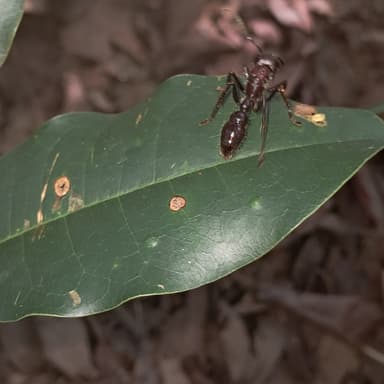
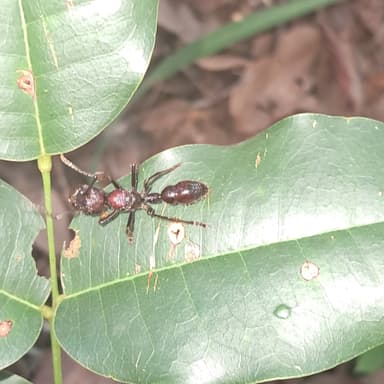
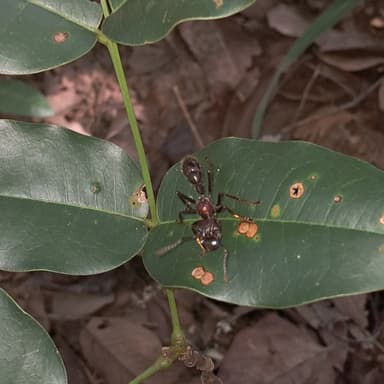
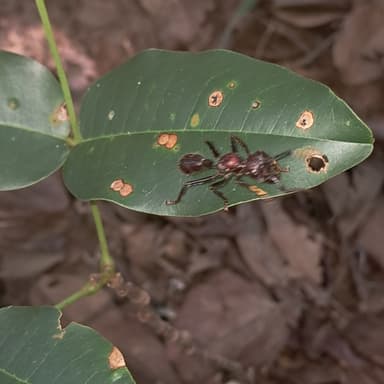
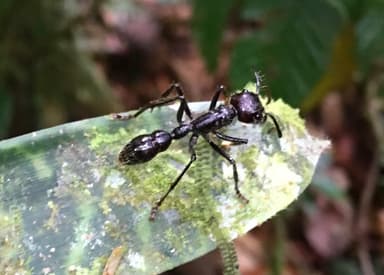
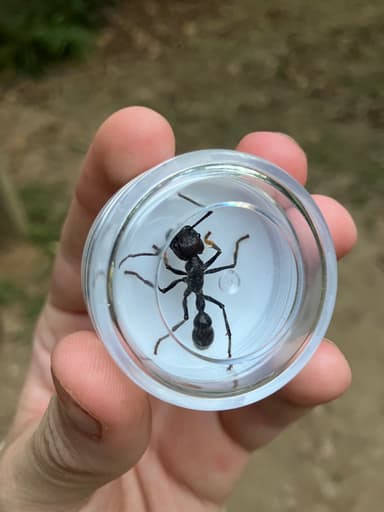
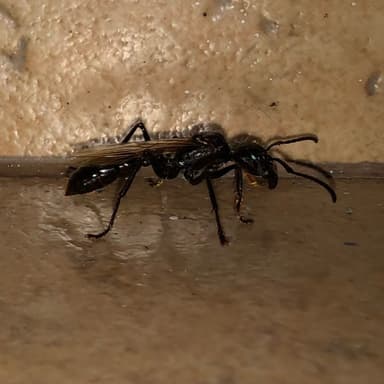
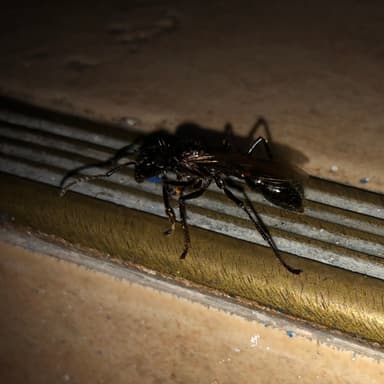
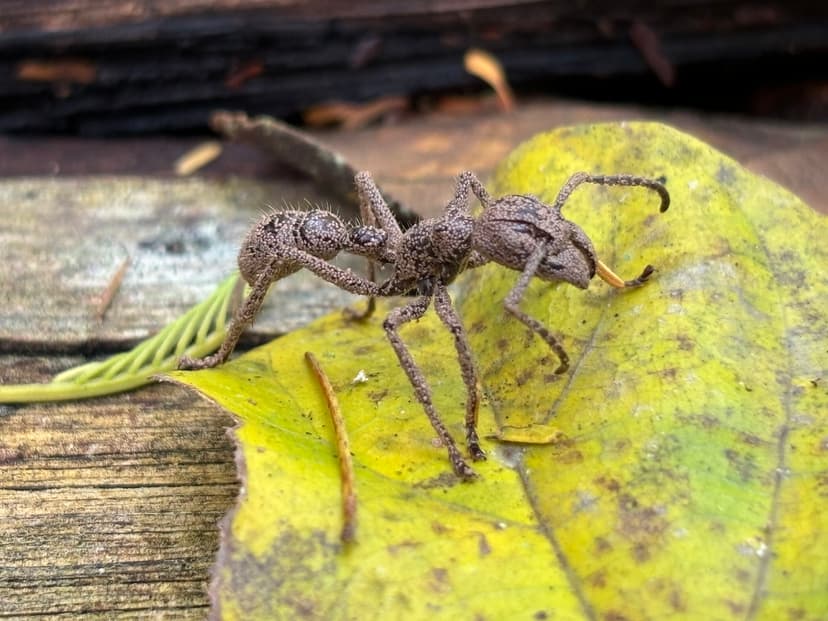
Paraponera clavata, commonly known as the bullet ant, is one of the most formidable and awe-inspiring ants in the world. Named for the intensely painful sting it delivers — often compared to being shot — this species commands respect and is best suited for experienced keepers with a deep understanding of ant biology. The queen is a true giant, measuring between 20 and 25 mm in length, while workers are nearly as large, ranging from 18 to 25 mm. The colony is claustral during founding, meaning the queen seals herself inside a founding chamber and sustains the first generation of workers entirely on stored bodily reserves. Mature colonies typically contain 500 to 2,000 workers, and these ants do not exhibit the polymorphism seen in many other large species; instead, all workers are robust, powerfully built, and armed with a potent venom that should be treated with extreme caution.
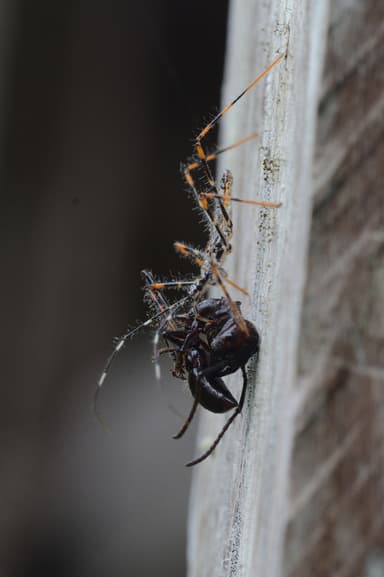
In the wild, Paraponera clavata is a predatory and scavenging species with a strong preference for high‑protein foods. Their diet in captivity should consist primarily of fresh insects — crickets, roaches, mealworms, and flies — supplemented with sugar water or honeydew. They are voracious feeders and will actively hunt even large prey, which must be offered regularly to support the colony’s growth. The ants also benefit from occasional offerings of fruits or diluted honey, but protein remains the cornerstone of their nutrition.
Care difficulty
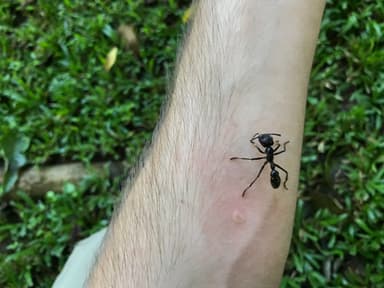
Keeping Paraponera clavata is a true test of skill and should only be attempted by expert myrmecologists. The main challenges are the extreme humidity requirements, the need for stable temperatures, and the inherent danger posed by the sting. The ants are highly sensitive to environmental fluctuations, especially during founding, and any disturbance can cause the queen to abandon her brood. Moreover, their sting is medically significant — pain is intense and can last for 12 to 24 hours, with potential allergic reactions in some individuals. Escape‑proof enclosures and careful handling protocols are non‑negotiable.
Housing
A proper setup for Paraponera clavata must replicate the humid, warm understory of Central and South American rainforests. The formicarium should maintain a temperature range of 24–28°C with a relative humidity of 70–90%, achieved through a well‑sealed nest with a moisture gradient — one side kept damp but not waterlogged. A deep substrate layer, such as a mix of clay, sand, and coconut fiber, helps retain moisture and allows the ants to dig and adjust their chambers. The outworld should be spacious, with a secure lid and escape‑proof barriers such as fluon or mineral oil. Ventilation must be sufficient to prevent mold, but not so strong as to dry out the nest. Vibrations and bright light must be minimized; these ants are shy and will respond to stress by retreating or, worse, by abandoning the nest.
First days after purchase
Upon receiving your Paraponera clavata colony, place the entire setup in a quiet, dark room and allow the ants to settle for at least 48 hours without disturbance. Do not attempt to feed or open the nest during this period. After two days, offer a single small insect and a drop of sugar water near the entrance, observing from a distance. If the ants accept the food, you can gradually increase feeding frequency. Do not handle the colony directly — always use soft forceps or a gentle vacuum aspirator when moving workers. Continue to monitor humidity closely, as the slightest drop can be fatal to developing brood. Patience and respect for their biology are the keys to success with this magnificent, challenging species.