Carebara
Carebara affinis
Care Guide
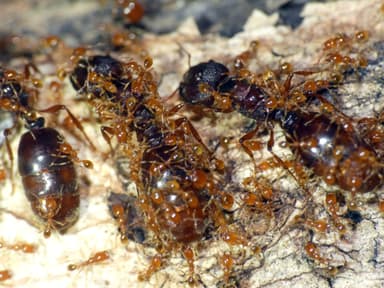
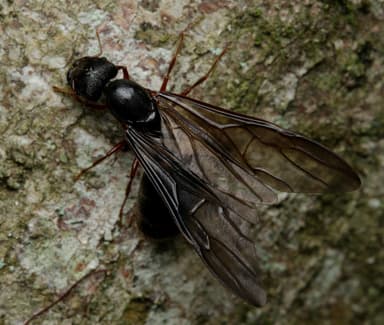
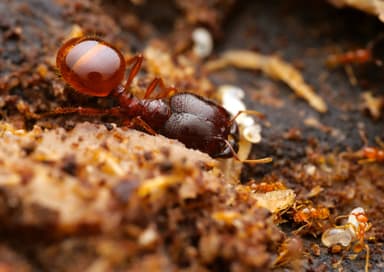
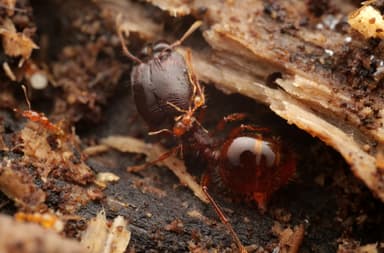
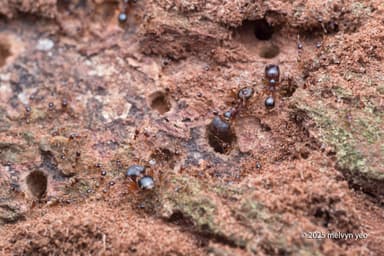
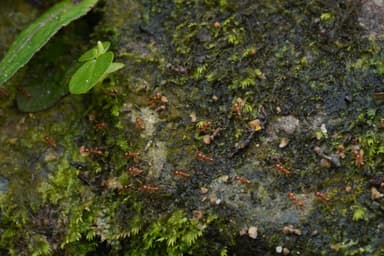
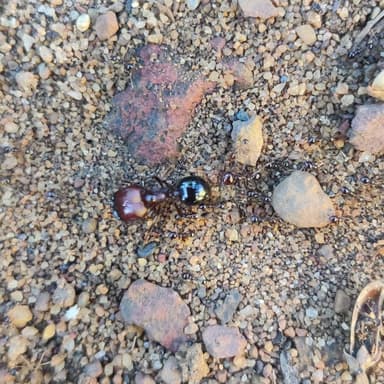
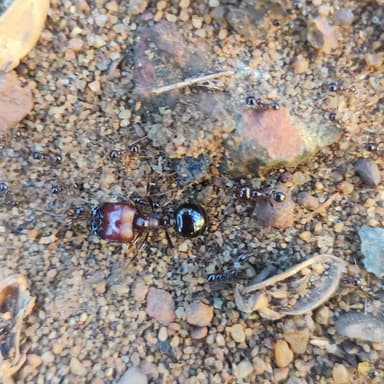
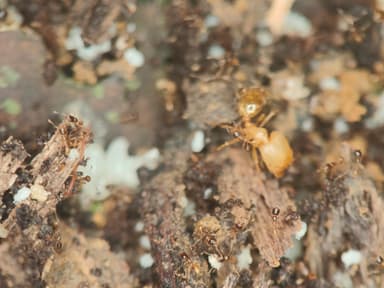
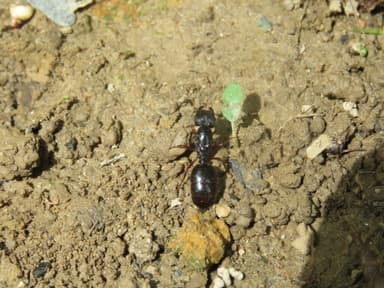
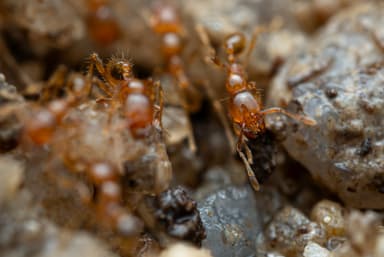
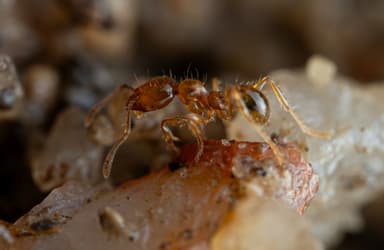
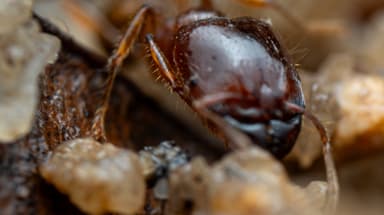
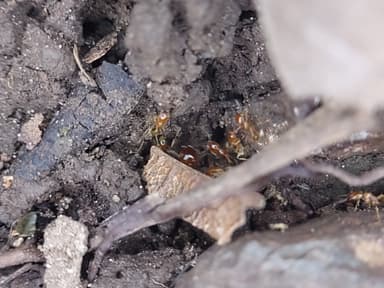
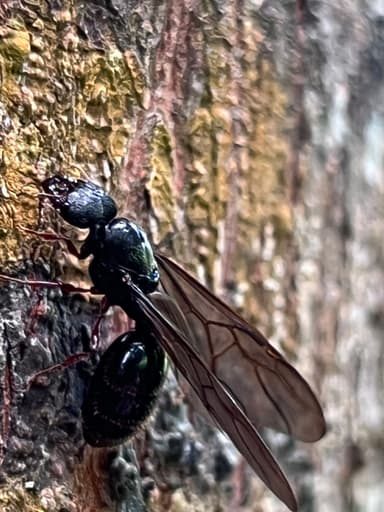
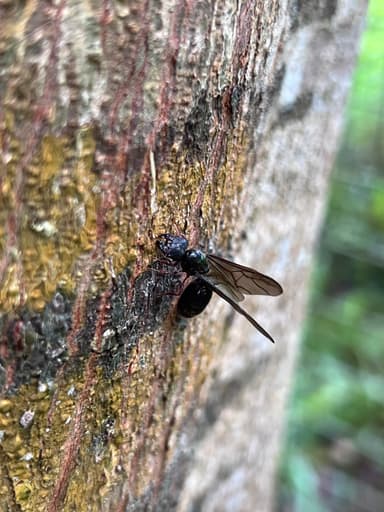
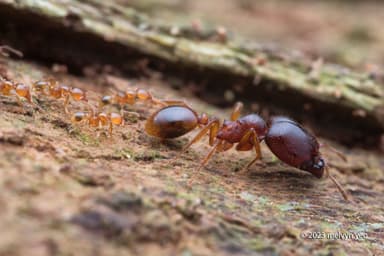
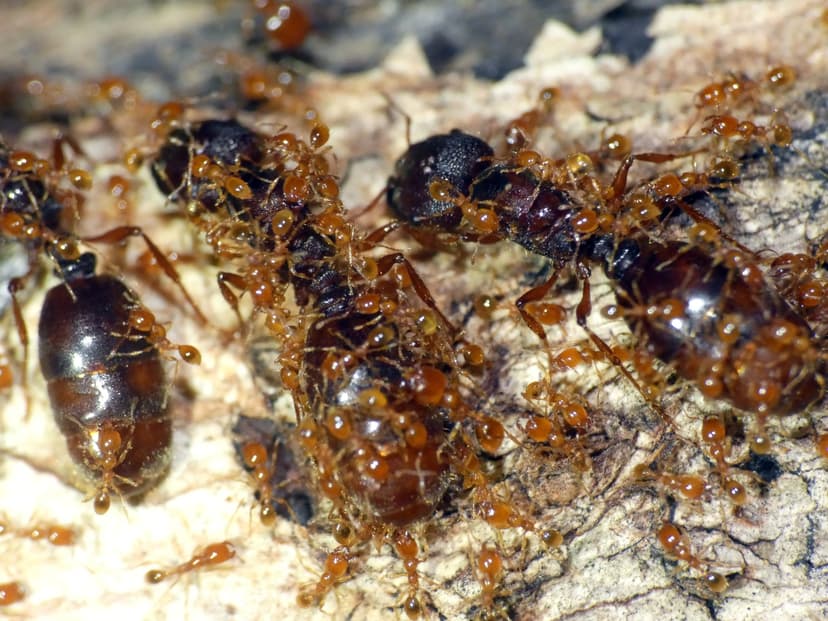
Carebara affinis is a true miniature wonder of the ant world, offering keepers a fascinating glimpse into a highly organized society on a tiny scale. The queen measures a modest 3–4 mm, while her workers are even smaller at just 1–2 mm – barely larger than a grain of rice. Despite their diminutive stature, these ants are active and industrious, forming colonies that can grow to several thousand individuals. The striking size difference between the queen and her workers makes every observation a delight, as the queen becomes a commanding presence within the nest despite her own small dimensions.
The diet of Carebara affinis is varied and reflects their opportunistic nature. They readily accept a range of protein sources such as small insects like fruit flies or cut-up mealworms, and they also benefit from sugary offerings. Sugar water or honeydew should be provided regularly, and a balanced protein‑sugar schedule keeps the colony thriving. Because the workers are so tiny, offering finely crushed or pre‑killed prey ensures they can handle their food without difficulty. These ants do not require seeds, so keepers can focus on providing a steady supply of fresh protein and carbohydrate.
Care difficulty
Keeping Carebara affinis is considered intermediate. While the ants are hardy once established, their small size and specific humidity needs demand more attention than beginner‑friendly species. The claustral founding process is straightforward – the queen seals herself in a small chamber and raises her first brood without feeding – but the critical factor is maintaining the high humidity they require. A dry nest can quickly stress the colony, so attentive watering is essential.
Housing
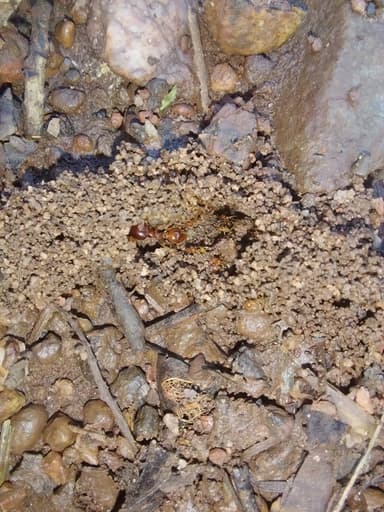
A formicarium with excellent humidity retention is ideal for Carebara affinis. A hybrid setup with a plaster or clay nest section that can be moistened works well, as does a fully acrylic system with a dedicated hydration area. The nest should offer small, tight chambers that mimic the narrow galleries these ants would occupy in nature. The foraging area can be relatively modest, but it should be escape‑proof – these ants are adept at squeezing through tiny gaps. Temperature should stay between 24–28°C, with no need for a cooling period since hibernation is not required. A heat cable or mat placed on one side of the foraging area helps create a gradient, allowing the ants to choose their preferred warmth. Regular misting of the nest area is crucial to keep humidity in the 60–80% range. These ants are sensitive to desiccation, especially during brood rearing.
First days after purchase
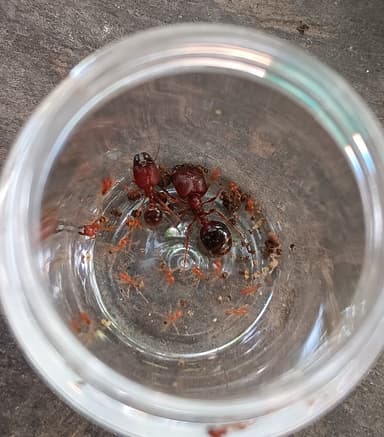
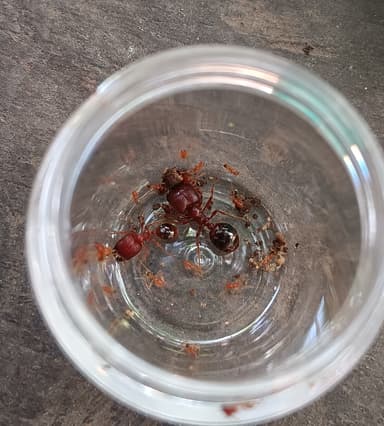
When your Carebara affinis colony arrives, move the entire test tube or transport container into a quiet, dimly lit spot. Allow the ants several hours to settle before attempting any transfer. If the colony is still in a test tube setup, you can connect it directly to the new formicarium using tubing. Provide a small drop of sugar water and a tiny piece of protein near the entrance, but avoid overfeeding – the colony’s appetite will grow as the population expands. Minimize vibrations and disturbances for the first week, and monitor the nest’s moisture level closely. With patient care, you’ll soon be rewarded with the sight of these tiny workers bustling through their miniature world.