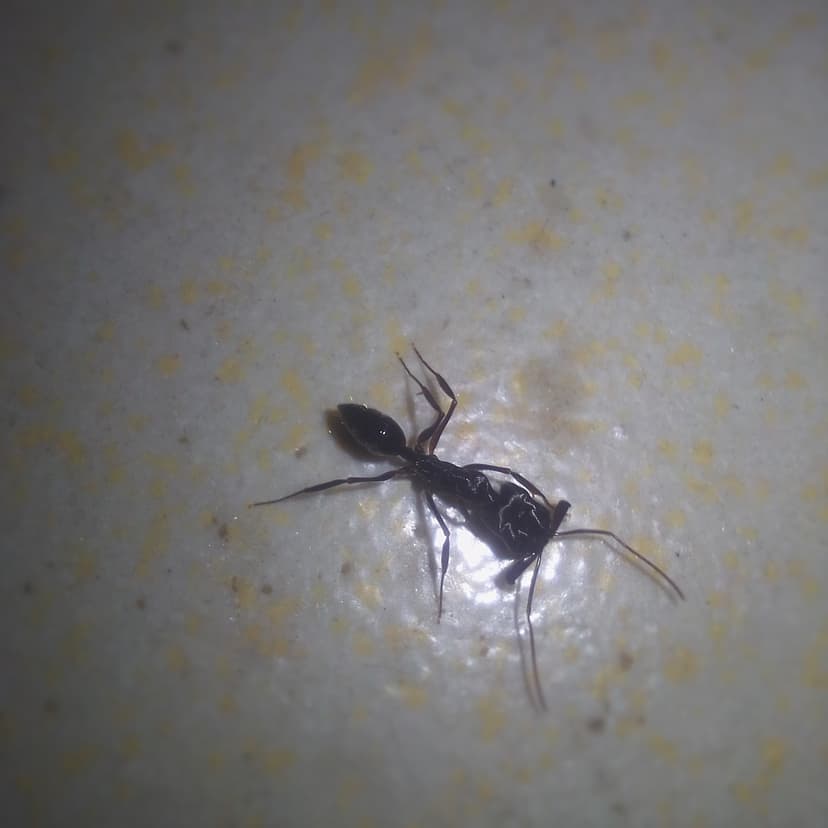
Tetramorium
Tetramorium caespitum
Nuptial Flight Calendar
Flight months: Jun, Jul, Aug
Care Guide
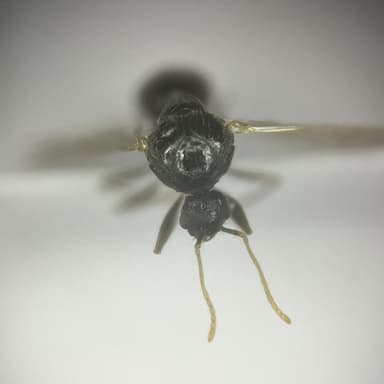
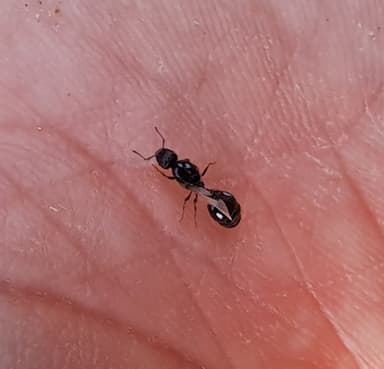
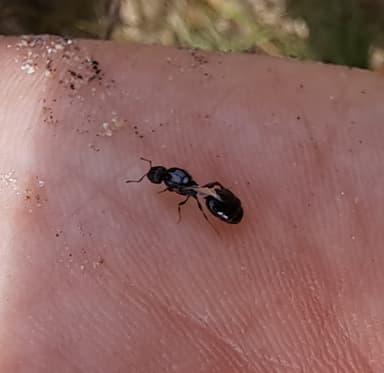
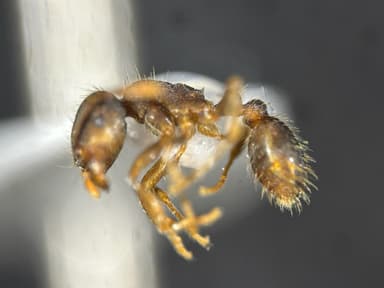
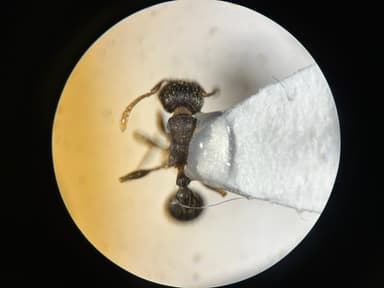
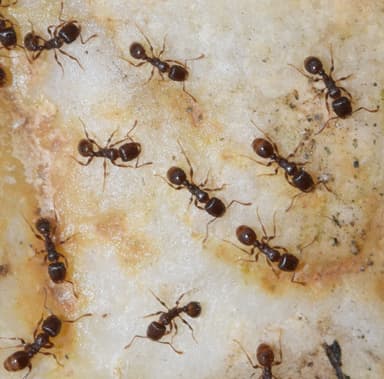
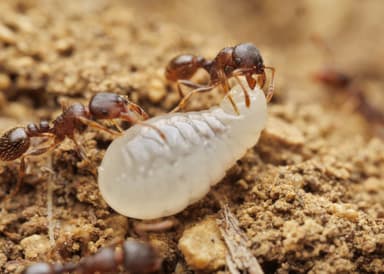
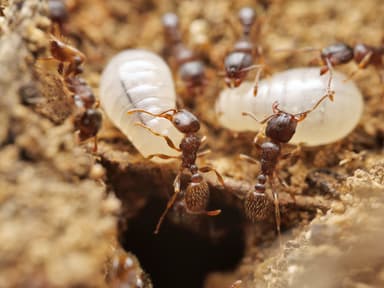
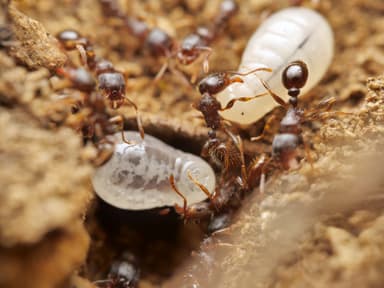
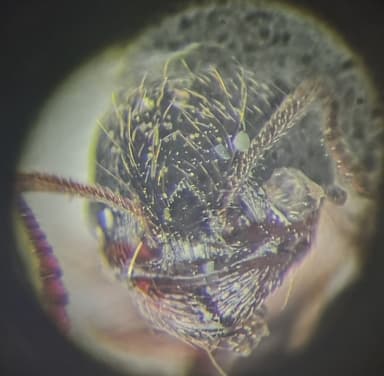
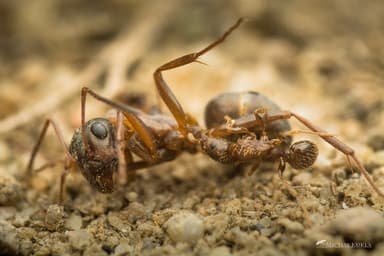
Tetramorium caespitum, the pavement ant, is a robust and resilient species widespread across Europe and introduced to parts of North America. Queens measure a substantial 6.5 to 9 mm, while workers range from just 2.5 to 4 mm, all belonging to a single monomorphic minor worker caste. Mature colonies can swell to an impressive 30,000 individuals, yet the founding stage is entirely claustral — meaning the queen seals herself away and raises her first nanitic workers without ever leaving the safety of her chamber. This ant is perhaps most famous for its spectacular territorial battles in summer, where thousands of workers from rival colonies lock mandibles in sprawling sidewalk conflicts. Taxonomically, it belongs to a cryptic species complex only recently untangled (Wagner et al. 2017; Seifert 2018), so what you are likely keeping is the true T. caespitum of open, sun‑warmed habitats. Their nuptial flights paint the sky on warm, humid afternoons following rain, typically from June through August in Central Europe and June to July in their introduced North American range, offering keepers a reliable annual spectacle.
As a beginner species, pavement ants are exceptionally forgiving and consistently active, making them an ideal first colony for novices or a lively addition for seasoned keepers who appreciate bustling outworlds. They exhibit robust foraging drive, rapid brood development, and a commendable tolerance to minor husbandry mistakes. Their modest environmental demands, coupled with a straightforward hibernation requirement, mean that even a child can succeed with basic guidance. The only caveat is their escape artistry — workers are diminutive and can exploit the smallest gap, so a secure escape‑proof barrier is non‑negotiable. For anyone seeking a low‑maintenance colony that does not outgrow typical setups too quickly yet offers dramatic population booms, this species is a perfect match.
Housing for T. caespitum must balance their love of warmth with moderate humidity. Aim for a temperature gradient within the nest between 20 and 28°C, with an air humidity of 40–60%, conditions that mimic the sun‑baked soil crevices they naturally inhabit. A nest constructed from ytong, plaster, or a fine sand‑clay mix works beautifully; these materials retain moisture well while allowing the ants to sculpt their living quarters. A thin layer of sandy soil in a foraging arena satisfies their urge to rearrange substrate and facilitates waste management. Because colonies can reach 30,000 workers, plan for a modular or expandable nest system from the start — connecting additional chambers as the colony outgrows its initial quarters prevents stressful relocations. Lighting is not critical, but they seem to thrive with a natural day‑night cycle.
Feeding a pavement ant colony is an exercise in simplicity. Like most ants, they require a steady supply of protein for larval growth and carbohydrates for worker energy. Offer small insect prey — fruit flies, mealworm pieces, or crickets — two to three times a week, ensuring any live feeders are pre‑killed to avoid harm to delicate nanitics. Sugar water, honey diluted with water, or a commercial nectar substitute should be available continuously, though be careful to avoid drowning hazards by using tiny droppers or saturated cotton. Water is equally vital; a test‑tube water feeder or a moistened cotton plug in a small dish will suffice. Interestingly, these ants have a particular fondness for oily seeds, crushed nuts, and even dry cat kibble, which can provide a convenient protein and fat supplement (Seifert 2018). Remove uneaten food within a day or two to prevent mould.
Hibernation is not optional. This temperate species requires a chilly winter rest at around 5°C for three to five months, typically from late October to March. Without this cold period, the queen will gradually cease egg‑laying and the colony may dwindle. A dedicated fridge, wine cooler, or an unheated garage that reliably stays between 4 and 8°C works well. Prior to cooling, taper off protein feeding and allow the colony to clear its gut over a couple of weeks at room temperature, then gradually lower the temperature to avoid shock. During diapause the ants cluster together, barely moving, and require no food — just a tiny source of water to prevent desiccation. Wake them with the same gradual approach come spring, and within days the queen will resume laying, signalling the start of a new season of explosive growth.
Receiving your new Tetramorium caespitum queen or small colony is always an exciting moment. For a newly mated, claustral queen, simply place her test‑tube setup in a dark, quiet spot at 24–26°C and resist all temptation to check on her for at least three weeks; she has all the reserves she needs. Once the first tiny workers appear, you can attach a small foraging arena and offer a minute drop of sugar water. If you receive a young colony with a few workers, allow them two days of calm darkness to settle, then introduce a pinhead‑sized portion of pre‑killed fruit fly and a droplet of honey. Watch for any signs of stress — workers moving brood frantically may indicate the nest is too dry, while condensation on the glass suggests excessive humidity. After their first few meals, these ants will quickly grow bold, and you’ll be treated to the sight of tireless foraging lines that embody the pavement ant’s industrious spirit.