Rhytidoponera
Rhytidoponera metallica
Nuptial Flight Calendar
Flight months: Jan, Feb, Oct, Nov, Dec
Care Guide
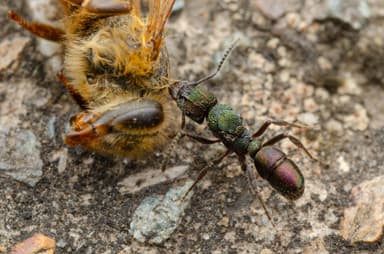
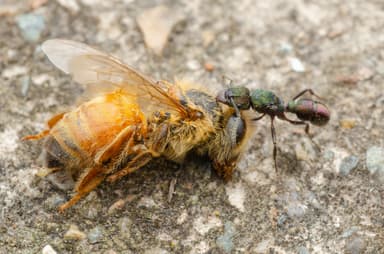
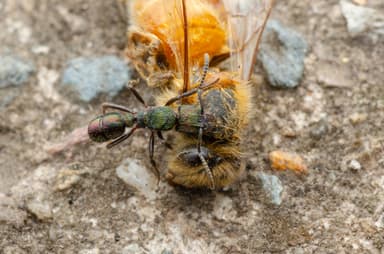
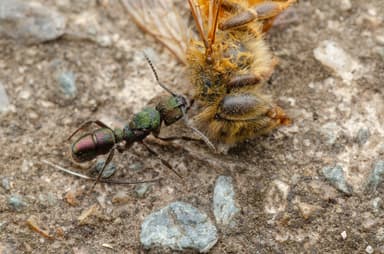
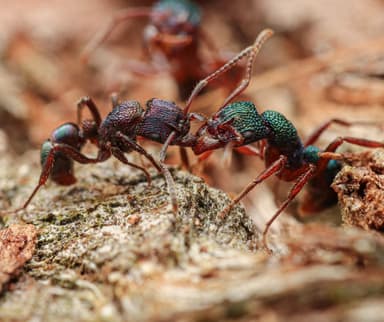
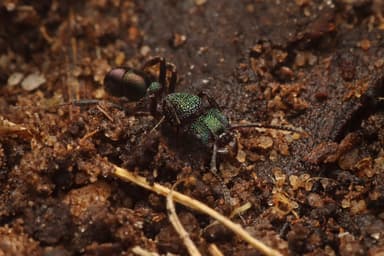
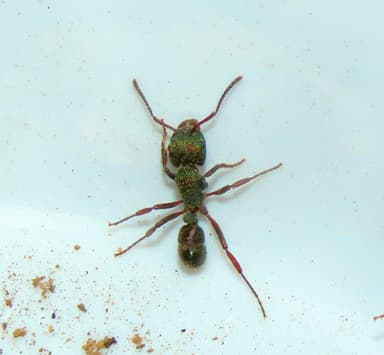
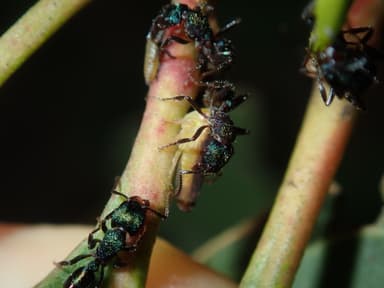
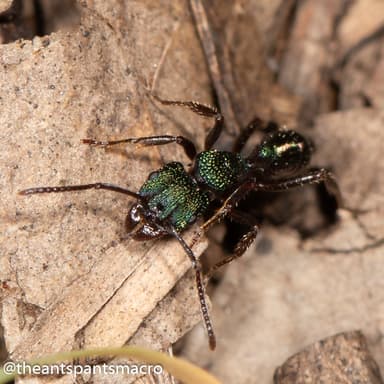
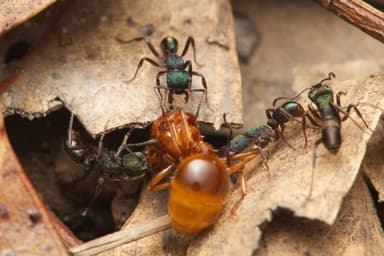
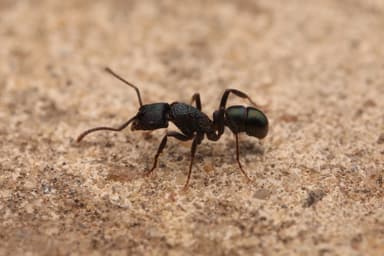
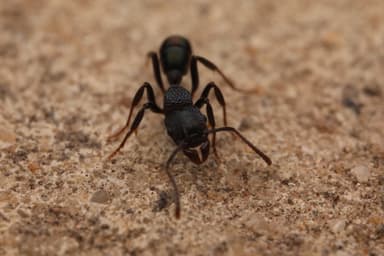
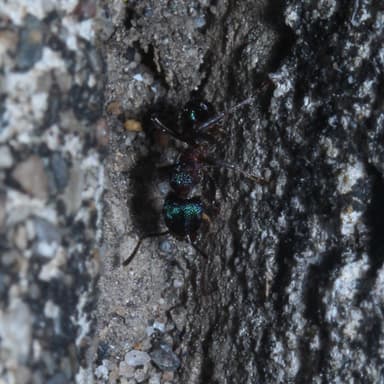
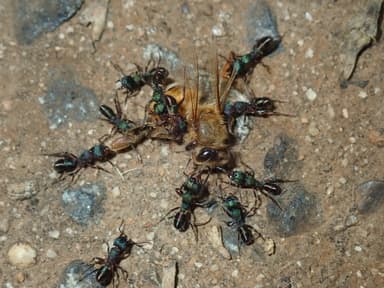
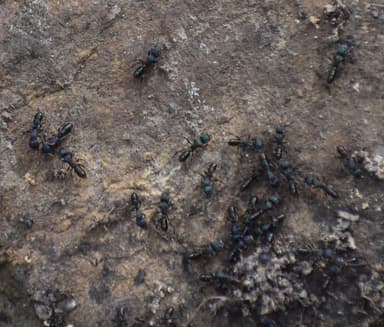
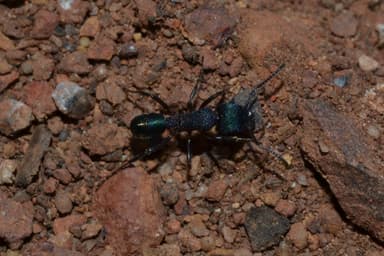
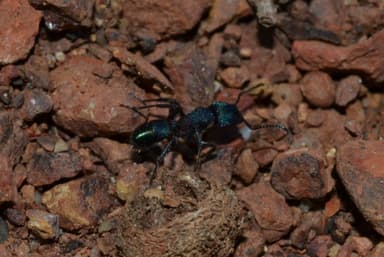
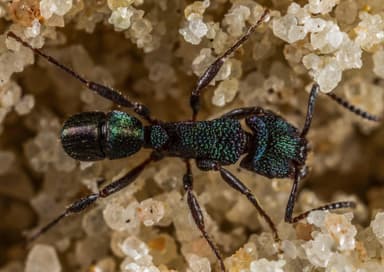
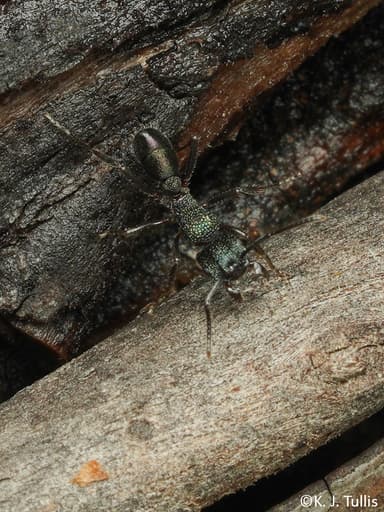
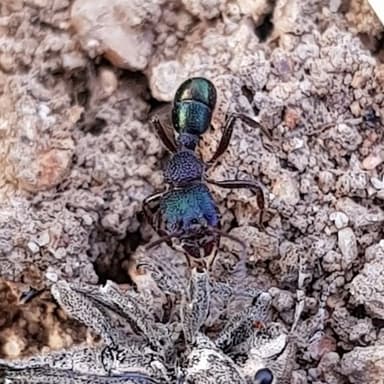
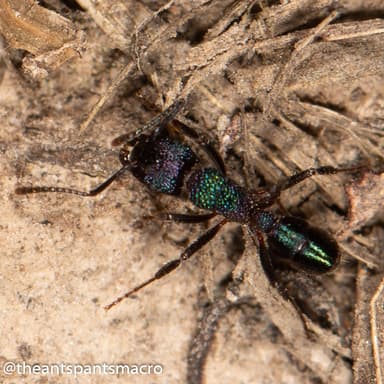
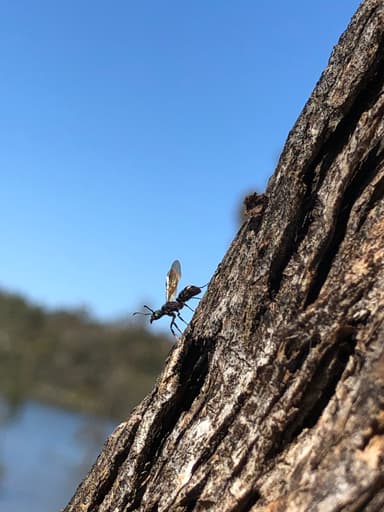
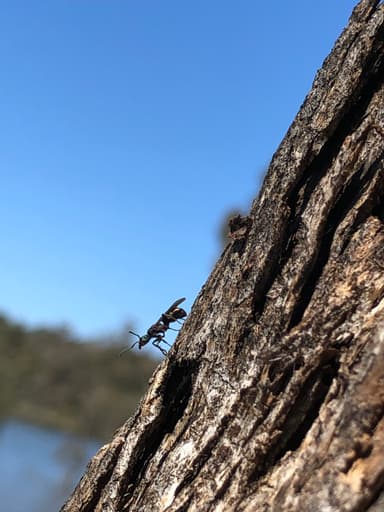
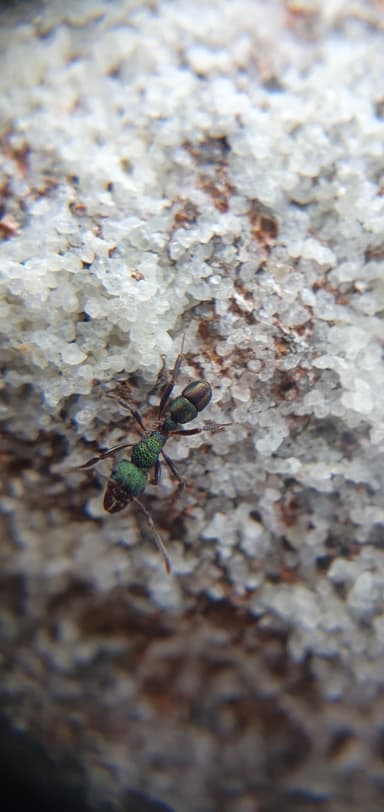
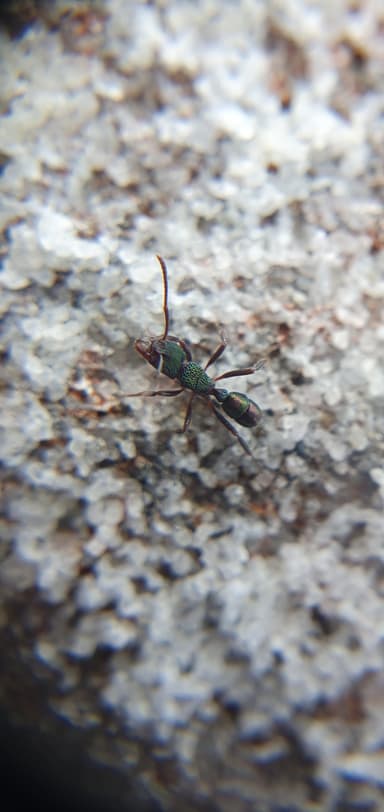
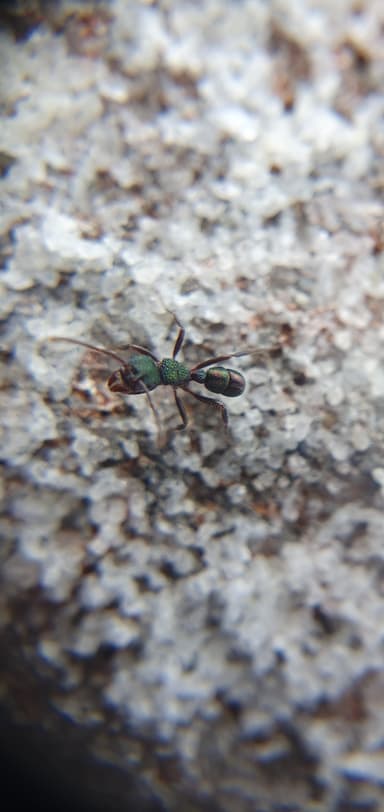
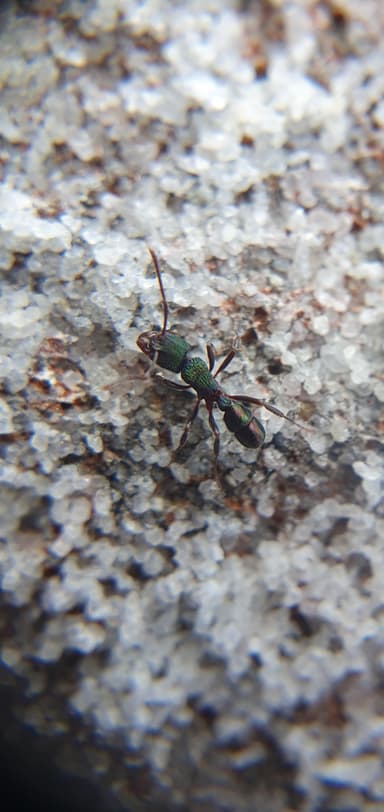
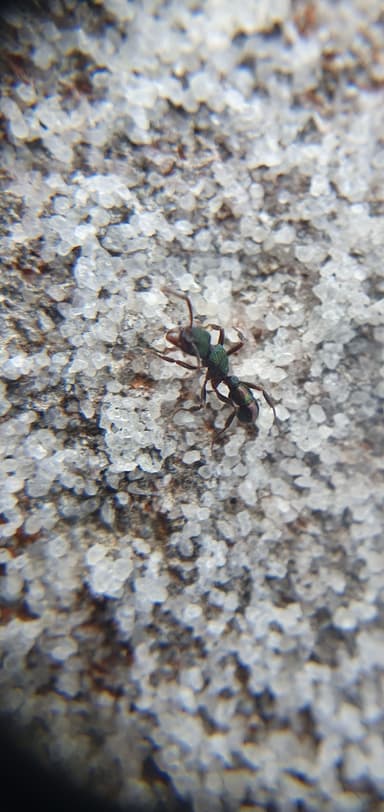
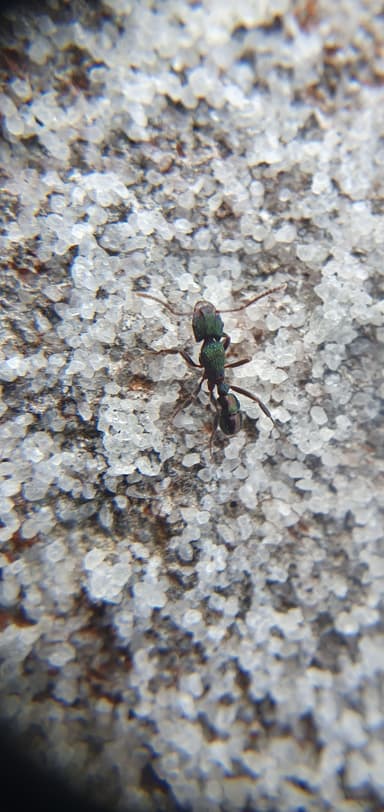
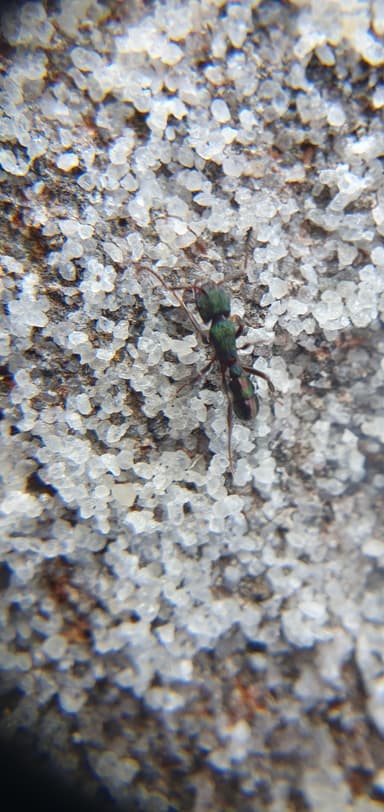
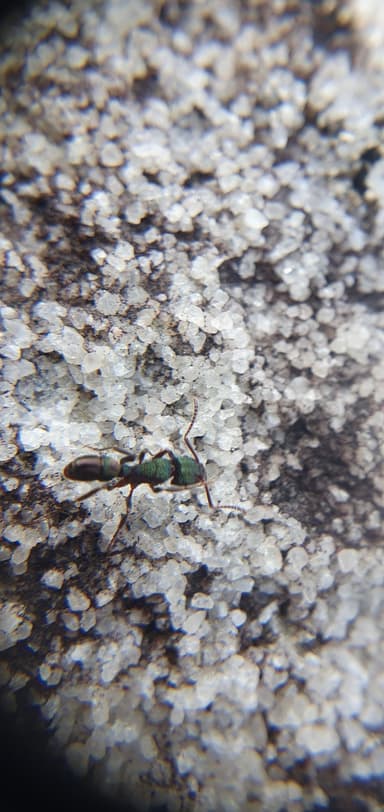
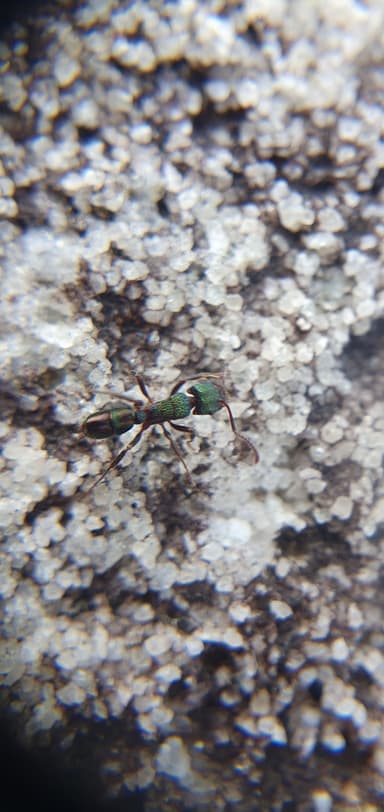
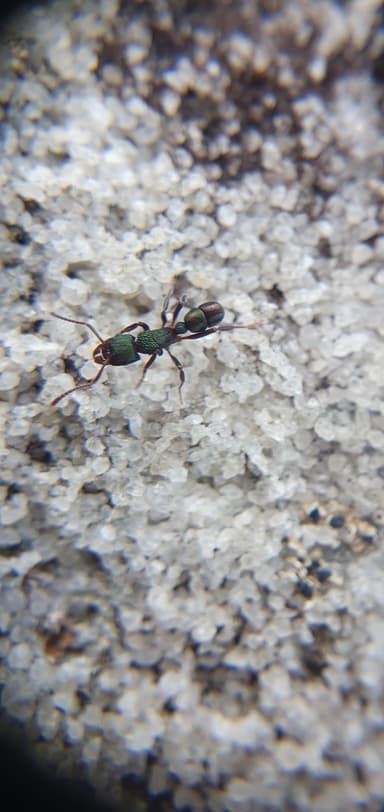
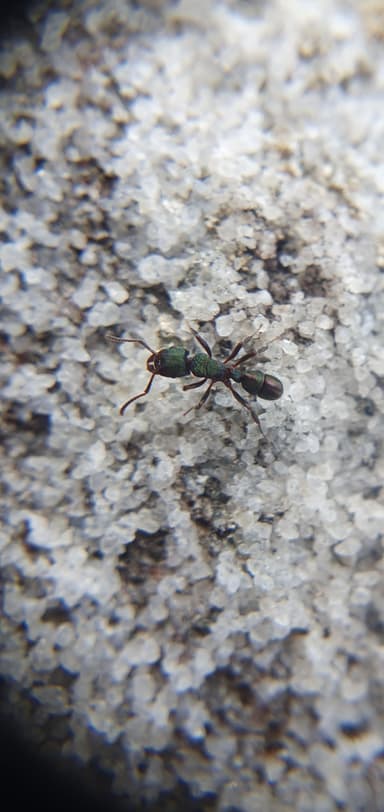
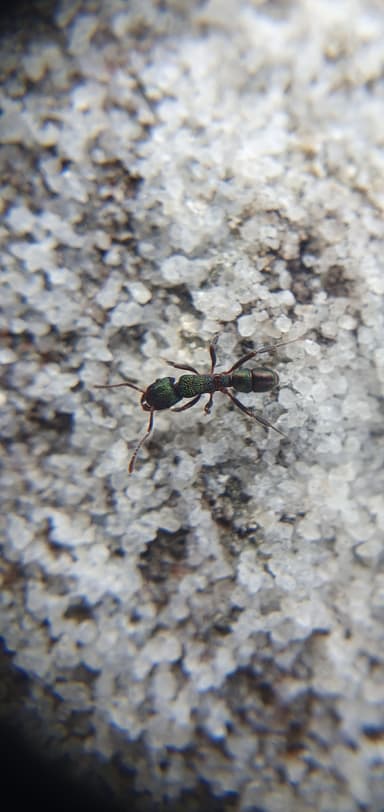
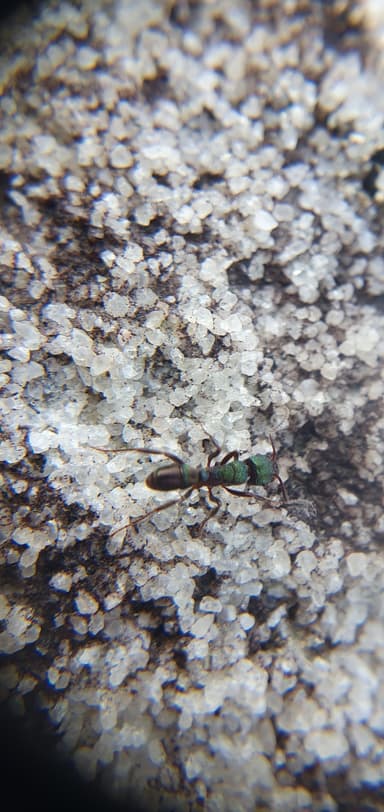
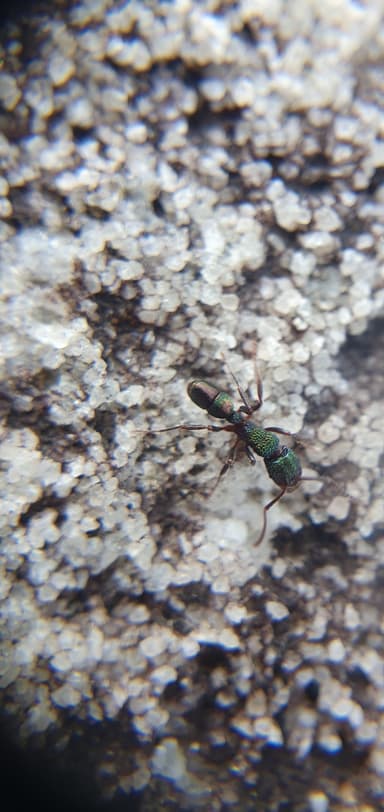
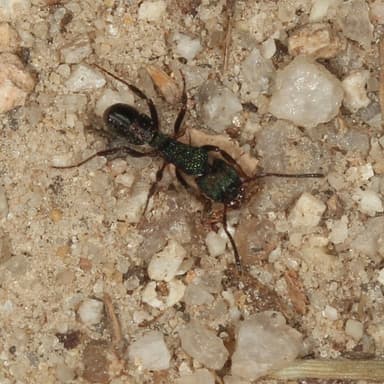
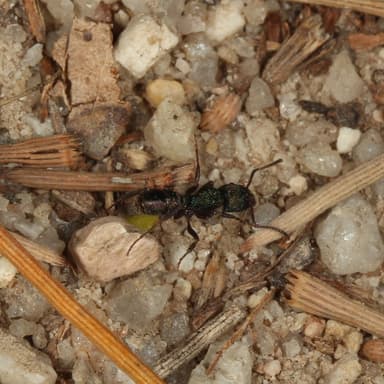
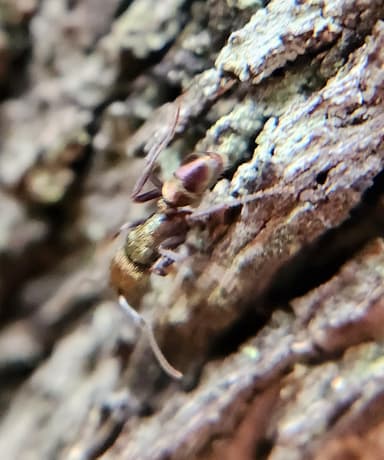
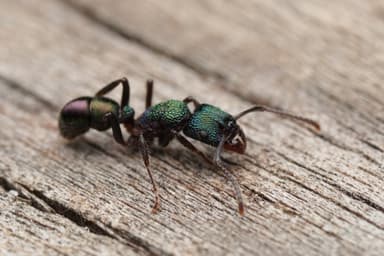
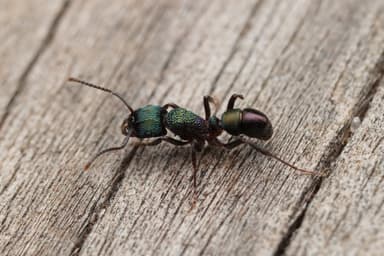
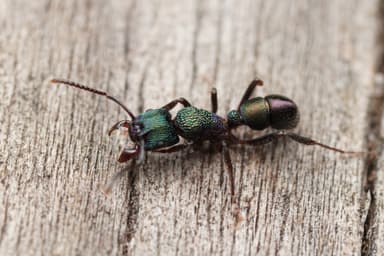
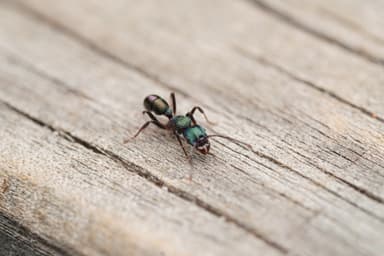
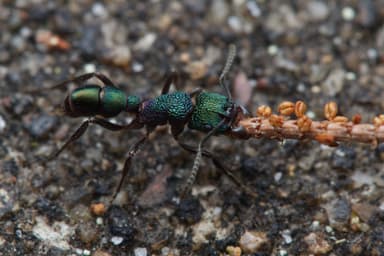
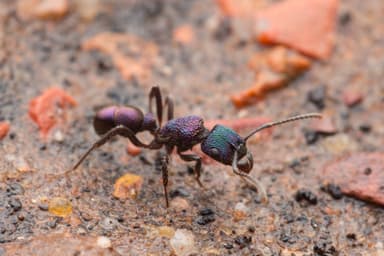
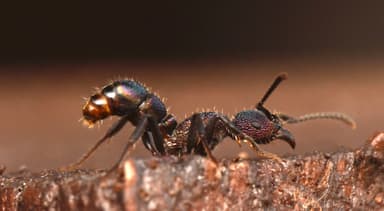
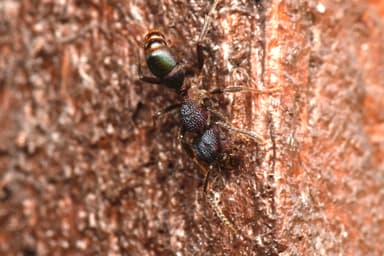
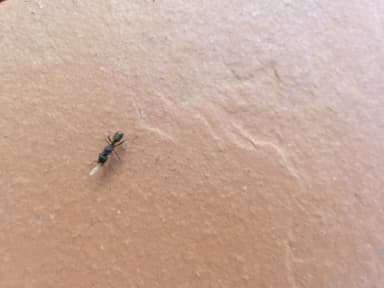
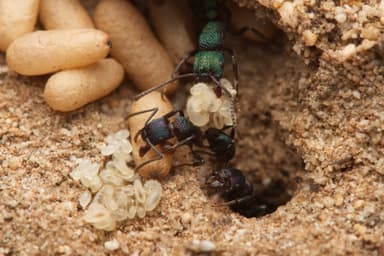
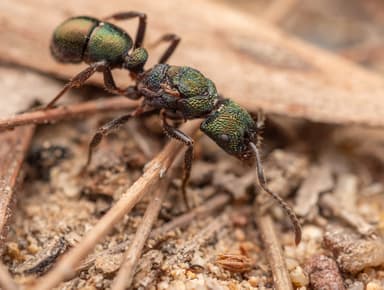
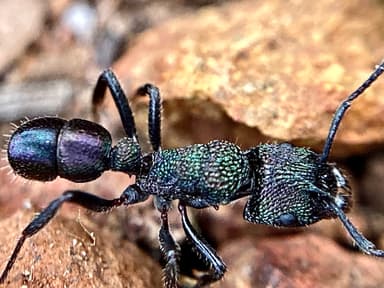
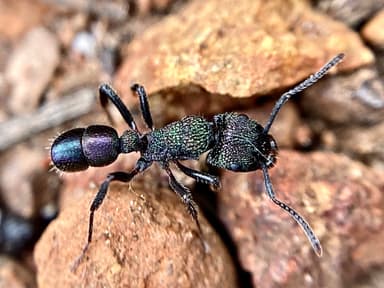
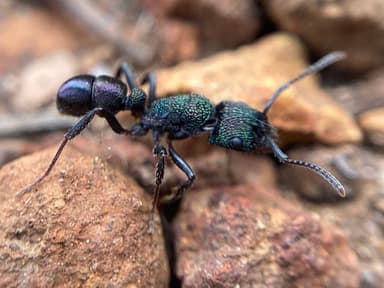
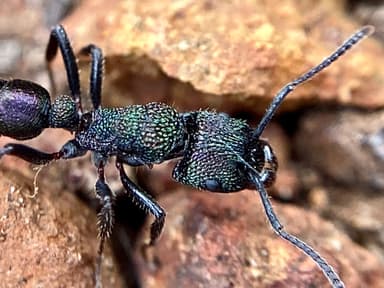
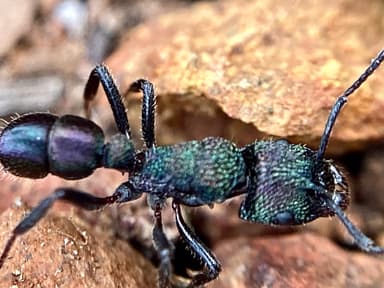
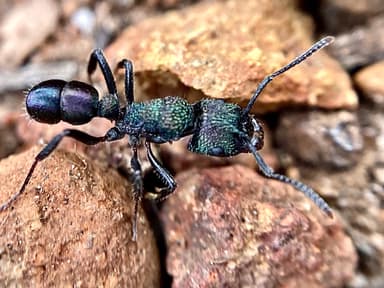
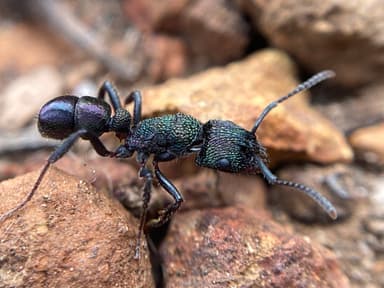
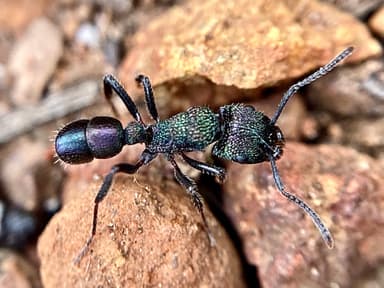
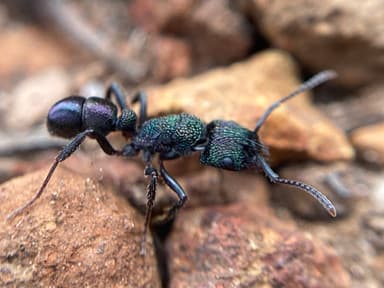
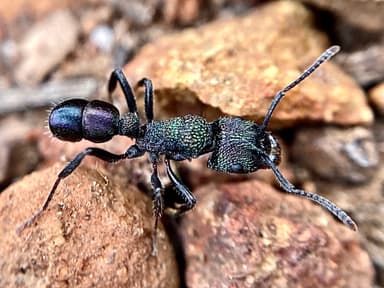
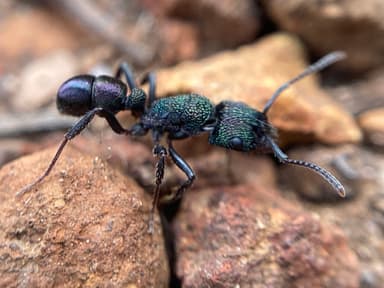
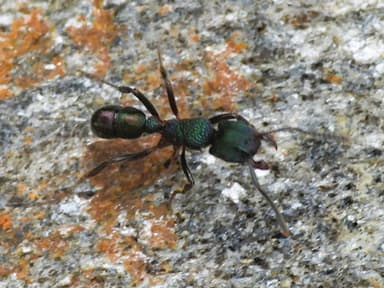
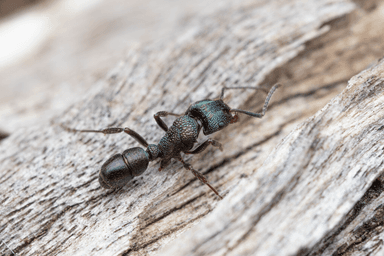
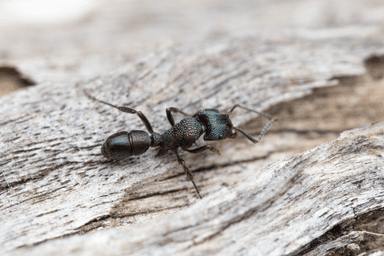
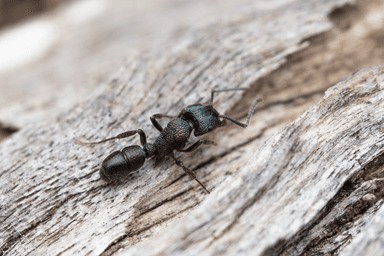
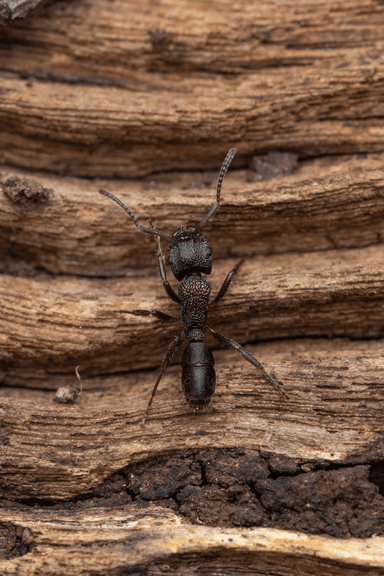
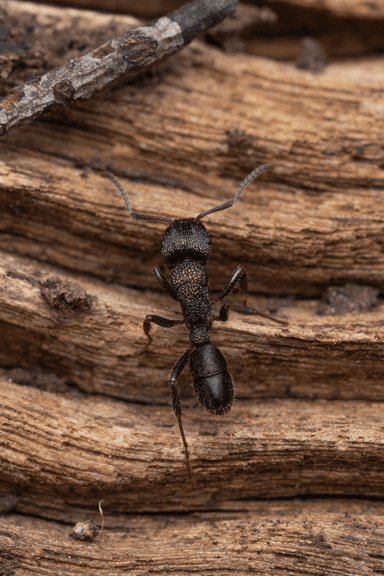
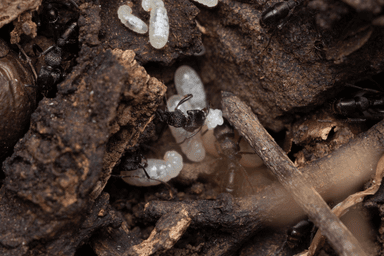
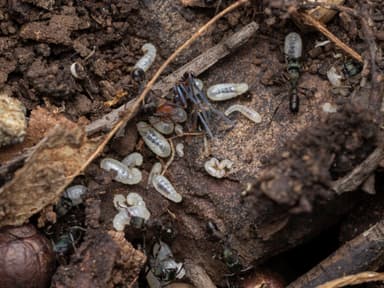
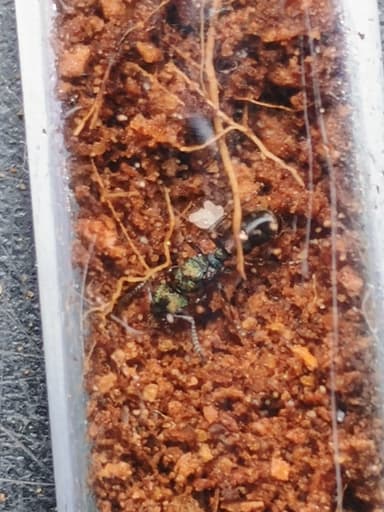
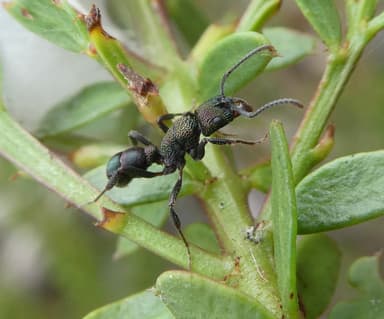
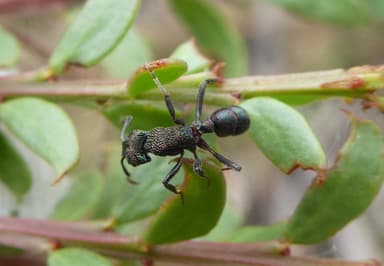
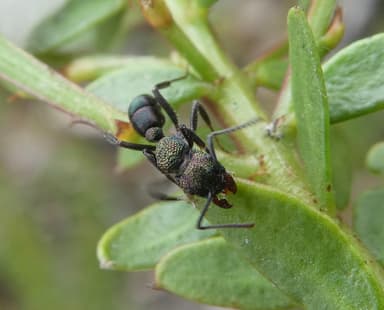
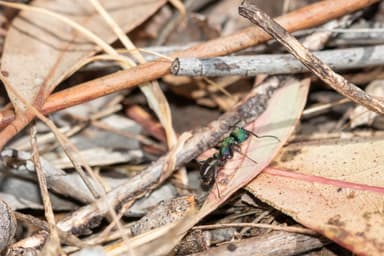
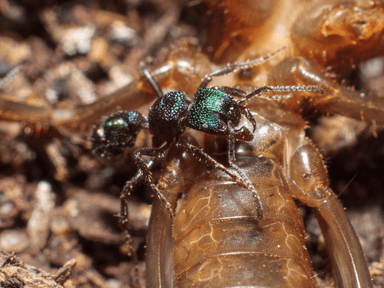
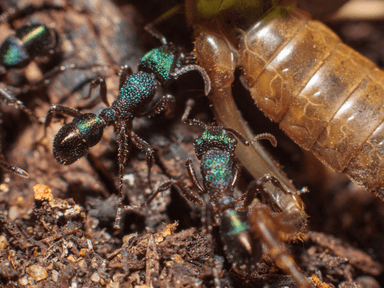
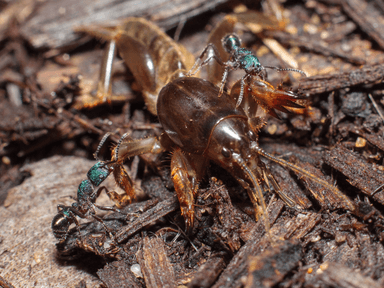
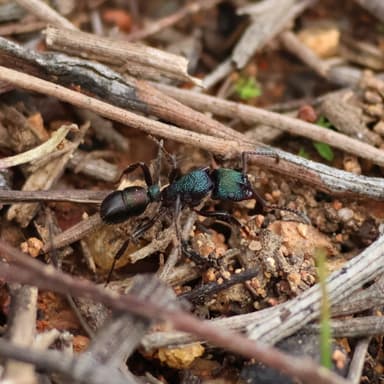
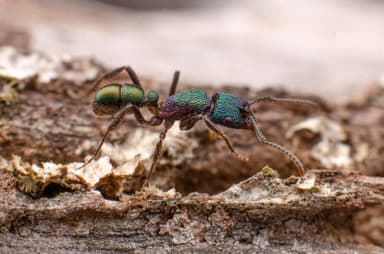
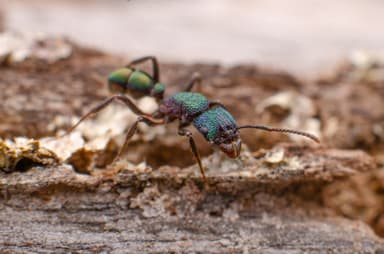
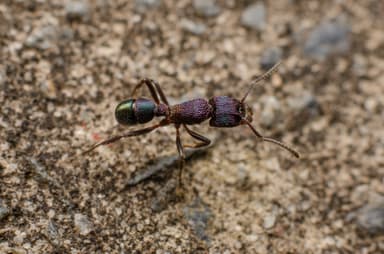
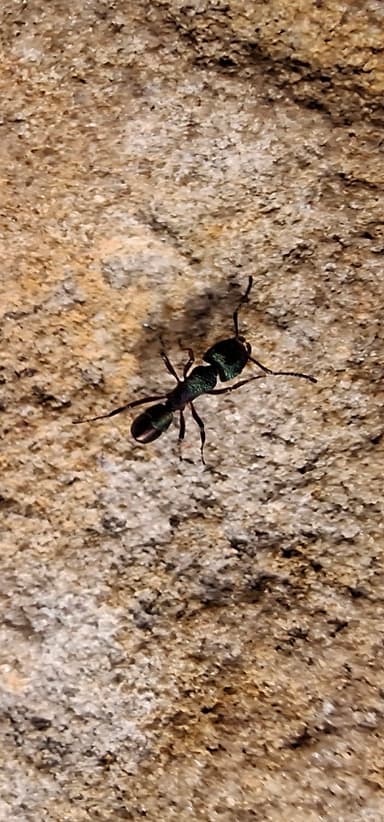
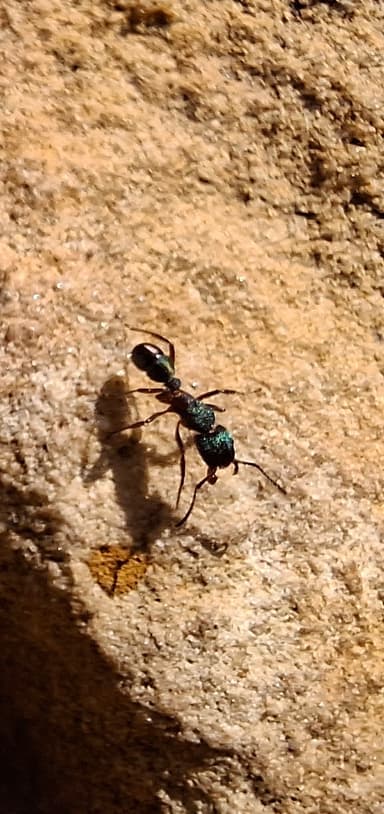
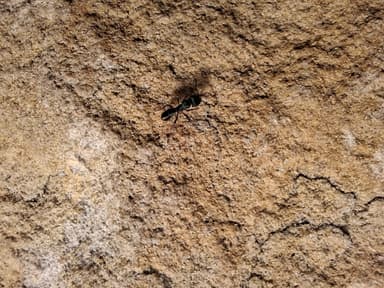
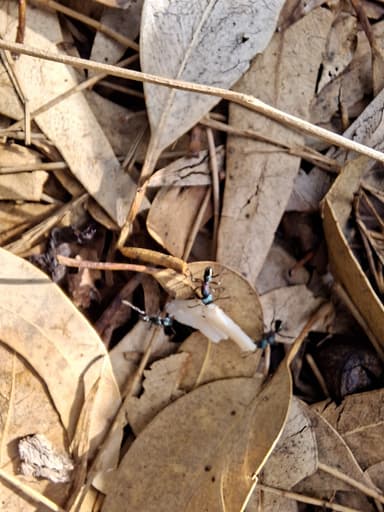
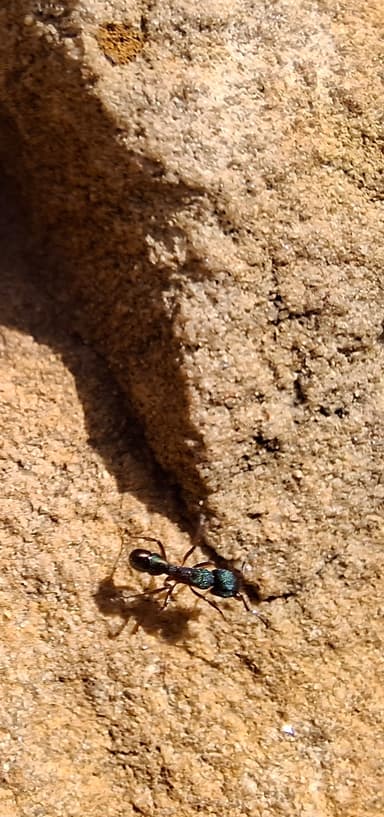
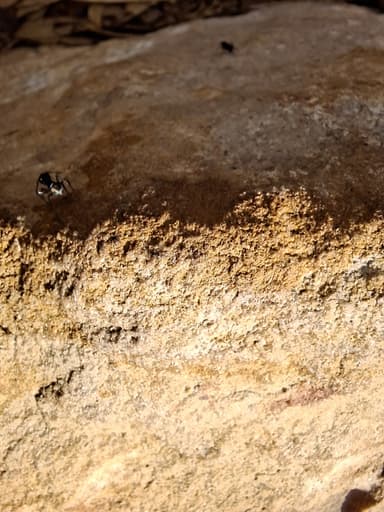
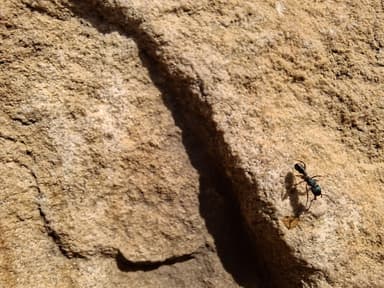
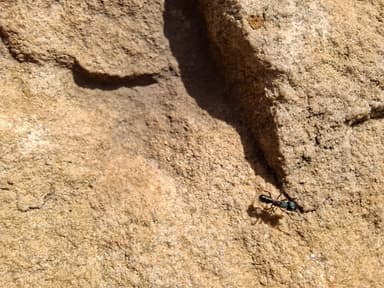
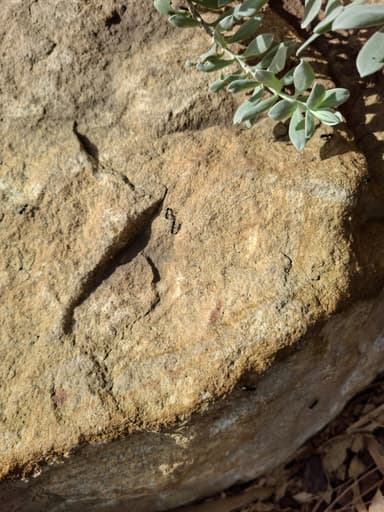
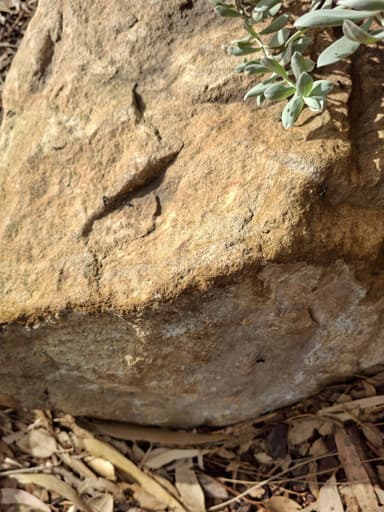
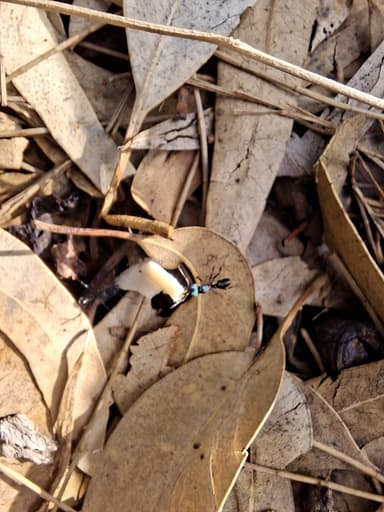
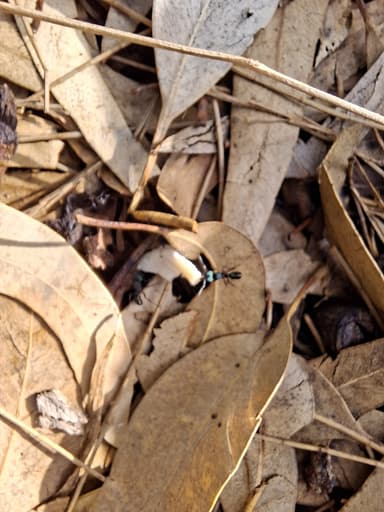
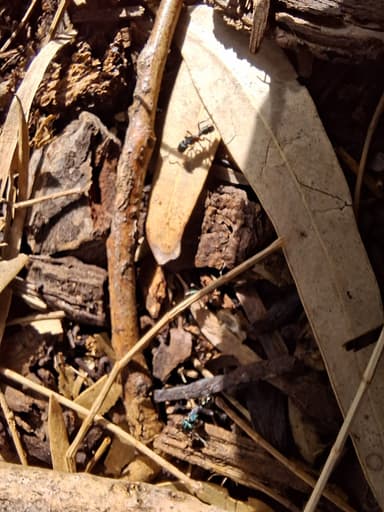
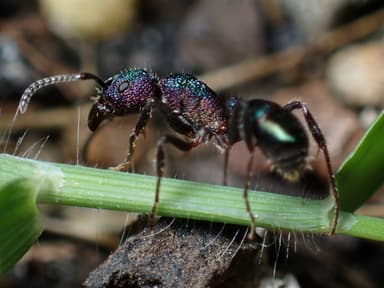
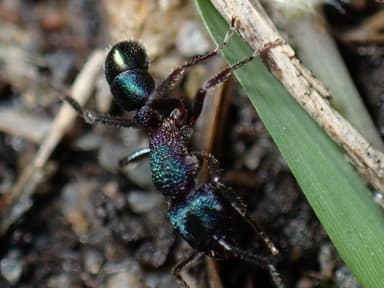
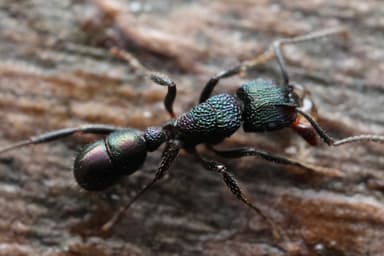
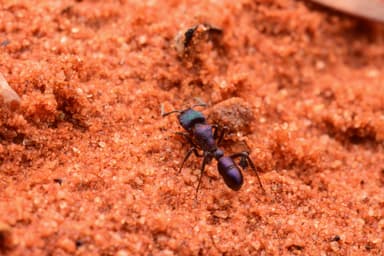
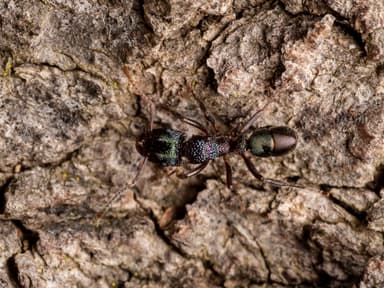
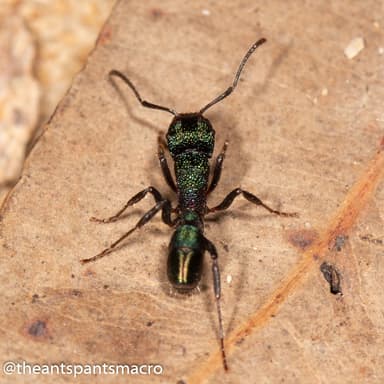
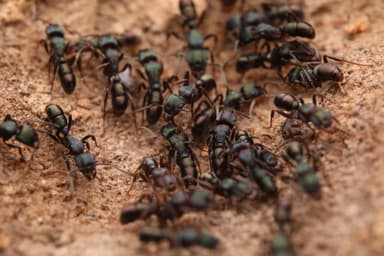
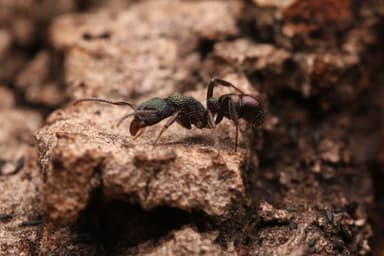
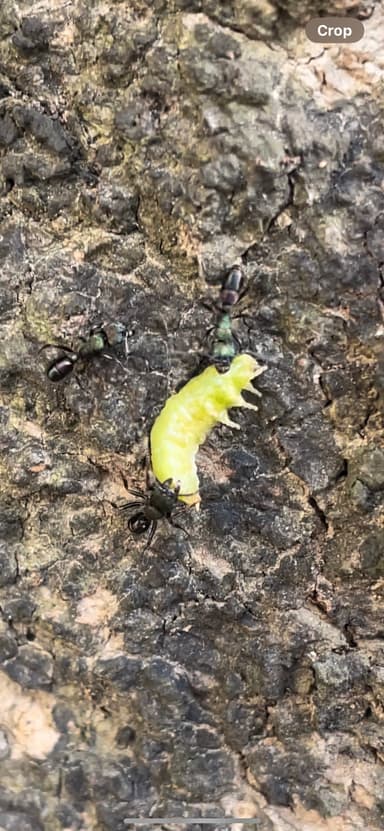
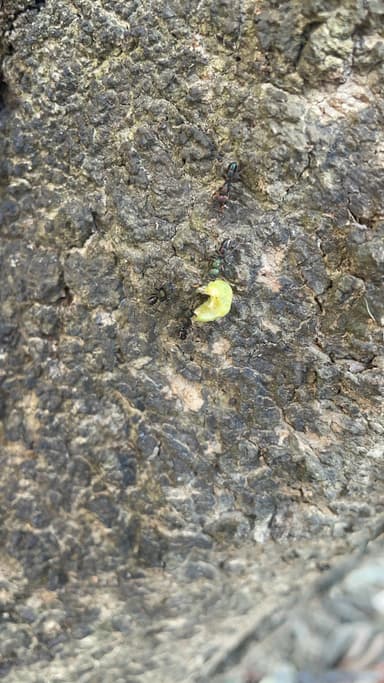
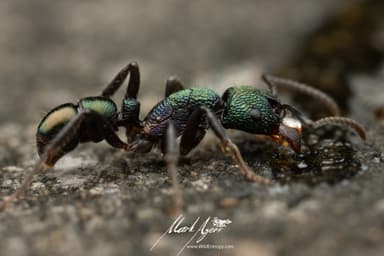
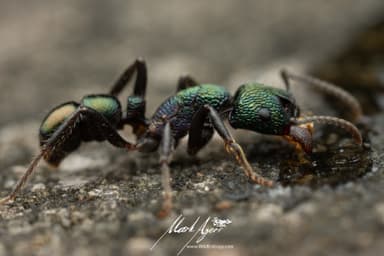
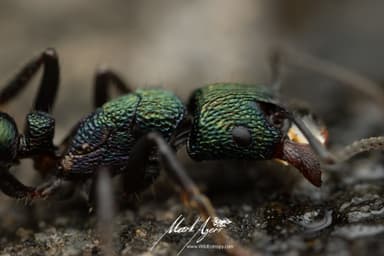
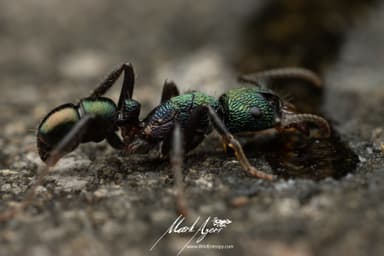
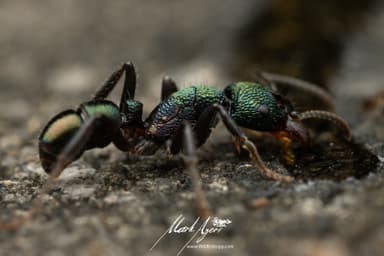
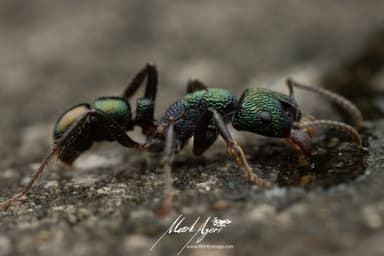
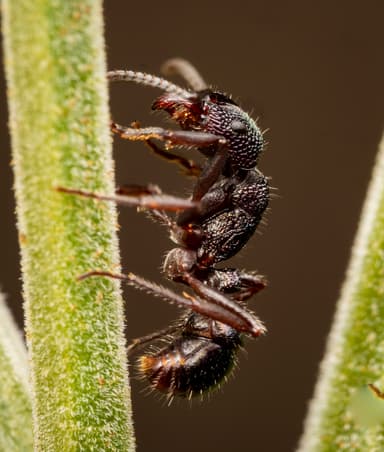
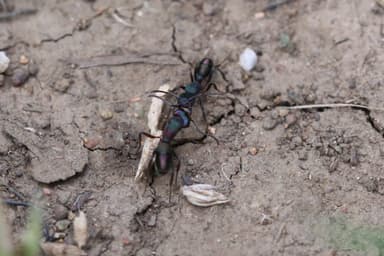
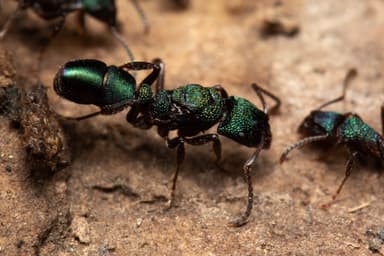
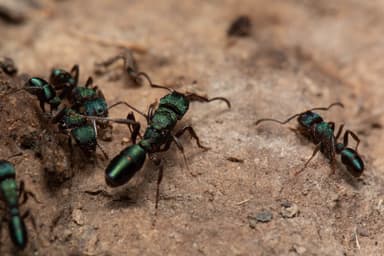
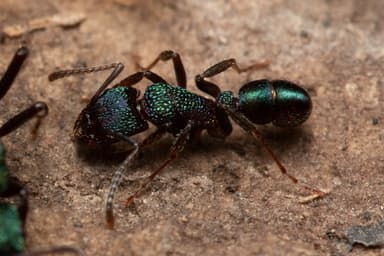
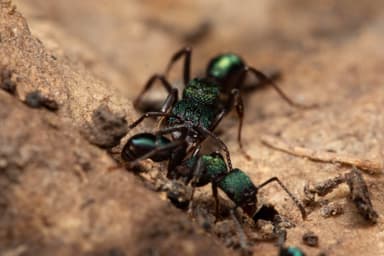
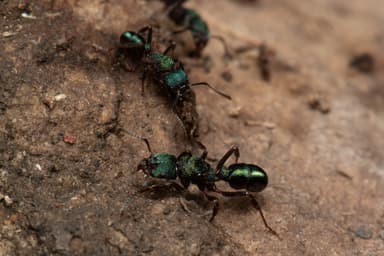
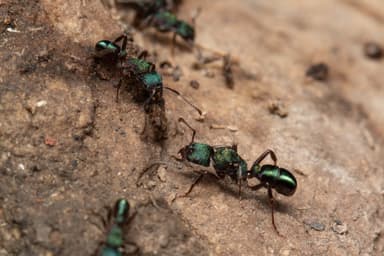
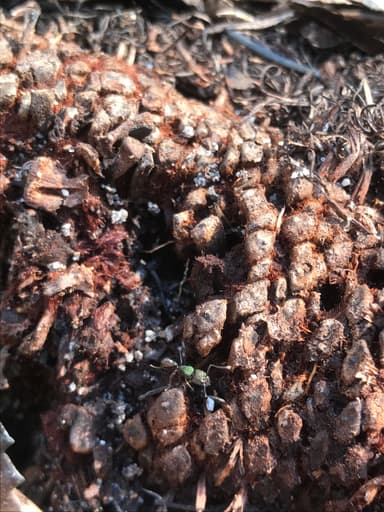
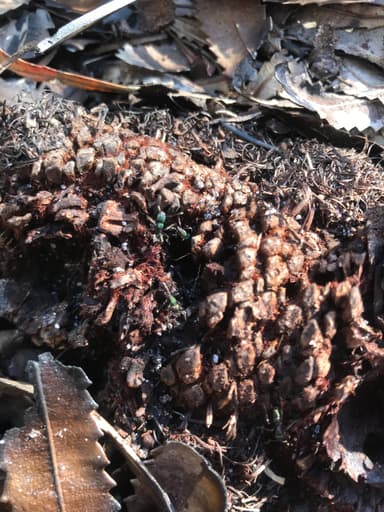
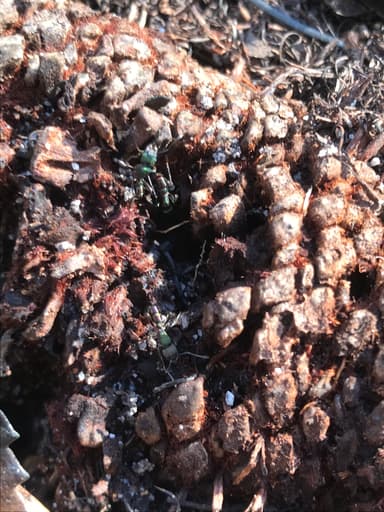
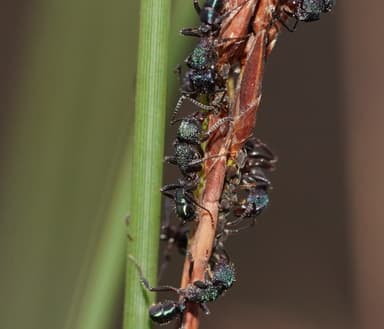
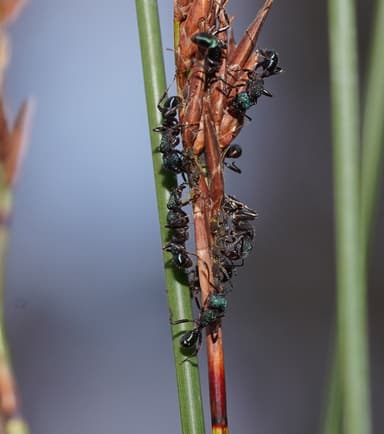
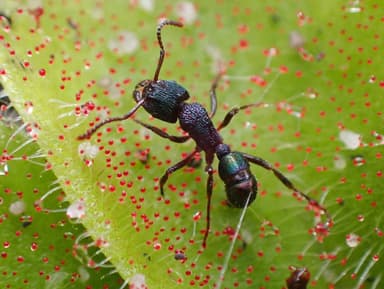
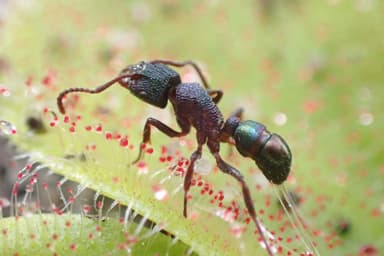
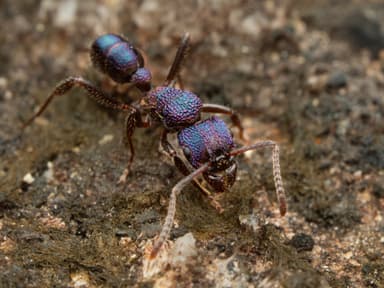
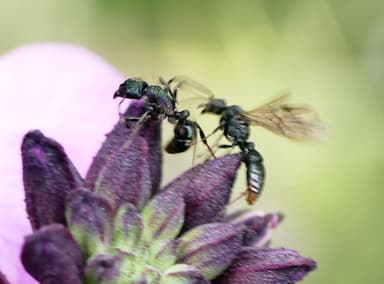
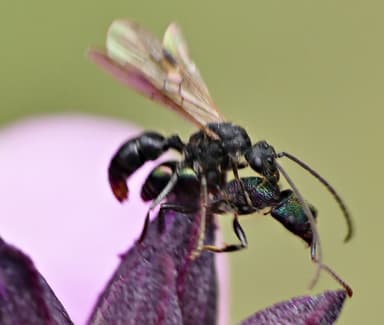
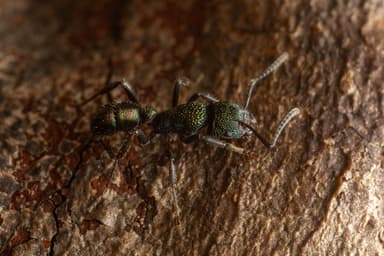
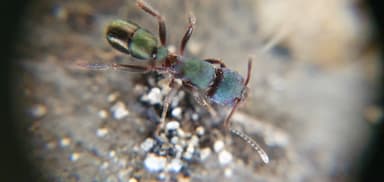
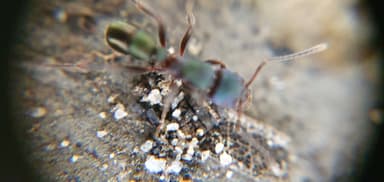
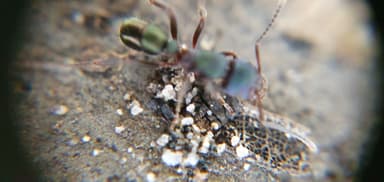
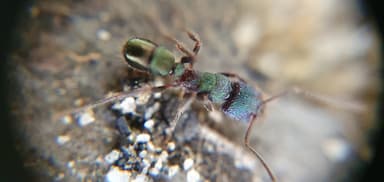
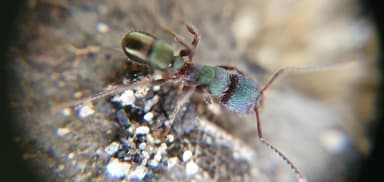
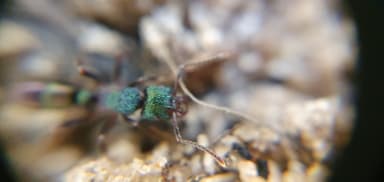
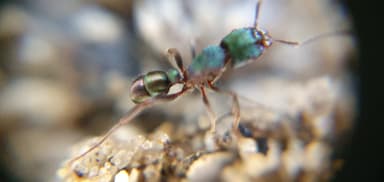
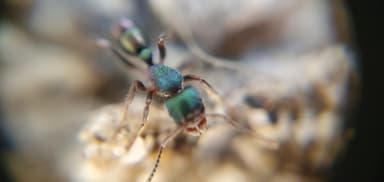
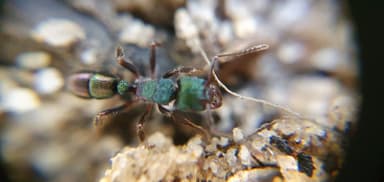
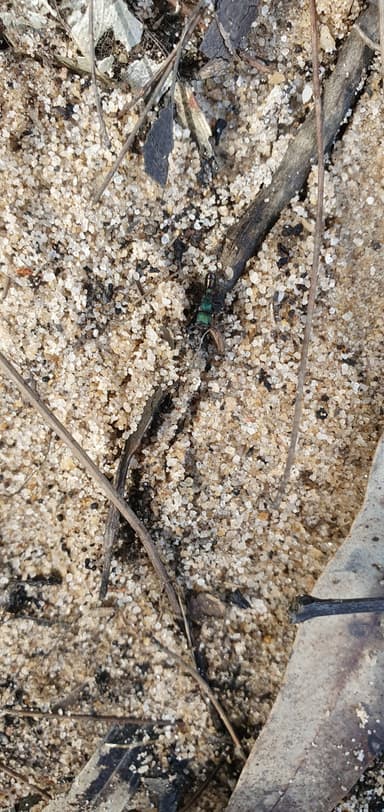
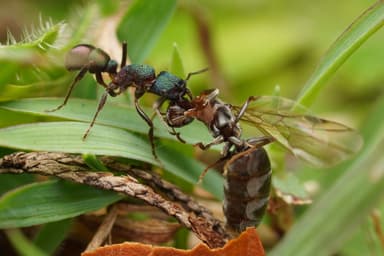
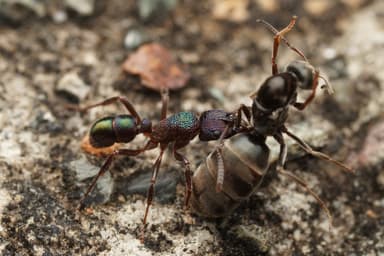
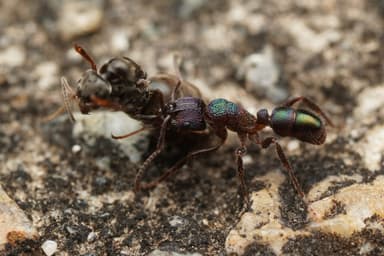
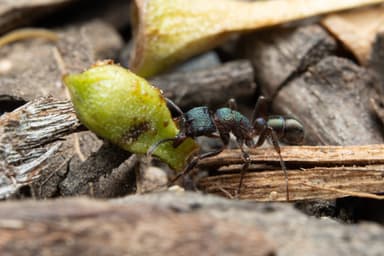
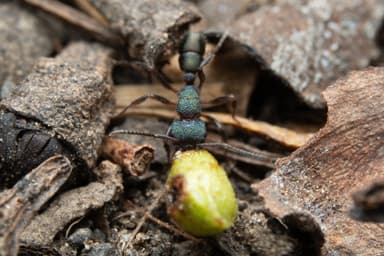
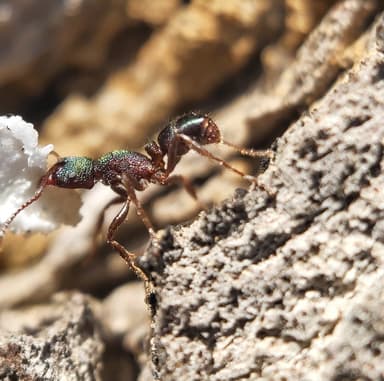
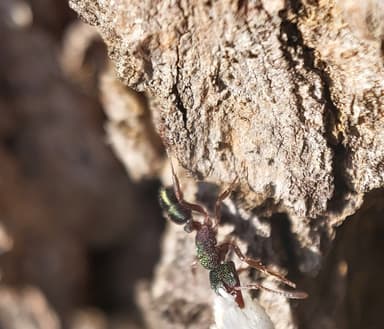
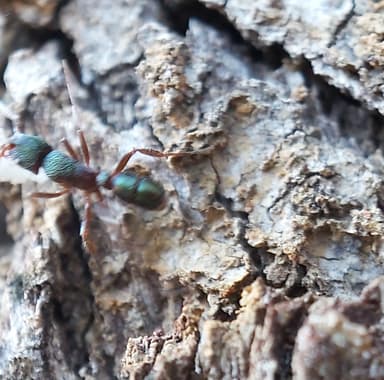
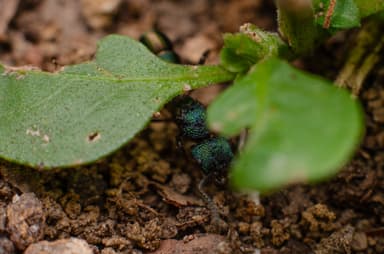
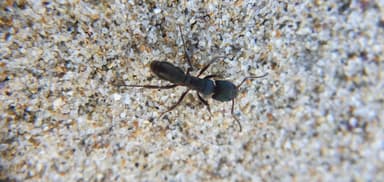
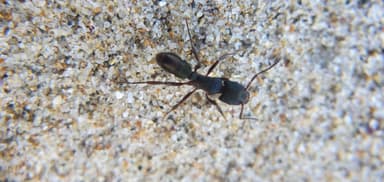
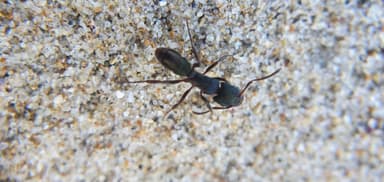
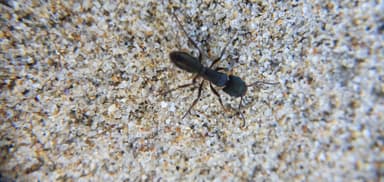
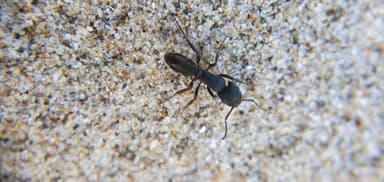
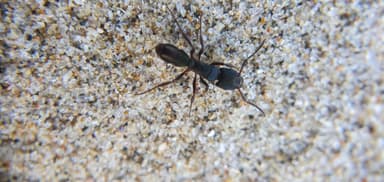
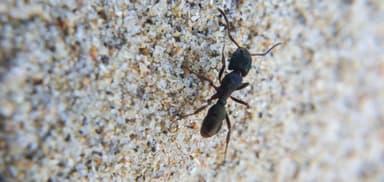
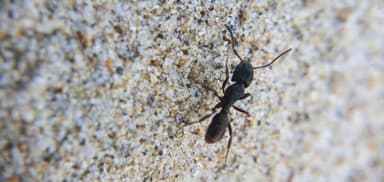
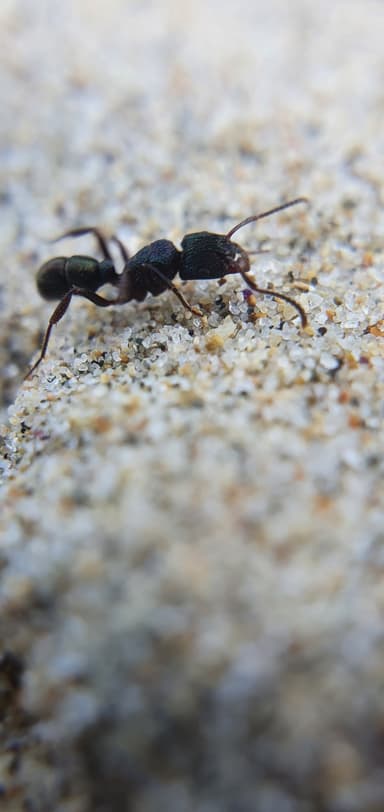
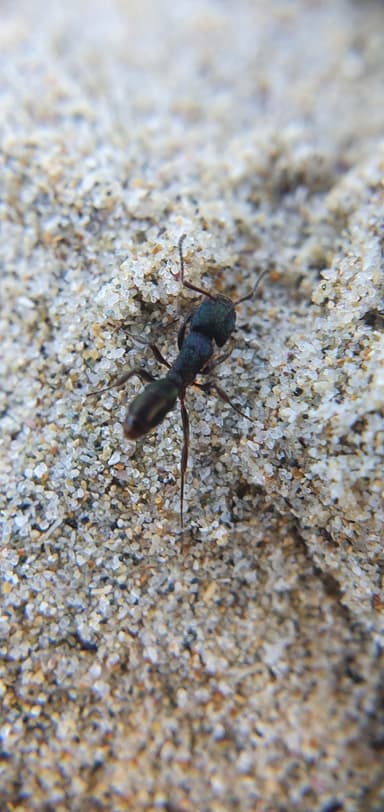
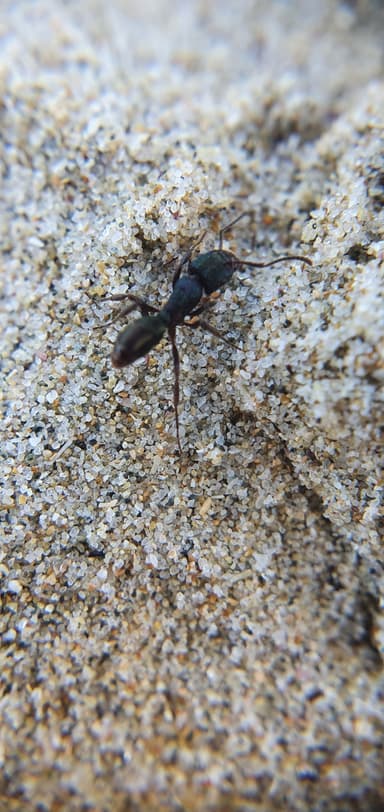
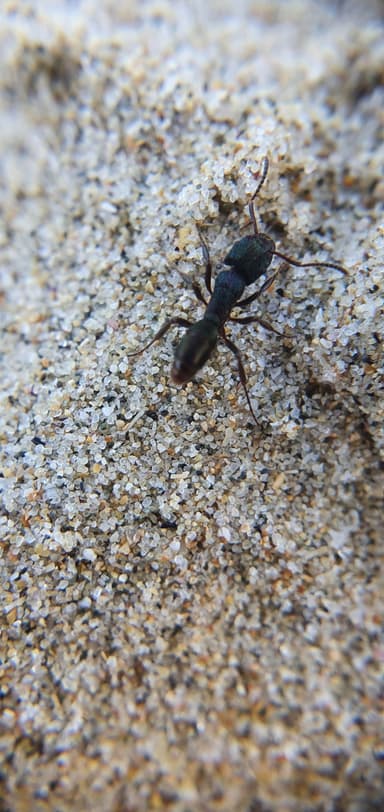
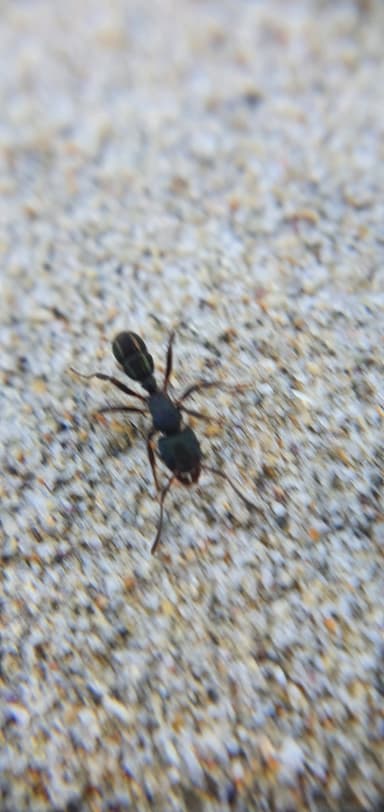
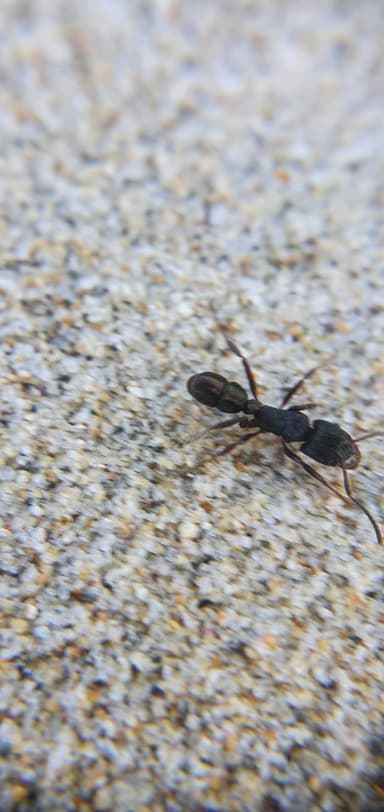
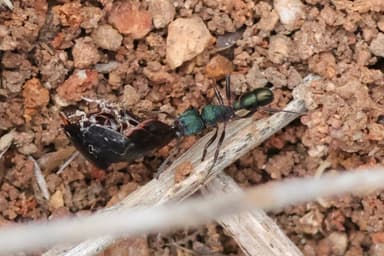
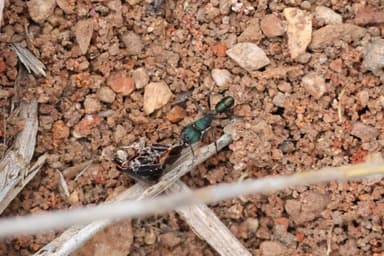
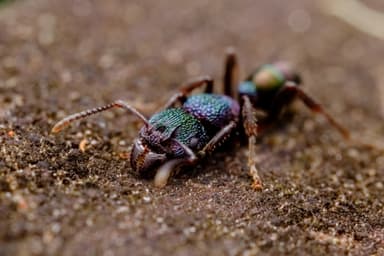
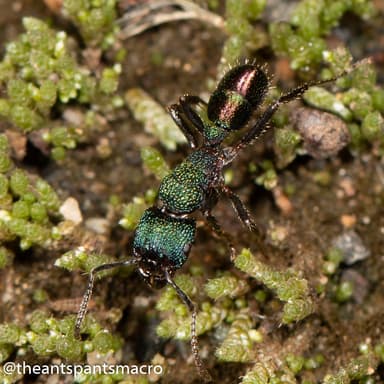
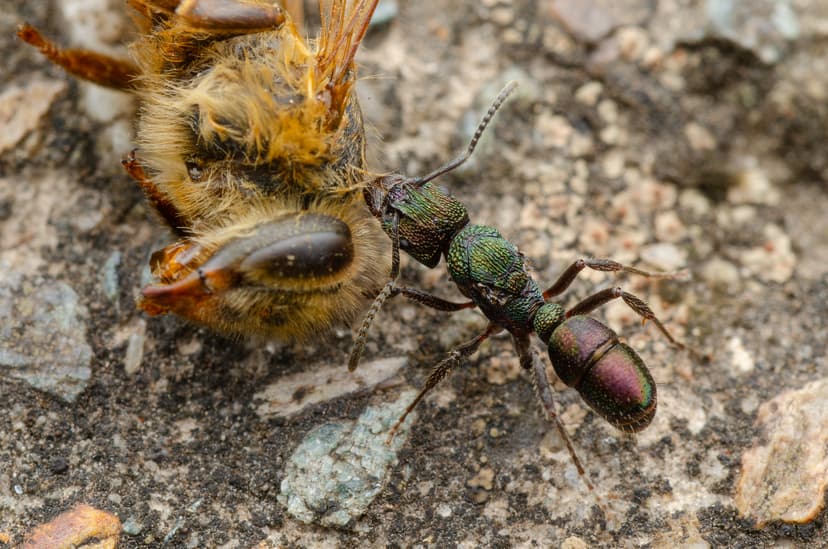
Rhytidoponera metallica, commonly known as the green-head ant, is one of Australia’s most visually striking and behaviorally fascinating ants. Workers are a robust 5–7 mm in length, while the larger reproductive individuals—whether winged queens or ergatoid gamergates—reach 6–8 mm. Their exoskeleton shimmers with metallic greens and purples, an iridescence that makes them stand out even among the diverse Australian ant fauna. In the wild, colonies are modest by mass-recruiting standards, peaking at around 1,500 individuals, and they lack the physical worker subcastes seen in many other ponerines; instead, all workers are monomorphic, though some mated workers develop functional ovaries and become reproductively active gamergates (Ward 1986). This dual reproductive pathway is a hallmark of the species: while many colonies reproduce via typical nuptial flights of winged queens during warm, humid spring and summer months (October to February), a great many rely entirely on ergatoid gamergates that mate inside the nest and never fly, creating a flexible and resilient colony structure that has captivated researchers for decades (Crosland & Crozier). Their semi-claustral founding means each new queen must periodically leave her initial chamber to hunt, adding an extra layer of interaction for the observant keeper.
In terms of care, R. metallica is an excellent entry point for beginners, provided the keeper respects their potent sting and fast, aggressive foraging style. The species tolerates a fairly broad window of conditions and does not require winter diapause, making it a rewarding year-round display animal. New keepers should be aware of the semi-claustral founding: queens cannot be sealed away and forgotten; they need small food items and water from the very first day. Once a colony is established with even a handful of workers, however, these ants are hardy, forgiving of minor husbandry mistakes, and endlessly entertaining to watch as they furiously drag prey back to the nest. Because they do not hibernate, they are ideal for anyone who wants constant activity without the logistical demands of controlled cooling. Their moderate temperature and humidity preferences also mean that a simple, carefully placed heat source and a water feeder are often all that is required to keep them thriving.
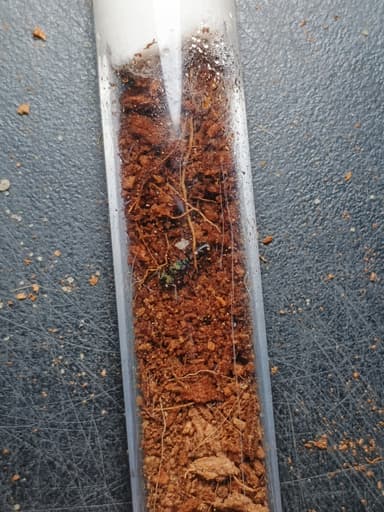
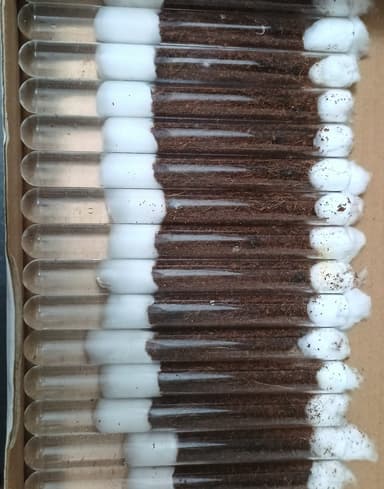
A comfortable home for a green-head ant colony focuses on replicating the warm, semi-arid to temperate conditions of their native Australian range, which stretches from the temperate south up into subtropical Queensland and across the interior (GBIF occurrence data). A glass or acrylic nest with a separate foraging arena works beautifully; they are ground nesters that appreciate a substrate of sandy loam or coco coir, but they adapt readily to plaster or ytong nests with a thin layer of sand. Temperature should be maintained between 20°C and 28°C, ideally with a gentle gradient so the ants can self-regulate. A heat mat placed under a portion of the nest, controlled by a thermostat, easily achieves this. Humidity is equally uncomplicated: aim for 50–70%, which can be provided by a water-filled test tube, a sponge in a water dish, or by lightly misting one corner of the nest every few days if the substrate is prone to drying. Good ventilation is crucial at these humidity levels to prevent mold, especially if using organic substrates. For founding queens, a classic test tube setup with a water reservoir plugged by cotton works perfectly, giving her a secure, humid chamber from which to launch her foraging trips.
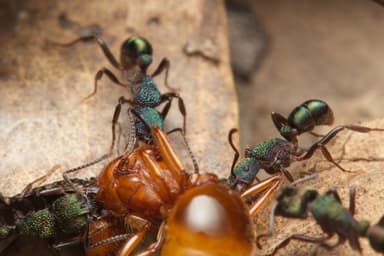
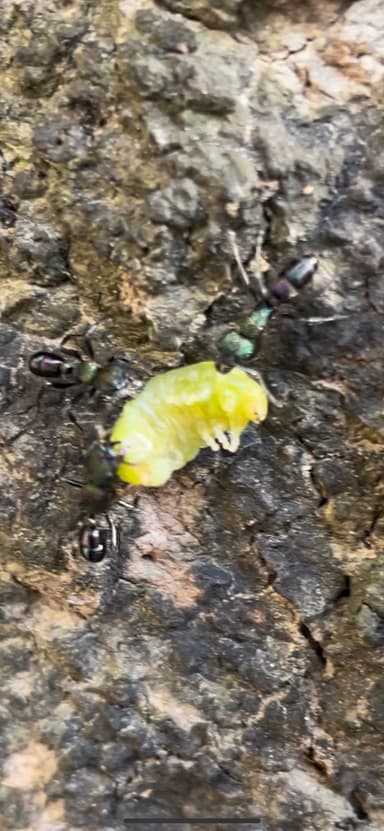
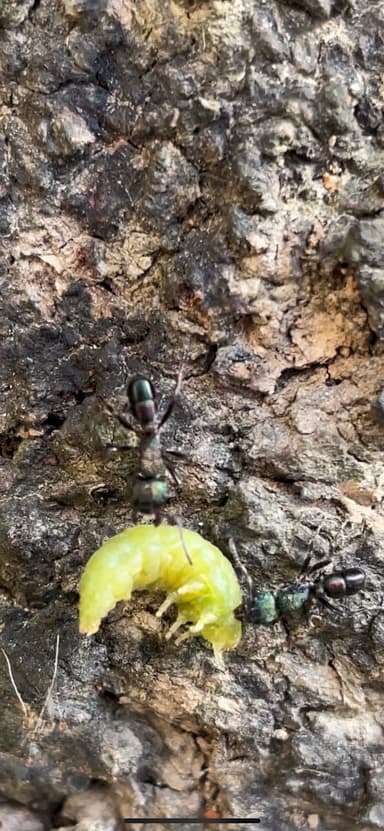
As avid hunters and scavengers, R. metallica thrives on a varied diet of protein and sugars. Offer small live or freshly killed insects—crickets, mealworms, fruit flies, and roach nymphs are all taken with gusto. Carbohydrates can come from sugar water, honey water, or small pieces of soft fruit such as apple or banana; they will drink eagerly from a saturated cotton ball or a tiny feeder. A founding queen should be fed immediately after she settles: place a pinhead-sized drop of sugar water and a pre-killed fruit fly just outside her tube’s cotton plug and watch as she ventures out to feed. Workers and growing colonies need food every two to three days, with portion sizes adjusted to colony size to avoid spoilage. Always provide a continuous source of clean water; a test tube drinker in the outworld is an easy solution. Remove uneaten protein after 24 hours to keep the foraging area clean.
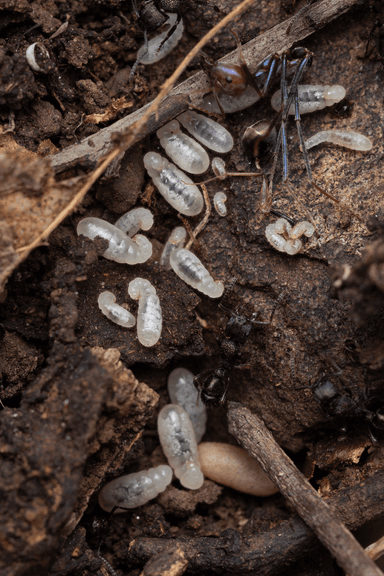
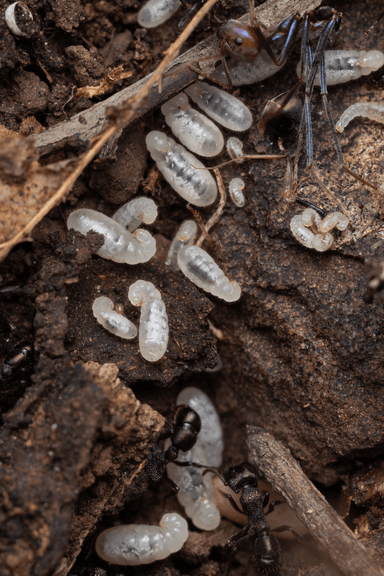
One of the great conveniences of this species is that it does not require a cooling period. Its native climate lacks a cold winter in the traditional sense, and colonies remain active year-round as long as ambient temperatures stay within their comfort zone. No artificial hibernation is necessary, and no seasonal light cycling is required, though a natural photoperiod won’t harm them. Should temperatures drop below 20°C for an extended period, workers may become sluggish, but a return to the optimal range quickly revives them. For the first few days after your ants arrive, patience is key. Place the tube or nest in a quiet, dimly lit area and resist the temptation to check on them for at least 24 hours. For a newly arrived founding queen, offer the tiny food items described above and observe from a distance: if she wanders out, feeds, and then returns to her brood pile, she is settling well. Avoid vibrations and bright light. Once the first nanitic workers appear, you can gradually increase feeding frequency and start offering slightly larger prey. The colony will gain confidence over the following weeks, transforming from a secretive startup into a bold, shimmering foraging force that is a true jewel of any collection.