Pheidole
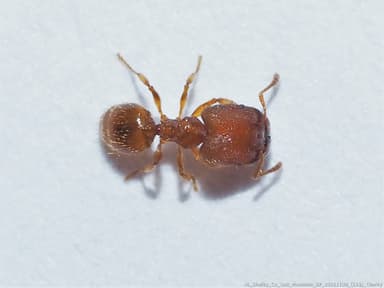
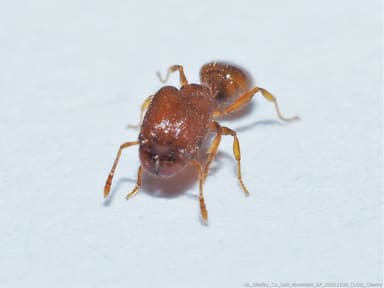
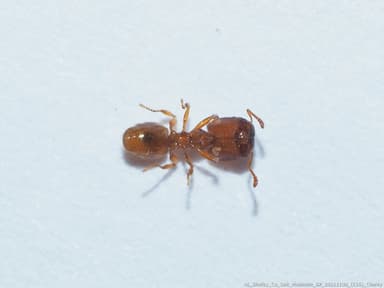
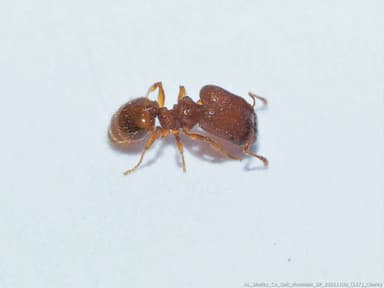
Pheidole dentigula
Nuptial Flight Calendar
Flight months: Jan, May, Jun, Jul, Aug, Sep
Care Guide
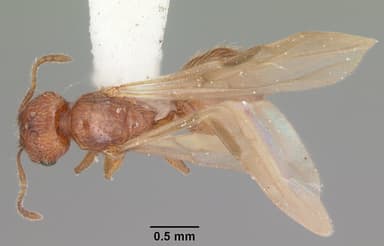
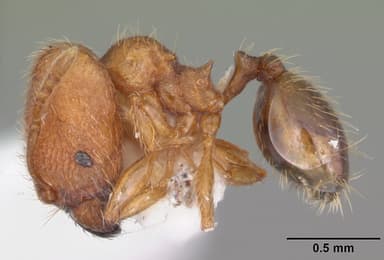
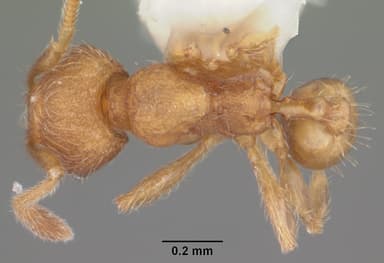
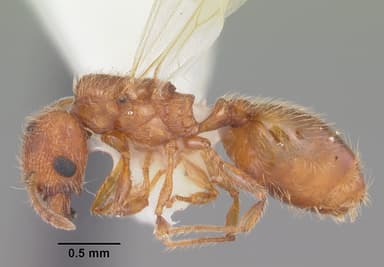
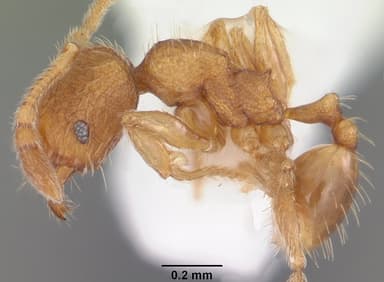
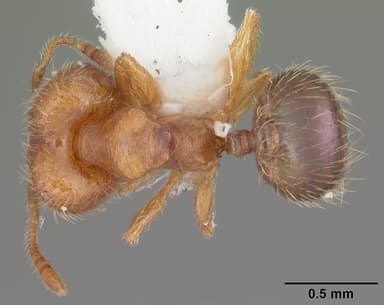
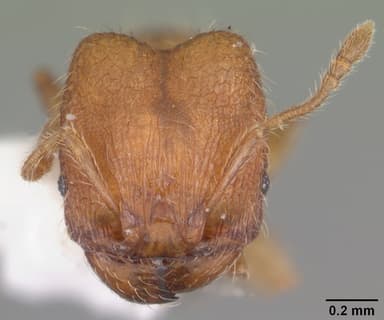
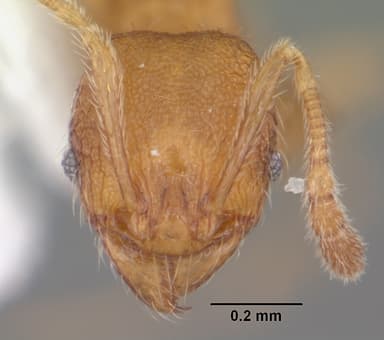
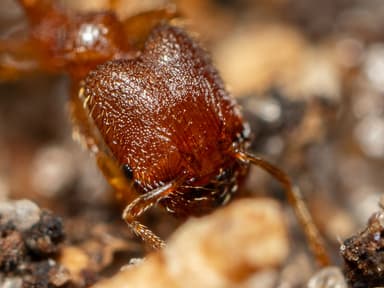
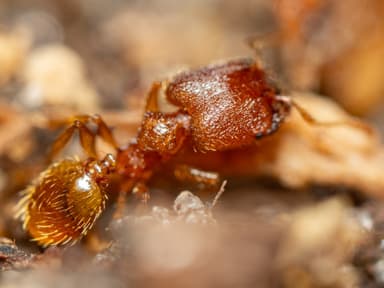
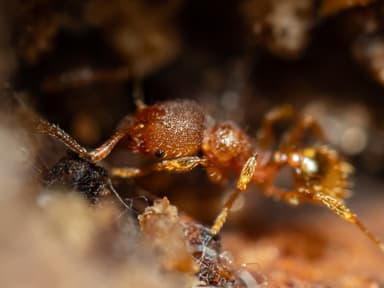
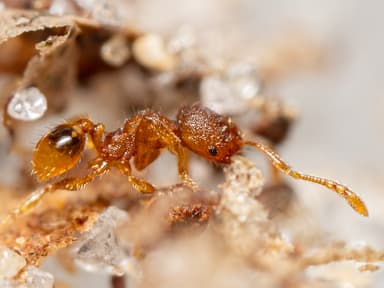
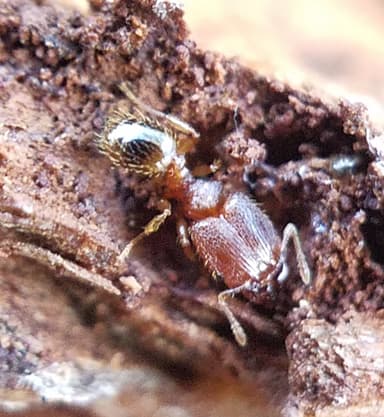
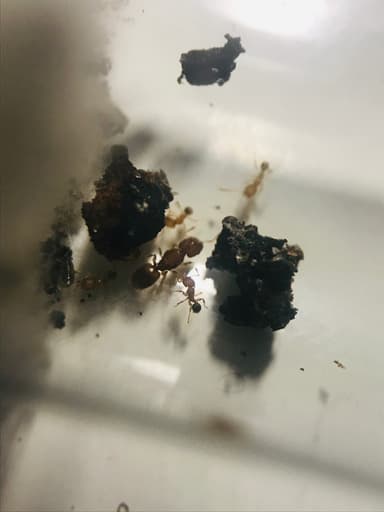
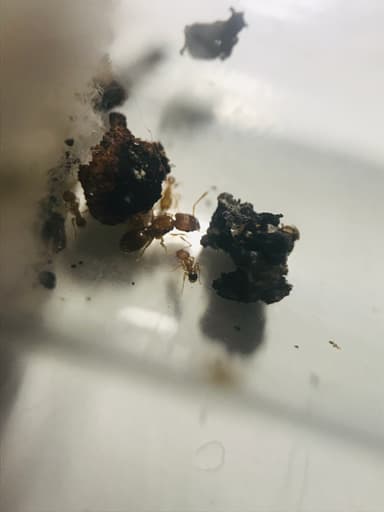
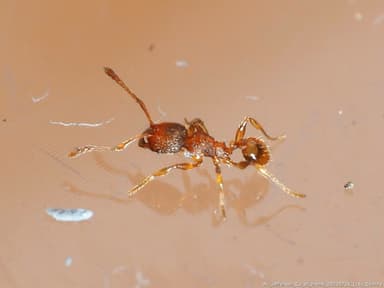
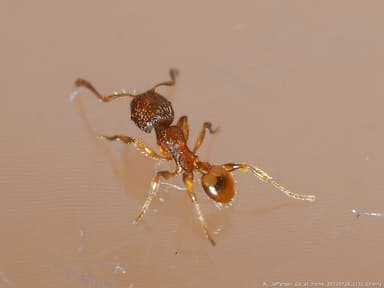
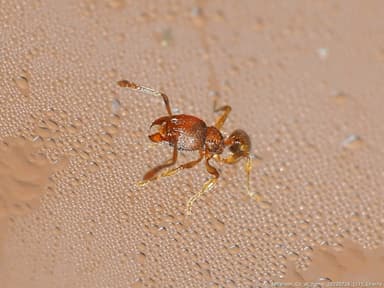
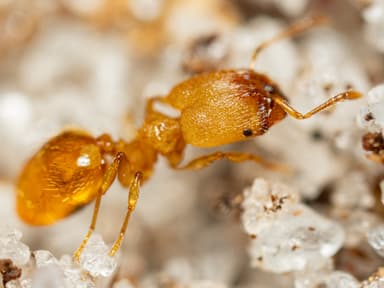
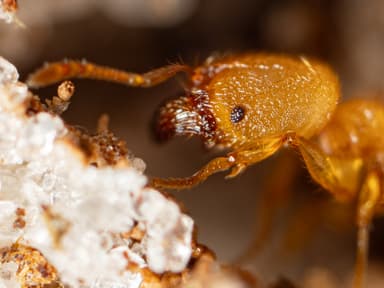
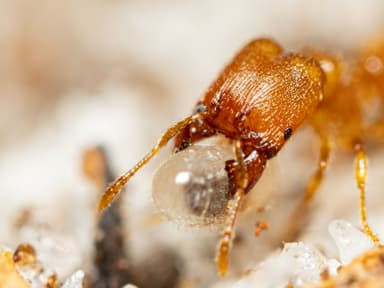
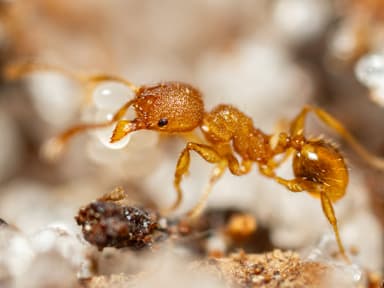
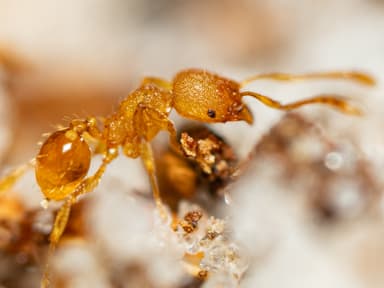
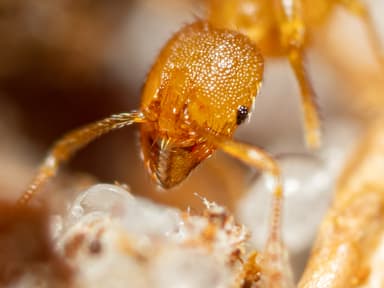
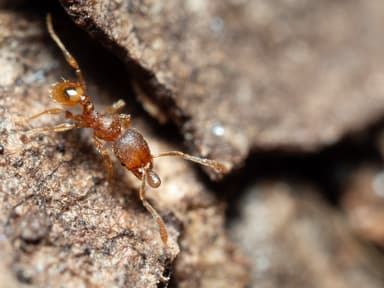
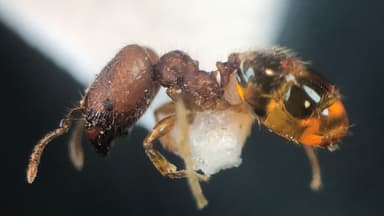
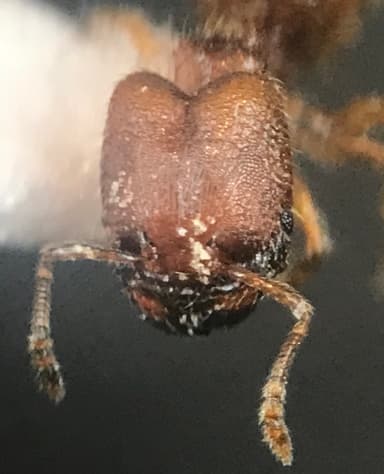
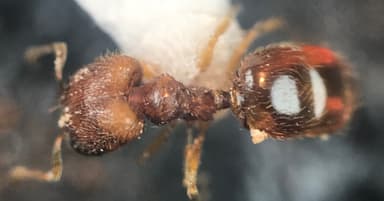
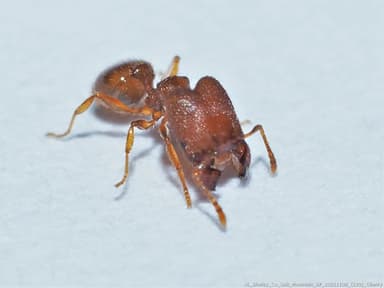
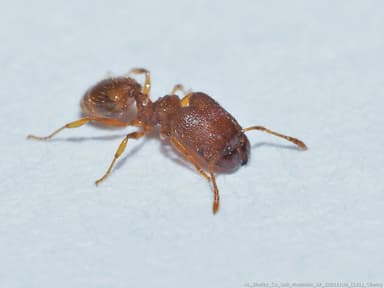
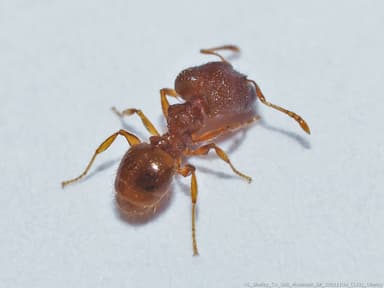
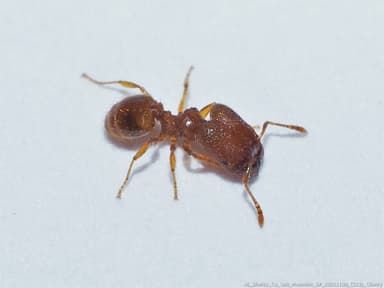
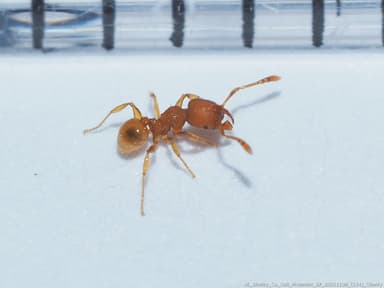
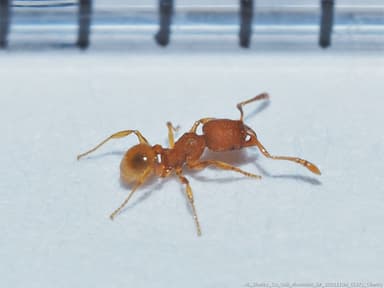
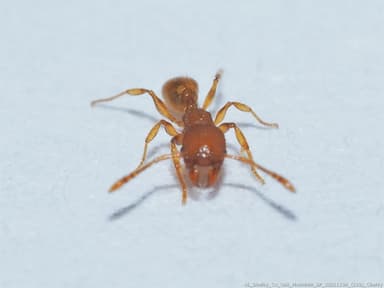
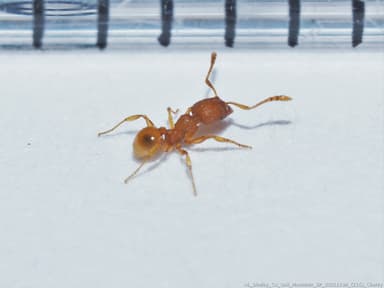
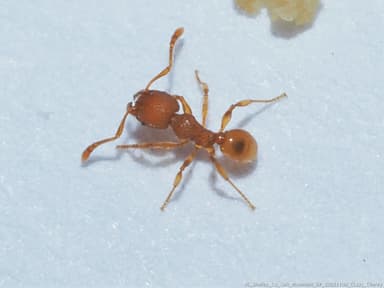
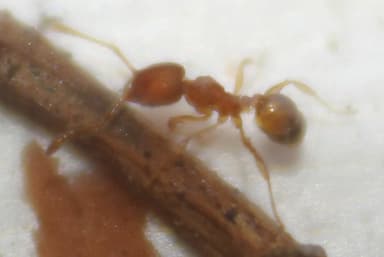
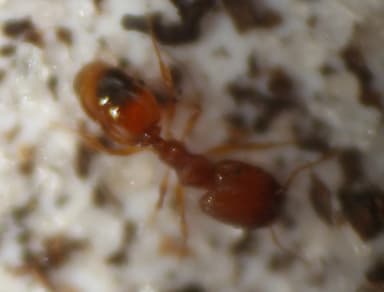
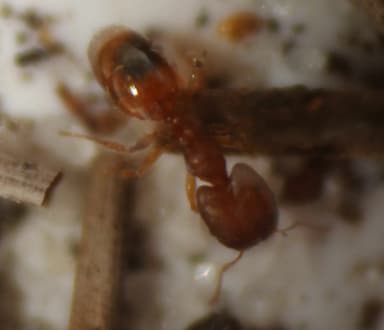
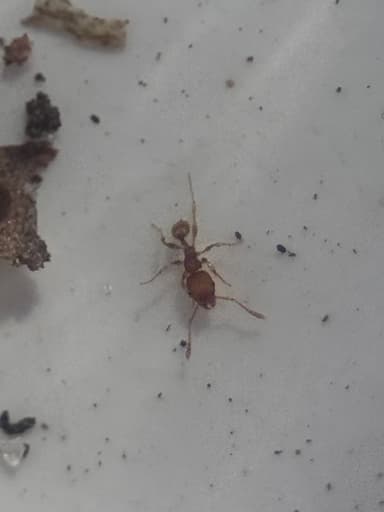
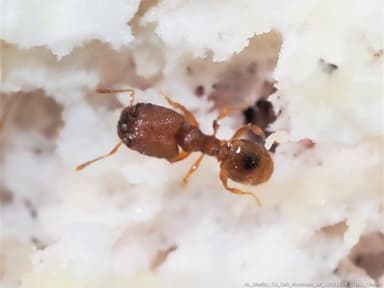
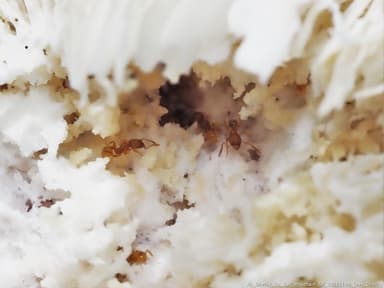
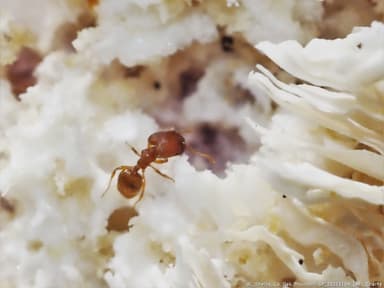
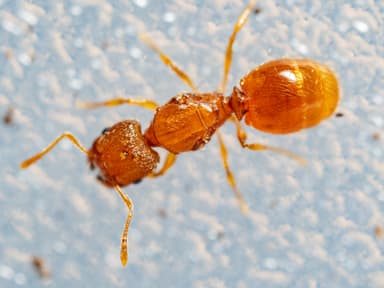
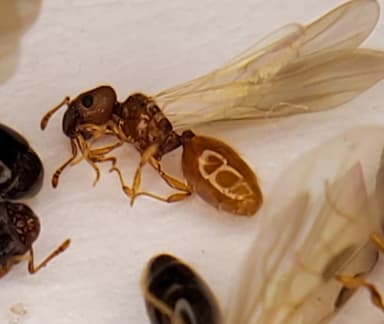
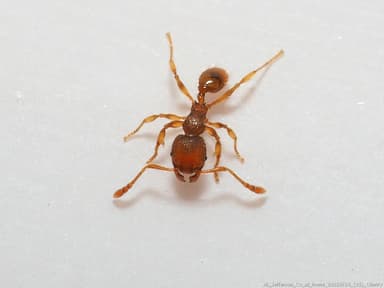
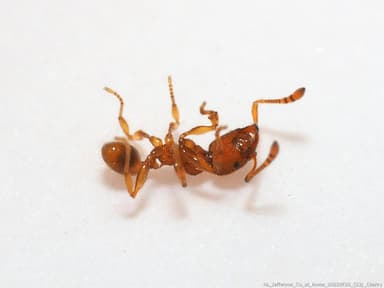
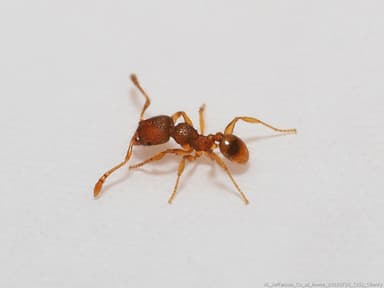
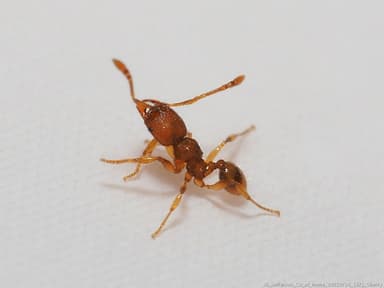
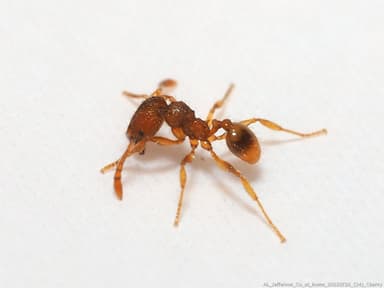
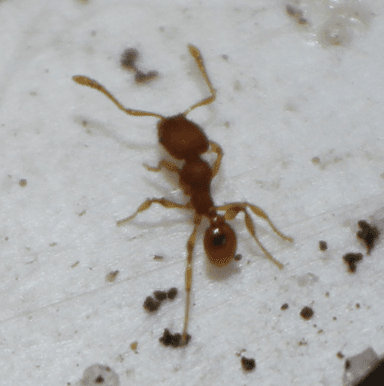
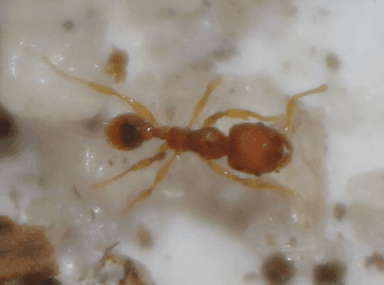
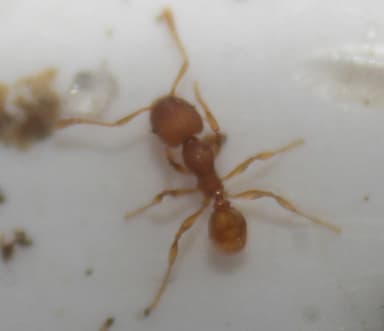
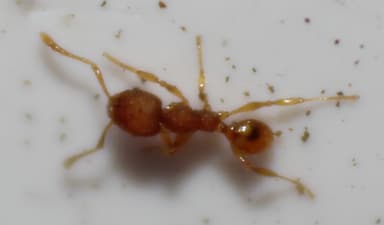
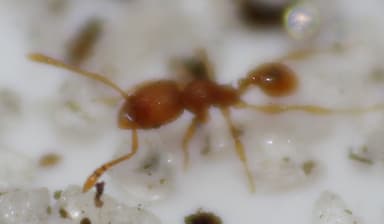
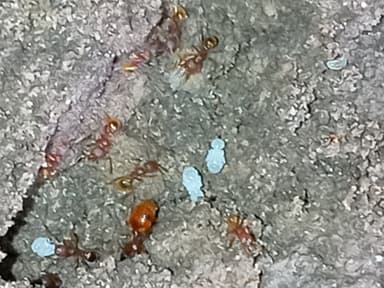
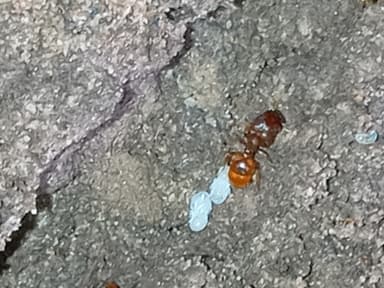
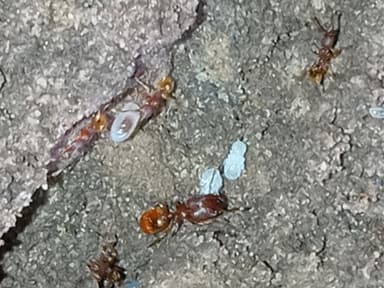
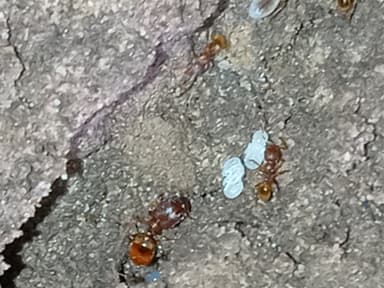
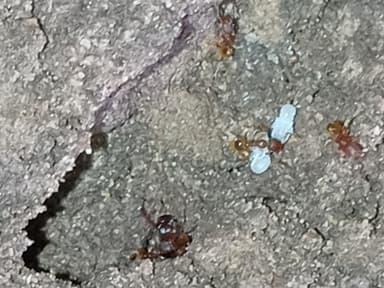
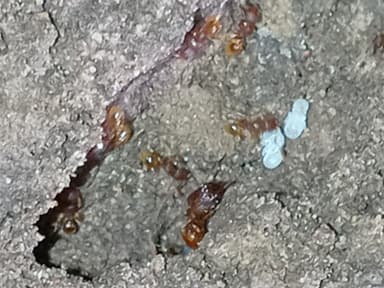
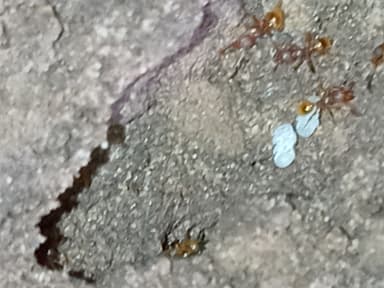
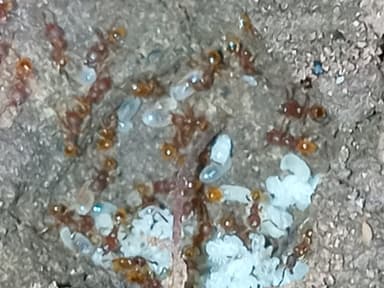
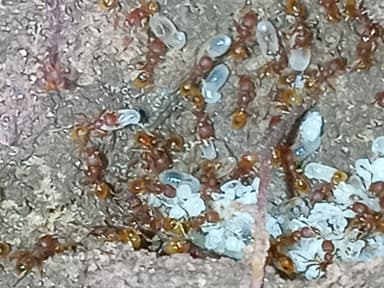
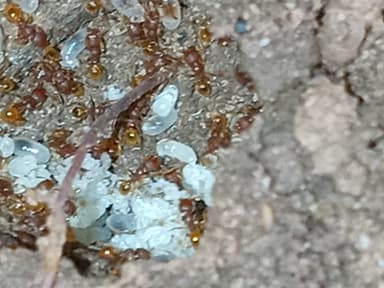
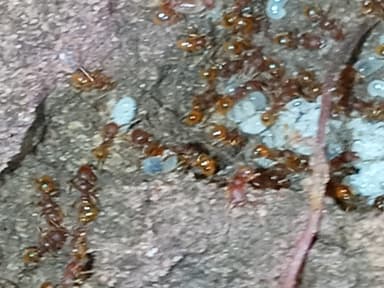
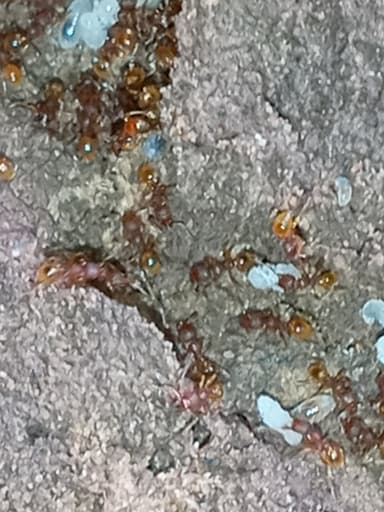
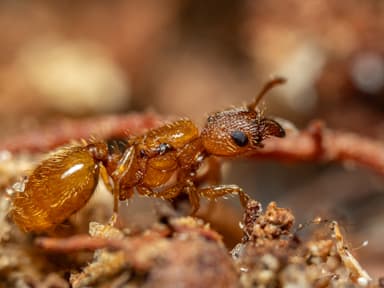
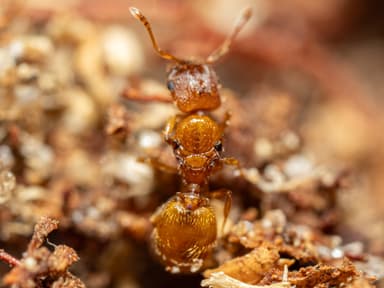
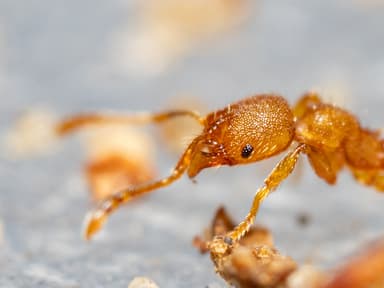
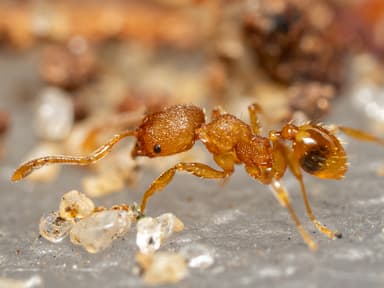
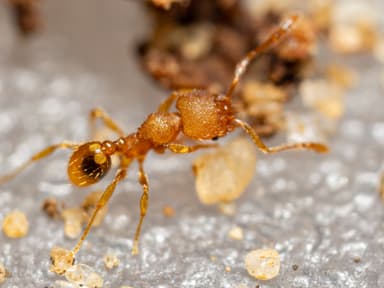
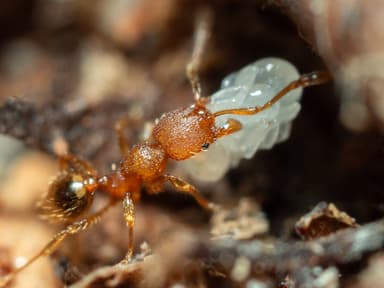
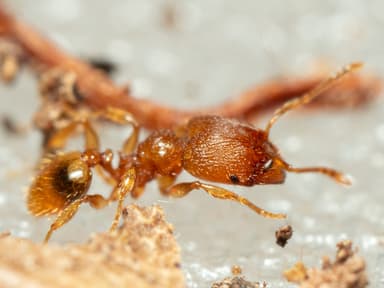
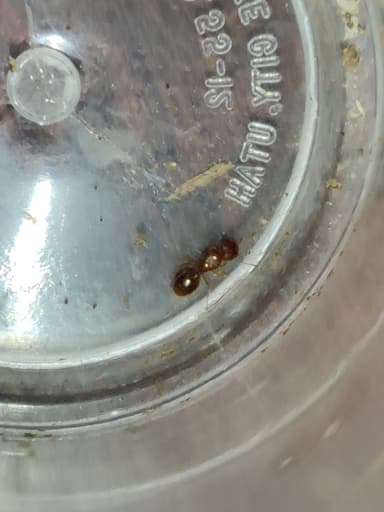
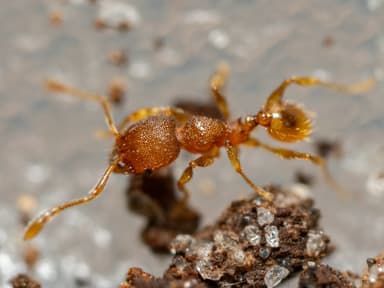
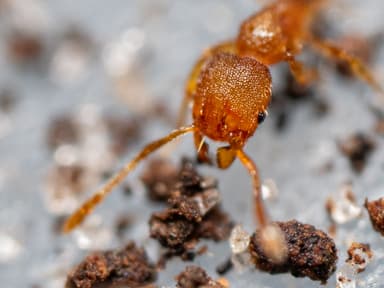
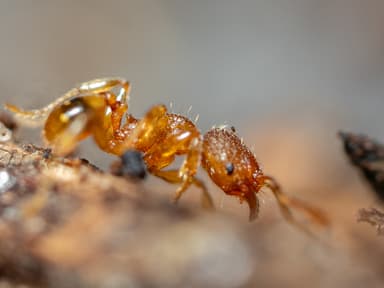
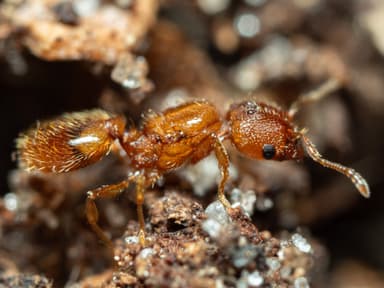
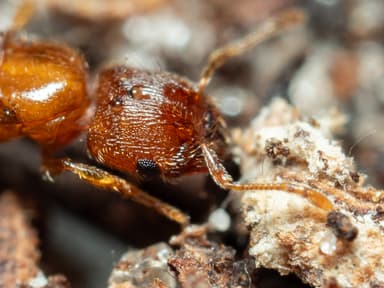
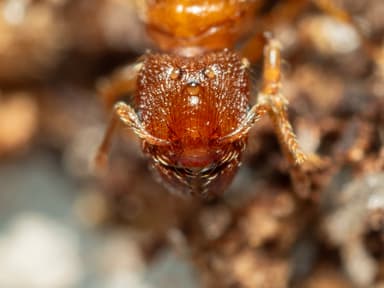
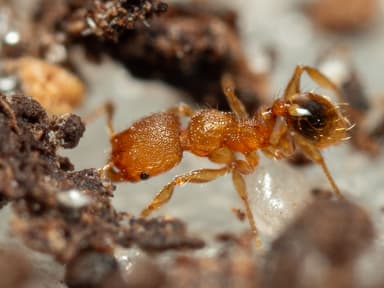
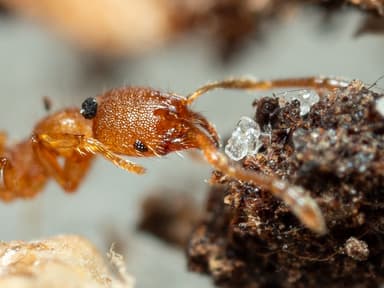
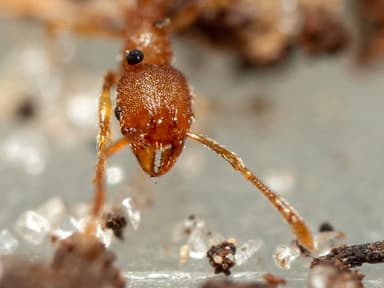
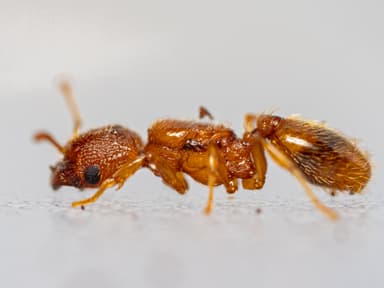
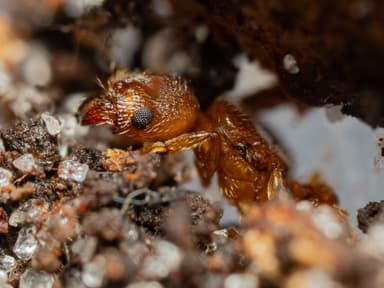
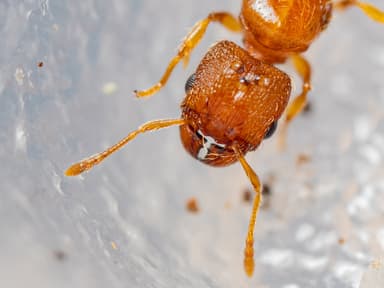
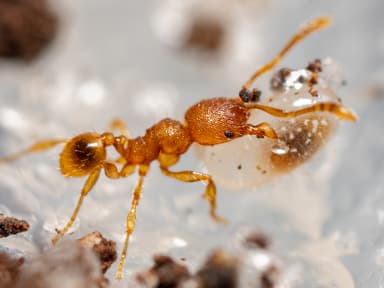
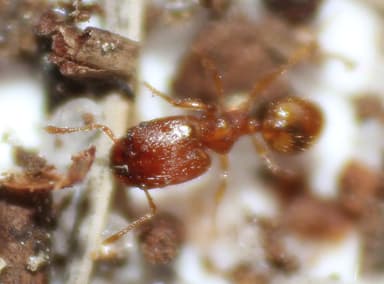
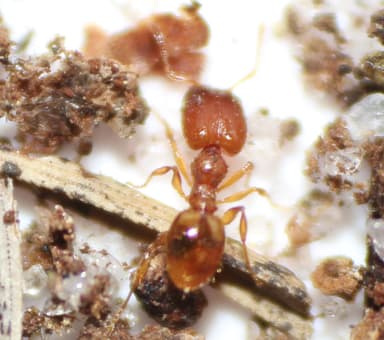
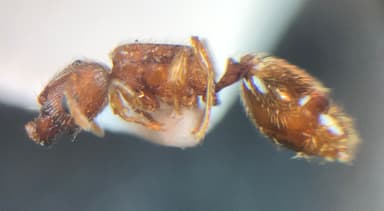
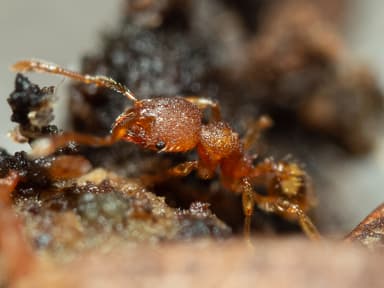
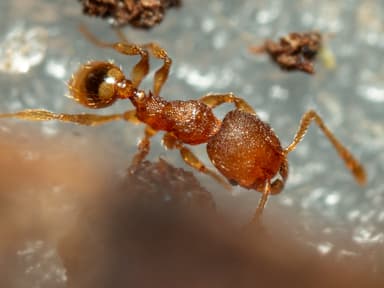
Pheidole dentigula is a polished, amber-brown ant native to the coastal plain and Piedmont regions of the southeastern United States, ranging from the Carolinas down to Florida and westward into eastern Texas. First described by M. R. Smith in 1927, it belongs to one of the world’s most species-rich ant genera, famed for its dramatic caste dimorphism. Queens measure a modest 3.5 to 4.2 millimeters, while workers range from 1.6 to 2.4 millimeters, displaying two distinct castes: a sprightly, abundant minor worker and a much less numerous major worker whose oversized head and mandibles give it the classic “big-headed” appearance that defines the genus. These majors serve chiefly as seed crackers, food storage vessels, and defenders. Colonies are monogynous and founded claustrally, meaning a mated queen seals herself away and raises her first brood without foraging. Mature colonies can reach around 3,000 individuals, a bustling, fast-moving society that is fascinating to observe. Nuptial flights appear to occur during warm, humid evenings after summer rains, with records concentrated from June through September, though detailed flight data remain scarce (Smith 1927; Wilson 2003).
This species is best categorized as intermediate in care difficulty, making it an excellent stepping stone for a keeper who has successfully maintained a beginner species like Lasius or Tetramorium and is ready for a more dynamic colony. The primary challenge is their exceptionally small size: minor workers are minuscule, capable of squeezing through the tiniest gaps and scaling most vertical surfaces with ease. A meticulous escape barrier—such as a careful application of PTFE fluid (Fluon) on all outworld rims, paired with tight-fitting, fine-mesh ventilation—is non-negotiable. Beyond that, Pheidole dentigula are surprisingly hardy, tolerant of a range of conditions, and their colonies grow rapidly when well fed. They are perfect for the enthusiast who wants to witness the full arc of colony development, from a lone queen to a thousand-strong force, without the multi-year waits typical of larger species. Their ever-active foraging, intricate task allocation between minors and majors, and the sheer number of individuals make them a constantly captivating display.
A secure, humidity-controlled formicarium is central to their well-being. Nests made of plaster, Ytong (aerated concrete), or grout offer excellent moisture retention and allow the colony to choose a preferred microclimate. Given their small size, a founding setup that can be gradually expanded—such as a classic test tube placed inside a small outworld—works beautifully for the early months. Once the colony numbers a hundred or more workers, they can be supplemented with a multi-chamber nest or a soil-based vivarium where they may excavate. Maintain the nest at a steady gradient between 60 and 80 percent relative humidity; too dry a nest will quickly cause brood desiccation, while prolonged saturation may encourage fungal blooms. Temperature should be held between 22 and 28 degrees Celsius. A small heating cable or mat applied to one side of the nest creates a thermal gradient, letting the colony regulate its own brood development. In the outworld, a thin layer of fine sand or sandy loam provides purchase and allows workers to deposit debris, which should be cleared occasionally. Good ventilation is essential to prevent condensation from blocking their view, but always align vent holes with fine stainless-steel mesh too narrow for workers to traverse.
Feeding Pheidole dentigula is a straightforward but rewarding task that highlights their caste system. They require a balance of protein and carbohydrates, and unusually for ants, they eagerly accept small seeds as a carbohydrate-rich, storable resource. Offer crushed seeds from grasses, dandelions, or commercially available ant mixes; majors will be seen laboriously cracking them open with their powerful mandibles. For protein, provide freshly killed fruit flies, pinhead crickets, or small pieces of mealworm, lightly pre-crushed to allow minors access. Carbohydrates in liquid form—diluted honey, maple syrup, or byFormica™ Ant Nectar—are taken with enthusiasm and shared among workers. Always supply clean water in a test tube or sipper. Feed small portions every one to three days, promptly removing any uneaten prey to prevent mold and mites. As the colony grows, their appetite will soar; a mature colony of a few thousand workers may astonish a new keeper with how quickly they can disassemble a cricket.
One of the most attractive aspects of this species for indoor keeping is that they do not require a hibernation period. Unlike temperate ants that must be chilled to cue normal yearly cycles, Pheidole dentigula remains active throughout the year, providing constant interest. They may slightly reduce brood production if ambient temperatures dip in the winter months, but there is no biological necessity for a cold diapause. Simply keep their nest within the standard temperature range, and they will continue to forage, expand their nest, and rear larvae year-round, a particular boon for keepers who do not have access to a dedicated cooling space.
When your colony first arrives, usually as a mated queen with a small clutch of workers inside a shipping test tube, patience is everything. Place the sealed tube in their new outworld and let them acclimate to the vibrations and light of your space for at least 24 hours without any disturbance. Your first offering can be a tiny dab of sugar water placed just inside the tube’s entrance or on a small shiny tray in the outworld; they will often ignore it initially, and that is perfectly normal. After another day or two, introduce a freshly killed, small fruit fly. Watch from a distance for signs of feeding, and avoid the temptation to periodically shake the tube or tap on the glass. A stressed colony will constantly run about, tug at the cotton bung, or pile brood against the water barrier. If this persists for more than a day, drape a thin cloth over the setup to provide darkness and security. Once the population reaches about 50 workers, they will naturally begin exploring the outworld, at which point you can connect a larger nest and watch your colony truly flourish.