Paraponera
Paraponera clavata
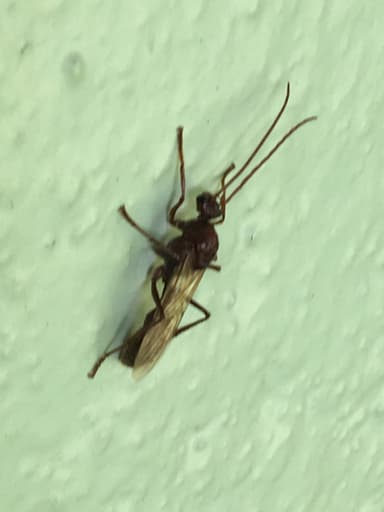
Nuptial Flight Calendar
Flight months: Apr, May, Jun
Care Guide
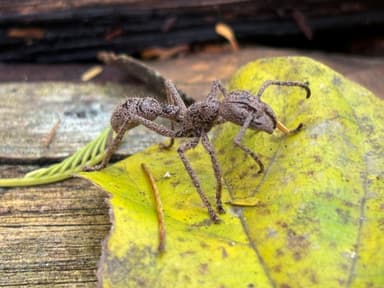
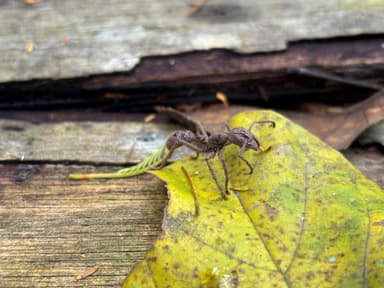
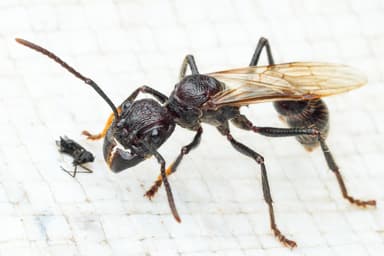
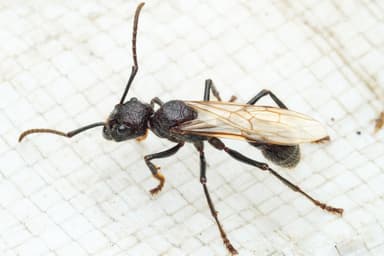
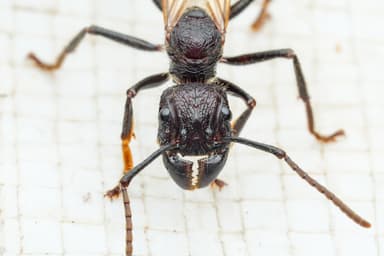
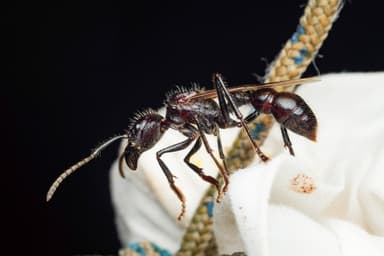
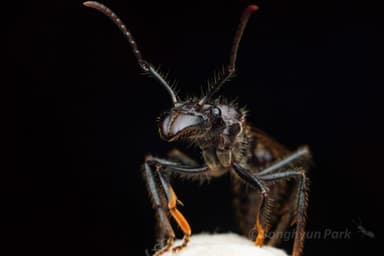
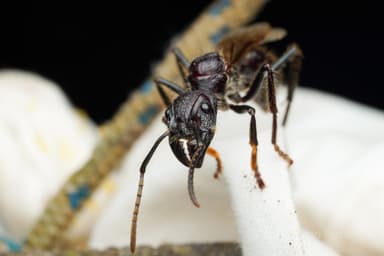
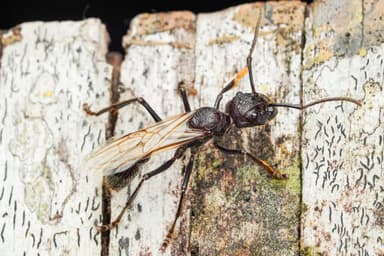
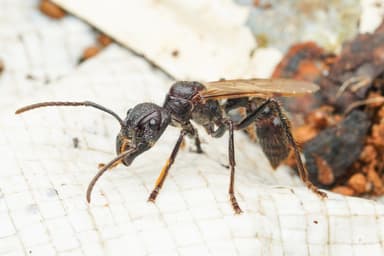
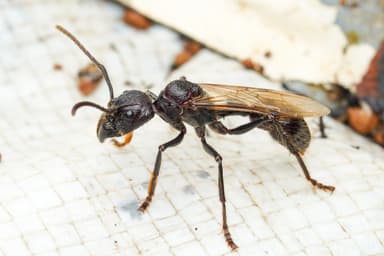
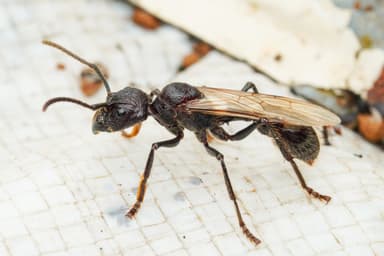
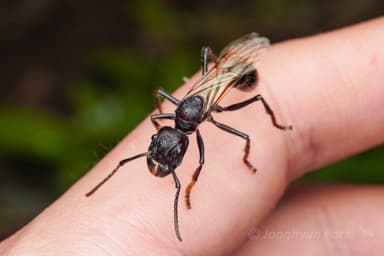
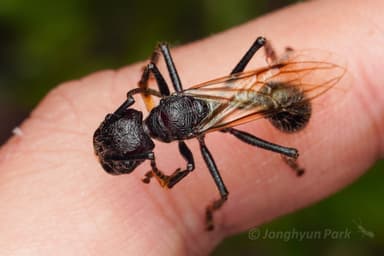
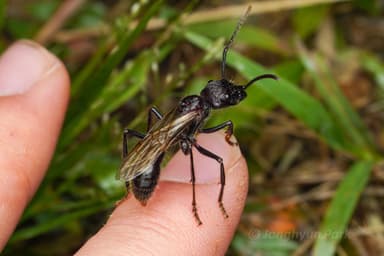
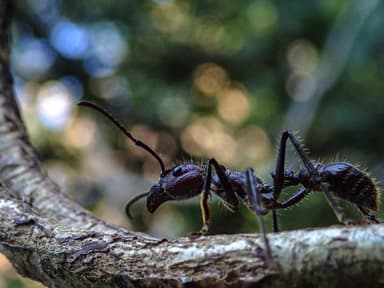
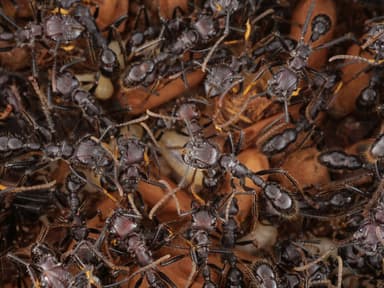
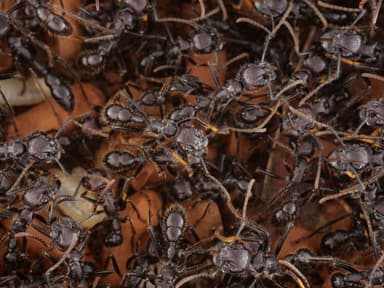
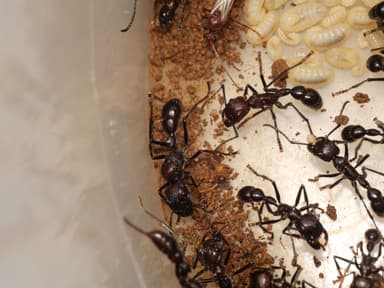
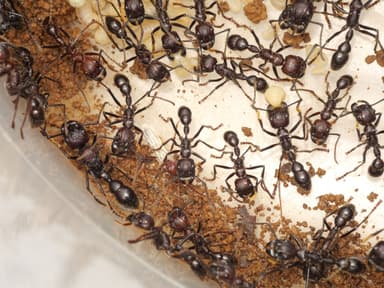
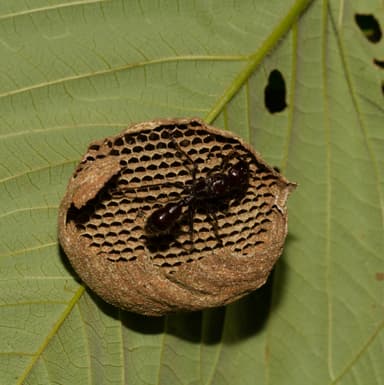
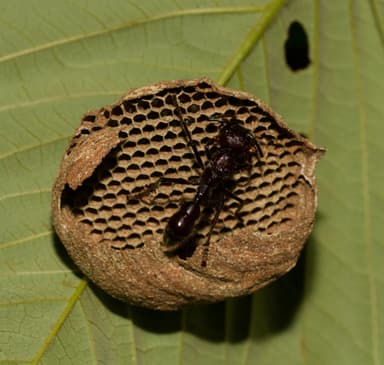
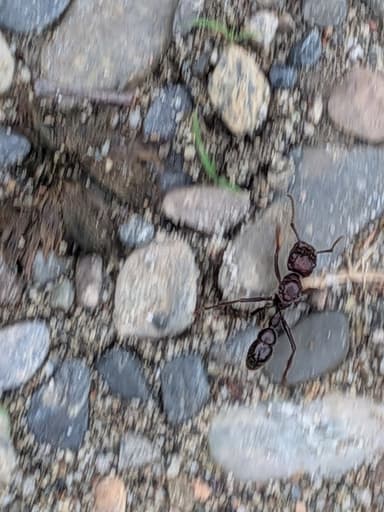
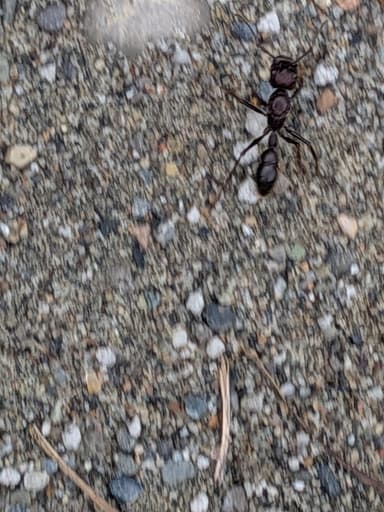
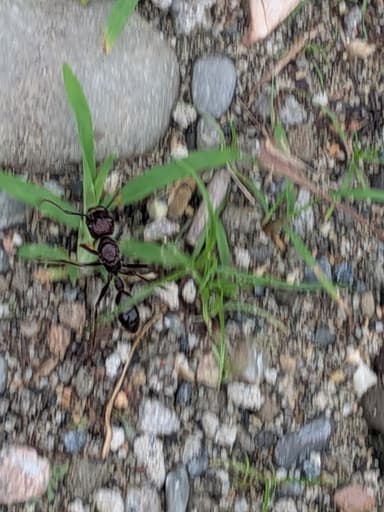
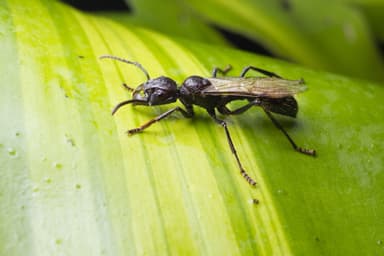
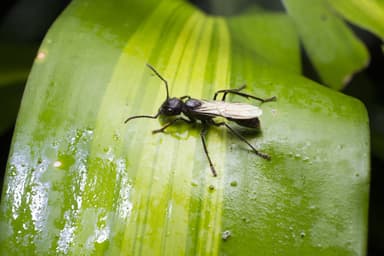
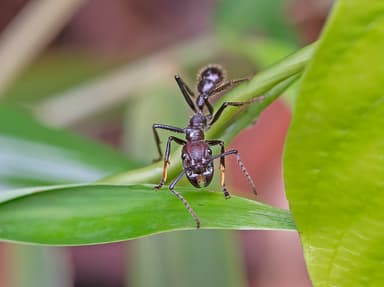
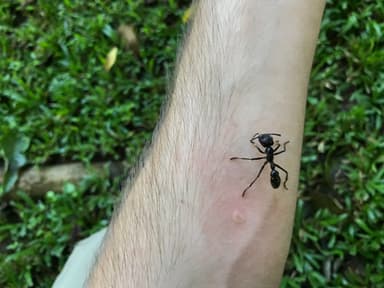
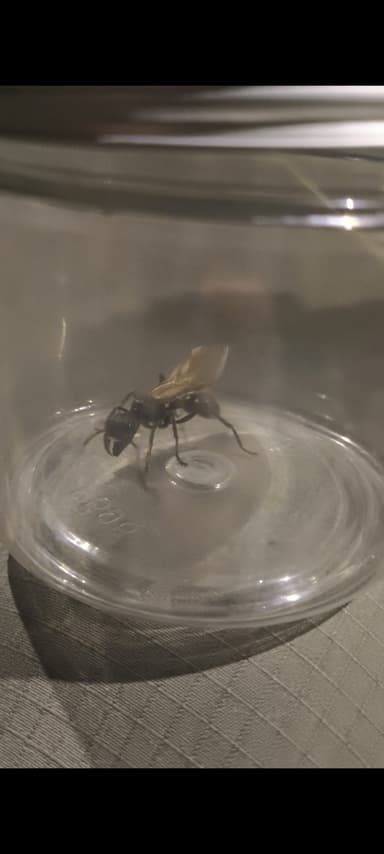
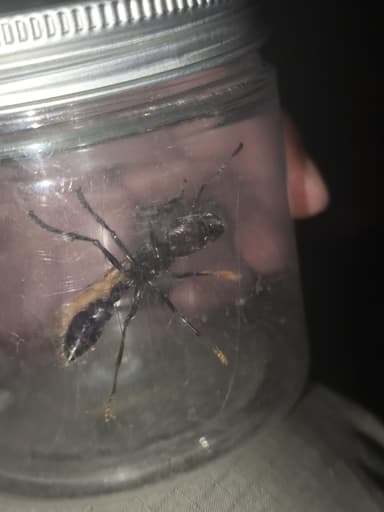
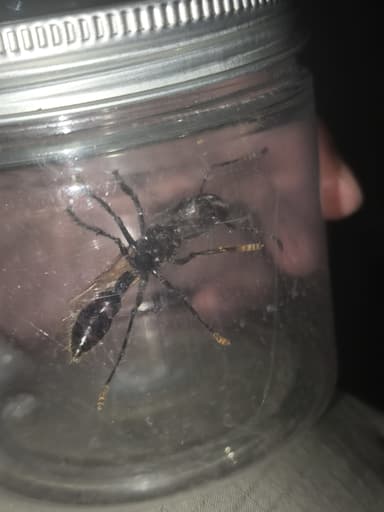
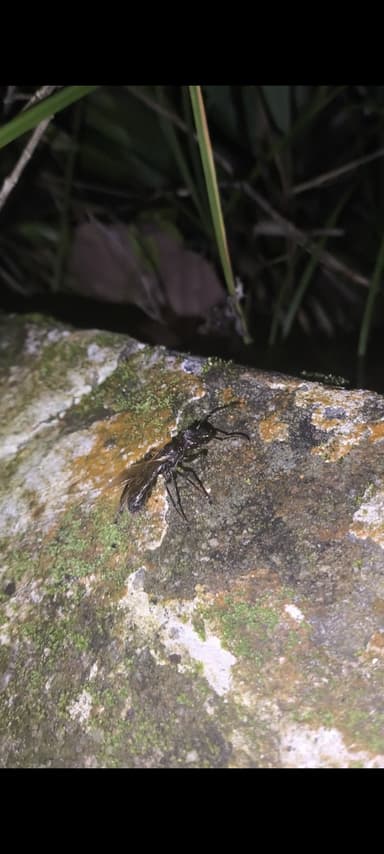
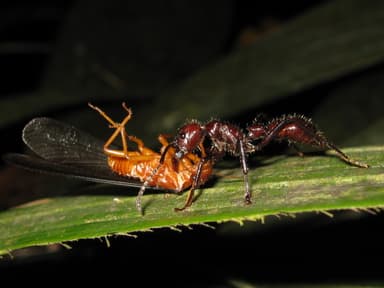
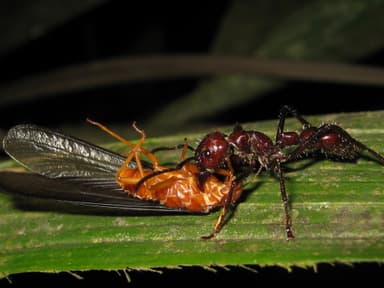
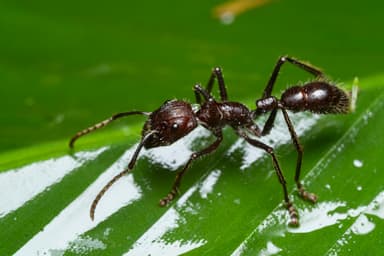
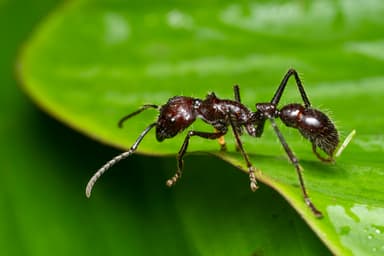
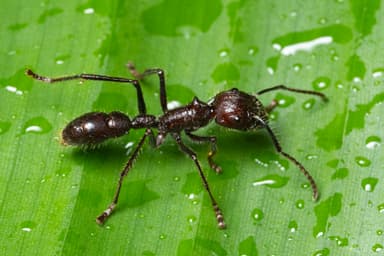
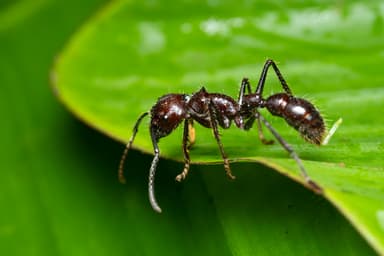
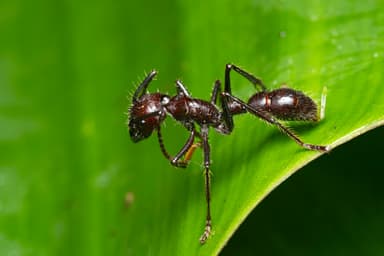
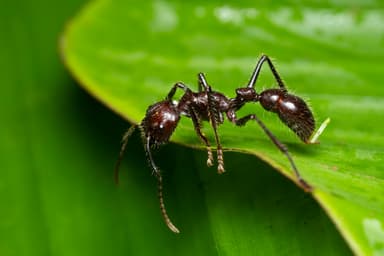
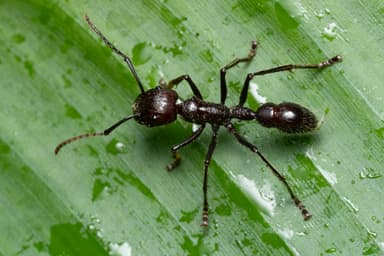
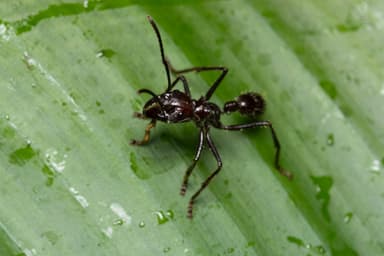
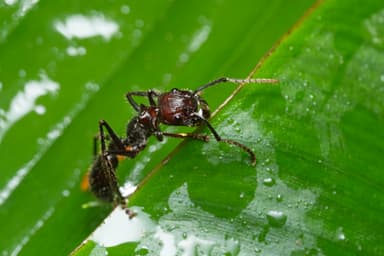
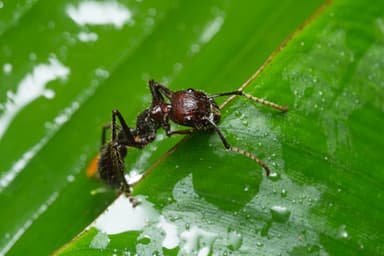
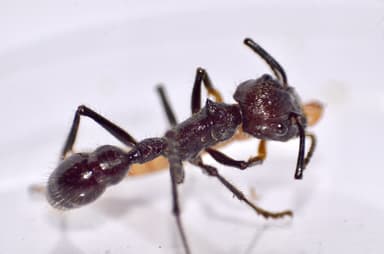
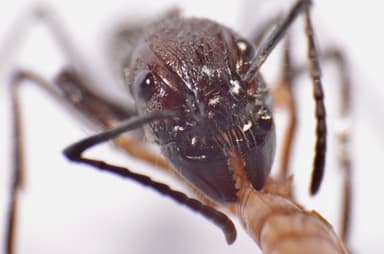
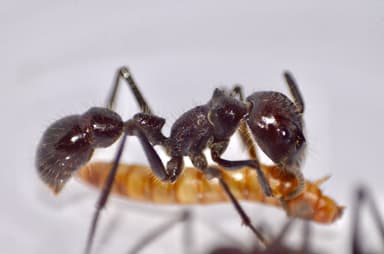
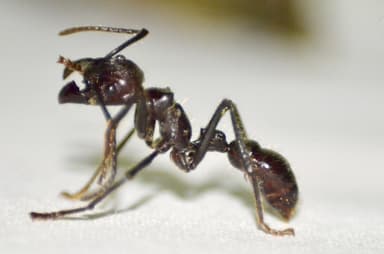
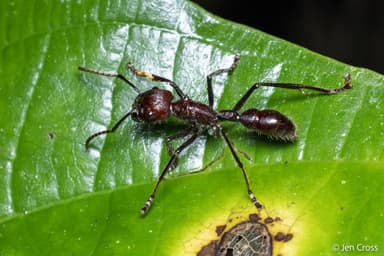
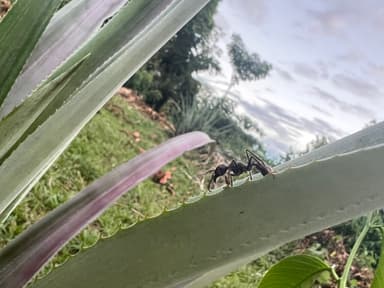
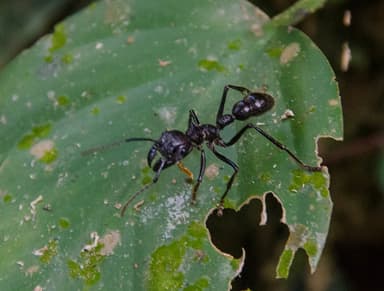
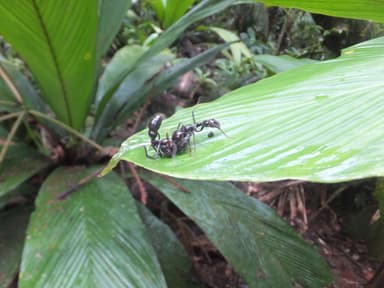
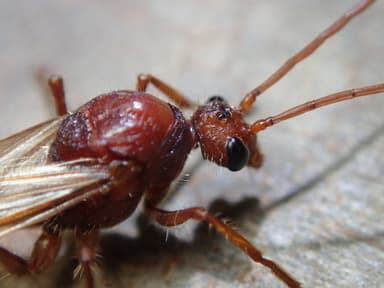
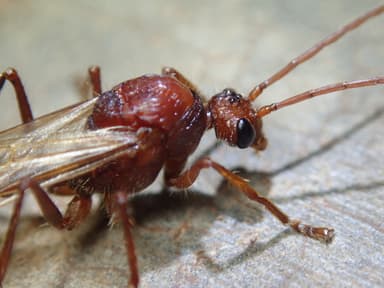
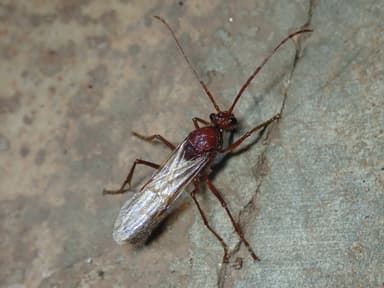
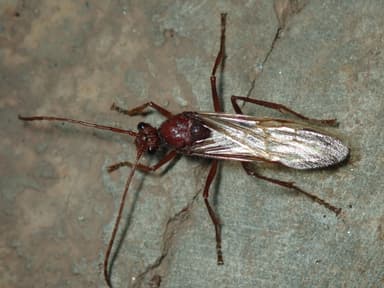
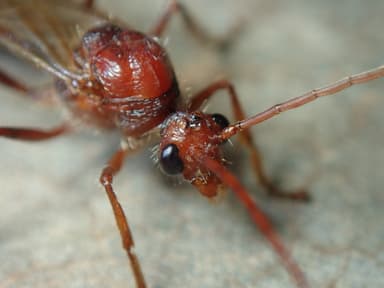
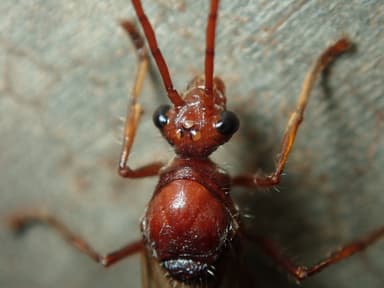
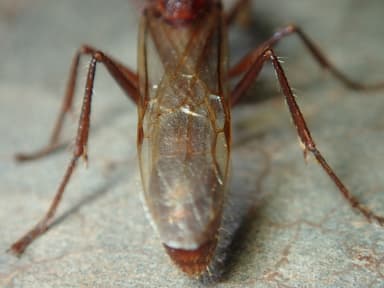
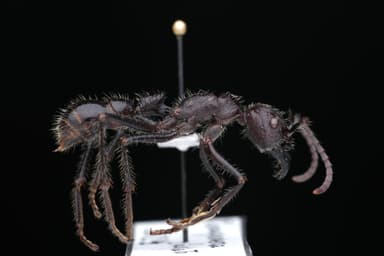
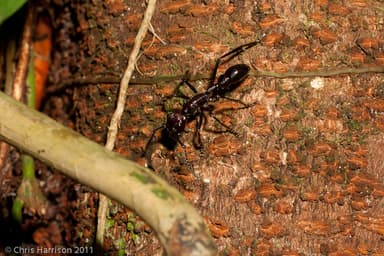
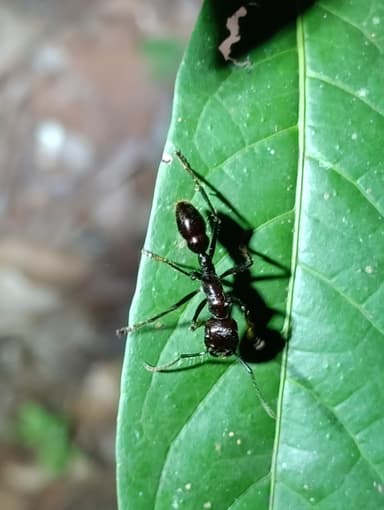
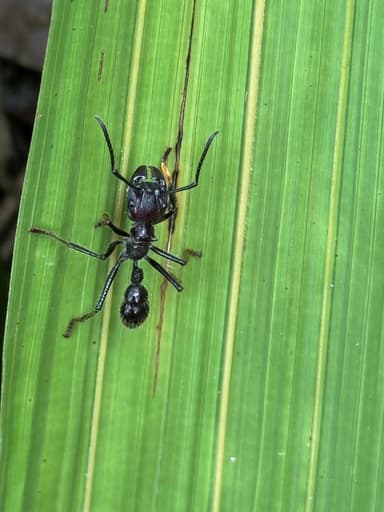
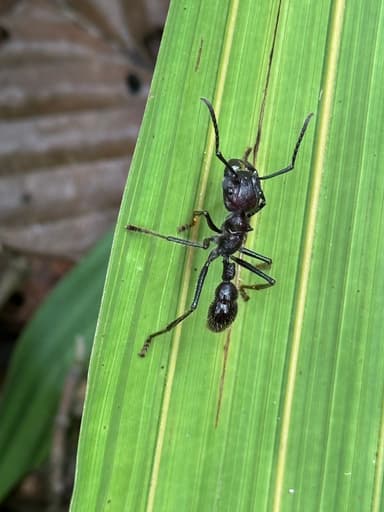
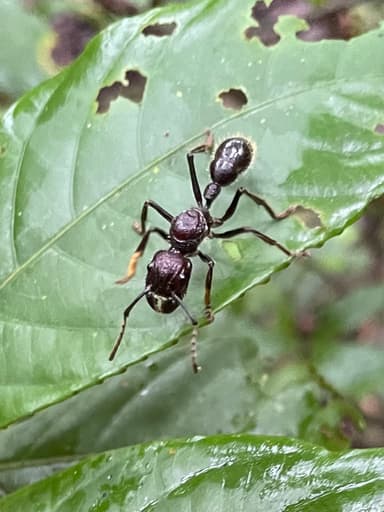
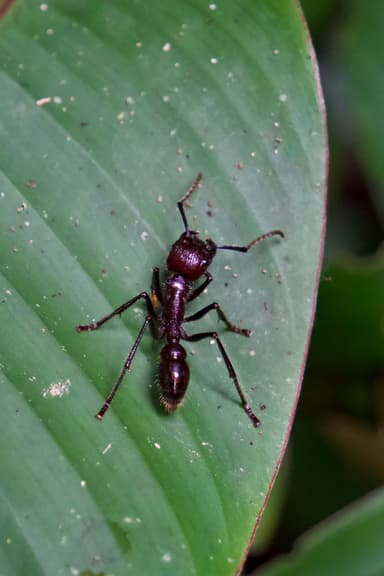
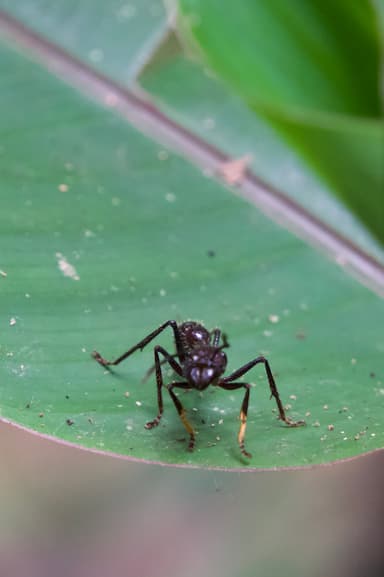
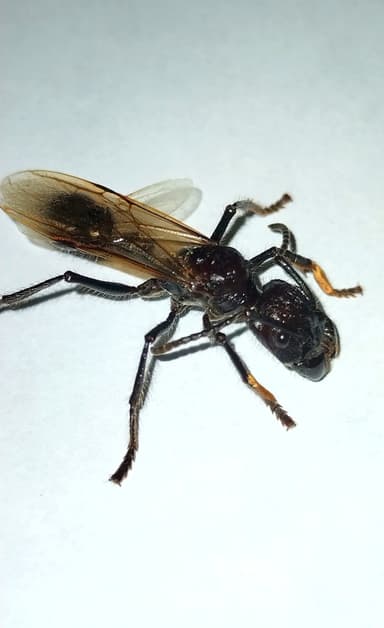
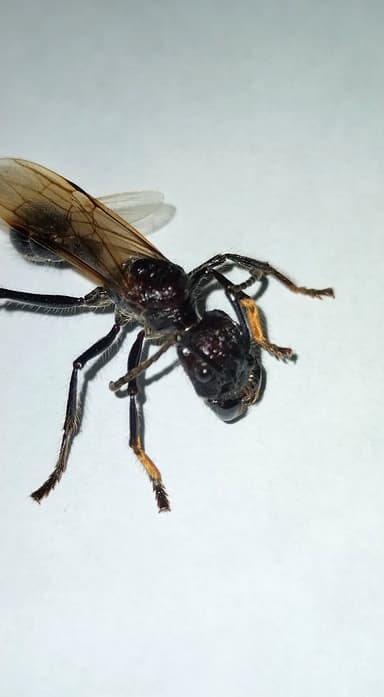
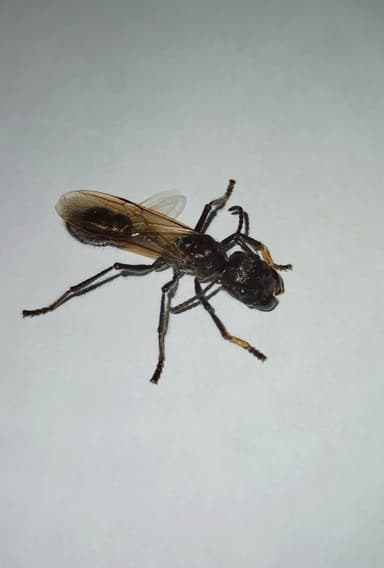
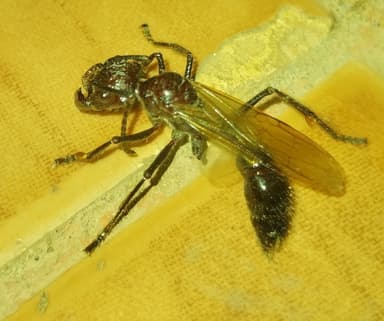
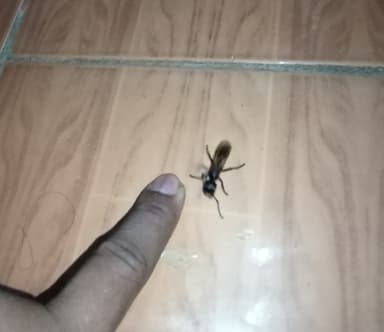
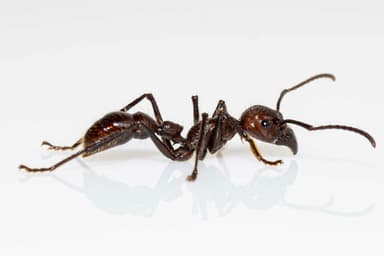
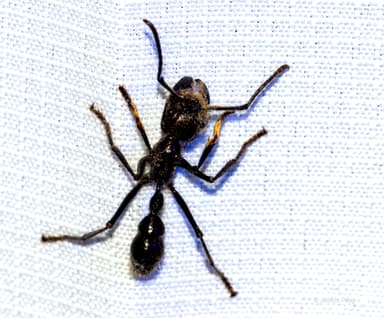
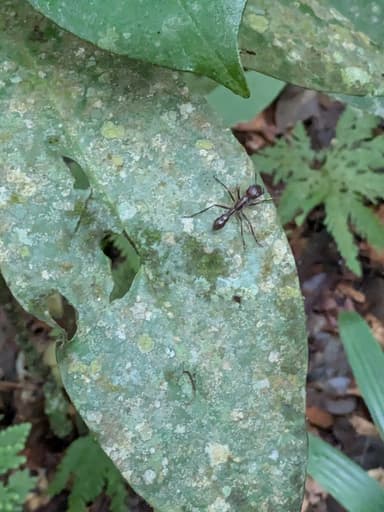
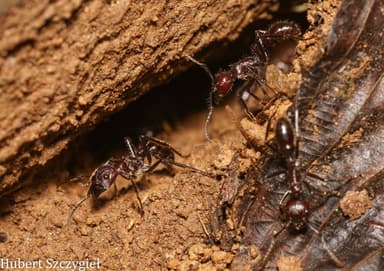
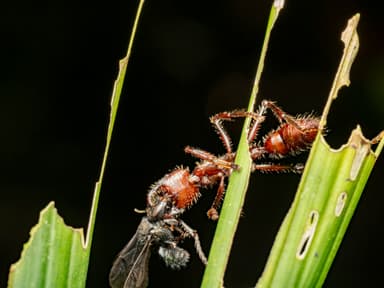
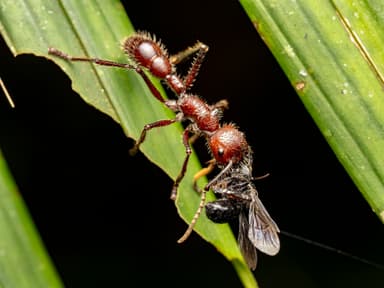
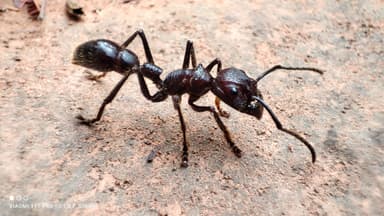
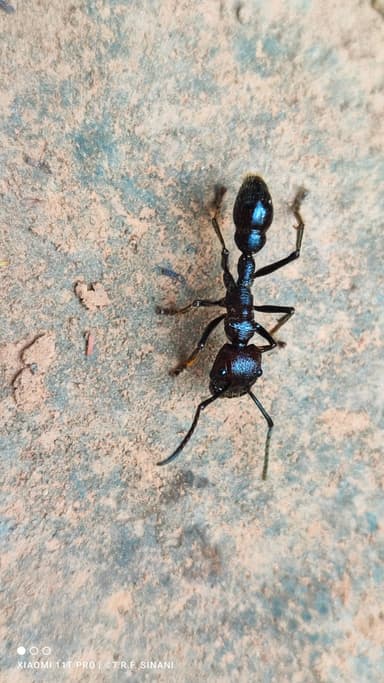
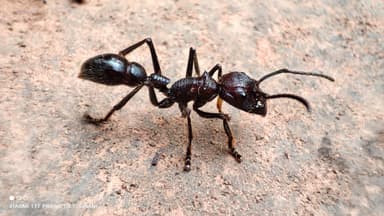
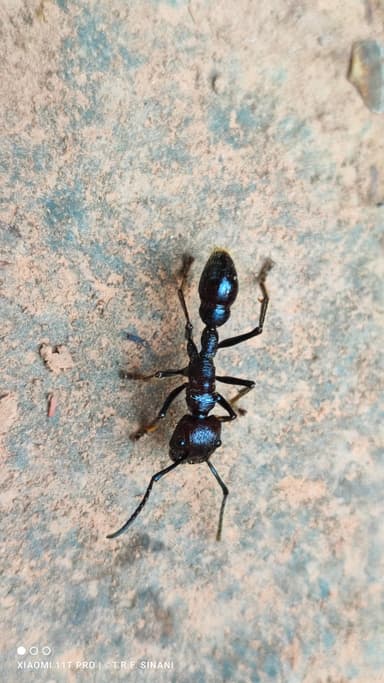
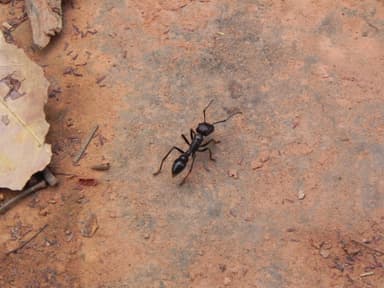
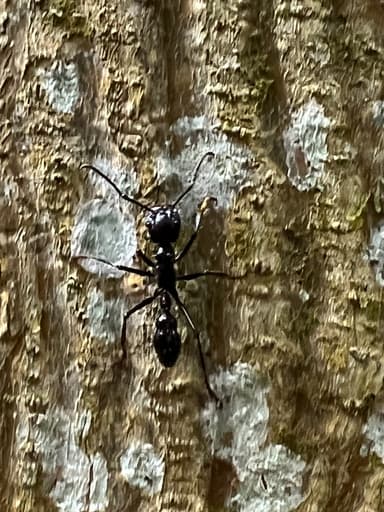
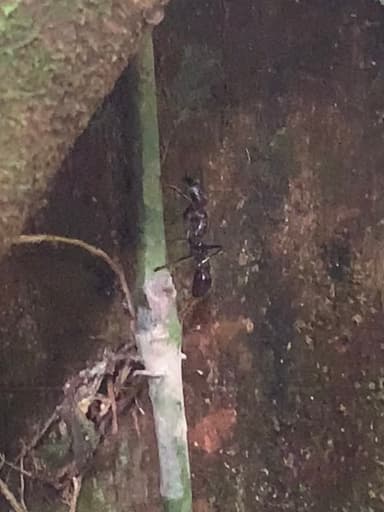
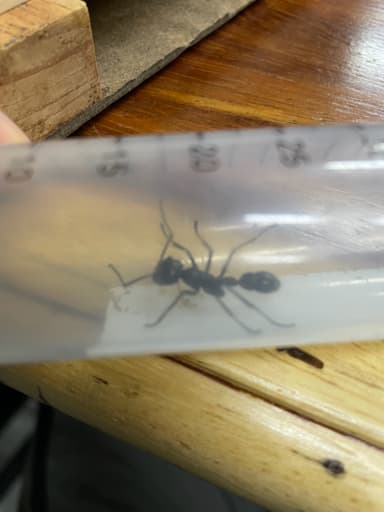
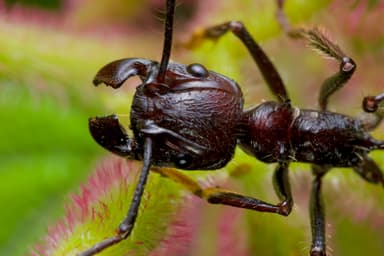
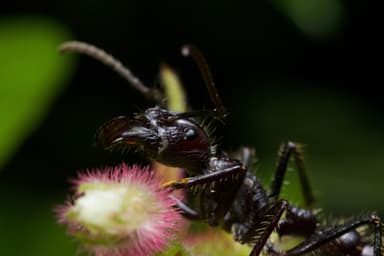
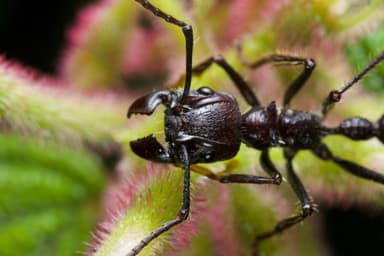
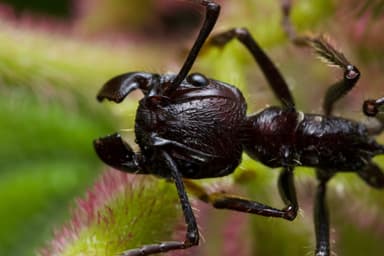
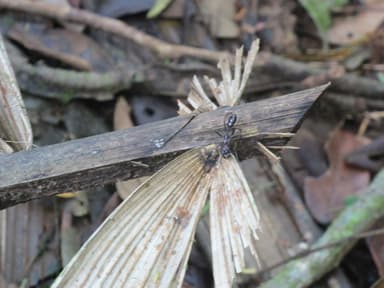
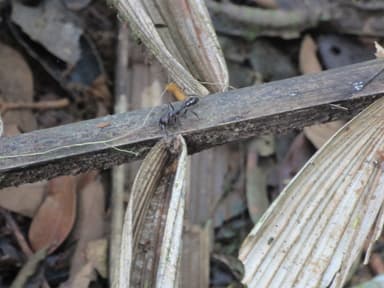
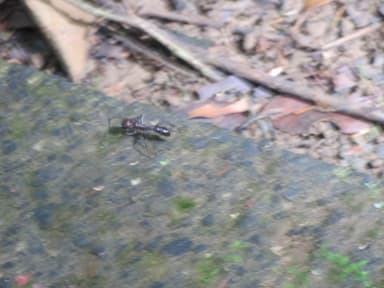
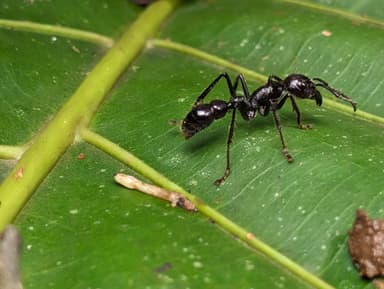
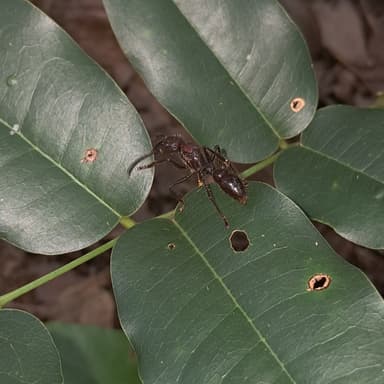
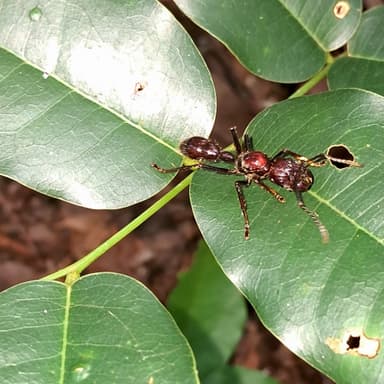
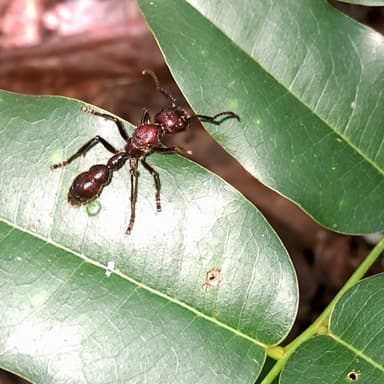
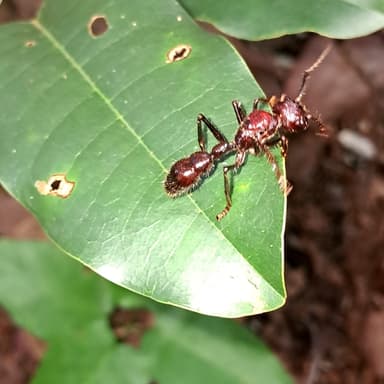
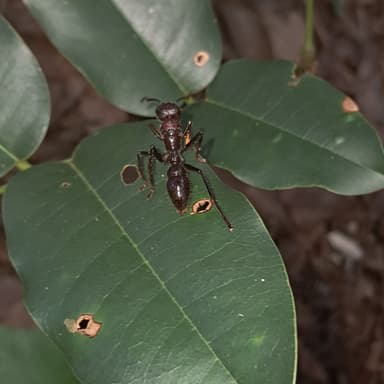
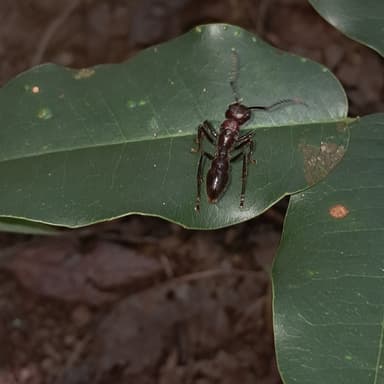
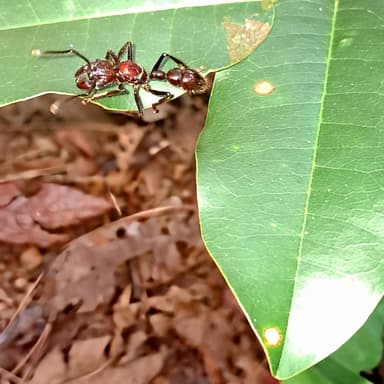
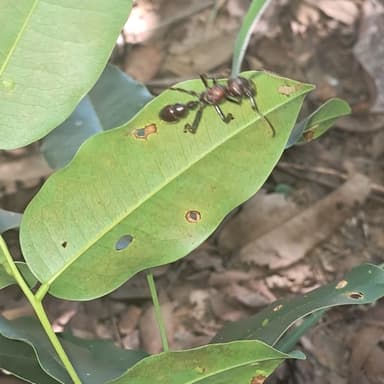
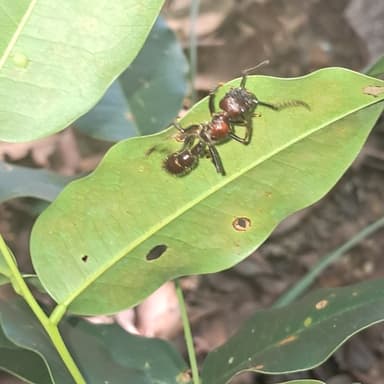
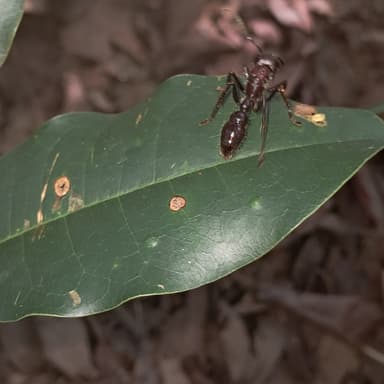
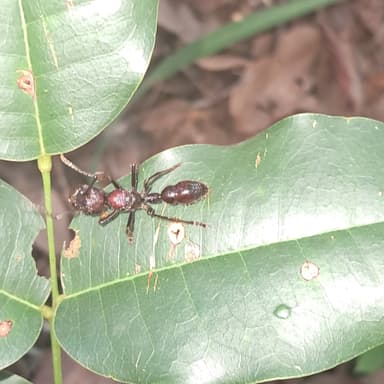
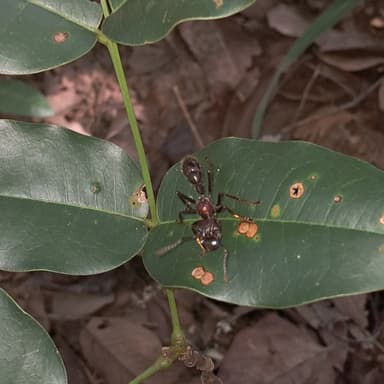
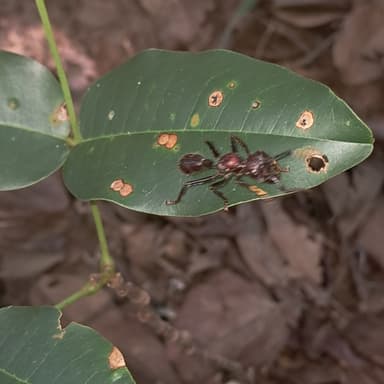
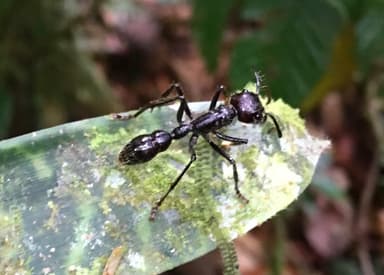
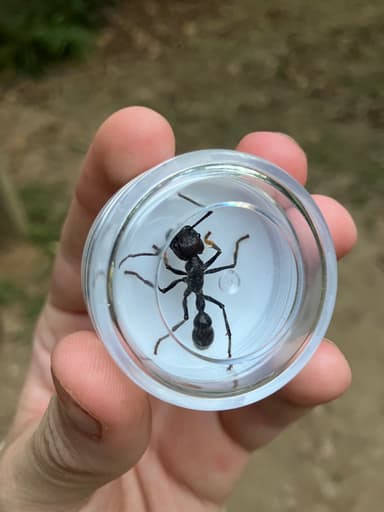
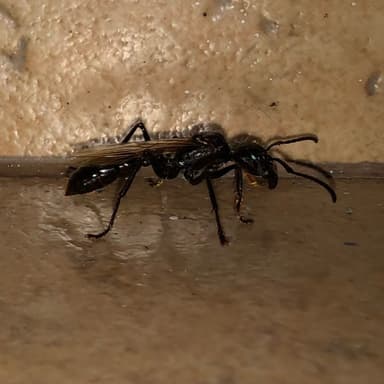
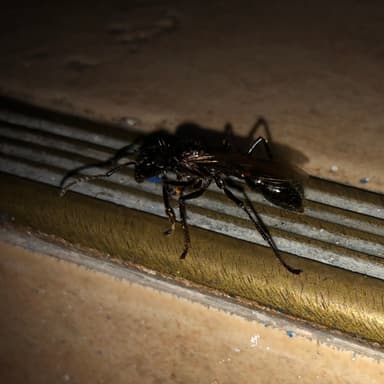
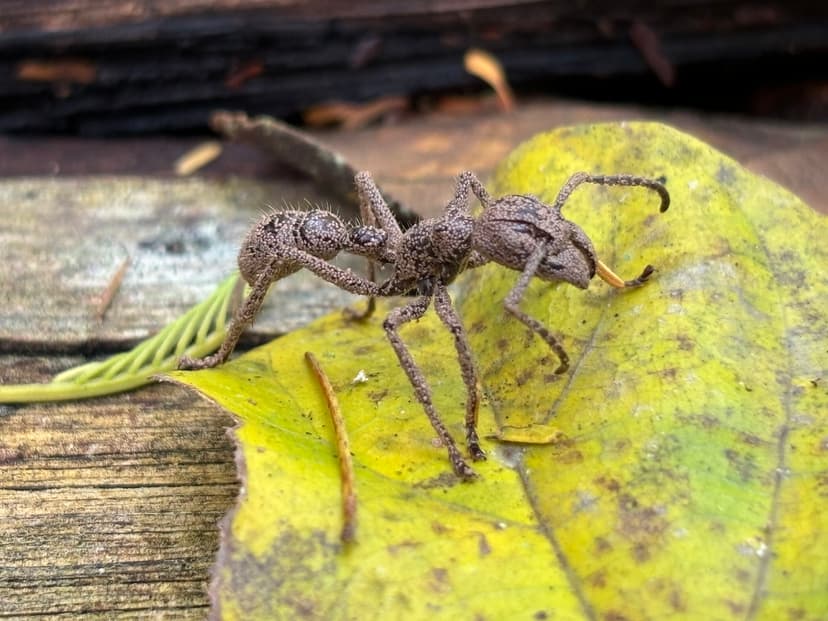
The Bullet Ant, Paraponera clavata, is a legendary species among entomologists and experienced ant keepers alike, instantly recognizable by its robust, jet-black body and formidable size. Queens measure an impressive 25–30 mm, while the monomorphic workers range from 18–25 mm, making them among the largest ants in the world (AntWeb). Colonies remain modest in size for such a large ant, typically maturing at around 2,500 individuals, all of the same caste, as true worker polymorphism is absent. What truly sets this species apart, however, is its extraordinarily potent sting, famously described as the most painful insect sting on the Schmidt sting pain index (Hölldobler & Wilson 1990). Native to the humid lowland forests of the Neotropics, from Central America deep into the Amazon basin, P. clavata is a claustral founder, with lone queens sealing themselves away to raise their first brood silently. In the wild, they nest in complex subterranean chambers at the base of trees, often forming a tight ecological bond with the canopy tree Pentaclethra macroloba, where workers forage for nectar and arthropod prey (Bennett & Breed 1985). Nest architecture studies reveal multi-chambered galleries dug deep into the soil, lined with chewed plant material, a behaviour that directly informs their captive housing needs (Belk et al. 1989).
This species is unequivocally for the expert keeper only. The combination of a potentially dangerous sting, demanding environmental requirements, and a slow-growing colony makes P. clavata unsuitable for beginners or those without extensive experience with large, defensive ants. The care difficulty is classified as expert, and aspiring keepers must be fully prepared for a long-term commitment with an animal that can deliver a medically significant sting and must never be handled casually. Only those who have successfully maintained other large, humidity-loving ponerine ants should consider this ant. The housing must be a secure, escape-proof terrarium that can maintain a stable internal climate, as the ants will relentlessly test boundaries. Temperature should stay consistently between 22°C and 28°C, mimicking the stable tropical forest floor. A thermal gradient can be provided by a heat pad attached to one side of the nest, but ambient air temperature must not fluctuate significantly. Humidity is critical: the range must remain between 70% and 90%, as lower levels quickly desiccate brood and adults alike. The ideal nest is a deep, naturalistic setup with at least 15–20 cm of a moisture-retentive substrate, such as a mixture of fine sand, clay, and decomposed wood. This allows the ants to excavate their own chambered nest as they do in the wild, with the substrate kept permanently moist but not waterlogged (Belk et al. 1989). A plaster or ytong nest with a large hydration chamber is a practical alternative, but it must always include a digging medium. The foraging arena should be generously sized, with vertical branches and broad leaves for the ants to climb, as they are largely arboreal foragers. A tight-fitting lid with a fine mesh or fluon barrier is essential, as these large ants can easily scale smooth glass.
In the wild, P. clavata is an omnivorous generalist, with a diet heavily reliant on the extrafloral nectaries of Pentaclethra macroloba and other plants, supplemented by preying on a wide variety of arthropods (Bennett & Breed 1985). This dual feeding strategy must be replicated in captivity to keep the colony thriving. Protein should be offered as freshly killed or live insects such as crickets, small cockroaches, or mealworms, presented two to three times per week. Avoid wild-caught insects to prevent pesticide contamination. Carbohydrates can be supplied as a constant source of a dilute honey or sugar-water solution, offered in a small dish with a cotton ball to prevent drowning. Some colonies will also readily accept small pieces of soft fruit like banana or mango, which can provide additional sugars and micronutrients. Clean, fresh water must always be available, ideally through a separate water tube or a saturated cotton wick inside the nest area, as these ants have high water requirements due to the humidity they demand. All uneaten food should be removed within 24 hours to stop mold growth, which can be lethal in such a humid setup.
A significant advantage for the keeper is that P. clavata does not require any form of hibernation or diapause; colonies remain active year-round as long as conditions are kept stable. This removes the logistical complexity of cycling temperatures, but it also means that the heating and misting routines must be maintained without interruption. When you first receive your queen or small colony, the most critical period is the initial settlement. For a founding queen housed in a test tube setup, leave her in complete darkness and quiet for several weeks; she is fully claustral and will not need food until the first workers eclose. Disturbance during this phase can cause her to eat her eggs. For a small colony with workers, allow them to settle in their new nest for at least 24 hours before offering a tiny drop of sugar water and a single pre-killed fruit fly or cricket fragment. Watch their behaviour closely: constant exit-hunting, particularly if they drag brood to the driest corner of the foraging arena, signals that the nest humidity is off, requiring immediate adjustment. Do not attempt to move them into a larger decorative setup until they have a robust worker force of at least 20–30 individuals. Given their sting, always operate within a clear, organized workspace and use long forceps, and never open the enclosure in a way that could leave you exposed. With patience, meticulous humidity control, and a deep respect for their power, a Paraponera clavata colony can be one of the most awe-inspiring, fascinating displays of ant social behaviour a keeper can ever witness.