Monomorium
Monomorium floricola
Nuptial Flight Calendar
Flight months: Mar, Apr, May, Jun, Jul, Aug, Sep
Care Guide
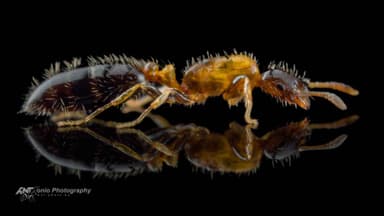
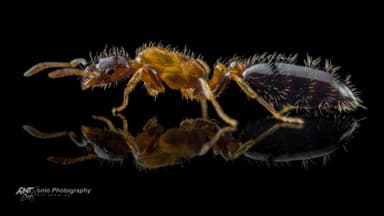
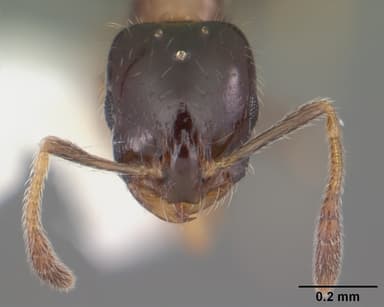
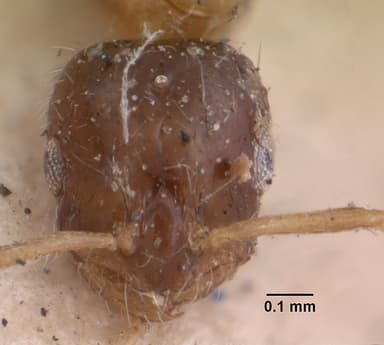
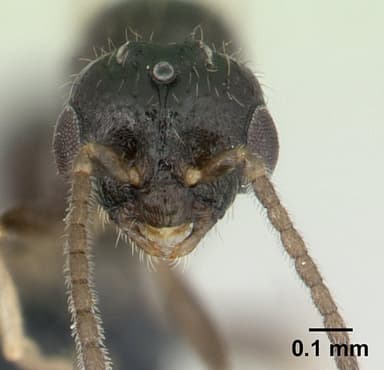
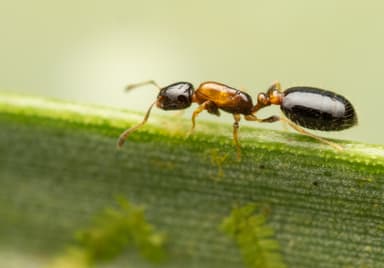
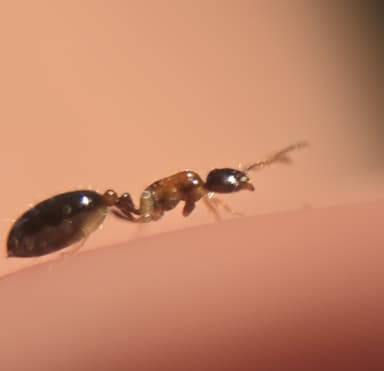
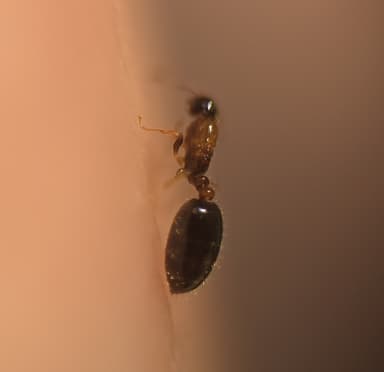
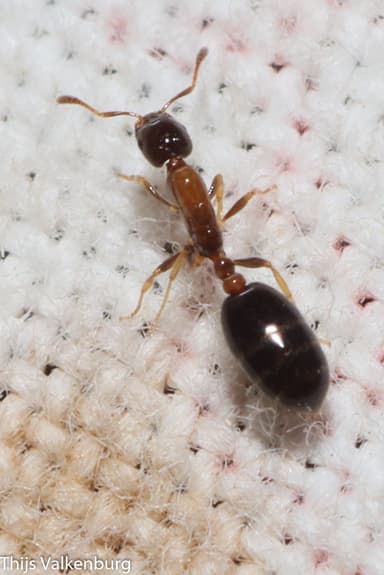
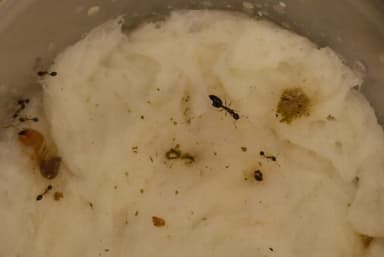
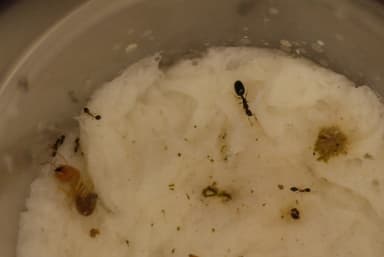
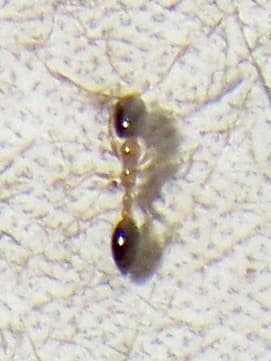
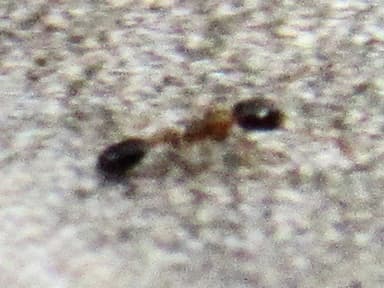
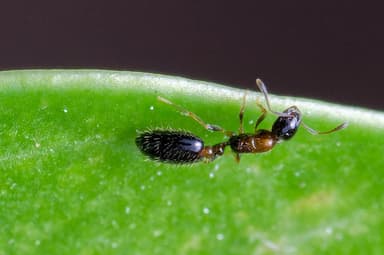
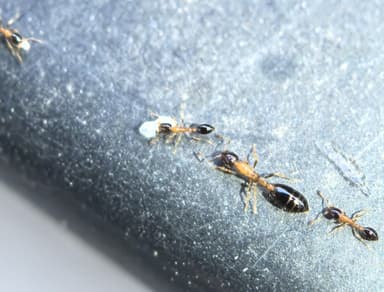
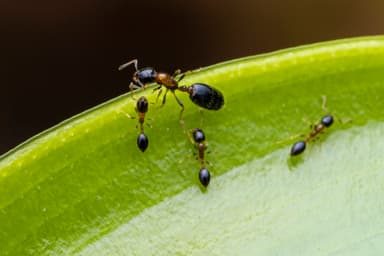
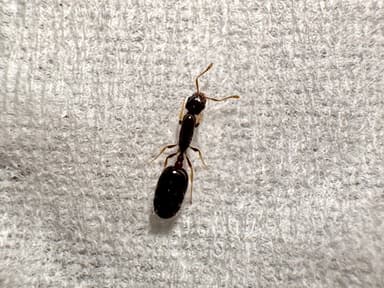
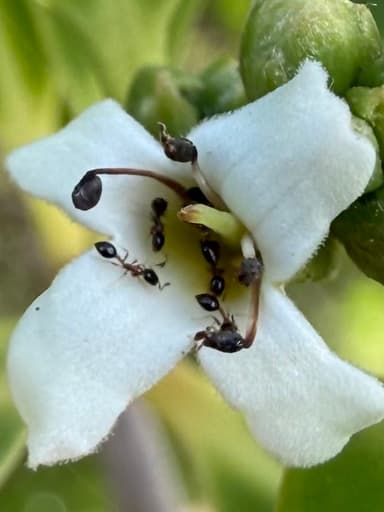
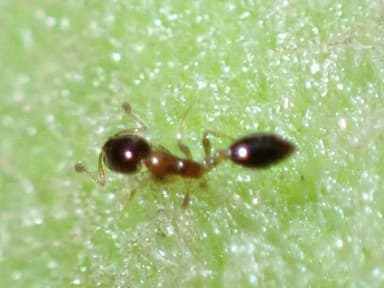
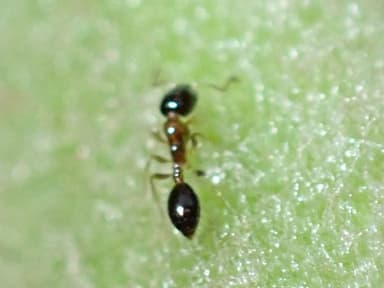
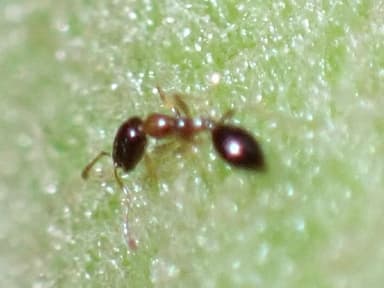
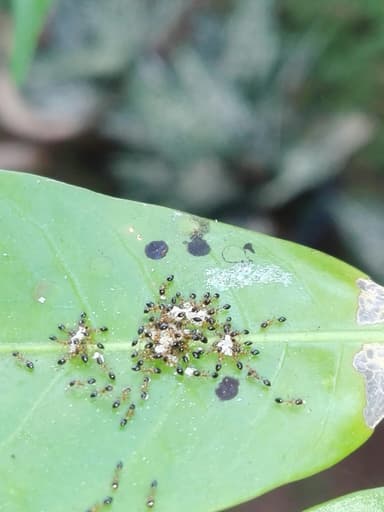
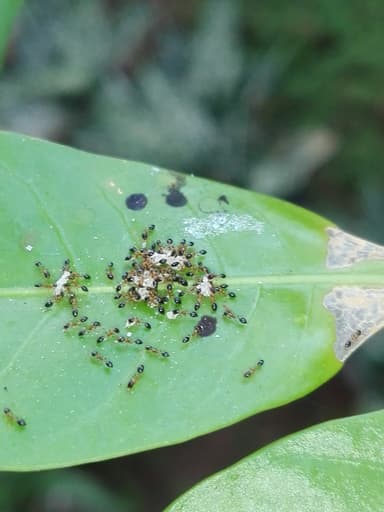
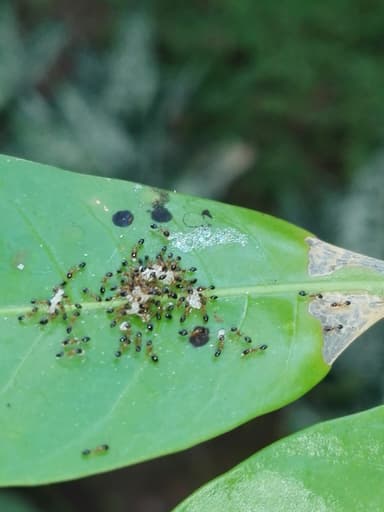
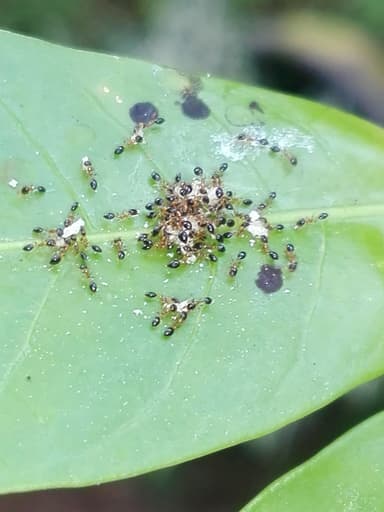
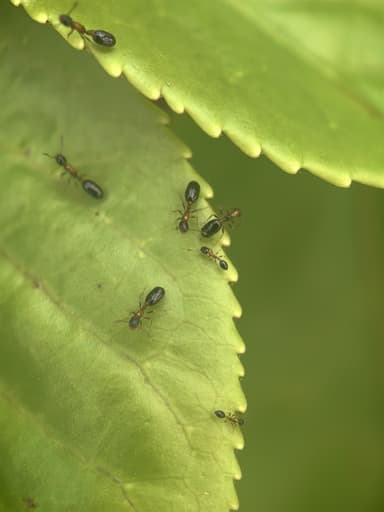
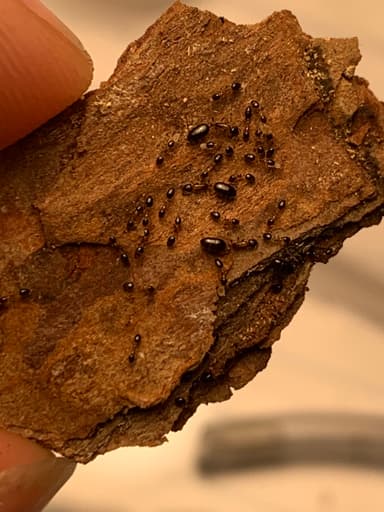
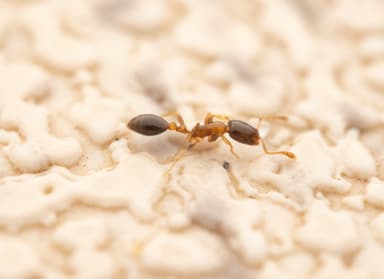
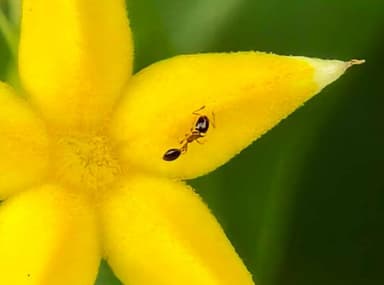
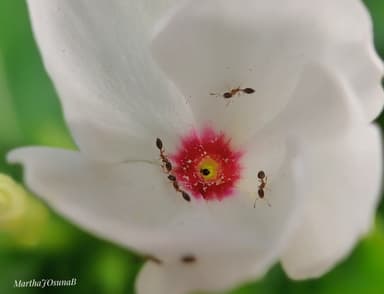
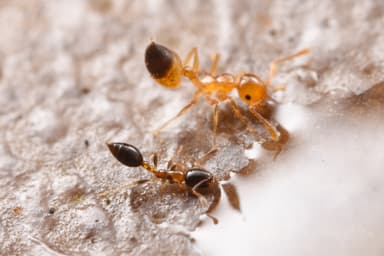
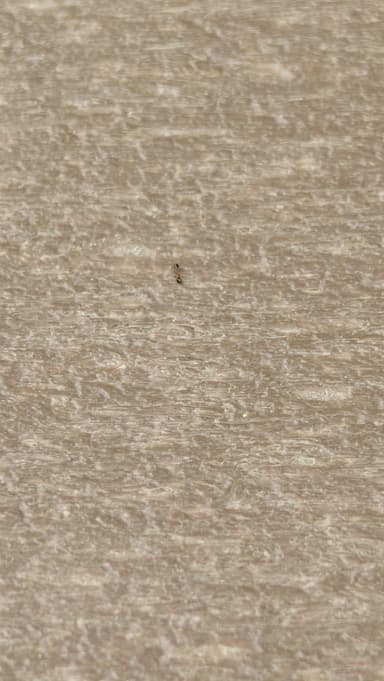
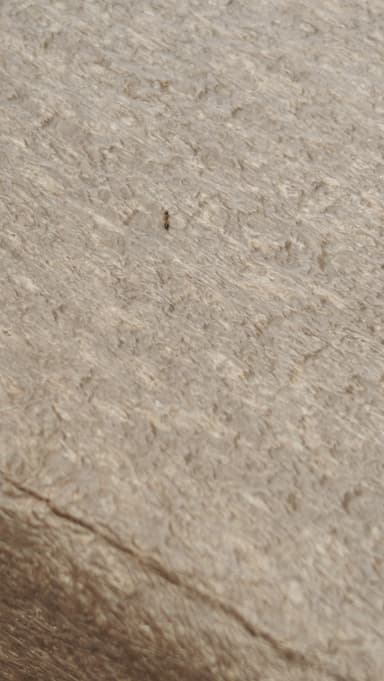
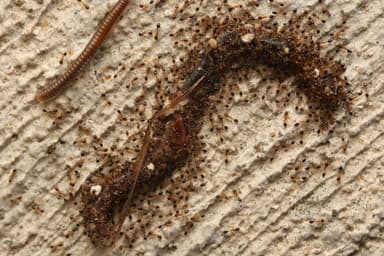
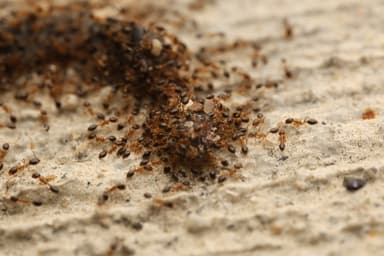
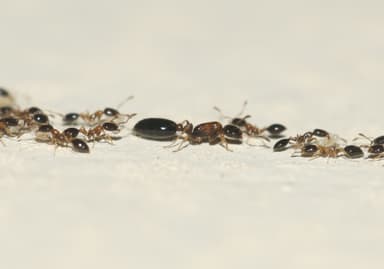
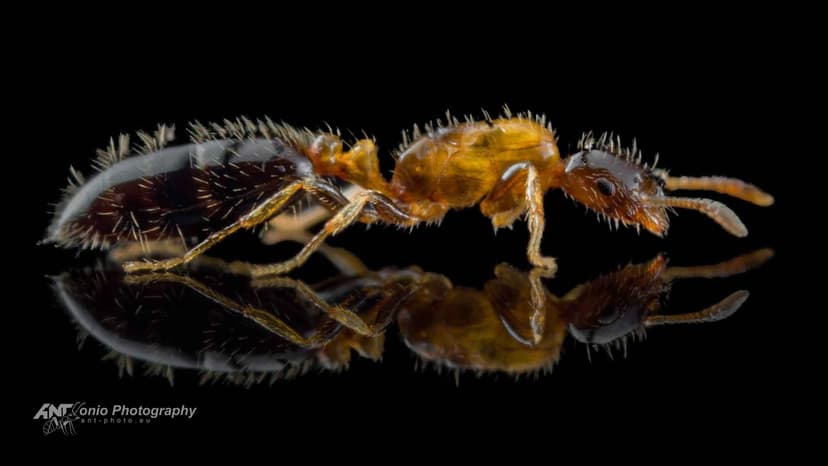
Monomorium floricola, commonly known as the flower ant or bicolored trailing ant, is a true miniature marvel of the ant world. Queens measure a mere 2.5–3.5 mm, while workers are even tinier at 1.5–1.8 mm, making them some of the smallest ants a hobbyist can keep. Their graceful, two-toned appearance—with a dark brown head and gaster contrasting sharply against a pale yellow to amber mesosoma and petiole—is instantly recognizable. Colonies are monomorphic, containing only a single minor worker caste, yet they can grow to a respectable 10,000 individuals. Originating from the Indo-Pacific tropics, this species has become a widespread global tramp (Wetterer 2010), establishing populations in virtually every warm region on Earth. What truly sets M. floricola apart is its mode of reproduction: unlike species that rely on dramatic nuptial flights, these ants primarily propagate via budding. A colony fragment containing multiple queens and a retinue of workers simply splits off to found a new nest, often without any aerial mating event. This polygynous, fissioning habit makes them both fascinating to observe and remarkably straightforward to propagate in captivity.
Because of its hardy nature and undemanding requirements, Monomorium floricola is rated as a beginner-level species. Its broad thermal and humidity tolerance, coupled with year-round activity without a dormant period, means that even a first-time keeper can succeed, provided one critical challenge is respected: their diminutive size makes escape prevention a top priority. These ants can squeeze through gaps so minute that most hobbyists would never consider them a risk, so housing must be meticulously sealed. For the careful keeper, however, they offer an endlessly active colony that quickly settles into a rhythm of foraging and brooding. Experienced ant keepers will appreciate the opportunity to observe colony fission up close, and the species is also an excellent source of live food for dart frogs or other small insectivores. If you are new to the hobby, M. floricola serves as a forgiving introduction, but be prepared to treat every micro-crevice as a potential exit.
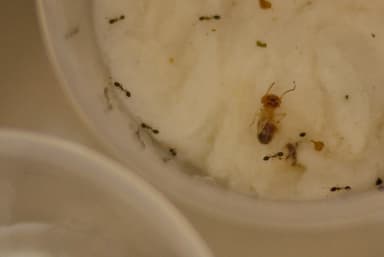
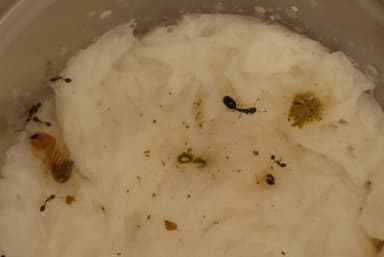
Housing these tiny tenants demands an escape-proof setup above all else. Choose a formicarium with tight-fitting glass or acrylic joints and ventilation covered with ultra-fine stainless steel mesh (openings no larger than 0.2 mm). Nests made of plaster, ytong, or grout work beautifully because they retain moisture and can be carved with narrow chambers that mimic the hollow twigs and natural crevices this species prefers in the wild. Maintain a temperature gradient of 22–30°C, which can be achieved by applying a gentle heat mat to one side of the nest, and keep relative humidity between 50% and 80% through regular hydration of the nest material or a water tower. The foraging arena must be treated with a high-quality PTFE barrier (fluon) and is best designed with a moat-like ledge to further thwart escapes. A thin layer of sand or coconut coir in the outworld gives the ants a substrate to move waste and refuse, though they do not construct deep soil tunnels. Because colonies multiply by budding, consider a modular nest system that allows you to attach additional chambers as the population expands.
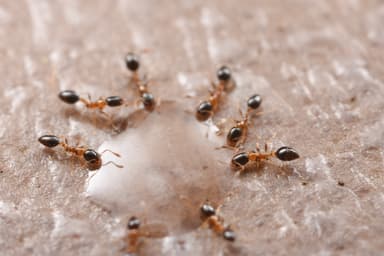
Diet follows the classic ant omnivore pattern, scaled down to their tiny proportions. In the wild, flower ants avidly visit extrafloral nectaries and tend honeydew-producing insects, so a reliable carbohydrate supply is essential: offer a few drops of sugar water, diluted honey, or commercial ant nectar on a small sponge or cotton wick. Protein should come in the form of freshly killed fruit flies (Drosophila), finely chopped mealworms, pinhead crickets, or high-quality insect jelly. Feed only what the colony can consume within 24 hours to prevent spoilage, and promptly remove any uneaten remains. Because of their size, open water pools are a drowning hazard; always provide clean water via a test tube plugged with cotton, and deliver all liquid foods on a wick. As the colony grows, you can increase feeding frequency—a well-populated nest of several thousand workers may appreciate a steady supply of a few fruit flies daily and constant access to sugars.
Happily, Monomorium floricola requires absolutely no hibernation. This tropical species lacks any diapause trigger, and you can enjoy their bustling activity year-round. In fact, allowing temperatures to dip below 20°C can slow brood development and stress the colony, so a steady warmth of 24–26°C is ideal. Maintain their regular feeding and moisture schedule through every season. The absence of a winter break does mean you must be consistent, but it also rewards you with uninterrupted growth and a perpetual display of social life in miniature.
When your M. floricola colony first arrives, give them tenderness and time. Unpack the shipping container carefully—they often travel in a test tube with a moist cotton plug—and immediately place the tube in your prepared formicarium. Ensure the nest is properly hydrated and the outworld barrier is fresh, then leave them completely undisturbed for at least 24–48 hours. Your first feeding after this settling period should be a tiny droplet of sugar water on a wick placed near the nest entrance, along with a single freshly killed fruit fly. Watch for the appearance of foraging workers within a few hours, a clear sign of comfort. Be vigilant for any escapees testing the barrier; if you see workers scaling the fluon, reapply immediately. Resist the urge to move them into a larger nest too soon—they prefer snug quarters, and an oversize space can cause stress. Once regular foraging and visible brood care are established, usually within a week, you can begin the gradual process of expansion. With patience, this minuscule colony will transform into a thriving, ever-expanding microscopic metropolis.