Formica
Formica pacifica
Nuptial Flight Calendar
Flight months: Apr, Jul, Aug
Care Guide
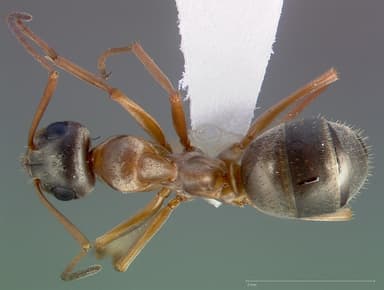
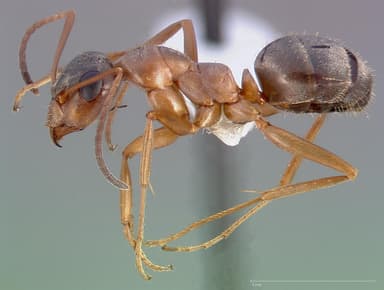
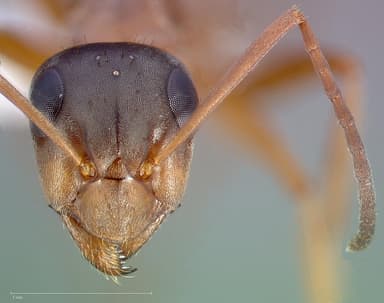
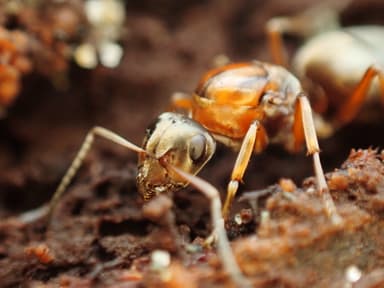
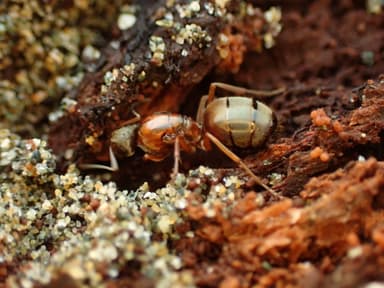
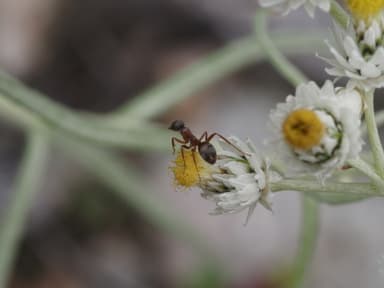
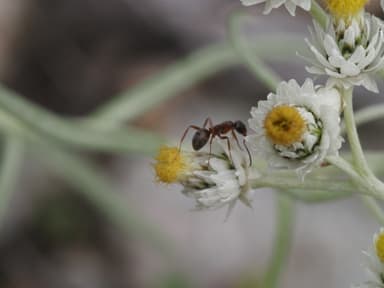
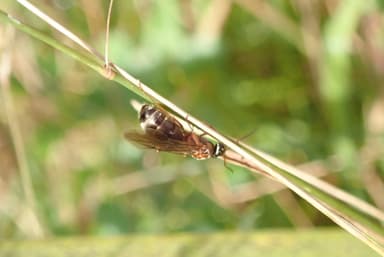
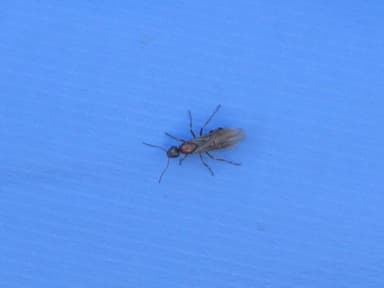
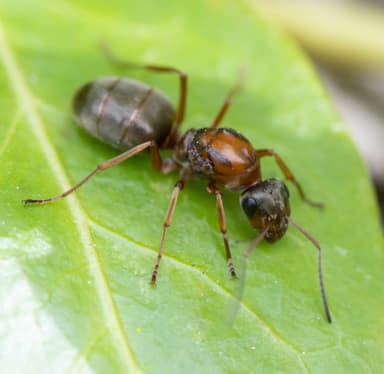
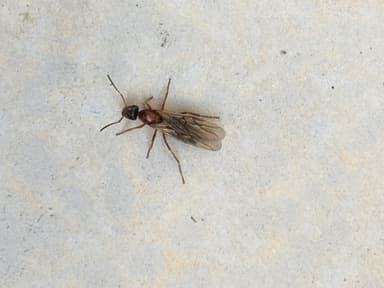
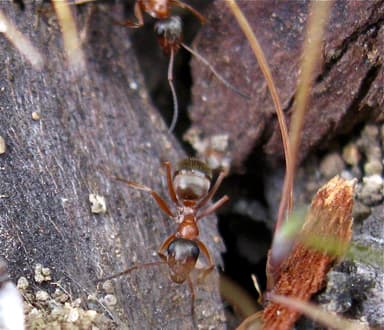
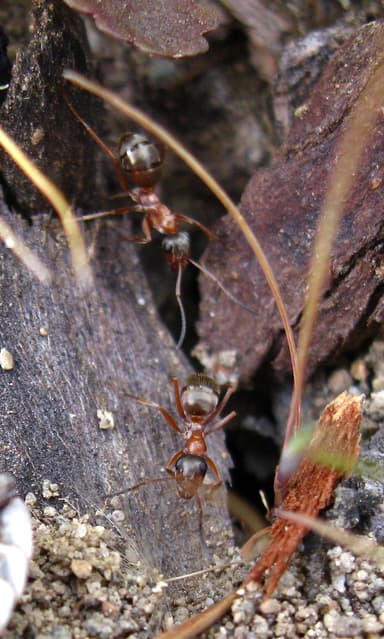
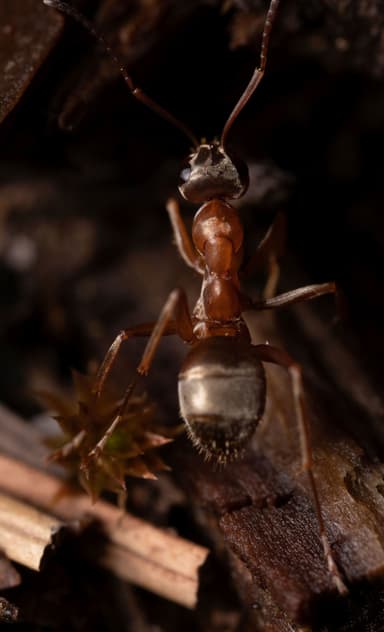
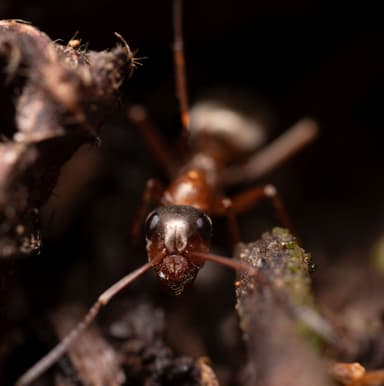
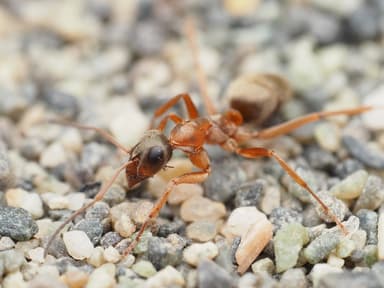
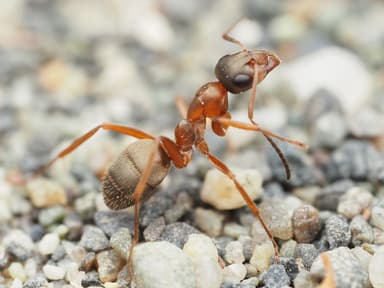
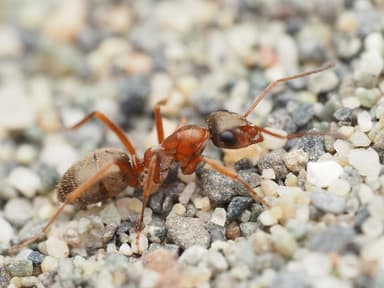
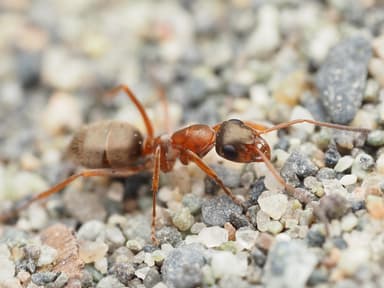
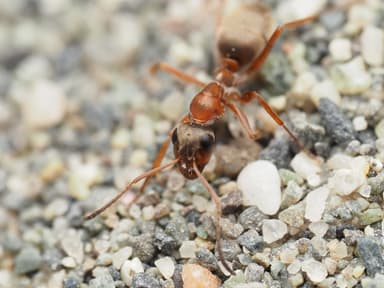
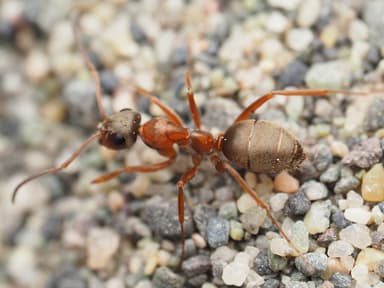
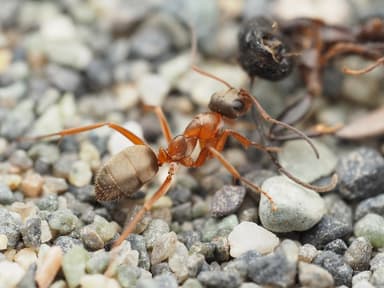
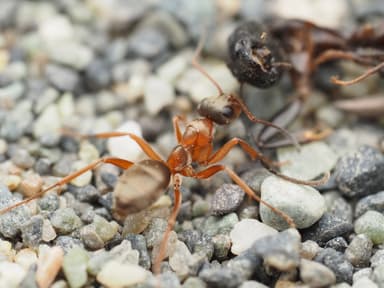
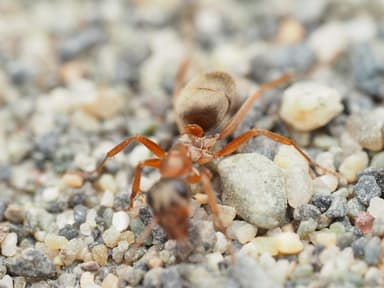
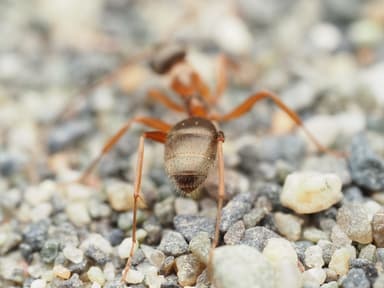
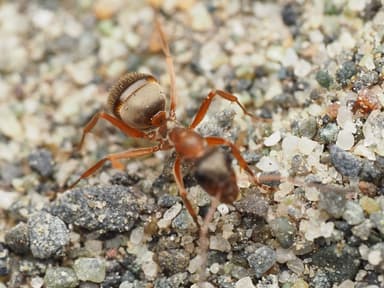
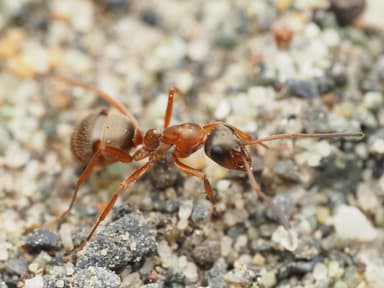
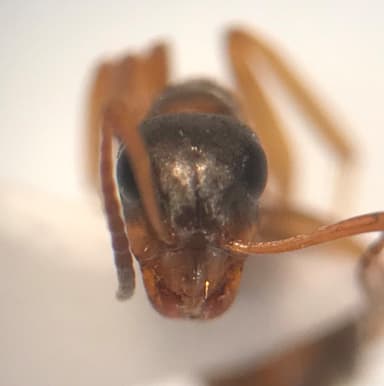
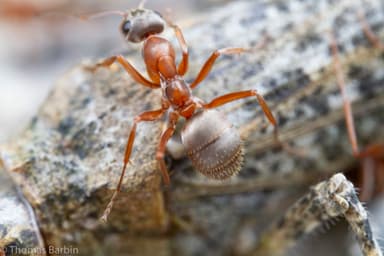
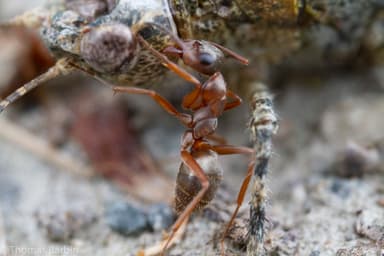
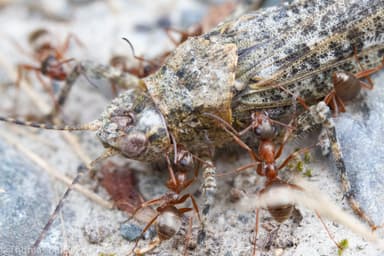
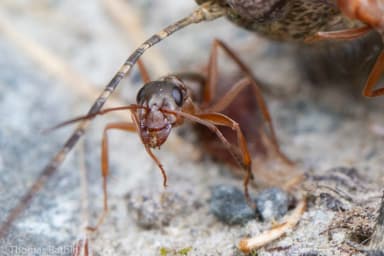
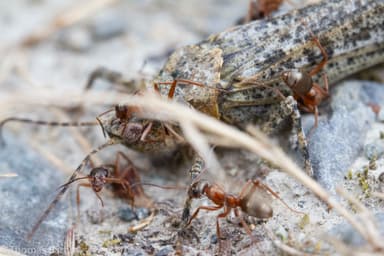
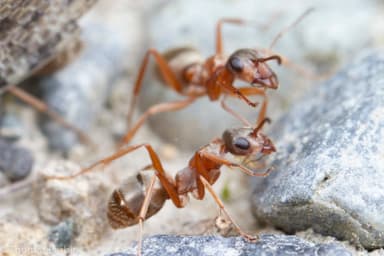
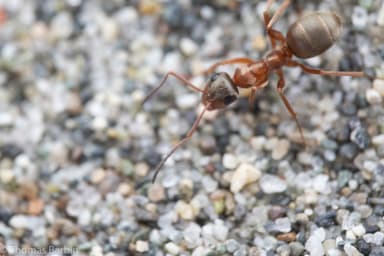
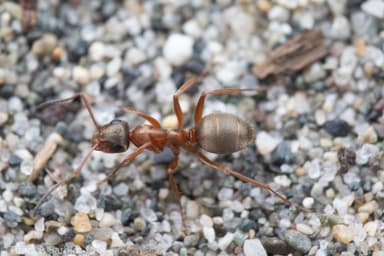
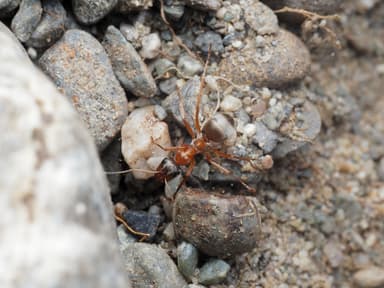
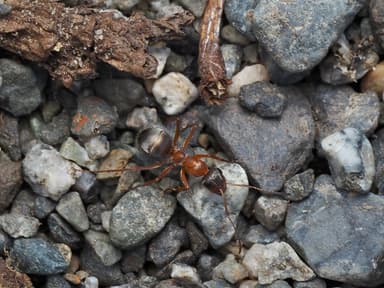
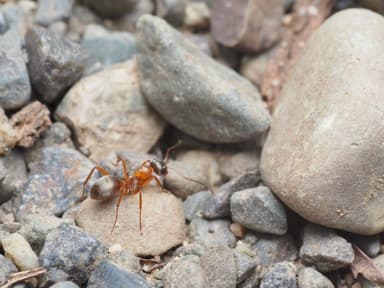
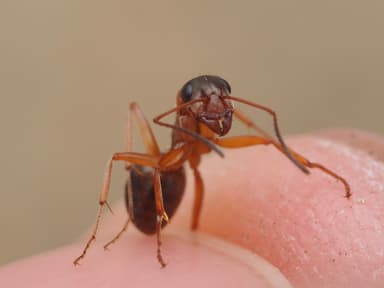
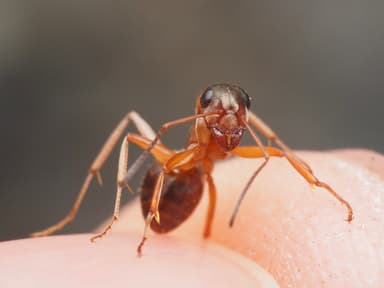
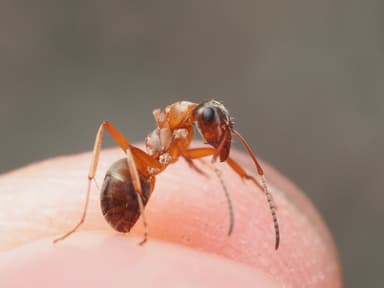
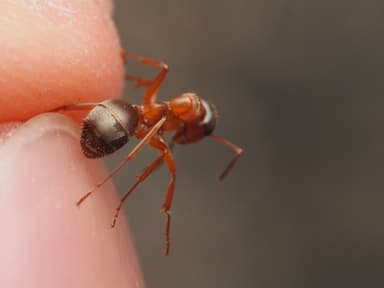
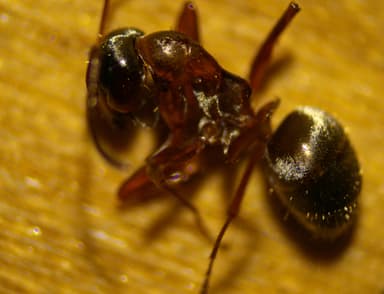
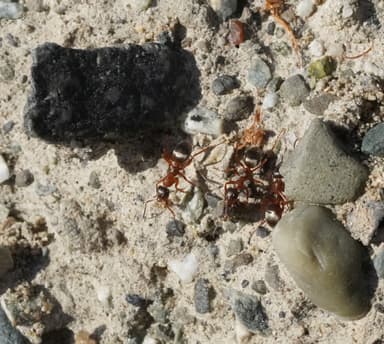
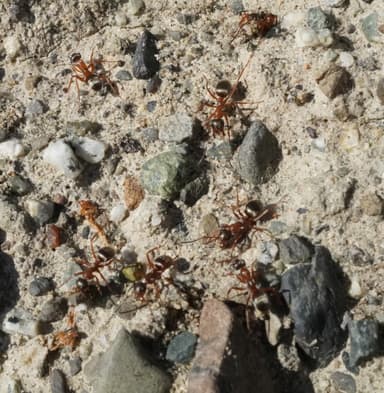
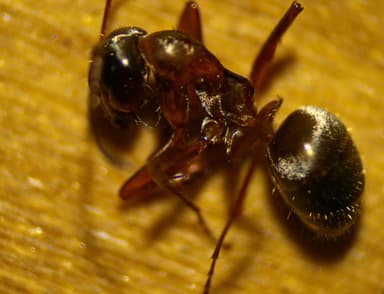
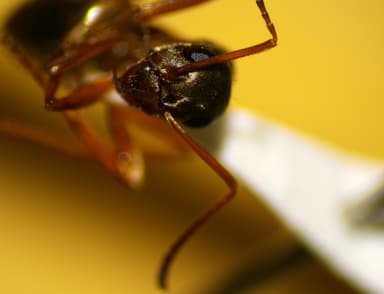
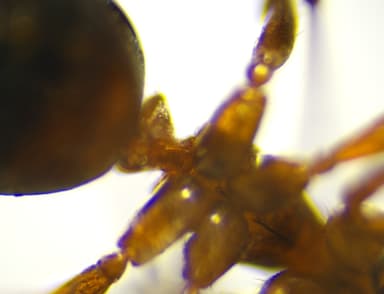
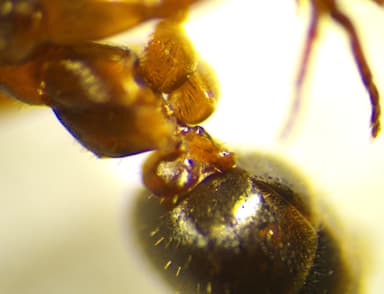
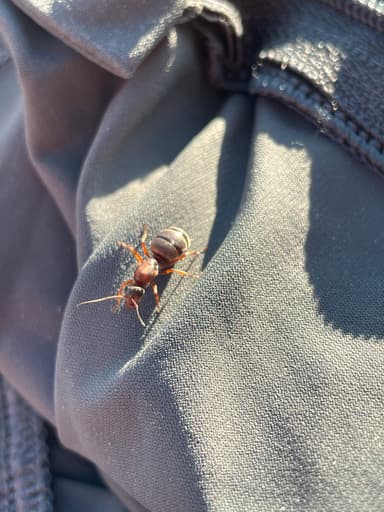
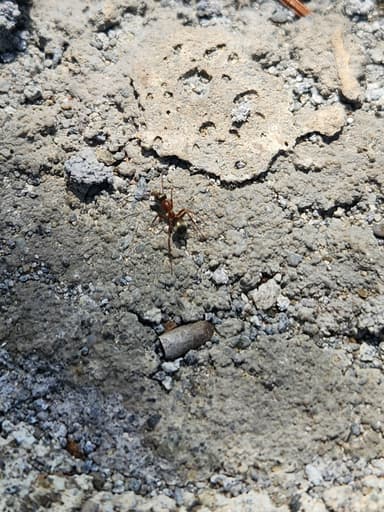
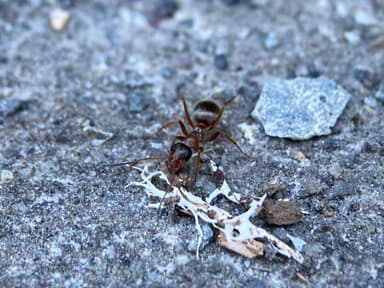
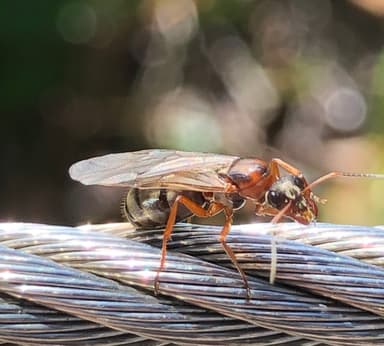
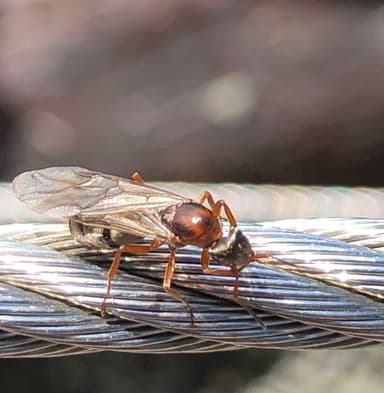
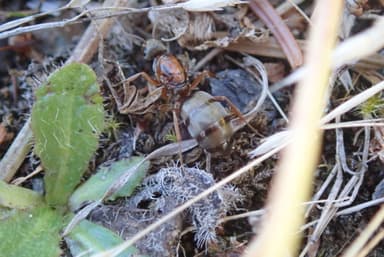
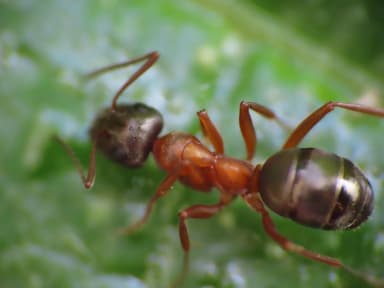
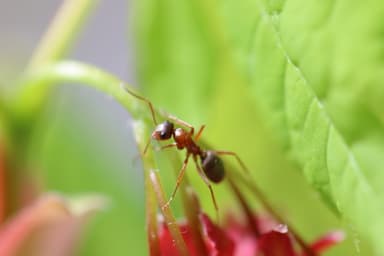
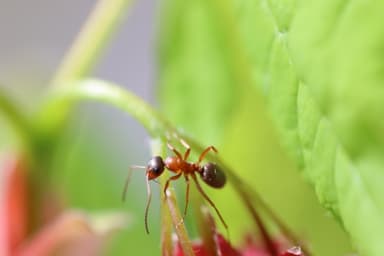
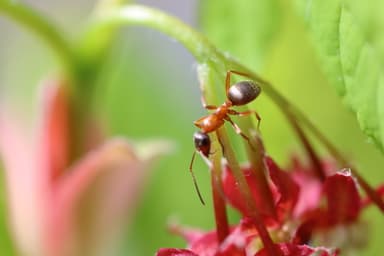
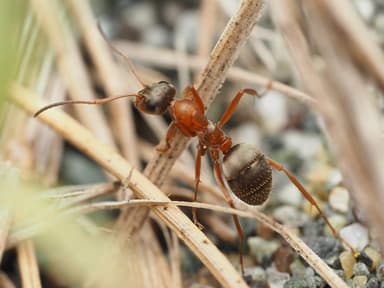
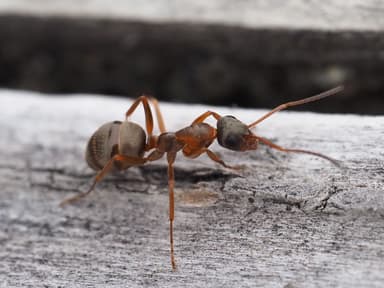
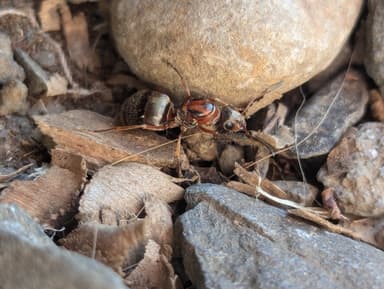
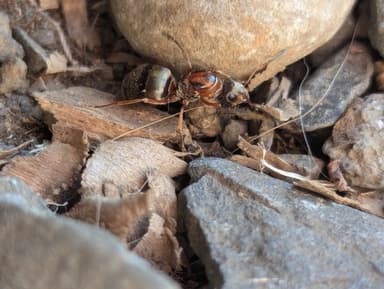
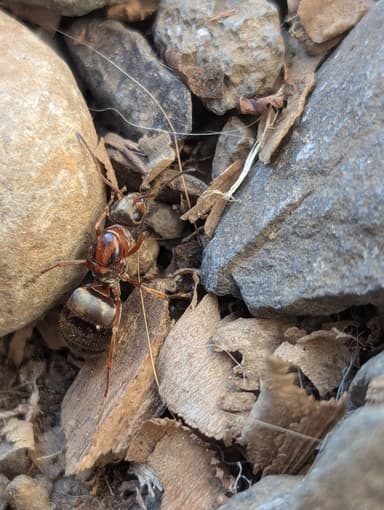
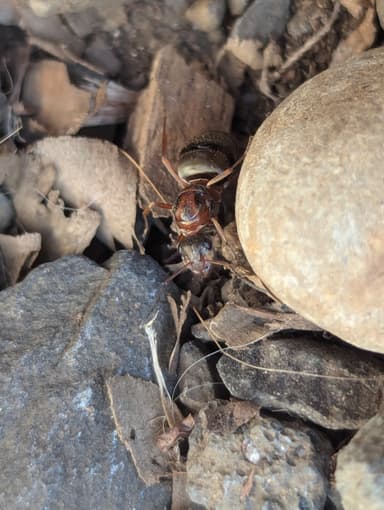
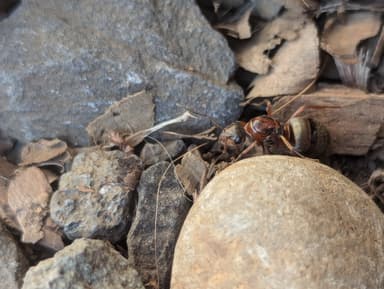
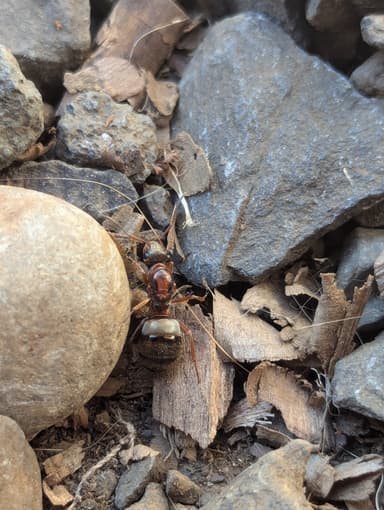
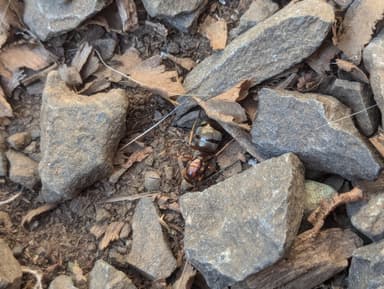
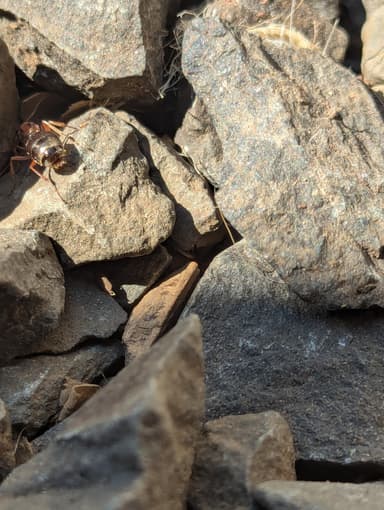
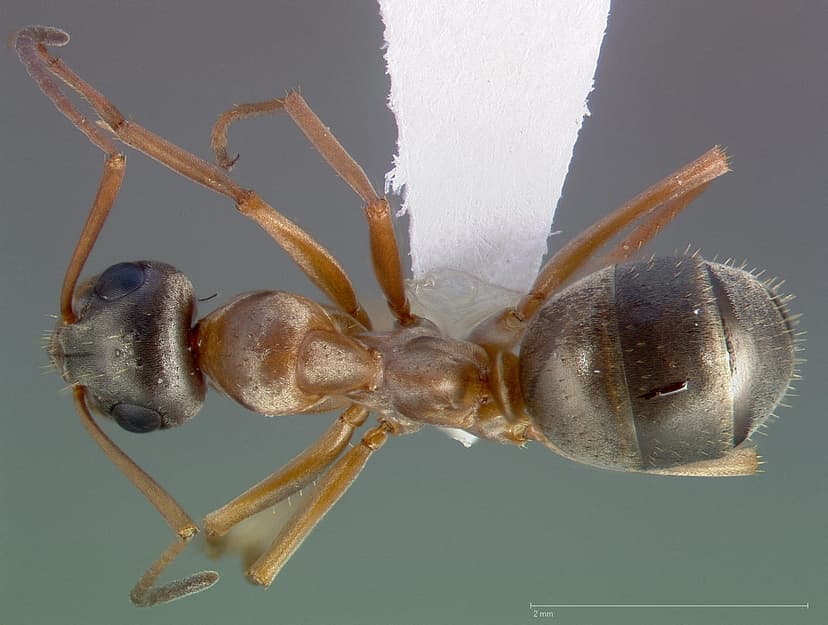
Formica pacifica is a captivating member of the fusca group of wood ants, described in detail by Francoeur (1973) during his revision of the Nearctic species. This species inhabits a narrow coastal strip from northern California to British Columbia, rarely venturing east of the Cascades, and is a true gem for keepers who appreciate subtle beauty and robust colony dynamics. Queens are relatively large, measuring 9 to 11 mm, while the polymorphic workers range from a modest 4.5 mm up to a more formidable 7 mm, with distinct minor and major castes that perform specialized tasks. The body is decorated in a striking combination of deep black to brownish-black, with reddish hues often highlighting the thorax and legs, all cloaked in a fine silvery pubescence that gives the ants a ghostly sheen in sunlight. Mature colonies can swell to an impressive 10,000 individuals, and they exhibit the characteristic Formica vigor: workers move with brisk, deliberate speed, and the majors, with their broader heads and powerful mandibles, are particularly adept at defending the nest and processing large prey. What makes F. pacifica truly interesting, however, is its adaptability within a relatively cool, maritime climate and the opportunity it offers to observe the full range of formicid behaviors, from trophallaxis to cooperative brood transport, in a species that is not yet overrepresented in the hobby.
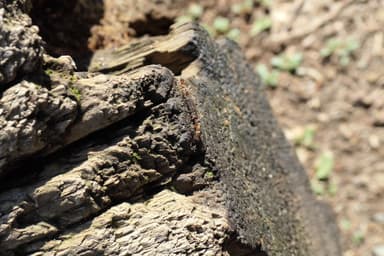
With a care difficulty rated as intermediate, Formica pacifica is best suited for keepers who have successfully maintained a couple of beginner species and are ready for a more responsive, faster-growing colony. The primary demands are a consistent temperature and humidity regime, a mandatory winter dormancy, and the need for an escape-proof setup; the workers are agile and determined explorers. A founding queen is claustral, requiring no food until her first workers eclose, which simplifies the initial weeks. However, once the colony reaches a few dozen workers, their appetite increases sharply and they can become sensitive to fluctuations. For housing, a formicarium that provides a humidity gradient is ideal. The recommended ambient temperature range is 18 to 26°C, with the warm end of that spectrum accelerating brood development. Humidity should be maintained between 40% and 60%, which mirrors the dry summers and moist winters of their native haunts. A dirt-based or ytong nest with a hydration chamber works beautifully, allowing the ants to choose their preferred microclimate. Adding a thin layer of sandy soil or excavatable substrate in a foraging arena encourages natural digging and reduces stress; in the wild, these ants often nest under stones or in rotten wood, so a partial cover over the nest area helps them feel secure. Avoid overly humid, stagnant conditions, as prolonged saturation can lead to fungal issues.
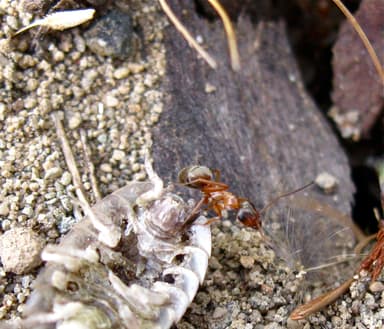
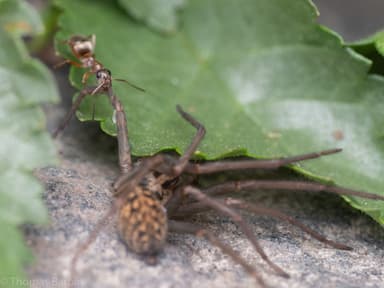
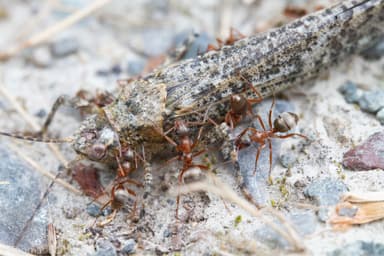
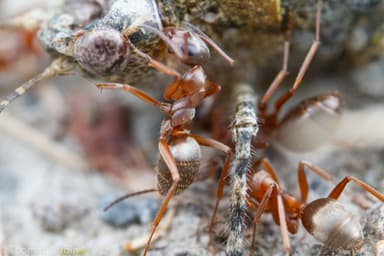
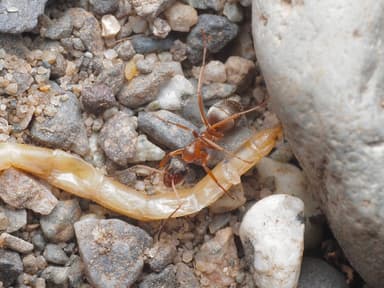
The diet of Formica pacifica is straightforward: they are enthusiastic foragers that require both protein and carbohydrates. Provide a steady supply of small insects such as fruit flies, crickets, or mealworms—always from pesticide-free sources—for the developing larvae. Workers, especially majors, will eagerly dismantle larger prey items. For sugars, offer dilute honey, maple syrup, or a commercial ant nectar in a small liquid feeder. They also appreciate slices of fresh fruit like apple or grape, which can double as a water source. Clean, fresh water must always be available, ideally through a test tube setup with a cotton plug or a dedicated water tower, because while humidity is moderate, drinking water is critical. Feed protein two to three times a week for a growing colony, adjusting based on the number of larvae, and keep a small carbohydrate source available continuously, but remove any uneaten fresh food after a day to prevent mold.
Hibernation is an absolute, non-negotiable requirement for this temperate species. Without a prolonged cold period at a stable temperature around 5°C, the queen will cease egg-laying, workers may die prematurely, and the colony’s annual rhythm will break down. In the wild, F. pacifica experiences chilly, wet winters; in captivity, you can replicate this by gradually reducing the temperature in late autumn. Move the formicarium to a cool basement, a wine cooler, or a refrigerator set to about 5°C for a period of 3 to 4 months, typically from November through February. During this time, activity will nearly cease—it is a profound diapause. Check periodically for signs of excessive moisture or desiccation, but do not disturb them with feedings. A successful hibernation will reward you with an explosion of new brood and renewed foraging vigor come spring, a spectacle that defines ant keeping for many enthusiasts.
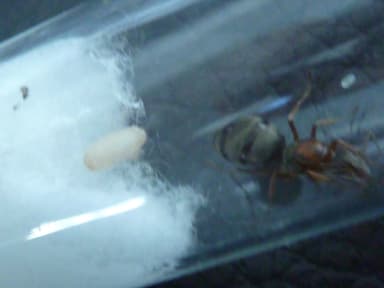
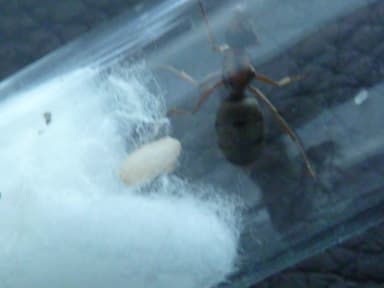
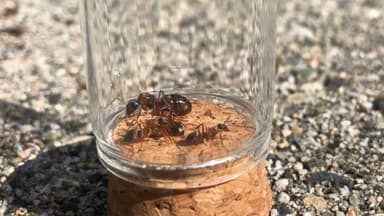
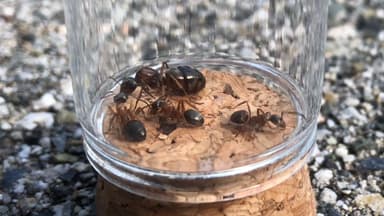
When your Formica pacifica queen and her first workers arrive, the initial days are delicate. Unbox them in a dimly lit, quiet room and allow the test tube setup to rest undisturbed for at least 24 hours so they can settle from the vibrations of transit. The queen is claustral, so if she is still alone, she needs nothing more than the water in her tube; do not feed until the first workers appear. For a small founding colony with a few workers, offer a tiny drop of sugar water on a piece of foil directly into the test tube or outworld after a day of acclimation, and watch for immediate interest. Wait another day before introducing a small, pre-killed fruit fly or similar protein. The most critical things to watch for are signs of excessive stress—constant pacing, frantic antenna cleaning, or the queen abandoning her brood—which usually indicate the setup is too bright, too warm, or subject to vibrations. Workers may initially be shy, but with a calm environment and careful, minimal intrusion, they will soon begin leaving the nest to explore. Keep a tight-fitting lid on the outworld from the very start; these ants can climb smooth surfaces with ease and will test every gap. With patience and a steady routine, your F. pacifica colony will transform into a bustling, mesmerizing display of cooperative life.