Formica
Formica fuscocinerea
Nuptial Flight Calendar
Flight months: Jun, Jul, Aug, Sep
Care Guide
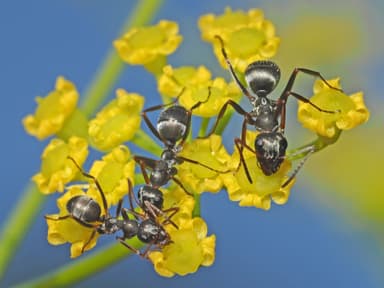
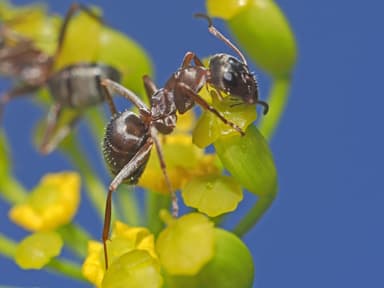
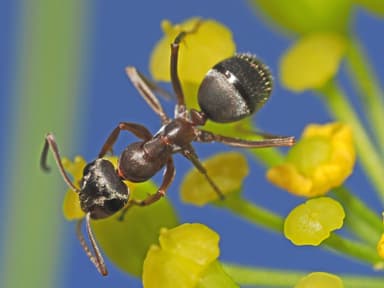
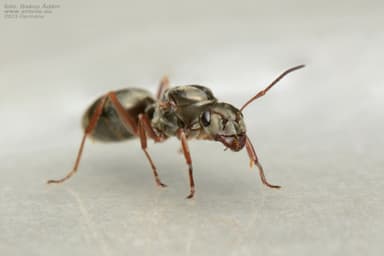
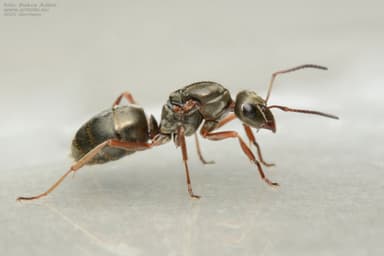
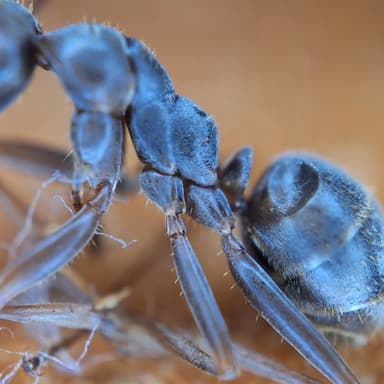
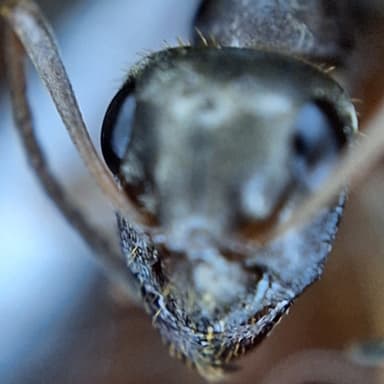
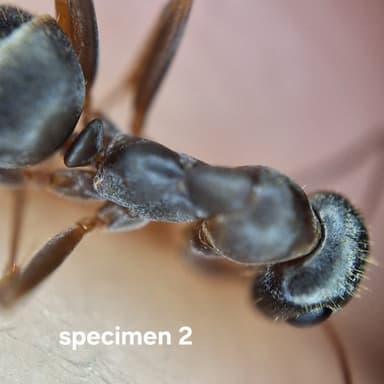
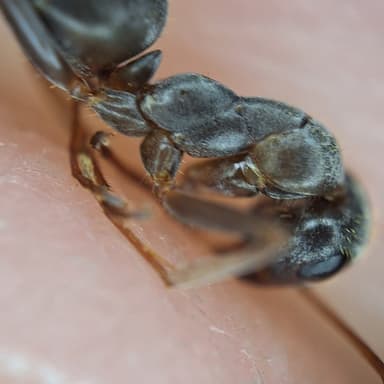
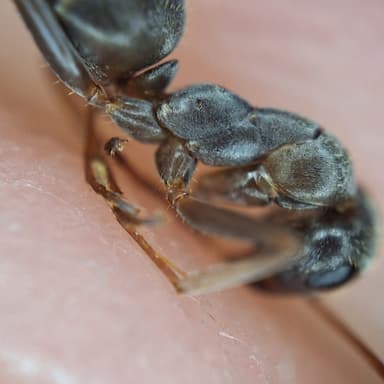
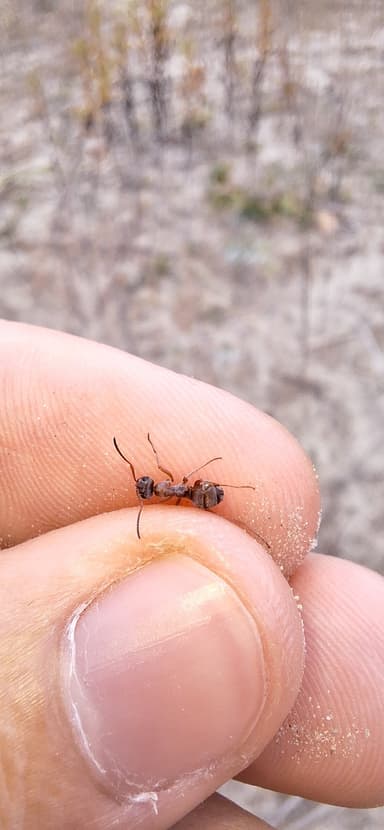
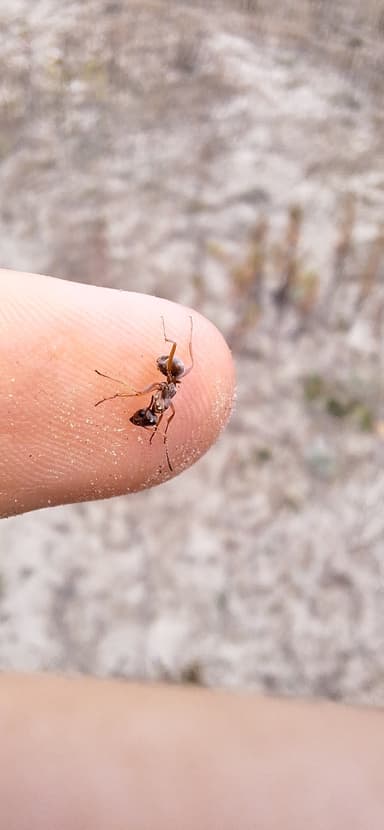
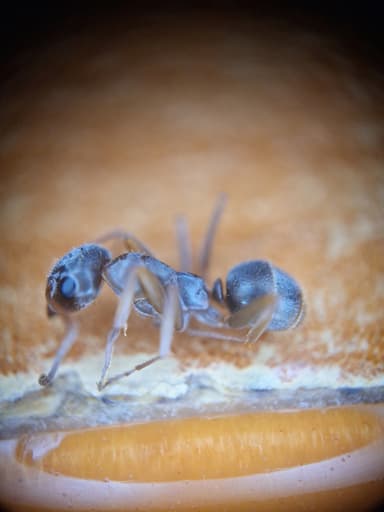
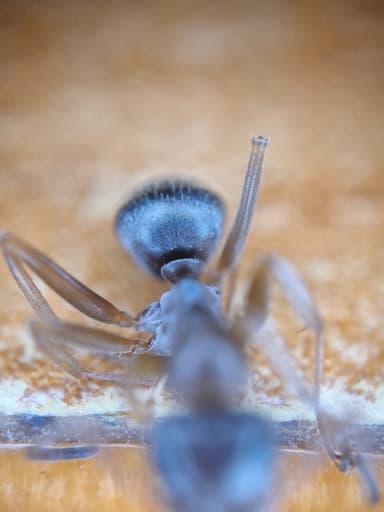
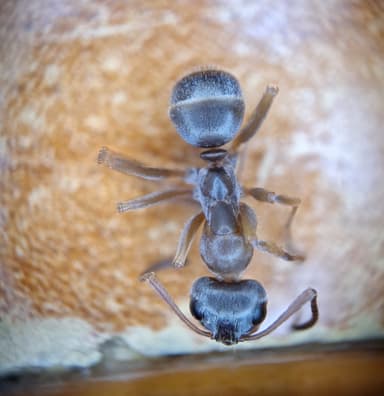
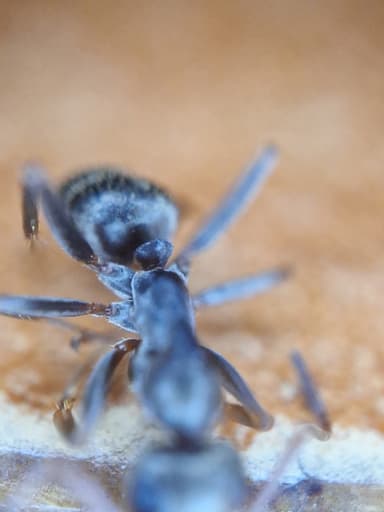
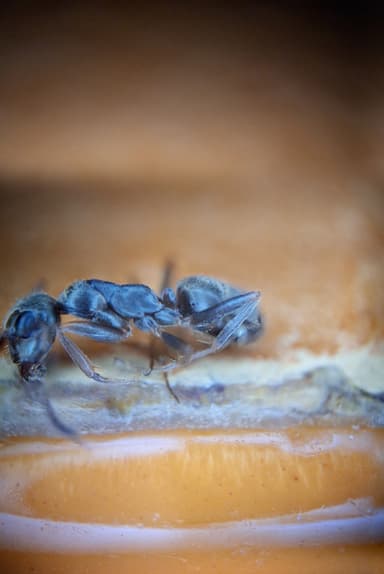
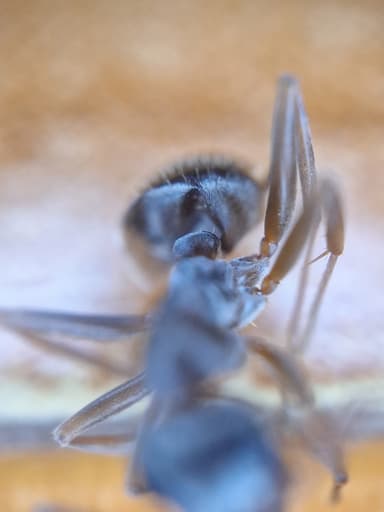
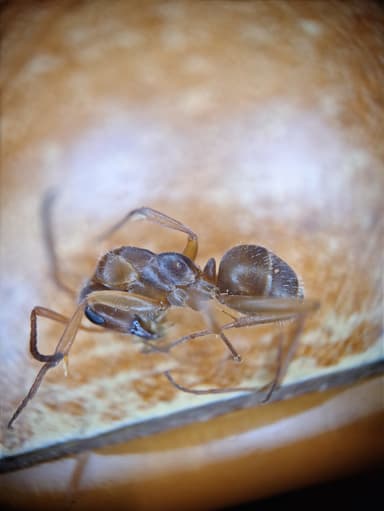
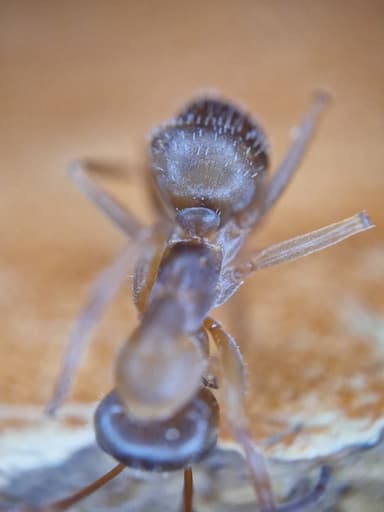
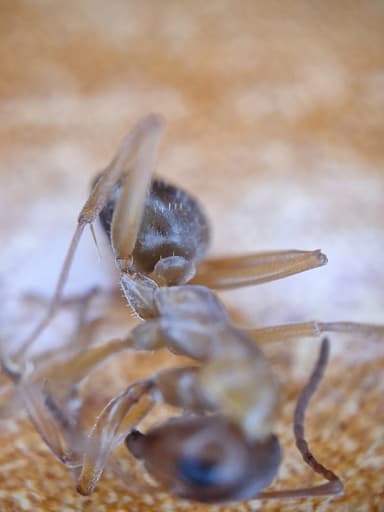
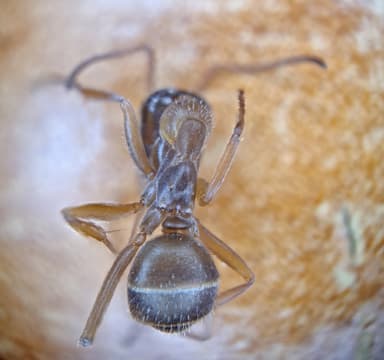
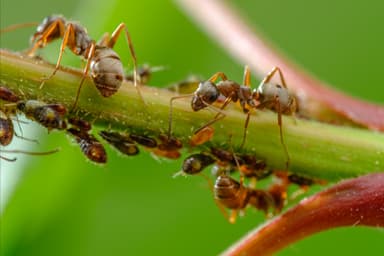
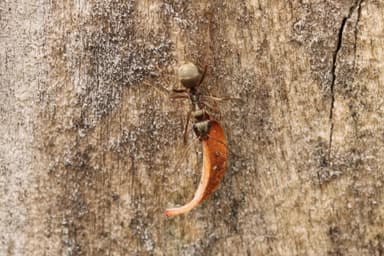
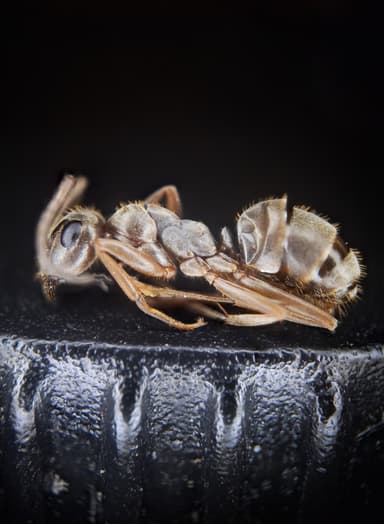
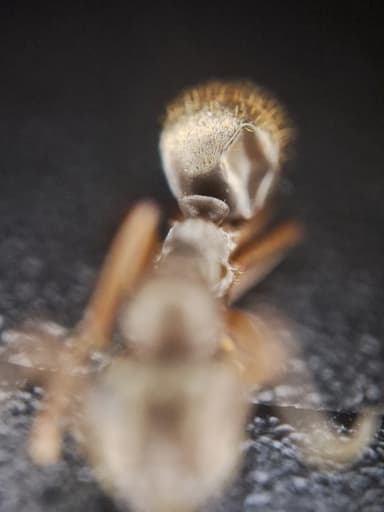
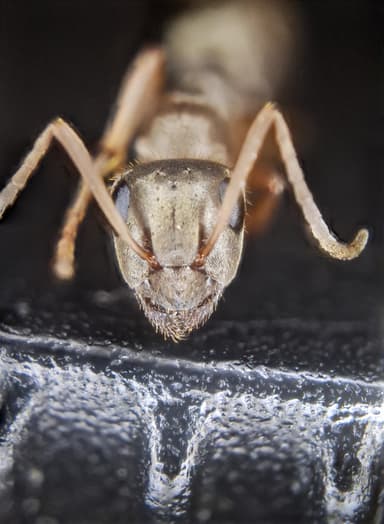
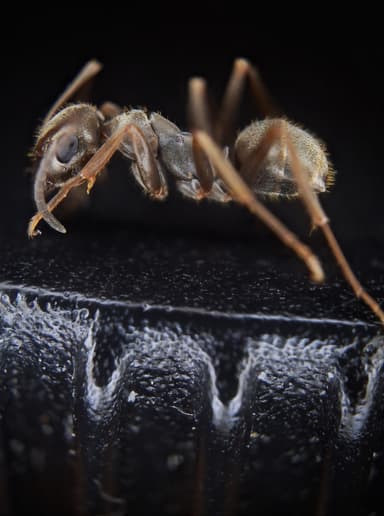
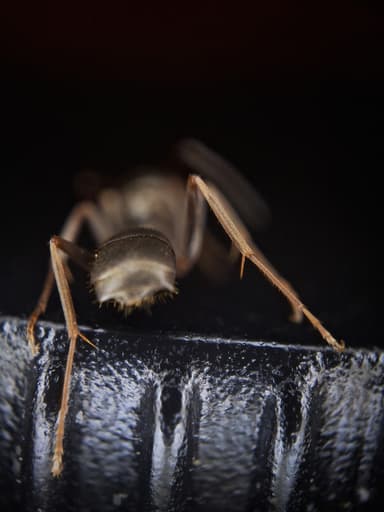
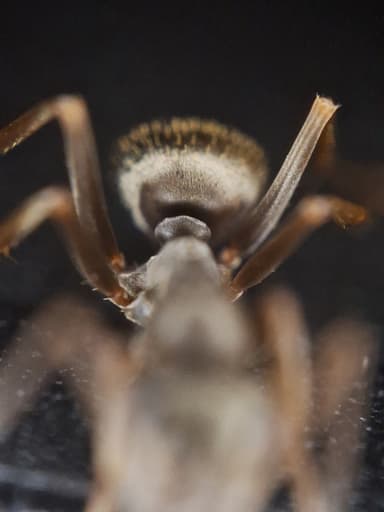
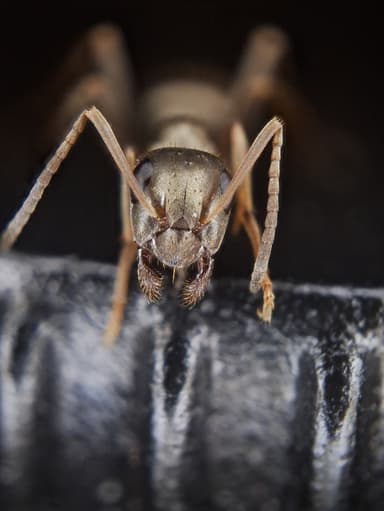
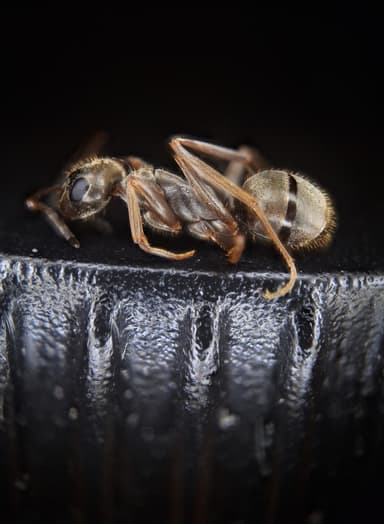
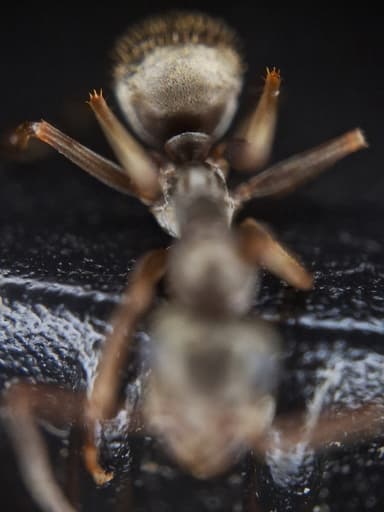
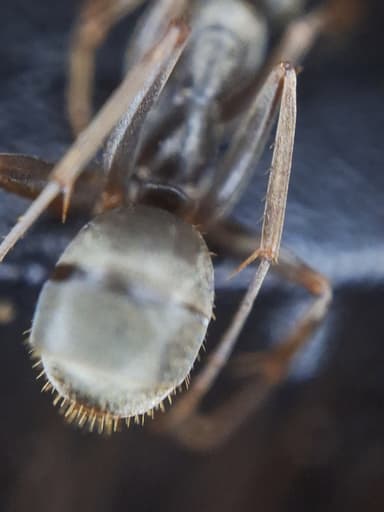
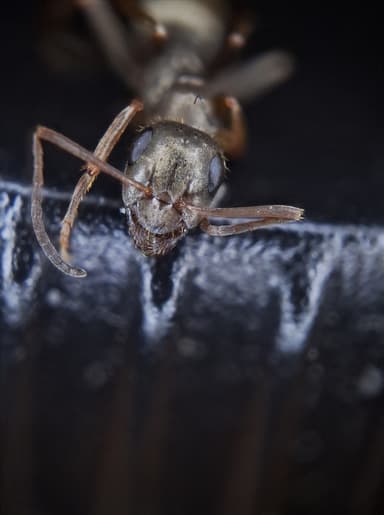
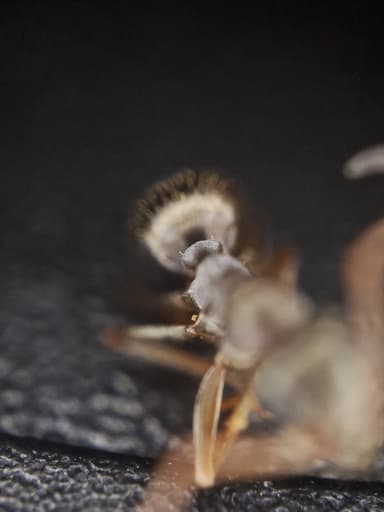
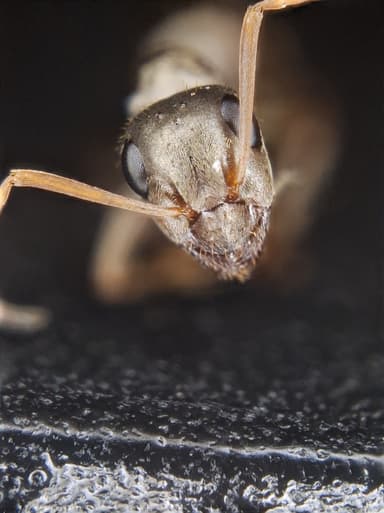
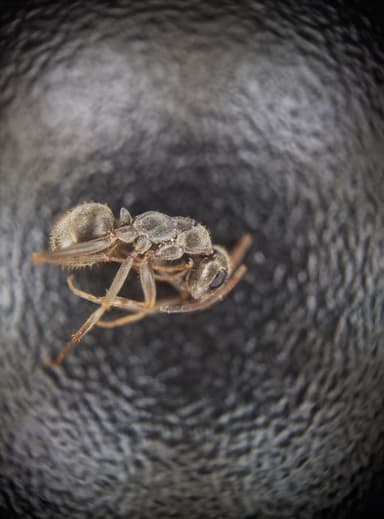
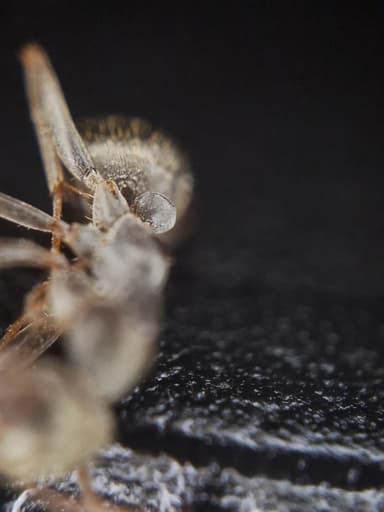
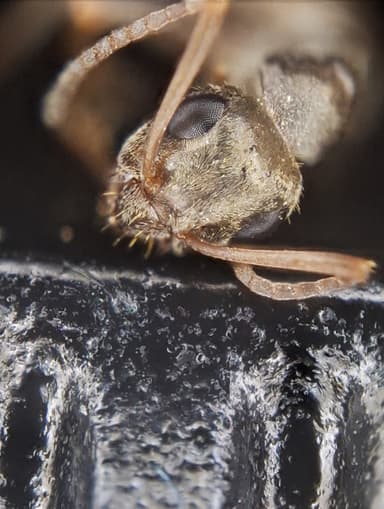
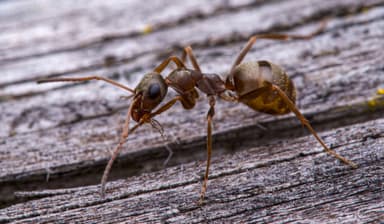
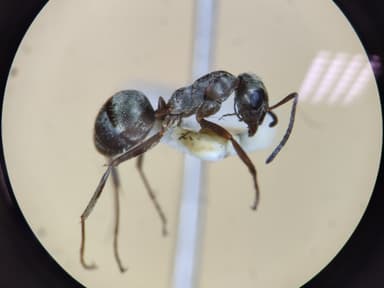
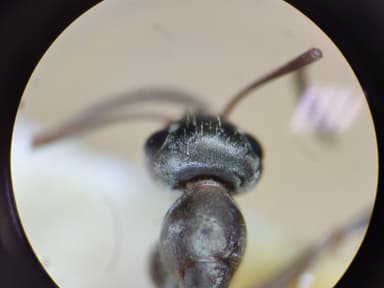
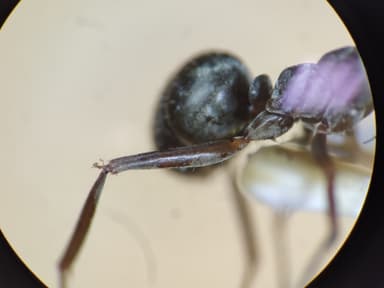
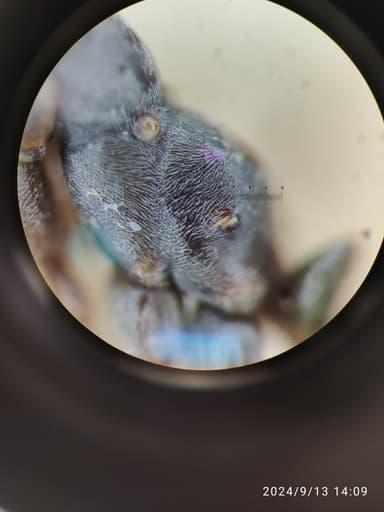
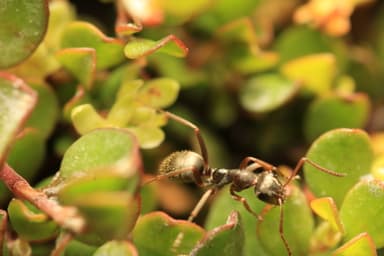
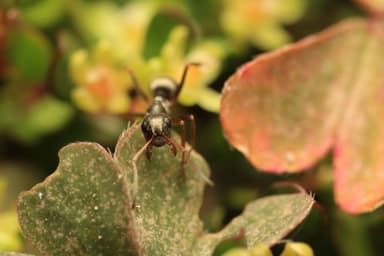
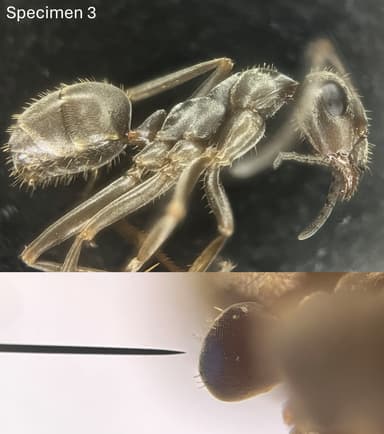
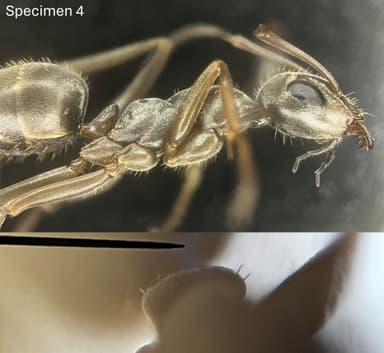
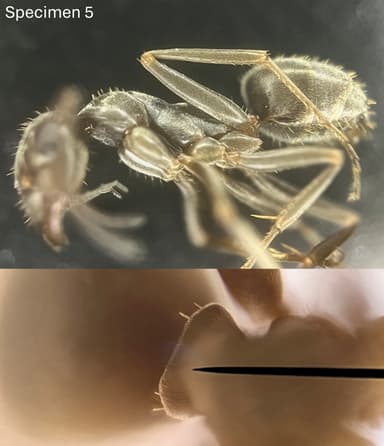
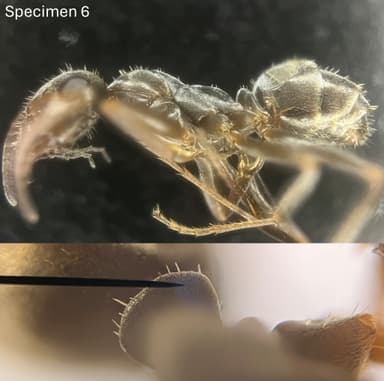
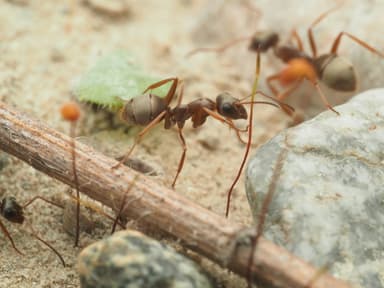
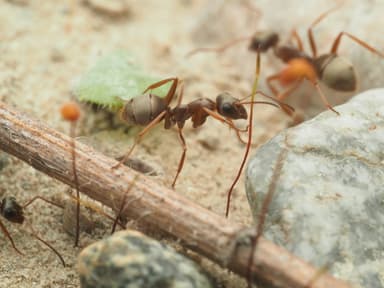
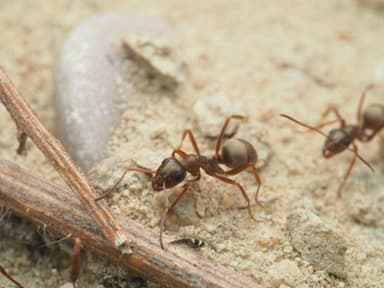
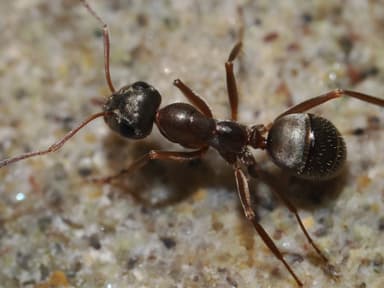
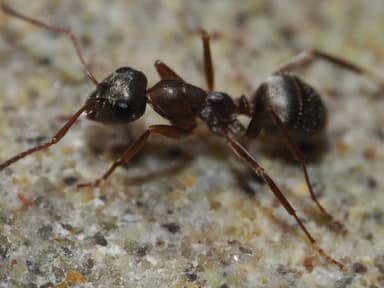
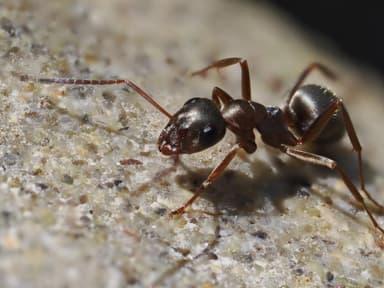
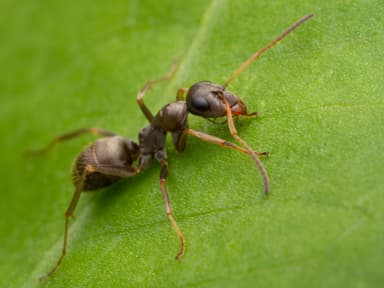
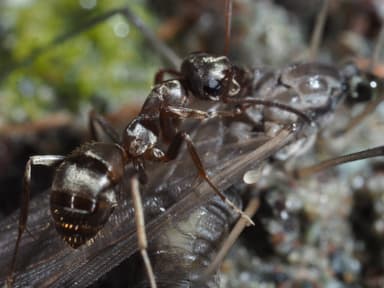
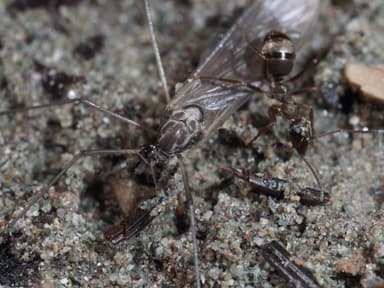
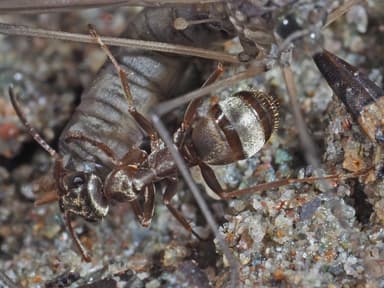
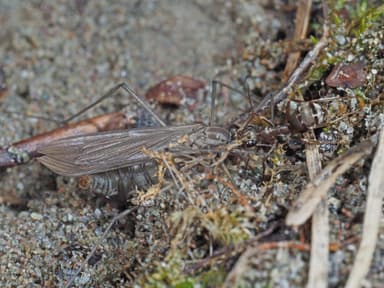
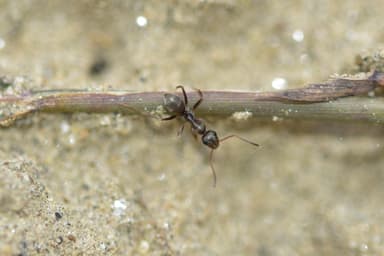
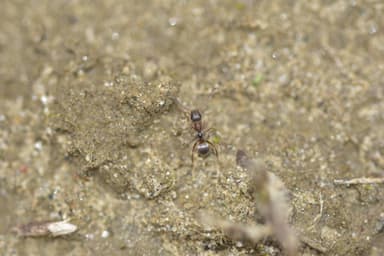
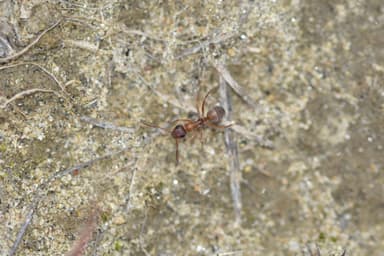
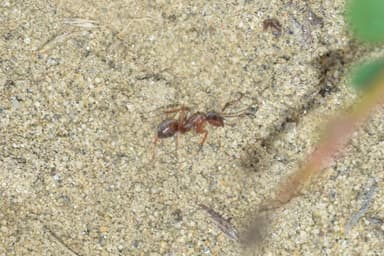
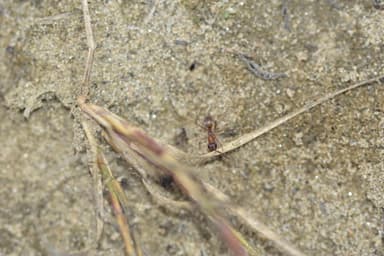
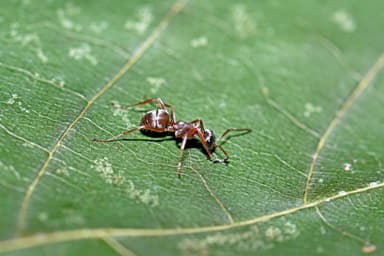
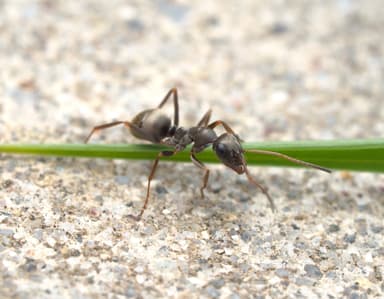
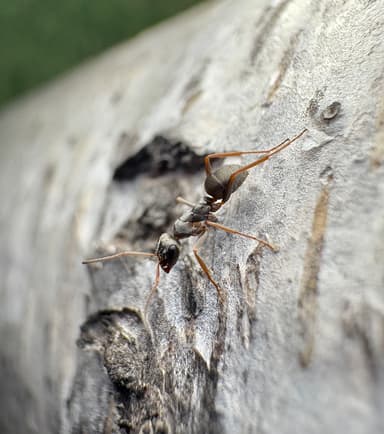
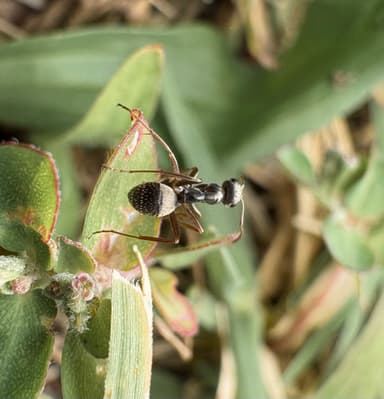
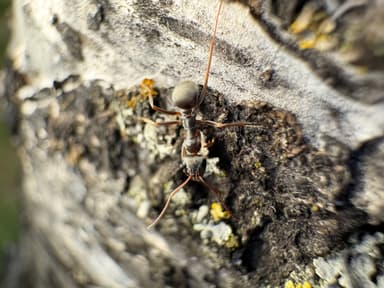
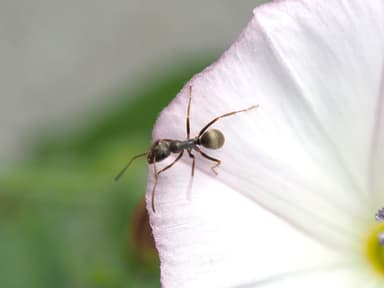
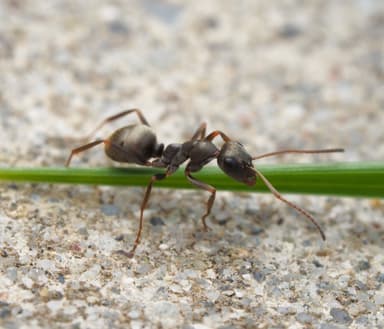
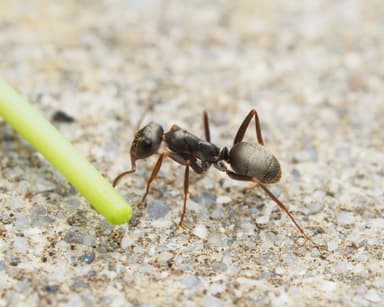
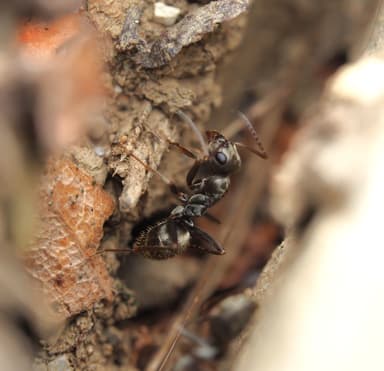
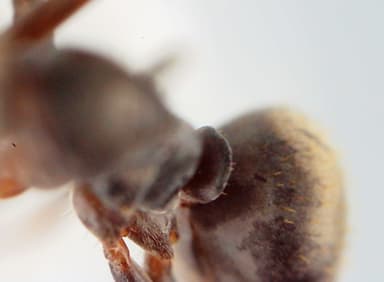
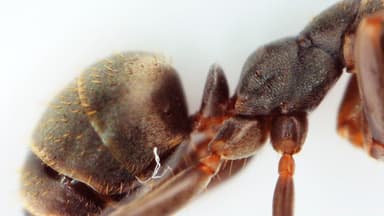
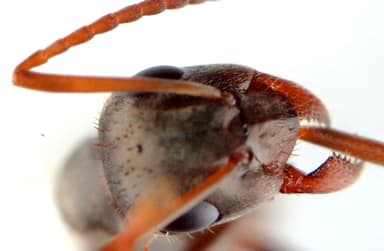
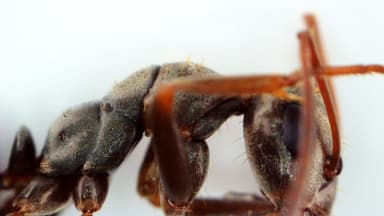
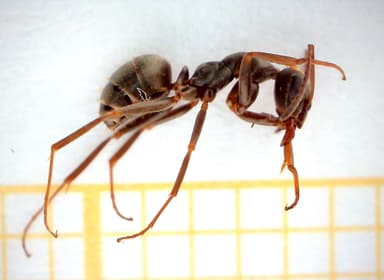
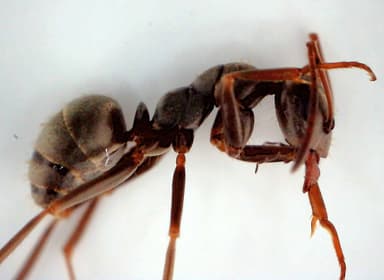
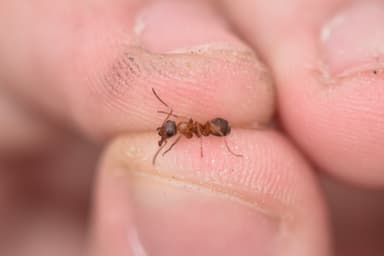
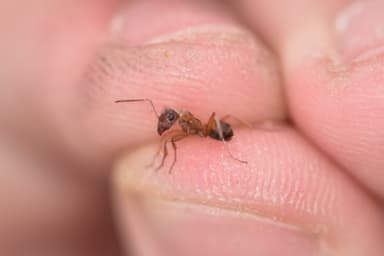
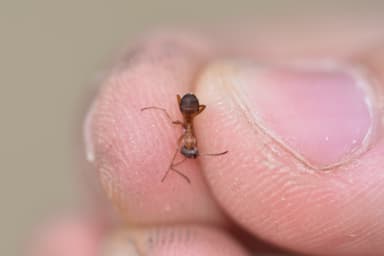
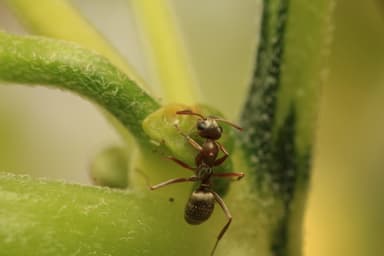
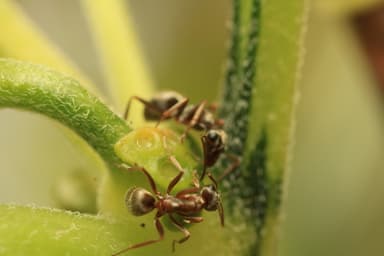
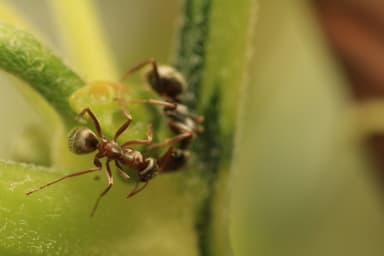
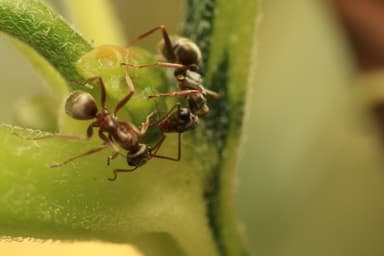
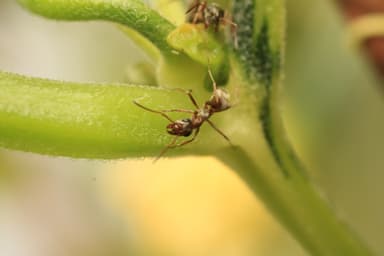
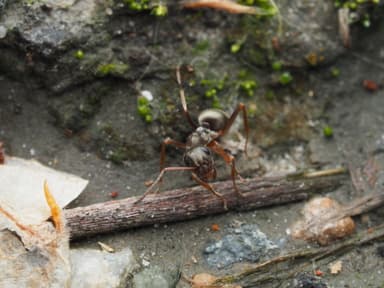
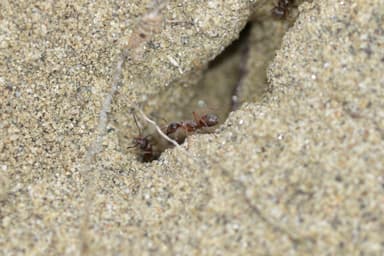
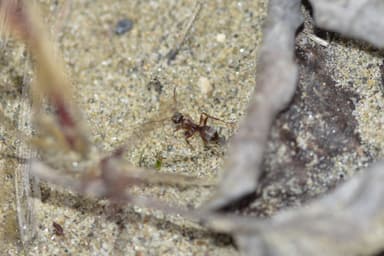
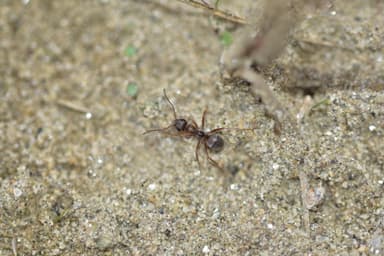
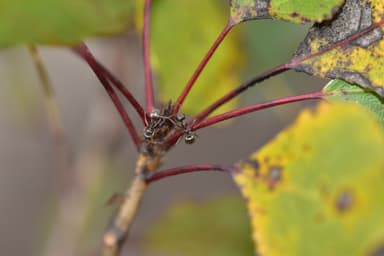
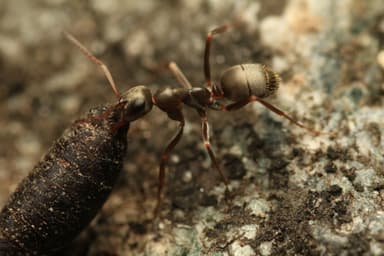
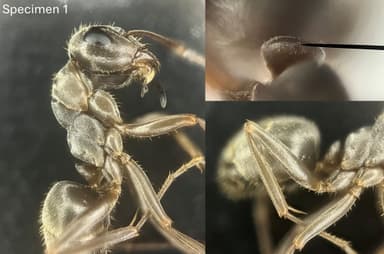
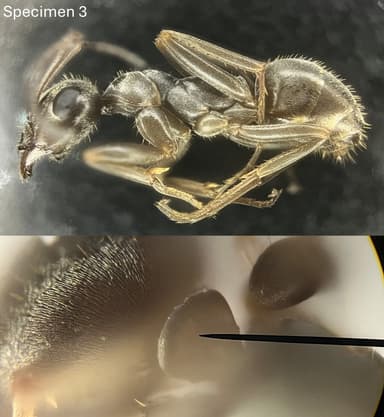
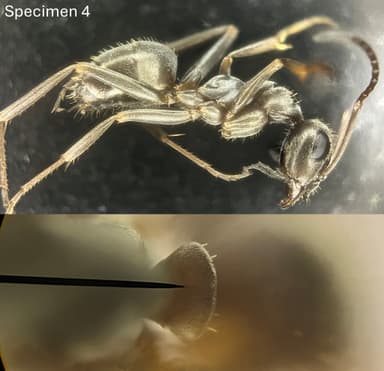
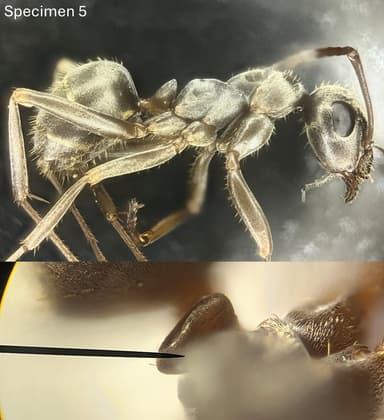
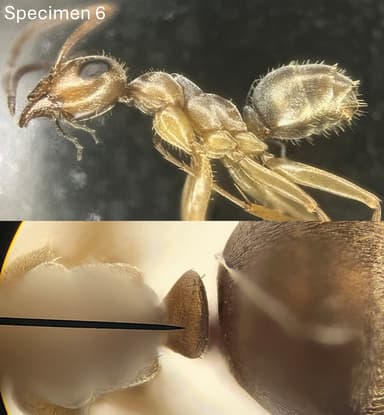
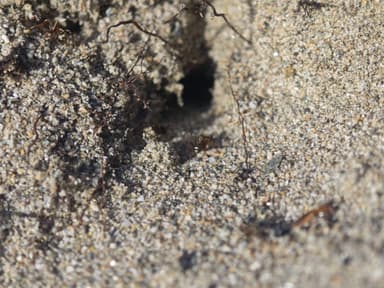
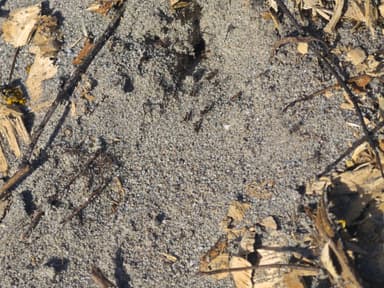
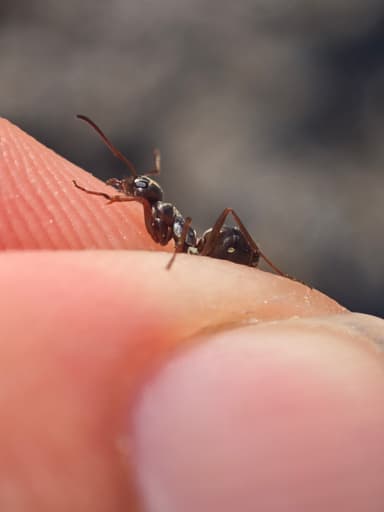
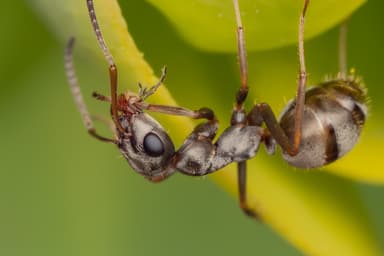
Formica fuscocinerea is a strikingly dynamic member of the cinerea group, prized for its sleek, dark grey to brownish‑black exoskeleton and its relentless, agile movement. Queens reach 8–10 mm in length, while workers exhibit a subtle yet distinct size polymorphism that ranges continuously from 4 to 7 mm, without a sharply defined major caste (Seifert 2002). This species builds truly colossal colonies, with mature nests harboring up to half a million individuals, often spreading as polygynous supercolonies across their preferred habitat of sun‑baked, sandy riverbanks and gravel bars (GBIF occurrence records; Seifert 2018). What immediately captures the attention of any ant keeper is the founding strategy: newly mated queens are semi‑claustral, meaning they must venture from their incipient chamber to actively forage, a behaviour that offers a rare window into the queen’s resourcefulness during the earliest days of colony life.
With an intermediate care difficulty, Formica fuscocinerea is best suited to hobbyists who already have experience managing claustral founders and are ready for a more engaging challenge. The semi‑claustral phase alone demands consistency—the queen must be fed regularly, and failure to do so will result in her starvation. Once the colony grows, its sheer numbers, astonishing speed, and readiness to spray formic acid when disturbed call for escape‑proof housing and a calm, deliberate approach to maintenance. For those undaunted, the rewards are immense: this ant offers a real‑time spectacle of social coordination and nest‑building prowess, making every feeding session and outworld expansion a study in ant industry.
Housing a species that naturally excavates extensive tunnels in sandy soil means the formicarium should accommodate digging, at least partially. A soil‑based or sand‑loam nest is ideal, but a ytong or plaster nest with a soil‑lined foraging area also works wonderfully for observation. The outworld must be spacious and completely escape‑proof; a fluon/polytetrafluoroethylene barrier combined with a tight‑fitting lid is non‑negotiable, as these ants are adept climbers. Temperature should be maintained as a gradient from 18°C at the cooler end to a distinctly warmer 30°C at a basking spot, which stimulates brood rearing. Humidity inside the nest ought to stay between 40% and 60%, reflecting the well‑drained, aerated soils of their native riverside habitats—too much moisture can quickly lead to mould, so good ventilation is key. Keep the outworld dry, aside from a dedicated drinking station, and provide a shallow water source that prevents drowning.
Diet follows the classic Formica blueprint: a balance of insect protein and sugary carbohydrates. Offer a varied menu of small crickets, fruit flies, and chopped mealworms, ensuring all protein is safely killed or disabled to prevent injury to the young colony. Worker energy demands are met with a steady supply of diluted honey, sugar water, or a high‑quality ant jelly. The founding queen is particularly dependent on your initial care; she needs a tiny protein morsel and a droplet of sugar solution every two to three days. As the workforce expands, feeding frequency must ramp up dramatically—a large colony can strip a protein source in hours, so observe consumption closely and adjust portions accordingly. Clean water must always be available, both for drinking and for minor humidity adjustments in the nest.
Like all temperate ants, Formica fuscocinerea requires a strict hibernation period to maintain health and trigger reproduction. In late autumn, gradually cool the colony over several weeks until it rests at a constant 5°C, a temperature easily achieved in a refrigerator or an unheated cold room. The ants will huddle into a dense, motionless cluster for three to four months. Keep the nest just barely moist—not wet—and resist the urge to check on them, as vibrations can disrupt their dormancy. This rest is not optional; without it, queens will stop laying and colony vigour will decline. When spring arrives, warm the colony slowly back to room temperature, and you will soon see foraging activity resume with renewed intensity.
When you first unpack a newly purchased queen, usually housed in a test tube, remember that she is already hungry from the rigours of mating and founding. Allow her a few hours of quiet darkness to recover from shipping stress, then offer a tiny dab of sugar water on a cotton wick and a pre‑killed fruit fly or a fragment of protein jelly. Watch for her to eagerly drink and then carry the protein back to her brood pile, a sure sign of a healthy founding. Keep her in a small, sand‑lined outworld so she can construct a naturalistic chamber, and avoid strong light or vibration. With attentive, regular feeding, the first nanitic workers will soon emerge, signalling the start of a spectacular journey from a single queen to a bustling, multi‑thousand‑strong community that will captivate you for years.