Camponotus
Camponotus sansabeanus
Nuptial Flight Calendar
Flight months: Mar, Apr, May, Jun, Jul
Care Guide
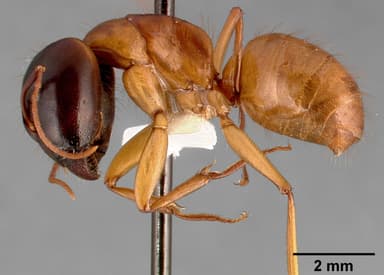
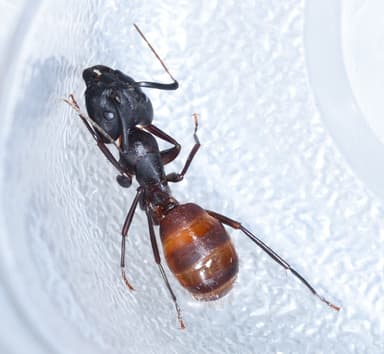
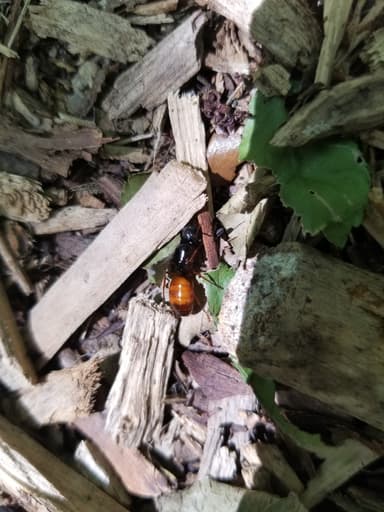
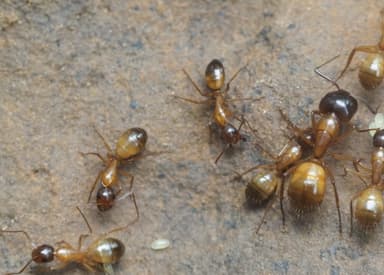
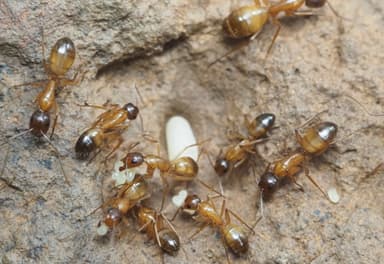
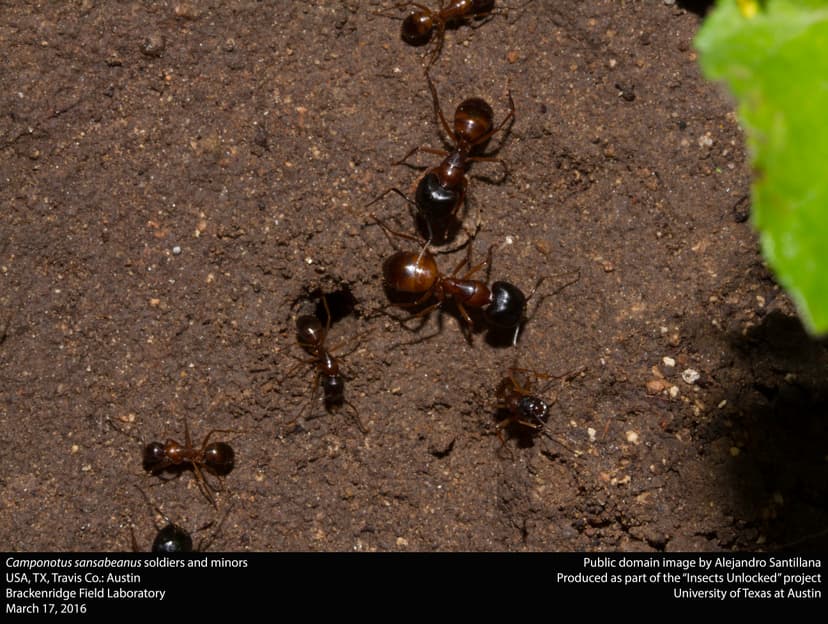
Camponotus sansabeanus, a striking denizen of the American Southwest, is a medium-sized carpenter ant whose range stretches from Texas to California and south into northern Mexico (AntWeb, AntWiki). This species immediately catches the eye with its warm bicolored pattern: the mesosoma glows in hues of reddish gold, contrasting sharply with a dark head and gaster, while the polymorphic worker caste adds exceptional visual interest. Queens measure a robust 13 to 16 millimeters, and workers span 6 to 12 millimeters, with three distinct subcastes—minors, medias, and majors—that divide labor fluently (Mackay & Mackay 2002). Majors, in particular, display massively enlarged heads and powerful mandibles, functioning as seed crackers and colony defenders. Mature colonies in the wild can number around 4,000 individuals, and they adopt a largely nocturnal foraging rhythm to evade the desert heat. Nuptial flights occur on warm, rain-kissed evenings from May through July, a detail that captive breeders can use to anticipate founding stage windows (Snelling 1988).
The species is rated as intermediate in care difficulty, making it best suited for keepers who have already succeeded with hardy beginners like Lasius neoniger. The primary challenges are not aggression—Camponotus sansabeanus is relatively placid once established—but rather the strict requirement for a cool hibernation period and the need to maintain a dry nest environment to prevent fatal fungal outbreaks. Provided you are comfortable managing these parameters, the colony grows at a steady pace and tolerates brief inspections well, giving you ample reward with their size variation and subtle social behaviors. It is an ideal stepping stone into the world of large carpenter ants, offering more complexity than a typical beginner species without the extreme sensitivities of certain tropical relatives.
Housing must replicate their preference for arid to semi-arid microclimates. A well-ventilated formicarium constructed from plaster, gypsum, or acrylic with a moisture gradient works beautifully. The nest chamber should hold a humidity of 40 to 60 percent—achieved by adding a small water reservoir at one end—while the foraging arena remains bone dry. Temperature should be kept between 20 and 28 degrees Celsius, and providing a gentle day–night fluctuation mimics their native conditions and stimulates activity. For substrate, a sand–loam mix or fine desert sand in the outworld allows workers to express natural digging and scouting behaviors, though they will not excavate elaborate tunnels if given a ready-made nest. Offer water via a stoppered test tube or a cotton-plugged dish; open water pools are dangerous for these deliberate movers. Cover the nest portion to maintain darkness, which encourages the queen to produce brood steadily.
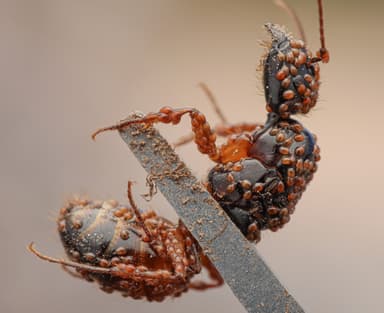
Diet follows the typical Camponotus pattern, demanding both carbohydrates and protein. A mild honey-water mixture or sugar water, refreshed every two days on a small foil dish, fuels adult workers. Protein supports the developing larvae: provide freshly killed or live insects such as quarter-inch crickets, flightless fruit flies, and chopped mealworms twice per week during active growth. Remove any uneaten insect remains within 24 hours to prevent mold spores, which can be especially devastating in a low-humidity nest. They will also accept high-quality ant jelly as a convenient carbohydrate source. A constant, clean water supply is critical, especially because the colony selects dry nest sites and must shuttle water back to hydrate the brood.
Hibernation is not optional for this temperate species; it is a physiological necessity that underpins queen fecundity and worker longevity. As autumn approaches, gradually cool the colony over two to three weeks until it reaches a steady 12 degrees Celsius, then maintain this temperature for three to four months in complete darkness (Mackay & Mackay 2002). The ants will cluster into a motionless ball, and food is neither needed nor accepted, but a small water test tube should remain to prevent dehydration. In late winter, reverse the process, warming them slowly to room temperature. A colony denied this diapause will often show a steady decline in brood numbers and may ultimately perish within a year or two.
When your queen first arrives, she will be sealed in a standard founding test tube with a water reservoir. Set the tube in a warm, vibration-free spot at around 24 to 26 degrees Celsius and do not disturb her for at least a week, then only check briefly every few days for signs of mold. As a fully claustral foundress, she will not require any food until her first workers eclose, typically six to ten weeks later. Once the tiny nanitics appear, slide in a minuscule dab of honey water on a waxed paper square and a single pre-killed fruit fly, then reseal the tube with cotton quickly to minimize stress. Watch carefully for excessive condensation inside the tube; if droplets form, gently offer a new, drier tube and allow the colony to migrate at its own pace. Keep all disturbance to a minimum until a dozen workers are present, at which point a small foraging arena can be attached and regular feeding routines can begin in earnest.