Aphaenogaster
Aphaenogaster picea
Nuptial Flight Calendar
Flight months: May, Jul, Aug, Sep
Care Guide
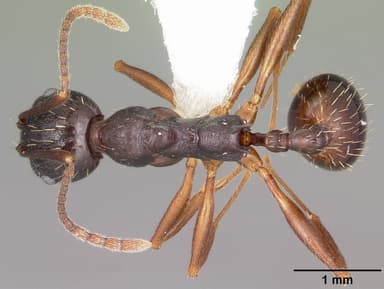
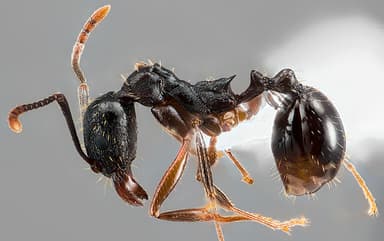
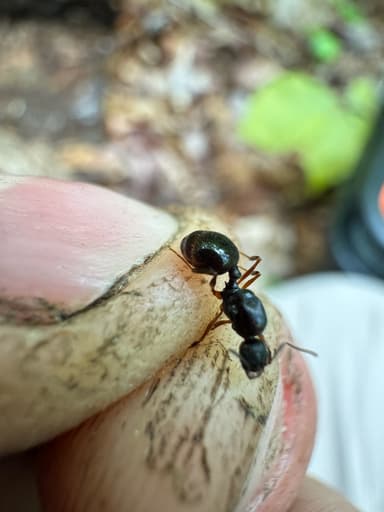
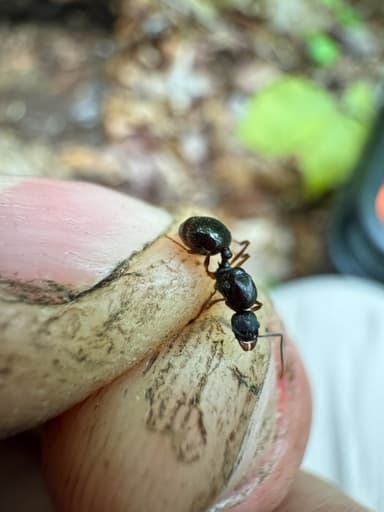
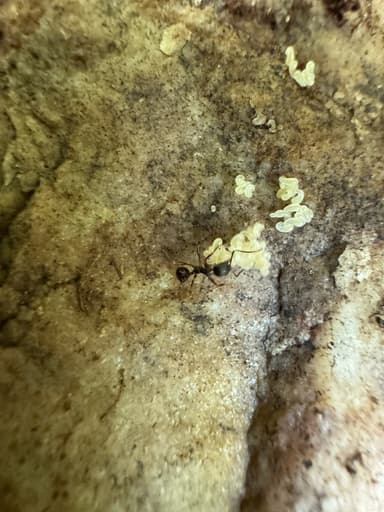
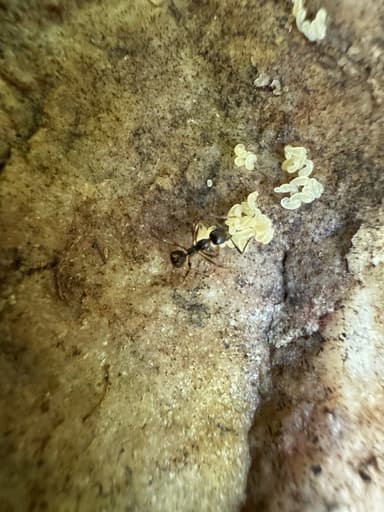
The eastern North American ant Aphaenogaster picea is a slender, graceful woodland species that brings a touch of the forest floor to your formicarium. Queens measure a stately 8 to 10 millimeters, while their workers range from 4 to 5.5 millimeters in a single monomorphic minor caste — no soldiers, just a cohort of long-legged, nimble foragers. Coloring varies from warm rufous to deep brown, often with a darker gaster and an almost polished sheen to the mesosoma. In the wild, colonies are relatively modest, topping out around three thousand individuals, and are typically found nesting under stones or in well-rotted logs across deciduous and mixed forests from the Great Lakes to New England (Ellison et al. 2012). What truly captivates hobbyists, however, is their behavior: these ants are timid yet alert, moving with a halting, deliberate gait and carrying their slender petioles high. They are also key dispersers of understory seeds with nutrient-rich elaiosomes, a role that has earned the genus a celebrity status among plant ecologists. For the keeper, this gentle nature and modest colony size combine to make a fascinating display species that rarely intimidates.
With a care difficulty rated beginner, Aphaenogaster picea is an excellent introduction to North American myrmecology — provided you can meet its one firm requirement: a true cold hibernation. Otherwise, the species is robust, forgiving of minor husbandry slips, and well-suited to keepers who may have successfully raised a Lasius or Camponotus colony and wish to explore a different temperament. It does not need elaborate humidity towers or constant feeding adjustments, and the small worker size makes escapes rare. That said, first-time keepers who live in perpetually warm climates should be aware that they will need a dedicated cooling setup, such as a temperature-controlled wine cooler set to 5°C, for several months each year. For anyone prepared to offer that seasonal rest, this ant will reward you with years of quiet activity and the chance to watch its shy workers emerge en masse during twilight foraging.
Housing is straightforward and mirrors the conditions of a cool, mesic forest floor. Aphaenogaster picea thrives at temperatures between 20 and 26°C, with a relative humidity in the nest chamber of 50 to 70 percent — a gradient is preferable, so the ants can self-select. A standard plaster or gypsum nest with a hydration reservoir works beautifully, as do sand-clay mixtures that allow moisture to wick upward. Adding a layer of sand or fine gravel in the foraging arena gives workers secure footing and a natural appearance; they will often rearrange tiny pebbles, a behavior that endears them to keepers. Ventilation is important to prevent stagnation, but avoid strong air currents that might dry out the nest too quickly. Many successful keepers attach a small outworld with a piece of cork bark for shade, and the ants will soon designate a midden corner. Because these ants are not aggressive and rarely climb smooth vertical surfaces, a simple fluon-coated rim is sufficient to contain them. AntWiki notes that in nature they frequent moist, shaded habitats, so replicating that with a cover over part of the nest will keep the colony settled and reduce stress.
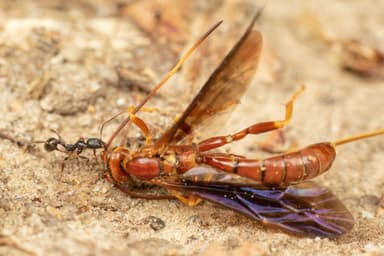
In the wild, Aphaenogaster picea is an opportunistic scavenger and generalist predator (Coovert 2005). The captive diet should follow suit, with a foundation of insect protein: chopped mealworms, crickets, or fruit flies are all eagerly accepted. Offer protein two or three times a week, removing uneaten portions within a day to prevent mold. Sugar sources are equally important and can be provided as pure honey, maple syrup, or a sugar-water solution on a small cotton wad. While not granivorous in the strict sense of seed-harvesting ants, this species does collect seeds with fleshy elaiosomes in nature, so an occasional scattering of tiny native seeds like those of violets or bleeding hearts can prompt fascinating carrying behavior. Always supply a clean water source; a test tube with a cotton plug works well in the outworld. Workers will also drink from moist nest surfaces, but a dedicated waterer prevents dehydration if the nest dries out inadvertently.
Hibernation is non-negotiable for this temperate ant. Colonies from across the range experience prolonged sub-zero air temperatures while insulated in the soil, and in captivity a steady 5°C is the target. Begin to cool the colony gradually in late autumn, lowering the temperature by a few degrees each week until they reach the target in a dark, undisturbed space. They will cluster tightly around the queen and brood, barely moving. Check the nest’s moisture every couple of weeks, as peristent dampness at low temperatures can encourage mold. Three to four months of chilling is sufficient; then reverse the process slowly to bring them back to room temperature. Skipping this diapause often results in a lethargic spring colony, a failed egg-laying season, or queen death. If you can master this annual rhythm, your colony will reward you with a flush of brood each spring and the reemergence of exploratory workers foraging in their arena.
When your queen arrives, she will likely be alone in a test tube setup, having mated during the afternoon nuptial flights that occur from July through September after warm, humid rains (Ellison et al. 2012). Place the tube in a dark, quiet cabinet at a steady 24°C and resist the urge to check on her for at least five days. A founding queen is fully claustral and carries the metabolic resources to raise her first nanitic workers without feeding, so no food is needed until the first workers eclose. If you must offer a tiny drop of honey after the first week, dab it on the tube’s cotton plug rather than directly inside your queen’s chamber, but remove any uneaten food promptly. Once you see the miniature first workers after about six to eight weeks, you can begin offering a small pre-killed fruit fly and a minute drop of sugar water every other day. Gradually connect the tube to a small foraging arena, and only when the colony numbers a few dozen workers should you offer a proper nest. During these early days, the colony will be exceptionally timid; move slowly and keep lights dim during observations. The greatest watchpoint is mold, which can smother a founding queen in an overly humid, stagnant tube. A small ventilation hole poked in the cotton and a strictly dry founding tube (with only the water reservoir behind the cotton) will sidestep this issue neatly, carrying your founding queen safely through to the exciting moment when her first workers tap their antennae against the barrier and begin to explore.