Anoplolepis
Anoplolepis gracilipes
Nuptial Flight Calendar
Flight months: Jan, Feb, Mar, Apr, May, Jun, Jul, Aug, Sep, Oct, Nov, Dec
Care Guide
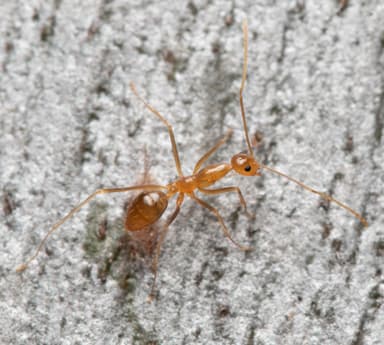
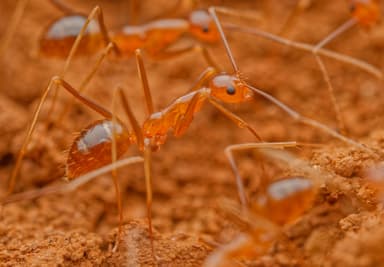
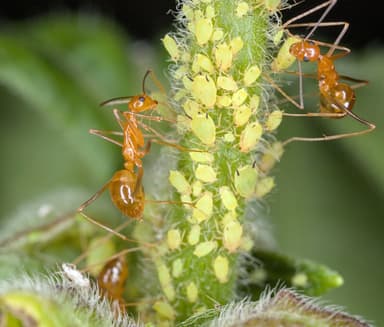
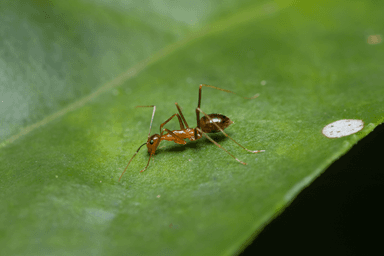
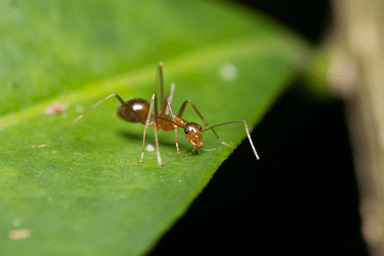
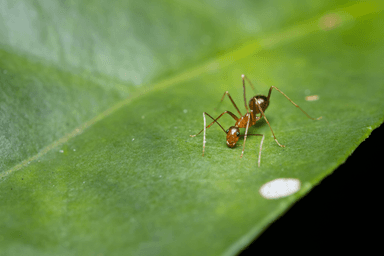
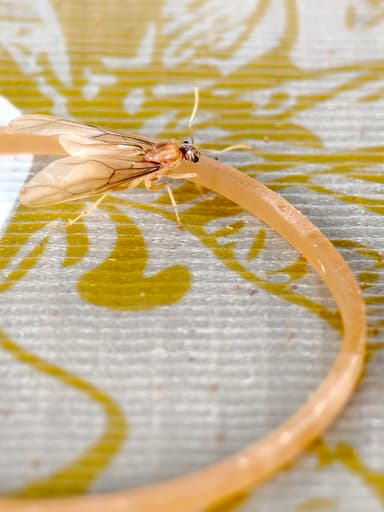
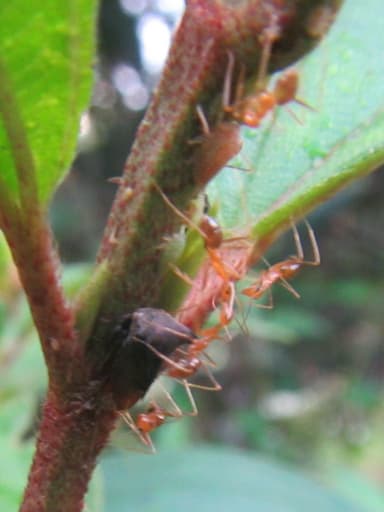
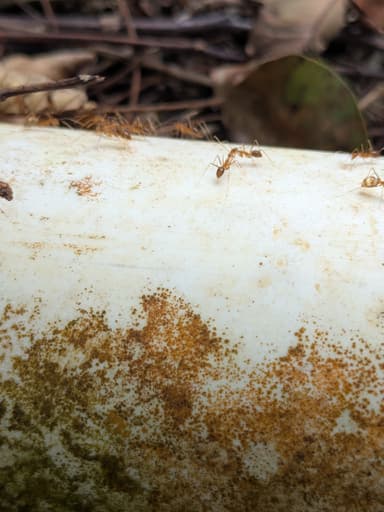
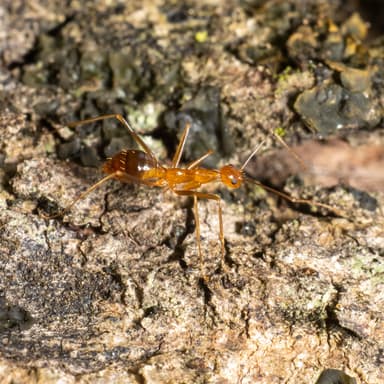
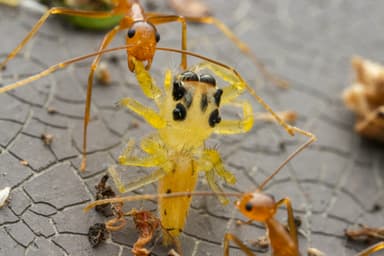
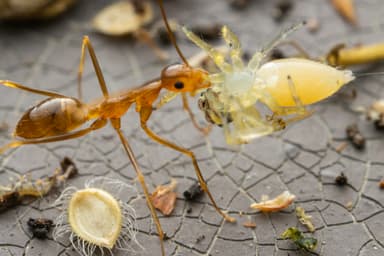
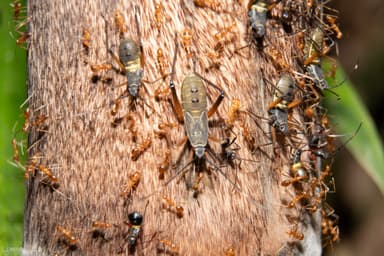
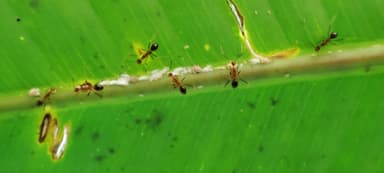
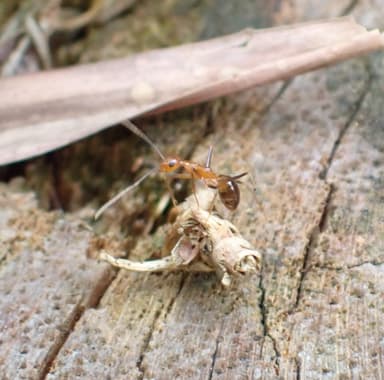
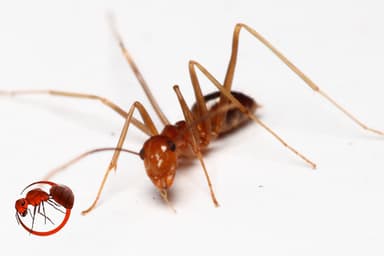
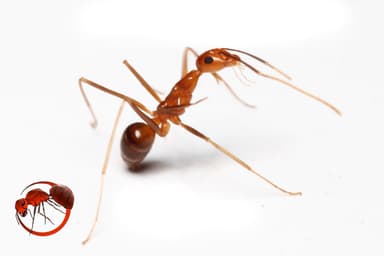
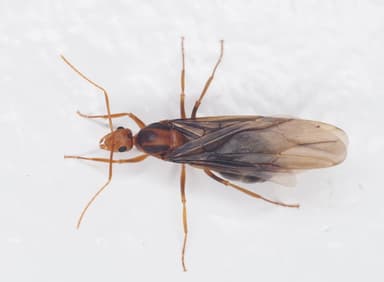
Anoplolepis gracilipes, commonly known as the yellow crazy ant, is a lightning-fast, highly adaptable species that captivates keepers with its dynamism and sheer colony potential. Workers are uniformly sized, with no physical polymorphism beyond the single minor-worker caste, measuring between 3.7 and 4.5 mm in length. They are a warm amber-yellow, slender, with extraordinarily long legs and antennae that give them their characteristic frenetic gait. Queens are notably larger, ranging from 8 to 10 mm, and colonies are polygynous, often containing dozens or even hundreds of functional queens. This social structure, coupled with reproduction exclusively by budding — where a queen and a retinue of workers split from the mother nest on foot — allows colonies to expand with astonishing speed, reaching sizes of up to one million workers in unicolonial supercolonies (Drescher et al. 2007). Their global invasive success, mapped by Wetterer (2005) across tropical and subtropical regions within roughly 35°N to 35°S, speaks to their resilience and resourcefulness, making them a fascinating but demanding captive subject.
Because of their breakneck growth rate and legendary skill at exploiting the smallest gaps, Anoplolepis gracilipes is solidly an intermediate species that is best left to keepers who have already mastered slower, more forgiving ants. They are not suitable for beginners. The main challenge lies not in delicate environmental needs — though they are strict — but in containment and colony management. A young, small colony can quickly become a sprawling, high-maintenance metropolis that will test the integrity of any formicarium. Escapes are a real possibility if enclosures are not meticulously sealed, and their long legs make them proficient climbers on even slightly rough surfaces. This species suits the enthusiast who enjoys a high-energy display, is prepared to perform frequent nest maintenance, and has a secure, dedicated space where an accidental breakout would not pose a serious problem.
Successful housing must address their tropical origin. Maintain a stable temperature gradient between 24°C and 30°C, with the warmest point usually near the nest entrance or a heat mat attached to one side. Humidity must remain consistently between 60% and 80%, which can be achieved with a well-hydrated plaster, ytong, or grout-based nest that wicks moisture; open soil is also an option but requires daily misting and drainage. The foraging arena must be large, as workers cover ground rapidly, and a tight-fitting lid with a high-quality barrier — PTFE fluon or an oil-based slick — is non-negotiable. Check barriers frequently, as dust and debris quickly compromise their effectiveness. Provide a few pieces of cork bark or leaf litter for cover, reducing stress and giving the ants a naturalistic surface to traverse, but avoid overly complex decorations that create climbing opportunities to the lid.
Dietary needs are straightforward but relentless: these ants have a voracious appetite for both protein and carbohydrates. Offer a steady supply of small insect prey — fruit flies, crickets, mealworm pieces — balanced with carbohydrate sources like dilute honey, sugar water, or a commercial ant nectar. As colony numbers soar, feeding frequency will need to increase; a large colony may require daily offerings to prevent stress-related brood cannibalism or foraging aggression. Always provide a fresh water source, such as a test tube setup with a cotton plug or a shallow water dish filled with cotton to prevent drowning. Supplements like pollen or cuttlebone shavings for calcium can be offered sparingly but are not essential if the insect diet is varied and well gut-loaded.
Hibernation is entirely absent from their life cycle. As a species native to tropical Asia and Africa that has invaded similarly warm regions worldwide, Anoplolepis gracilipes expects a constant, warm environment year-round. You should never attempt to cool them artificially for diapause; doing so will cause severe stress, collapse brood development, and likely kill the colony. Simply maintain their standard temperature and humidity parameters through all seasons, and you will be rewarded with uninterrupted brood production and activity.
The first days after your Anoplolepis gracilipes colony arrives are crucial for long-term success. Upon unpacking, transfer them gently into their prepared nest — ideally a small, darkened chamber where they will feel secure — and allow at least 24 hours of complete quiet to recover from transit stress. After this settling period, place a tiny droplet of sugar water and a pre-killed small insect near the nest entrance, then leave them alone again. Watch from a distance for signs of normal foraging and, importantly, for any escape attempts. Worker ants exploring the arena’s ceiling or edges are a clear signal to reapply your barrier immediately. Keep the nest covered to reduce light disturbance, gradually increasing light levels over a week to acclimate them to observation. Resist the temptation to feed heavily or introduce large prey until you see consistent, calm acceptance of small offerings, as a stressed young colony may panic and abandon the nest. With patience and a secure setup, you will witness one of the ant world’s most impressively energetic societies take shape.