Aphaenogaster
Aphaenogaster rudis
Nuptial Flight Calendar
Care Guide
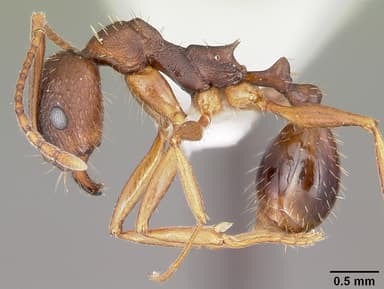
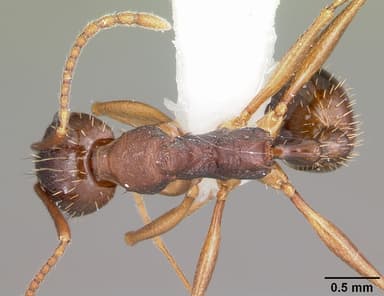
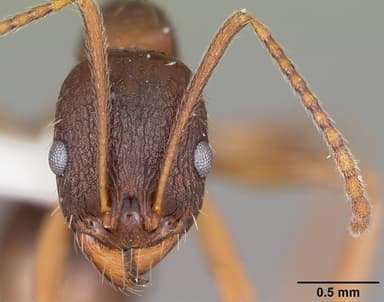
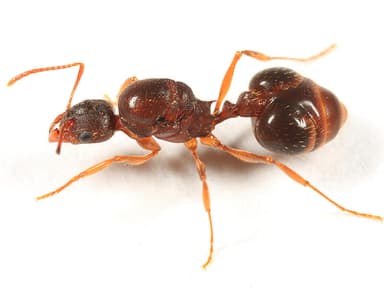
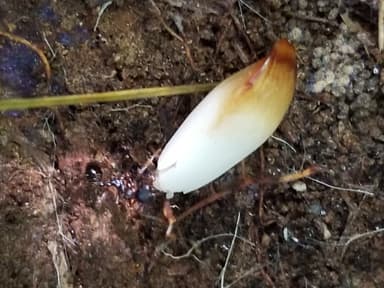
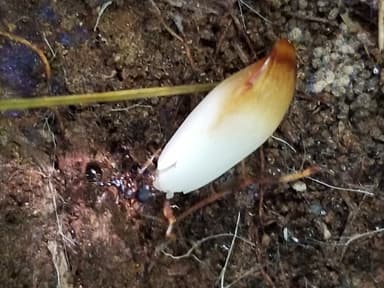
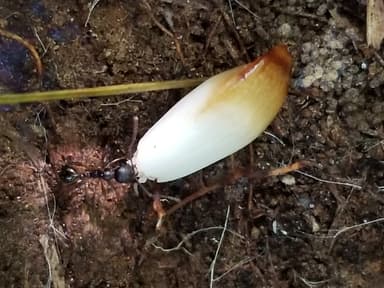
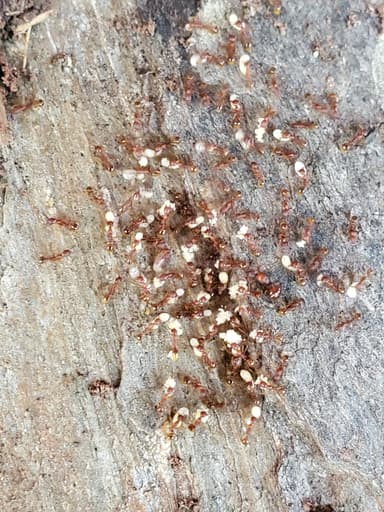
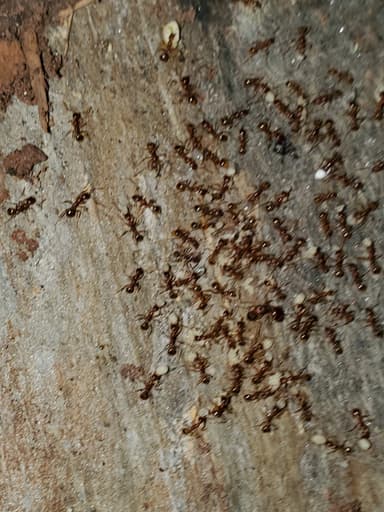
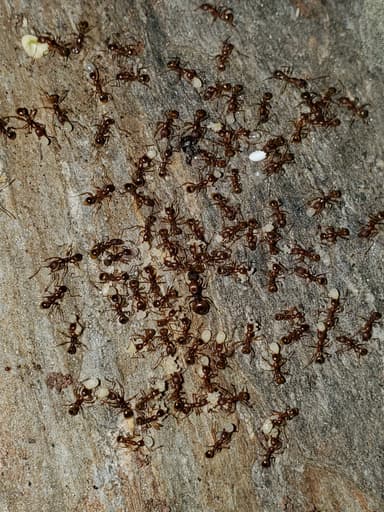
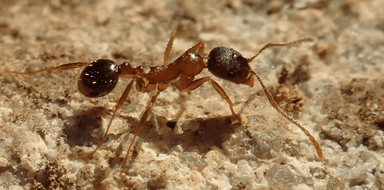
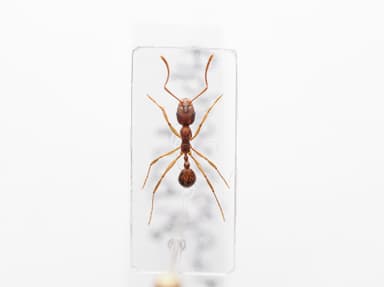
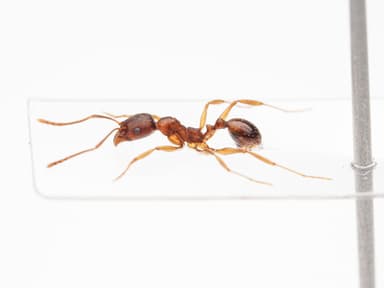
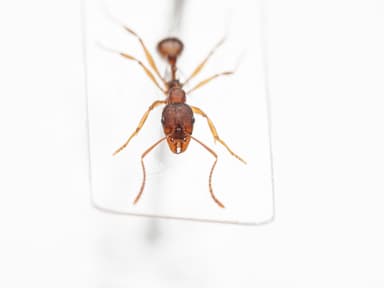
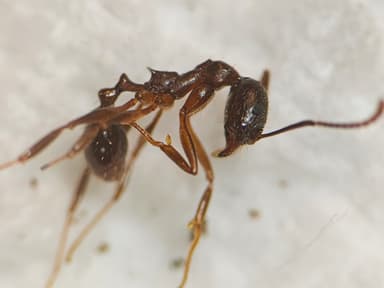
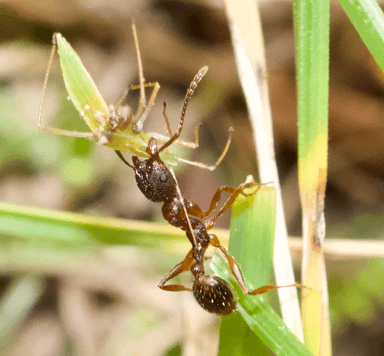
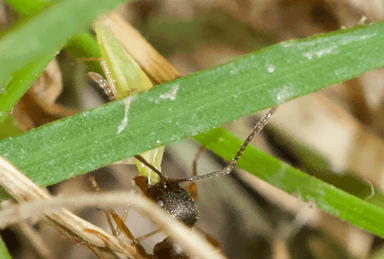
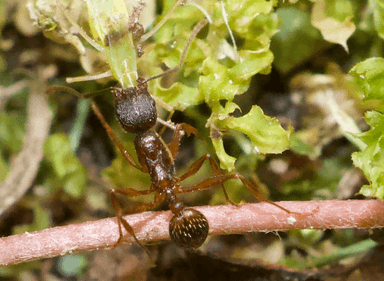
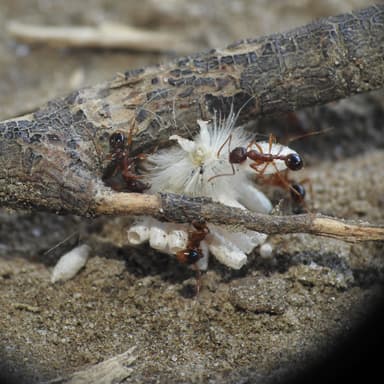
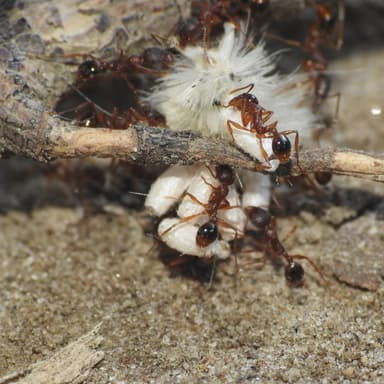
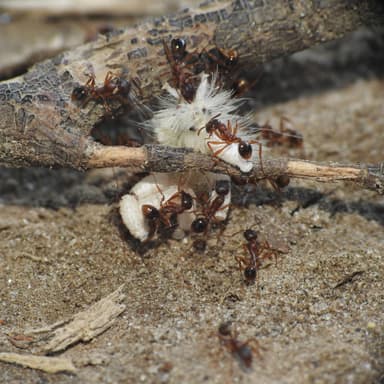
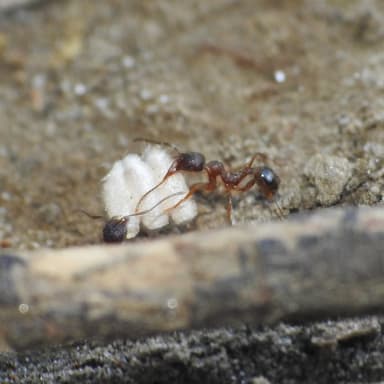
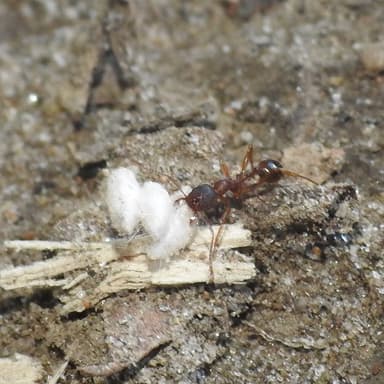
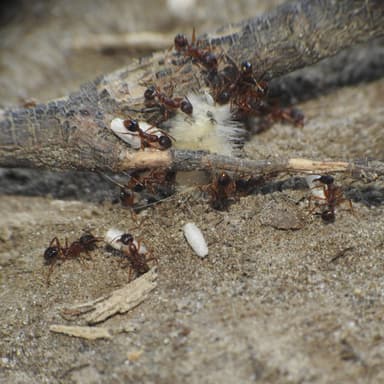
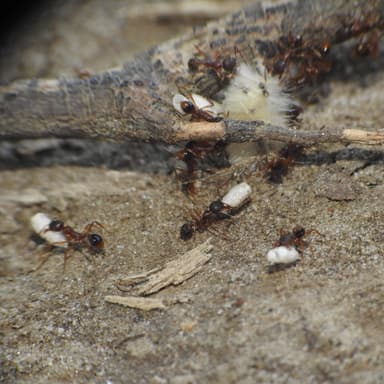
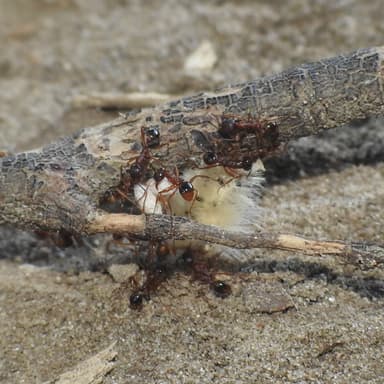
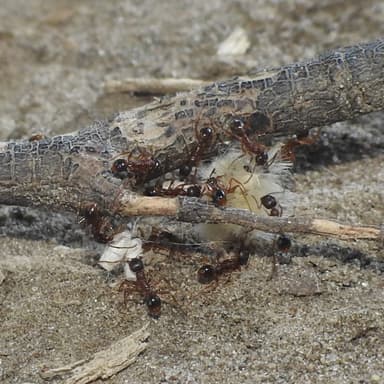
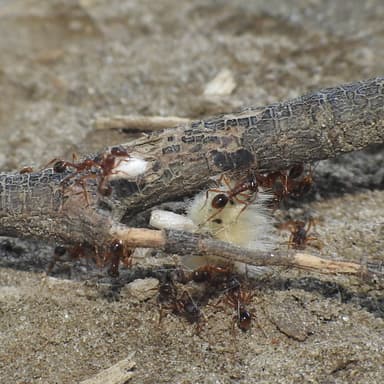
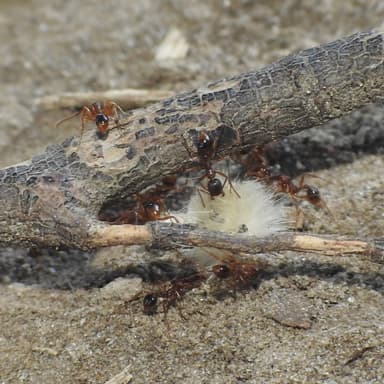
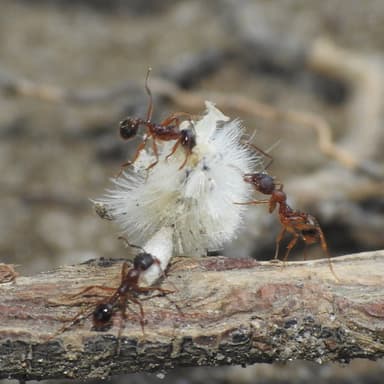
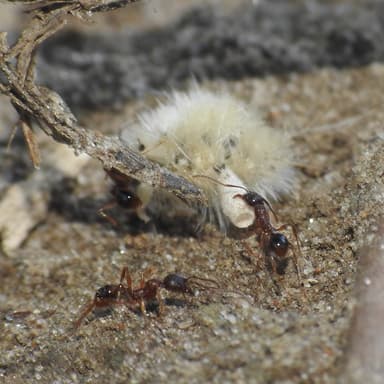
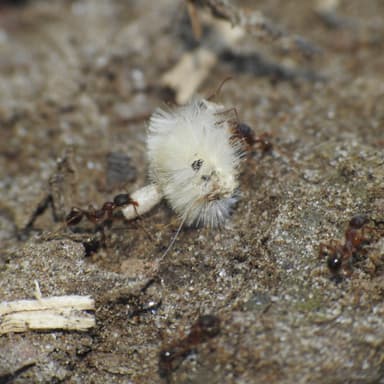
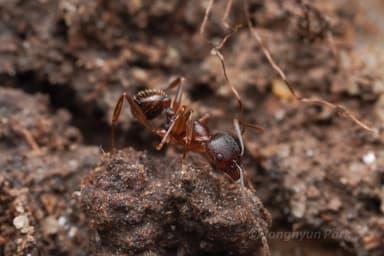
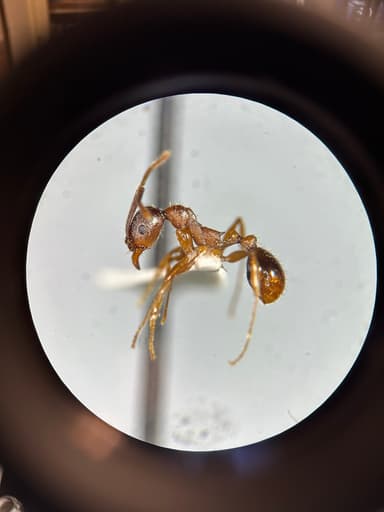
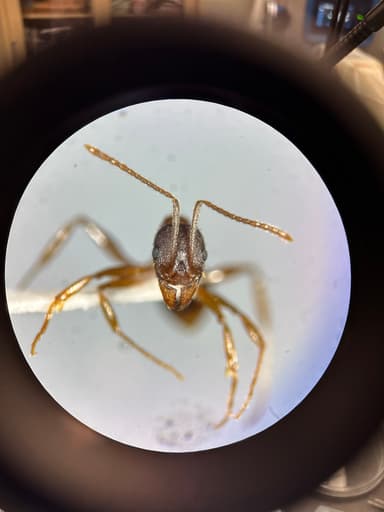
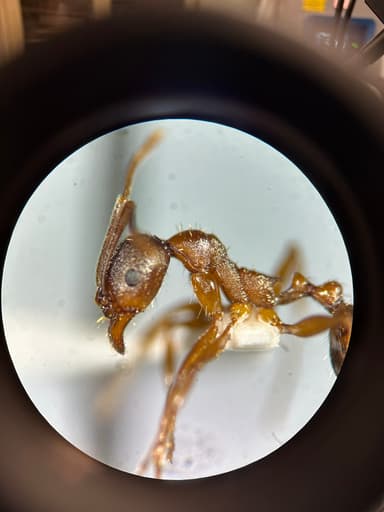
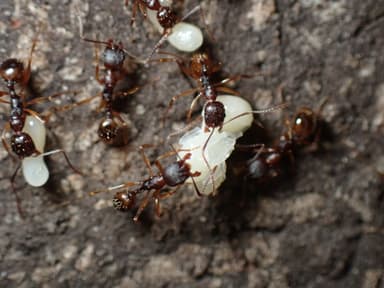
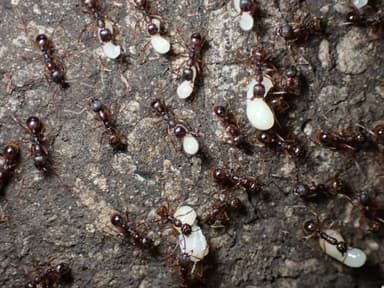
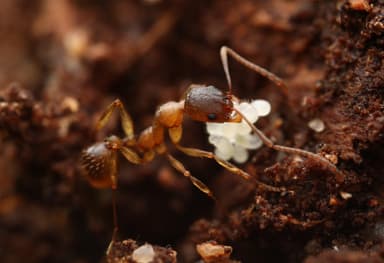
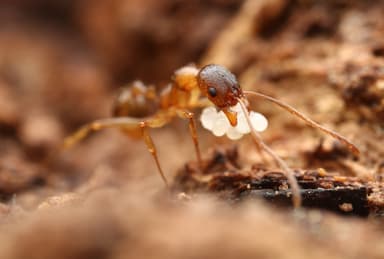
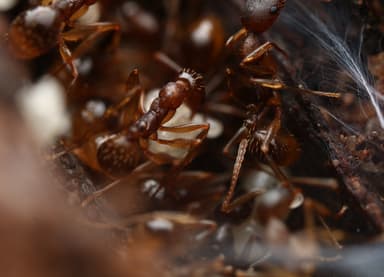
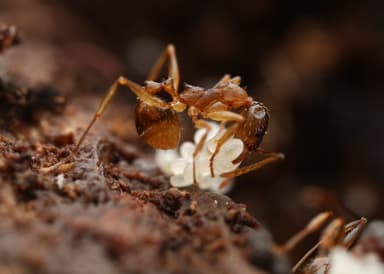
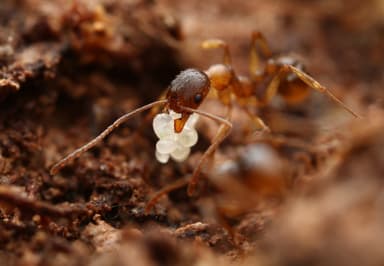
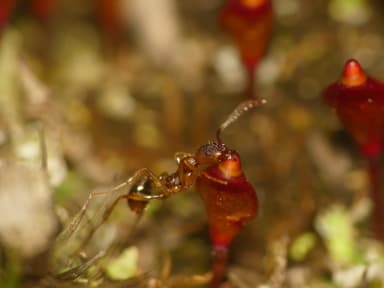
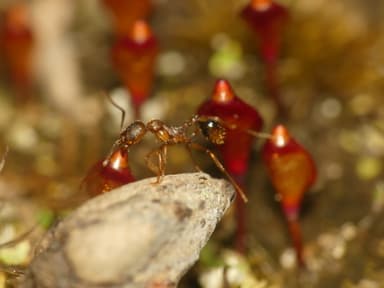
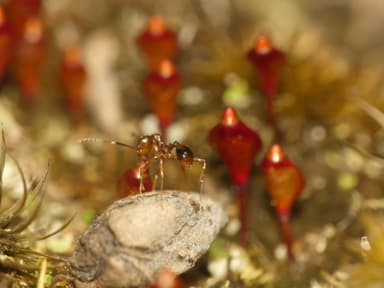
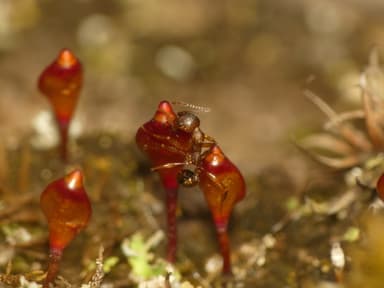
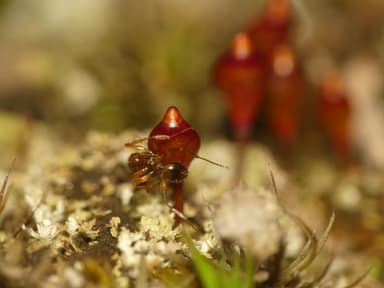
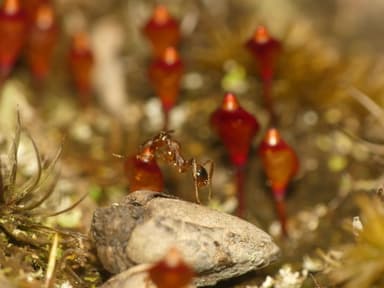
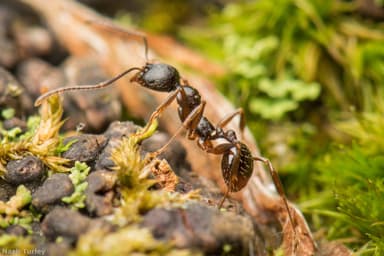
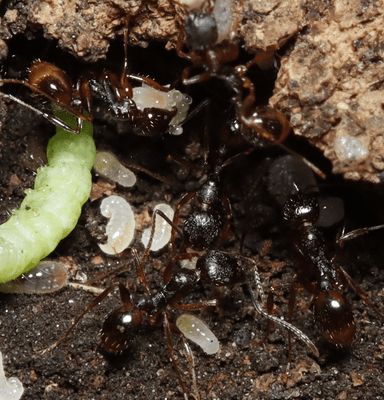
Aphaenogaster rudis is one of the most widespread and easily recognized ants of eastern North American woodlands, ranging from the Gulf States north into southern Ontario (Ellison et al. 2012). Queens measure a modest 7 to 9 millimeters, while the monomorphic workers run between 4 and 5.5 millimeters, their bodies a uniform amber-brown to dark reddish-brown and characterized by slender, long-legged profiles and a pair of sharp propodeal spines. Colonies are relatively small by ant standards, peaking at around 3,000 individuals, and are founded by a single claustral queen who seals herself away after a nuptial flight to raise her first workers on stored body reserves (Lubertazzi 2012). Those flights occur from June through September in the Eastern United States, typically on warm, humid afternoons following summer rains, a pattern that gives sharp-eyed collectors a narrow but predictable window to secure a fresh queen. What makes A. rudis truly fascinating to keep is its role as a keystone forest-floor forager; in the wild these ants are prodigious seed dispersers, moving vast numbers of elaiosome-bearing seeds and thus shaping local plant communities, and their nest-building activity aerates the soil. Despite this industriousness, they remain uncommon in the pet trade, offering the keeper a glimpse of a native ecosystem engineer that is both active and inquisitive, yet never overwhelming in number.
As a care subject, Aphaenogaster rudis sits squarely in the beginner category, provided the keeper can meet one critical seasonal requirement: a proper hibernation. The species is remarkably forgiving of small husbandry missteps, does not demand an expansive nest, and rarely becomes agitated enough to bite or sting defensively. Housing should mimic the humid, subterranean chambers these ants prefer. A plaster, ytong, or fine-textured grout nest works well, with an attached foraging arena to keep mess contained. Substrate in the nest can be a simple sandy loam mix, kept consistently moist but never sodden, to maintain a relative humidity of 50 to 70 percent. Temperatures are best held between 20 and 26 degrees Celsius, a range easily achieved with a small heating pad placed at one end of the nest, allowing a thermal gradient. Good passive ventilation is essential; stagnant, over-humid air invites fungal outbreaks. The setup should be placed away from direct sunlight and vibrations, as these ants are sensitive to disturbance but will otherwise settle quickly into their daily rhythm of patrolling and excavation.
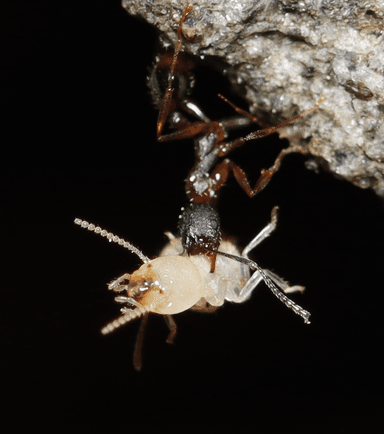
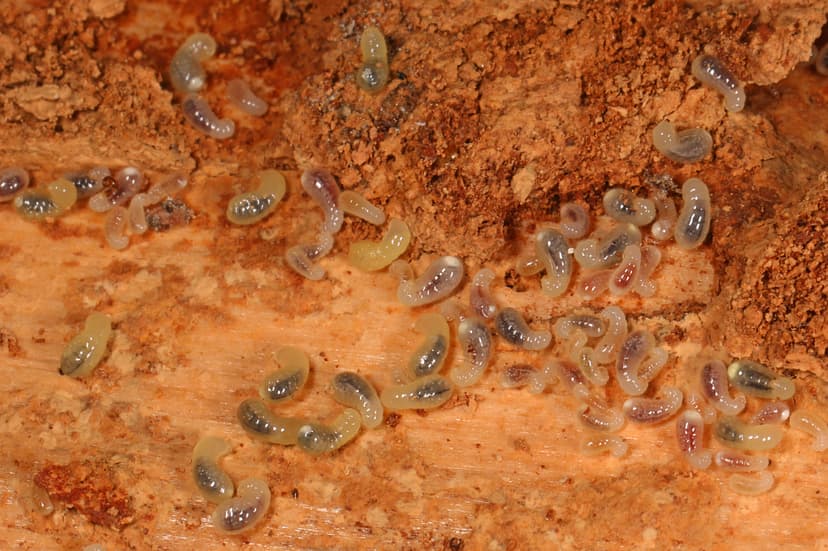
Diet is straightforward and satisfying to provide. Aphaenogaster rudis workers are omnivorous scavengers and enthusiastic hunters that will accept a wide variety of protein sources: small crickets, mealworms, fruit flies, and finely chopped insect bits are all taken eagerly. Pre-killing larger prey is advised to prevent a struggle that might injure a worker. Carbohydrates should be offered in liquid form—a shallow feeder with sugar water, honey-water, or even a slice of ripe fruit placed on a small dish works perfectly. The colony requires a steady external water source as well; a fresh test tube of water plugged with cotton or a dedicated water feeder, changed regularly, will prevent desiccation. Feed protein two to three times a week and replace carbohydrates every couple of days, removing any uneaten food before it molds. Because these ants are sensitive to dietary protein levels, observing how much brood is present can guide adjustments: an expanding colony benefits from slightly more insect material.
Hibernation is not optional for Aphaenogaster rudis; it is a biological imperative without which queens will eventually stop laying and colony health will decline. In their native range, these ants experience cold winters, and captive colonies must be given a rest period of three to four months at temperatures around 5 degrees Celsius. Preparation begins in late autumn by gradually cooling the colony over a few weeks, ensuring the nest remains hydrated but not wetter than normal. The ants will cluster tightly around the queen, ceasing foraging and brood production. A dedicated ant refrigerator, a wine cooler calibrated to 5 degrees Celsius, or an unheated but frost-proof basement can all serve, as long as the temperature stays stable and the ants are not jostled. Check monthly for moisture levels, adding water if the nest appears dry, but otherwise leave them undisturbed until early spring, when a slow warming back to room temperature and a small offering of honey water will rouse them into the new season.
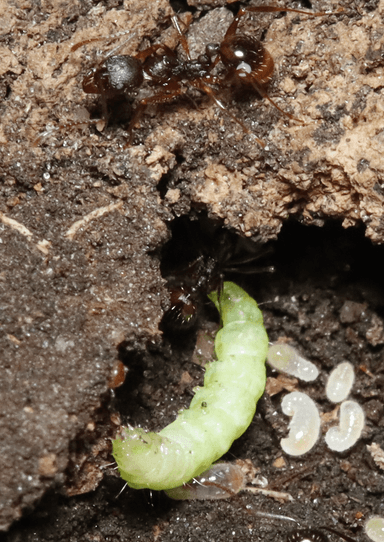
The first days after receiving a founding queen or small colony are critical and should be handled with patience. Upon arrival, place the sealed test tube or small nest directly into the prepared formicarium and let the ants explore on their own terms; forcing them out with light or tapping causes stress. Resist the temptation to feed for the first 24 to 48 hours—the ants will hydrate from their transport plug and the queen will still be drawing on reserves. When you do offer the first meal, make it a tiny drop of honey water placed on a small slip of parchment paper, and a pinhead cricket or a piece of a freshly killed fruit fly. Watch to see if workers accept the offerings and carry them toward the queen, a sure sign of settlement. Keep the nest dark and the room quiet, and within three to five days you should see regular foraging trips, the first small silk-encased larvae if conditions are right, and a general alertness that tells you your new Aphaenogaster rudis colony is ready to grow into a miniature woodland world.