Polyrhachis
Polyrhachis bihamata
Nuptial Flight Calendar
Care Guide
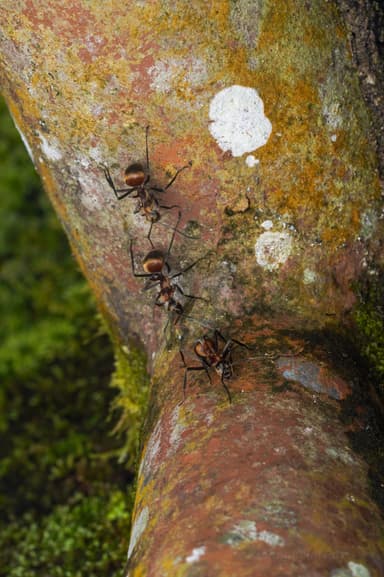
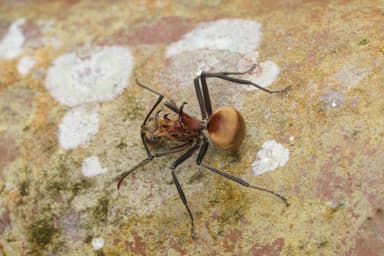
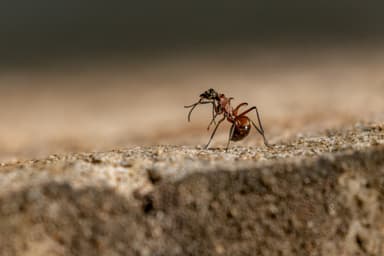
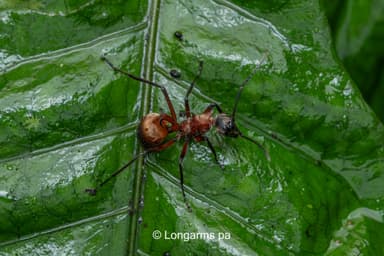
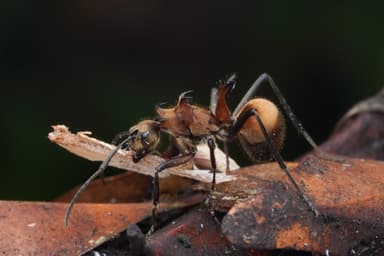
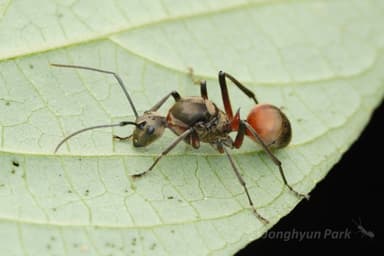
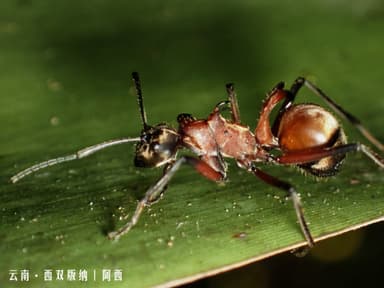
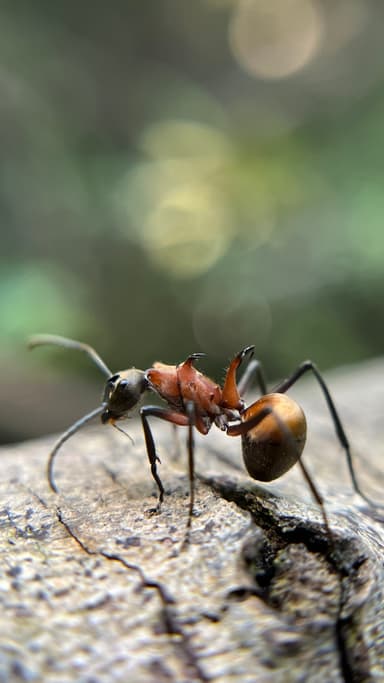
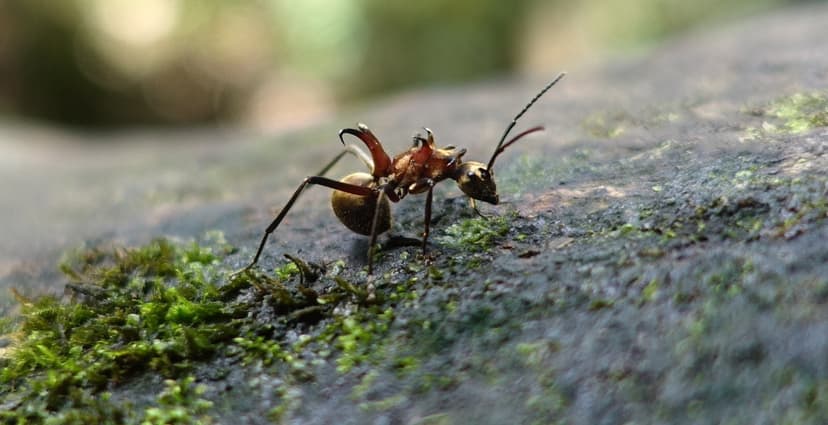
Polyrhachis bihamata, commonly known as the two‑hooked spiny ant, is a visually striking species that captivates keepers with its formidable appearance. Both queen and workers are adorned with sharp, curved spines on the thorax and petiole, giving them an almost prehistoric look. The queen measures 9–11 mm, while workers range from 6–8 mm. Unlike many ants, Polyrhachis do not display strong polymorphism – all workers share a similar body shape, though minor size variations occur. Their dark, glossy exoskeleton and rapid, agile movements make them a joy to observe.
These ants are semi‑claustral during colony founding, meaning the queen must leave the nest to forage for food until the first workers emerge. This makes the founding stage more delicate compared to fully claustral species, but it also offers a rewarding challenge for intermediate keepers. Once established, colonies grow to a modest size of 200–1,000 workers. Polyrhachis bihamata are active foragers that thrive on a high‑protein diet. They eagerly accept insects such as fruit flies, crickets, and mealworms, supplemented with sugar water or honeydew. A varied diet supports brood production and colony vigour. They do not require hibernation, allowing year‑round activity if kept at stable temperatures.
Care difficulty
Keeping Polyrhachis bihamata is considered intermediate. The semi‑claustral founding phase requires careful feeding and minimal disturbance, as the queen is vulnerable. However, once the first workers arrive, the colony becomes more resilient. Their straightforward dietary needs and lack of hibernation simplify long‑term care, but they are sensitive to sudden temperature or humidity fluctuations. Maintaining a consistent environment is key.
Housing
A formicarium with good ventilation and a separate outworld is ideal. These ants appreciate a nest substrate that retains moisture – a mix of sand and clay or a plaster‑based nest works well. Humidity should be kept between 60–80%, with a slightly drier outworld zone. Temperature should stay in the 24–28°C range; a heating cable or mat on one side creates a gradient. Polyrhachis bihamata are not particularly prone to escape, but a tight lid and fluon barrier are recommended. Provide hiding spots and dark areas in the nest, as they prefer subdued light. No hibernation is needed, so keep conditions stable throughout the year.
First days after purchase
Upon receiving your colony, place the formicarium in a quiet, dimly lit spot and let the ants settle for several hours. If you have a founding queen, offer a small drop of sugar water and a tiny insect – she will need to forage, so ensure food and water are accessible but not overwhelming. For an established colony, observe that workers begin exploring and tending brood. Avoid unnecessary vibrations or opening the nest. Within a day or two, you can gently offer food in the outworld. Patience is crucial: these ants are alert and may retreat if startled. Once they feel secure, their lively foraging and defensive postures (raising their spiny abdomens) will become a daily delight.