Oxyopomyrmex
Oxyopomyrmex santschii
Care Guide
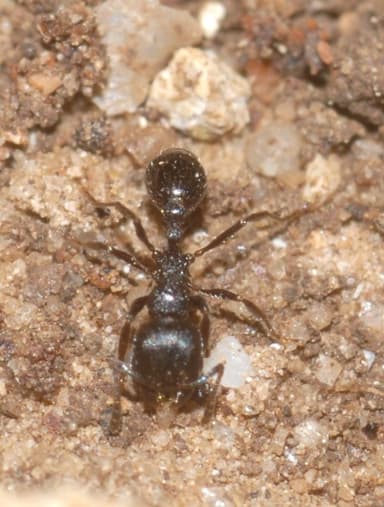
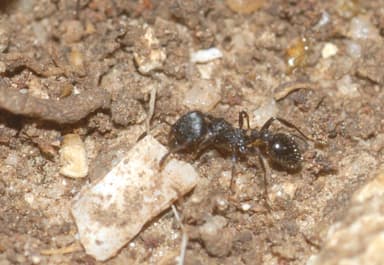
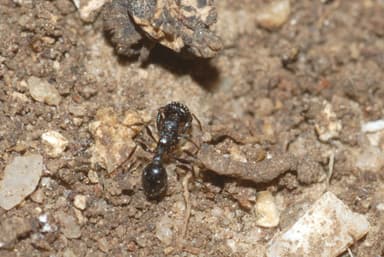
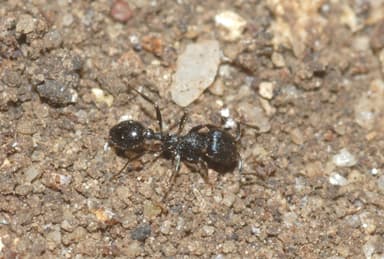
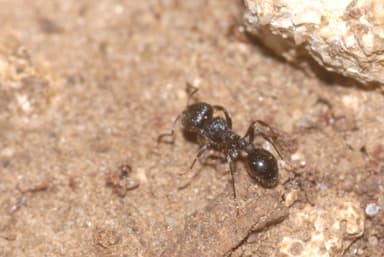
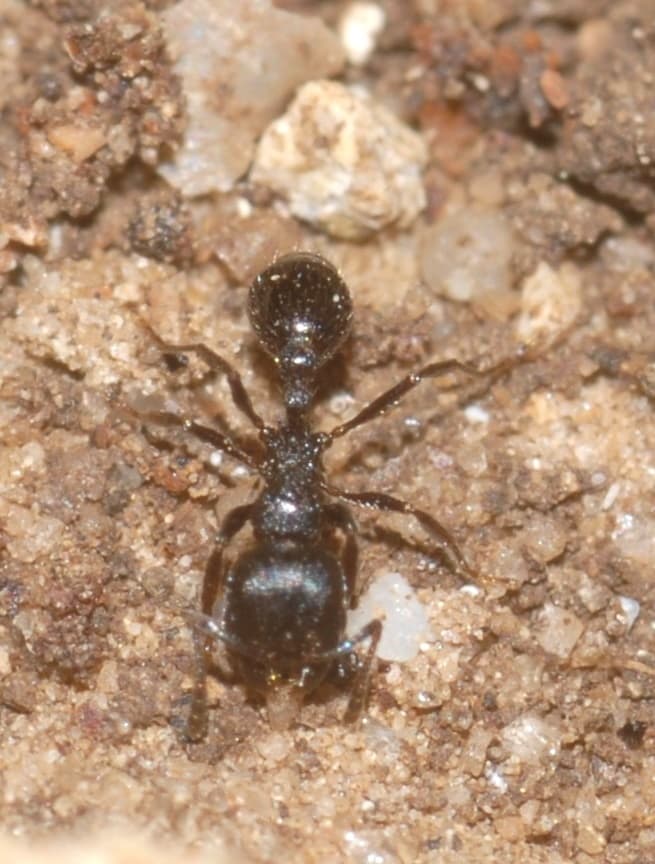
Oxyopomyrmex santschii is a charming Mediterranean species that offers a wonderful balance of robust activity and manageable size for keepers with some prior experience. The queen, measuring 6–7 mm, is a sturdy and determined individual, while the workers range from 2.5 to 4 mm and display a modest but noticeable size variation. These ants are not as dramatically polymorphic as some seed harvesters, but the larger workers often take on the role of milling seeds, giving the colony a pleasing division of labour. Colonies typically grow to a few hundred workers, with well-established nests reaching up to around two thousand individuals, making them a perfect choice for those who want a lively but not overwhelming setup.
One of the most engaging aspects of Oxyopomyrmex santschii is their mixed diet. They are part-time seed harvesters, collecting and storing small seeds in their granaries, but they also relish insect protein and will happily accept sugar water as an energy boost. This omnivorous approach means they quickly adapt to a varied menu, and watching them drag a seed back to the nest or swarm a freshly offered cricket is a real delight. Their claustral founding strategy makes early colony rearing straightforward; the queen seals herself in a founding chamber and raises the first workers without needing any food until they emerge. However, care does become more nuanced as the colony grows, requiring attention to humidity and seasonal rhythms.
Care difficulty
Keeping Oxyopomyrmex santschii is best suited to intermediate-level ant keepers. The species is not overly demanding, but their need for a defined hibernation period and balanced humidity means that beginners might find the extra requirements challenging. Once the basic parameters are right, these ants are resilient and rewarding, but they do not tolerate prolonged neglect nor extreme fluctuations in their environment.
Housing
A dry-medium formicarium with a separate outworld works well for this species. The nest area should be kept moderately humid (40–60%) — a gradient is ideal so the ants can choose their preferred microclimate. Regular, gentle moistening of one chamber or the nesting substrate supports larval development, but avoid waterlogging. The outworld should offer a dry foraging area where you can provide seeds, insects, and a test tube or small water feeder. Temperature maintained between 20 and 28°C suits them year-round, though they benefit from a slight drop at night. The most critical requirement is a genuine winter rest: from late autumn to early spring, cool them to around 10°C for several months, reducing feeding. Without this hibernation, the queen may stop laying and colony growth will stall.
First days after purchase
Upon receiving your Oxyopomyrmex santschii colony, place the formicarium in a calm, dimly lit spot and allow the ants to settle undisturbed for at least 24 hours. Check that the test tube or nest chamber has adequate moisture and that the queen appears relaxed. Offer a single small seed and a drop of sugar water to confirm they are feeding, but avoid overhandling. Over the next few days, observe their activity from a distance—these ants appreciate quiet and will reward you with confident foraging once they feel secure. Do not attempt to feed large prey items until the colony has at least a dozen workers; start with tiny insects or crushed seeds to stimulate their natural harvesting instincts.