Tetramorium
Tetramorium bicarinatum
Nuptial Flight Calendar
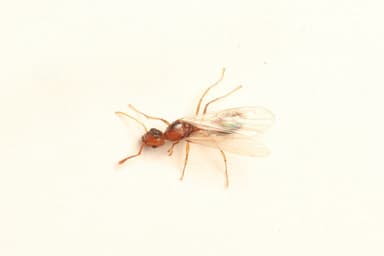
Flight months: Jan, Feb, May, Jun, Jul, Aug, Sep, Nov, Dec
Care Guide
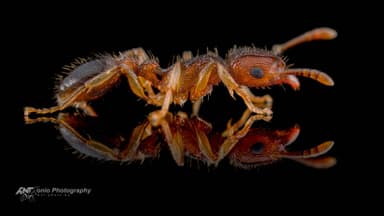
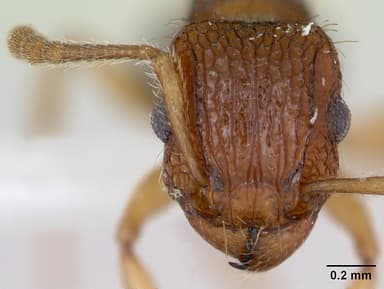
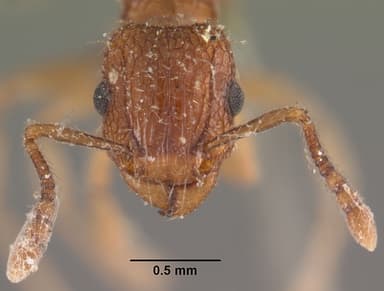
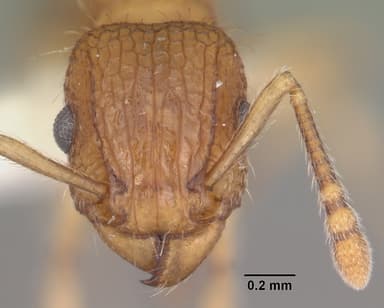
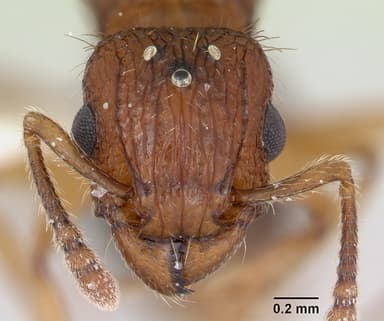
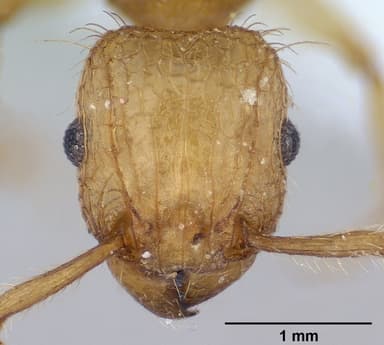
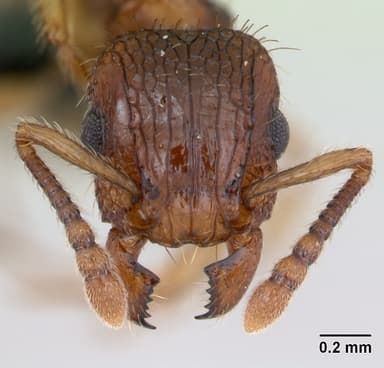
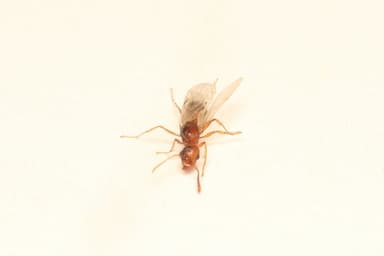
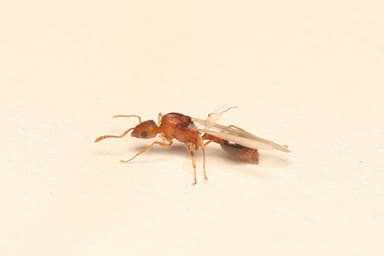
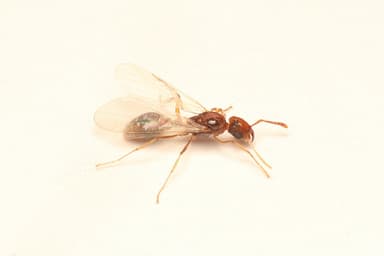
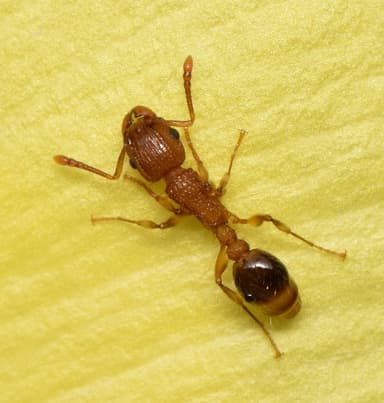
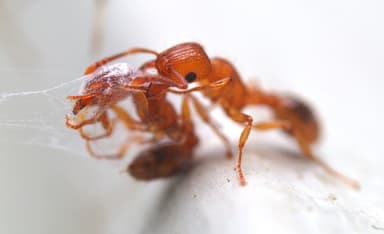
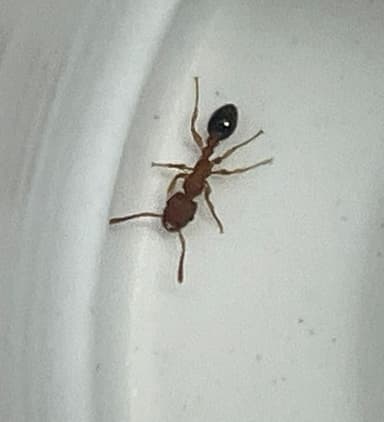
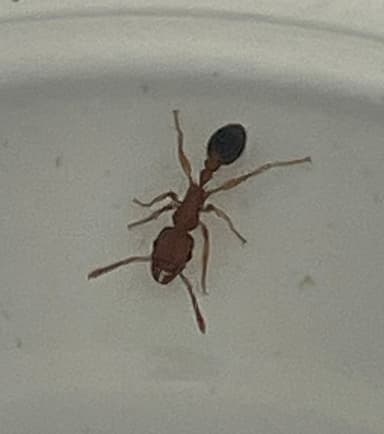
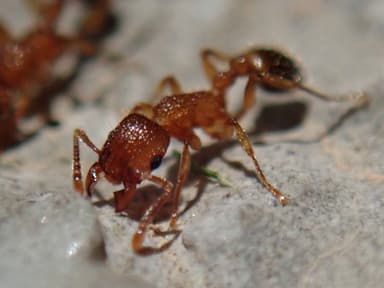
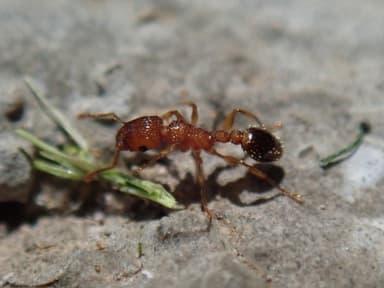
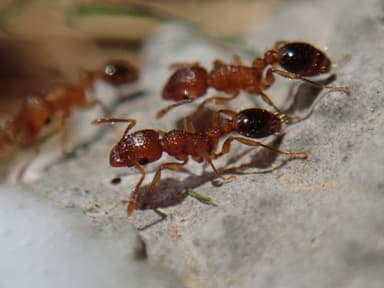
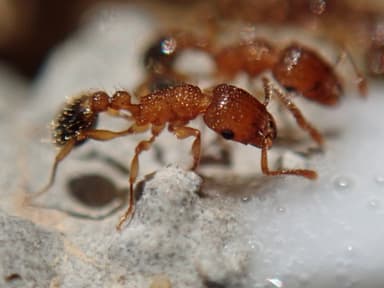
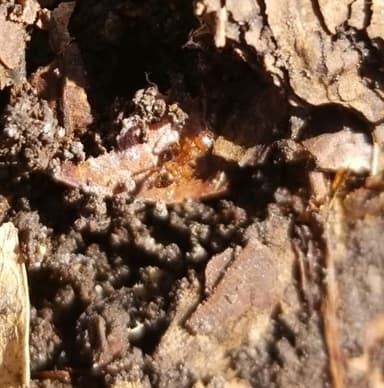
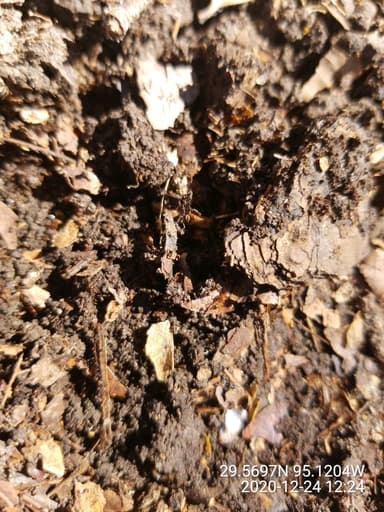
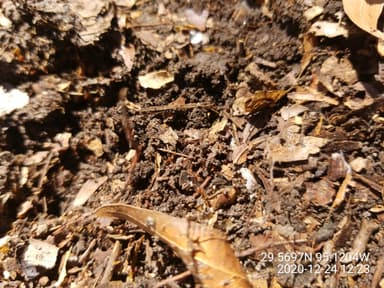
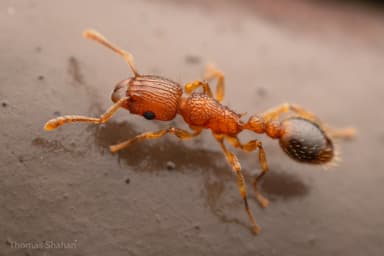
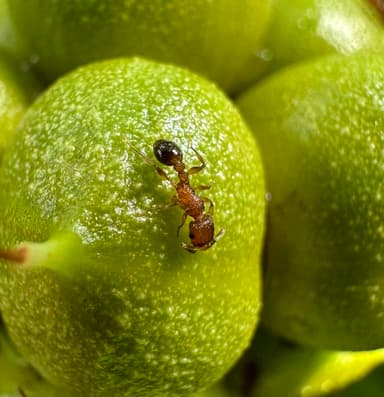
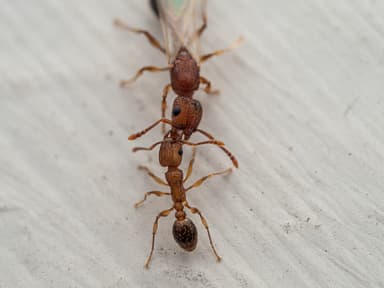
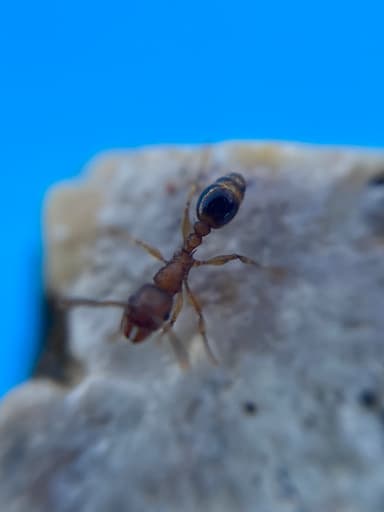
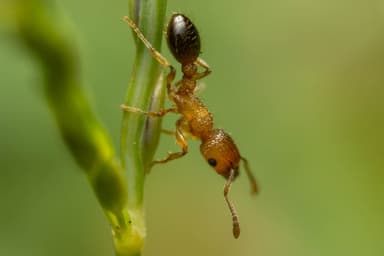
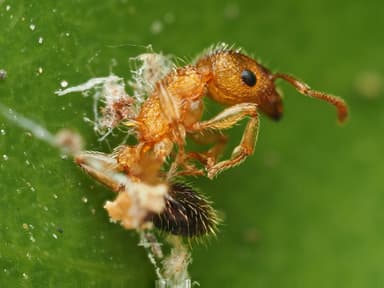
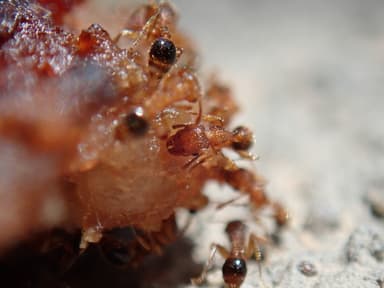
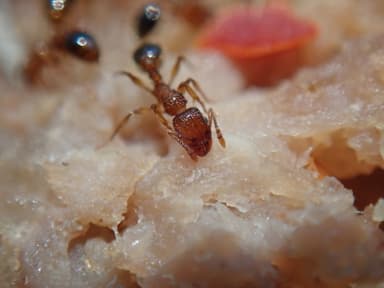
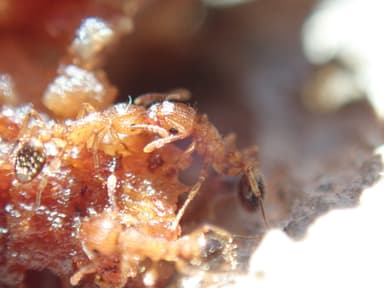
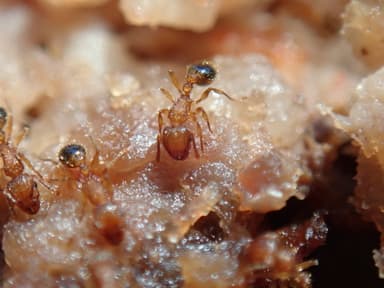
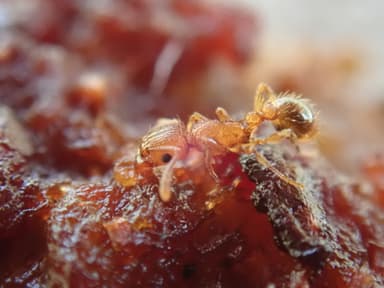
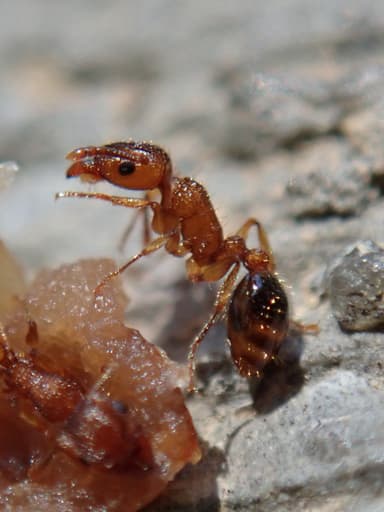
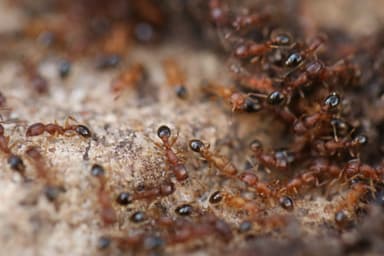
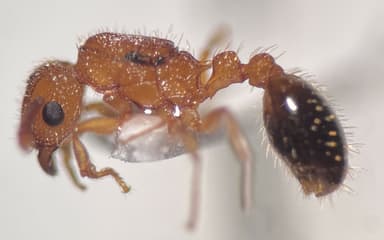
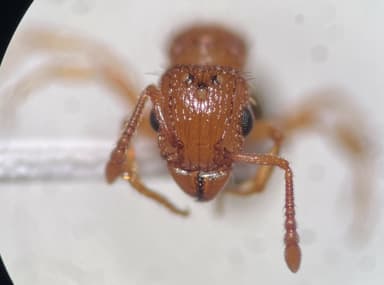
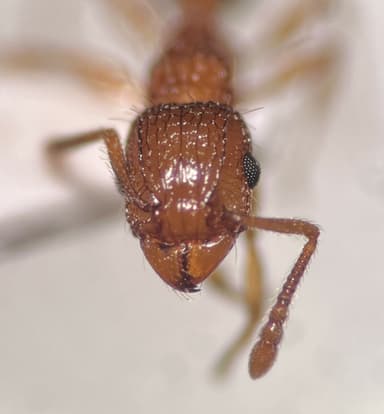
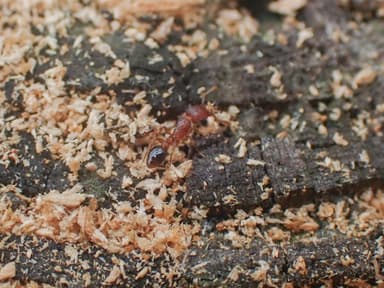
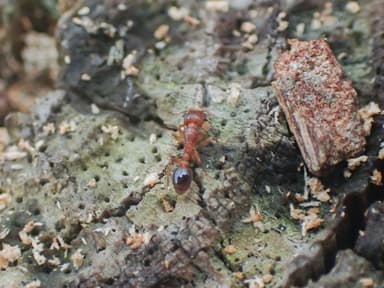
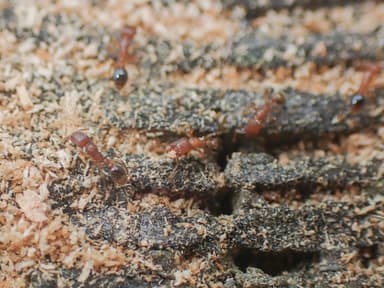
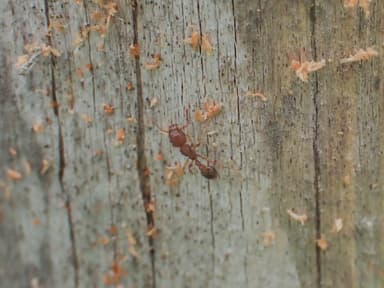
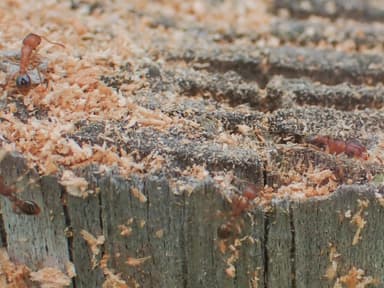
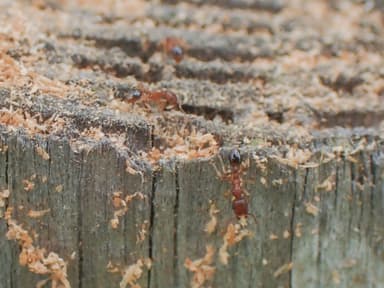
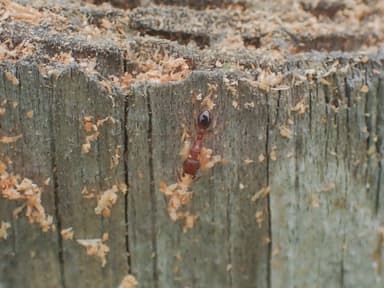
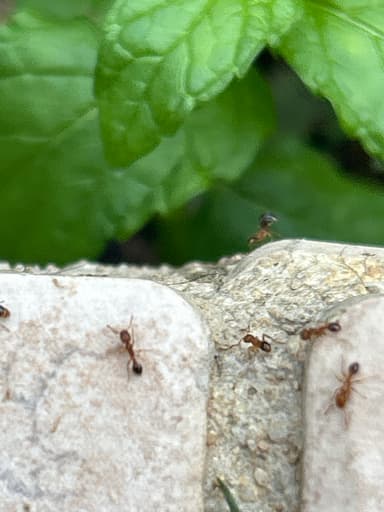
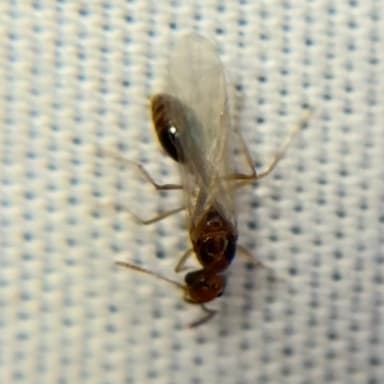
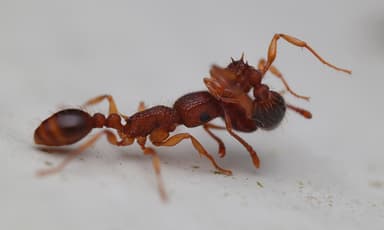
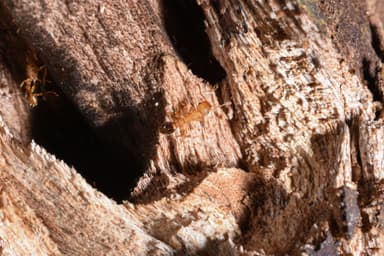
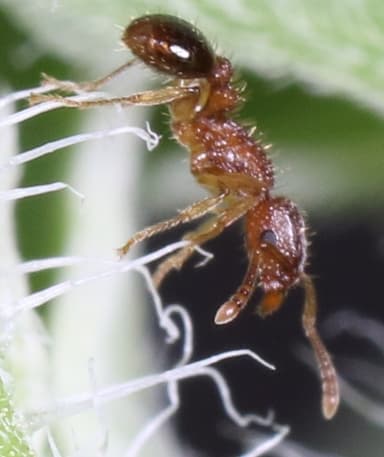
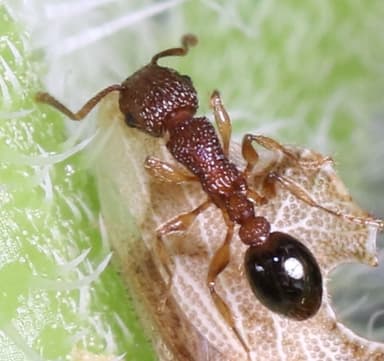
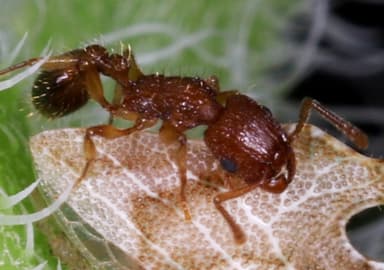
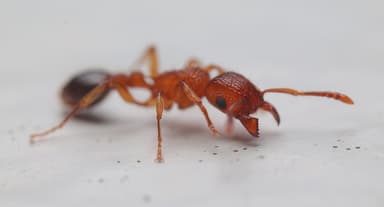
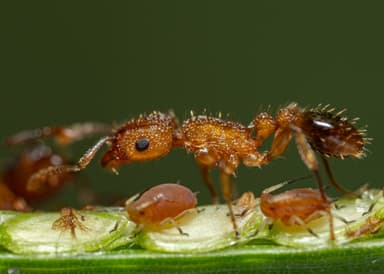
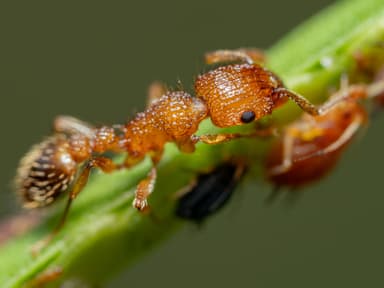
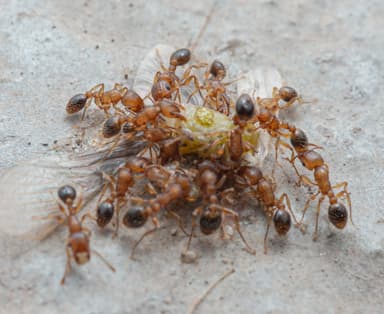
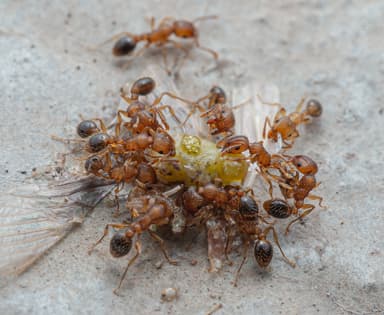
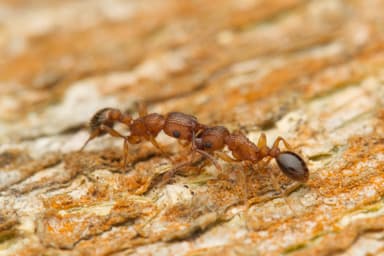
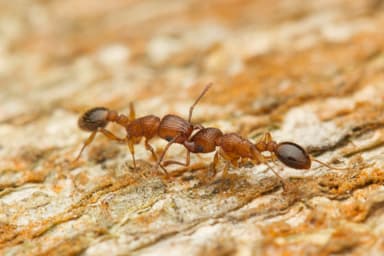
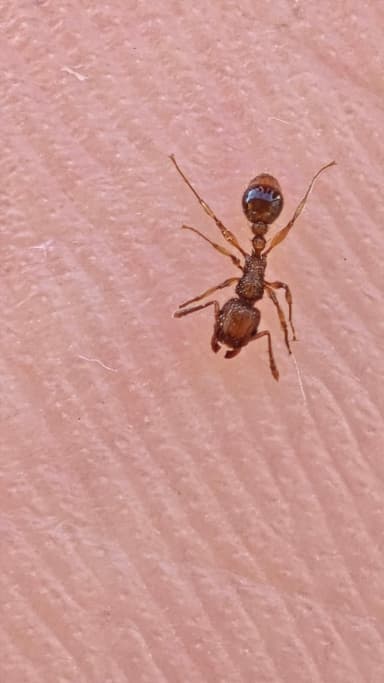
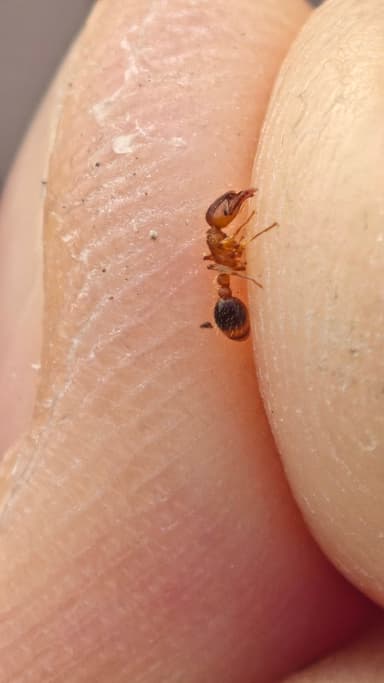
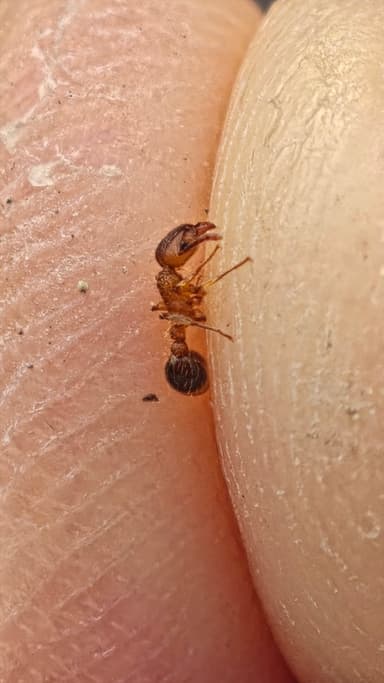
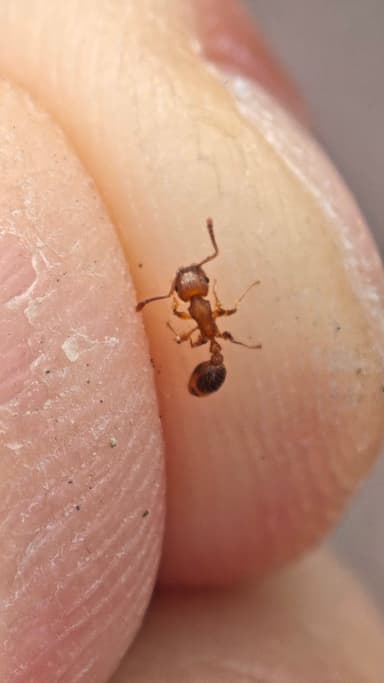
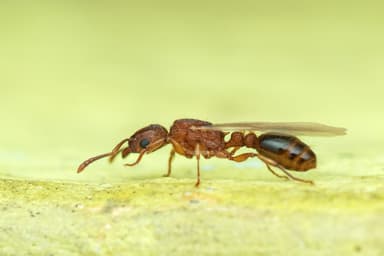
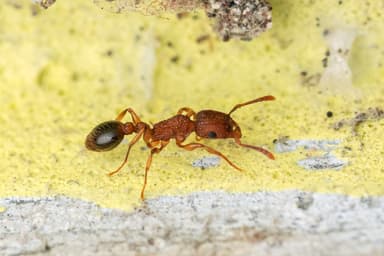
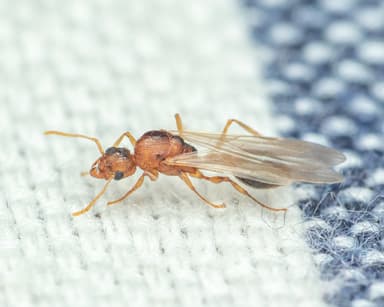
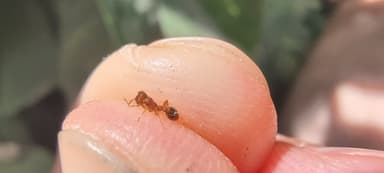
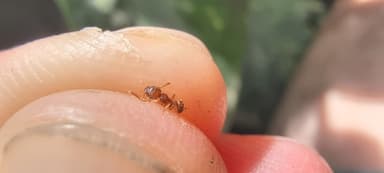
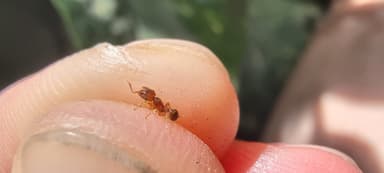
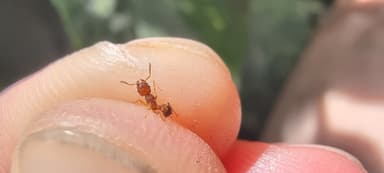
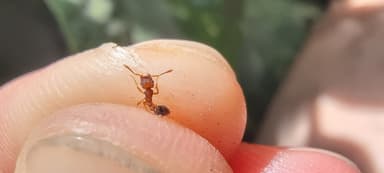
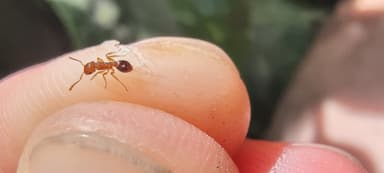
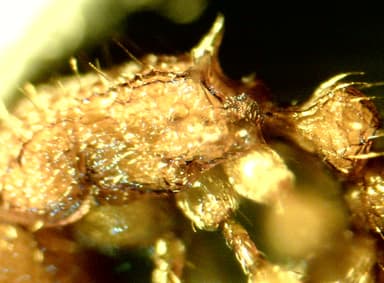
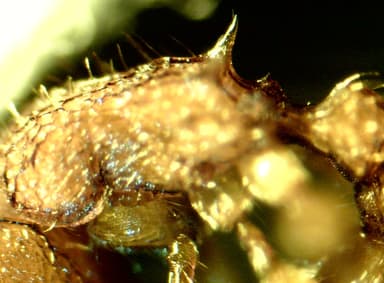
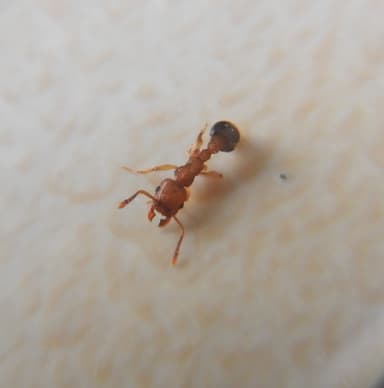
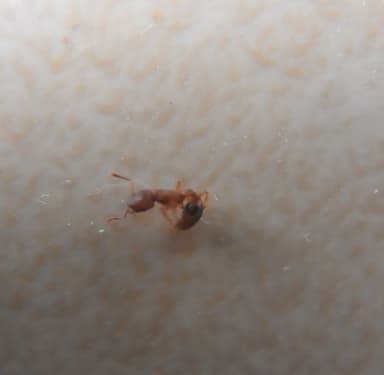
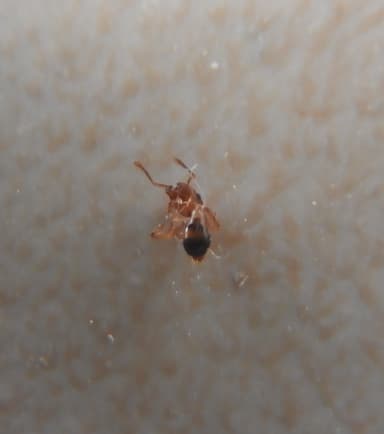
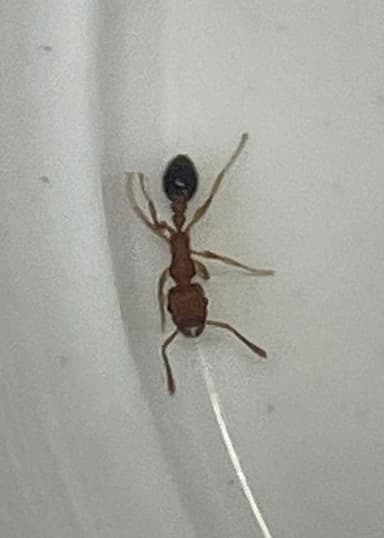
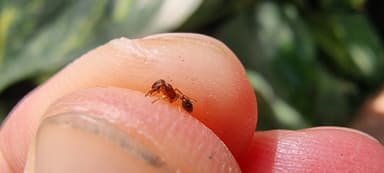
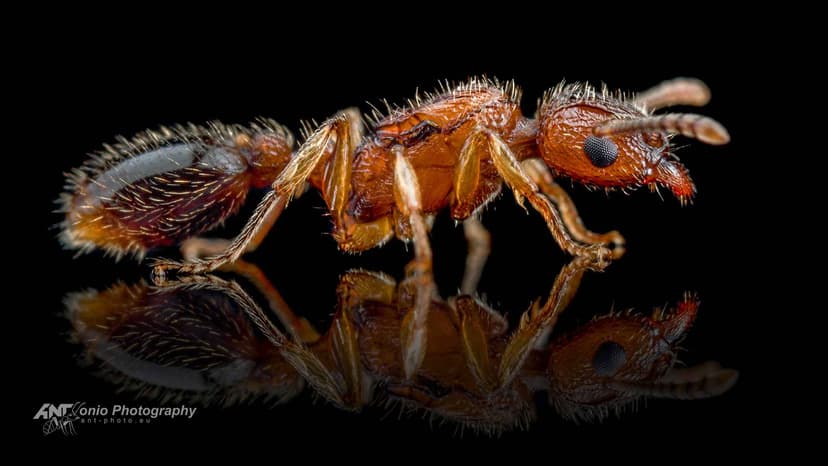
The penny ant, Tetramorium bicarinatum, is a diminutive stowaway that has hitched rides on human commerce to nearly every warm corner of the globe, from the Gulf Coast of the United States to northern Australia and throughout the tropics. Queens measure a modest 5.5 to 7 mm, while the monomorphic workers are a mere 2.5 to 3.5 mm long, their bodies a warm reddish-brown that gleams under magnification. Colonies can swell to an impressive 10,000 individuals in just a year or two, making them a study in efficient organization despite the absence of physical castes. What truly sets this species apart is its status as a pantropical tramp — a highly successful invader that thrives in disturbed habitats, greenhouses, and even kitchen cupboards. In the wild, colonies often spread by budding, and while aerial nuptial flights have been observed on warm, humid afternoons between May and September in their native and introduced ranges, indoor budding is so prolific that a single colony can quickly become a network of interconnected nests (Wetterer 2009). For the ant keeper, this translates into a resilient, fast-growing colony that offers a window into the remarkable adaptability of social insects.
Classified as a beginner-level species, T. bicarinatum is exceptionally forgiving of minor husbandry mistakes, making it an ideal entry point for new keepers or anyone who wants a low-maintenance tropical display. Its hardiness stems from a tropical lifestyle that requires no hibernation, year-round warmth, and a broad dietary acceptance. However, that same hardiness demands respect: these ants are notorious escape artists. Their minute size allows them to squeeze through gaps you would swear are too small, and a single unsealed lid can lead to a satellite nest behind your bookshelf within weeks. If you are prepared to invest in a tight-fitting formicarium with a reliable barrier — liquid PTFE (Fluon) is the gold standard — you will be rewarded with a colony that forages boldly, raises brood at a breakneck pace, and displays constant activity. The lack of polymorphism means you won’t see dramatic major workers, but the sheer density of traffic and relentless expansion is mesmerizing in its own right.
Housing should mimic the warm, moderately humid niches they favor. Maintain temperatures between 22 and 28°C, with 24–25°C being a sweet spot for brood development; a small heat mat or cable attached to one side of the nest works perfectly. Humidity is best kept between 50 and 70%, achieved by providing a gradient within the nest — a moistened corner or a water tower alongside a drier area, so the ants can self-regulate. Because these ants love tight, enclosed spaces, nest designs with narrow chambers and a thin profile suit them best. Ytong or plaster nests with 3–5 mm galleries, covered by a red acetate sheet, allow you to observe the queen and brood without causing stress. They will also nest in a test tube setup indefinitely, so don’t feel rushed to move them into a large formicarium until the colony reaches several hundred workers. Avoid loose substrates like potting soil unless you are prepared for the ants to excavate extensively and potentially undermine barriers; a clean, minimalist setup makes escape detection easier.
Diet is straightforward and mirrors that of most myrmicine ants. Offer a mix of protein-rich insects and sugary carbohydrates. Small crickets, fruit flies, or chopped mealworms are excellent protein sources for the larvae, and you’ll notice the workers eagerly drag even prey larger than themselves back to the nest. For carbohydrates, a drop of sugar water, diluted honey, or a commercial ant jelly provided on a small feeding tray will fuel the adult workers’ ceaseless activity. Always keep a fresh water source available, either through a water-filled test tube or a micro-feeder, as dehydration can rapidly devastate a small colony. Feed every two to three days, removing any uneaten insect parts after 48 hours to prevent mold, and increase the quantity as the colony grows — a mature colony of several thousand will consume a surprising amount of food.
One of the greatest conveniences of keeping this species is that hibernation is not required. Tetramorium bicarinatum originated in tropical and subtropical latitudes, and it maintains its brood cycle year-round as long as temperatures stay warm. In temperate regions, simply keep them in a heated room or with a nest heating element through the winter, and they will continue to rear larvae and forage without missing a beat. This makes them a perfect choice for keepers who want an active colony to observe during the cold months, when local species are slumbering in the fridge.
For the first days after purchase, minimal interference is the rule. Whether you have received a newly mated queen in a test tube or a small starter colony, place the setup in a quiet, dimly lit spot within the recommended temperature range and resist the urge to check on them more than once every couple of days. A claustral queen needs no food until her first tiny workers eclose — which can happen in as little as five to six weeks in warm conditions — so simply ensure her water supply remains clean. If you have a colony with workers, wait 24 to 48 hours after arrival before offering a minuscule dab of sugar water or a freshly killed fruit fly. Watch for signs of a calm, settled queen; if she is pulling at the cotton plug or racing around, cover the tube with a cloth for further darkness. Tiny workers will likely begin exploring within a day, and you can then introduce food. Pay close attention to the barrier integrity from day one: place the formicarium over a light-colored surface or a moat tray to catch any early escapees. Once they settle in, you’ll witness the rapid, cooperative pulse that has made this species a global success.